Café Ludwig sits on Klopstockstraße in Munich's Schwabing district, a neighbourhood long associated with the city's café-house culture. The address places it within walking distance of the English Garden and a stretch of streets where the morning Milchkaffee and the afternoon Kuchen are still taken seriously. For visitors building a day around the north end of the city, it functions as a useful anchor point.
 Discover on Pearl
Pearl is the En Primeur Club membership app — saves, bookings, and concierge access live there. Same editors, same standards.
- Address
- Klopstockstraße 10, 80804 München, Germany
- Phone
- +498932211766
- Website
- cafe-ludwig.net
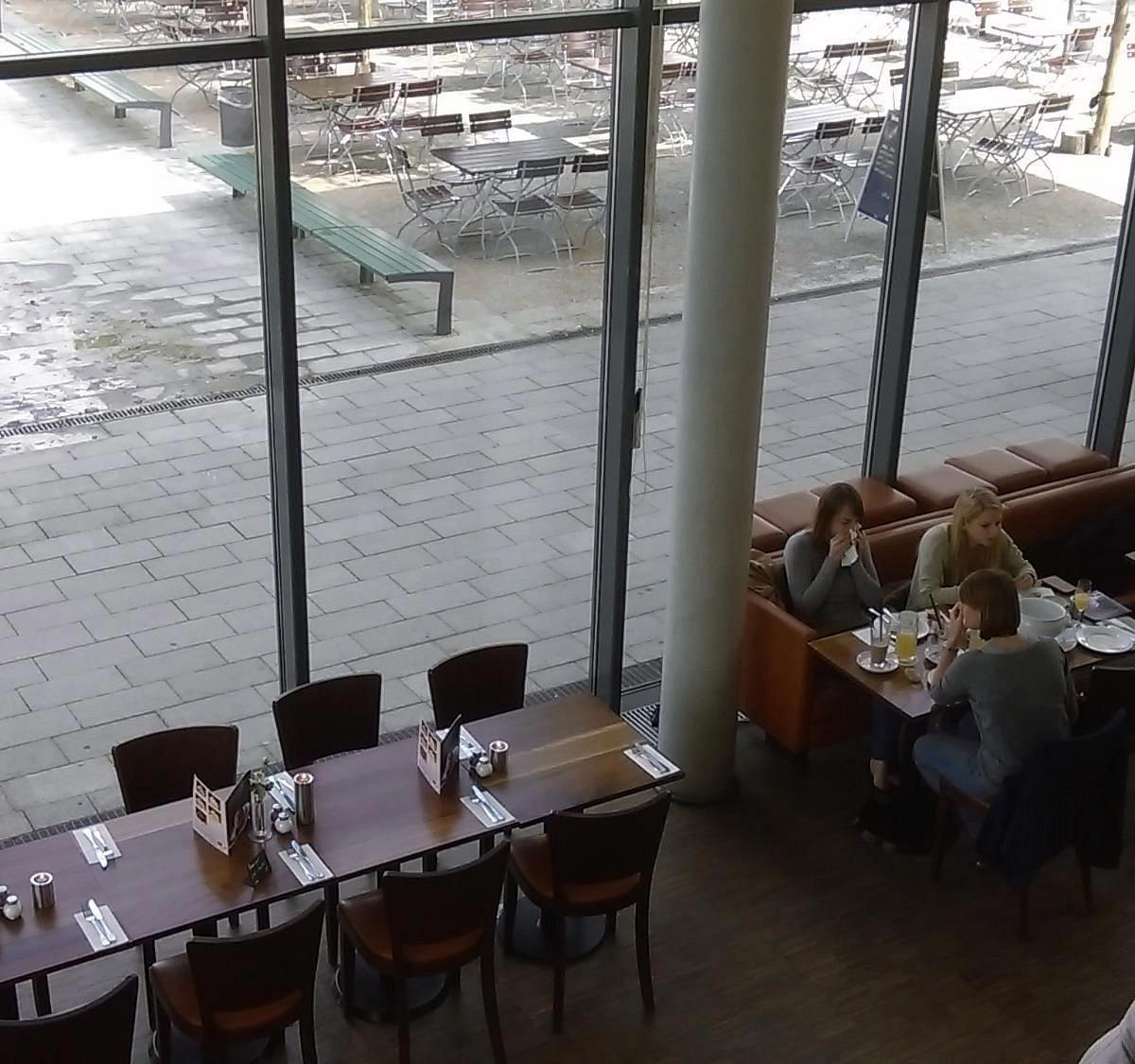
Where Munich's Café Tradition Still Has Weight
The café-house tradition in Munich operates differently from its Viennese counterpart. Vienna's coffeehouses were always about lingering as a civic act, a place to read, argue, and remain for hours without obligation. Munich's version is more neighbourhood-specific, embedded in districts rather than in a general urban consciousness. Schwabing, the northern quarter that runs up toward the English Garden and beyond, carries more of that tradition than most parts of the city. Its streets have historically housed artists, students, and the kind of regular who takes the same table at the same hour without announcement. Café Ludwig, at Klopstockstraße 10 in the 80804 postcode, sits inside that geography.
The address matters. Klopstockstraße is not a tourist artery. It is a residential side street, the kind that defines how locals actually experience their city rather than how guidebooks frame it. To arrive there is to step slightly outside the curated Munich of the Marienplatz or the Englischer Garten's southern edges and into something more habitual and less performed. The district's café culture at this end of the city tends toward the informal, the repeat-visit, the place where the ritual of the drink and the hour matters more than the occasion.
The Sensory Register of a Neighbourhood Café
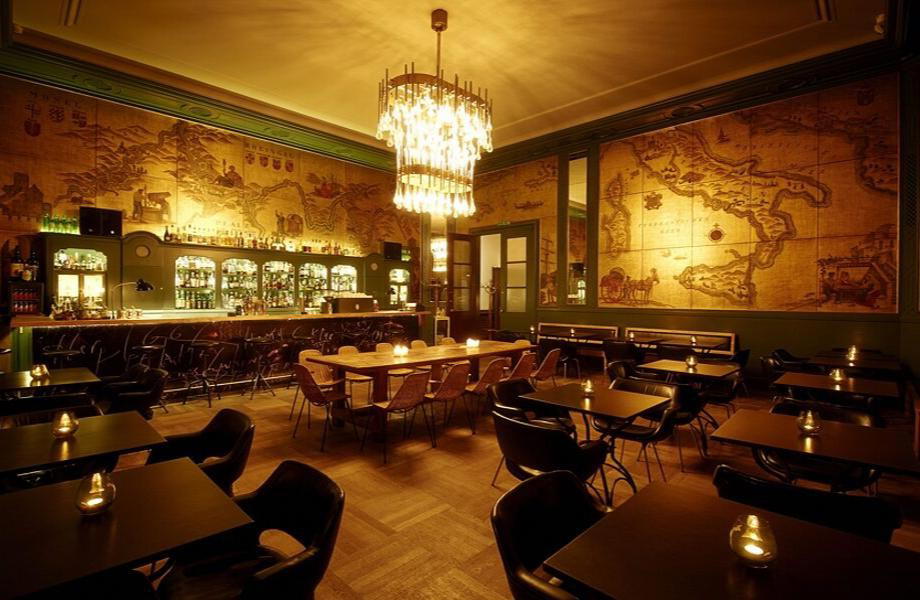
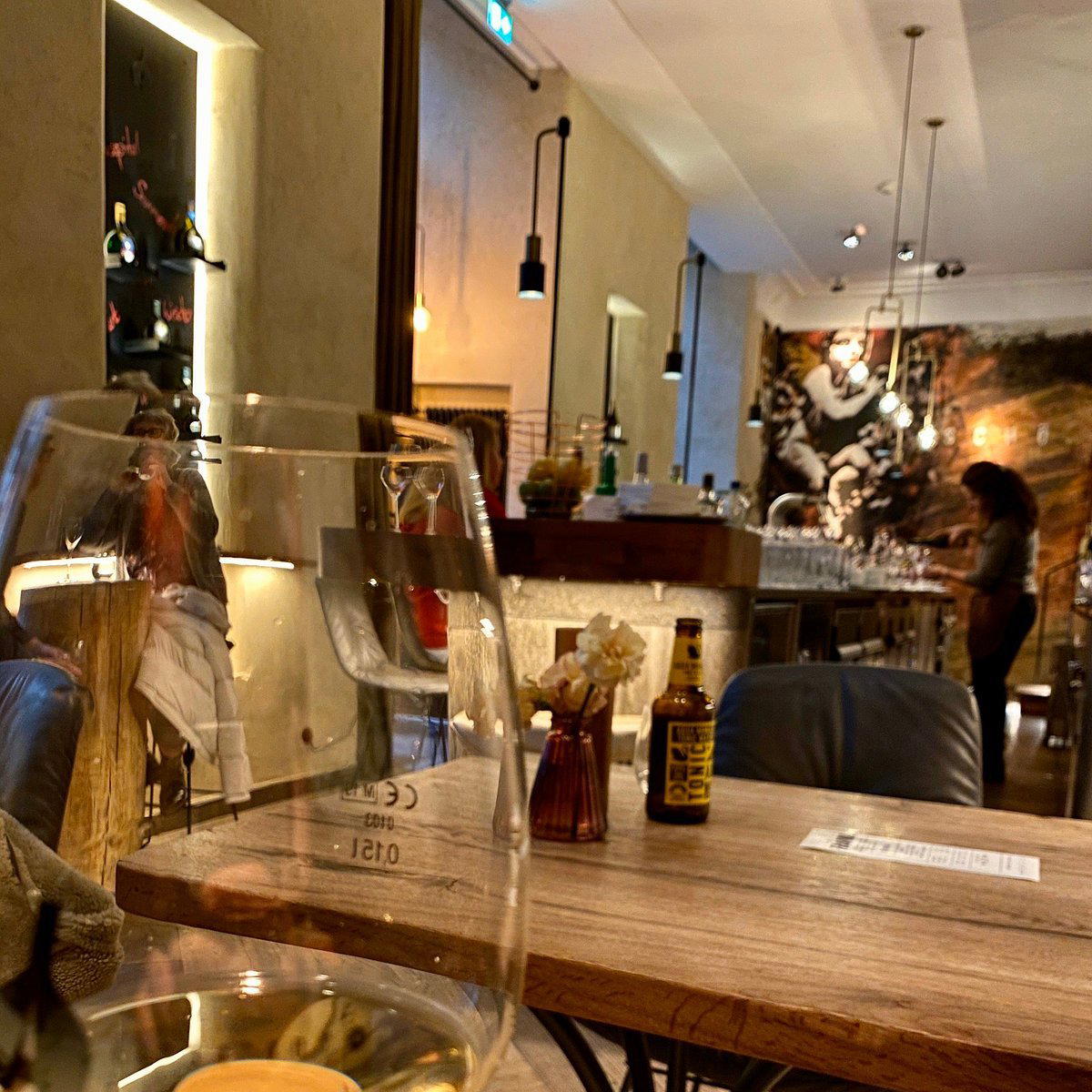
German café-house spaces of this type are built around a particular atmospheric logic. Natural light from street-facing windows, surfaces worn to a comfortable patina, the sound of ceramic on saucer, and the low register of conversation that never needs to compete with music. The sensory experience is additive rather than designed: the smell of ground coffee mixing with the faint trace of baked goods, the ambient warmth of a room that has been used consistently over time. These are not spaces engineered for a first impression; they earn their atmosphere through repetition.
In a city like Munich, where the Bavarian café tradition intersects with Central European coffeehouse influence, these environments also carry a particular temporal quality. Morning service here follows a different rhythm from the tourist centre. The first hour belongs to the neighbourhood: newspapers, a single coffee, the transaction brief and unhurried. Midday brings a shift toward the pastry counter. The afternoon extends that out, and the room acquires a slower, more conversational register. For visitors who arrive expecting the pacing of a destination restaurant or the theatre of a flagship hotel café, the adjustment can be disorienting. For those attuned to it, it is the point.
How Café Ludwig Sits Within Munich's Broader Dining Structure
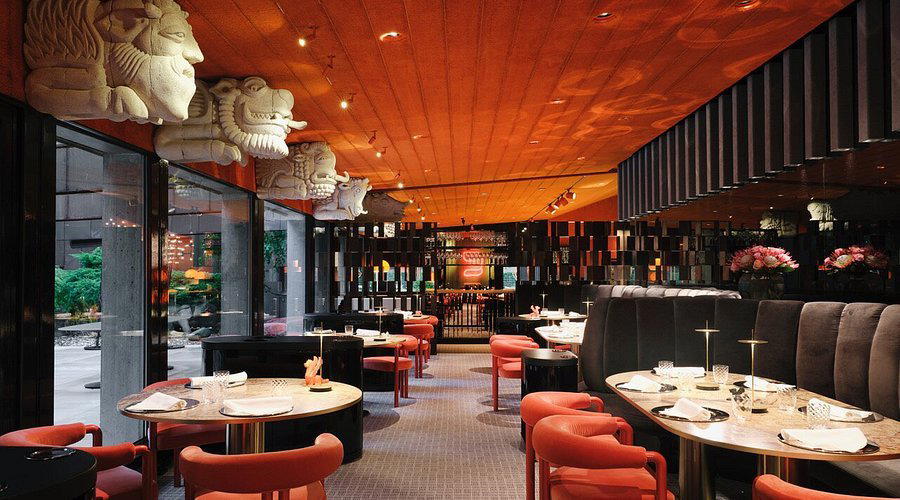
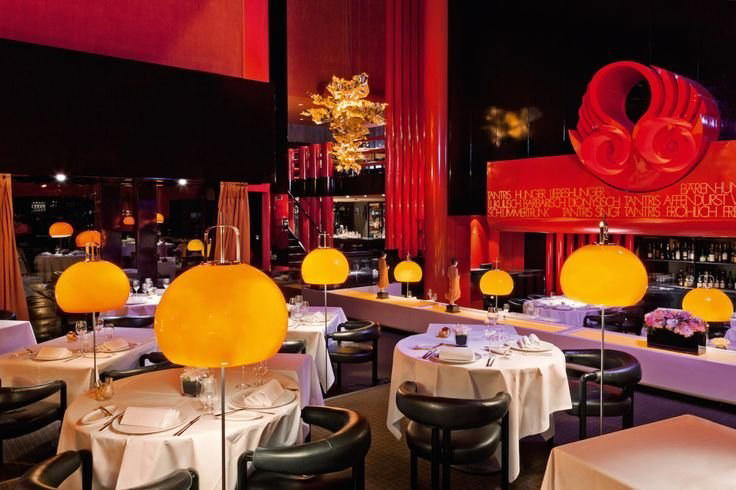
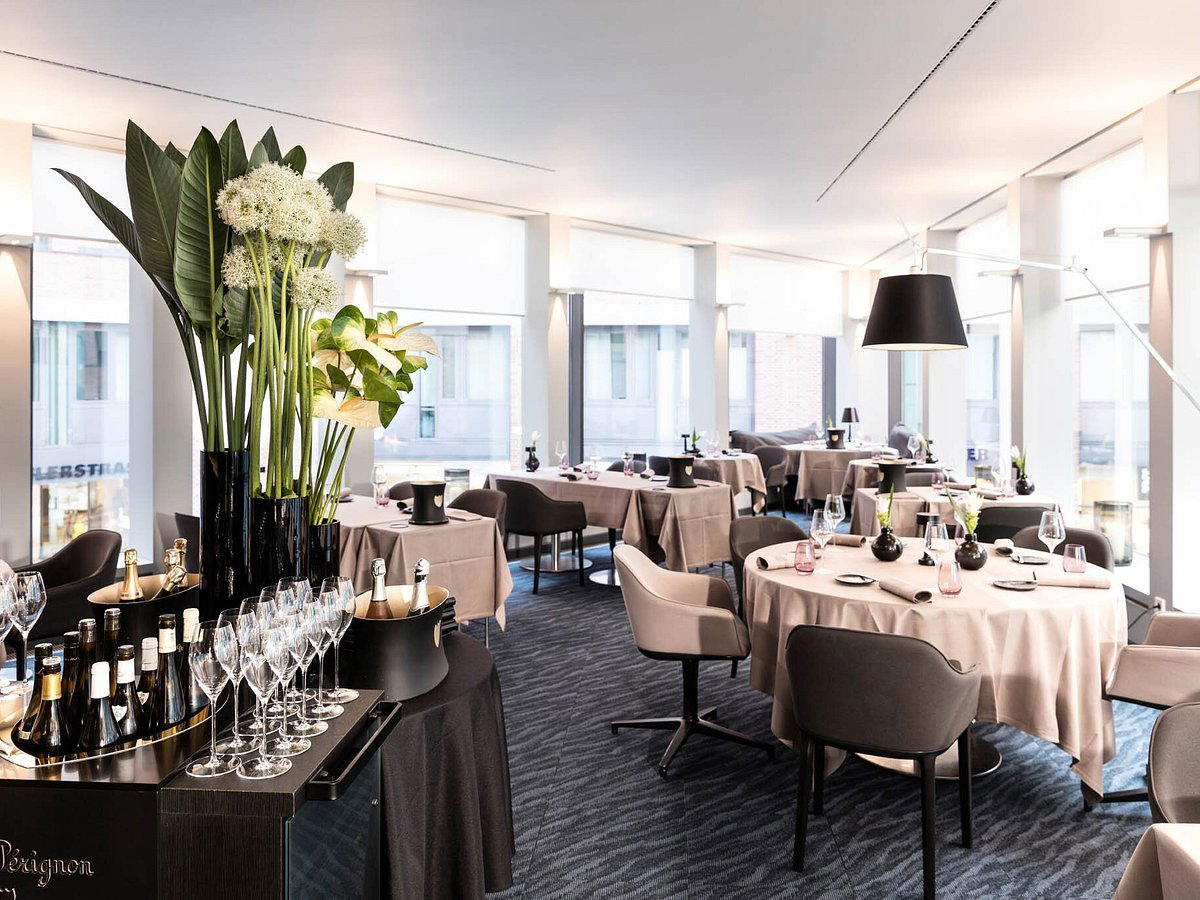
Munich's fine dining tier is well-documented. The city holds Michelin-starred addresses across multiple categories, from the French contemporary tradition at Tantris to the cross-cultural precision of Tohru in der Schreiberei, the creative programmes at JAN and Alois - Dallmayr Fine Dining, and the refined French approach at Atelier. That tier operates at the €€€€ price level and requires advance booking. Café Ludwig occupies a different position entirely: the neighbourhood café, which exists not in competition with tasting-menu addresses but in a parallel register, serving a different purpose in a visitor's or resident's day.
Understanding that distinction is useful for trip planning. The starred restaurants of Munich, like their counterparts elsewhere in Germany at Schwarzwaldstube in Baiersbronn, Aqua in Wolfsburg, or Vendôme in Bergisch Gladbach, demand a specific kind of commitment: time, cost, and advance planning. A neighbourhood café like Café Ludwig demands far less of those things. It operates as punctuation between larger activities, the morning before a museum, the afternoon before a dinner reservation elsewhere.
Germany's broader restaurant culture also includes formats that challenge traditional category boundaries. CODA Dessert Dining in Berlin restructures the meal format entirely. Victor's Fine Dining by Christian Bau in Perl, ES:SENZ in Grassau, Schanz in Piesport, Waldhotel Sonnora in Dreis, Restaurant Haerlin in Hamburg, and Bagatelle in Trier each represent a specific high-commitment dining proposition. Internationally, addresses like Le Bernardin in New York City and Lazy Bear in San Francisco set the terms for what a destination-dining experience asks of its guest. Against that full range of commitment, the neighbourhood café is the counterweight: low friction, high repeatability, embedded in daily life rather than extracted from it.
Schwabing as a Context
The neighbourhood itself is worth understanding before arriving. Schwabing built its reputation over the late nineteenth and early twentieth centuries as Munich's artistic and intellectual district. That historical identity has thinned in the decades since, as the area became more residential and commercially mixed, but the street-level café culture has proved more durable than the mythology. The density of independent café spaces in this part of the city remains higher than in much of Munich's inner ring, and the clientele still skews toward the long-stay visitor rather than the passing tourist.
For anyone building an itinerary around Munich's northern districts, the English Garden to the east and the university buildings to the south and west both feed into this area's rhythm. Morning visits to Café Ludwig on Klopstockstraße fit that geography naturally, as a place to start before moving further into the park or down toward the city's museum quarter.
Cuisine and Credentials
Comparable venues nearby, for context on price, style, and recognition.
| Venue | Cuisine | Price | Awards |
|---|---|---|---|
| Café LudwigThis venue — the venue you are viewing | |||
| Tantris | Modern French, French Contemporary | €€€€ | Michelin 2 Star |
| Tohru in der Schreiberei | Modern German - Japanese, Modern Cuisine | €€€€ | Michelin 3 Star |
| Alois - Dallmayr Fine Dining | Creative | €€€€ | Michelin 2 Star |
| Atelier | Creative French | €€€€ | Michelin 2 Star |
| Acquarello | Italian - Mediterranean, Italian | €€€€ | Michelin 1 Star |
At a Glance
- Cozy
- Modern
- Casual Hangout
- Brunch
- Terrace
- Waterfront
- Garden
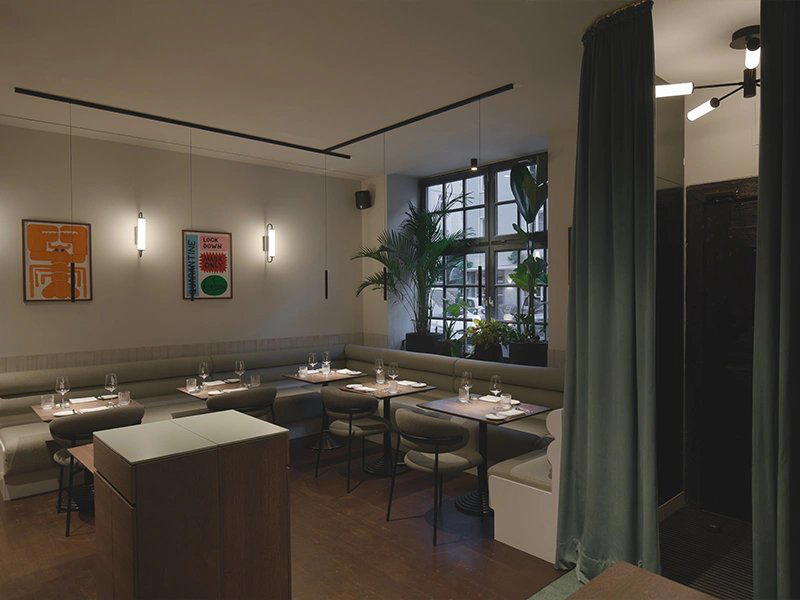
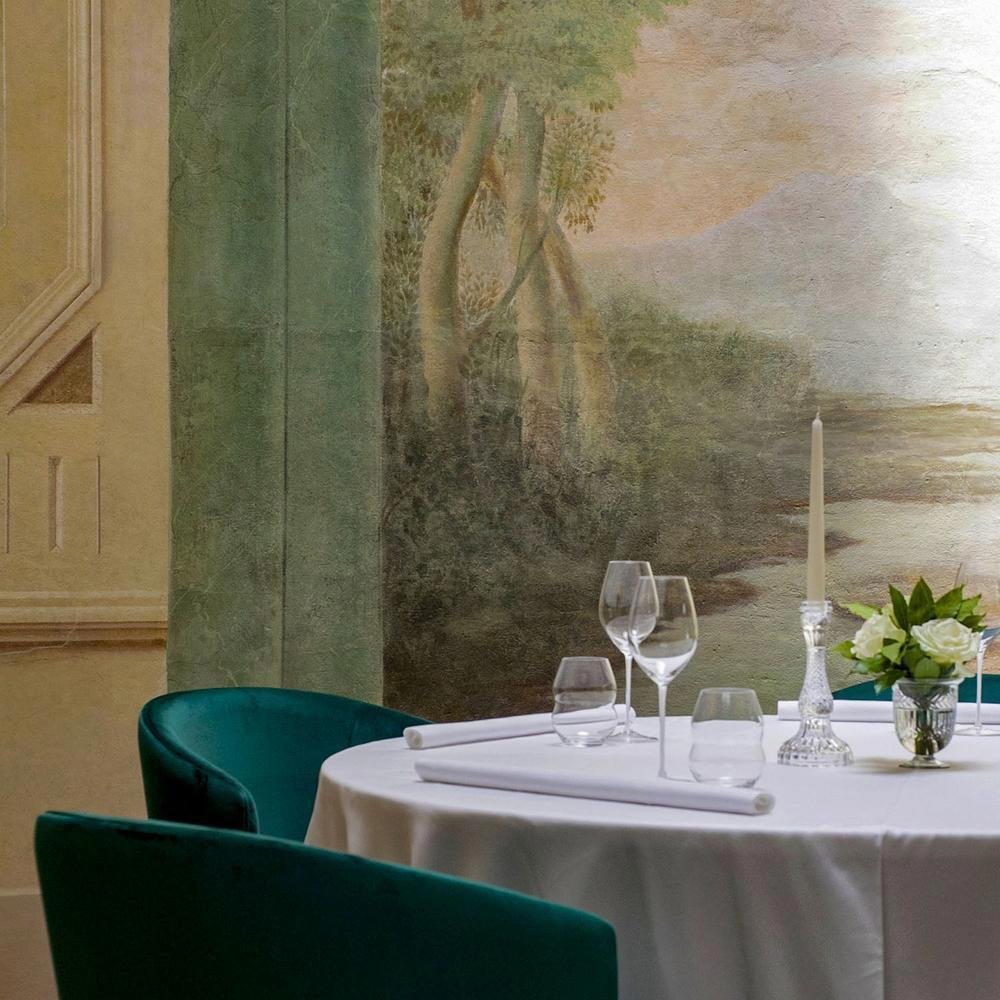
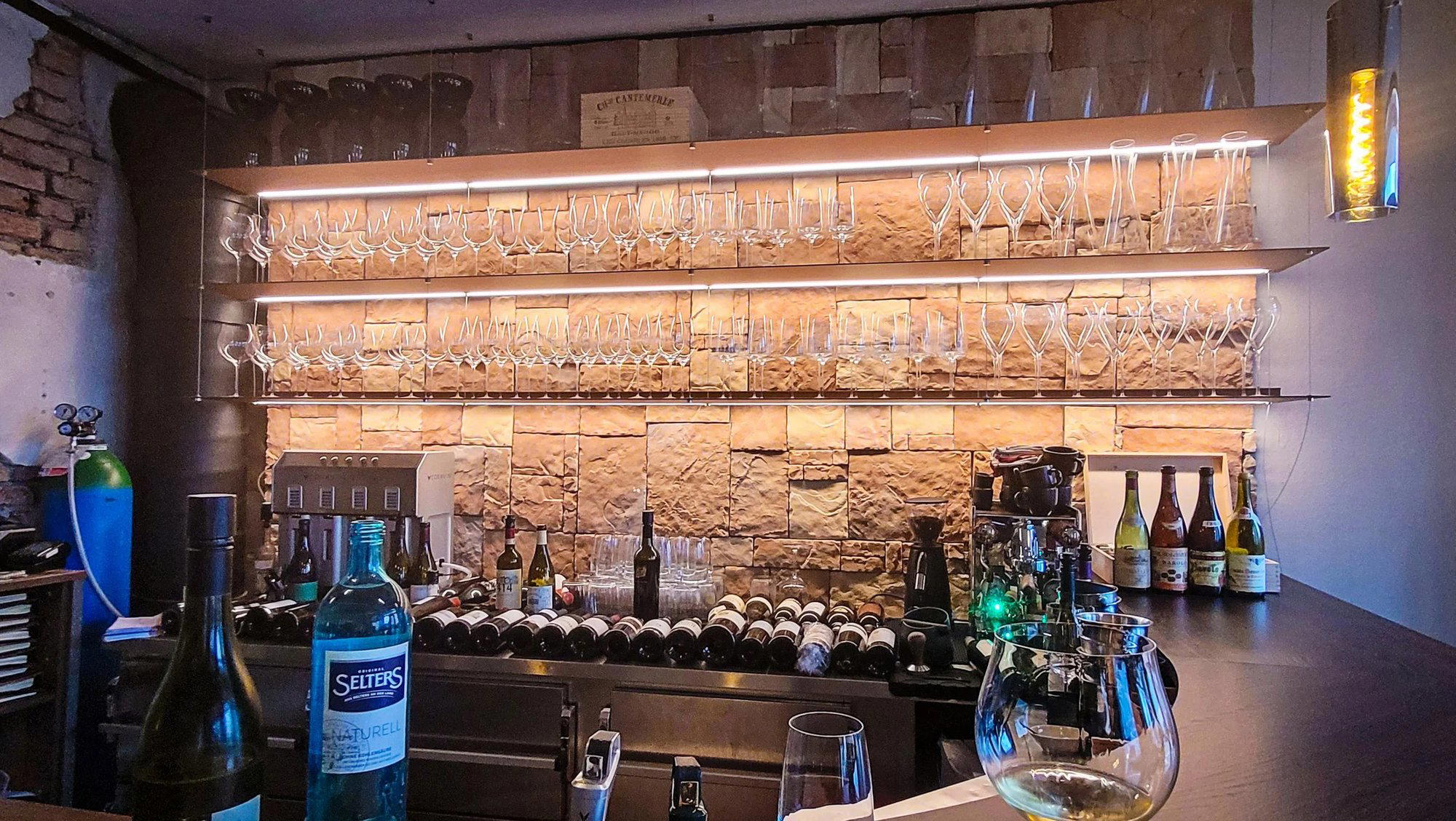
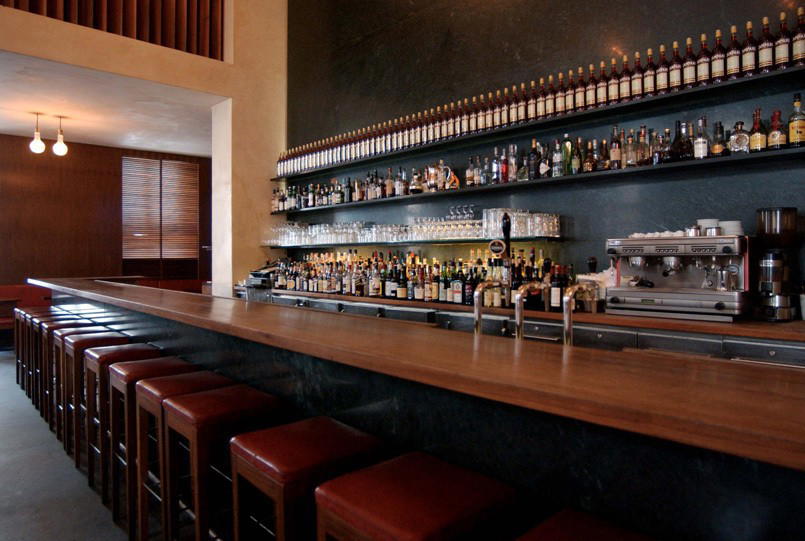
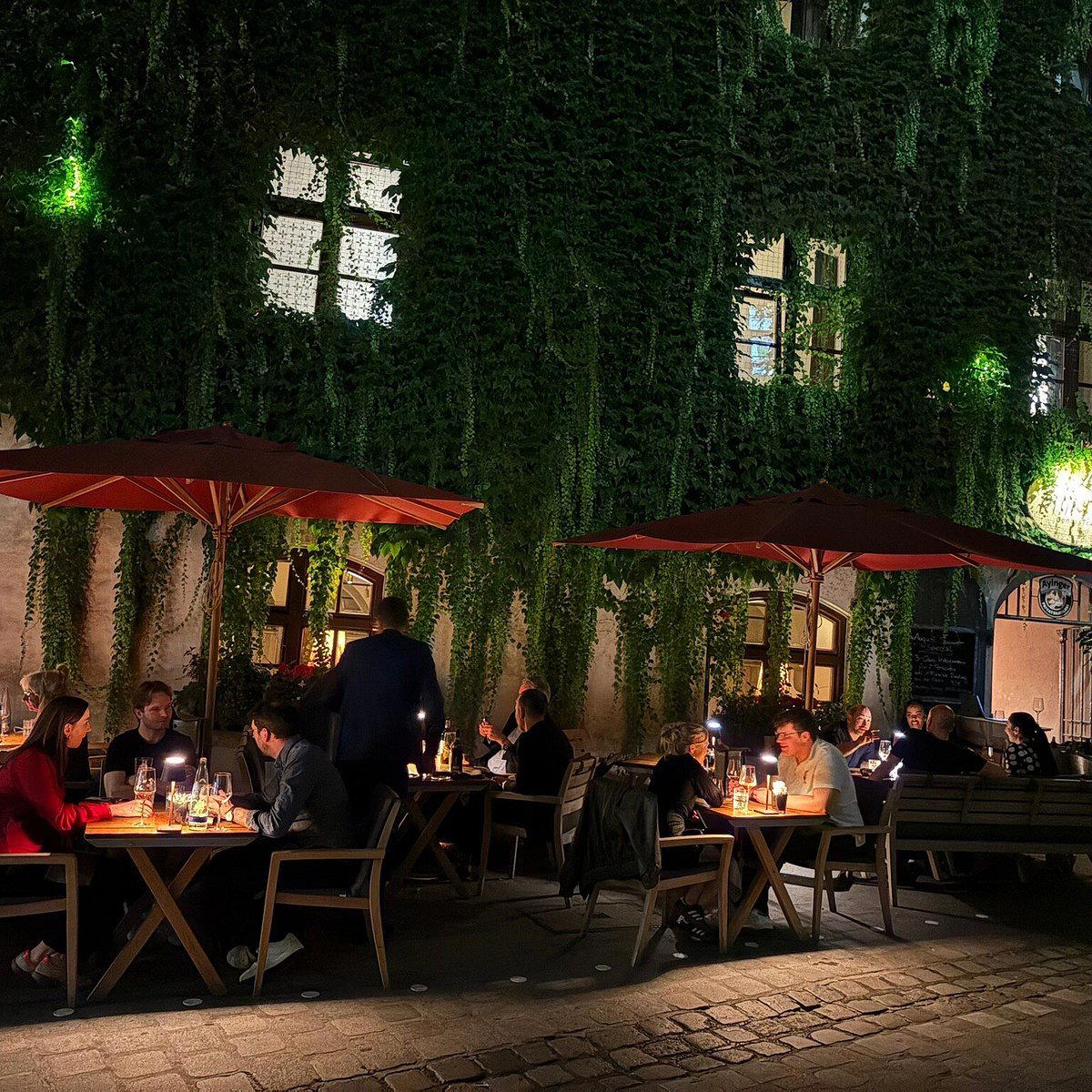
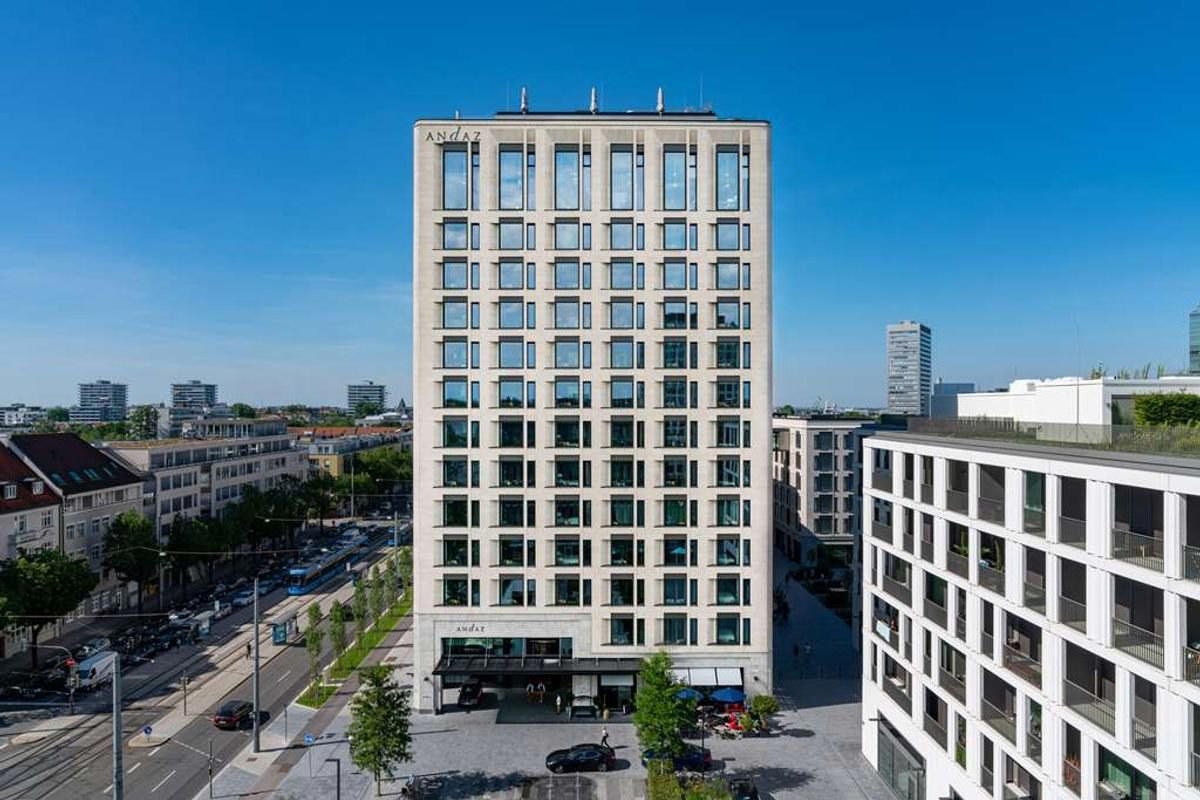
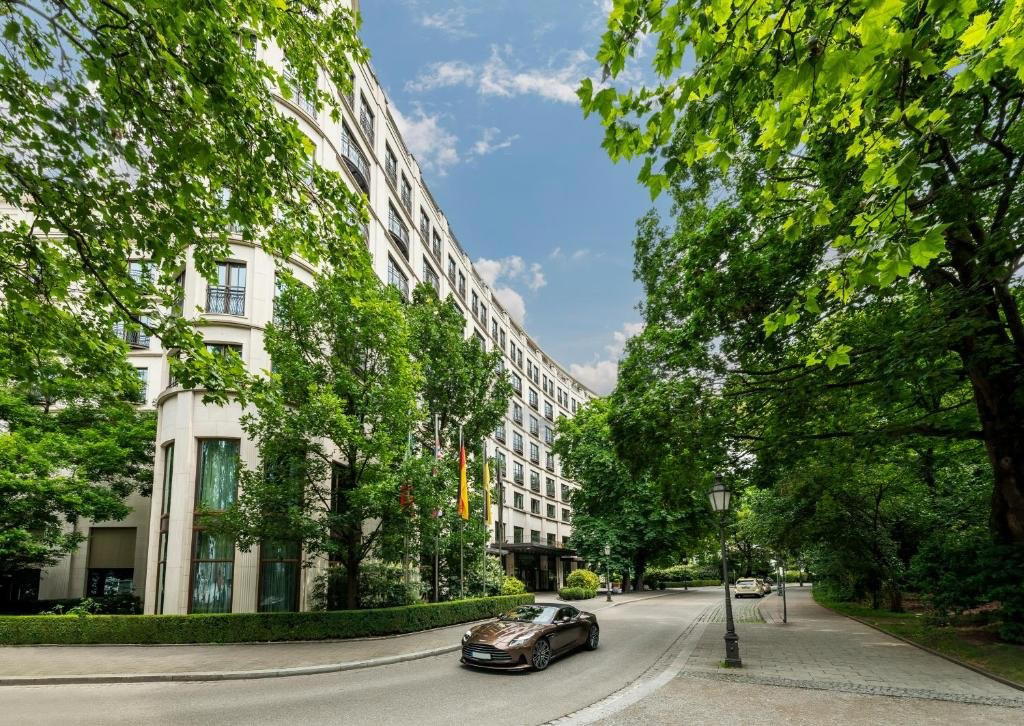
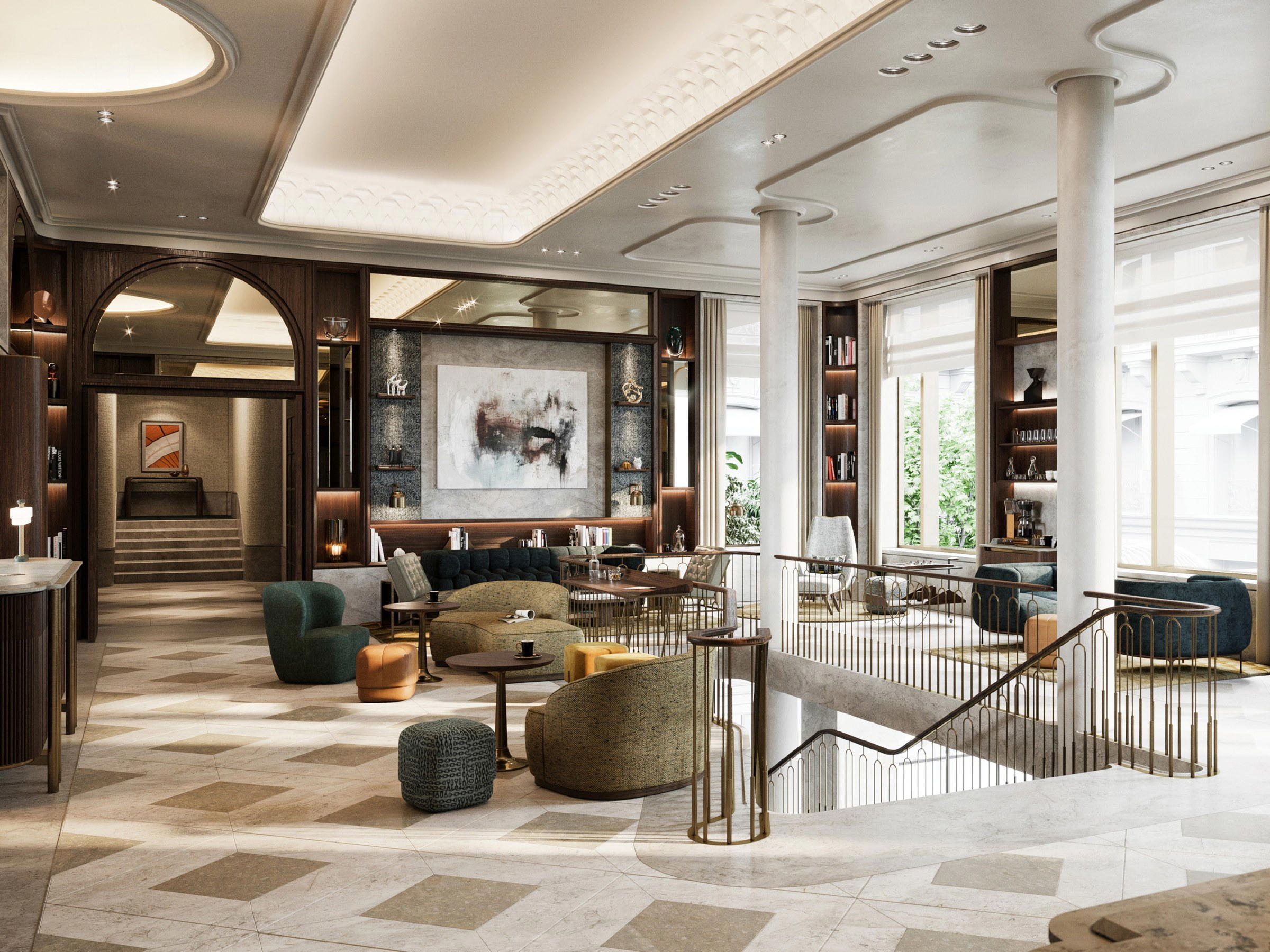
Modern building with pleasant, cozy atmosphere and large windows overlooking the park.