Wirtshaus im Schichtl operates on the Theresienwiese, Munich's Oktoberfest ground, placing it at the intersection of Bavarian tradition and one of Europe's most concentrated seasonal hospitality events. The setting alone shapes what this address means: a historic wirtshaus format tied to a fairground that receives millions of visitors across a few short weeks each year. Understanding that context is the first step in planning any visit.
Pearl is the En Primeur Club membership app — saves, bookings, and concierge access live there. Same editors, same standards.
- Address
- Theresienwiese, 80336 München, Germany
- Phone
- +498971999093
- Website
- schichtl.de
- Directions
- Get directions
 Saves & bookings on Pearl
A Fairground Address With Its Own Logic
The Theresienwiese is not a restaurant district in any conventional sense. For most of the year it is an open expanse on Munich's western edge, and for roughly sixteen days in late September and early October it becomes one of the highest-density hospitality environments in Europe. Oktoberfest draws more than six million visitors annually, and the tented beer halls, open-air stands, and wirtshaus formats that operate on these grounds during that window function under a completely different set of booking rules, crowd dynamics, and planning requirements than anything in Munich's permanent dining scene.
Wirtshaus im Schichtl sits within that context. The Schichtl is historically associated with one of the Oktoberfest's most enduring sideshow traditions, a theatrical performance format that has occupied this fairground since the nineteenth century. The wirtshaus attached to it inherits that embedded position, meaning it is not an independent restaurant you simply walk past on a Tuesday evening. Its relevance is almost entirely seasonal, and the planning logic reflects that.
What the Booking Reality Looks Like
Access matters here, specifically, how difficult it is and what you need to know before you attempt it. Munich's Oktoberfest is among the more logistically demanding events in European hospitality. Seating at any tent or wirtshaus on the Theresienwiese during the festival period does not work the way a standard restaurant reservation does. Tables in the larger tents are allocated through official reservation systems that open months in advance, often as early as spring for September events, and are frequently claimed by corporate accounts, long-standing local groups, and returning visitors before the general public sees availability.
The smaller wirtshaus formats, including those with historic fairground ties like the Schichtl, operate with varying reservation policies that can shift year to year. During Oktoberfest, unreserved seats are subject to the same early-arrival competition that applies across the entire grounds: doors open in the morning, popular sections fill by mid-morning, and by midday on a weekend the realistic option for walk-in visitors is limited to standing sections or departure. Anyone planning to sit for a proper meal during the festival should plan months ahead, not days.
Outside the festival period, the Theresienwiese's hospitality infrastructure largely does not operate in the same form. The grounds return to open space, and wirtshaus formats tied specifically to the fairground calendar are not functioning year-round dining destinations in the way that Munich's permanent restaurant scene is.
Munich's Permanent Fine Dining Tier, for Comparison
For visitors planning a Munich trip with both the Oktoberfest experience and dinner elsewhere, it helps to understand how the city's permanent restaurant scene operates in parallel. Munich carries a strong Michelin presence. Tantris, the modern French house that has held multiple Michelin stars across its history, remains one of Germany's most architecturally distinctive fine dining rooms. Atelier operates in the creative French register with a similarly decorated reputation. JAN works in a creative mode that has drawn consistent recognition, while Alois - Dallmayr Fine Dining sits above the city's most famous delicatessen in a format that is harder to categorise but no less serious. Tohru in der Schreiberei represents Munich's engagement with German-Japanese synthesis at the summit end of the price tier.
These venues require their own reservation planning, with most serious tables in the starred tier booking four to eight weeks ahead under normal conditions. During Oktoberfest season, that window extends significantly as demand across all Munich hospitality compresses into a narrow window. Anyone building a Munich itinerary around both the fairground and high-end dining should book the restaurant component first, then work logistics around it.
Germany's Wider Fine Dining Map
For context on where Munich's scene sits within the national picture, Germany's notable addresses extend well beyond the capital cities. Aqua in Wolfsburg and Vendôme in Bergisch Gladbach represent the higher end of the national tier, as do Schwarzwaldstube in Baiersbronn and Waldhotel Sonnora in Dreis. Regional Germany produces some of Europe's most decorated tables at price points that often undercut their French and Scandinavian equivalents. ES:SENZ in Grassau and Victor's Fine Dining by Christian Bau in Perl sit in that tier, both requiring advance planning and both representing the kind of destination dining that repays travel. Restaurant Haerlin in Hamburg, Schanz in Piesport, and Bagatelle in Trier round out a national scene that is more geographically dispersed than most visitors assume. CODA Dessert Dining in Berlin occupies a format category of its own, built around a dessert-led tasting progression that has no direct equivalent in Munich's current lineup.
Planning Notes for the Theresienwiese
The Theresienwiese address (80336 München) places the venue in the Ludwigsvorstadt-Isarvorstadt district, reachable by U-Bahn on the U4 and U5 lines at the Theresienwiese stop. During Oktoberfest, the station operates at high capacity and visitors are best advised to arrive earlier in the day to manage crowd volume. Midweek visits, particularly Tuesday through Thursday, carry meaningfully lower density than weekends. The festival runs across two weekends in late September, with the first weekend typically the congested. If a seated wirtshaus experience is the goal rather than open-air standing, the reservation question should be resolved in spring, not September.
Accolades, Compared
Comparable venues nearby, for context on price, style, and recognition.
| Venue | Cuisine | Price | Notes |
|---|---|---|---|
| Wirtshaus im SchichtlThis venue — the venue you are viewing | Traditional Bavarian Organic | $$ | Not listed |
| Kaminbar | Classic German Bar | $$ | Theresienwiese |
| Rischart Café am Marienplatz | Traditional Bavarian Bakery Cafe | $$ | Altstadt |
| Zum Franziskaner | Traditional Bavarian | $$ | Lehel |
| Klinglwirt | Organic Bavarian Tavern | $$ | Haidhausen |
| Schneider Weisse Bräuhaus | Traditional Bavarian Brewery Tavern | $$ | Zamdorf |
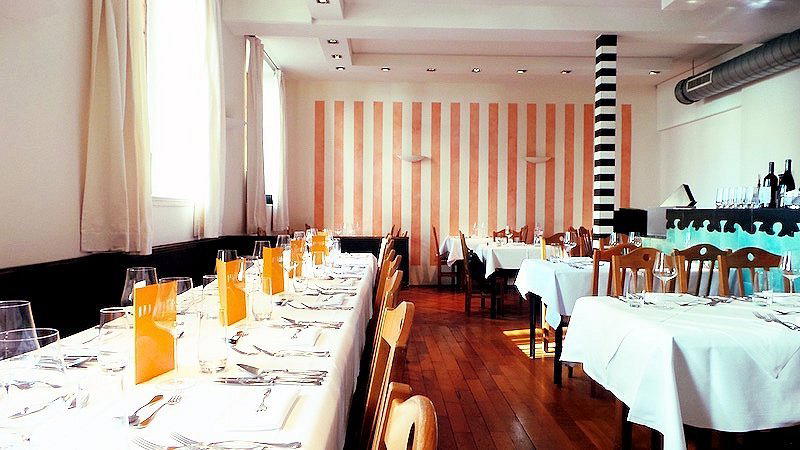
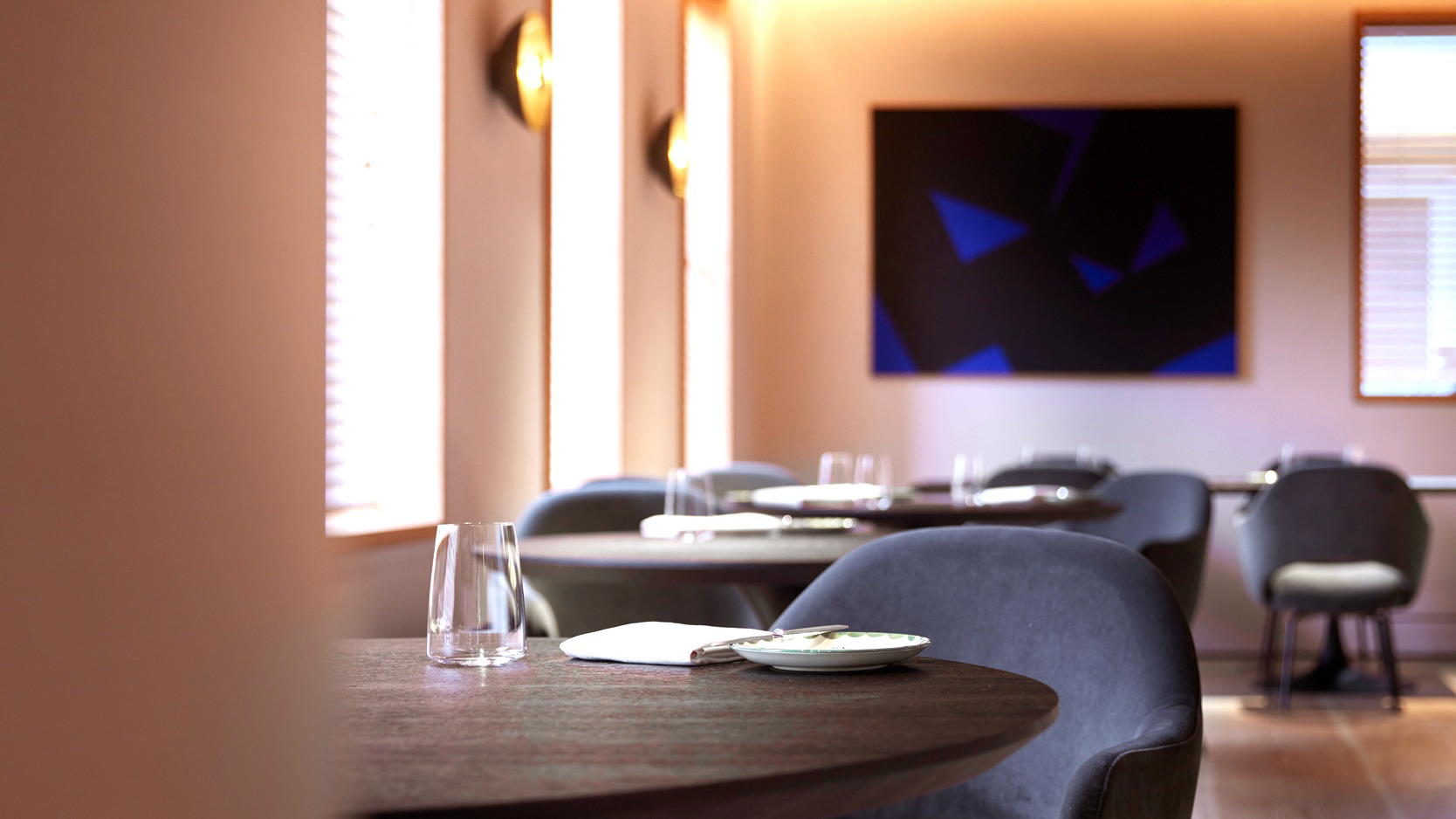
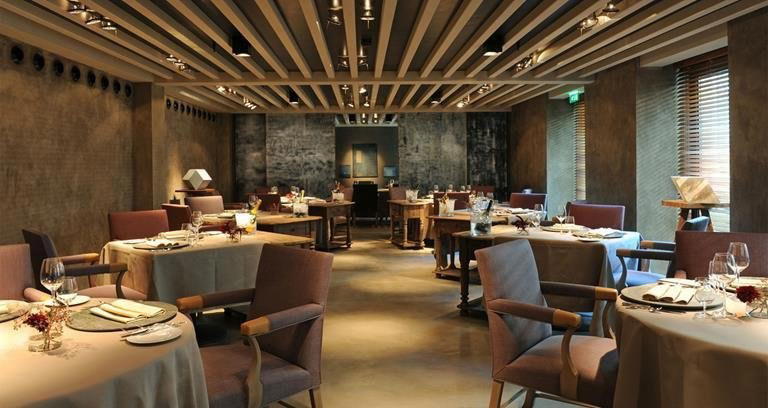
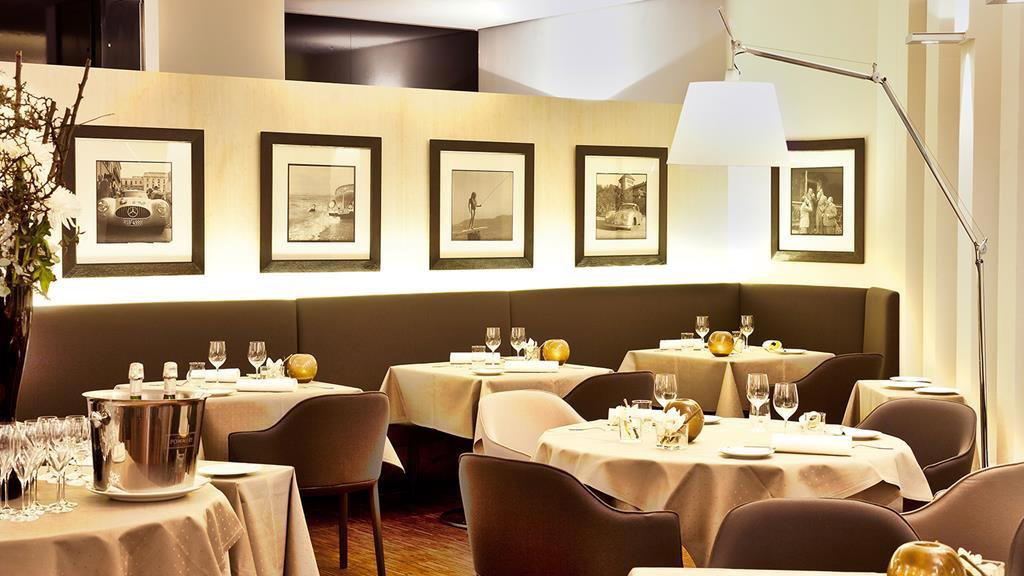
At a Glance
- Rustic
- Lively
- Cozy
- Family
- Group Dining
- Celebration
- Live Music
- Historic Building
- Beer Program
- Organic
- Local Sourcing
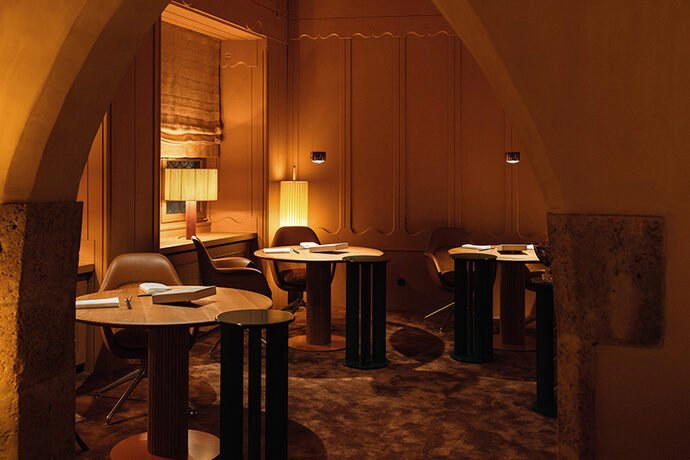
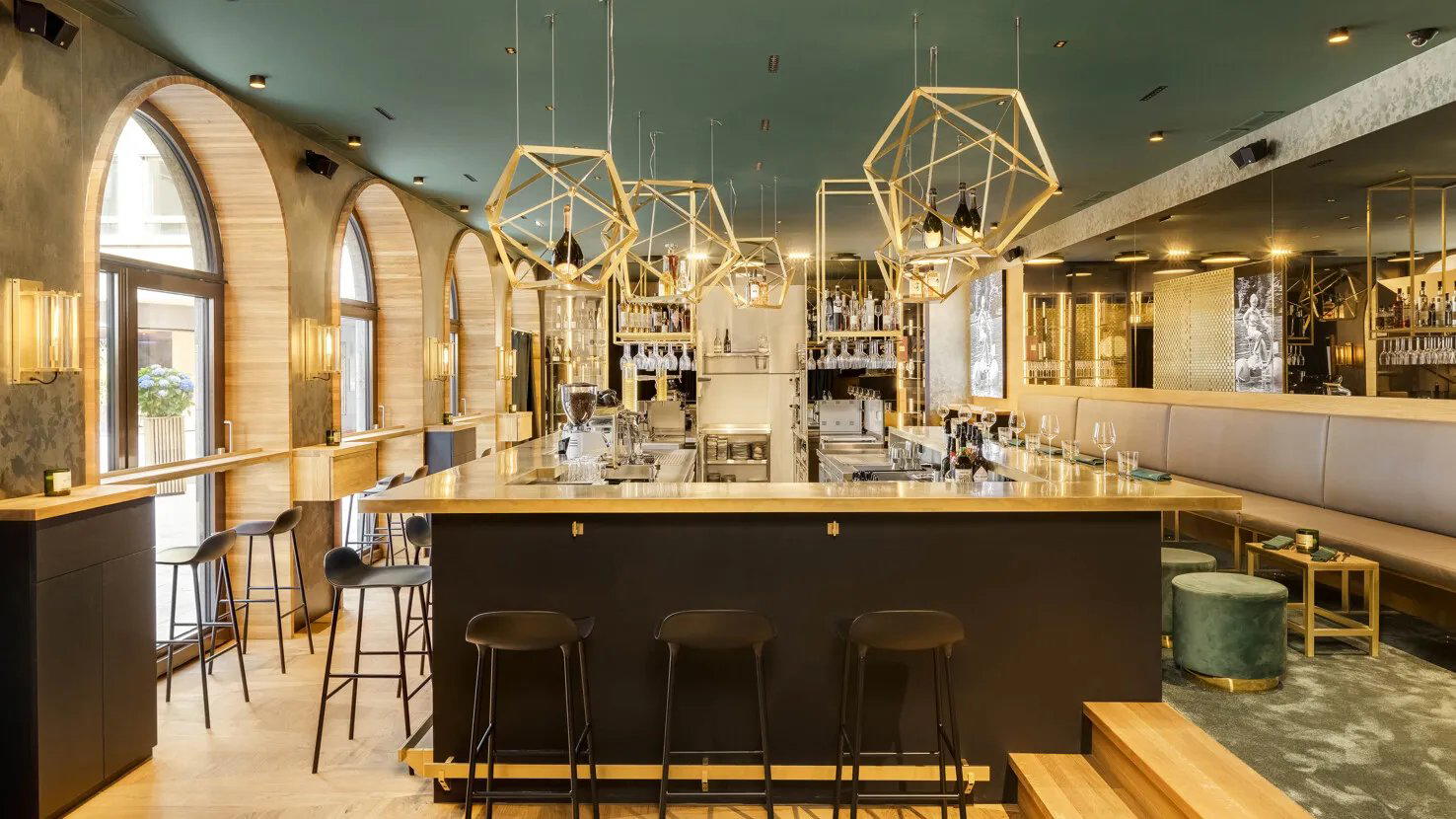
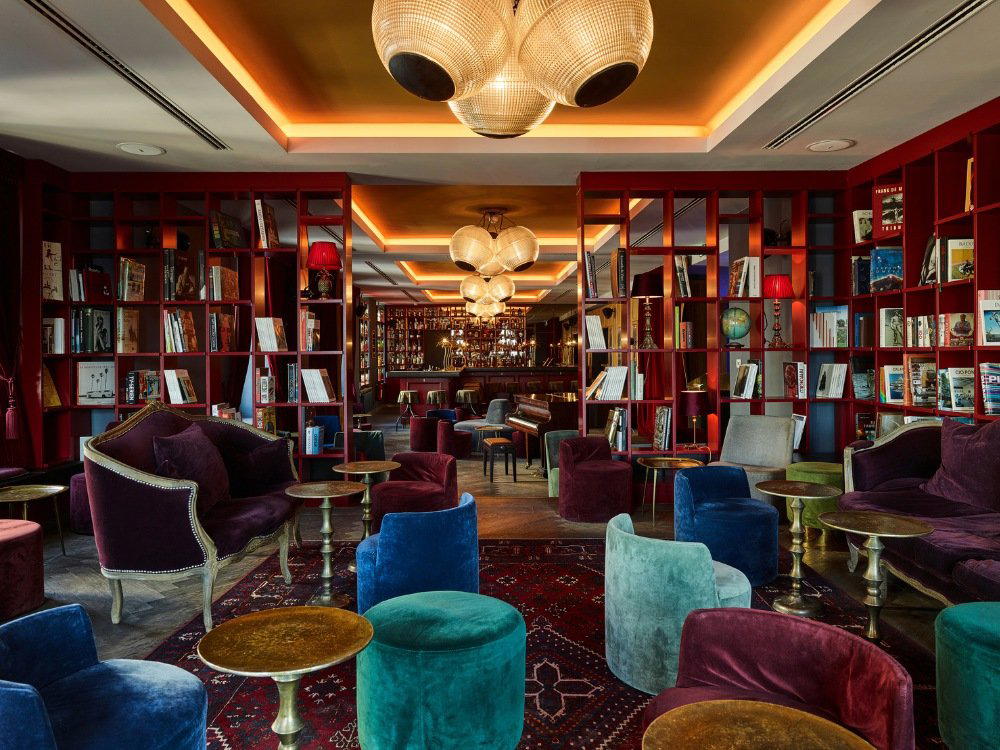
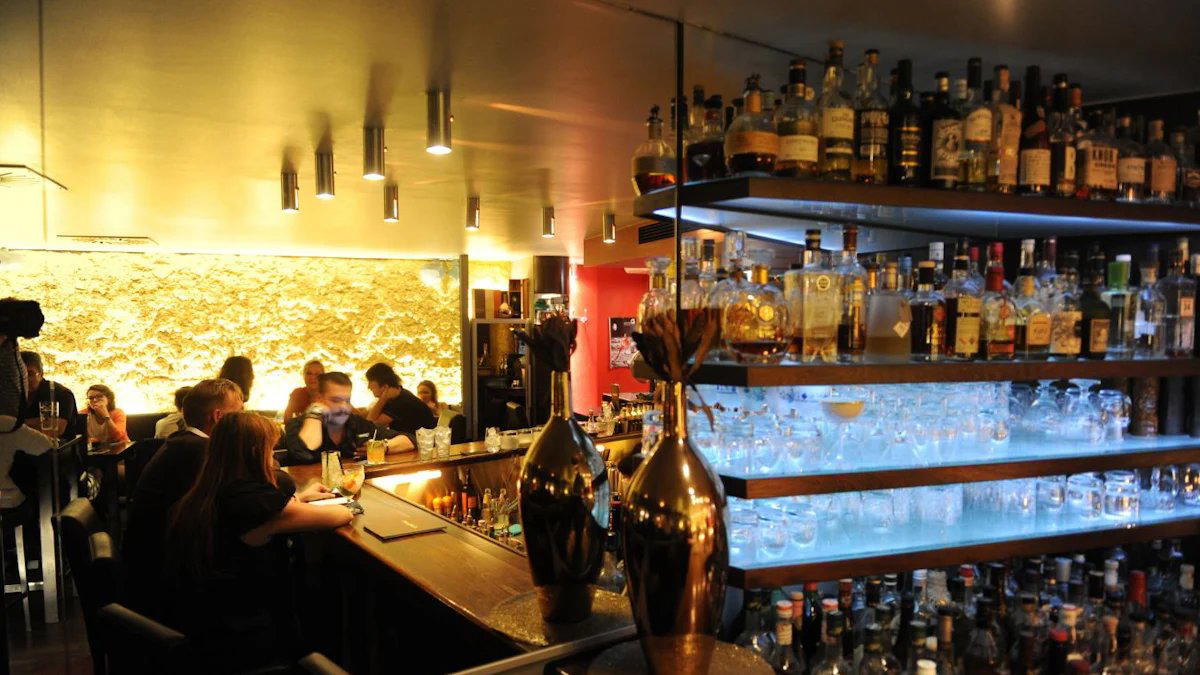
Festive beer tent atmosphere blending historic vaudeville theater with lively music and party vibes from noon onward.