

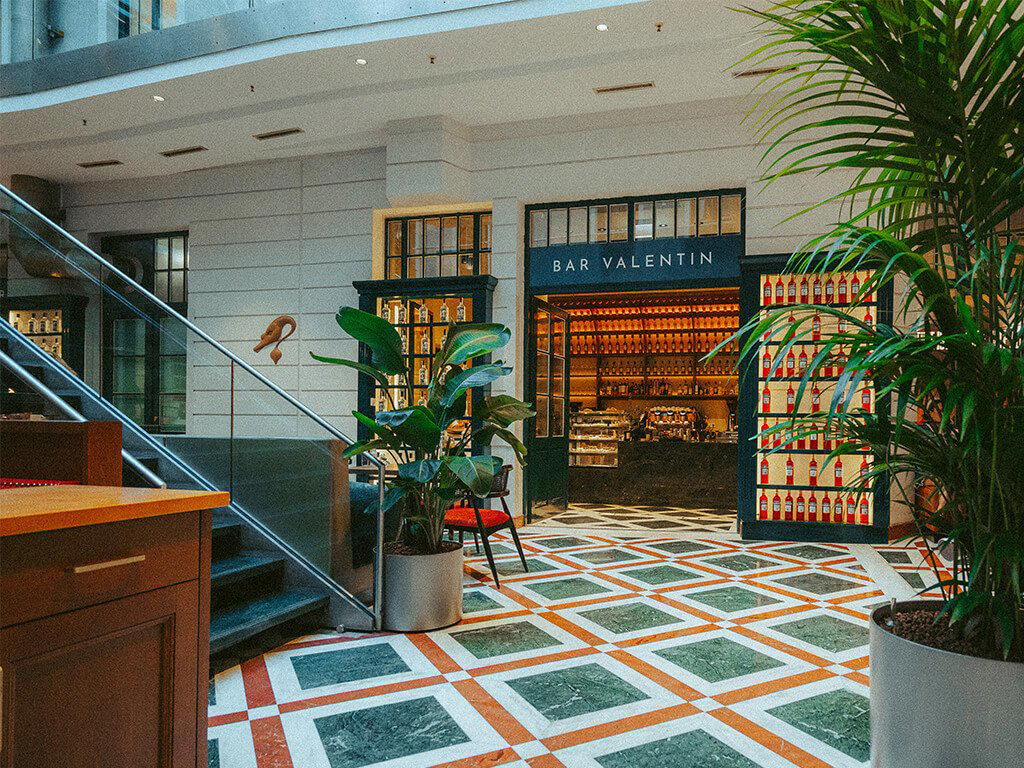
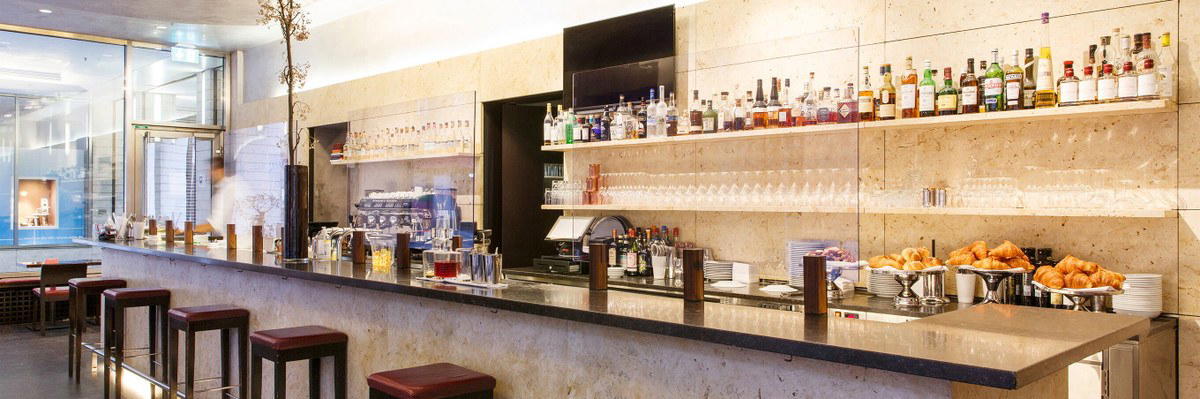
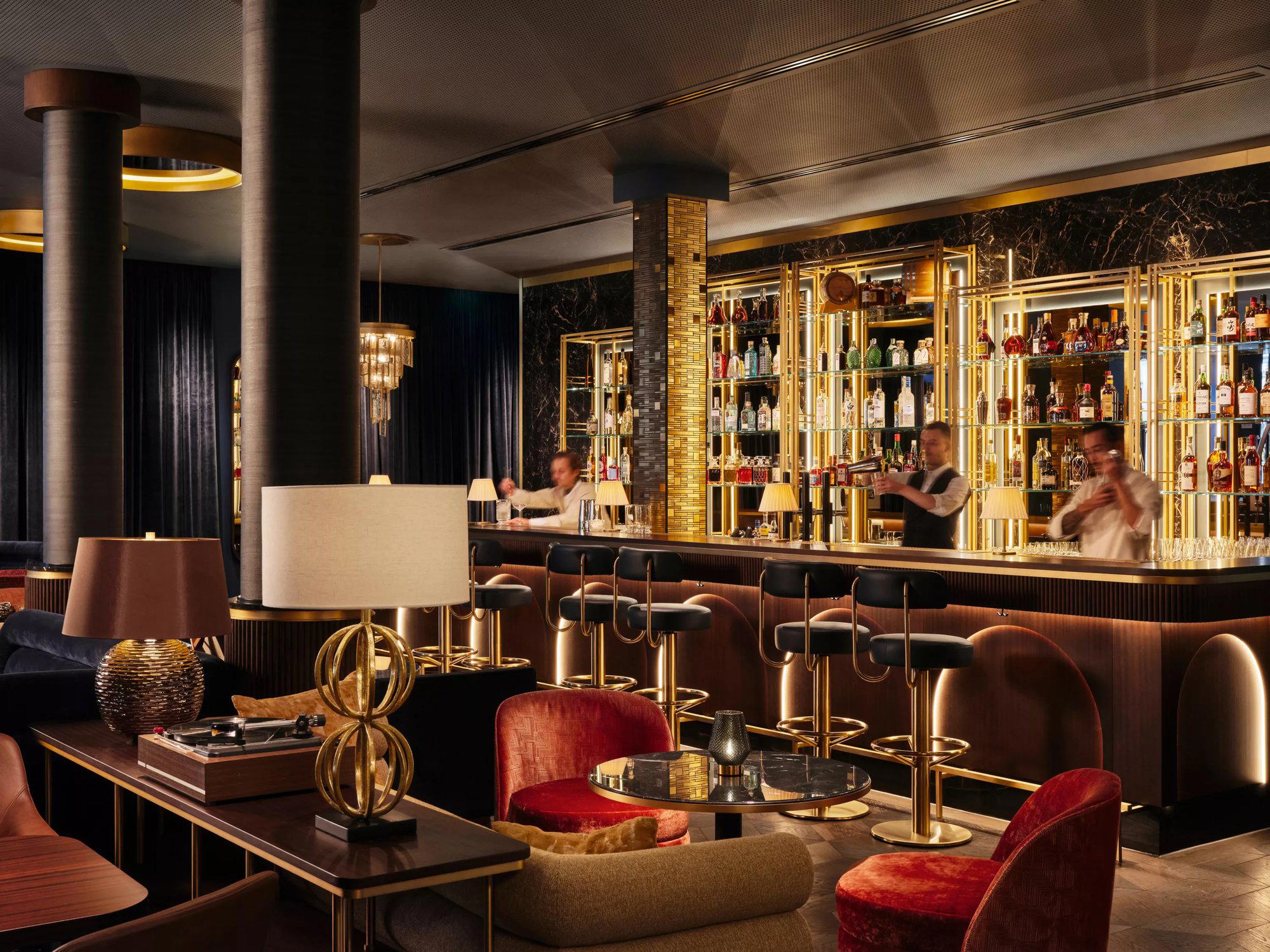
Against Munich's grand hotel tradition of chandeliers and ceremony, Cortiina occupies a different position: 75 rooms of minimal, material-led design set on Ledererstraße, a short walk from Marienplatz. Rates from around $270 place it in the mid-to-upper boutique tier, below the Michelin-keyed properties but above the city's design-neutral business hotels. The lobby bar functions as a genuine social anchor, not a hotel amenity.
Pearl is the En Primeur Club membership app — saves, bookings, and concierge access live there. Same editors, same standards.
- Address
- Ledererstraße 8, 80331 München
- Phone
- +49 89 2422490
- Website
- cortiina.com
- Directions
- Get directions
 Saves & bookings on Pearl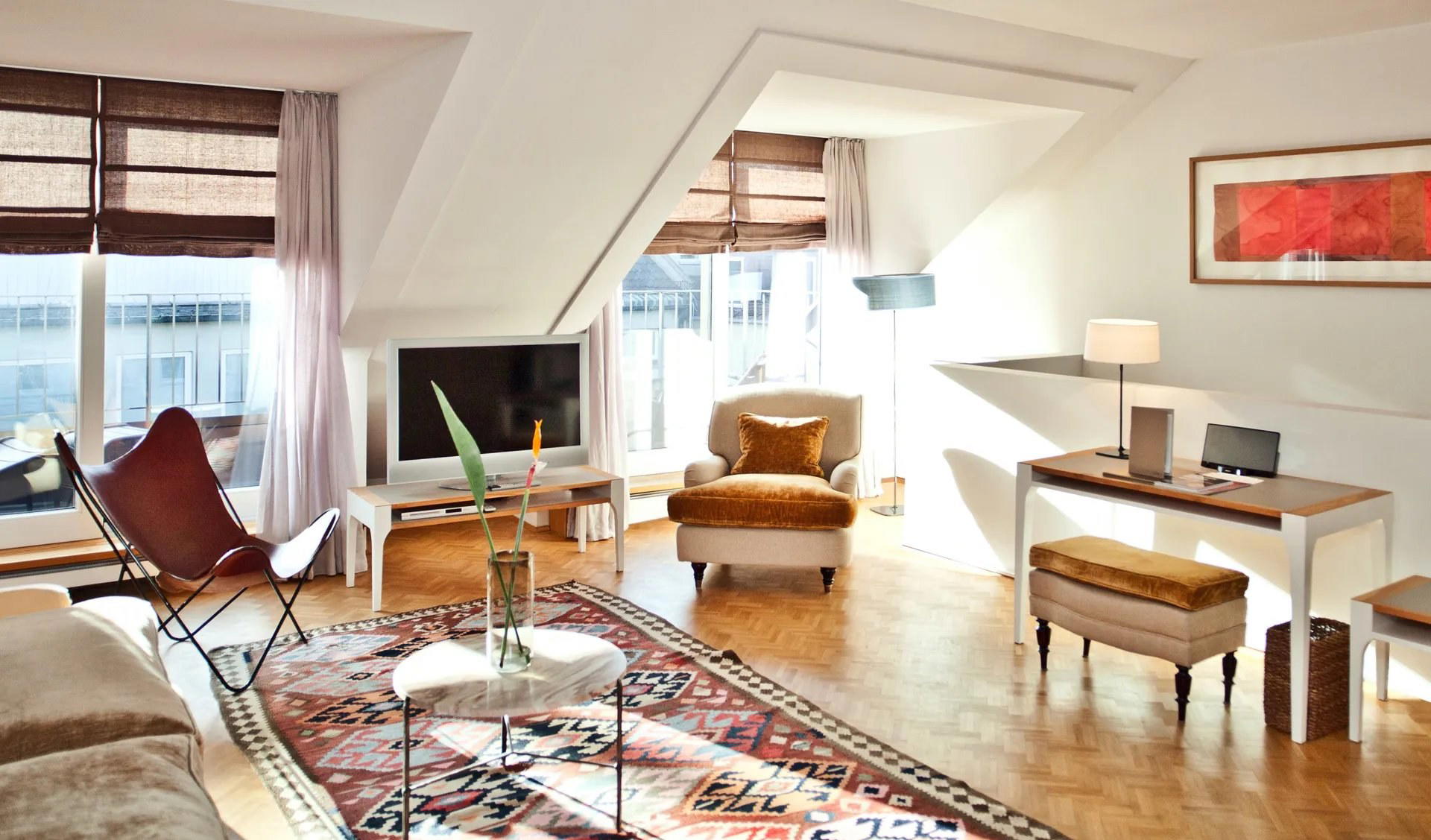
Minimal by Design, Central by Address
Munich's Altstadt hotels occupy a spectrum that runs from grand-boulevard institutions to design-forward independents. Cortiina Hotel, at Ledererstraße 8 just off the Marienplatz, sits firmly in the second camp. The building places you within walking distance of the Viktualienmarkt, the Residenz, and the main S-Bahn interchange, yet once inside, the street noise recedes behind flagstone walls and a material palette that belongs more to a Bavarian farmhouse rethought by a Japanese minimalist than to any conventional city hotel. That tension between outer city and inner calm is the defining quality of the experience here, and it is deliberate.
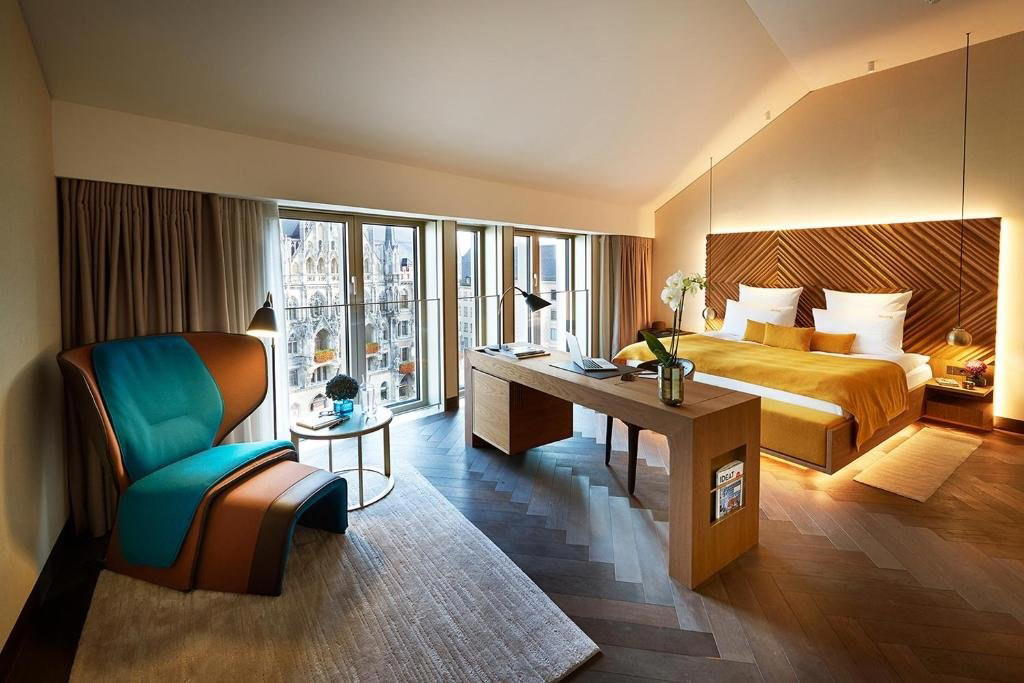
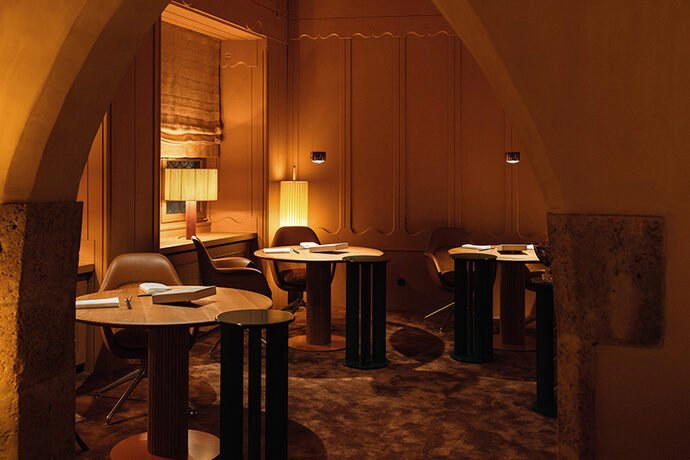
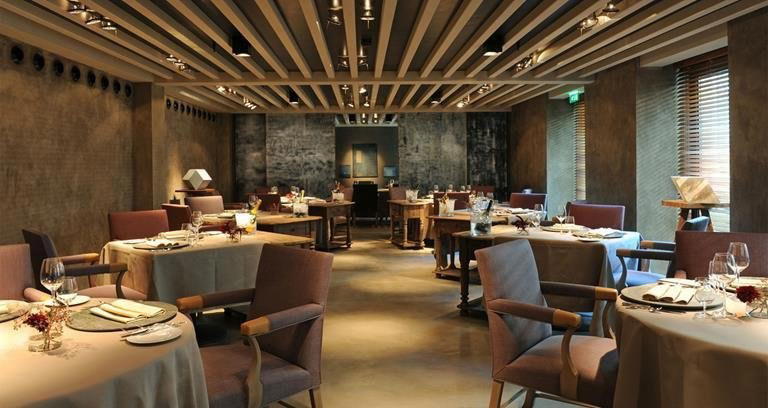
The lobby reads as a statement of restraint. Unfinished flagstone walls in the ground floor spaces carry the kind of texture that takes decades to acquire, and the design uses them without apology. There are no decorative distractions layered over the stone. The approach runs through the 75 rooms as well: oak floors, oak panelling, Jura limestone in the bathrooms. The unbleached linens on the beds are not merely an aesthetic choice; they are sourced without the chemical processing of conventional hotel linen, which places the property in a small subset of European boutique hotels where environmental credentials are expressed through material specification rather than certifications printed on wall cards.
Where the Cortiina Sits in Munich's Hotel Market
Munich's premium accommodation market has historically been anchored by the grand-hotel tradition, represented at different price points by properties including the Bayerischer Hof Munich and the Mandarin Oriental Munich. Into that landscape, a smaller tier of design-led independents has established its own competitive set. Cortiina belongs there, at a rate from approximately $270 per night across its 75 keys, sitting below the leading bracket occupied by the Rosewood Munich and above the standard business-hotel tier. Its peer comparison is closer to properties like BEYOND by Geisel, which also trades on architectural specificity and a strong sense of place rather than brand recognition.
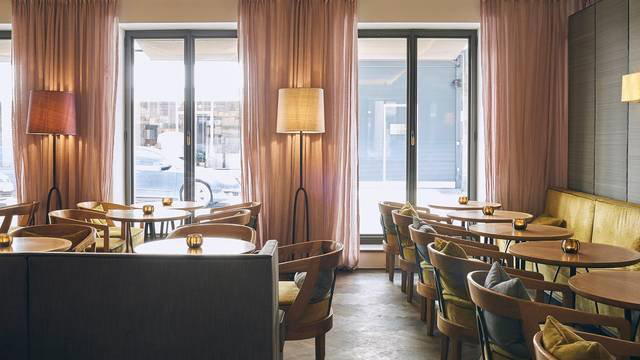
The Rocco Forte Charles Hotel and the Andaz Munich Schwabinger Tor each represent different versions of the design-led proposition at comparable or higher price points. The Andaz sits further north in Schwabing and leans into a more overtly social programming model. Cortiina makes no equivalent move. Its social life concentrates in the lobby bar, which consistently draws a crowd that reflects how Munich's professional and creative communities actually drink on a weekday evening. A busy lobby bar is especially reliable proxy for a hotel's integration into city life, and by that measure Cortiina has succeeded where many design properties fail.
The Building and Its Context in the Altstadt
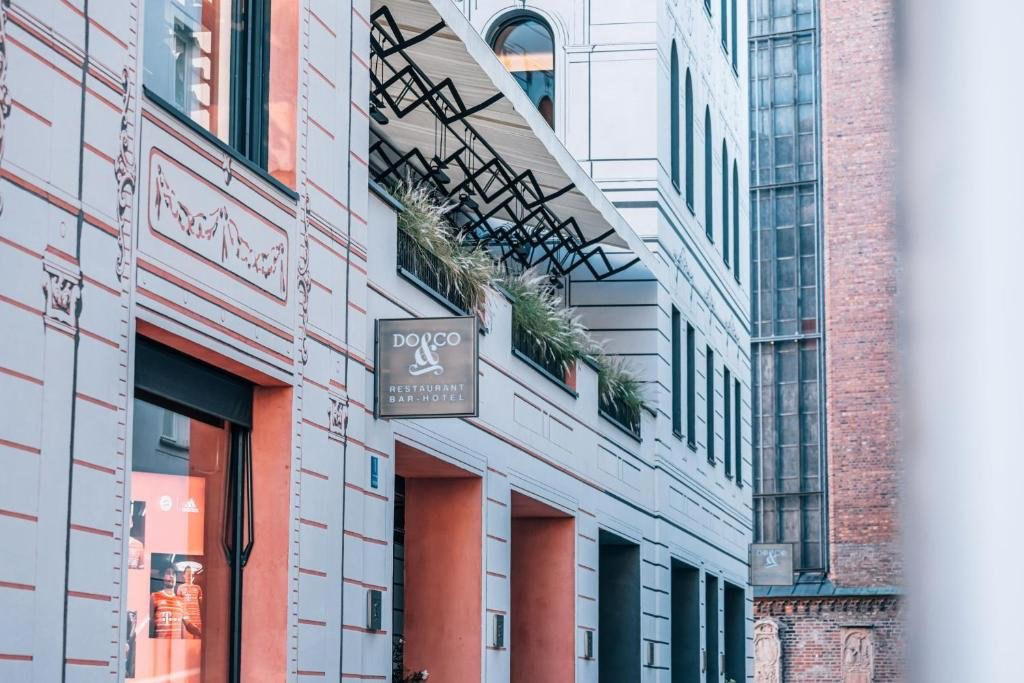
Ledererstraße is a narrow street in a neighbourhood that has been commercially active since the medieval city. The Marienplatz, Munich's civic centre and the point from which the city's street grid radiates, is steps away. Hotels in this precise zone carry an implicit historical weight. Unlike the grand institutions that were purpose-built as social venues for the Bavarian capital's 19th-century expansion, Cortiina occupies a more modest urban footprint, which is part of what makes its interior calm legible. You are in the oldest part of a city that takes its civic architecture seriously, and the property's decision to expose rather than mask the building's material age is editorially coherent with that context.
The feng shui principles applied throughout the interior amplify that sense of seclusion. The concept is not decorative shorthand here; it structures the spatial experience, particularly in the rooms, which read as genuinely quiet despite the address. For a hotel at this location, in a city that generates significant pedestrian and transit noise during Oktoberfest, Christmas market season, and the summer visitor months, that acoustic quality is a functional advantage worth noting. Guests arriving during the December Christkindlmarkt period on the Marienplatz will find the hotel in its most distinctive seasonal position: maximum activity outside, enforced calm inside.
Planning a Stay
Cortiina's 75 rooms make it a mid-capacity boutique property by European standards, neither the micro-hotel that books out six months ahead nor the large-footprint property with rolling availability. Booking lead times in Munich are driven by the city's event calendar more than by the hotel's own profile: the Oktoberfest fortnight, the IAA Mobility show, and the Christmas market period compress availability across the Altstadt significantly. Planning three to four months ahead for those windows is sensible. Outside those peaks, the hotel sits in a calmer booking rhythm.
The address at Ledererstraße 8 places guests within a five-minute walk of the Marienplatz S-Bahn and U-Bahn interchange, which connects directly to Munich Airport. No car is required to reach the Altstadt's dining and cultural programme from here, which is consistent with the property's urban-resort positioning. For travellers extending into the wider region, connections to Althoff Seehotel Überfahrt in Rottach-Egern or Schloss Elmau Luxury Spa Retreat & Cultural Hideaway in Elmau are accessible by road or rail.
Elsewhere in Germany, the same design-independent sensibility appears at Bülow Palais in Dresden and Hotel de Rome in Berlin. For those comparing across the international boutique tier, Aman Venice in Venice and The Fifth Avenue Hotel in New York City occupy a higher price bracket but share the same preoccupation with material quality over programmatic spectacle. Other German reference points worth considering for different trip configurations include Hotel Bareiss in Baiersbronn, Excelsior Hotel Ernst in Cologne, Breidenbacher Hof Düsseldorf in Düsseldorf, BUDERSAND Hotel in Hörnum, Gut Steinbach Hotel Chalets Spa in Reit im Winkl, Das Kranzbach Hotel & Wellness Retreat in Kranzbach, Der Öschberghof in Donaueschingen, Esplanade Saarbrücken in Saarbrücken, Fairmont Hotel Vier Jahreszeiten in Hamburg, and Hilton Munich Airport for air-side convenience. International comparison at the highest tier is available through Aman New York in New York City and Do & Co Hotel Munich for those preferring a more activated rooftop-and-restaurant format in the same city.
Comparable Options
Comparable venues nearby, for context on price, style, and recognition.
| Venue | Cuisine | Price | Notes |
|---|---|---|---|
| Cortiina HotelThis venue — the venue you are viewing | Stylish boutique blending international flair with Bavarian charm. | $$$$ | Not listed |
| Hotel Vier Jahreszeiten Kempinski Munich | Historic luxury grand hotel blending tradition with modern living. | $$$$ | Lehel |
| BEYOND by Geisel | Contemporary luxury boutique hotel with minimalist elegance and personalized service; member of Preferred Hotels & Resorts. | $$$$ | Isarvorstadt |
| Hotel München Palace | Private family-owned luxury boutique hotel reflecting contemporary classical design with uncompromising attention to quality and beauty. | $$$$ | Haidhausen |
| Bayerischer Hof Munich | Grand historic palace hotel blending Bavarian tradition with modern luxury. | $$$$ | Isarvorstadt |
| Sofitel Munich Bayerpost | Contemporary luxury in a historic neoclassical building | $$$$ | Theresienwiese |
Recognition history
Dated appearances from independent guides and award organizations, with the underlying list record or original source where available.
Design Hotels Member
Design Hotels
Michelin 1 Key
Michelin
At a Glance
- Elegant
- Modern
- Sophisticated
- Cozy
- Trendy
- Romantic Getaway
- Business Trip
- Weekend Escape
- Terrace
- Historic Building
- Wi Fi
- Fitness Center
- Room Service
- Concierge
- Restaurant
- Spa
- Air Conditioning
- Elevator
- EV Charging
- Street Scene
- Wi Fi
- Fitness Center
- Room Service
- Concierge
- Restaurant
- Spa
- Air Conditioning
- Elevator
- EV Charging
Sophisticated and cozy atmosphere with classy bar area, fireplace in winter, sun terrace in summer, and serene, soundproofed rooms.