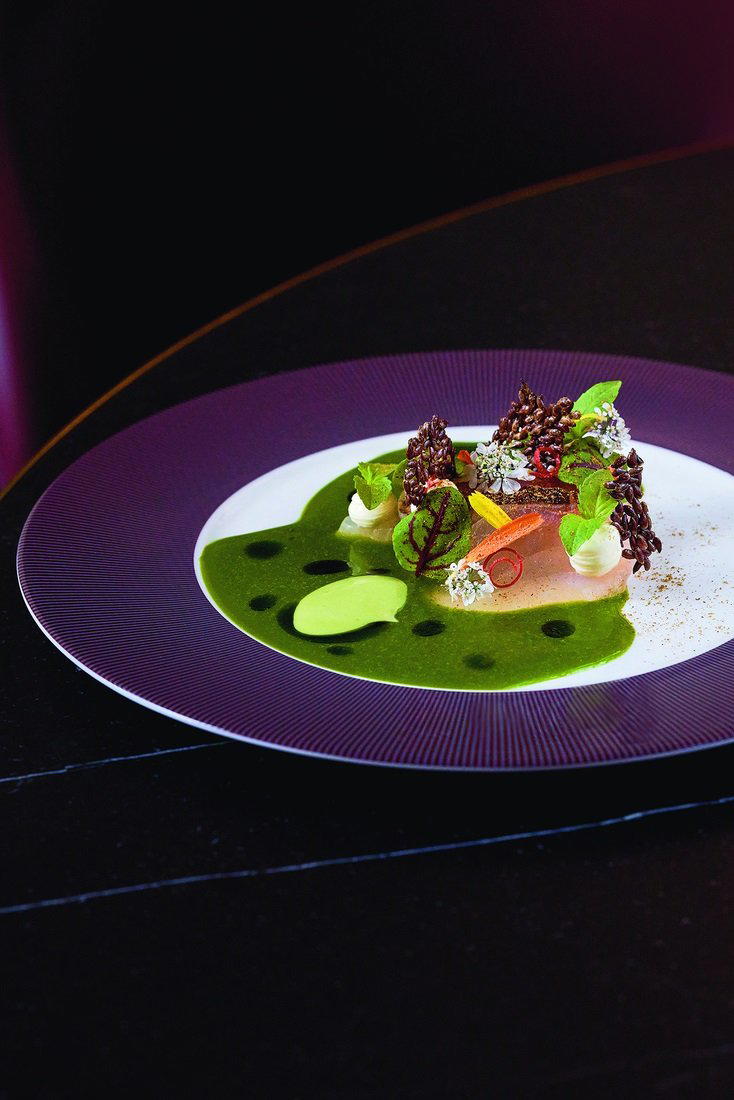
Zunfthaus serves Traditional Bavarian & Austrian food in a historic building on Thalkirchner Str. 76, with Wiener Schnitzel and Zwei Paar gegrillte Schweinswürst´l on the menu.
Pearl is the En Primeur Club membership app — saves, bookings, and concierge access live there. Same editors, same standards.
- Address
- Thalkirchner Str. 76, 80337 München, Germany
- Phone
- +498953886530
- Website
- zunfthaus-muenchen.de
- Directions
- Get directions
 Saves & bookings on Pearl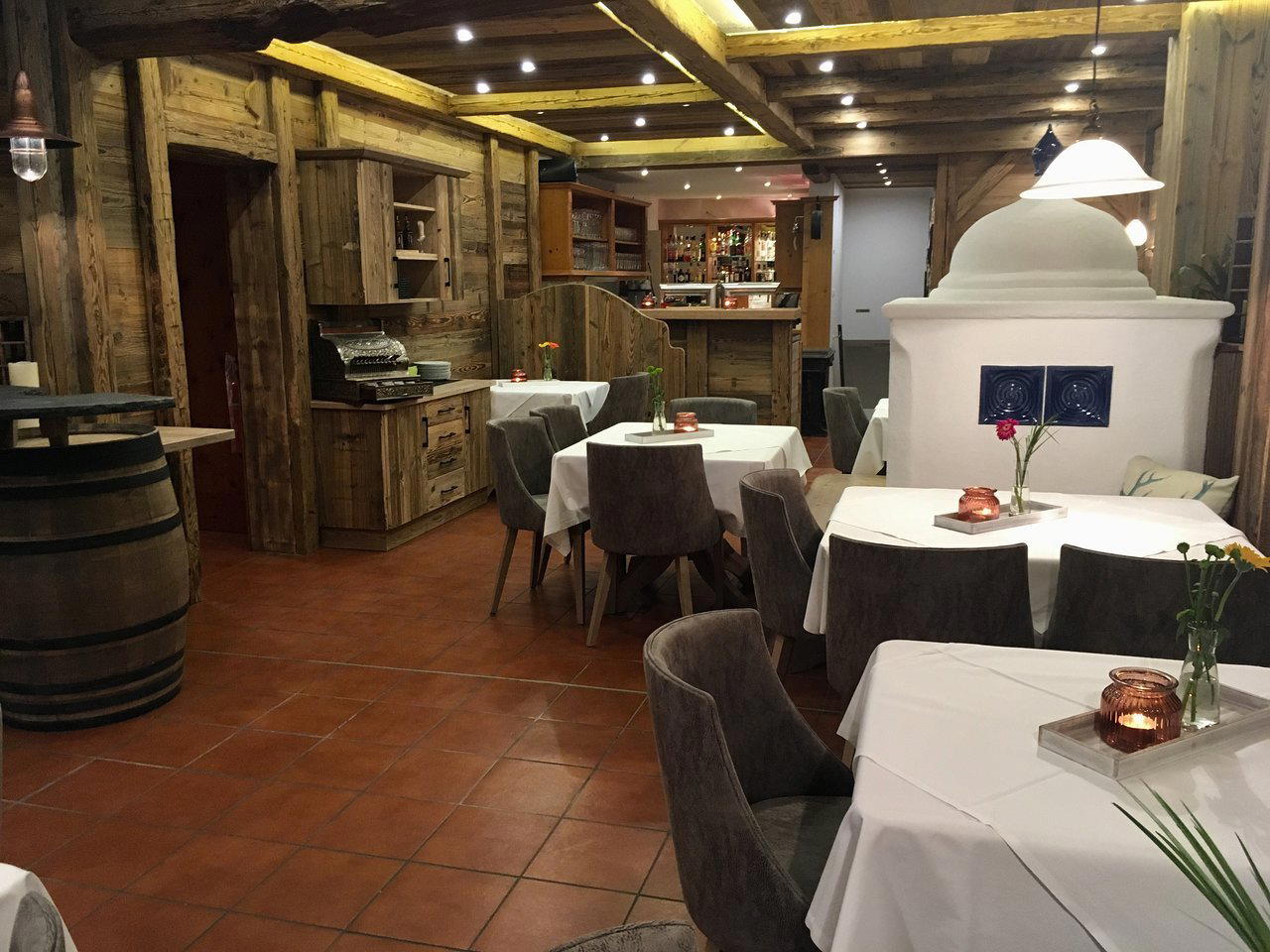
Where Munich's Guild Tradition Meets the Modern Table
Thalkirchner Strasse runs south from Sendling toward the Isar, a stretch of Munich that sits at a remove from the tourist circuits clustering around Marienplatz and the Englischer Garten. The address alone signals what kind of room Zunfthaus occupies: a casual Bavarian and Austrian restaurant in Munich's Isarvorstadt. In a city where the dining conversation frequently centres on the starred kitchens of Maxvorstadt and Schwabing, a venue in this part of Isarvorstadt operates on different terms, drawing from the neighbourhood rather than from passing hotel traffic.
The word Zunfthaus carries specific weight in the German-speaking world. Historically, a Zunfthaus was a guild hall, the civic anchor of a craft community, where tradespeople ate, argued, and settled accounts. Invoking that term in a contemporary dining context is a deliberate act of positioning, aligning the room with the idea of a professional community rather than a destination spectacle. Munich has a handful of modern restaurants that work this way, places where the reference point is local craft continuity rather than international trend-chasing.
The Service Architecture in Munich's Fine Dining Scene
One way to read Munich's top tier of restaurants is through the coherence of their floor teams. At Tantris, the front-of-house carries decades of institutional memory, a continuity that shapes the room's cadence as much as the kitchen does. At Atelier in the Bayerischer Hof, the service model is structured around the creative French tasting format, where pacing and wine integration are load-bearing elements of the experience. At Tohru in der Schreiberei, the Japanese-German hybrid kitchen places specific demands on the floor team to translate unfamiliar techniques and references without over-explaining. In each case, what makes the experience cohere is the alignment between kitchen intent and front-of-house execution.
That team dynamic, the conversation between the people cooking and the people serving, is increasingly the axis on which serious European restaurants differentiate themselves. A kitchen can produce technically correct food; it takes a calibrated floor operation to deliver it at the right temperature, in the right sequence, with the right level of narration. Germany's most decorated rooms understand this. Aqua in Wolfsburg and Vendôme in Bergisch Gladbach both maintain service teams whose depth matches the ambition of their kitchens, an alignment that shows in how those restaurants sustain recognition across multiple guide cycles.
Munich's South-Side Dining Character
The restaurants that define Munich's fine dining reputation, JAN, Alois at Dallmayr, and the longer-established names in Schwabing, tend to cluster in the city's northern and central districts. The southern approach to the Isar represents a quieter dining register: more neighbourhood-facing, less oriented toward the business lunch or the pre-opera table. That geography shapes both the clientele and the expected tone. Rooms in this part of Munich carry a different set of expectations from their guests, less event-driven formality, more sustained local relationship.
Across Germany, this pattern recurs in cities where the fine dining tier sits alongside a strong civic restaurant culture. Restaurant Haerlin in Hamburg occupies the grand hotel tier, while neighbourhood-anchored rooms in Altona and Eppendorf serve a completely different function in the city's dining life. The same bifurcation appears in Munich: the starred rooms function as occasion destinations, while south-side addresses like Thalkirchner Strasse serve a more regular constituency.
Collaboration as Kitchen Discipline
Particularly sustainable kitchens in the German fine dining tier are those where the collaboration between kitchen, cellar, and floor is not incidental but structural. Schwarzwaldstube in Baiersbronn operates on this principle, with a wine program that develops in dialogue with the menu rather than in parallel to it. Schanz in Piesport benefits from its Moselle location to build a cellar that speaks directly to the food's regional references. ES:SENZ in Grassau takes a similar approach with Alpine producers. In each case, the value of the experience depends on how well the three elements, food, wine, and service, read as a single authored statement rather than three parallel operations.
Germany's broader restaurant culture has been moving in this direction for years, with a clearer understanding of how leading rooms integrate their teams. CODA Dessert Dining in Berlin represents the extreme version of this: a format so tightly conceived that the line between the kitchen's logic and the service team's delivery has been deliberately collapsed. Munich's rooms have adopted a less dogmatic version of the same principle, where integration serves the guest's clarity rather than the kitchen's conceptual ambition.
Placing Zunfthaus in the Wider Context
For travellers building a Munich restaurant sequence, the question is always one of register. A run of starred tasting menus, from Atelier to JAN to Tohru, covers the creative and technical range, but it leaves a gap where the city's more grounded, neighbourhood-facing dining sits. Zunfthaus, at Thalkirchner Strasse 76, represents that other register: a room whose reference point is Munich's civic and craft tradition rather than its international competition. In the same way that Waldhotel Sonnora in Dreis or Bagatelle in Trier serve a function specific to their local context, Zunfthaus belongs to Munich's south-side in a way that the starred rooms in Maxvorstadt simply do not.
Internationally, the comparison is to rooms like Le Bernardin in New York, where the service philosophy is as carefully considered as the menu, or Atomix, where the integration of kitchen narrative and table delivery has become a defining feature of the format. Those rooms operate at a different price point and with different ambitions, but the underlying logic, that a restaurant succeeds or fails as a collaborative organism rather than as a kitchen with ancillary staff, is the same logic that gives neighbourhood rooms their durability.
Also worth noting in the German context: Victor's Fine Dining by Christian Bau in Perl has built one of Germany's most coherent team-driven service cultures over two decades, a benchmark for how front-of-house continuity compounds into something that no single brilliant season in the kitchen can replicate on its own.
Planning Your Visit
Zunfthaus is located at Thalkirchner Strasse 76 in Munich's Isarvorstadt, south of the city centre and within reach of the Isar river paths. The address sits in a residential stretch that rewards visitors who come with time to explore the neighbourhood before or after the meal. For dining context beyond Zunfthaus, the full range of Munich's fine dining tier, from the creative rooms of Maxvorstadt to the neighbourhood tables of Sendling and Schwabing, is mapped in the EP Club Munich guide.
Budget Reality Check
Comparable venues nearby, for context on price, style, and recognition.
| Venue | Cuisine | Price | Notes |
|---|---|---|---|
| ZunfthausThis venue — the venue you are viewing | Not listed | $$ | Not listed |
| Wirtshaus im Schichtl | Not listed | $$ | Theresienwiese, Traditional Bavarian Organic |
| Augustiner Stammhaus | Not listed | $$ | Isarvorstadt, Traditional Bavarian Beer Hall |
| Deutsche Eiche | Isarvorstadt, Modern Bavarian | $$ | Not listed |
| Zum Sollner Hirschen | Solln, Classic Bavarian | $$ | Not listed |
| Caspar Plautz | Not listed | $ | Altstadt, Creative Bavarian Potato Dishes |
At a Glance
- Cozy
- Classic
- Casual Hangout
- Historic Building
Current opening hours
- Monday
- 4–11 PM
- Tuesday
- 4–11 PM
- Wednesday
- 4–11 PM
- Thursday
- 4–11 PM
- Friday
- 4–11 PM
- Saturday
- 4–11 PM
- Sunday
- Closed
Hours can change for holidays and private events. Last verified .
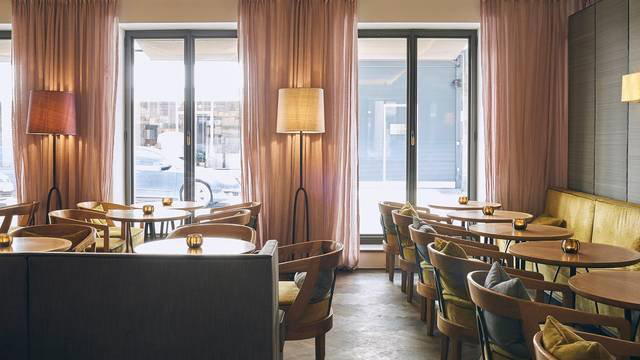
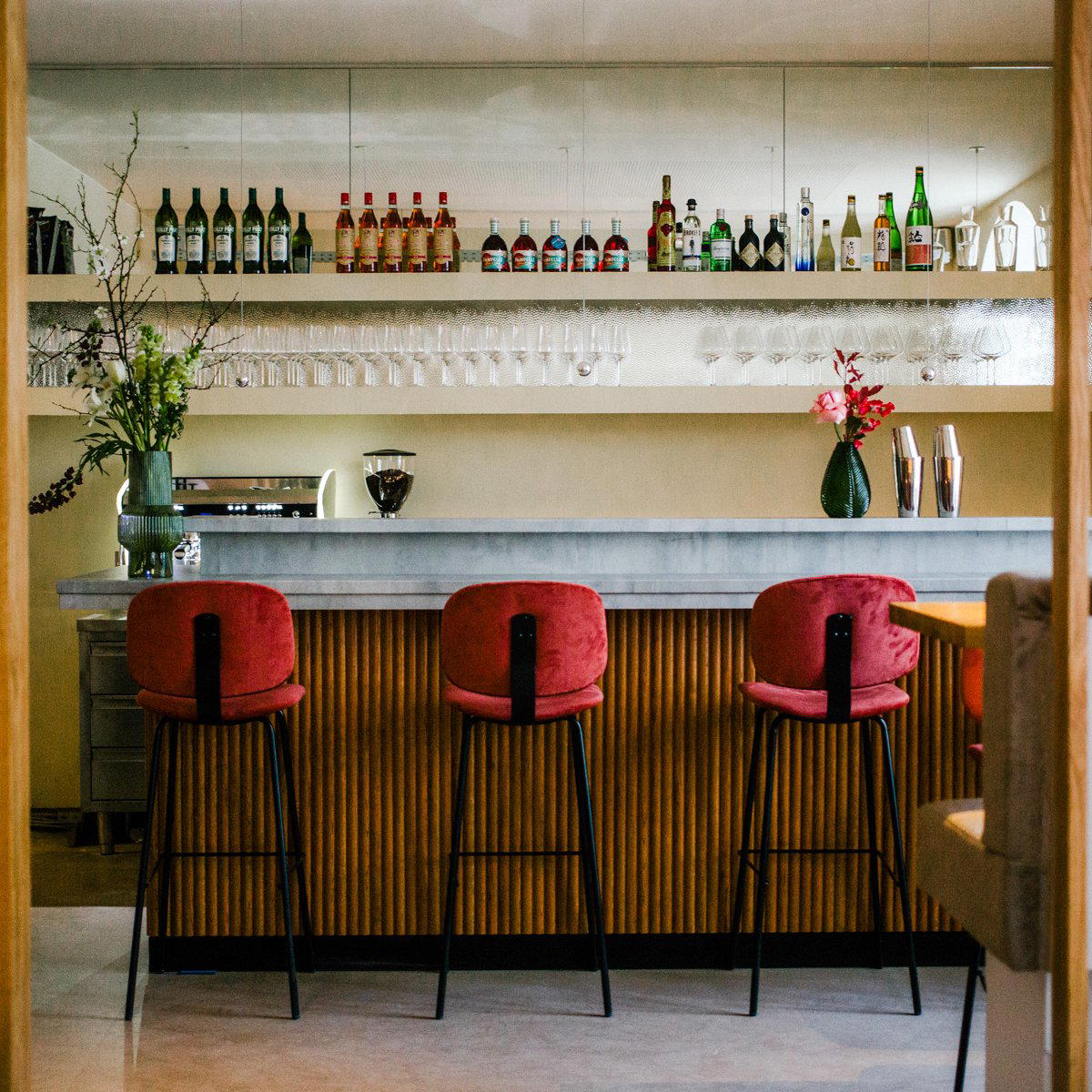
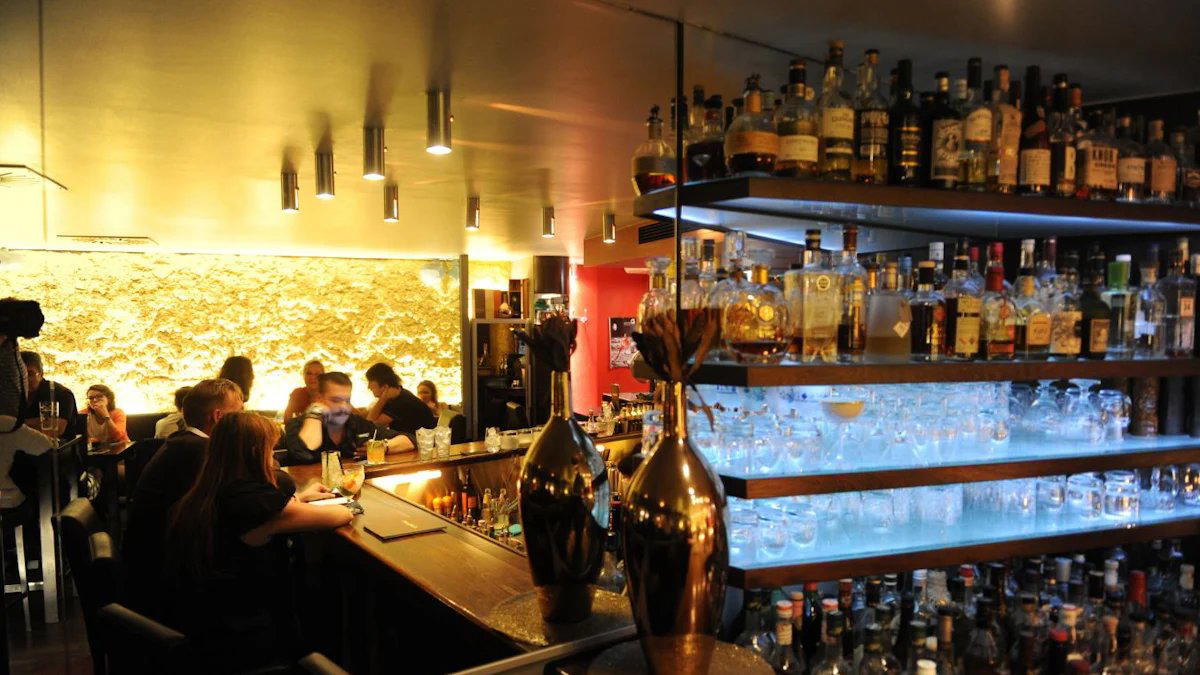
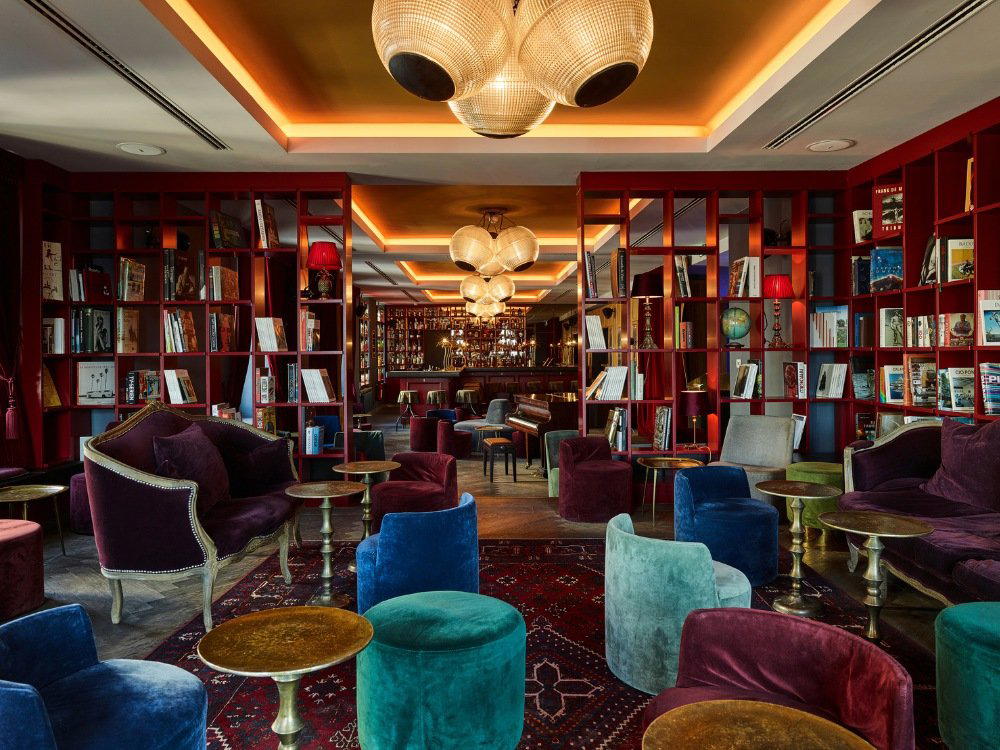
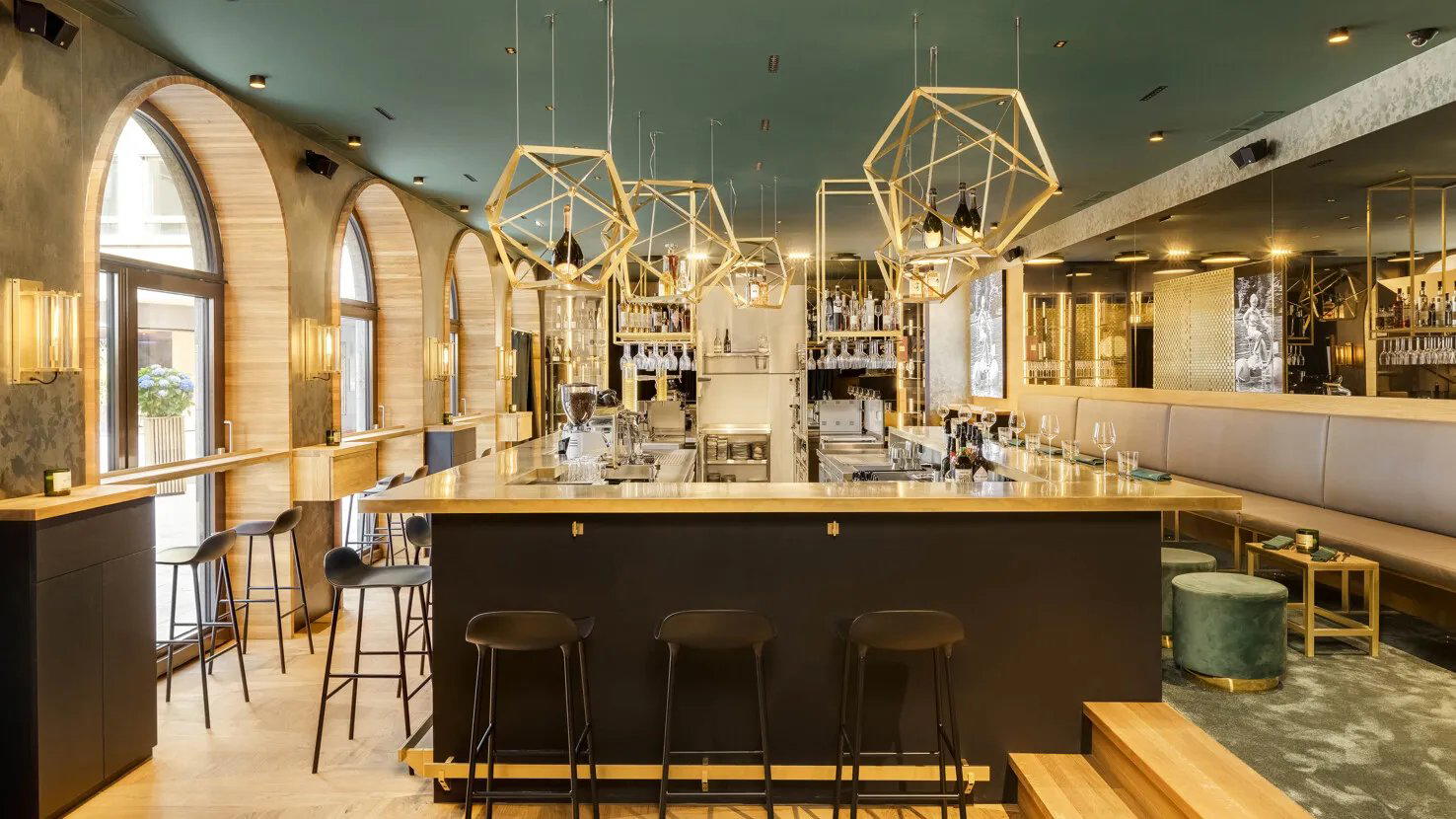
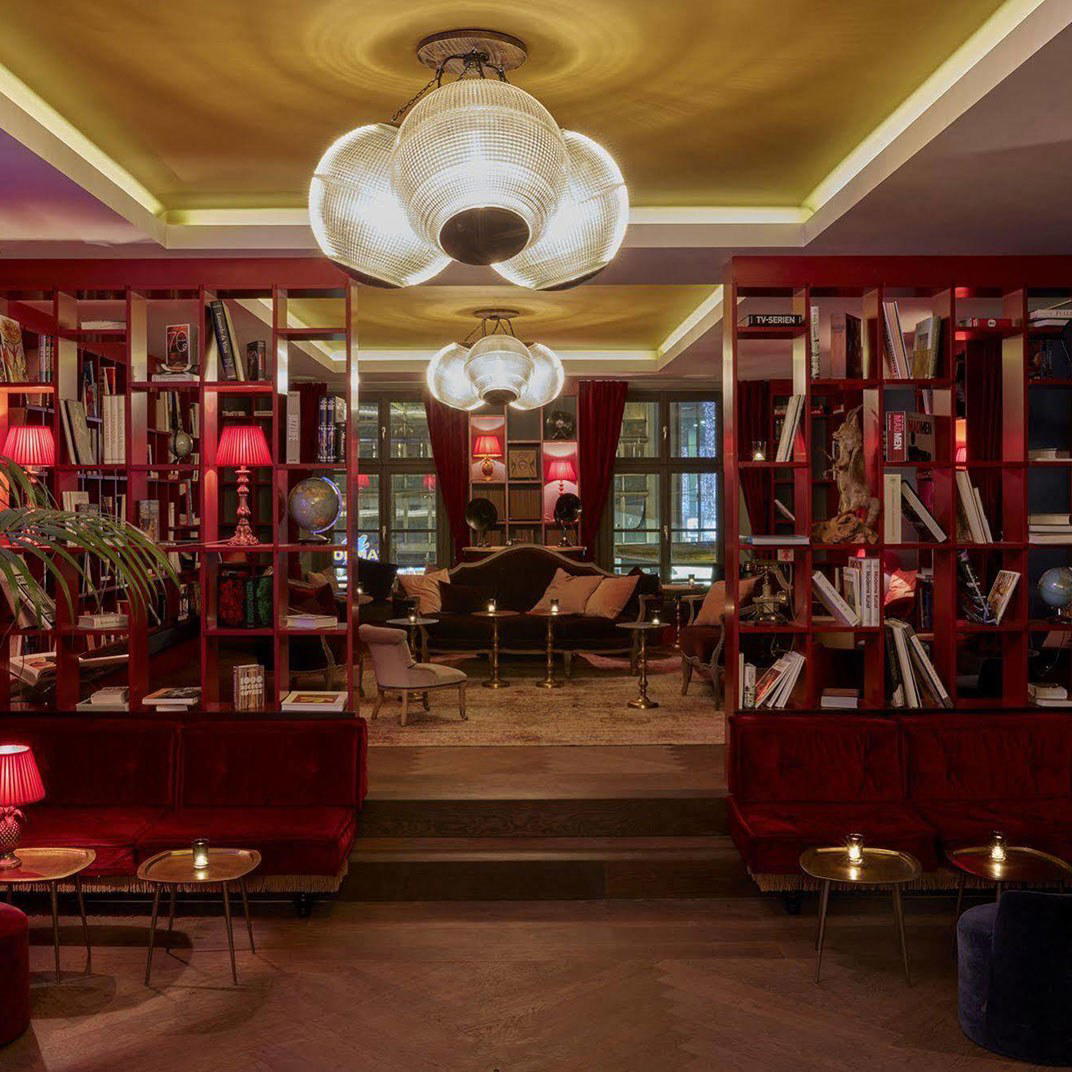
Warm, cozy atmosphere with wood paneling and friendly service.