Zum Sollner Hirschen sits in Munich's Solln district, where the city gives way to quieter residential streets and the kind of traditional Bavarian inn format that rarely survives intact this close to a major city. The address places it outside the central fine-dining corridor, making it a deliberate choice rather than a convenience stop for visitors working through Munich's restaurant scene.
Pearl is the En Primeur Club membership app — saves, bookings, and concierge access live there. Same editors, same standards.
- Address
- Sollner Str. 43, 81479 München, Germany
- Phone
- +498920079474
- Website
- zumsollnerhirschen.de
- Directions
- Get directions
 Saves & bookings on Pearl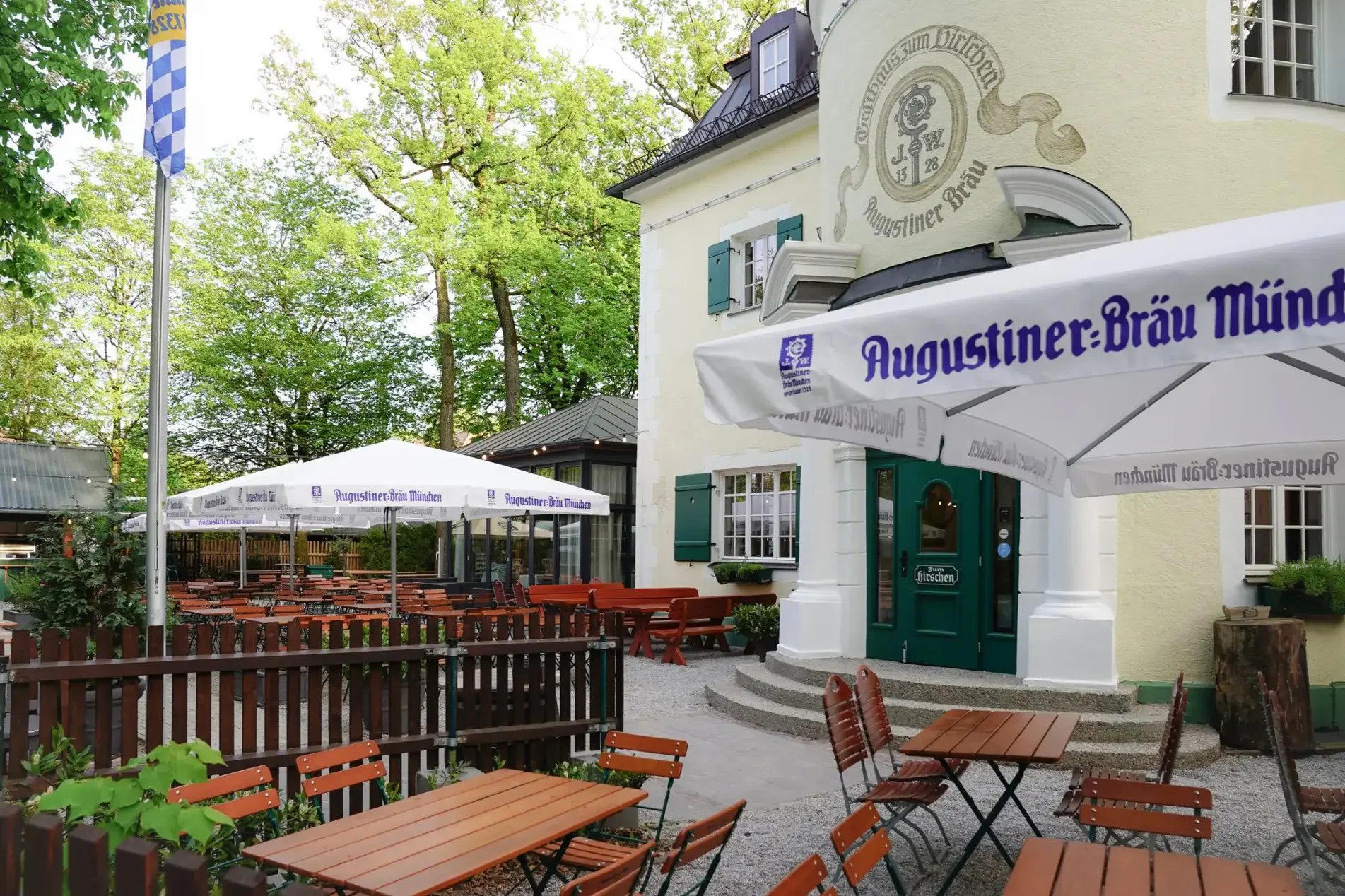
Where Munich's Southern Fringe Holds Its Ground
Most of Munich's dining conversation runs along a fairly tight corridor: Maxvorstadt, Schwabing, the Altstadt, and the occasional outlier in Haidhausen. Solln, the residential district in the city's far south, rarely features in that discussion. That geographic remove is precisely what defines the context for Zum Sollner Hirschen. Venues at this address, on Sollner Strasse in the 81479 postcode, operate for a neighbourhood that knows what it wants. The format of the traditional Bavarian inn, the Wirtshaus, has largely been absorbed into nostalgia tourism in Munich's centre, reproduced for beer-hall crowds rather than preserved for locals. In Solln, the pressure to perform for outsiders is lighter, and that changes everything about what a place like this can be.
The Wirtshaus Tradition, Read Honestly
Germany's inn tradition carries a lot of cultural weight that doesn't always survive contact with commercial reality. The Wirtshaus at its functional leading is a neighbourhood anchor: a place where regulars arrive without consulting a booking app, where the menu follows seasonal availability and regional convention, and where the room reads as a social space rather than a dining room in the fine-dining sense. Munich's central examples of this format, particularly around Marienplatz and the tourist-facing streets, have largely drifted toward performance. The cooking can be competent, but the audience is transient and the economics push toward volume.
Venues in residential districts like Solln operate under different conditions. The repeat-visit rate is higher, which disciplines both kitchen and front-of-house in ways that tourist volume does not. A regular who comes twice a month will notice if the Schweinsbraten is inconsistent; a visitor who came once for Oktoberfest will not. That accountability, quiet as it is, tends to produce more honest cooking than any amount of critical attention.
For context on Munich's broader fine-dining spectrum, the city's recognized upper tier includes places like Tantris, which operates in Modern French and French Contemporary registers at the €€€€ level, and Atelier, working in Creative French at the same price tier. Tohru in der Schreiberei represents the city's engagement with Modern German-Japanese crossover. Alois - Dallmayr Fine Dining and JAN complete the creative end of the spectrum. Zum Sollner Hirschen doesn't position itself against any of those. It occupies a different register entirely, one that the city's critical infrastructure doesn't always know how to value.
Planning Your Visit: The Booking Question
The editorial angle for a venue like this is necessarily logistical, because the booking question is the first real obstacle for anyone arriving from outside Solln. Traditional Bavarian inns in residential Munich neighbourhoods do not always operate with the same booking infrastructure as the city's fine-dining establishments. At venues like JAN or the higher-end creative restaurants, the booking process is formalized: fixed timetables, online reservation systems, sometimes a deposit requirement. At a neighbourhood Wirtshaus, the convention is often different. Walk-ins during quieter service periods are more feasible, but Friday and Saturday evenings in a well-regarded local inn fill with regulars whose implicit priority is established through years of habit rather than a reservation window.
The practical advice for any venue in this category is to arrive with lead time, consider a midweek visit if flexibility allows, and treat lunchtime service, where it exists, as a more accessible entry point than evening. The broader pattern across Munich's residential-district inns is that midweek lunch is where the cooking is often most focused and the room is most genuinely local in character.
For comparison, the booking dynamics at Germany's more acclaimed destination restaurants require considerably more planning. Aqua in Wolfsburg and Schwarzwaldstube in Baiersbronn operate on booking horizons of weeks to months. Vendôme in Bergisch Gladbach and Victor's Fine Dining by Christian Bau in Perl require comparable advance planning. A local inn in Solln operates on a different scale entirely, which is either an advantage or a limitation depending on what you're after.
Where Zum Sollner Hirschen Sits in the Munich Picture
Munich's restaurant ecology is more layered than its international reputation, which centres on beer halls and Oktoberfest, suggests. The city has a serious fine-dining tier that competes with Hamburg's Restaurant Haerlin and Berlin's CODA Dessert Dining for ambition and recognition. It also has a middle register of wine-forward bistros and modern German kitchens. And it has the traditional inn layer, which is the oldest and most structurally Bavarian of the three.
Zum Sollner Hirschen belongs to that third layer, with the additional variable of genuine neighbourhood distance from the tourist and critic circuits. That position is neither a concession nor an aspiration. It's a condition of the address, and for the right visitor, it's the point. Restaurants in the creative tier, like ES:SENZ in Grassau or Schanz in Piesport, are built around a particular chef's vision being transmitted to a guest who has made a deliberate pilgrimage. A venue in residential Solln is built around something older: the assumption that the guest is already there, already local, and already knows what they want from an evening out.
That distinction matters when you're deciding whether to make the trip south. If you're building a Munich itinerary around the city's recognized creative restaurants, the Solln address adds travel time without fitting that logic. If you want to see what Munich's residential dining culture looks like away from the visitor circuit, Sollner Strasse is a reasonable place to look. Germany's inn tradition has survived most strongly in exactly these kinds of contexts, and the leading examples of it don't need a Michelin citation to justify the trip.
For those building a wider itinerary through Germany's serious restaurant culture, the comparison set runs from Waldhotel Sonnora in Dreis and Bagatelle in Trier at the southwestern end to Le Bernardin in New York and Atomix. The restaurant doesn't belong to any of those comparable venues. Its comparable set is the handful of Munich neighbourhood inns that have stayed local, stayed seasonal, and stayed focused on the people who show up every week rather than the ones who show up once.
Planning Details
The restaurant is located at Sollner Str. 43, 81479 München. The venue sits in the Solln residential district in Munich's far south, accessible by S-Bahn to Solln station. Visiting in person or checking local Munich listings for current contact details is one reliable approach. Midweek visits are likely to offer more availability than weekend evenings in a venue serving an established local clientele.
How It Stacks Up
Comparable venues nearby, for context on price, style, and recognition.
| Venue | Cuisine | Price | Notes |
|---|---|---|---|
| Zum Sollner HirschenThis venue — the venue you are viewing | Classic Bavarian | $$ | Not listed |
| Wirtshaus in der Au | Traditional Bavarian with Innovative Dumplings | $$ | Au |
| Die Küche im Kraftwerk | Modern Alpine German | $$ | Obersendling |
| Wirtshaus Hohenwart | Traditional Bavarian | $$ | Au |
| Restaurant Zieglerei | Scandinavian-Bavarian with Burger Focus | $$ | Zamdorf |
| Deutsche Eiche | Modern Bavarian | $$ | Isarvorstadt |
At a Glance
- Cozy
- Rustic
- Classic
- Group Dining
- Family
- Casual Hangout
- Historic Building
- Beer Program
Current opening hours
- Monday
- 11:30 AM–11 PM
- Tuesday
- 11:30 AM–11 PM
- Wednesday
- 11:30 AM–11 PM
- Thursday
- 11:30 AM–11 PM
- Friday
- 11:30 AM–11 PM
- Saturday
- 11:30 AM–11 PM
- Sunday
- 11:30 AM–11 PM
Hours can change for holidays and private events. Last verified .
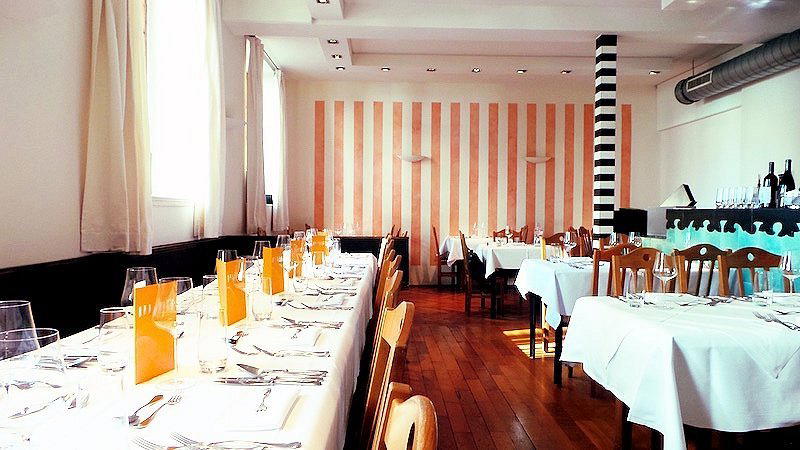
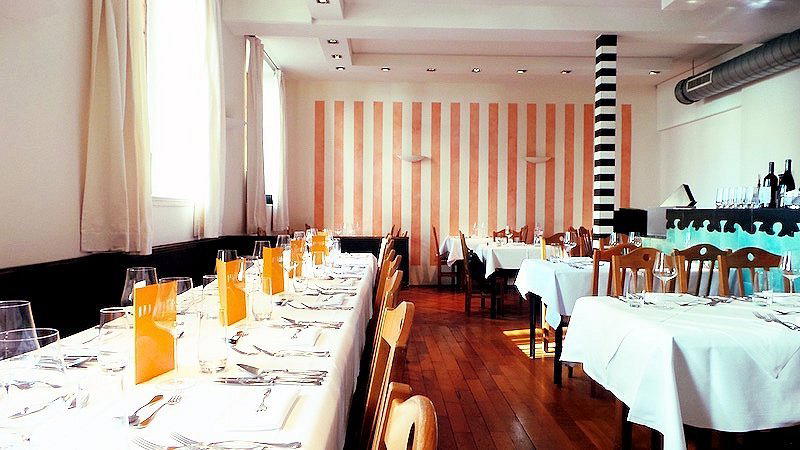
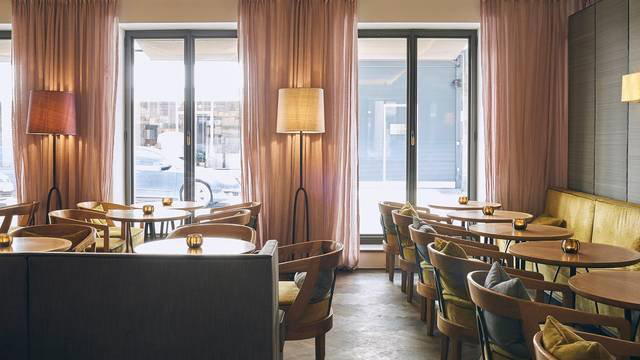
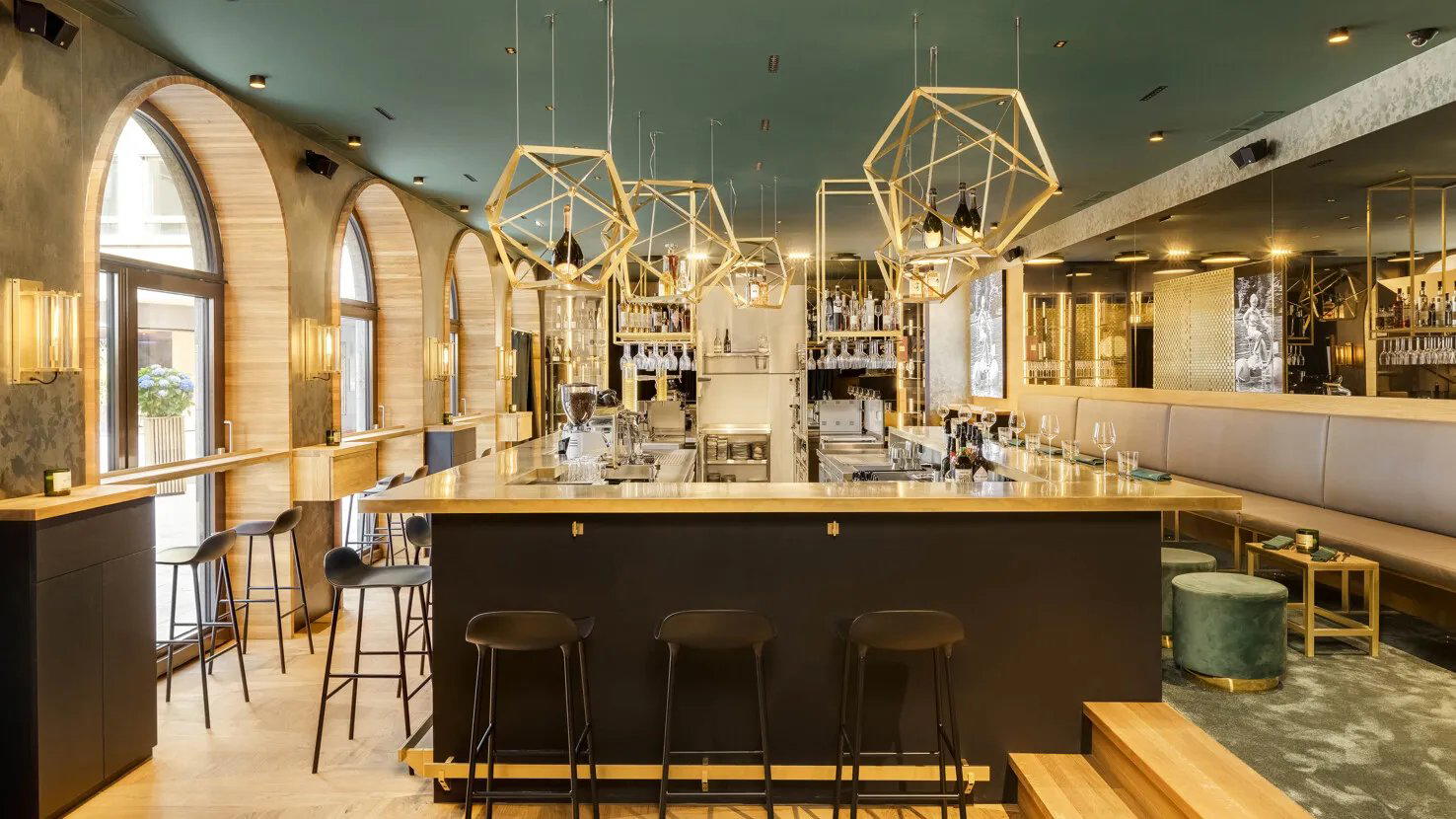
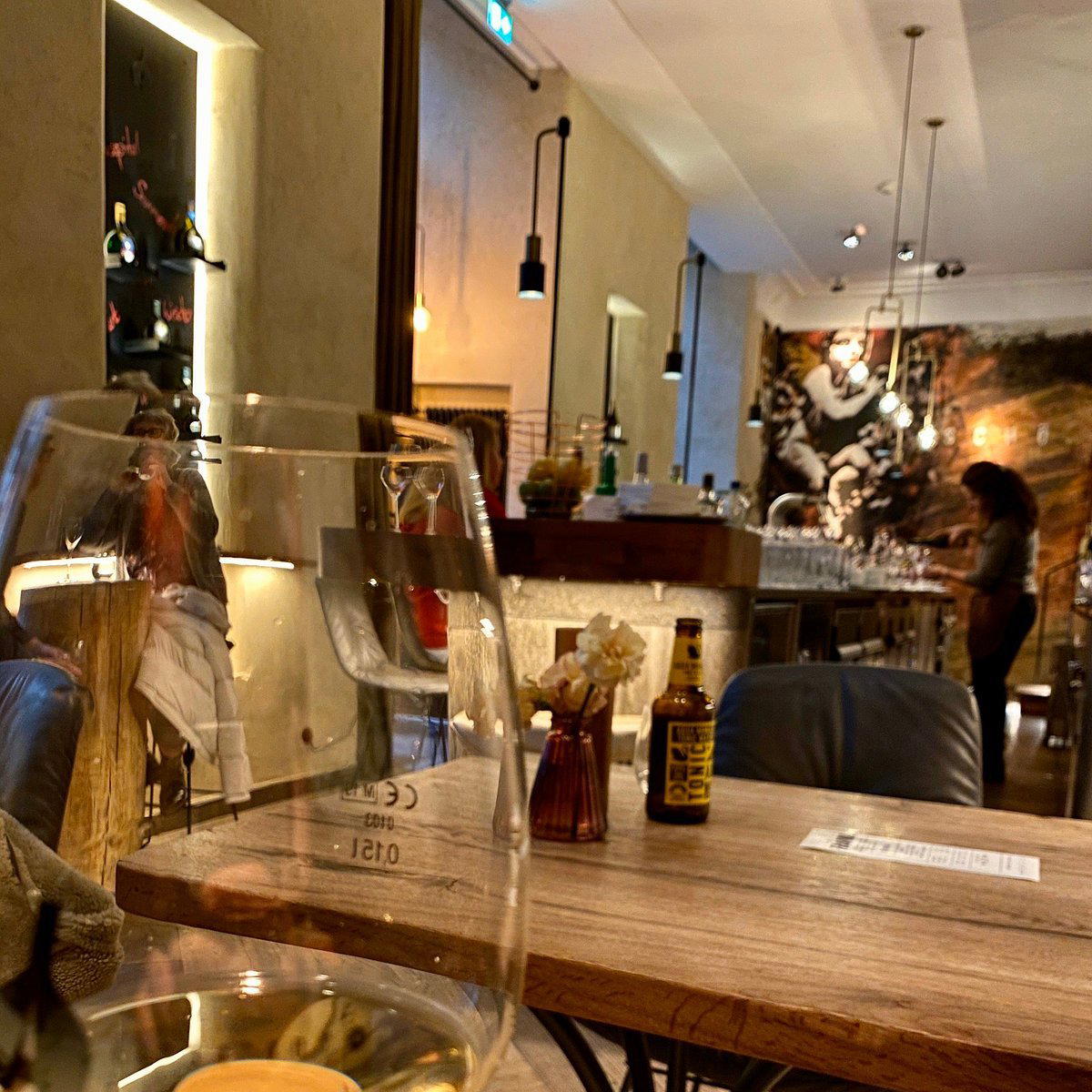
Cozy Bavarian atmosphere with appealing guest rooms, modern touches in a traditional setting, and a large beautiful beer garden.