Restaurant Traube Eichelberg occupies a corner of Heilbronn's wine country that most German fine dining itineraries skip in favour of Stuttgart or Frankfurt. The kitchen works within the Swabian tradition of sourcing close to home, placing it in a regional tier of serious restaurants that reward the detour. Check directly with the restaurant for current formats and availability.
Pearl is the En Primeur Club membership app — saves, bookings, and concierge access live there. Same editors, same standards.
- Address
- Kolbensteige 8, 74182 Obersulm, Germany
- Phone
- +494971308130
- Website
- traube-eichelberg.de
- Directions
- Get directions
 Saves & bookings on Pearl
The drive into Obersulm from the Heilbronn valley already tells you something about the food. The Kocher and Jagst rivers cut through vine-covered slopes and market-garden terrain, and the villages along the B39 corridor supply a disproportionate share of the seasonal produce that ends up on Swabian tables. By the time you reach Kolbensteige 8, Traube Eichelberg is already visible in the fields around it. This is Baden-Württemberg wine country, and the kitchen tradition here has always been shaped by what the surrounding landscape produces rather than by trends imported from metropolitan centres.
Where Obersulm Sits in the German Fine Dining Map
Germany's serious restaurant tier has historically concentrated in a handful of city corridors: Hamburg's Alstertal, the Rhine-Ruhr axis, Munich's Maxvorstadt, and the Rhine-Neckar stretch that runs south from Mannheim. The Heilbronn region sits at the edge of that last corridor, close enough to Stuttgart to draw weekend visitors but sufficiently removed to maintain a local identity. That positioning matters because it shapes the competitive set. Aqua in Wolfsburg and Vendôme in Bergisch Gladbach operate in the full metropolitan fine dining register. Restaurants in wine-country towns like Obersulm tend to operate differently: the format is often closer to the French auberge model, where the kitchen draws on a tight local supply radius and the experience is anchored by the regional wine programme rather than by a parade of global luxury ingredients.
That pattern runs through some of Germany's most coherent regional cooking. Schwarzwaldstube in Baiersbronn and Waldhotel Sonnora in Dreis both demonstrate how a rural address can sharpen rather than limit a kitchen's ambitions when the sourcing relationships are properly built. Our full Obersulm restaurants guide covers how the town's position in the Heilbronn Unterland wine zone translates into the dining options available in the area.
The Sourcing Logic of Swabian Wine Country
Baden-Württemberg is one of Germany's most agriculturally varied states, and the Heilbronn Unterland subzone sits within it as a warm, sheltered corridor where Lemberger, Trollinger, and Schwarzriesling ripen alongside vegetables and orchard fruit that rarely travel far before reaching a kitchen. The sourcing geography matters here in the same way it does for the Württemberg estates that sell directly to restaurants within a thirty-kilometre radius. In this part of southern Germany, the connection between wine producer and kitchen is often a handshake agreement rather than a distributor relationship, and that proximity changes what a menu can do with local varieties.
This is the tradition that a Heilbronn-area restaurant like Traube Eichelberg operates within. The Swabian kitchen has historically been underrated in international fine dining commentary relative to its Bavarian counterpart, partly because it lacks the folkloric shorthand of lederhosen-and-Weißwurst and partly because its refinements are quieter: the sourcing is local, the flavours tend toward precision over abundance, and the wine pairings lean on Württemberg producers that international visitors rarely know before they sit down. For context, restaurants working at this register in comparable German wine-country settings include Schanz in Piesport on the Moselle and Bagatelle in Trier, both of which demonstrate how a regionally anchored kitchen can achieve recognition without abandoning its sourcing geography.
Regional Fine Dining Formats in Germany's Wine Villages
The format question is worth addressing directly because it separates the Obersulm experience from what a visitor might expect at an urban address. Germany's city-based fine dining has moved firmly toward the multi-course tasting menu model, a shift visible across restaurants from CODA Dessert Dining in Berlin to JAN in Munich. Wine-country restaurants in Baden-Württemberg sometimes retain a more flexible structure, offering both à la carte and tasting options, partly because their local clientele skews toward families and mid-week regulars rather than destination diners arriving by train from another city. That flexibility is not a concession: it reflects a different relationship between kitchen and guest, one that is more embedded in the daily life of the region.
The same flexibility appears at other serious regional kitchens in Germany. ES:SENZ in Grassau and AUGUST in Augsburg both operate in smaller Bavarian cities and have found ways to balance the demands of a destination audience with the expectations of a local one. AURA by Alexander Herrmann and Tobias Bätz in Wirsberg is a useful reference point for how Franconian wine-country cooking has developed its own register distinct from the Munich mainstream.
How This Fits the Wider German Critical Conversation
Germany's Michelin landscape has expanded steadily in the past decade, with recognition extending further into regional and wine-country addresses than it did when the guide's German focus was almost entirely urban. That shift has made restaurants in towns like Obersulm more legible to international visitors who previously would not have planned a trip around a Heilbronn postal code. Victor's Fine Dining by Christian Bau in Perl and ATAMA by Martin Stopp in Sankt Ingbert both demonstrate that the Saarland and Rhineland-Palatinate borders have produced serious kitchens at some distance from the country's major cities. The Heilbronn region has its own version of that story.
For international visitors calibrating expectations against globally recognised reference points, the gap between a serious German regional kitchen and the top end of the New York fine dining tier represented by venues like Le Bernardin or Atomix is primarily one of scale and media visibility rather than of cooking rigour. The sourcing relationships, seasonal discipline, and wine programme depth that define the better Württemberg kitchens are genuinely comparable to what those international addresses do, just operating in a different register and with a different price expectation. Restaurant Haerlin in Hamburg shows how that rigour can translate into upper-tier Michelin recognition within the German context.
Planning Your Visit
Obersulm is accessible from Heilbronn by car in under twenty minutes, and the nearest rail connection runs through Heilbronn Hauptbahnhof, which sits on the S-Bahn network linking to Stuttgart. Dress code conventions at Swabian fine dining addresses of this type typically fall between smart casual and business casual. The ammolite - The Lighthouse Restaurant in Rust provides a useful point of comparison for how Baden restaurants at this level handle the balance between formal and relaxed service environments.
At-a-Glance Comparison
Comparable venues nearby, for context on price, style, and recognition.
| Venue | Cuisine | Price | Notes |
|---|---|---|---|
| Restaurant Traube EichelbergThis venue — the venue you are viewing | Traditional Swabian German | $$$ | Not listed |
| Rotenberger Weingärtle | Modern Swabian | $$$ | Obertuerkheim |
| DILL Vegan Gastronomie | Vegan Bavarian | $$$ | Augsburg |
| Bistro Mars | Seasonal German Bistro | $$$ | Mainviertel |
| Bundschu | Traditional German Regional | $$ | Kurpark |
| 1819 Bistro am Wirtemberg | Swabian Regional Bistro | $$ | Obertuerkheim |
Continue exploring
More in Obersulm
Restaurants in Obersulm
Browse all →
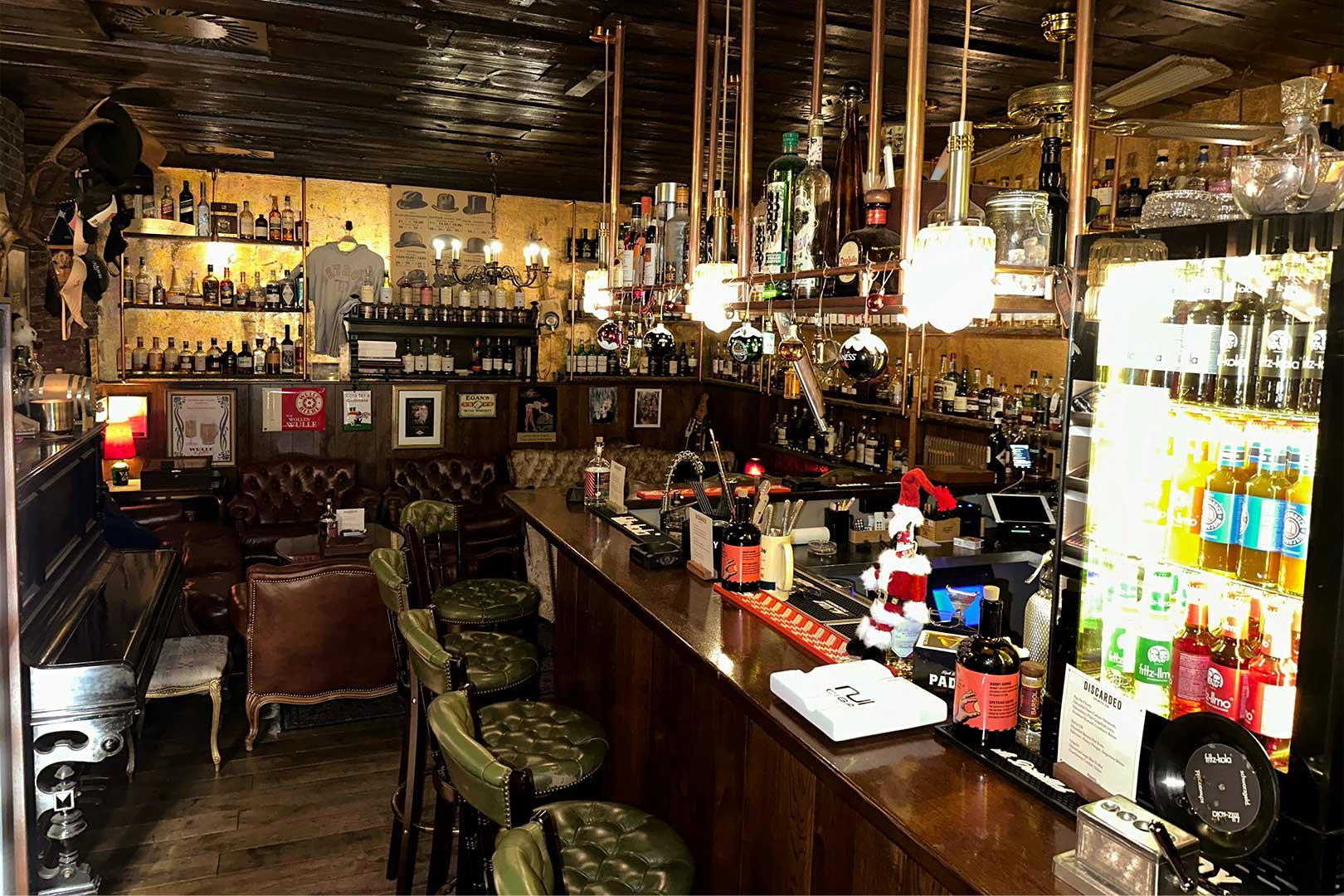
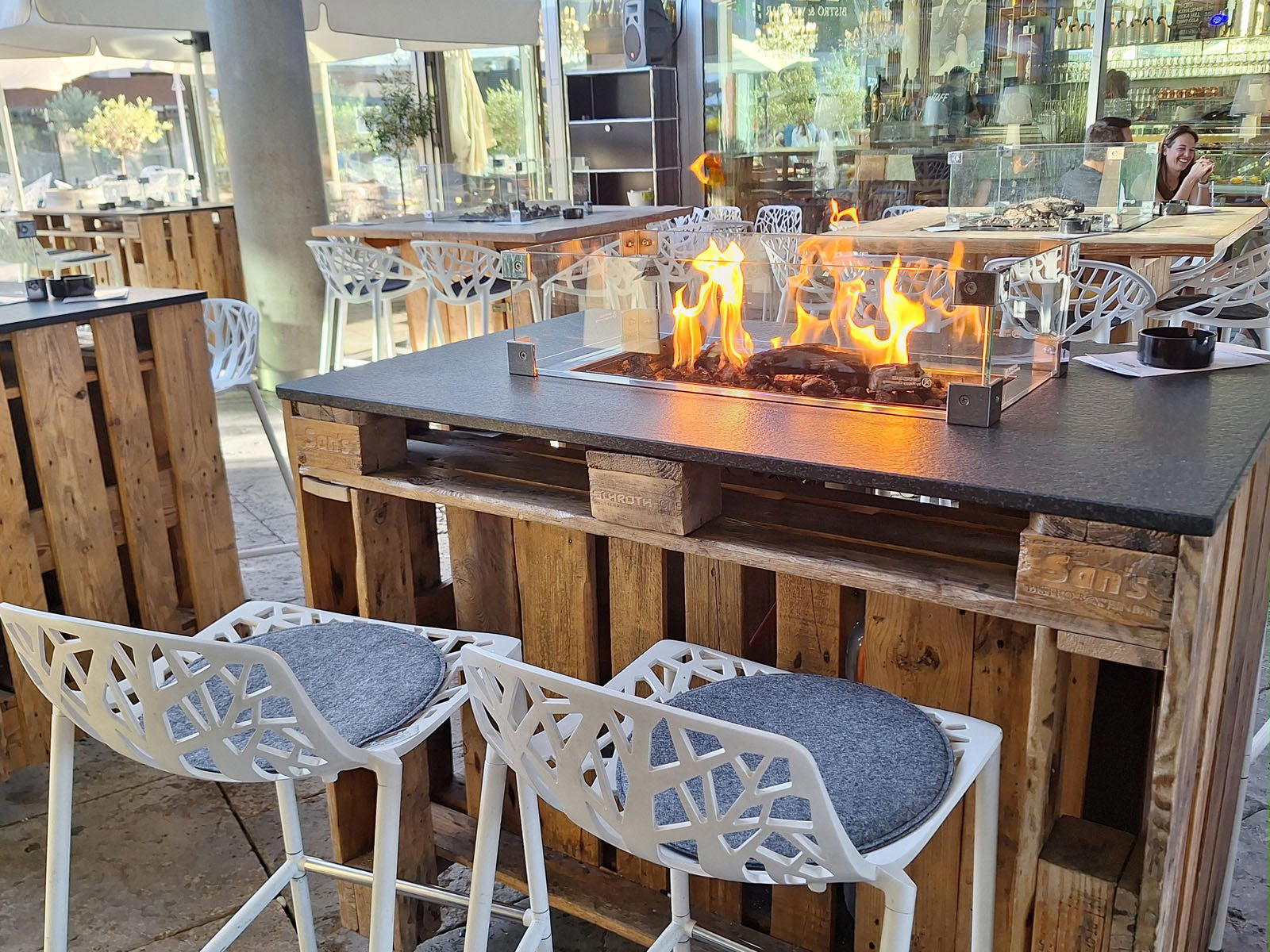
Bars in Obersulm
Browse all →

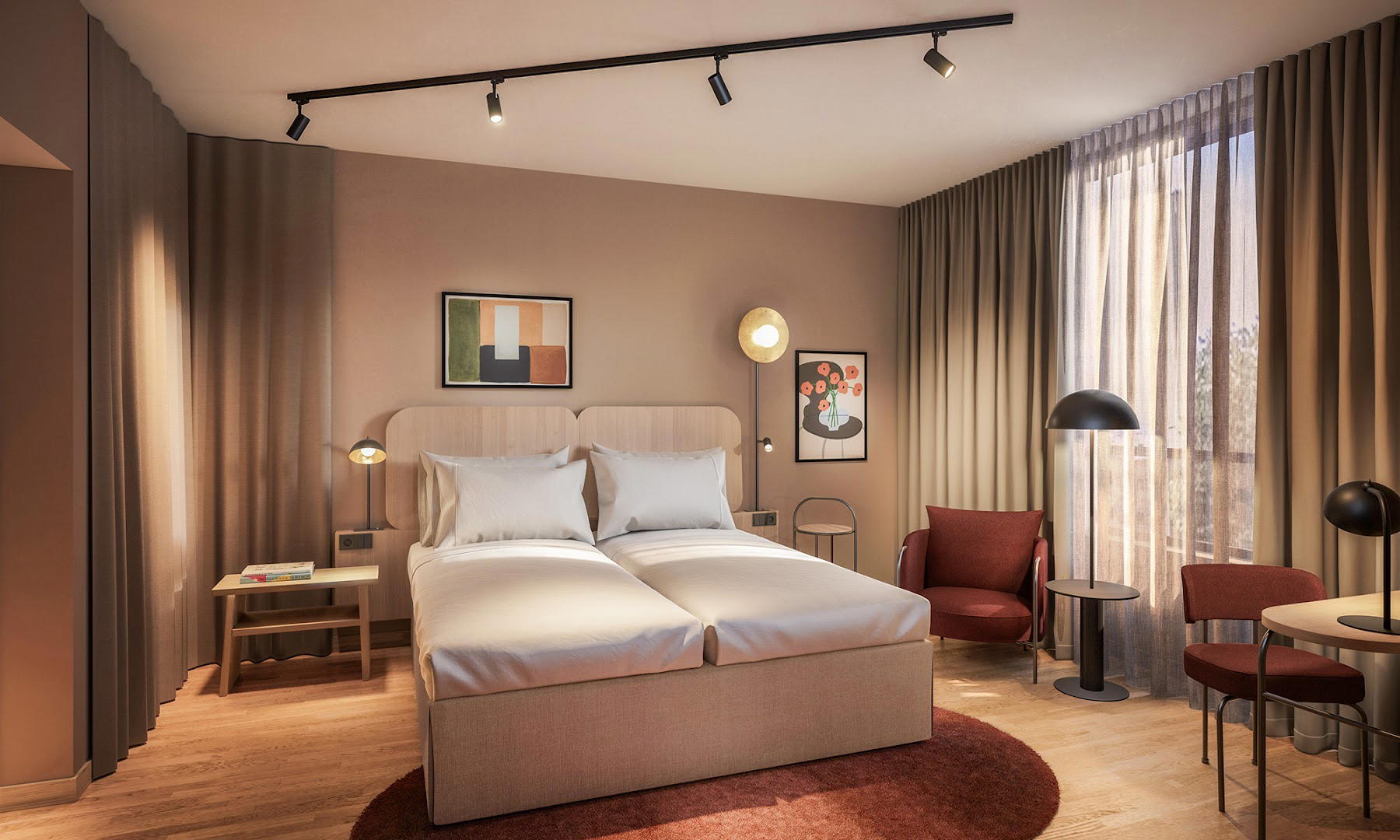
Hotels in Obersulm
Browse all →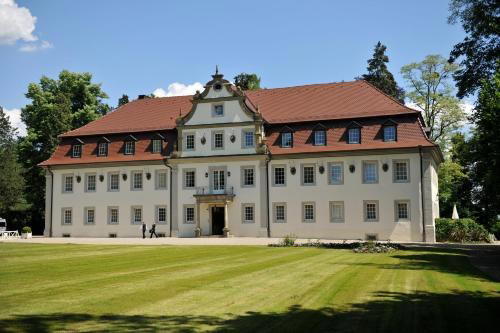

At a Glance
- Cozy
- Rustic
- Classic
- Family
- Group Dining
- Business Dinner
- Terrace
Current opening hours
- Monday
- Closed
- Tuesday
- Closed
- Wednesday
- 5–10:30 PM
- Thursday
- 11 AM–2 PM, 5–10:30 PM
- Friday
- 11 AM–2 PM, 5–10:30 PM
- Saturday
- 11 AM–2 PM, 5–10:30 PM
- Sunday
- 11 AM–2 PM, 5–10:30 PM
Hours can change for holidays and private events. Last verified .
Gepflegt, stilvoll eingerichtet mit gemütlicher, herzlicher Gastlichkeit.