A neighbourhood bistro on Leistenstraße in Würzburg's southern residential quarter, Bistro Mars occupies the kind of modest address that Franconian dining culture has long favoured over spectacle. The cooking sits within a local tradition that prizes regional sourcing and seasonal rotation over fixed menus, placing it among the more grounded options in a city better known for its wine than its restaurant scene.
Pearl is the En Primeur Club membership app — saves, bookings, and concierge access live there. Same editors, same standards.
- Address
- Leistenstraße 6, 97082 Würzburg, Germany
- Phone
- +4993166676156
- Website
- bistromars.de
- Directions
- Get directions
 Saves & bookings on Pearl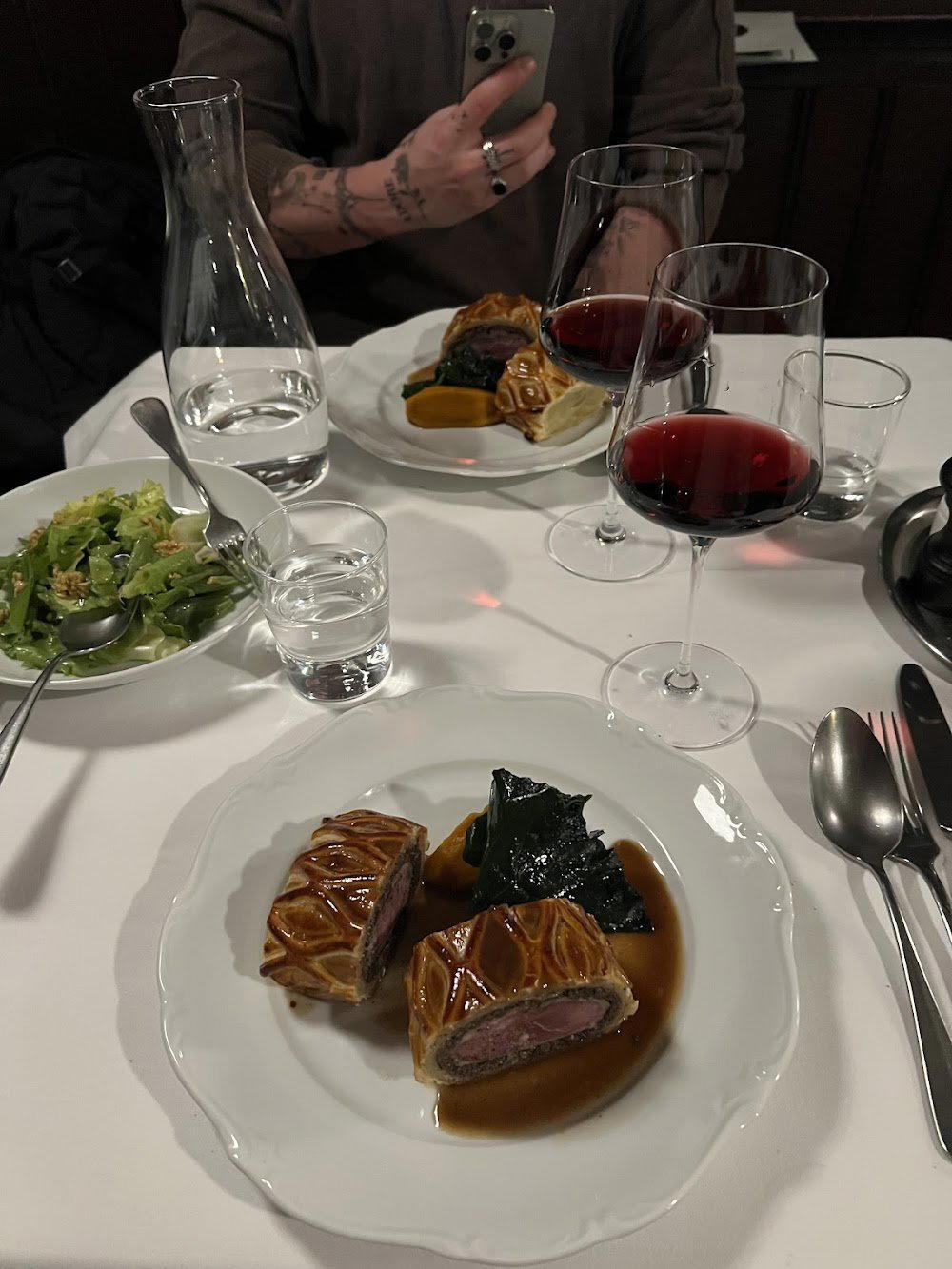
A Street-Level Entry Point into Würzburg's Neighbourhood Dining Scene
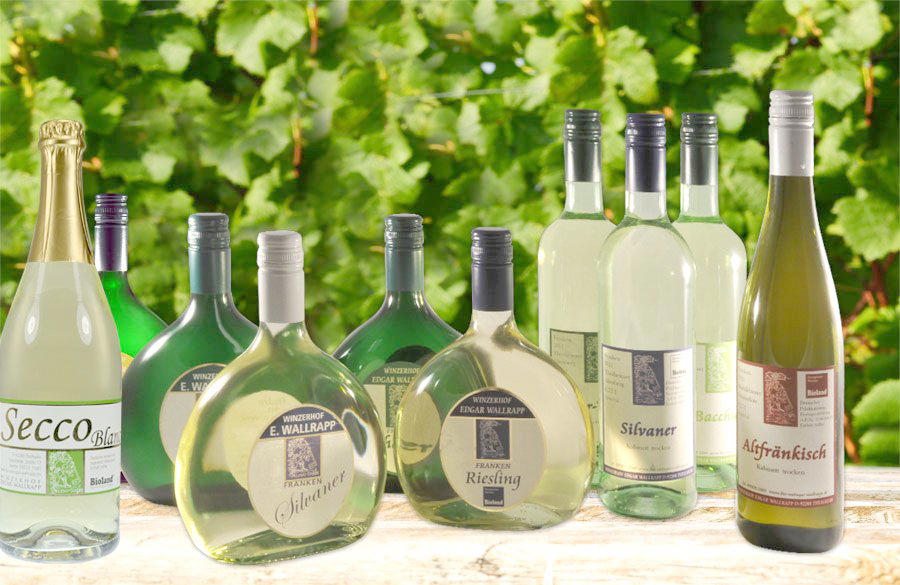
Würzburg is not a city that wears its restaurant culture loudly. The wine dominates, Franken's Silvaner and Müller-Thurgau have drawn more column inches than any single kitchen in the region, and the dining scene reflects that priority. Restaurants here tend to operate as counterparts to the cellar rather than destinations in their own right. Bistro Mars, at Leistenstraße 6 in the city's southern residential belt, fits that pattern. The address itself signals intent: no tourist corridor, no view of the Alte Mainbrücke, no positioning inside the cathedral quarter. This is a neighbourhood room that relies on repeat custom and local word of mouth, the structural opposite of the kind of venue that optimises for one-time visitors.
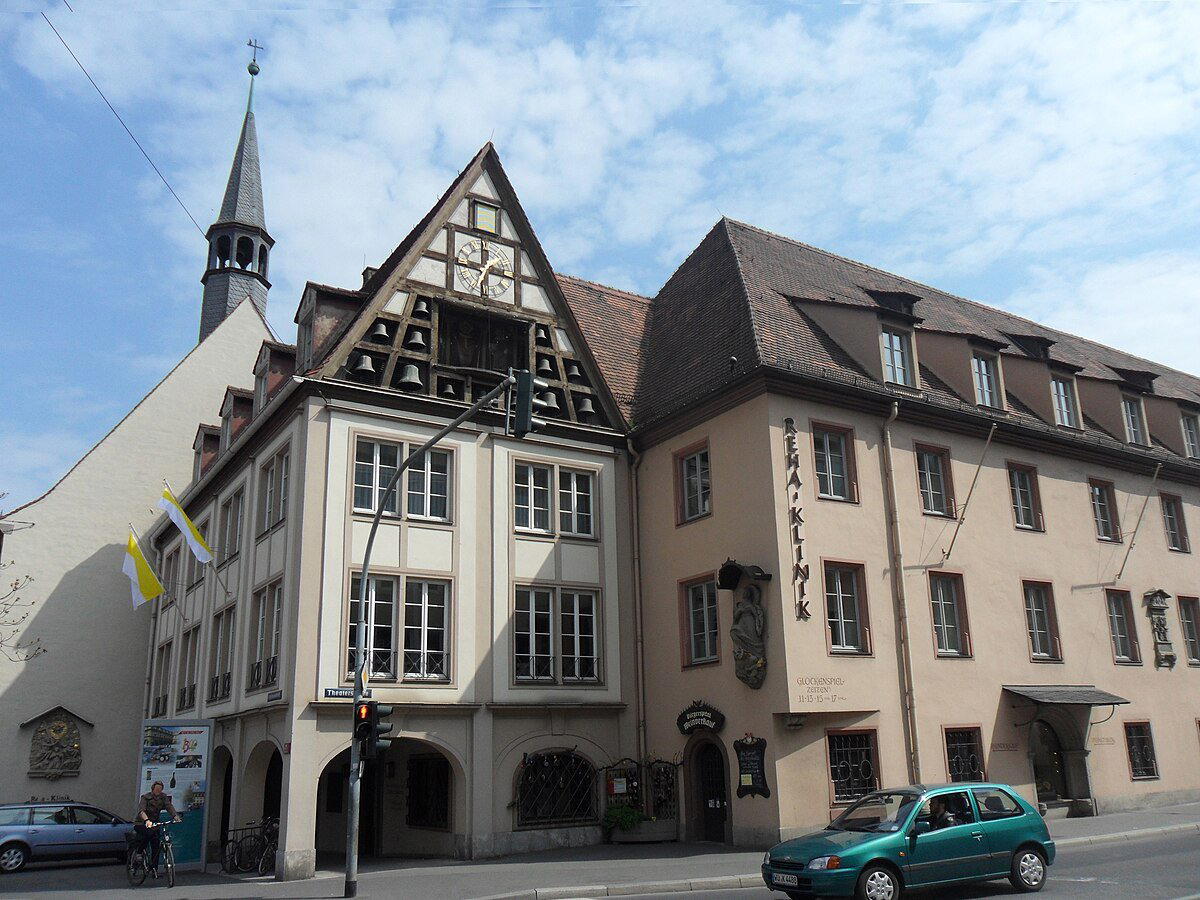
Approaching from the street, the bistro presents as a compact shopfront with the proportions common to mid-century Würzburg commercial architecture, a scale that rewards intimacy rather than theatre. The interior logic of rooms like this in Bavarian secondary cities follows a familiar grammar: close tables, a short printed menu that changes with the market week, and a wine list that leans heavily on the surrounding Franconian producers.
Ingredient Sourcing and the Franconian Tradition of Regional Restraint
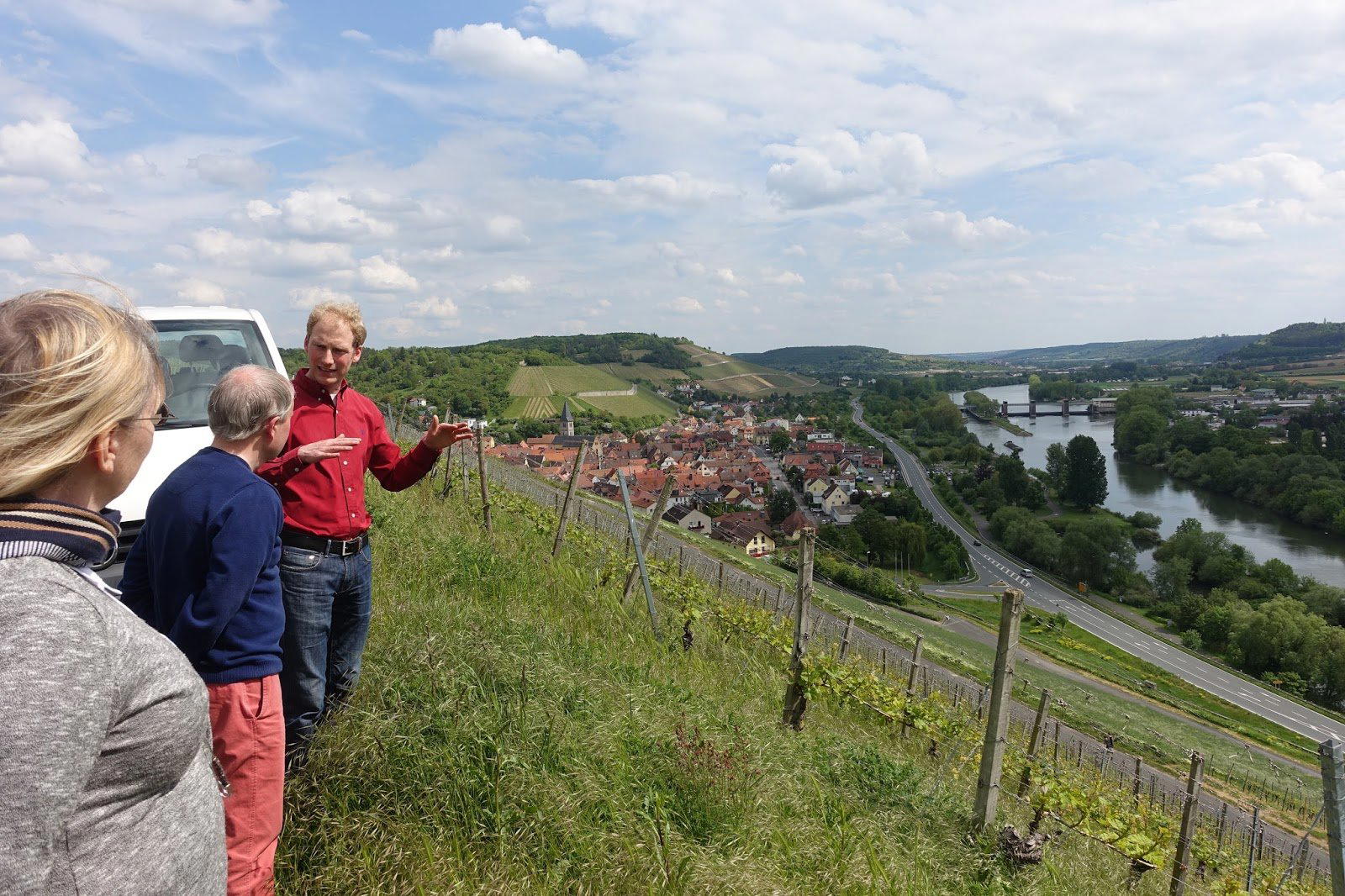
Franconia has maintained one of Germany's more coherent regional sourcing traditions, partly because the geography enforces it. The Main valley's agricultural catchment runs from Schweinfurt in the north to the Tauber confluence in the south, producing a diet historically built around pork, freshwater fish, root vegetables, and legumes, the last being a Franconian signature that separates the region from the more meat-forward cuisines of Lower Bavaria. In a bistro format, that tradition typically surfaces as a short, rotating menu with a ratio of local to imported ingredients that reflects proximity and season rather than ambition or prestige sourcing.
The broader shift in German mid-market dining over the past decade has reinforced rather than disrupted this pattern. Across cities like Nuremberg, Bamberg, and Würzburg, the bistro tier has moved toward tighter menus and more explicit sourcing language, borrowing a frame from the fine dining sector while keeping the price point accessible. The result is a category of restaurant that functions as a practical expression of regional identity rather than a showcase. Bistro Mars operates in that category, on a street that serves a local population with no particular appetite for imported trends.
Steinburgs Restaurant and Kokono Restaurant Würzburg represent adjacent points on the city's dining spectrum. Kürnachtalstuben Bei Vasili tilts toward a more traditional Franconian register, while Mera Tapas and Steakhaus in der Bachgasse mark out different cuisines and formats within the same city. Each sits within a different part of Würzburg's dining ecosystem; Bistro Mars positions itself at the neighbourhood end of that range.
Where Bistro Mars Fits in the Wider German Bistro Picture
the Black Forest (anchored by Schwarzwaldstube in Baiersbronn), major cities with established Michelin presence like Hamburg (Restaurant Haerlin) and Berlin (CODA Dessert Dining in Berlin), and destination properties like Aqua in Wolfsburg, Vendôme in Bergisch Gladbach, Victor's Fine Dining by christian bau in Perl, ES:SENZ in Grassau, Waldhotel Sonnora in Dreis, and Schanz in Piesport. Munich's ambitious mid-tier is represented by JAN in Munich. Internationally, formats like Le Bernardin in New York City and Lazy Bear in San Francisco define what the upper register of sourcing-led cuisine looks like at scale.
The restaurant sits in the functional mid-tier: neighbourhood dining with a regional frame, where the measure of quality is consistency and local relevance rather than critical recognition. That tier has its own logic, and within Würzburg it serves a genuine need, a city of roughly 130,000 people generates demand for honest, repeatable local cooking at a price point that works for regular use, not just occasions.
Practical Notes for Visitors
Leistenstraße 6 sits in the 97082 postcode, south of the city centre. Visitors arriving by train from Würzburg Hauptbahnhof will find the address reachable on foot in under twenty minutes, or by local bus along the southern corridors. Reservations are recommended. Arriving early in the evening service is the pragmatic approach if the room runs to limited covers.
How It Stacks Up
Comparable venues nearby, for context on price, style, and recognition.
| Venue | Cuisine | Price | Awards | Notes |
|---|---|---|---|---|
| Bistro MarsThis venue — the venue you are viewing | Seasonal German Bistro | $$$ | Not listed | Not listed |
| Aifach Reisers | Modern Seasonal European | $$$ | Michelin Plate | Marktplatz |
| Mera Tapas | Authentic Spanish Tapas | $$ | Not listed | Altstadt |
| Steinburgs Restaurant | Modern German Fine Dining | $$$ | Not listed | Würzburger Stein |
| Alte Mainmühle | Franconian German | $$$ | Not listed | Alte Mainbrücke |
| Kürnachtalstuben Bei Vasili | Greek-German | $$ | Not listed | Lengfeld |

At a Glance
- Cozy
- Elegant
- Modern
- Date Night
- Special Occasion
- Standalone
- Local Sourcing
- Street Scene
Current opening hours
- Monday
- 6–10 PM
- Tuesday
- 6–10 PM
- Wednesday
- 6–10 PM
- Thursday
- 6–10 PM
- Friday
- 6–11 PM
- Saturday
- Closed
- Sunday
- Closed
Hours can change for holidays and private events. Last verified .
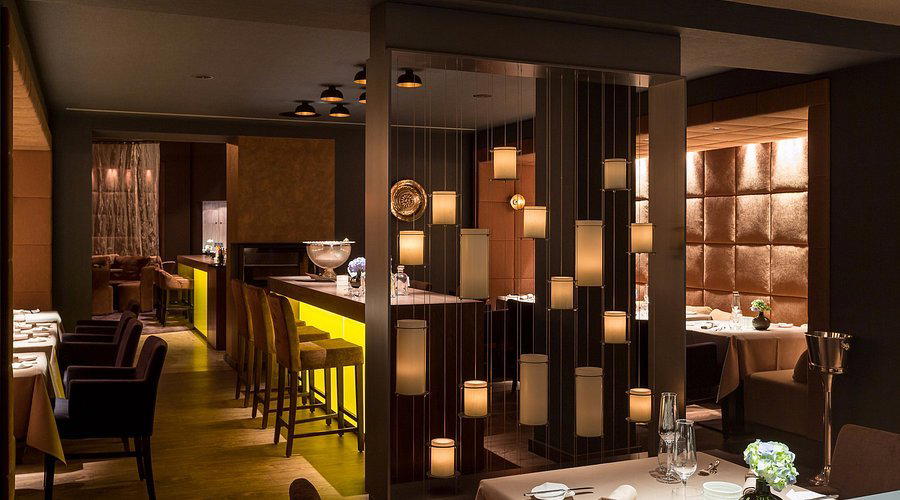
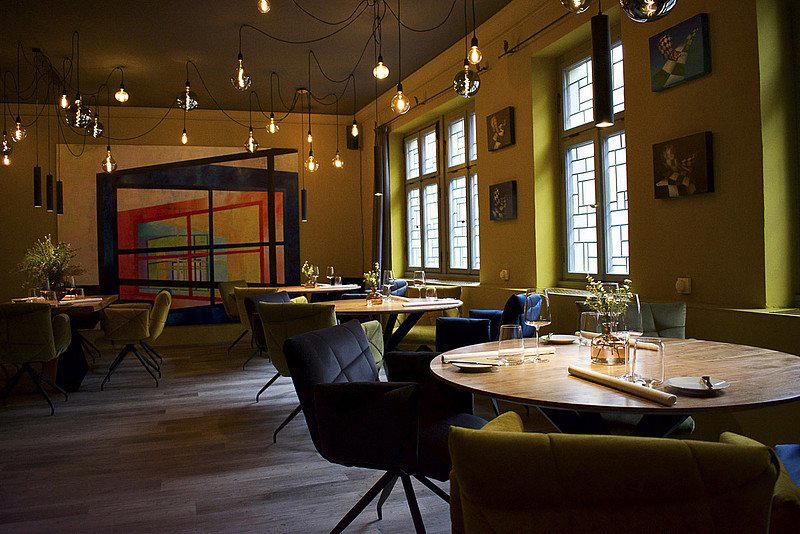
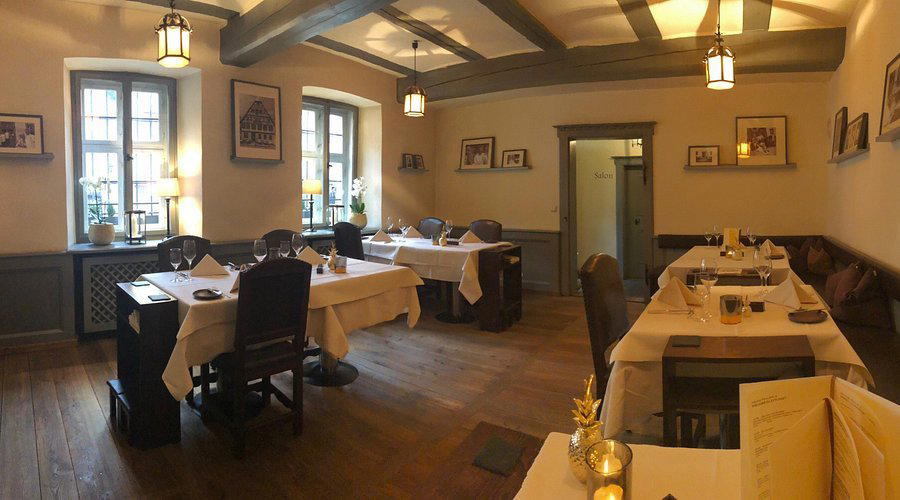
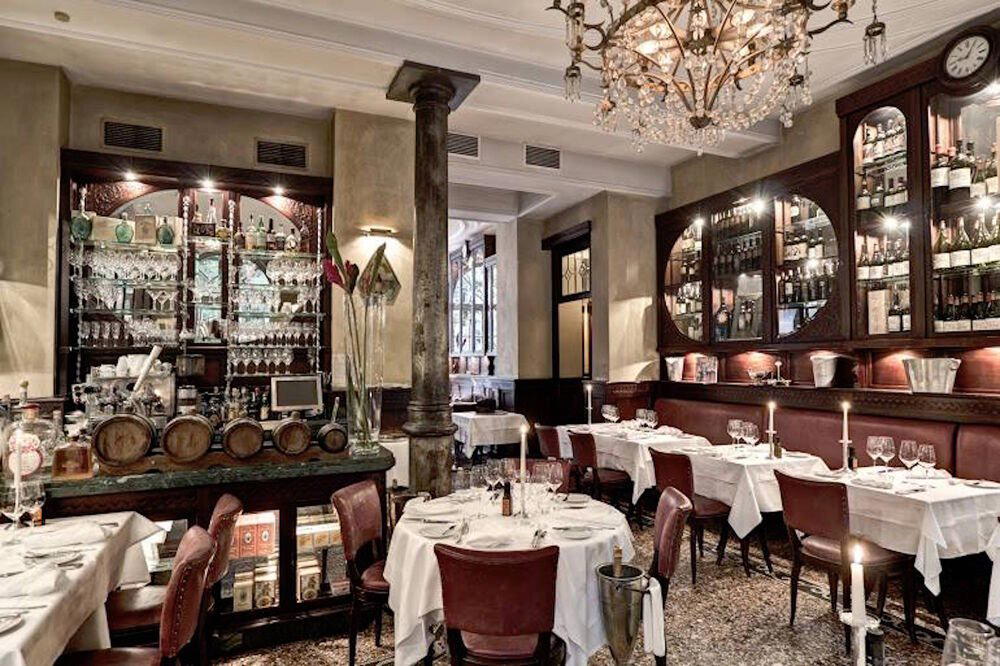
Stylishly cool atmosphere with white tablecloths and focus on quality ingredients.