Our verdict
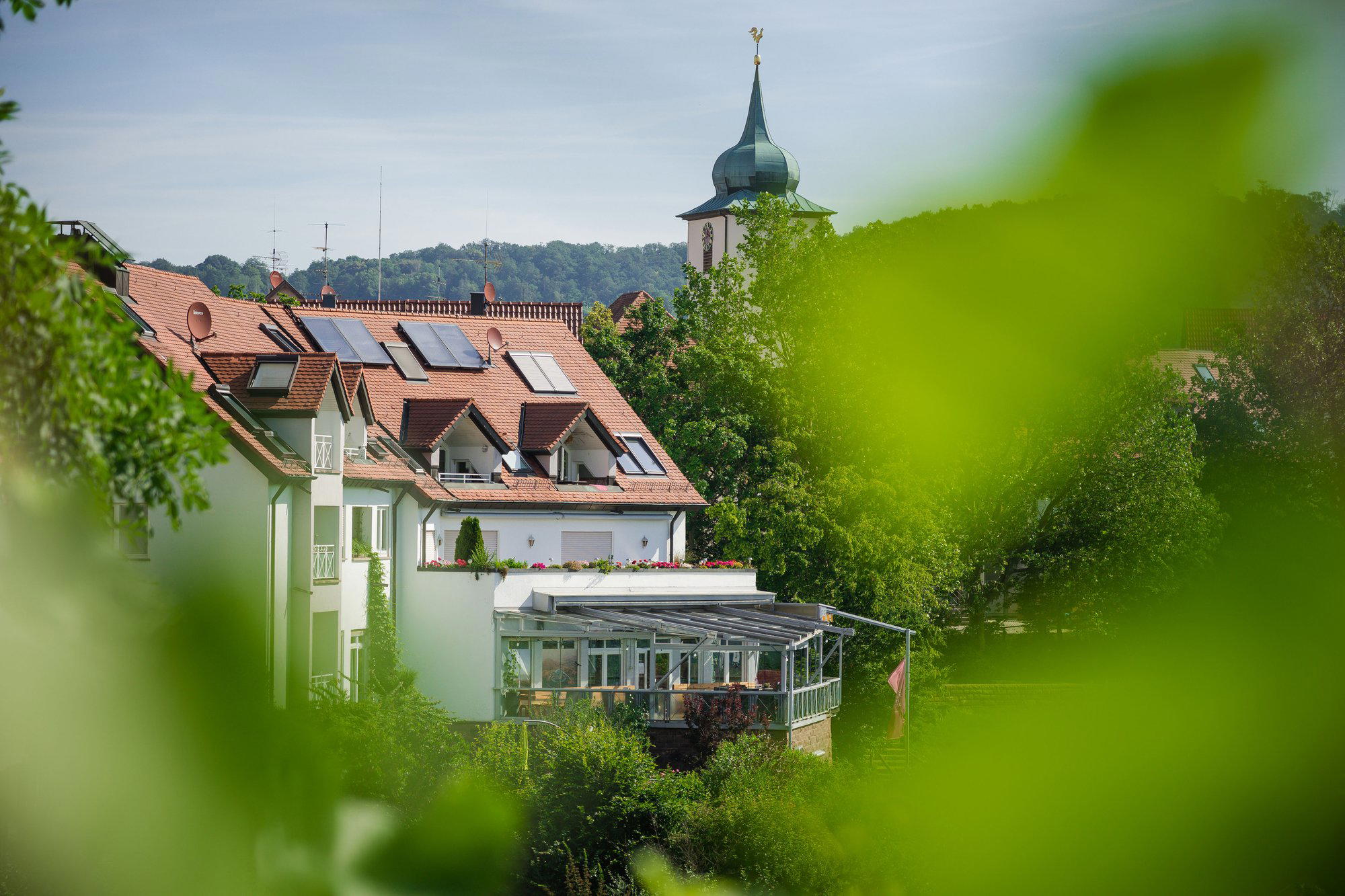
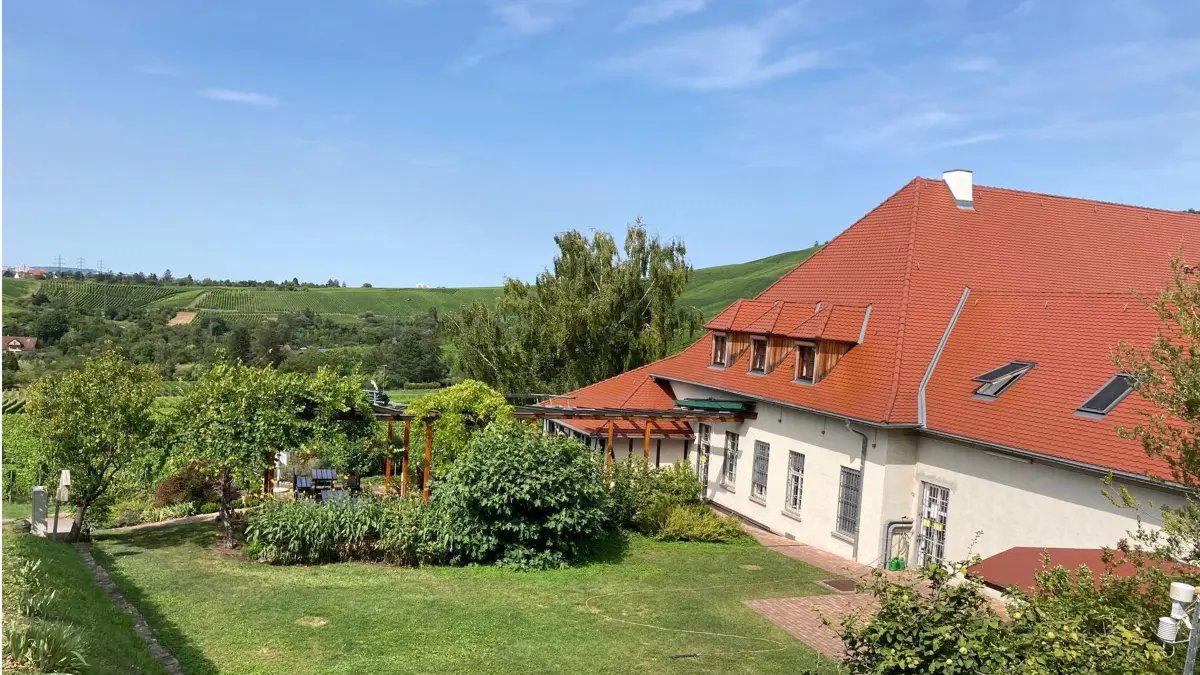
On the vineyard-lined eastern slopes above Stuttgart, Rotenberger Weingärtle sits in one of Baden-Württemberg's most characterful wine-growing corridors. The address alone, Württembergstraße 317 in the Rotenberg district, places it within a tradition of hillside Besenwirtschaft culture that predates most of the city's fine-dining scene. For visitors tracing Stuttgart's wine identity rather than its restaurant awards, this is where the geography starts to make sense.

Pearl is the En Primeur Club membership app, where members save venues, book tables and use the concierge.
The menu
What to order
- Maultaschen
- Spätzle
- Käsespätzle
- Zweibelrostbraten
Where Stuttgart's Wine Country Meets the City Limits
Stuttgart is unusual among German cities in that its vineyards begin where the suburbs end. The eastern slopes above the Neckar valley, centred on the Rotenberg and Uhlbach districts, produce Trollinger, Lemberger, and Riesling on gradients steep enough to require hand-harvesting. Württembergstraße, the arterial road threading through this corridor, carries as many tractors during harvest season as it does commuters. Rotenberger Weingärtle sits at number 317 on that road, which means it is less a restaurant that happens to have a wine list and more a place that the wine country organised itself around.
This matters for how you approach the visit. Stuttgart's more decorated dining addresses, among them Speisemeisterei and Délice, operate inside a recognisable fine-dining grammar: tasting menus, precision plating, international wine programmes. Rotenberger Weingärtle belongs to a different civic tradition entirely, the Besenwirtschaft or seasonal wine tavern, where a producer opens a room to the public to sell their own wine alongside simple, regional food. It is a category with legal standing in Baden-Württemberg; a Besenwirtschaft can only operate for a limited number of weeks per year, which makes its calendar as much a seasonal signal as the harvest itself.
The Rotenberg Neighbourhood as Context
Rotenberg's position in Stuttgart's geography deserves attention. The district sits on a promontory above the Neckar, crowned by the Württemberg mausoleum, a landmark visible from large parts of the city. The vineyards here are among the oldest in the Stuttgart municipal area, and the slope aspect produces wines with a different character to those from the western Feuerbach or northern Zuffenhausen flanks. Visitors who arrive on foot or by the U-Bahn line that runs along the valley floor find themselves stepping into a working agricultural landscape within twenty minutes of the city centre, which is a rarer thing in a German state capital than it might sound.
This geographic specificity is what gives an address like Rotenberger Weingärtle its resonance. The Besenwirtschaft tradition in this part of Stuttgart is tied directly to land: families who own parcels on these slopes have operated seasonal taverns for generations, and the food served tends to reflect what requires no distribution chain, cured meats, pickled vegetables, bread, cheese, and the wine pressed from grapes grown within sight of the table. It is a format that Hegel Eins and 5, both operating in more formal Stuttgart dining registers, do not attempt to replicate. The two modes coexist in the city without competing.
Placing Rotenberger Weingärtle in Stuttgart's Dining Range
Stuttgart's restaurant scene has two reasonably distinct tiers. The first is a concentration of high-investment kitchens running modern European or creative menus at price points that benchmark against comparable programmes in Frankfurt or Munich. Der Zauberlehrling in the city centre and Speisemeisterei in the Wangen district operate in this register. The second tier is older and less internationally legible: wine estates, Besenwirtschaften, and neighbourhood Gasthäuser where Swabian cooking, Maultaschen, Linsen mit Spätzle, roast pork with bread dumplings, remains the reference point rather than a nostalgic footnote.
Rotenberger Weingärtle belongs to the second tier, and that positioning is not a limitation. Germany's Besenwirtschaft culture produces some of the most direct and honestly priced drinking occasions in the country, and the leading examples in the Stuttgart vineyard zone draw knowledgeable locals who have no interest in tasting menus but considerable interest in drinking well-made Trollinger with cured meats in an agricultural setting. For a visitor building a fuller picture of how Stuttgart eats and drinks, rather than just sampling its Michelin-tracked addresses, this kind of venue is the necessary counterweight. See our full Stuttgart restaurants guide for how the city's dining range maps across neighbourhoods and price tiers.
For comparison across Germany's broader fine-dining range, venues such as Schwarzwaldstube in Baiersbronn and Aqua in Wolfsburg represent the national award tier, while JAN in Munich, CODA Dessert Dining in Berlin, and Vendôme in Bergisch Gladbach anchor the creative and classic ends of the high-end spectrum. ES:SENZ in Grassau, Victor's Fine Dining by Christian Bau in Perl, Waldhotel Sonnora in Dreis, Restaurant Haerlin in Hamburg, and Schanz in Piesport complete a cross-regional picture of where Germany's serious restaurant investment currently sits. Rotenberger Weingärtle does not compete with any of those addresses, nor does it need to. Internationally, the gap between a three-star dining room and a producer-run wine tavern is well understood; Le Bernardin in New York City and Atomix in New York City occupy an equivalent distance from their city's tavern culture.
Planning Your Visit
The Besenwirtschaft calendar in Baden-Württemberg is seasonal by legal design. Establishments in this category are permitted to open for a defined number of weeks per year, typically tied to harvest periods and the months immediately following, which means availability windows are not continuous. Visiting in autumn, when the Rotenberg slopes are actively harvested, aligns the landscape with the cellar programme more directly than any other time of year.
Know Before You Go
- Address: Württembergstraße 317, 70327 Stuttgart, Germany
- District: Rotenberg, eastern Stuttgart vineyard corridor
- Category: Besenwirtschaft (seasonal wine tavern); opening periods follow Baden-Württemberg regulations
- Phone / Website: Not publicly listed, confirm opening periods locally or via the Stuttgart wine estates association
- Reservations: Booking policies vary by season; direct contact is advisable during peak harvest weeks
- Price range: Not confirmed; Besenwirtschaft format typically operates at accessible price points relative to Stuttgart's formal dining tier
- Getting there: The Rotenberg district is accessible from central Stuttgart via the U-Bahn valley line; allow time to walk the final slope on foot
Frequently asked questions
Where is Rotenberger Weingärtle in Stuttgart?
Rotenberger Weingärtle is located at Württembergstraße 317, 70327 Stuttgart, Germany, Stuttgart.
When does Rotenberger Weingärtle open each year, and how does the Besenwirtschaft season work in Stuttgart?
Under Baden-Württemberg state law, Besenwirtschaften are permitted to open for a limited number of weeks annually, typically indicated by a hanging broom or bush above the entrance, the origin of the name. The season is set by the individual producer and varies year to year depending on harvest timing and stock. Rotenberger Weingärtle, located on the vine-covered slopes of Rotenberg in eastern Stuttgart, follows this same seasonal calendar, meaning it operates intermittently rather than year-round. No fixed opening schedule is currently published for the venue.
What do people recommend at Rotenberger Weingärtle?
Besenwirtschaften in Baden-Württemberg operate under a model built around the house wine: the food offering is deliberately simple, typically cold cuts, regional cheeses, and bread designed to accompany the current vintage rather than overshadow it. At a Rotenberg address overlooking the Neckar valley, the draw is the wine grown on those same slopes. Specific menu items are not published in advance, which is consistent with the category's informal, seasonal character.
Is Rotenberger Weingärtle reservation-only?
No booking details are listed for Rotenberger Weingärtle, and Besenwirtschaften in Baden-Württemberg traditionally operate as walk-in establishments during their limited open seasons. That said, a vineyard tavern on the Rotenberg promontory above Stuttgart draws a local following, particularly on weekends. Checking ahead before visiting is advisable given the legally restricted operating calendar that applies to all establishments in this category.
What is Rotenberger Weingärtle known for?
Rotenberger Weingärtle sits in the Rotenberg district of Stuttgart, a hillside neighbourhood above the Neckar river associated with some of the city's oldest vineyard land. The Weingärtle format places it in the Besenwirtschaft tradition: a producer-run seasonal tavern where wine from the estate is poured alongside simple food, licensed for a fixed number of weeks per year under Baden-Württemberg law. The Rotenberg location, adjacent to the Württemberg mausoleum, adds a specific geographical identity that distinguishes it from Stuttgart's city-centre wine bars.
Do they accommodate allergies at Rotenberger Weingärtle?
No allergy or dietary accommodation policy is listed for Rotenberger Weingärtle. Besenwirtschaften typically offer a narrow, fixed food selection with limited kitchen infrastructure, so allergy requirements are worth raising directly before visiting.
Is a meal at Rotenberger Weingärtle worth the investment?
Besenwirtschaften are not high-spend venues by design: the model is a producer selling wine by the glass alongside modest food, not a full-service restaurant experience. For the price of a few glasses of Württemberg Trollinger or Lemberger on a hillside overlooking the Neckar, the setting at Rotenberg carries weight that a Stuttgart city-centre wine bar cannot replicate. No price range is published but the category consistently sits at the lower end of Stuttgart's dining expenditure range.
Fast Comparison
Comparable venues nearby, for context on price, style, and recognition.
| Venue | Cuisine | Price | Notes |
|---|---|---|---|
| Rotenberger WeingärtleThis venue (the venue you are viewing) | Modern Swabian | $30–50 | Not listed |
| Feinkost Böhm | Swabian-German Fine Dining with Mediterranean Influences | $50–100 | Gablenberg |
| Schellenturm | Swabian German Weinstube | $20–30 | Gablenberg |
| Paulaner am alten Postplatz | Bavarian and Swabian | $20–30 | Gablenberg |
| Plenum - Stuttgart | Modern Regional German with Swabian Influences | $20–30 | Gablenberg |
| Schönbuch Bräu | Swabian Brauhaus | $20–30 | Gablenberg |
Continue exploring
More in Stuttgart
Restaurants in Stuttgart
All restaurants in Stuttgart →
Bars in Stuttgart
All bars in Stuttgart →

Details
- Scenic
- Rustic
- Cozy
- Classic
- Date Night
- Group Dining
- Casual Hangout
- Special Occasion
- Terrace
- Panoramic View
- Garden
- Extensive Wine List
- Local Sourcing
- Farm To Table
- Vineyard
- A La Carte
- Regional Wine
- Vegetarian Friendly
- Vegan Options
- Gluten Free Options
Current opening hours
- Monday
- 12–10 PM
- Tuesday
- 12–10 PM
- Wednesday
- 12–10 PM
- Thursday
- 12–10 PM
- Friday
- 12–10 PM
- Saturday
- 12–10 PM
- Sunday
- 12–10 PM
Hours can change for holidays and private events. Hours as of .
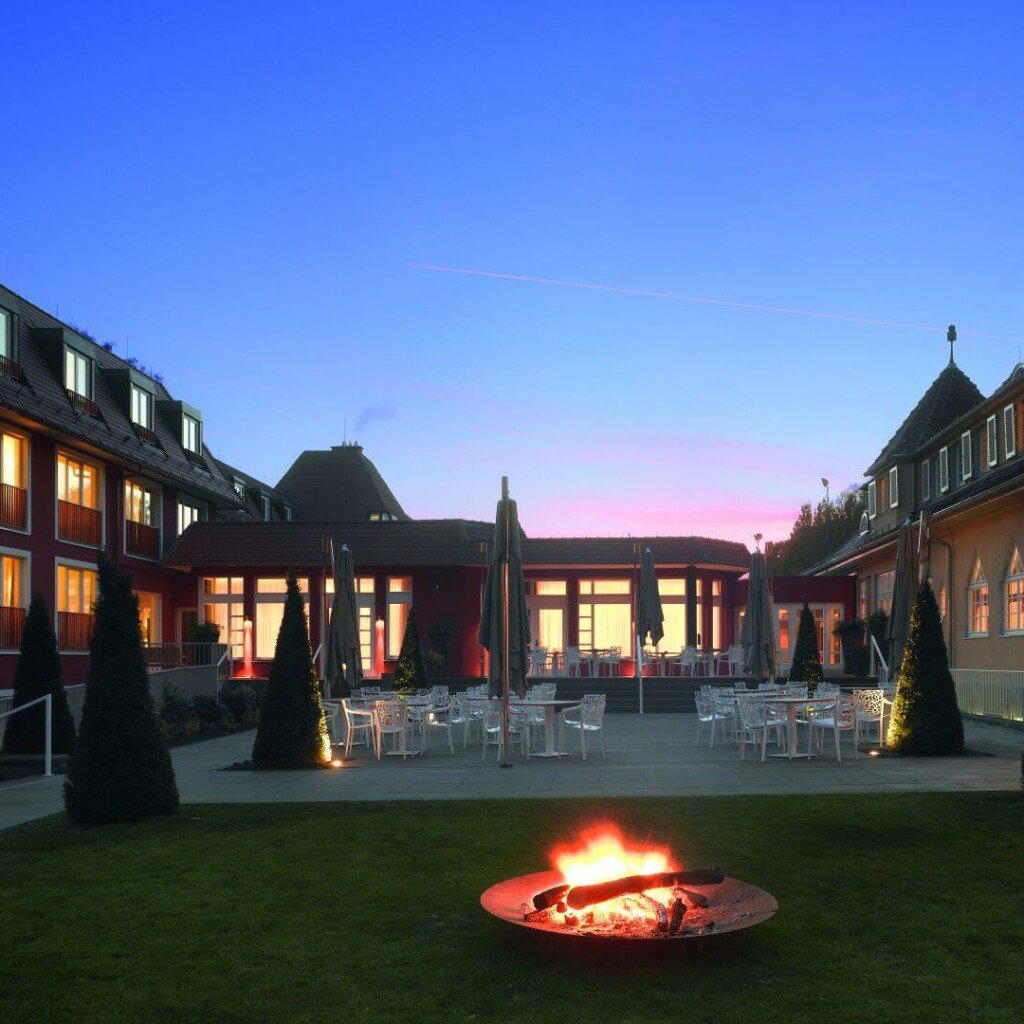
Atmospheric terrace with warm, welcoming ambiance; described as charming and scenic with views of vineyards and countryside.