Augsburg's vegan fine-dining address at Pfärrle 2 occupies a niche that remains underrepresented in southern Germany: plant-based cooking taken seriously at a gastronomy level. The kitchen operates without the usual concessions to omnivore hedging, positioning DILL within a small comparable set of German restaurants where vegetables are the argument, not the accommodation.
Pearl is the En Primeur Club membership app — saves, bookings, and concierge access live there. Same editors, same standards.
- Address
- Pfärrle 2, 86152 Augsburg, Germany
- Phone
- +4982147013829
- Website
- dill-vegan.de
- Directions
- Get directions
 Saves & bookings on Pearl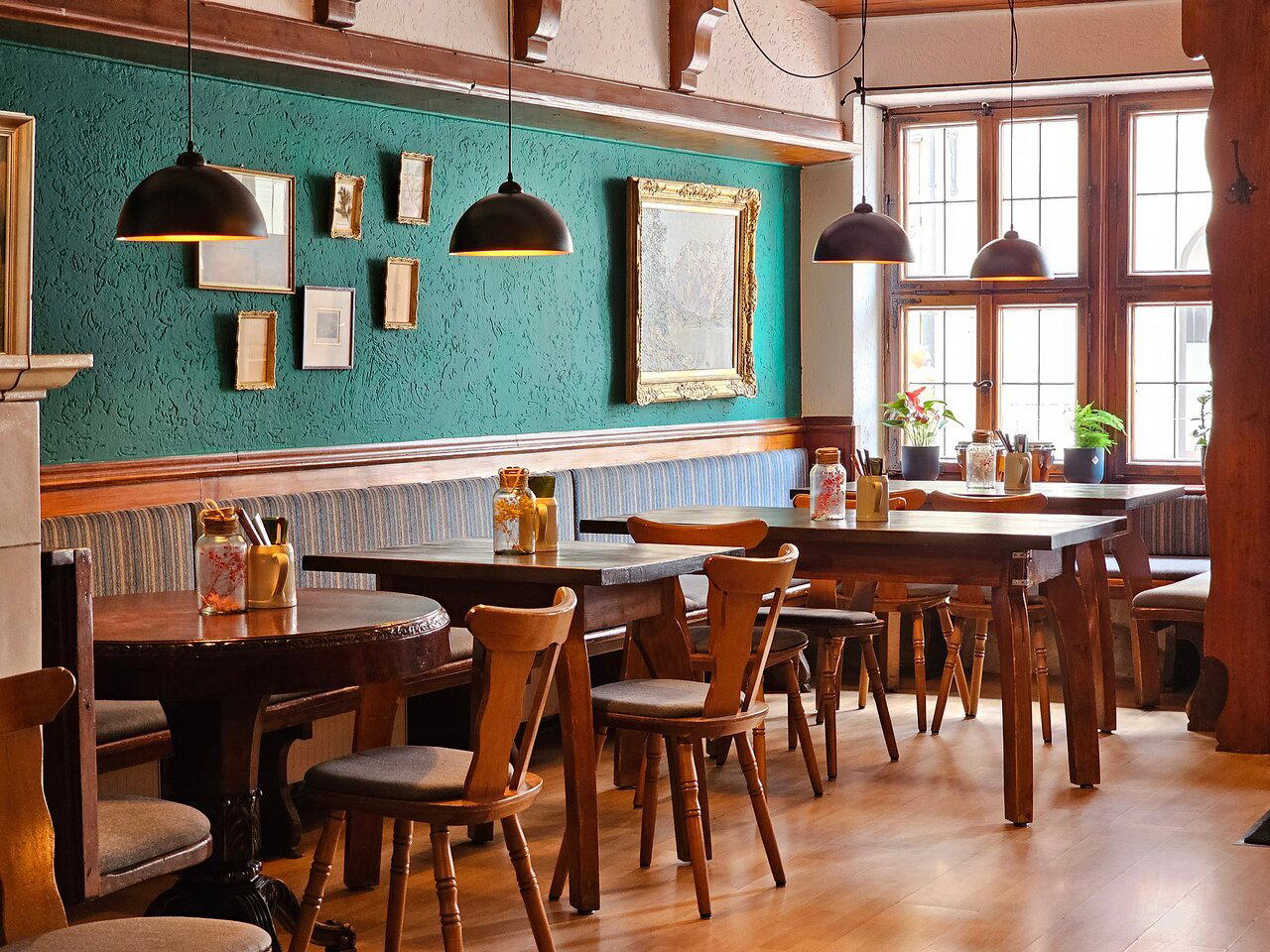
Plant-Based Fine Dining in a City Better Known for Bratwurst
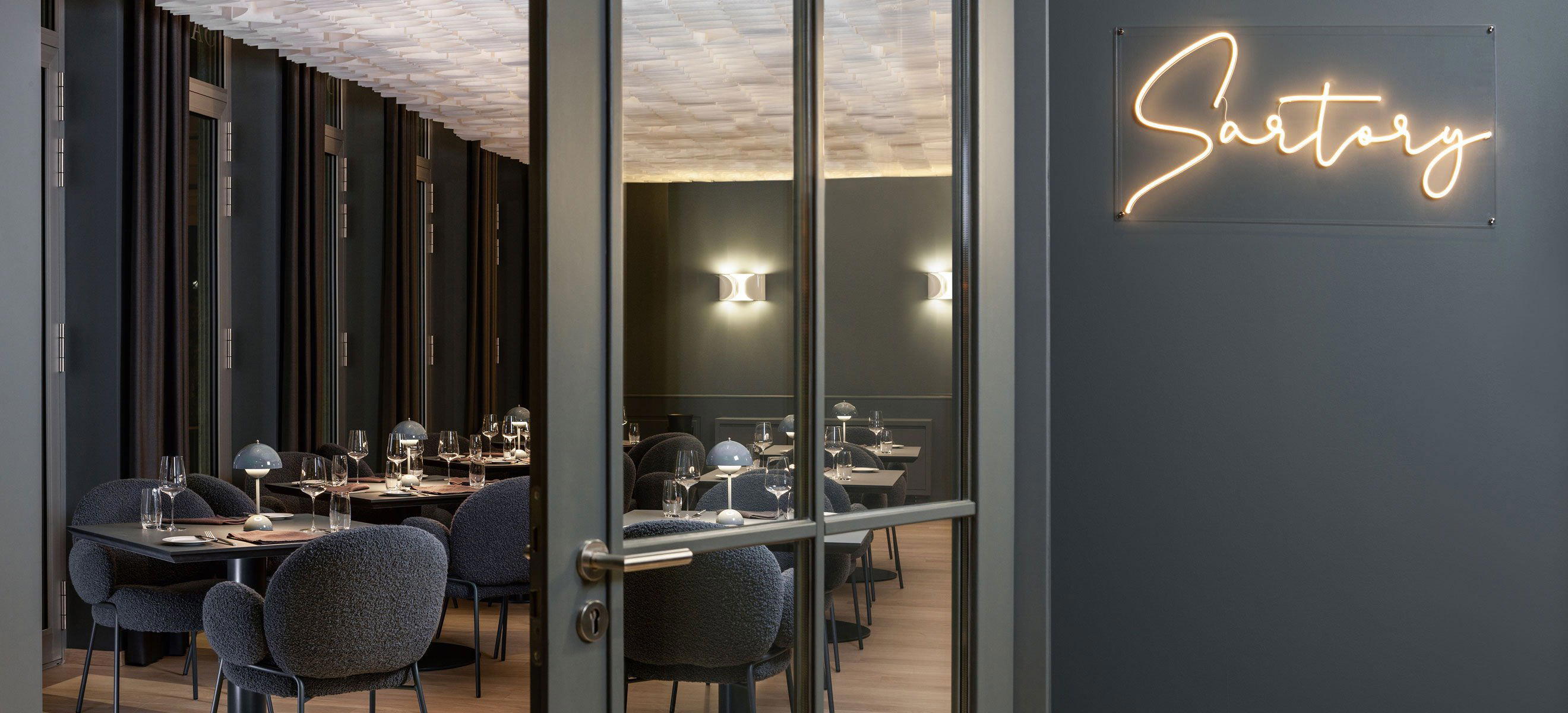
Southern Bavaria is not the obvious home for ambitious vegan cooking. The regional culinary tradition runs toward roasted meats, schmaltz-enriched doughs, and dairy-heavy sauces, a grammar that leaves little structural room for plant-based fine dining. That makes Augsburg an instructive case. A city of roughly 300,000 sitting between Munich and Stuttgart, it has developed a small but coherent upper tier of restaurants over the past decade, spanning formats from the New American brasserie approach of AUGUST to the classic foundations at Sartory. DILL Vegan Gastronomie is a Vegan Bavarian restaurant in Augsburg, Germany. It enters that tier from a different angle entirely: a kitchen committed to plant-based cooking at the level of seriousness that the city's other fine-dining rooms apply to protein.
The address at Pfärrle 2 places DILL in Augsburg's old town core, a district where the street scale is narrow and the architecture leans on the city's medieval merchant history. The approach to the restaurant is part of the register, cobbled lanes, facades that predate any notion of gastronomy as an industry, the kind of physical context that suits a modern kitchen. Arriving here sets an expectation of deliberate work, and that expectation aligns with the broader German vegan fine-dining model: not wholefood cafeteria, not wellness canteen, but a proper kitchen that happens to work without animal products.
Where DILL Sits in the German Vegan Fine-Dining Argument
Germany's plant-based fine dining scene has matured faster than most European counterparts over the last several years. Berlin has led the charge, CODA Dessert Dining in Berlin represents one of the country's more conceptually rigorous format experiments, but smaller cities have begun developing their own address-specific arguments. Plant-based tasting menus now sit inside the same critical framework as conventionally structured fine dining, which has encouraged kitchens outside the capital to take the format seriously.
DILL occupies the kind of position in Augsburg that peer restaurants in other mid-sized German cities hold in their own markets: a single specialist address doing work that the rest of the city's fine-dining tier doesn't attempt. That scarcity gives the restaurant an implicit reference status among the local dining community.
Nationally, the competitive context includes kitchens operating at Michelin-starred level: Schwarzwaldstube in Baiersbronn, Aqua in Wolfsburg, and Vendôme in Bergisch Gladbach all operate at the upper end of German gastronomy, though with conventional protein structures. DILL's comparable set is narrower: restaurants that have made plant-based cooking the structural premise rather than a supplement. That is a smaller cohort, and within it, geography matters, an Augsburg vegan fine-dining address serves a regional audience that has fewer alternatives than Berlin or Munich, which gives the kitchen both an advantage in demand and a responsibility in execution.
The Cultural Argument Behind Plant-Based Gastronomy
Vegan fine dining carries a cultural argument that distinguishes it from dietary substitution cooking. The serious kitchens in this format are not replacing meat with analogue proteins or rebuilding familiar dishes without their central ingredient. They are working from vegetable, grain, legume, and fermentation logic as primary languages, developing flavour complexity, textural contrast, and structural progression through techniques that the ingredient set actually supports rather than techniques borrowed from meat cookery and awkwardly applied.
This approach has a longer European history than the recent wellness-industry framing suggests. Monastic kitchen traditions across Germany, Austria, and Switzerland developed sophisticated vegetable and grain cookery over centuries as a function of religious observance and seasonal constraint, not ideological preference. Contemporary vegan gastronomy in the German-speaking world draws on that inheritance, often unconsciously, when it reaches for fermentation, pickling, and root vegetable manipulation as primary tools. A kitchen like DILL, operating in a Bavarian city with deep agricultural roots in the region surrounding it, has access to ingredient sourcing that connects to this tradition in a way that a metropolitan restaurant importing everything cannot replicate.
The broader European shift toward plant-forward fine dining has also created a more sophisticated dining audience for it. Guests arriving at a vegan gastronomie address in 2024 are less likely to be motivated purely by dietary restriction and more likely to be making a considered choice about what kind of cooking they want to spend serious money on, a shift that changes the kitchen's brief from accommodation to ambition.
Augsburg's Fine-Dining Scene: What DILL Adds
Augsburg's upper dining tier has grown without the visibility of Munich, roughly 70 kilometres to the east, and without the self-conscious creative energy of Germany's larger food cities. Dessi Tadka Augsburg covers the Indian end of the city's more adventurous eating; DILL covers the plant-based fine-dining position. Neither has a direct local competitor.
For visitors to Augsburg arriving from Munich, a trip of under an hour by regional rail, the city's dining scene functions as a less pressured alternative to Munich's more competitive reservation environment. The Munich fine-dining tier includes addresses like JAN in Munich. Augsburg offers a calmer version of the same German-precision-cooking argument, with DILL providing something the Munich scene offers in fewer concentrated examples: plant-based cooking treated as a primary fine-dining format rather than a secondary option.
For context on how the broader German fine-dining argument extends further afield, the EP Club covers kitchens from ES:SENZ in Grassau to Schanz in Piesport, Waldhotel Sonnora in Dreis, Restaurant Haerlin in Hamburg, and Victor's Fine Dining by Christian Bau in Perl. Internationally, the plant-based fine-dining conversation connects to format-defining kitchens like Le Bernardin in New York City and concept-driven addresses like Lazy Bear in San Francisco. DILL operates in a smaller register, but the critical questions its kitchen answers, what does serious plant-based cooking look like when freed from novelty framing?, sit inside the same wider debate.
Planning a Visit
DILL Vegan Gastronomie is at Pfärrle 2 in Augsburg's old town. Given the restaurant's specialist position and the relatively small size of Augsburg's fine-dining public, booking ahead is advisable, particularly for weekend evenings when the city's upper dining tier receives visitors from Munich and the surrounding region. Augsburg's Hauptbahnhof is the practical arrival point for rail travellers; the old town is walkable from the station in under fifteen minutes. For a broader view of where DILL fits within Augsburg's restaurant options,
Cost and Credentials
Comparable venues nearby, for context on price, style, and recognition.
| Venue | Cuisine | Price | Notes |
|---|---|---|---|
| DILL Vegan GastronomieThis venue — the venue you are viewing | Vegan Bavarian | $$$ | Not listed |
| Restaurant Ofenhaus | Oberhausen, Modern German Crossover | $$$ | Not listed |
| Restaurant Die Ecke | Not listed | $$$$ | Altstadt (Old Town), Modern German Fine Dining with Molecular Gastronomy |
| Restaurant Harmonie | Traditional German | $$ | Not listed |
| T2 Misu Augsburg | Not listed | $$ | Brixener Straße, Japanese-Vietnamese Fusion |
| Dessi Tadka Augsburg | Not listed | $$ | Barfüßerstr., Indian Street Food |
Continue exploring
More in Augsburg
Restaurants in Augsburg
Browse all →
Bars in Augsburg
Browse all →
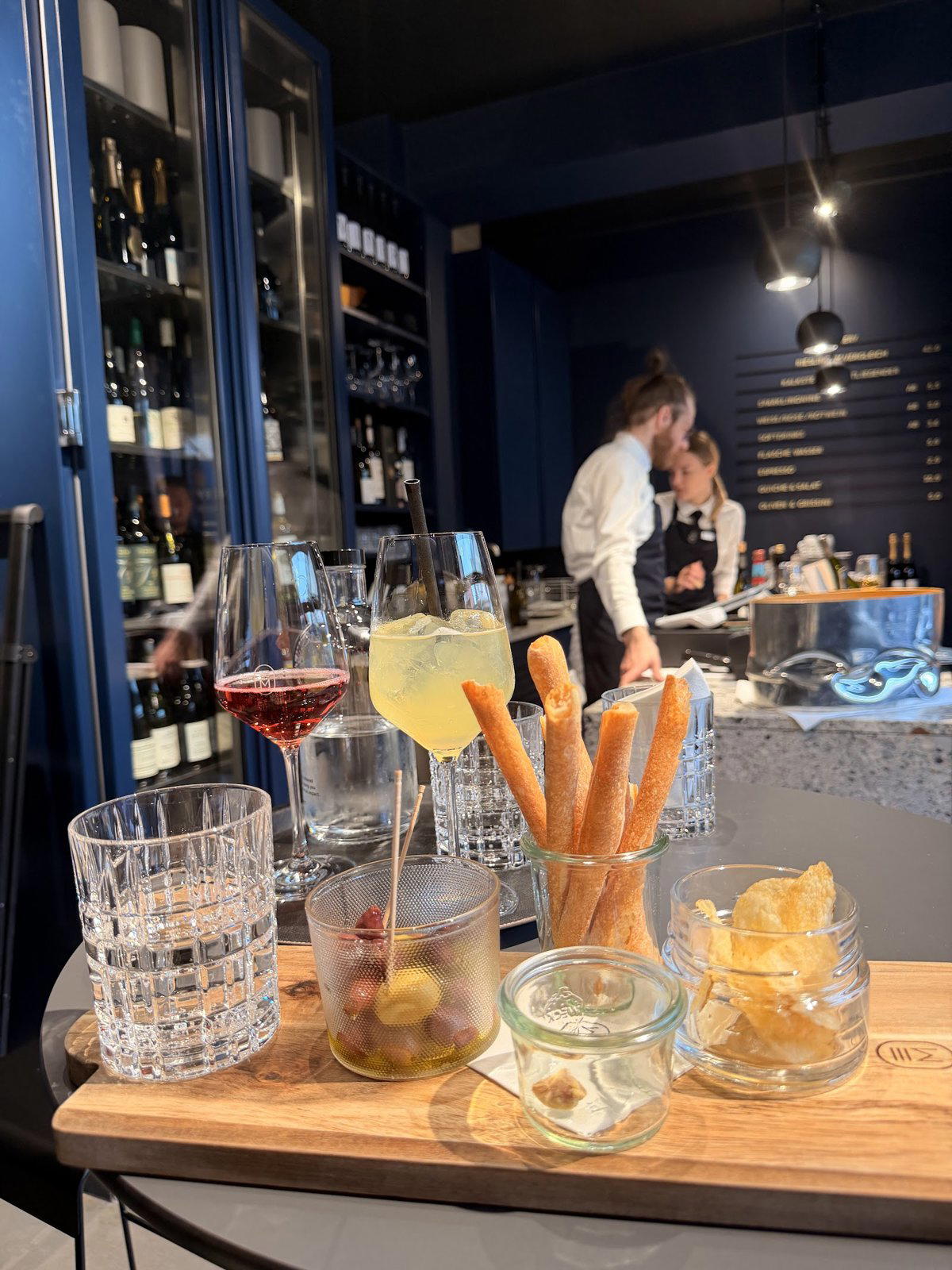

Hotels in Augsburg
Browse all →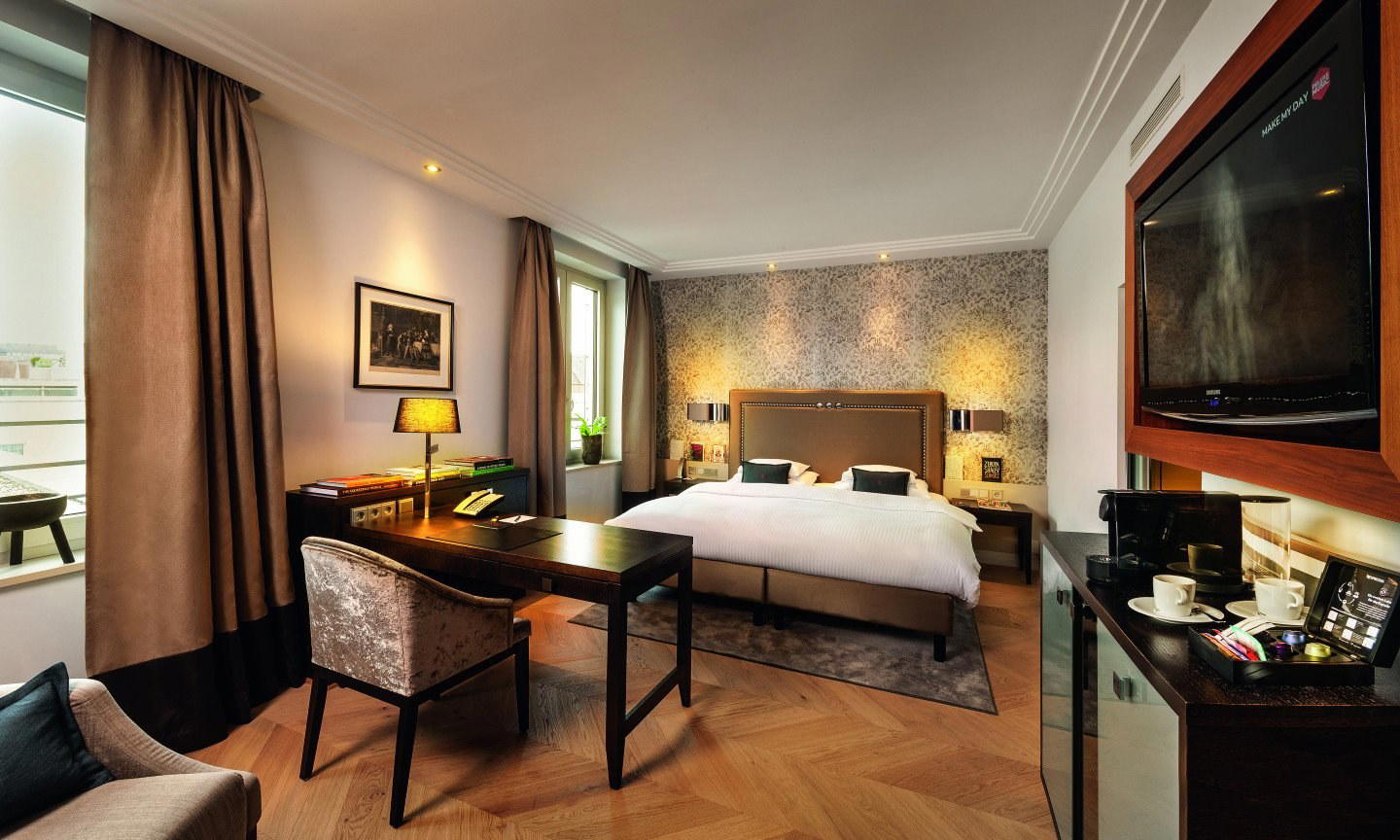
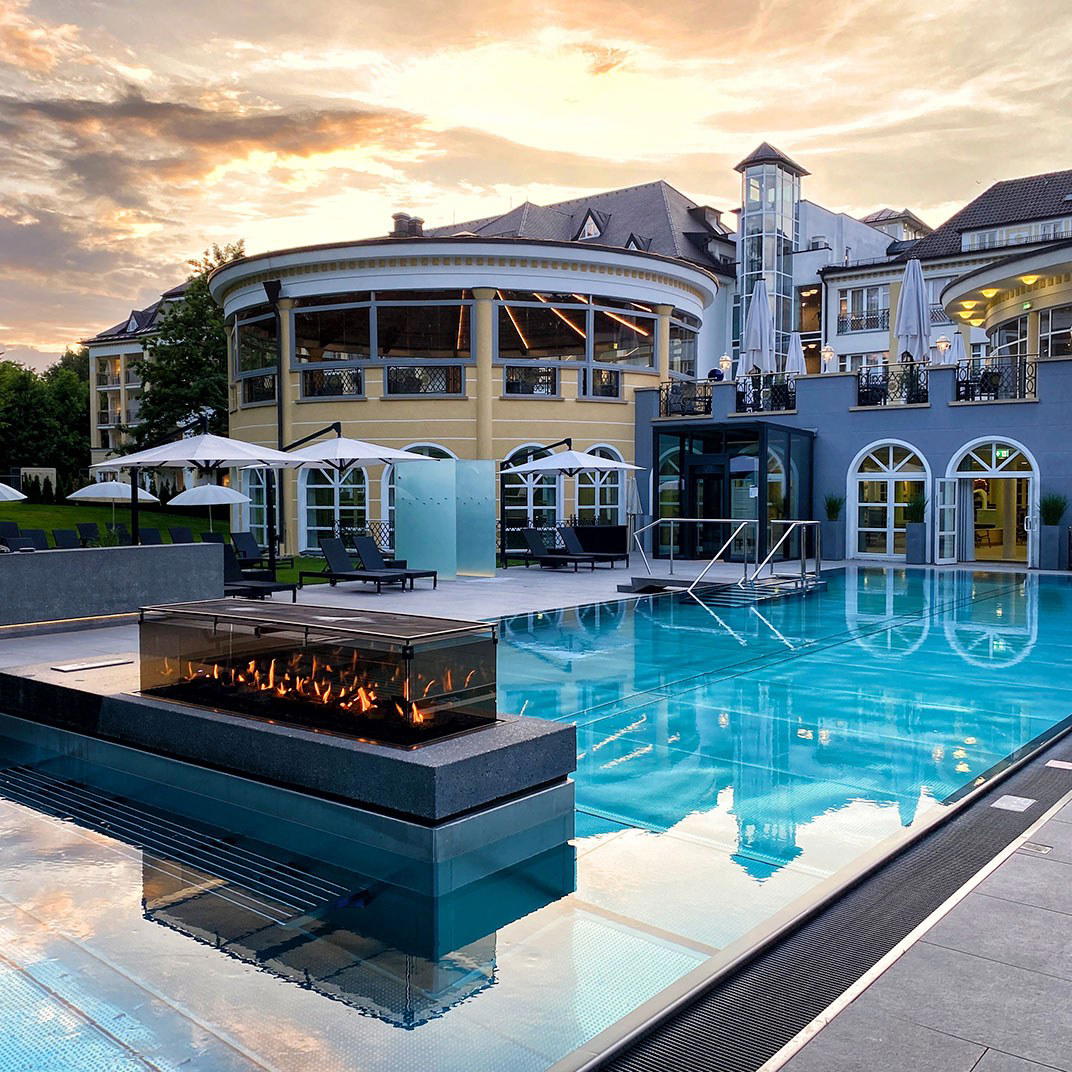
At a Glance
- Cozy
- Rustic
- Intimate
- Date Night
- Family
- Casual Hangout
- Open Kitchen
Current opening hours
- Monday
- Closed
- Tuesday
- Closed
- Wednesday
- 5–11 PM
- Thursday
- 5–11 PM
- Friday
- 5–11 PM
- Saturday
- 12–2:30 PM, 5–11 PM
- Sunday
- 12–2:30 PM, 5–11 PM
Hours can change for holidays and private events. Last verified .
Cozy and rustic with traditional South German charm, warm lighting, and a small beer garden.