Bundschu
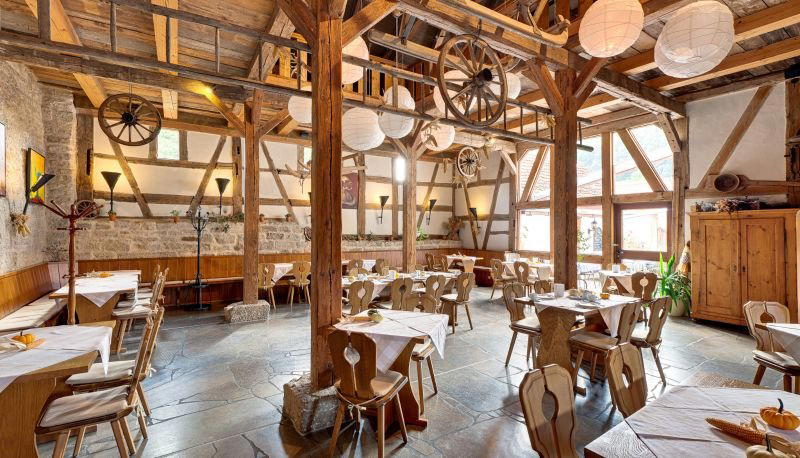
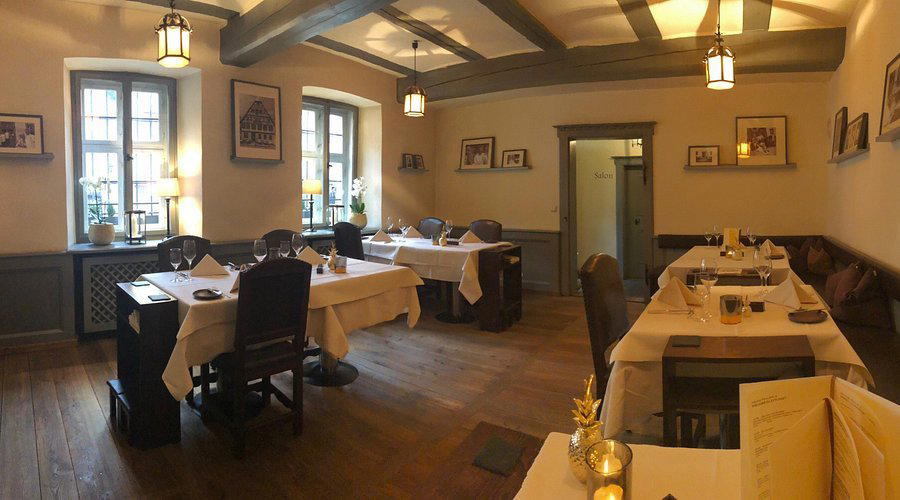
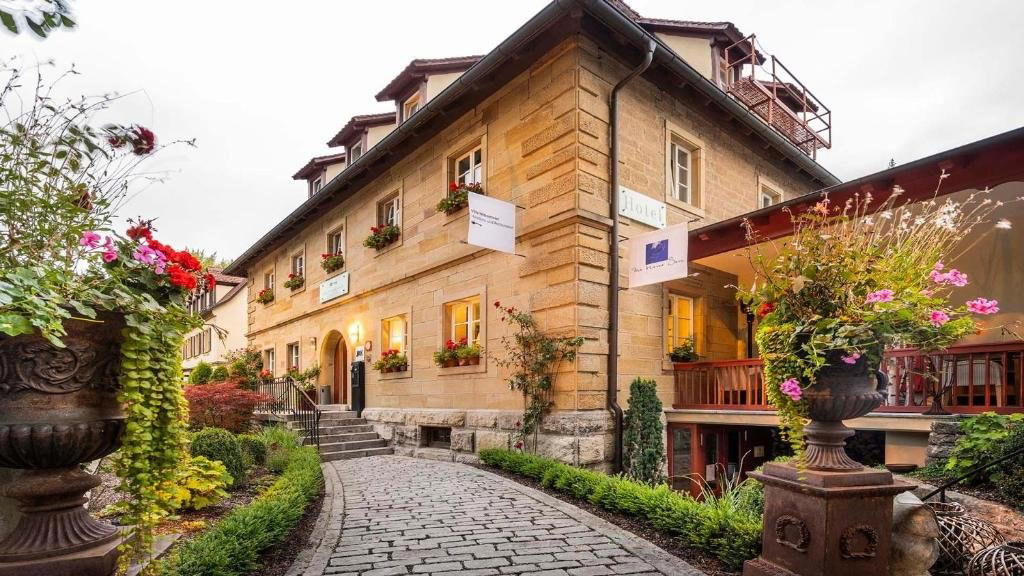
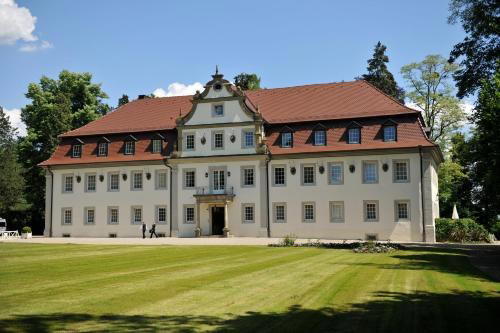
Bundschu pairs Traditional German Regional cooking with a historic-building hotel setting, garden views, local sourcing, and an extensive wine list for breakfast, lunch, or dinner.
Pearl is the En Primeur Club membership app — saves, bookings, and concierge access live there. Same editors, same standards.
- Address
- Milchlingstraße 24, 97980 Bad Mergentheim, Germany
- Phone
- +494979319330
- Website
- hotel-bundschu.de
- Directions
- Get directions
 Saves & bookings on Pearl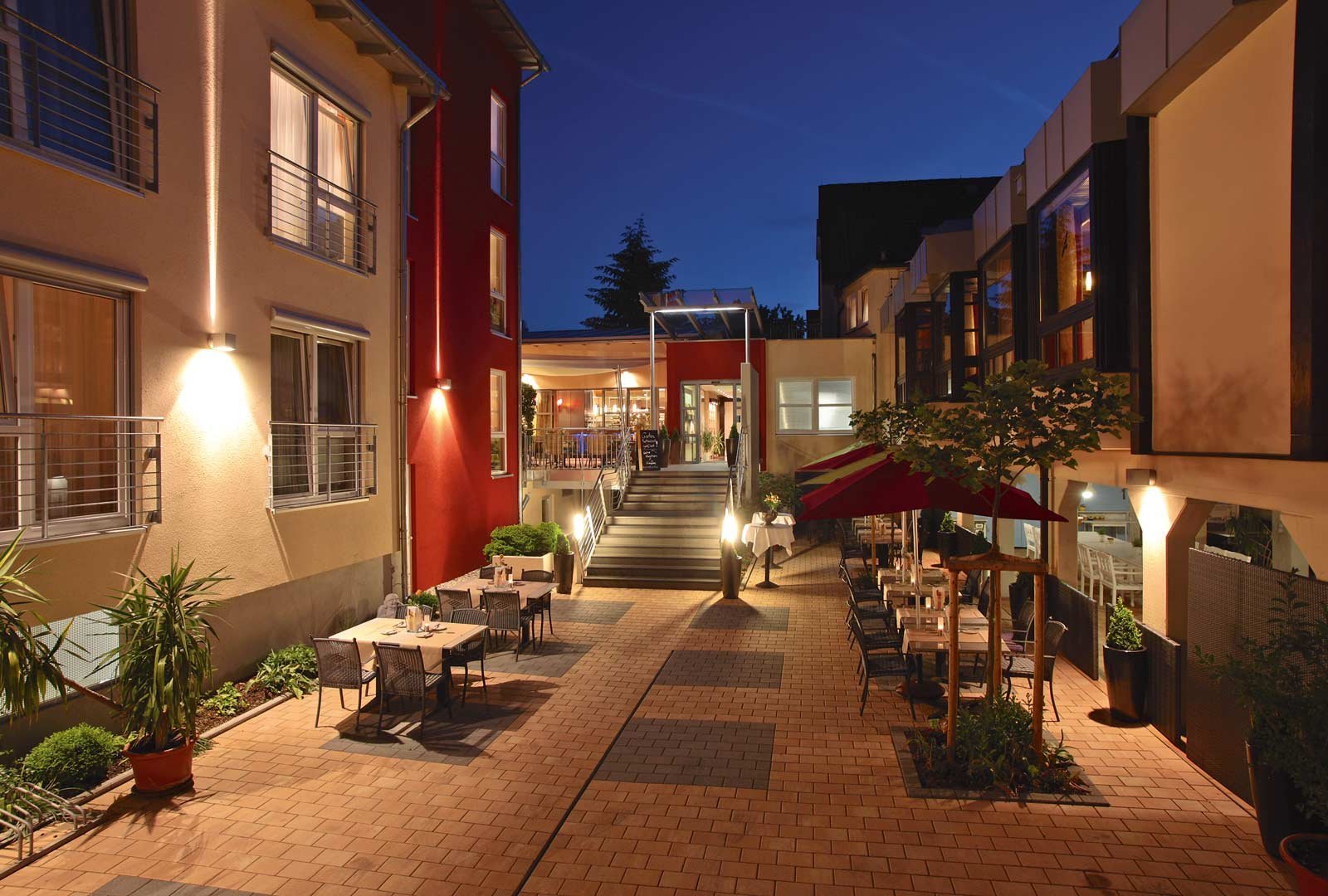
Franconia at the Table: Dining in Bad Mergentheim
Bad Mergentheim sits in the Tauber valley in northern Baden-Württemberg, a spa town whose thermal springs and medieval Teutonic Order castle draw a steady stream of visitors looking for something quieter than Stuttgart or Würzburg. The town's dining culture reflects that character: grounded, regionally oriented, and less interested in theatrical tasting-menu formats than in produce-led cooking tied to the Franconian and Hohenlohe hinterland. Bundschu at Milchlingstraße 24 is a restaurant in Bad Mergentheim serving traditional German regional cooking, with a $25 average price per person and a smart casual dress code.
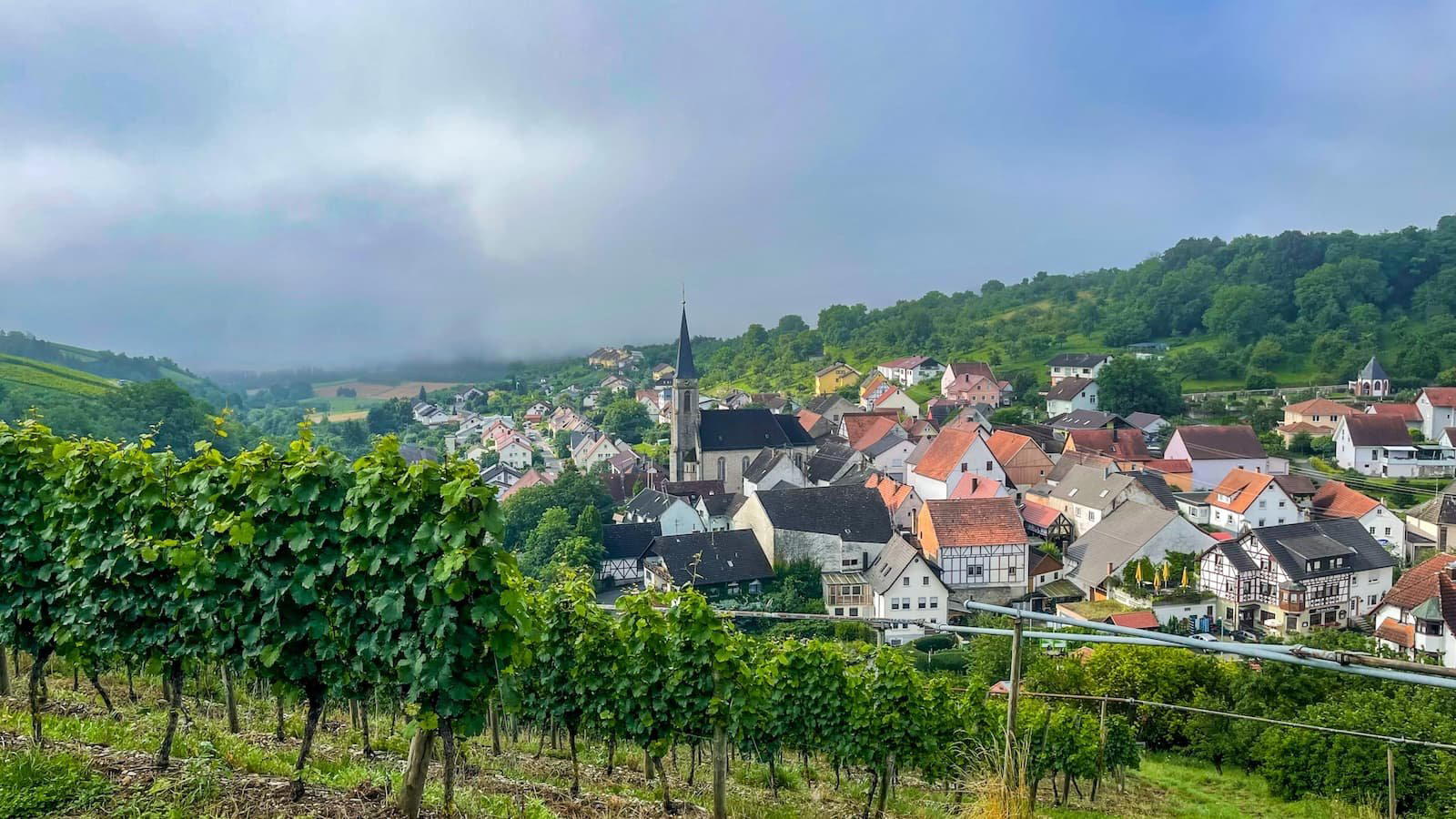
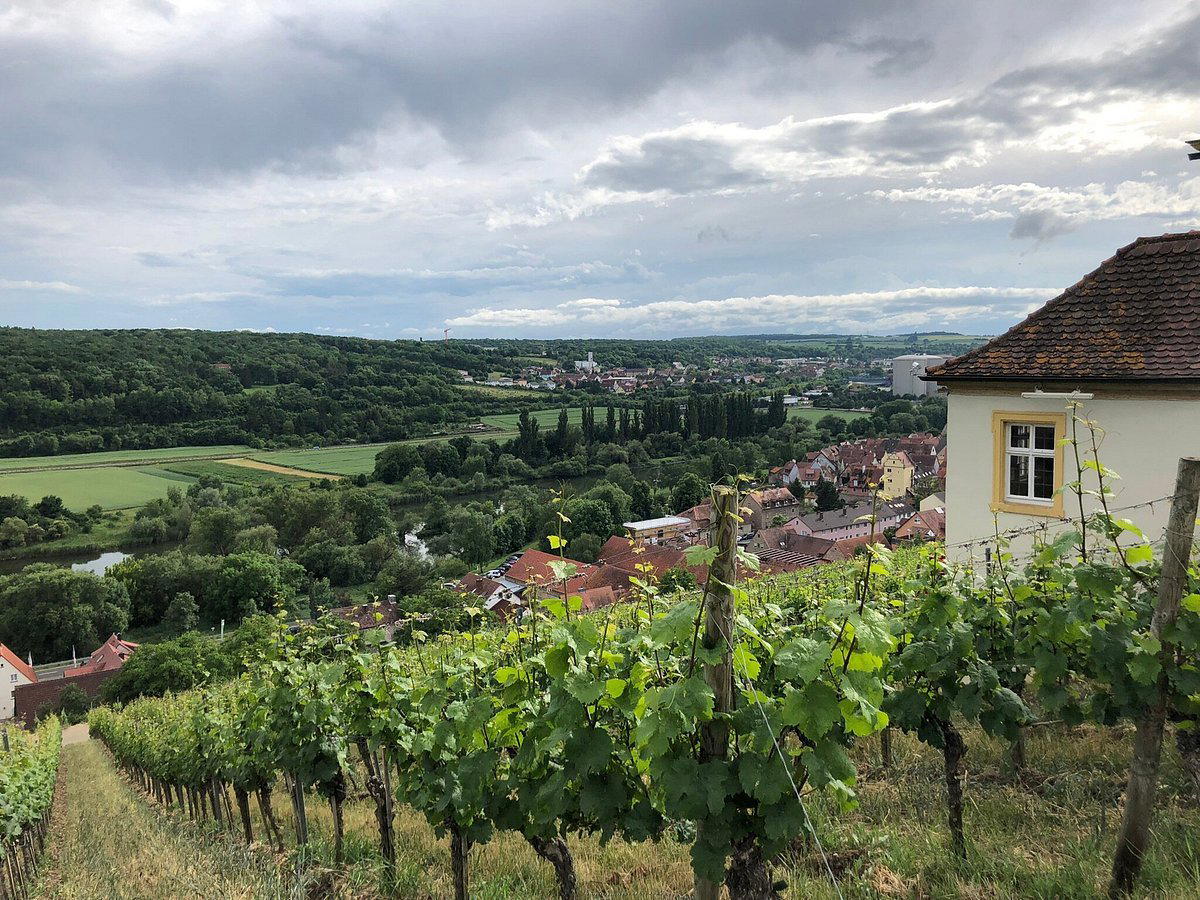
Regional sourcing has become a meaningful differentiator in German provincial dining over the past decade. Where larger cities compete on technique and imported luxury ingredients, restaurants in agricultural zones like Hohenlohe have a different card to play: proximity to farms, dairies, and orchards that supply product with genuinely short supply chains. The Hohenlohe plain north of Bad Mergentheim is one of the more productive agricultural corridors in southern Germany, with cattle farming, grain, and market gardening all present within a short radius. That geography shapes what a kitchen here can credibly put on a plate.
What the Region Puts on the Table
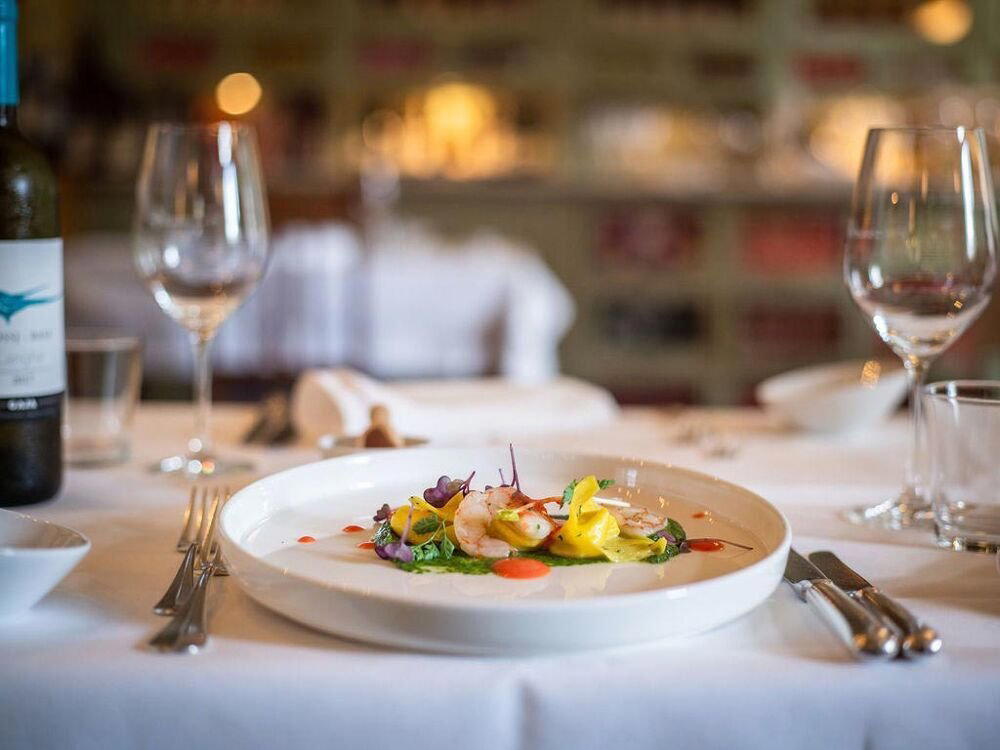
Franconian cooking, the tradition that informs much of what you encounter in this part of Germany, is not as internationally discussed as Bavarian or Baden cuisine, but it has a coherent identity. Braised meats, freshwater fish from the Main and Tauber river systems, cured pork preparations, and seasonal vegetables from the valley floor form its core grammar. Bread culture here is taken seriously, with rye and spelt loaves that reflect centuries of grain cultivation in the region. A restaurant working honestly within this tradition does not need to reach for imported truffle or Japanese technique to make a case for itself; the local larder, handled with care, is argument enough.
Across Germany, there is a recognisable tier of provincial restaurants that prioritise this kind of sourcing integrity over destination-dining ambition. They tend to occupy mid-scale price positions, draw a loyal local clientele, and occasionally attract visitors from larger cities who are specifically seeking cooking rooted in a place rather than performing a genre. For comparison, the Michelin-recognised circuit in the wider southwest, properties like Schwarzwaldstube in Baiersbronn or Ösch Noir in Donaueschingen, operates at a different register entirely, with multi-course formats and price points that reflect their award infrastructure. Bundschu does not sit in that bracket, which is precisely what makes it interesting for a different kind of trip.
The Room and the Rhythm
Arriving on Milchlingstraße, the setting signals a neighbourhood restaurant rather than a destination address. That framing matters: it calibrates expectations toward something convivial and local rather than performative. In Germany's spa towns, this type of establishment often carries the bulk of genuine daily dining life, serving both the residential population and visitors who prefer eating where locals eat rather than where the hotel concierge defaults. The atmosphere at venues in this category tends toward the unhurried, with service pacing that follows the table rather than the kitchen's production schedule.
Bad Mergentheim's status as a Kneipp and thermal spa town means its visitor base skews toward guests staying multiple nights, which tends to produce a dining culture where repeat visits are common and menus evolve with the season rather than anchoring to a fixed signature. That seasonal rhythm suits ingredient-led cooking well: spring vegetables from the Tauber valley, summer soft fruit, autumn game from the surrounding forests, and the root vegetable and preserved preparations that carry Franconian kitchens through winter.
Placing Bundschu in the Broader Circuit
For travellers building a route through Germany's less-covered dining regions, Bad Mergentheim sits in an interesting corridor. Würzburg is roughly 40 kilometres to the north, offering Franconian wine culture and a more developed restaurant scene. Heidelberg and Stuttgart anchor the south and west. Driving routes through Hohenlohe frequently pass through Bad Mergentheim, making it a plausible stop between more flagged destinations. The Tauber Romantic Road designation brings some international visitor traffic, though the town remains considerably less saturated than Rothenburg ob der Tauber to the north.
Within Germany's wider fine and premium-casual dining circuit, the southwest remains especially decorated region. Properties like Vendôme in Bergisch Gladbach, Aqua in Wolfsburg, and Victor's Fine Dining by Christian Bau in Perl represent Germany's upper award tier and operate with the pricing and booking infrastructure that comes with sustained Michelin attention. JAN in Munich and Jante in Hanover represent a more progressive mid-tier. Bundschu's positioning is distinct from all of these: its relevance is local and regional rather than national-circuit, which for many visitors is the point.
Other regional German addresses worth cross-referencing for a broader southwest itinerary include Schanz in Piesport, Waldhotel Sonnora in Dreis, Bagatelle in Trier, and L.A. Jordan in Deidesheim for the Palatinate wine country. For Hamburg and northern Germany, Restaurant Haerlin remains the benchmark. Internationally, ingredient-sourcing-led formats at restaurants like Le Bernardin in New York City and experience-first dining at Lazy Bear in San Francisco offer useful counterpoints to what European provincial cooking does differently with place-based produce. Creative dessert-led formats at CODA Dessert Dining in Berlin and GästeHaus Klaus Erfort in Saarbrücken show how German kitchens at opposite ends of the formality register have each developed distinct identities. ES:SENZ in Grassau rounds out the Alpine-southern corridor.
Planning a Visit
Bad Mergentheim is served by regional rail connections from Würzburg and Stuttgart, with journey times of roughly an hour from either city. By car, the town sits on the B19 and is accessible from the A81 motorway corridor. Spa towns in this part of Germany tend to see higher visitor volumes in late spring through early autumn, when the thermal facilities and Tauber valley walking routes draw the traffic.
Comparison Snapshot
Comparable venues nearby, for context on price, style, and recognition.
| Venue | Cuisine | Price | Notes |
|---|---|---|---|
| BundschuThis venue — the venue you are viewing | Traditional German Regional | $$ | Not listed |
| Zum Grünen Baum Michelstadt | Regional German Landhausküche | $$ | Große Gasse |
| Landhotel & Weingasthof Schwarzer Adler | Regional Franconian | $$ | Wiesenbronn |
| Schellenturm | Swabian German Weinstube | $$ | Gablenberg |
| Wirtshaus Hasen | Traditional Swabian Gasthaus | $$ | Gaisburg |
| Bistro Mars | Seasonal German Bistro | $$$ | Mainviertel |
Continue exploring
More in Bad Mergentheim
Restaurants in Bad Mergentheim
Browse all →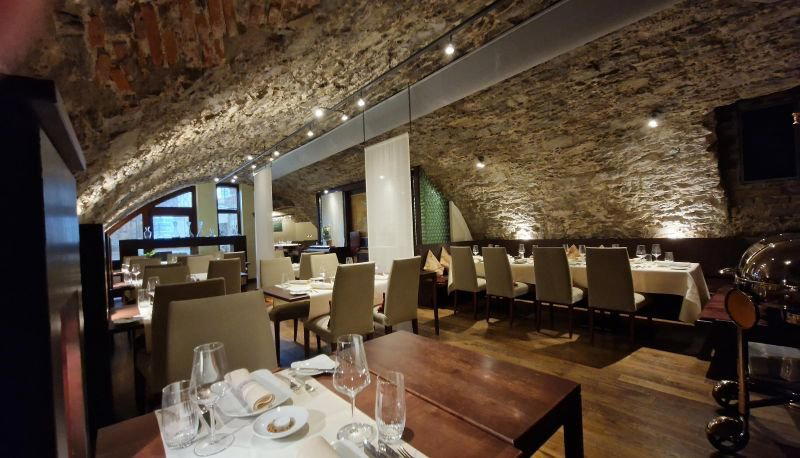
Bars in Bad Mergentheim
Browse all →
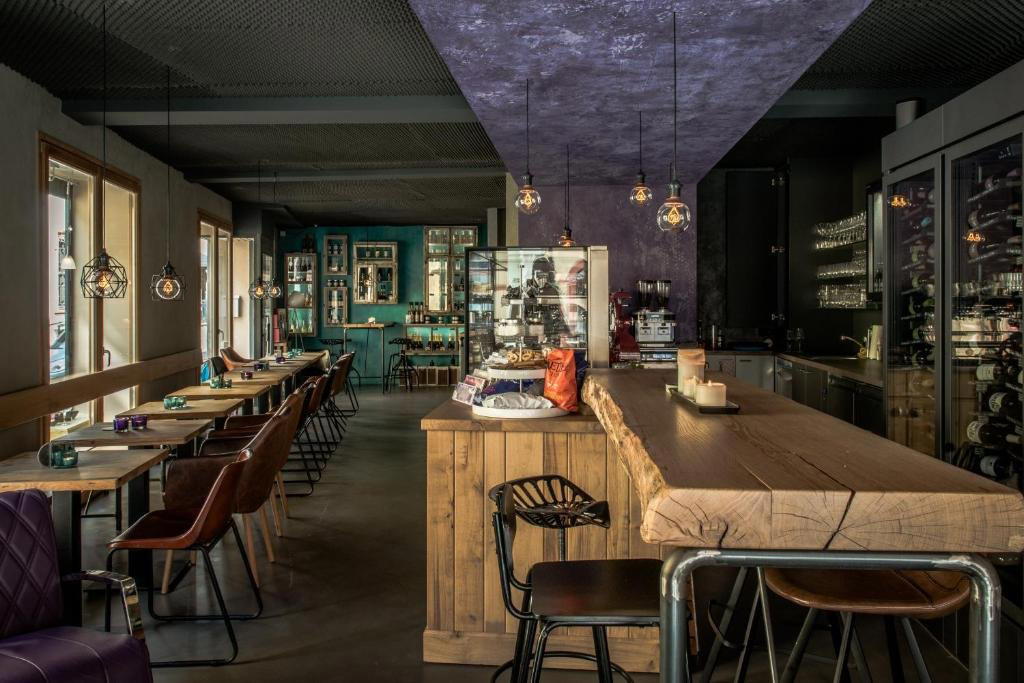
Hotels in Bad Mergentheim
Browse all →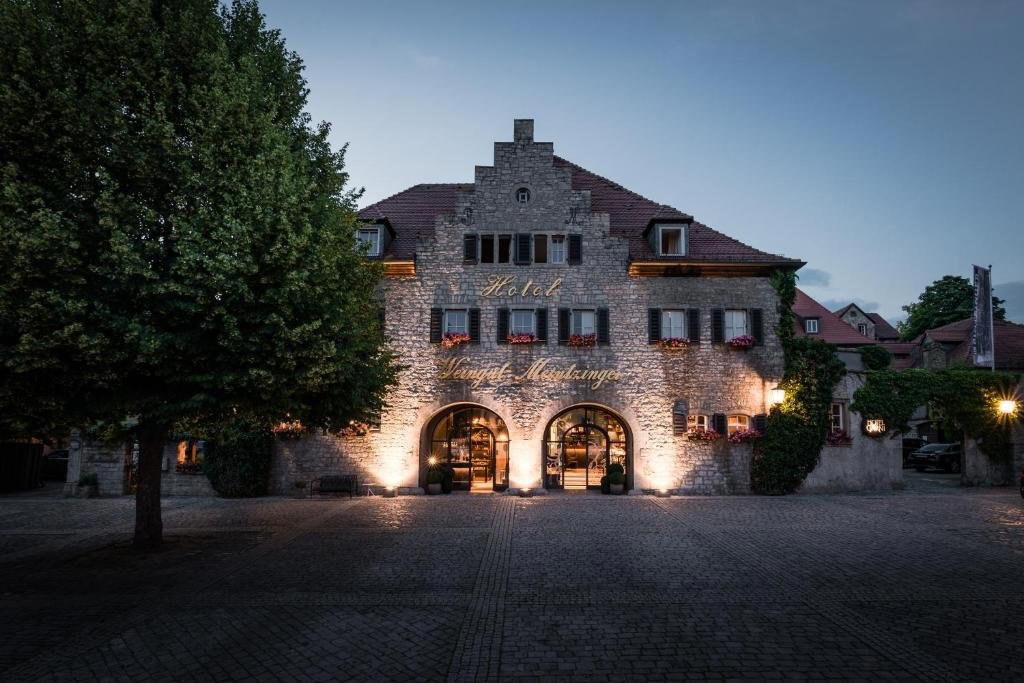
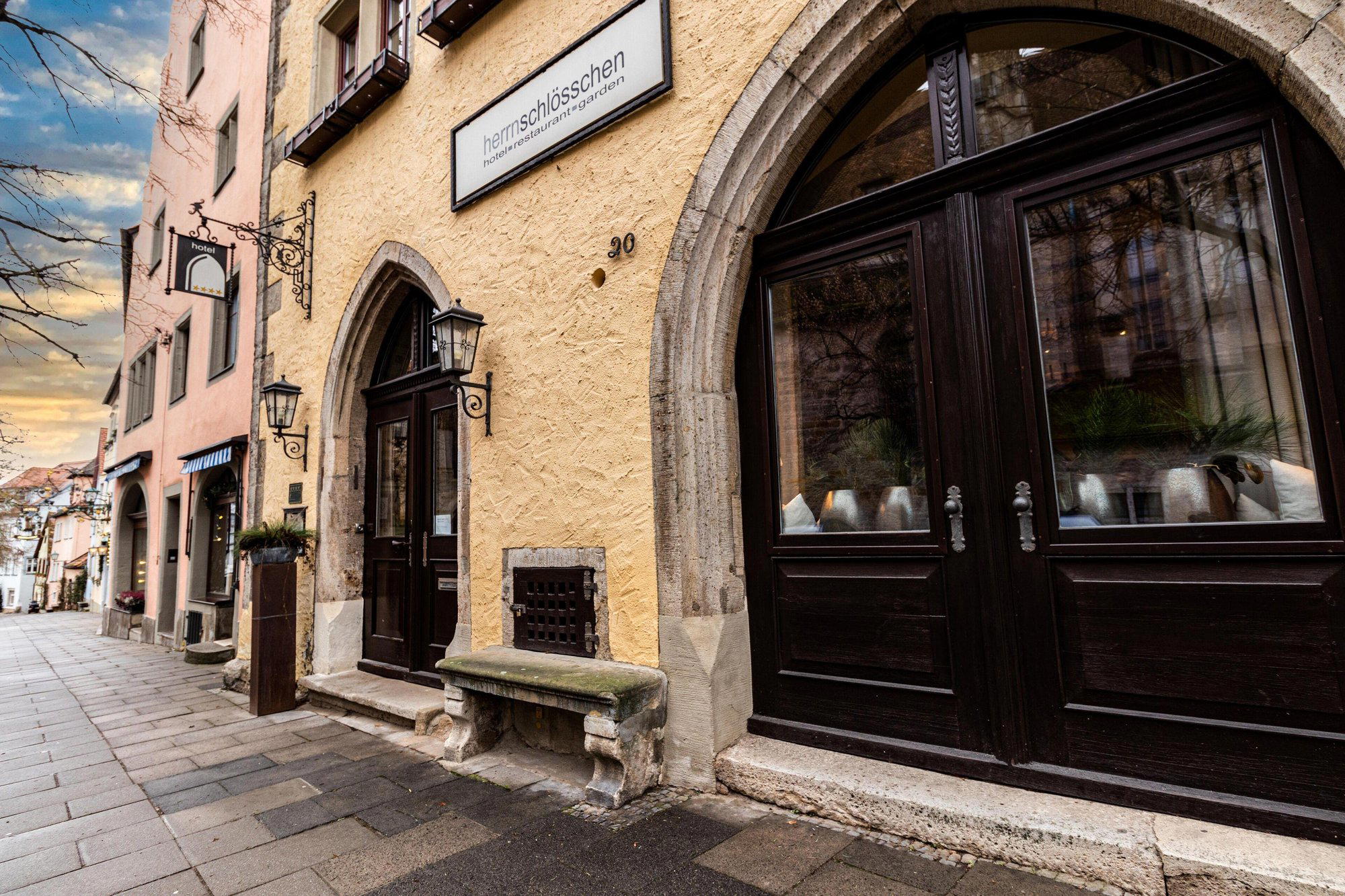

At a Glance
- Classic
- Cozy
- Elegant
- Family
- Business Dinner
- Garden
- Historic Building
- Hotel Restaurant
- Extensive Wine List
- Local Sourcing
- Garden
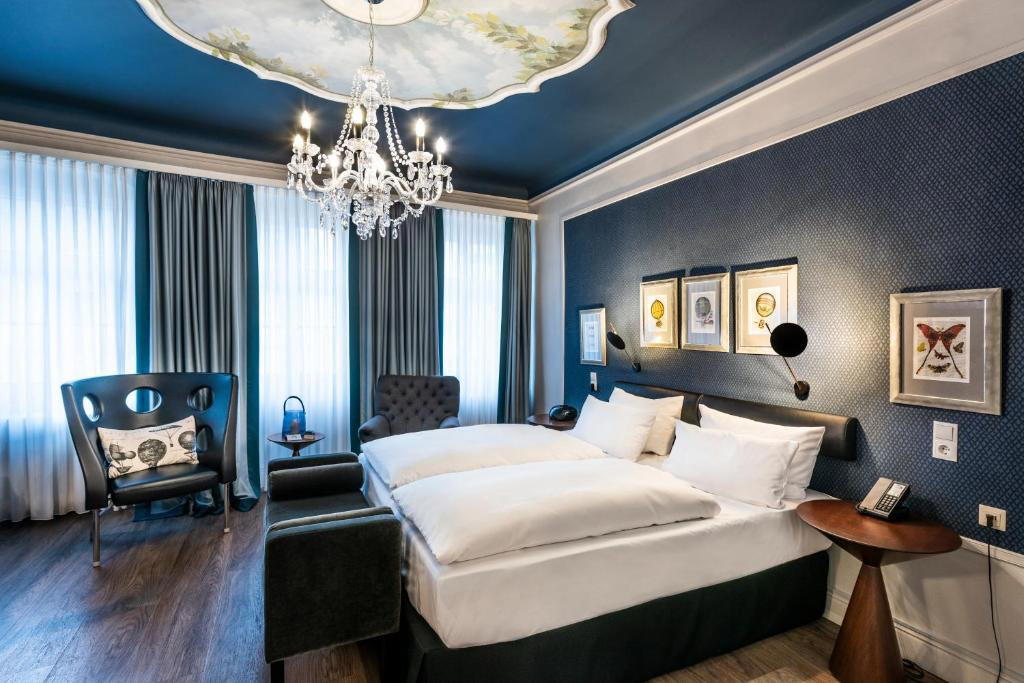
Stylish ambience featuring a cozy inner courtyard garden for alfresco dining and elegant indoor seating.