
1 Michelin Star
Our verdict
Cédric holds a Michelin star in Weinstadt, a small wine town in the Remstal valley east of Stuttgart, where Chef Cédric Burtin runs a modern cuisine kitchen that has retained its star across consecutive Michelin cycles. The restaurant sits at the €€€ price point, placing it between the entry-level regional dining scene and the multi-star tables of Baden-Württemberg.

Pearl is the En Primeur Club membership app — saves, bookings, and concierge access live there. Same editors, same standards.
- Address
- Marktstraße 39, 71384 Weinstadt, Germany
- Phone
- +49 7151 3048228
- Hours
- Mon–Fri 6–11 PMSat–Sun Closed
- Website
- restaurant-cedric.de
- Directions
- Get directions
- Booking
- Book on OpenTable
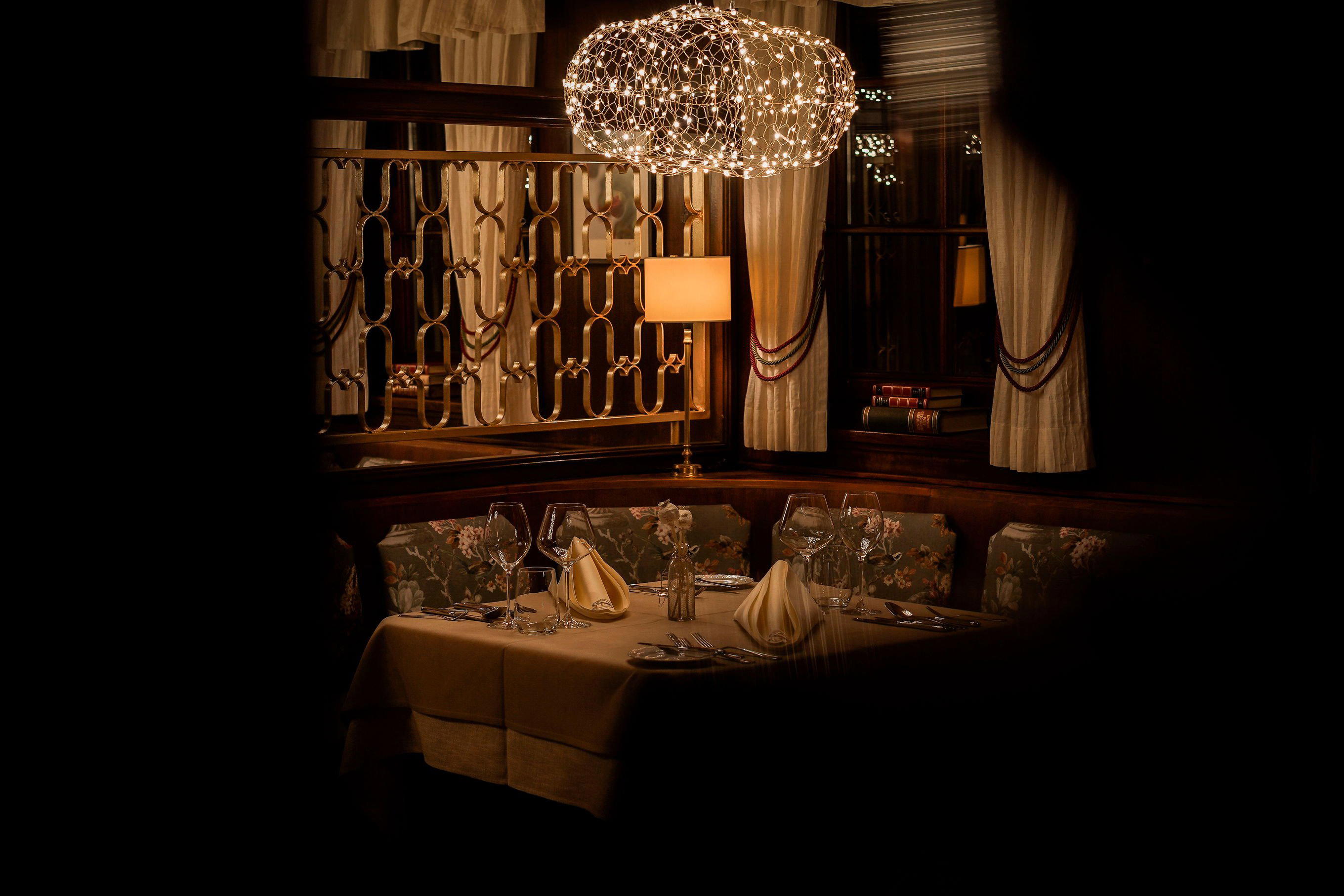
A Star in the Suburbs: Fine Dining in the Remstal
The Remstal valley, running east of Stuttgart through a corridor of vineyards and small market towns, is not where most diners expect to find Michelin-recognised cooking. The towns here, Weinstadt among them, were built on wine production and local trade, not on gastronomy as destination. Yet the rhythm of Germany's fine dining scene has shifted over the past decade, with starred tables appearing in smaller, often wine-adjacent communities rather than concentrating exclusively in the major cities.
Approaching Marktstraße 39, the setting is unambiguously small-town Germany. There is no hotel lobby to pass through, no urban buzz to signal that something significant is happening inside. That gap between exterior modesty and interior ambition is, in fact, a recurring feature of the German fine dining circuit outside Berlin, Munich, and Hamburg. Tables at Schanz in Piesport sit in a similar context, as do those at Waldhotel Sonnora in Dreis: wine-country towns where the restaurant is, for most visitors, the entire reason for the trip. Cédric occupies that position in Weinstadt.
Chef Cédric Burtin and the Trajectory of Modern Cuisine in Germany
The editorial angle on Germany's one-star tier is less about individual venues and more about what the cohort reveals: a generation of chefs who have absorbed French technique, often through direct training or stage experience in France or at French-influenced kitchens in Germany, and who are now applying that foundation to a modern cuisine format that sits between classical rigour and contemporary flexibility. Chef Cédric Burtin works within this tradition. The restaurant carries his name, which in the German fine dining context is a deliberate signal: this is a chef-driven project, not a hotel dining room or a branded concept. The cuisine type is listed as Modern Cuisine, a designation that in the current Michelin framework covers kitchens that do not anchor to a single national tradition but instead build menus around technical precision, seasonal produce, and a personal culinary logic.
The French-German axis in fine dining has produced a number of the country's most-watched tables. Vendôme in Bergisch Gladbach operates at the two-star level under a similar Franco-German influence, while Victor's Fine Dining by Christian Bau in Perl pushes that lineage toward three-star territory with Japanese influence layered in. Burtin's one-star positioning at Cédric places the restaurant in the productive middle ground: rigorous enough to earn and retain Michelin recognition, accessible enough in price point to draw a broader audience than the multi-star bracket commands. The €€€ price range confirms this. Peer tables at the two- and three-star level in Germany, including Aqua in Wolfsburg and Schwarzwaldstube in Baiersbronn, operate at the €€€€ tier, reflecting both the longer tasting menu formats and the higher per-cover investment those kitchens require.
What Consecutive Stars Signal
A single Michelin star awarded once carries weight. The same star awarded across two consecutive inspection cycles carries different weight: it indicates that the kitchen is consistent rather than intermittently brilliant, that the team structure supports repeatable execution, and that the Michelin inspectors have returned and found the standard maintained. Cédric's 2024 and 2025 stars meet that test. In a category where restaurants regularly gain or lose recognition as chef tenure changes or kitchen dynamics shift, two-cycle retention at any star level is a substantive signal.
For comparison, restaurants like Restaurant Haerlin in Hamburg and ES:SENZ in Grassau operate in Germany's starred tier with similarly strong reputations for consistency. What distinguishes Cédric is the geography: maintaining this standard in a small suburban market, where the supply chain, staffing pool, and customer base are all more constrained than in a major city, requires a specific kind of operational discipline that the consecutive stars implicitly recognise.
Weinstadt as a Dining Destination
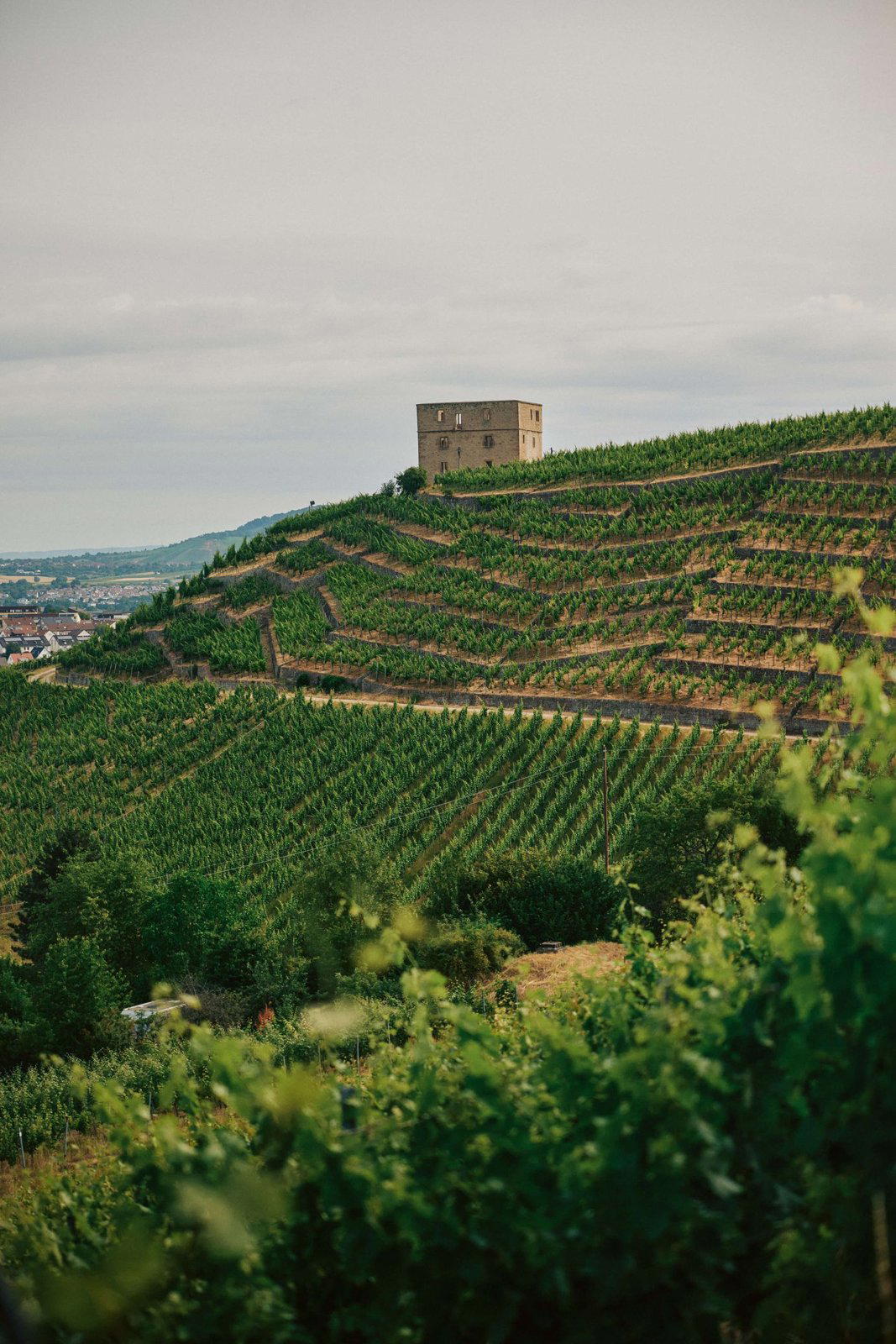
The broader context for a meal at Cédric is the Remstal itself. Weinstadt is part of a wine-growing region that produces Trollinger, Lemberger, and Riesling on hillside terraces within view of Stuttgart's eastern suburbs. The town is well-connected to Stuttgart by the S-Bahn network, making Cédric viable as a day trip or evening excursion for visitors based in the city. For those looking to extend the experience, the surrounding area supports wine tourism in a way that few other one-star restaurant locations in Germany do so compactly. Our full Weinstadt wineries guide covers the regional producers worth visiting before or after a meal; our full Weinstadt hotels guide handles accommodation options for those coming from further afield, and our full Weinstadt bars guide and full Weinstadt experiences guide round out the stay.
For diners whose frame of reference is international modern cuisine, the Weinstadt address situates Cédric in an interesting peer conversation. Chefs working in the same Modern Cuisine designation at Michelin level include JAN in Munich, and at the higher end of the spectrum, Frantzén in Stockholm and its Dubai outpost FZN by Björn Frantzén. The category is wide, but within it, Cédric's one-star rating and €€€ positioning make it one of the more accessible entry points to serious modern cooking in the Stuttgart region.
Planning a Visit
For reservation logistics, the restaurant's address at Marktstraße 39, 71384 Weinstadt is the reliable starting point; checking current availability directly with the venue is advisable, as one-star kitchens in smaller markets typically operate fewer covers and fewer service days than city-based peers. Price range at €€€ places an evening here in the range that warrants advance planning, particularly for groups. Dress expectations at this level in Germany tend toward smart casual without being prescriptive, though the Michelin context suggests erring toward formal. Our full Weinstadt restaurants guide provides broader context on what the town's dining scene offers beyond Cédric, and on how the restaurant fits within it. Separately, venues in the creative dessert-forward category, such as CODA Dessert Dining in Berlin or the classical French format at Bagatelle in Trier
Frequently asked questions
Would Cédric be comfortable with kids?
Cédric holds a Michelin star for both 2024 and 2025, which positions it firmly in the formal end of Germany's dining spectrum. The modern cuisine format and price range (€€€) suggest an environment oriented toward adult diners. Families with young children would likely find the setting a poor fit for the style of meal on offer.
What is the atmosphere like at Cédric?
The address on Marktstraße in Weinstadt places Cédric in a small Remstal market town rather than a city centre, which shapes the feel: this is destination dining in a quiet suburban setting rather than a scene restaurant. Two consecutive Michelin stars signal a consistent, considered house approach rather than a flashy one. The €€€ price range and modern cuisine format suggest a composed, focused room.
Is Cédric Michelin-listed?
Cédric has received recognition including: Michelin 1 Star (2025); Michelin 1 Star (2024).
What's the best thing to order at Cédric?
Cédric operates a modern cuisine format under chef Cédric Burtin, and the consecutive 2024 and 2025 Michelin stars reflect consistency across the full menu rather than a single standout dish. At this level and price point (€€€), the kitchen's cooking is best experienced across a full tasting progression. Checking directly with the restaurant before your visit is the reliable way to understand the current menu structure.
Side-by-Side Snapshot
| Venue | Cuisine | Price | Awards |
|---|---|---|---|
| CédricThis venue — the venue you are viewing | Modern Regional German Fine Dining | $100–150 | 1 Michelin Star |
| Schwarzwaldstube | French, Classic French | Not listed | Michelin 3 Star |
| Aqua | Contemporary German, Italian/Japanese, Creative | Not listed | Michelin 3 Star |
| CODA Dessert Dining | Creative | Not listed | Michelin 2 Star |
| Tantris | Modern French, French Contemporary | Not listed | Michelin 2 Star |
| Vendôme | Modern European, Creative | Not listed | Michelin 2 Star |
Recognition history
Dated appearances from independent guides and award organizations, with the underlying list record or original source where available.
Michelin 1 Star
Michelin
Full recognition history (3 entries)
Michelin 1 Star
Michelin
Michelin 1 Star
Michelin
Continue exploring
More in Weinstadt
Restaurants in Weinstadt
Browse all →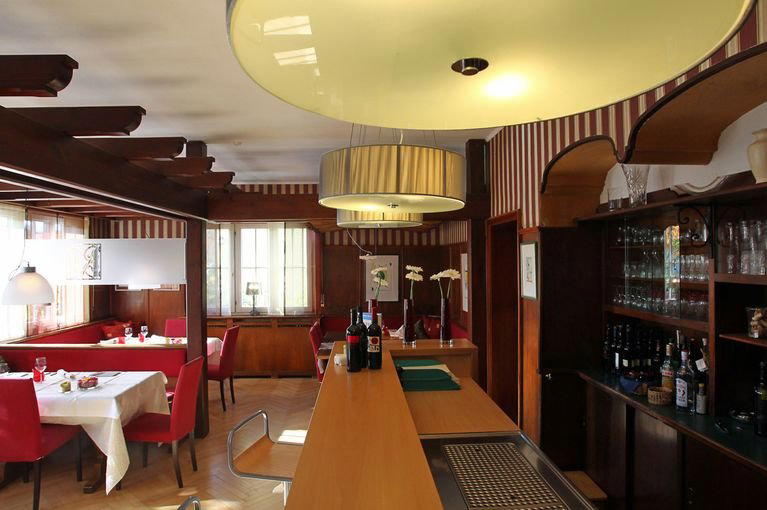
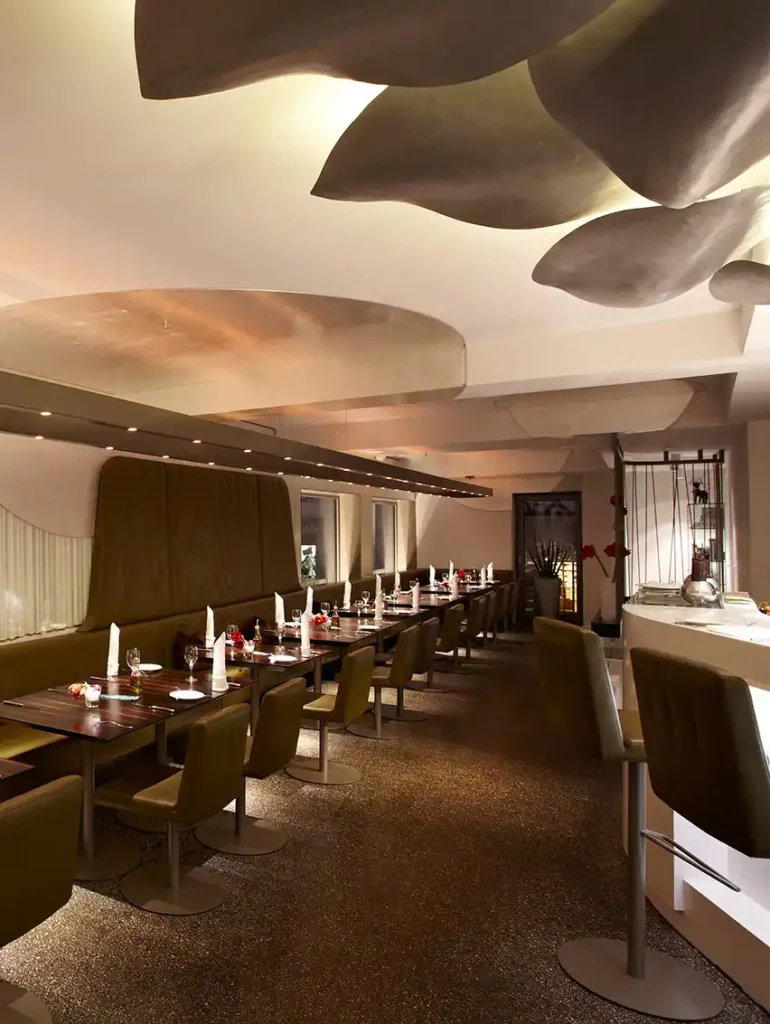
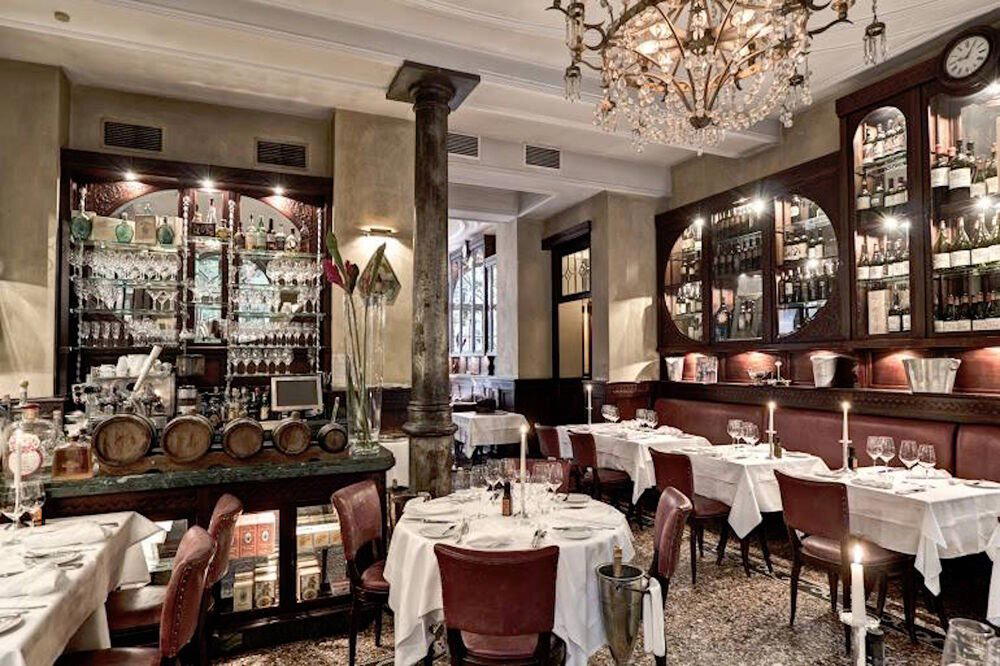
Bars in Weinstadt
Browse all →

Hotels in Weinstadt
Browse all →

Details
- Elegant
- Cozy
- Modern
- Classic
- Sophisticated
- Special Occasion
- Date Night
- Business Dinner
- Open Kitchen
- Extensive Wine List
- Local Sourcing
- Tasting Menu
- Set Menu
- Vegetarian Friendly
Current opening hours
- Monday
- 6–11 PM
- Tuesday
- 6–11 PM
- Wednesday
- 6–11 PM
- Thursday
- 6–11 PM
- Friday
- 6–11 PM
- Saturday
- Closed
- Sunday
- Closed
Hours can change for holidays and private events. Last verified .
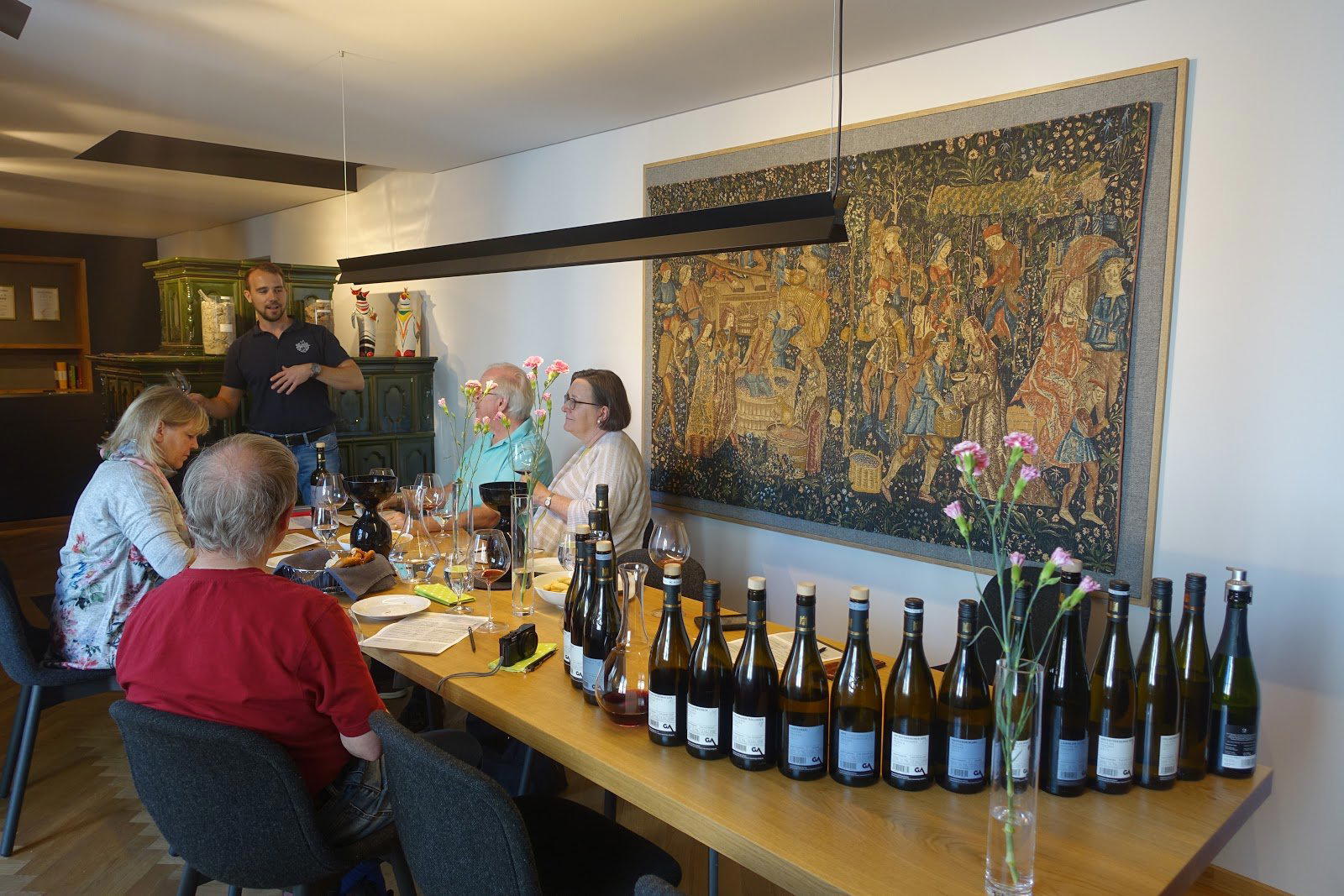
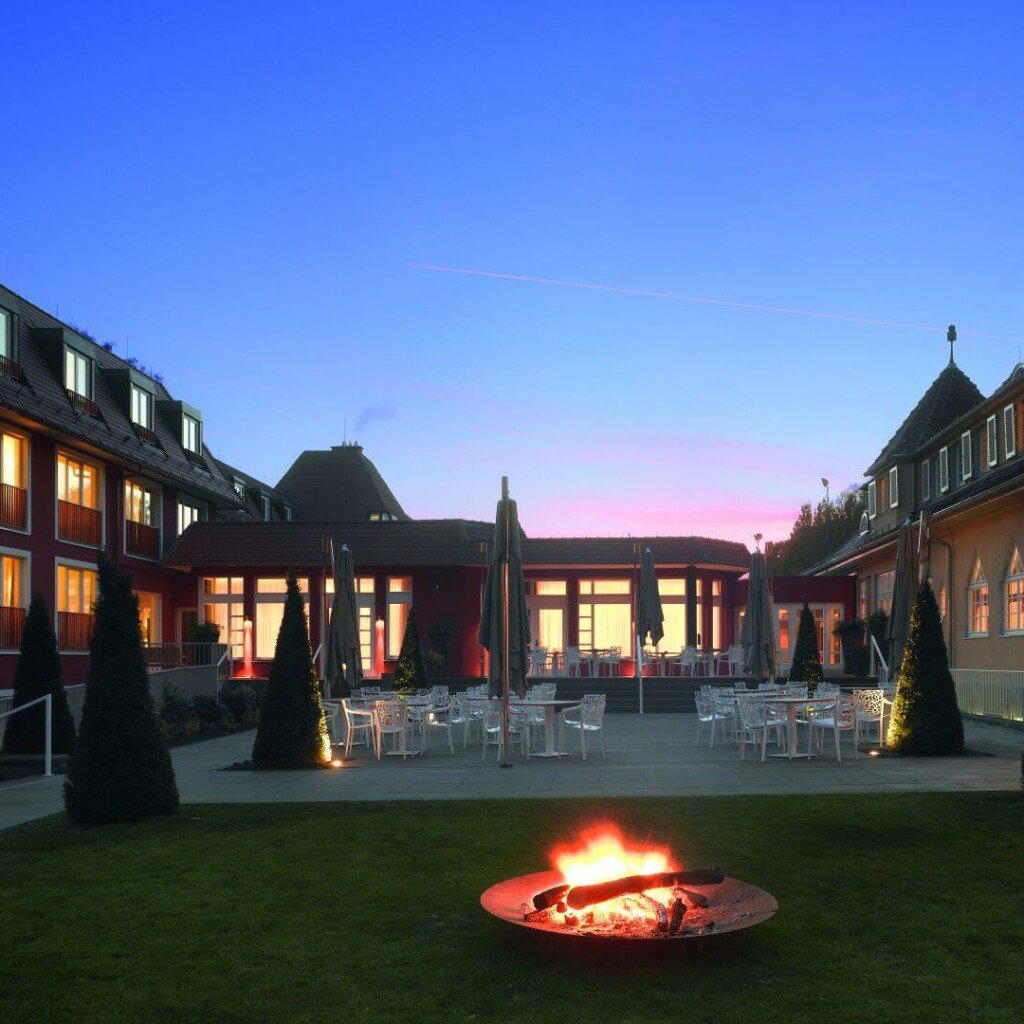
Behagliche atmosphere blending traditional stube charm with subtle modern design, comfortable seating, and moderate noise levels.