Tabelog Bronze #365
Our verdict
Tabelog Bronze Award winner for 2025 and 2026, Restaurant SNOW operates from a 14-seat room in Fukuoka's Yakuin neighbourhood, applying French technique to Kyushu produce through a Nordic-influenced lens. Dinner runs JPY 14,850 fixed; lunch from JPY 5,500. The restaurant opens five days a week and accepts reservations online.

Pearl is the En Primeur Club membership app, where members save venues, book tables and use the concierge.
French Technique, Nordic Philosophy, Kyushu Produce
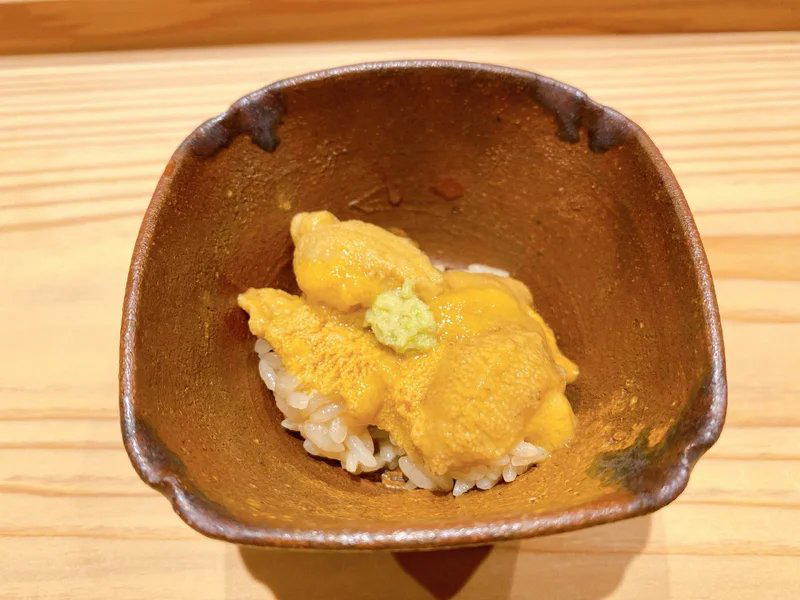
The most interesting creative-French restaurants in Japan's secondary cities have largely stopped competing with Tokyo on classical prestige and started working with what surrounds them. In Fukuoka's case, that means Kyushu's agricultural and coastal abundance: a region that supplies some of Japan's most prized produce, from Saga beef and Iki Island seafood to the prefecture's own vegetable farms. Restaurant SNOW, open since July 2020 in the Yakuin district of Chuo Ward, sits inside this broader pattern, framing French technique through a Nordic sensibility that foregrounds ingredient clarity over architectural complexity. That combination, applied consistently since opening, has earned consecutive Tabelog Bronze Awards in 2025 and 2026, alongside selection for the Tabelog Innovative/Creative Cuisine Hundred Restaurants list in 2025.
The Nordic-French axis is less fashionable now than it was in the early 2010s, but the restaurants that have absorbed it as working method rather than trend signal tend to age well. The approach privileges restraint: fewer components per dish, pronounced seasonal specificity, and a tendency to treat temperature and texture as primary rather than decorative variables. In a Fukuoka context, where the city's dining reputation historically rests on tonkotsu ramen, mentaiko, and hakata-style offal cuisine, a restaurant pursuing this particular register occupies a distinct position. It is not competing with the city's traditional food culture but running alongside it, drawing on the same regional supply chains while directing them toward a different end.
A Room Built for Focus
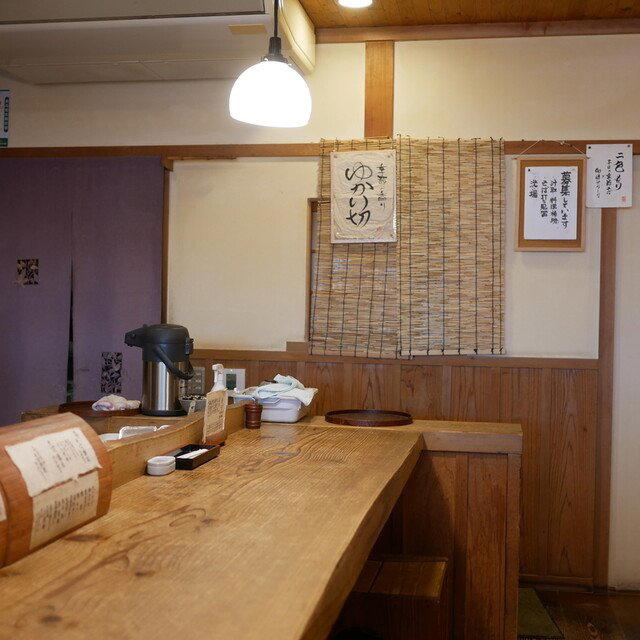
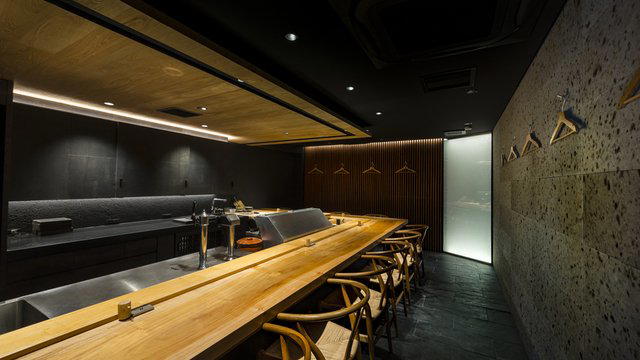
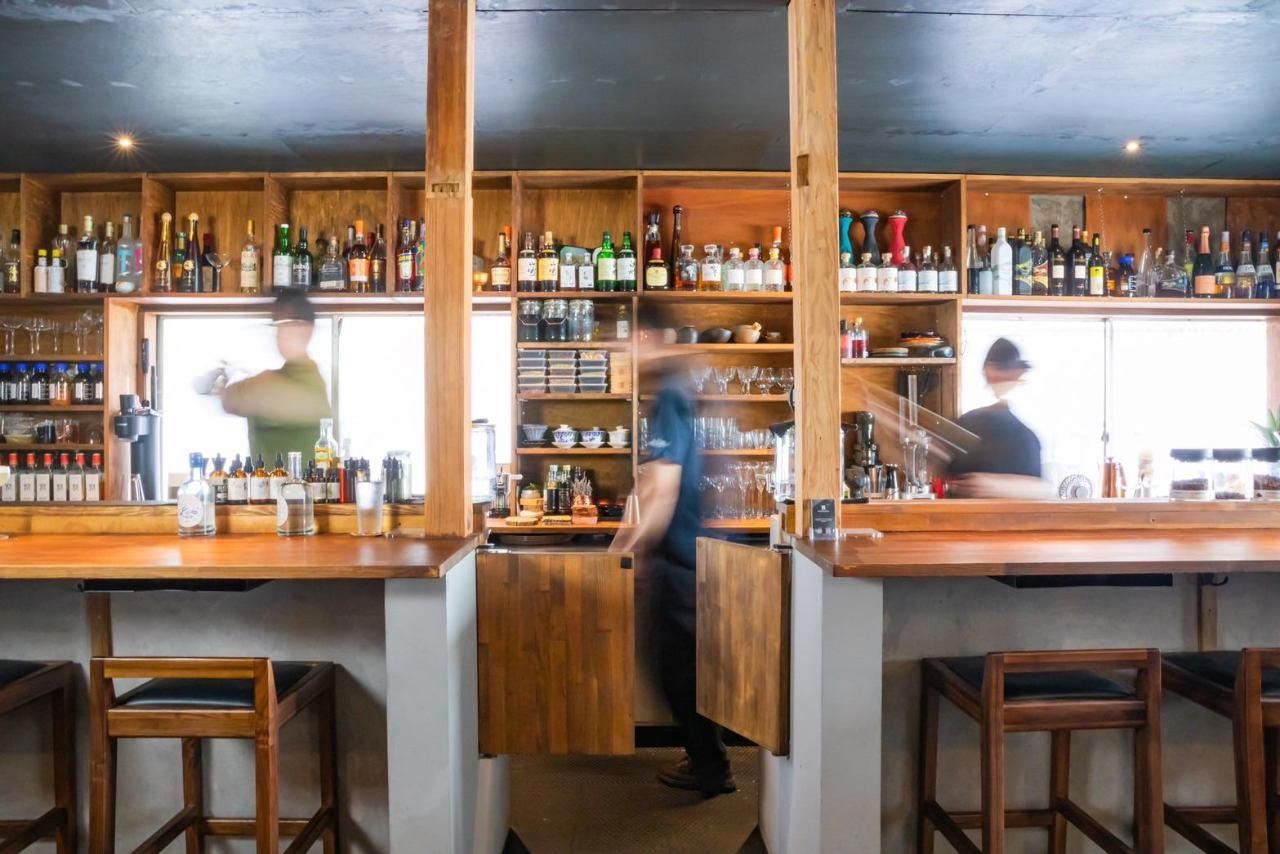
Physical reality of Restaurant SNOW reinforces its editorial point. Fourteen seats across counter, round table, and standard table configurations produce a dining room that functions at the scale of a private event rather than a restaurant in the conventional sense. The five-seat counter is the most direct connection to the kitchen; the table sections accommodate small groups without fragmenting the room's atmosphere. A maximum party of 14 means the entire space can be taken for private use, a detail that positions the restaurant for corporate and celebration bookings alongside regular service.
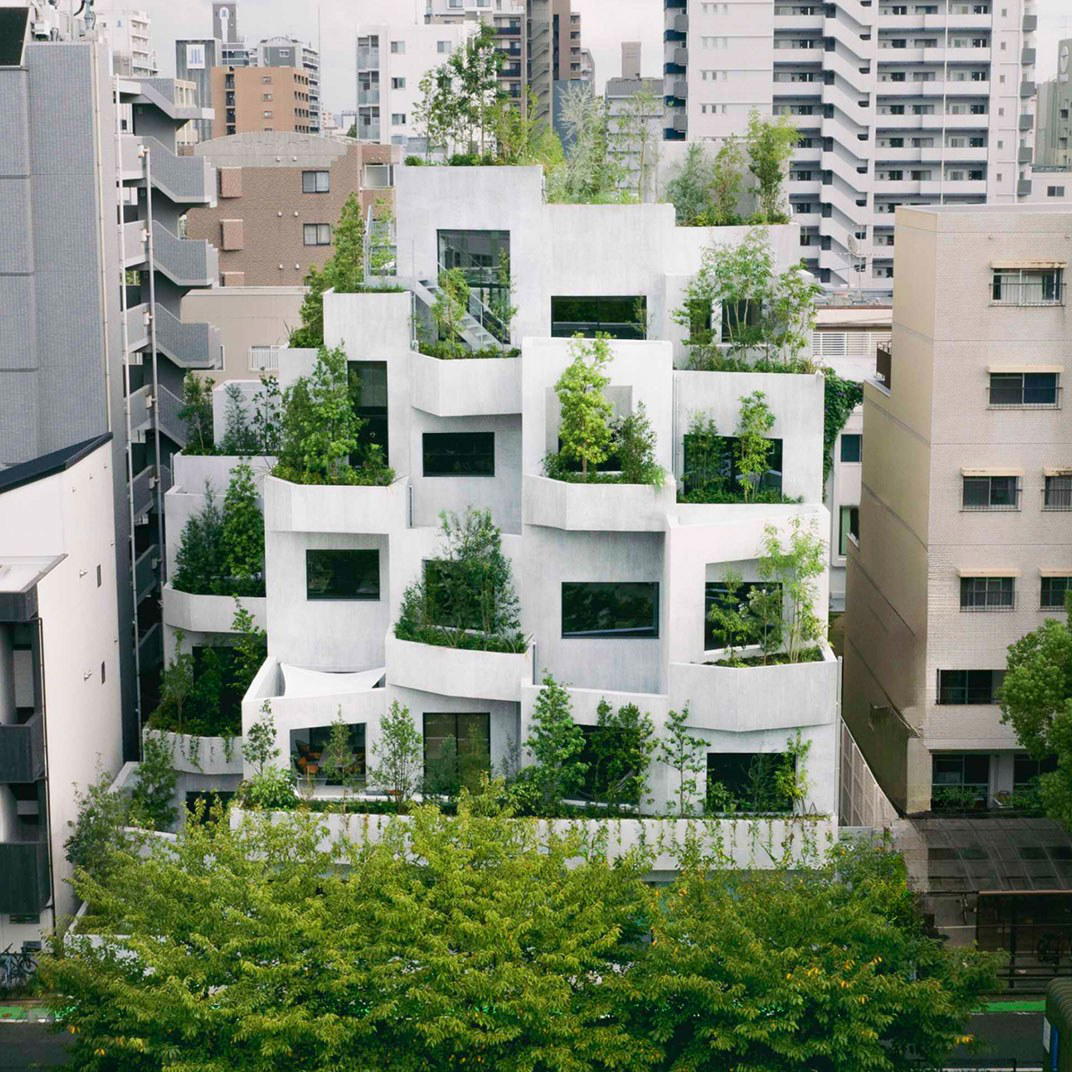
Yakuin address, in the Esperanza Tenjin-Minami building at 1-16-17 Takasago, places it within easy reach of two Fukuoka City Subway Nanakuma Line stations: Yakuin and Watanabedori, both roughly five minutes on foot. The neighbourhood itself sits between Tenjin's commercial density and the quieter residential blocks toward Daimyo, a zone that has accumulated a number of serious small restaurants over the past decade. Parking is available in a four-car paid lot directly in front of the building, with additional paid options nearby.
Scoring and Peer Context in Fukuoka's Creative Dining Tier
Tabelog's scoring system, which aggregates verified reviewer data into a weighted average, is the most widely used restaurant credibility signal in Japan outside the Michelin Guide. A score of 4.02 (rising to 4.04 in the 2025 cycle) places Restaurant SNOW in the upper band for Fukuoka's innovative cuisine category, where scores above 3.8 already signal consistent quality and above 4.0 suggest a restaurant with a settled, recognisable point of view. The Bronze designation in the Tabelog Award system applies to restaurants ranking in approximately the top 400 nationwide within their category for a given year; the award group rank of 365 in the 2026 cycle gives the number its national context.
Fukuoka's creative and French-influenced restaurant tier has grown in seriousness over the past decade without fully replicating Tokyo's density. Goh (French) represents the city's highest-profile French-technique proposition, while traditional and contemporary Japanese cooking is covered by a range of award-recognised addresses including Asago, Chiso Nakamura, and Bekk. Sushi operates in a parallel tier, with Chikamatsu (Sushi) among the recognised names at the higher end. SNOW's position in the innovative category means it is evaluated against creative-cuisine peers rather than classical French or washoku houses, a distinction that matters for how Tabelog's scoring algorithms weight its results.
Across Japan more broadly, the innovative-French format that SNOW represents appears at restaurants such as HAJIME in Osaka and Gion Sasaki in Kyoto at different price registers, while Tokyo's Harutaka illustrates how fine dining in Japan's largest city operates at a different scale of competition entirely. Regional creative-dining addresses in cities like Nara (akordu), Yokohama (1000), and Okinawa (6) share the structural logic of translating local supply into a European-influenced technical framework, which is increasingly how Japan's non-Tokyo dining scene builds credibility in the national conversation. Internationally, the approach finds loose equivalents at technically rigorous tasting-menu restaurants such as Le Bernardin in New York City and more contemporary creative formats like Atomix, though the price levels and scale are not directly comparable.
The Pricing Logic of a Small Creative Counter
At 14,850 yen for dinner, Restaurant SNOW sits in the middle band of Fukuoka's serious tasting-menu restaurants, above the city's casual fine-dining threshold but below the highest-tier counters where dinner can exceed 30,000 yen. The lunch price, at 5,500 or 8,800 yen depending on format, offers a substantially lower entry point to the same kitchen and the same Kyushu-sourced ingredient logic. Tabelog reviewer data places actual dinner spending in the JPY 15,000–19,999 range, consistent with the listed menu price plus a wine pairing or individual glass selections; the sommelier is on-site for guidance. The restaurant is particular about wine, a noted characteristic in the Tabelog listing, and the drinks program operates as an intentional complement to the tasting format rather than an afterthought.
Reservations are available online through the restaurant's dedicated booking system. The restaurant operates Tuesday and Wednesday closures each week, with service running Monday, Thursday, Friday, Saturday, and Sunday across lunch (12:00–14:00) and dinner (18:00–23:00) sittings. Allergy requirements and dietary restrictions should be communicated at the time of booking rather than on the day, as accommodations cannot be guaranteed for same-day requests. Special occasions can be noted during reservation. Credit cards are accepted across major networks including Visa, Mastercard, JCB, American Express, and Diners; QR code payment via PayPay is also accepted. Electronic money is not accepted. The space is non-smoking throughout.
Fukuoka as a Creative Dining City
Fukuoka's dining reputation abroad is built primarily on its ramen culture, but within Japan the city functions as a more diverse food city than that single-format association implies. Its port access, proximity to multiple high-quality agricultural regions, and a relatively compact geography that keeps restaurant rents lower than Tokyo or Osaka have made it a viable home for serious small operations that would struggle to sustain themselves in higher-cost markets. The innovative-cuisine category, where SNOW operates, has benefited from this structural fact: a 14-seat restaurant working at the 15,000-yen dinner price point can operate sustainably in Fukuoka in ways that might require twice the price in central Tokyo to achieve the same economics.
That local dynamic is part of what makes the Tabelog Hundred Restaurants and Bronze Award recognitions meaningful in SNOW's case. They place a small Fukuoka room in a national frame, confirming that the city's innovative dining tier is being evaluated by the same criteria applied to comparable operations in larger markets. For visitors planning a broader Fukuoka itinerary, the city's full dining, hotel, and hospitality picture is covered across EP Club's dedicated guides: our full Fukuoka restaurants guide, hotels guide, bars guide, wineries guide, and experiences guide offer neighbourhood-level detail across each category.
Frequently asked questions
What's Restaurant SNOW known for in terms of accolades?
Restaurant SNOW has received recognition including:
Where is Restaurant SNOW in Fukuoka?
Restaurant SNOW is located at Japan, 〒810-0011 Fukuoka, Chuo Ward, Takasago, 1 Chome−16−17 エスペランサ天神南 101, Fukuoka.
What do people recommend at Restaurant SNOW?
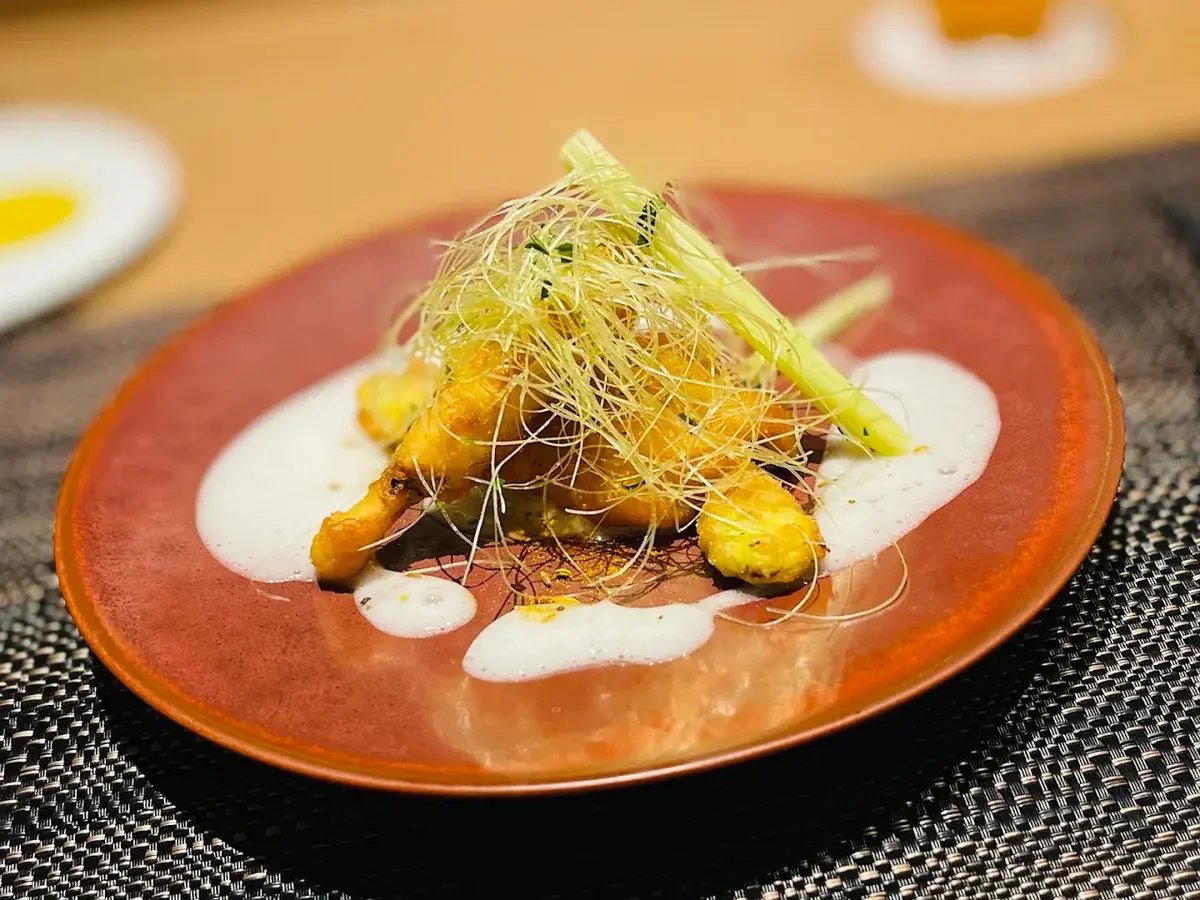
Tabelog reviewers consistently single out the kitchen's handling of Kyushu-sourced ingredients through French technique informed by Nordic philosophy, the conceptual thread that earned the restaurant a Tabelog score of 4.02 and consecutive Bronze Awards in 2025 and 2026. The dinner course at 14,850 yen is the format most reviewers reference, with the wine programme also drawing note given that a sommelier is on service. Lunch, priced at 5,500 or 8,800 yen, is flagged as an accessible entry point into the same kitchen's output across the 14-seat room.
What are the operating hours at Restaurant SNOW?
Hours at Restaurant SNOW: Mon, Thu, Fri, Sat, Sun 12:00 - 14:00 18:00 - 23:00.
Cost Snapshot
Comparable venues nearby, for context on price, style, and recognition.
| Venue | Cuisine | Price | Awards | Notes |
|---|---|---|---|---|
| Restaurant SNOWThis venue (the venue you are viewing) | French-New Nordic Innovative | $100–150 | Tabelog Bronze #365 | Not listed |
| Raisin d'Or | Seasonal French Course Dining & Wine Bar | $100–150 | Tabelog 100 #67 | Chūō, Seasonal French Course Dining & Wine Bar |
| GEORGES MARCEAU | Modern French | $50–100 | Tabelog 100 #12 | Chūō, Modern French |
| MAISON LAFITE | Modern French with Local Terroir | $300–500 | Tabelog Bronze #250 | Nakagawa City, Modern French with Local Terroir |
| torila | Yakitori | Not listed | Tabelog Bronze #471 | Chūō, Modern Yakitori Omakase |
| Wolfgang's Steakhouse Fukuoka | New York-Style Dry-Aged Steakhouse | $100–150 | Star Wine List · Wine Spectator Best of Award of Excellence | Hakata, New York-Style Dry-Aged Steakhouse |
Recognition history
Dated appearances from independent guides and award organizations, with the underlying list record or original source where available.
Tabelog Bronze #365
Tabelog
Full recognition history (3 entries)
Tabelog 100 #24 · No. 24
Tabelog · Tabelog 100 - Innovative / Creative cuisine - 2025
Tabelog Bronze
Tabelog