

Wolfgang's Steakhouse Fukuoka brings the New York dry-aged beef tradition to Hakata Ward, operating within a city better known for ramen and fresh seafood than American steakhouse formats. Recognised on Star Wine List with a White Star distinction for its wine program, it occupies a specific niche in Fukuoka's dining scene for those seeking prime beef paired with serious bottles.
Pearl is the En Primeur Club membership app — saves, bookings, and concierge access live there. Same editors, same standards.
- Address
- 1 Chome-2-82 Sumiyoshi, Hakata Ward, Fukuoka, 812-0018, Japan
- Phone
- +81 92-292-1651
- Directions
- Get directions
 Saves & bookings on Pearl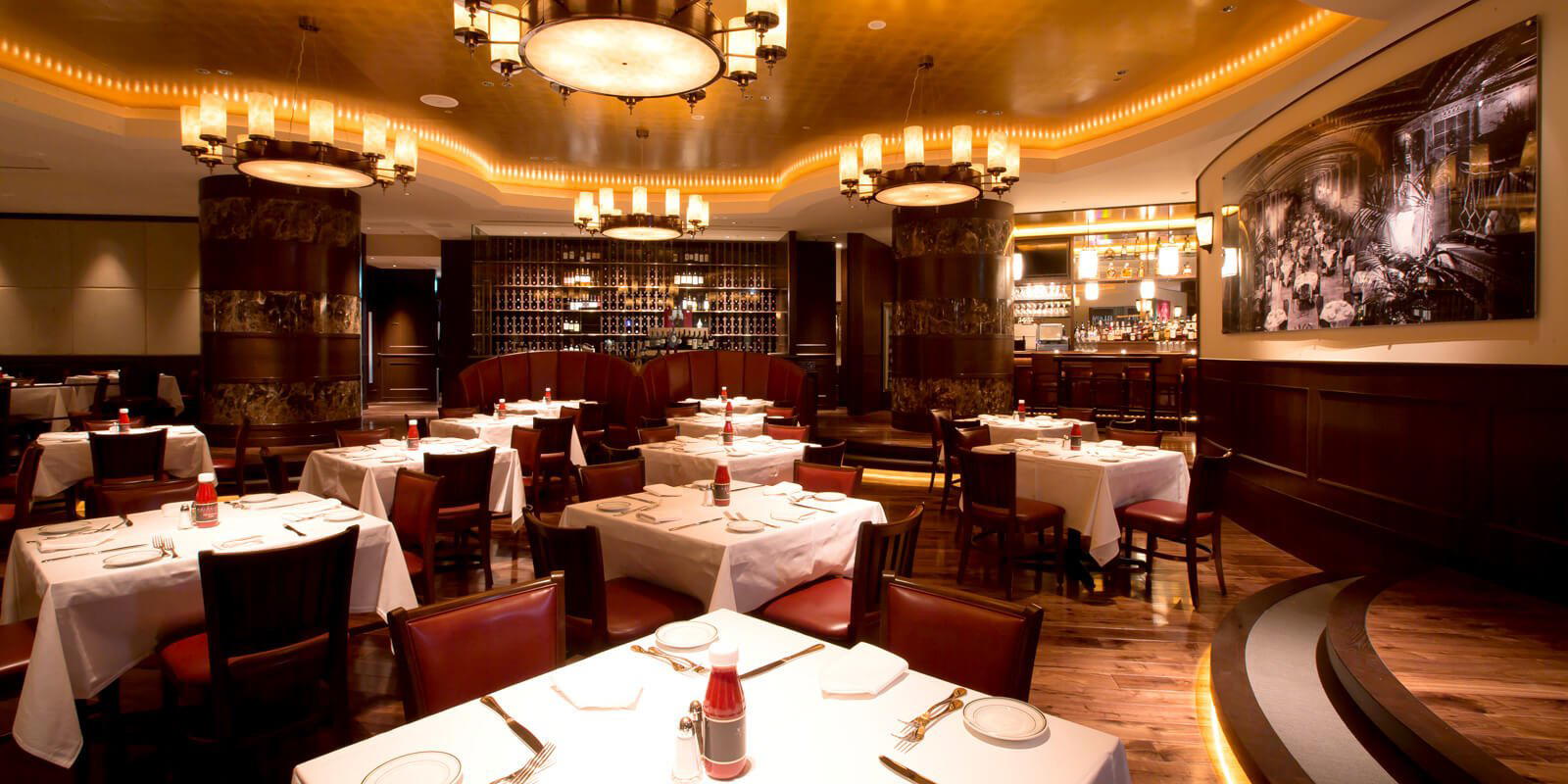
American Beef in a Japanese City That Does Things Differently
Fukuoka has never built its reputation on red meat. The city's culinary identity runs toward the delicate: Hakata ramen with its long-simmered tonkotsu broth, fresh seafood pulled from Hakata Bay, and the kind of precision Japanese cooking you encounter at counters like Chikamatsu (Sushi) or the kaiseki tradition represented by Chiso Nakamura. Against that backdrop, a New York-style dry-aged steakhouse is a deliberate statement about sourcing, format, and the kind of diner it is trying to attract. Wolfgang's Steakhouse Fukuoka, located on a commercial strip in Hakata Ward's Sumiyoshi district, makes that statement clearly. It is a New York-Style Dry-Aged Steakhouse in Fukuoka's Hakata Ward, with a price tier of $120 per person.
The Wolfgang's brand traces its lineage to the New York steakhouse tradition, a format built around one sourcing conviction: USDA prime beef, dry-aged in-house for a minimum of 28 days to develop the concentrated, mineral-edged flavour that separates this tier from commodity steakhouse cuts. That sourcing logic is the engine of the entire format. The dry-aging process draws moisture from the meat and allows enzymatic activity to tenderise muscle fibre, producing a depth of flavour that wet-aged or fresh-cut beef simply does not replicate. When that methodology lands in Japan, it sits alongside a culture that already treats ingredient provenance with unusual seriousness, making the comparison between American prime and Japanese wagyu a live question on any given table.
Where This Sits in Fukuoka's Dining Range
Fukuoka's premium dining scene is smaller than Tokyo or Osaka but more concentrated than its size suggests. French-influenced cooking at places like Goh (French) sits at one end of the spectrum; izakaya and ramen fill the middle and lower tiers with genuine quality. The steakhouse format, particularly the American dry-aged model, occupies a different register entirely. It is a format where the sourcing story is told in the cut rather than in technique, where the kitchen's job is restraint and execution rather than transformation.
Wolfgang's Steakhouse Fukuoka was listed on Star Wine List in December 2021 and carries a White Star designation, signalling a wine program of substance. That recognition matters in context: Fukuoka has bars and restaurants with serious wine lists, as the full Fukuoka bars guide and wineries guide both reflect, but a White Star on Star Wine List places the wine offering in a verified tier. For a steakhouse format, wine list depth is a functional requirement: the beef demands it, and guests choosing between a 45-day aged porterhouse and a Napa Cabernet or a structured Burgundy are making a pairing decision with real stakes.
The Sourcing Argument in a Japanese Setting
The editorial question this kind of venue raises in Japan is not whether dry-aged American beef is good. It demonstrably is. The question is what it means to import that sourcing tradition into a country with its own deeply considered beef culture. Japanese wagyu, particularly Kuroge Washu cattle raised under specific feed and husbandry regimes in prefectures including Kagoshima, Miyazaki, and Saga (all within the Kyushu region where Fukuoka sits), represents a different sourcing philosophy. The marbling grades that define wagyu's premium tiers are the product of genetics, feed, and extended rearing periods that push production costs far above commodity beef benchmarks.
The American dry-aged approach and the Japanese wagyu approach are not competitors in any simple sense. They produce genuinely different eating experiences. USDA prime dry-aged beef delivers concentrated beefy flavour, a firmer bite, and a crust that rewards high-heat cooking. Wagyu, particularly at A4 or A5 grade, melts differently, carries fat at a lower temperature, and tends to be served in smaller portions precisely because the richness accumulates quickly. A steakhouse operating in Fukuoka that has built its format around American dry-aged cuts is making a deliberate sourcing argument: that this method, this origin, and this preparation produce a result worth choosing in a city where high-grade wagyu is also available from nearby Kyushu producers.
For guests who want to track that local wagyu context, Fukuoka's broader dining scene provides it. The full Fukuoka restaurants guide covers the range of options across formats and price tiers. For those planning a broader Japan trip around serious eating, the comparison points are significant: Harutaka in Tokyo represents the sushi end of Japanese provenance-driven dining, while HAJIME in Osaka and Gion Sasaki in Kyoto show how the kaiseki tradition handles seasonal Japanese ingredient sourcing at its most considered. The steakhouse format sits at a different point on that map, one where American beef culture has been transplanted with its own internal logic intact.
Wolfgang's in the Context of American Restaurants Abroad
The expansion of American steakhouse brands into Asia is a well-documented pattern. New York institutions have found receptive markets in Tokyo, Hong Kong, and Singapore, where demand for recognisable American formats among business travellers, expatriates, and local diners with international exposure has supported premium price points. Fukuoka is a smaller market than those gateway cities, which makes the presence of a Wolfgang's outpost here a reading of local demand rather than a default expansion play. For American visitors specifically, names like Le Bernardin in New York City or Emeril's in New Orleans represent the domestic benchmark for high-end American restaurant formats, and Wolfgang's operates in a related tradition of precision American dining exported successfully.
Planning a Visit
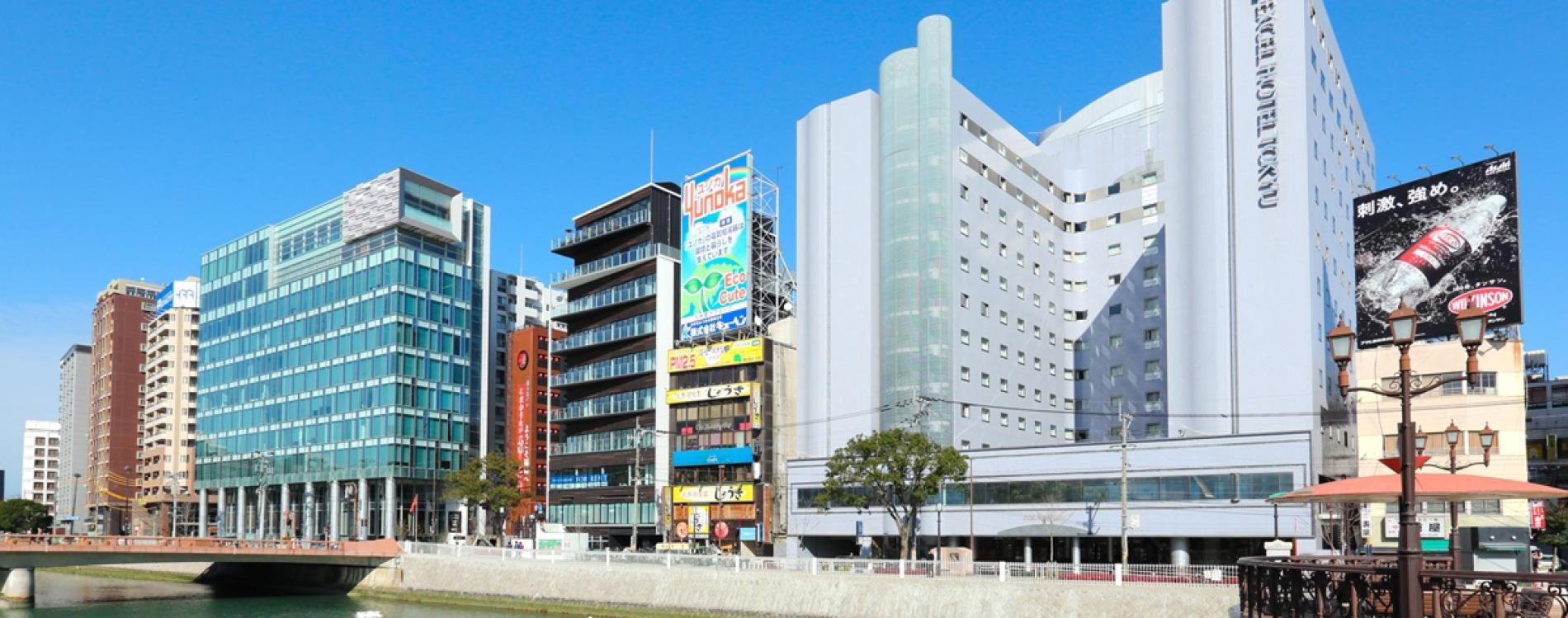
Wolfgang's Steakhouse Fukuoka is located at 1 Chome-2-82 Sumiyoshi in Hakata Ward, a short distance from Hakata Station and well within the core of Fukuoka's commercial and business district.
Japan's broader regional dining scene, from akordu in Nara to Bleston Court Yukawatan in Nagano and giueme in Akita, shows how far sourcing-led cooking extends beyond the major cities. The restaurant fits that national pattern from a different angle: not through local ingredient innovation, but through the conviction that a single sourcing method, applied with consistency and backed by a serious wine list, creates a format worth maintaining far from its New York origin.
Comparable Spots, Quickly
Comparable venues nearby, for context on price, style, and recognition.
| Venue | Cuisine | Price | Notes |
|---|---|---|---|
| Wolfgang's Steakhouse FukuokaThis venue — the venue you are viewing | New York-Style Dry-Aged Steakhouse | $$$$ | Not listed |
| Beef Taigen (Beef泰元) | Premium Kagoshima Wagyu Steakhouse | $$$ | Hakata |
| Yorozu | Modern Japanese Tea House & Bar | $$$$ | Chūō |
| Sushi Dokoro Ishibashi | Seasonal Kyushu Omakase Sushi | $$$$ | Chūō |
| Tempura Tanaka | Tempura Omakase Counter | $$$$ | Chūō |
| CUCCAGNA | Modern Seasonal Italian | $$$$ | Chūō |
Recognition history
Dated appearances from independent guides and award organizations, with the underlying list record or original source where available.
Star Wine List
Star Wine List
Wine Spectator Best of Award of Excellence
Wine Spectator
At a Glance
- Elegant
- Sophisticated
- Classic
- Business Dinner
- Special Occasion
- Celebration
- Group Dining
- Hotel Restaurant
- Private Dining
- Wine Cellar
- Extensive Wine List
Current opening hours
- Monday
- 11:30 AM–11:30 PM
- Tuesday
- 11:30 AM–11:30 PM
- Wednesday
- 11:30 AM–11:30 PM
- Thursday
- 11:30 AM–11:30 PM
- Friday
- 11:30 AM–11:30 PM
- Saturday
- 11:30 AM–11:30 PM
- Sunday
- 11:30 AM–11:30 PM
Hours can change for holidays and private events. Last verified .
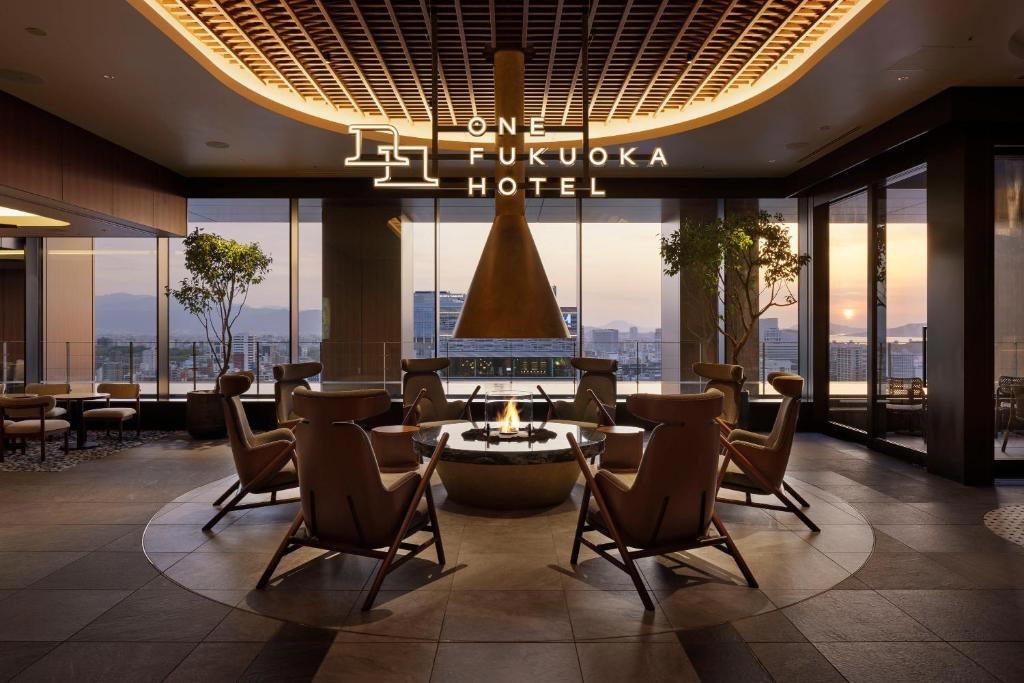
High-class, luxurious atmosphere with nice ambience in a classic steakhouse style inside the Grand Hyatt.