Restaurant Schrott
Restaurant Schrott sits in Hirnsdorf, a hamlet within Feistritztal in Styria's eastern hill country, placing it inside Austria's broader tradition of serious rural dining that extends well beyond Vienna's fine-dining corridor.
Pearl is the En Primeur Club membership app — saves, bookings, and concierge access live there. Same editors, same standards.
- Address
- Hirnsdorf 2, 8221 Feistritztal, Austria
- Phone
- +434331132286
- Website
- restaurant-schrott.at
- Directions
- Get directions
 Saves & bookings on Pearl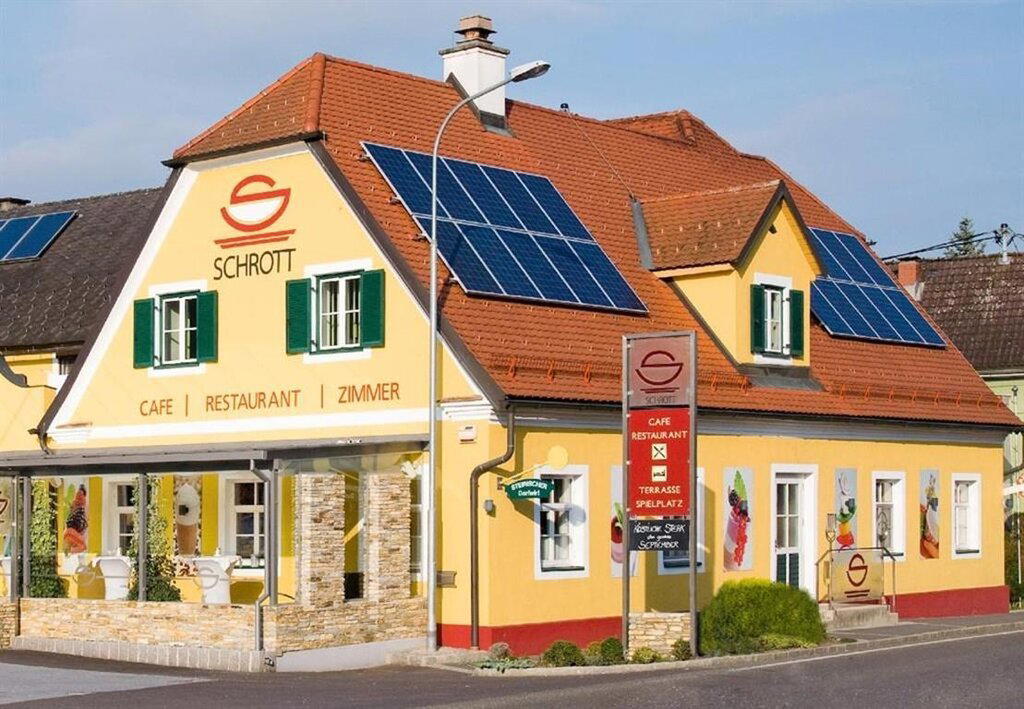
Where Styrian Rural Dining Finds Its Footing
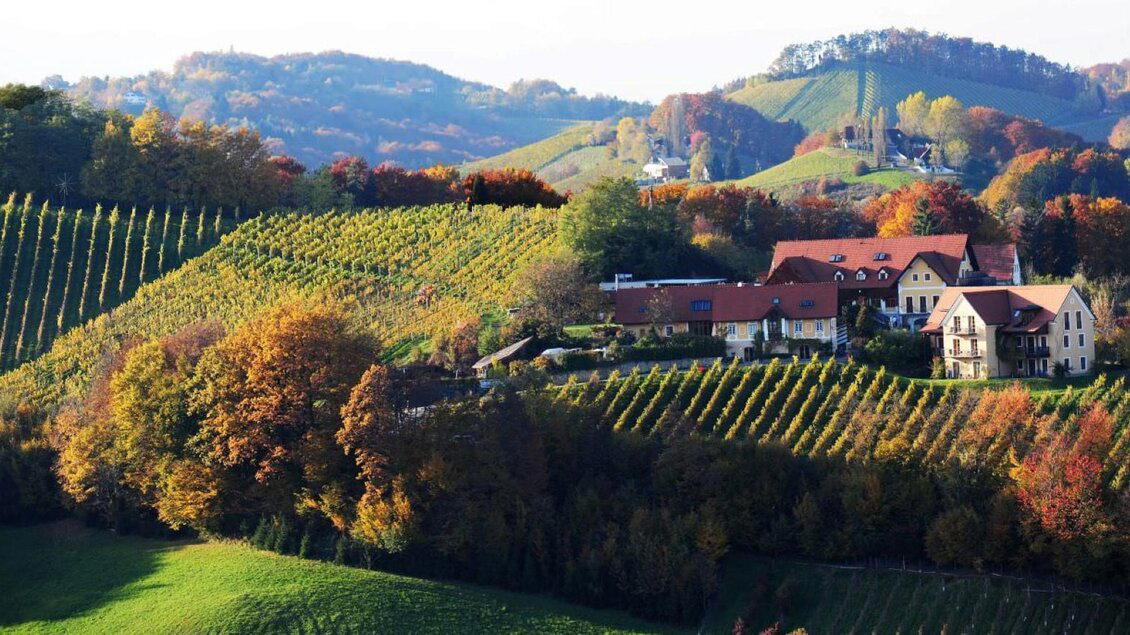
The eastern Styrian hill country around Feistritztal operates on a different register than Austria's more celebrated dining corridors. There are no ski-resort tasting menus here, no grand spa hotels anchoring the restaurant trade. What the region offers instead is something older and less mediated: farmhouse kitchens and village dining rooms where the supply chain between field and plate is short by necessity rather than marketing. Restaurant Schrott is an Austrian gastropub in Feistritztal, Austria, at Hirnsdorf 2. The address signals the rural setting.
This is not the Austria of Steirereck im Stadtpark in Vienna, where tasting menus are designed for an international audience and the dining room overlooks a manicured city park. Nor is it the alpine destination dining of Griggeler Stuba in Lech or Stüva in Ischgl, where the clientele arrives by gondola and the wine list prices against Geneva. The eastern Styrian model is quieter, more anchored to a local constituency, and more revealing of what Austrian cooking looks like when it isn't performing for export.
The Styrian Tradition Behind the Address
Styria's culinary identity is among the more coherent of Austria's federal states. Pumpkin-seed oil pressed from the region's indigenous Styrian oil pumpkin, local Schilcher rosé made from the Blauer Wildbacher grape, cured meats from small producers, and a vegetable culture shaped by fertile hill-country soils, these are not recent trends but longstanding structural features of the regional larder. The leading Styrian restaurants, whether they carry formal recognition or not, tend to build around this larder rather than importing a style and grafting it onto local produce.
That regional specificity distinguishes Restaurant Schrott from the broader category of Austrian country restaurants. The Feistritztal valley sits in Styria's eastern reaches, close enough to the Slovenian border that cross-border culinary influence has historically been real rather than theoretical. Slow-cooked cuts, cured-pork preparations, and fermented or pickled accompaniments that appear in this part of Styria often reflect centuries of interchange between what are now distinct national cuisines. Comparable rural seriousness elsewhere in Austria appears at places like Obauer in Werfen or Landhaus Bacher in Mautern an der Donau, both of which demonstrate how rural Austrian dining can carry significant critical weight without urbanising its identity.
Reading the Venue in Its Local Context
Feistritztal is a small municipality in the Weiz district, a part of Styria that draws considerably less international tourism than the wine routes around Graz or the Schilcher country further west. For a restaurant operating here, the local and regional dining public is both the primary audience and the primary validator. That structure tends to produce a different kind of restaurant than a destination venue, one where the kitchen answers to regular guests who know what good Styrian cooking tastes like from domestic experience, not from reading about it in a travel supplement.
That accountability to a local constituency is worth taking seriously as a trust signal. In rural Austria, a restaurant that has operated at a fixed address over many years without formal national recognition has typically done so because the cooking justifies repeat visits from a informed local public. The comparison point here is not Ikarus in Salzburg, a venue built around a rotating guest-chef format for an international audience, but the quietly consistent regional table that a community treats as its own.
For context on what the Styrian urban end of this spectrum looks like, Artis in Graz and the broader Graz dining scene demonstrate how the same regional ingredients get reframed when the audience expands. The contrast between Graz-facing Styrian cooking and the village-level version in places like Feistritztal is instructive: both draw on the same larder, but the register, portion scale, and formality shift considerably.
Austria's most discussed rural-to-serious dining trajectory is probably leading illustrated by Döllerer in Golling an der Salzach, which turned a traditional Gasthof in a small Salzburg-state town into a destination restaurant with serious wine credentials and alpine-focused modern Austrian cooking. That arc, from local institution to recognised destination, is one that several Austrian rural venues have traced, and it requires no urban relocation to accomplish.
Getting There and Planning Your Visit
Feistritztal is most practically reached by car. The Weiz district sits roughly 30 kilometres northeast of Graz, making a combined visit to the regional capital and the eastern hill country a logical one-day or overnight itinerary. Public transport connections to the smaller hamlets within Feistritztal are limited, and visitors planning around specific dining should treat private transport as standard. Given the rural context and the likelihood that the restaurant serves a local clientele across set meal periods, contacting the venue directly in advance is advisable.
Within the immediate area, Restaurant Die Hexn-Stubn offers a point of local comparison and sits within the same municipal context.
For those approaching from further afield with a broader Austrian rural dining itinerary in mind, the range of serious regional tables across the country is considerable. Taubenkobel in Schützen am Gebirge in Burgenland, Kräuterreich by Vitus Winkler in Sankt Veit im Pongau, Gourmetrestaurant Tannenhof in Sankt Anton am Arlberg, Schwarzer Adler in Hall in Tirol, Restaurant 141 by Joachim Jaud in Mieming, and Ois in Neufelden each represent a different regional expression of the same Austrian instinct: that serious cooking does not require a city address.
Price and Recognition
Comparable venues nearby, for context on price, style, and recognition.
| Venue | Cuisine | Price | Notes |
|---|---|---|---|
| Restaurant SchrottThis venue — the venue you are viewing | Hirnsdorf, Austrian Gastropub | $$ | Not listed |
| Restaurant Die Hexn-Stubn | Not listed | $$ | Feistritztal, Traditional Styrian Austrian |
| Steirerkeller | Grossklein, Traditional Austrian | $$ | Not listed |
| Das Columbus | Not listed | $$ | Favoriten, Traditional Austrian Gastropub |
| Zum Hirschen | Not listed | $$ | Burgau, Traditional Austrian & Mediterranean |
| Landgasthof Krone | Not listed | $$ | Gaaden, Traditional Austrian with Modern Elements |
Continue exploring
More in Feistritztal
Restaurants in Feistritztal
Browse all →
Bars in Feistritztal
Browse all →
Hotels in Feistritztal
Browse all →


At a Glance
- Cozy
- Rustic
- Family
- Celebration
- Business Dinner
- Local Sourcing
stimmungsvoll und gemütlich mit herzlicher Atmosphäre.