
Familienweingut Sattlerhof sits in the Gamlitz heartland of Styria's Südsteiermark, a region where steep slate and limestone slopes produce some of Austria's most characterful white wines. For visitors exploring southern Styrian viticulture, Sattlerhof represents a considered stop on any serious circuit of the area.
Pearl is the En Primeur Club membership app — saves, bookings, and concierge access live there. Same editors, same standards.
- Address
- Sernau 2a, 8462 Gamlitz
- Phone
- +43 3453 4454
- Website
- sattlerhof.at
- Directions
- Get directions
 Saves & bookings on Pearl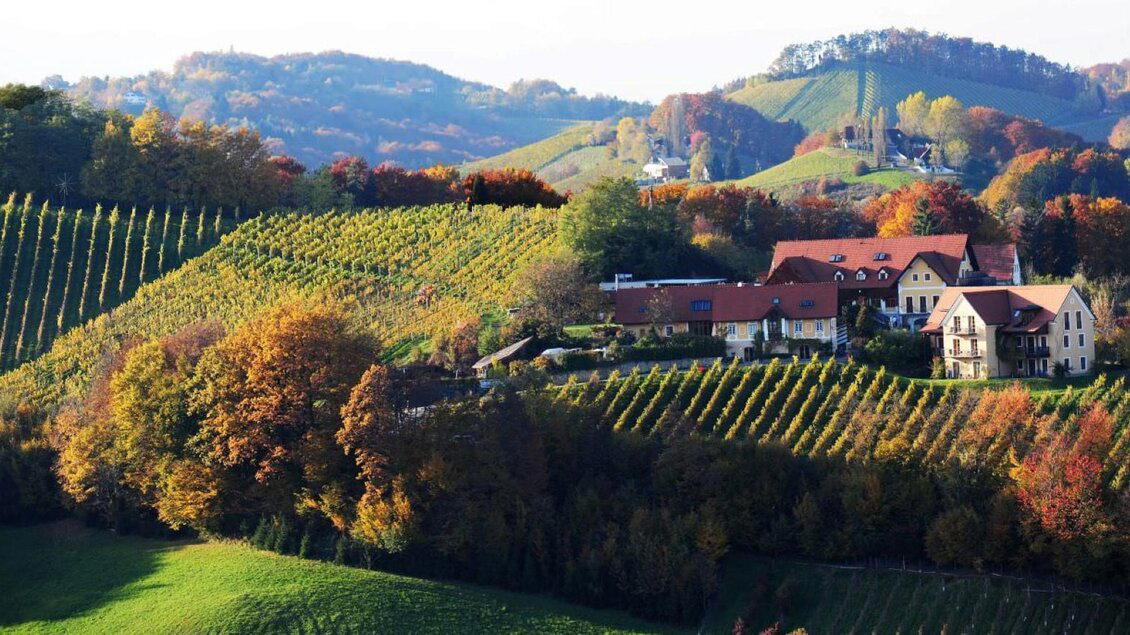
Steep Slopes and Slate: What the Südsteiermark Puts in the Glass
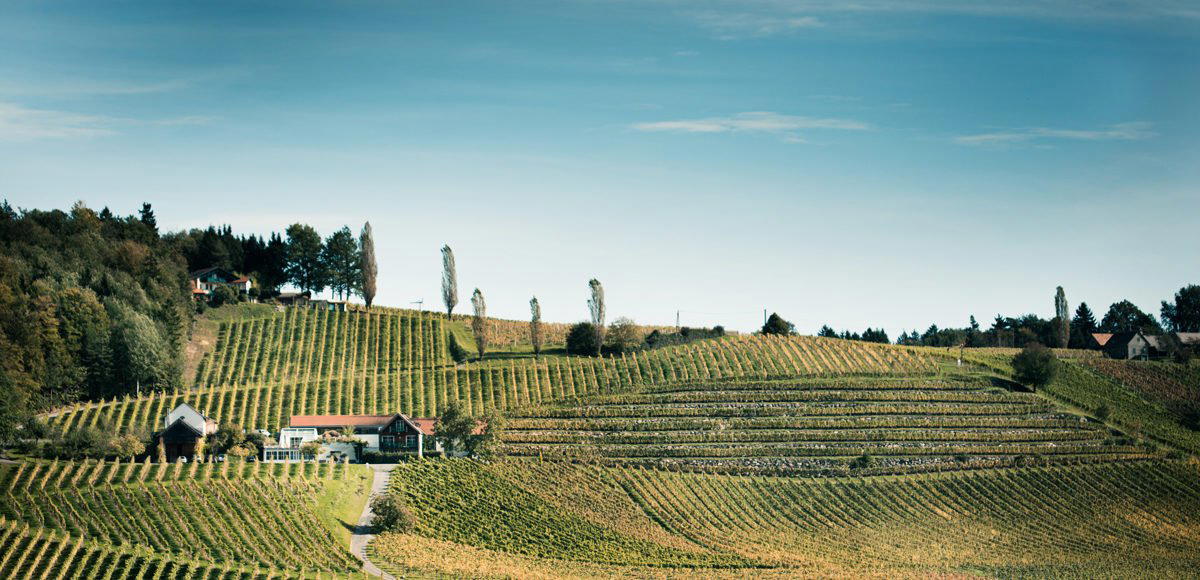
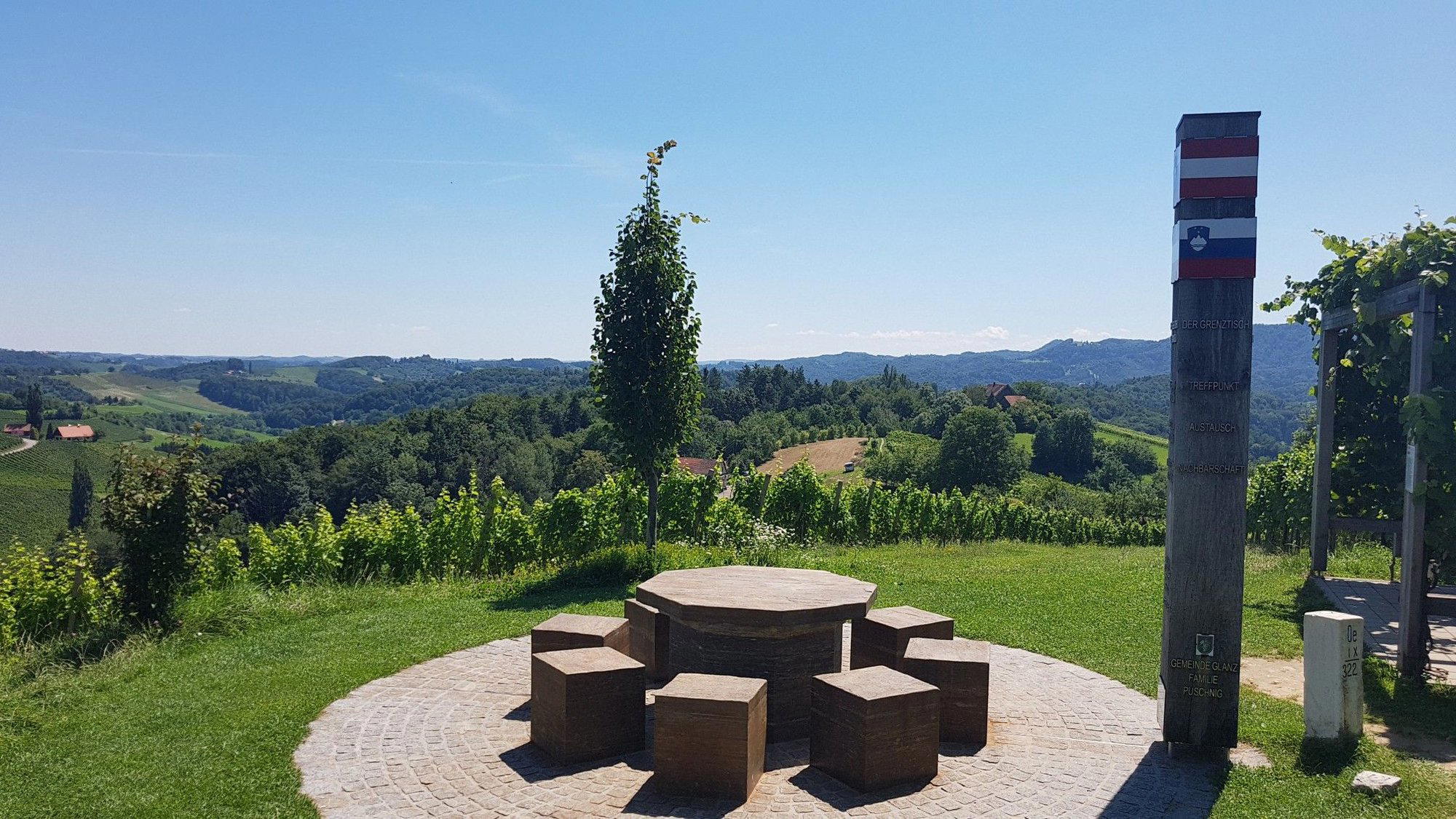
There are wine regions that explain themselves quickly, and then there is the Südsteiermark. Drive south from Graz toward the Slovenian border and the land starts to fold and tilt in ways that feel almost theatrical, ridge after ridge of vineyard-covered hillside, the slopes running at gradients that preclude any mechanisation worth mentioning, the soils switching between weathered slate, limestone, and the local Opok marl in the space of a few hundred metres. This is the terrain that has made Gamlitz and its neighbouring communes a reference point for Austrian white wine, and it is the terrain that shapes everything Familienweingut Sattlerhof puts in a bottle.
Sattlerhof is a winery in Gamlitz, at Sernau 2a, 8462 Gamlitz, with a price point of about $85 per person. Sernau faces broadly south, with the aspect and altitude combination that defines the region's capacity for simultaneous ripeness and acidity. In a cool, wet vintage, those slopes bleed water quickly and concentrate what remains. In a warmer year, the elevation keeps the grapes honest. The result, across vintages, is a house style that reflects the site more than the calendar, which is, in the language of serious viticulture, exactly the point.
Sattlerhof in the Context of Gamlitz's Producer Landscape
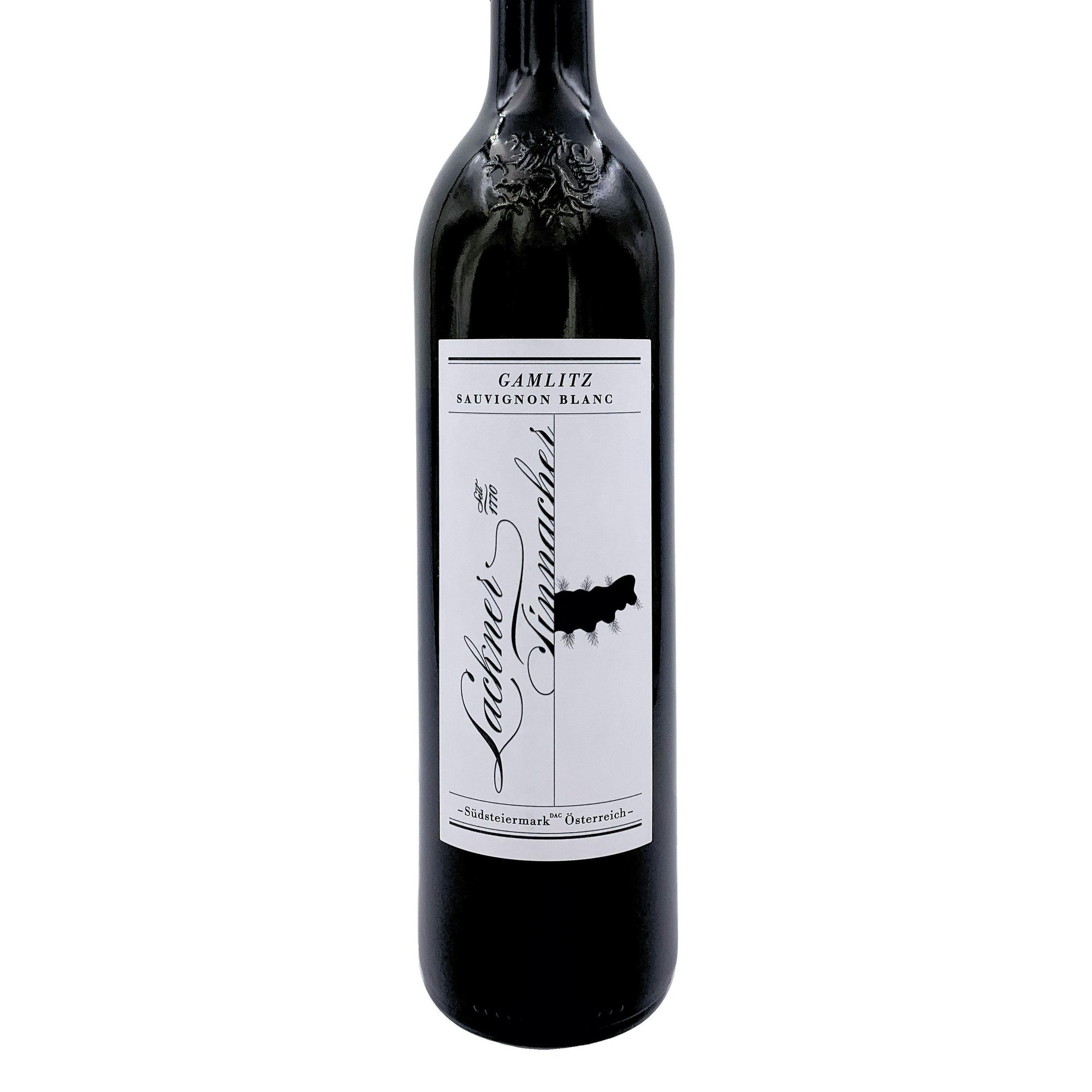
Gamlitz sits at the centre of a concentrated cluster of quality-oriented estates. Weingut Lackner-Tinnacher and Weingut Walter Skoff operate from the same commune, and the collective reputation of the area means that visitors often build multi-estate itineraries around Gamlitz as a base.
The broader Austrian fine wine conversation tends to pivot on the Wachau and its Grüner Veltliner and Riesling tradition. Producers like Weingut Emmerich Knoll in Dürnstein and Weingut Bründlmayer in Langenlois anchor that northern narrative. The Südsteiermark runs a parallel story, different grapes (Sauvignon Blanc and Welschriesling carry more weight here than further north), different soils, and a different idiom of freshness. Sattlerhof operates inside that southern idiom, and understanding the distinction matters for anyone building a view of Austrian wine as a whole.
For a wider perspective on premium Austrian production that extends beyond the Steiermark, estates such as Weingut Kracher in Illmitz and Weingut Pittnauer in Gols represent the Burgenland's contrasting approach to richness and texture. Weingut Heinrich Hartl in Oberwaltersdorf adds another register from the Thermenregion. The point is that Austria's quality wine map is more varied than its international profile suggests, and the Südsteiermark, with Sattlerhof as one of its more formally recognised producers, occupies a distinct and serious corner of that map.
Opok, Slate, and What Terroir Actually Means Here
The term terroir gets applied so broadly that it risks becoming meaningless. In the Südsteiermark it retains specific, demonstrable content. The Opok, a locally specific marl composed of calcium carbonate, clay, and silt, holds moisture through dry spells while providing sufficient drainage during rain. The slate and limestone components on steeper parcels add a mineral dimension that shows up as tension and length in the wines rather than as an identifiable flavour note. These are not metaphors; they are soil science with measurable consequences for wine chemistry.
Sauvignon Blanc, which has become something close to a regional signature grape in the Südsteiermark, responds to this substrate in ways that distinguish the area from its better-known Sauvignon Blanc counterparts in the Loire or New Zealand. The wines tend toward precision over aromatic exuberance, the tropical register stays in check, the herbaceous quality reads as green herb rather than capsicum, and the acidity reads as saline rather than simply sharp. Welschriesling, less glamorous internationally but deeply embedded in the regional tradition, produces wines here that carry a nervy, almost austere freshness that makes them among the better food wines in Austria's white wine repertoire.
Estates in nearby Kitzeck, like Weingut Wohlmuth, work similar slopes and soils at slightly different elevations, and comparing the two communes offers a useful study in how altitude and aspect modulate the same basic terroir type. Sattlerhof's Sernau positioning gives it one specific configuration within that broader Südsteiermark spectrum.
Visiting Sattlerhof: Practical Notes
Gamlitz is accessible from Graz by car in under an hour, the A9 motorway runs south and the final approach takes visitors through the folded vineyard landscape that contextualises the wines before a drop has been tasted. The estate address at Sernau 2a places it on the ridge roads that wind through the-situated vineyard parcels, so the drive itself functions as an introduction to the geography that shapes the range.
Planning ahead through the estate's own channels is the practical approach. Given the Südsteiermark's growing international profile, the better-rated estates in the area do attract visitors throughout the main growing and harvest seasons, and arriving without prior communication is not advisable if a detailed tasting is the goal.
Weingut Scheiblhofer Distillery in Andau and smaller-batch operations like 1310 Spirit of the Country Distillery in Sierning and 1404 Manufacturing Distillery in Sankt Peter-Freienstein map the country's artisan production beyond wine. For those whose itineraries eventually extend further afield, 1516 Brewing Company in Vienna and producers as far removed as Aberlour in Scotland or Accendo Cellars in St. Helena provide useful comparative reference points for understanding how terroir-driven production operates across different geographies.
Comparable Venues
Comparable venues nearby, for context on price, style, and recognition.
| Venue | Cuisine | Price | Notes |
|---|---|---|---|
| Familienweingut SattlerhofThis venue — the venue you are viewing | Sauvignon Blanc, Morillon | $$$ | Not listed |
| Weingut Walter Skoff | Sauvignon Blanc, Zweigelt | Not listed | Gamlitz |
| Weingut Lackner-Tinnacher | Sauvignon Blanc, Morillon | $$ | Gamlitz |
| Destillerie Weisz | Winery | Not listed | Neckenmarkt |
| Mountain Spirits Distillery | Winery | Not listed | Axams |
| Kräuterdestillerie Steiner | Winery | Not listed | Achenkirch |
Recognition history
Dated appearances from independent guides and award organizations, with the underlying list record or original source where available.
Falstaff Winery - 5 Stars
Falstaff
Continue exploring
More in Gamlitz
Wineries in Gamlitz
Browse all →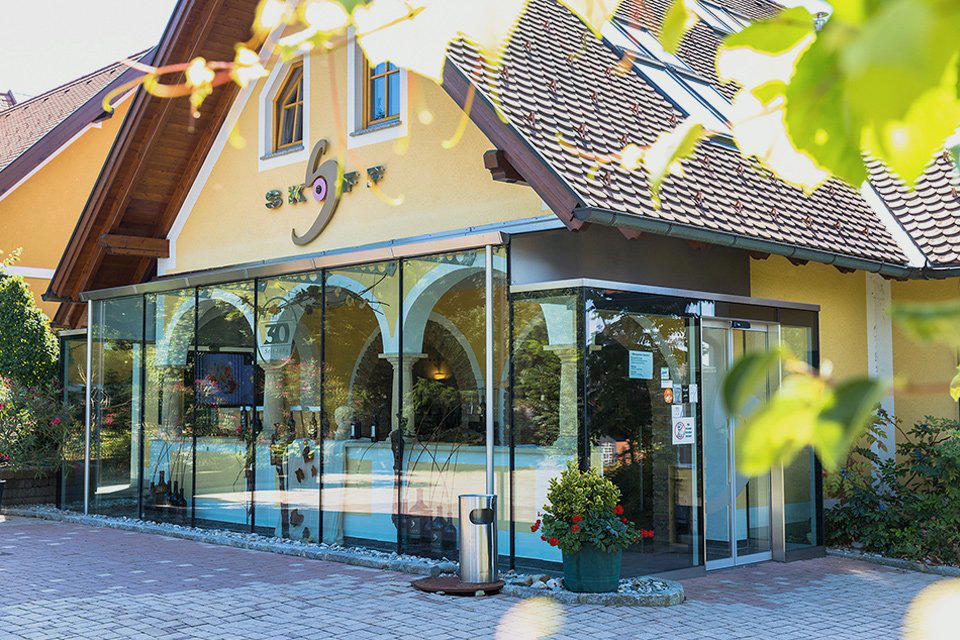

Bars in Gamlitz
Browse all →
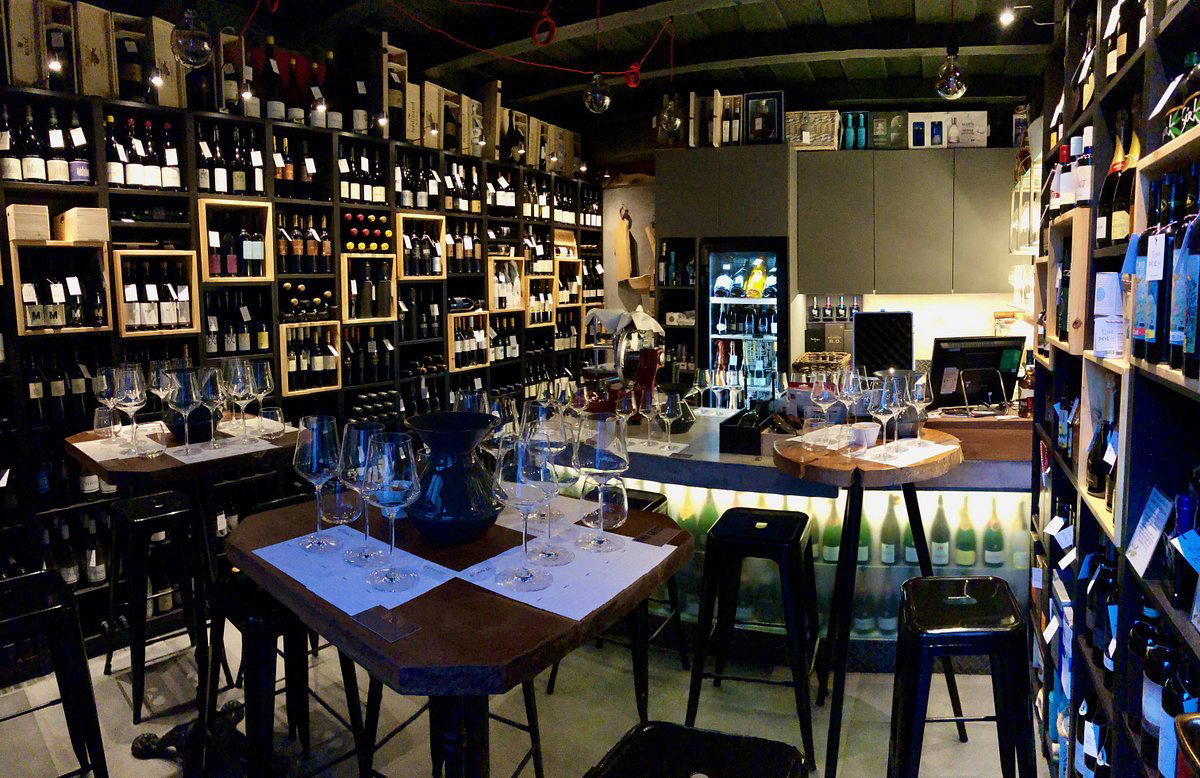
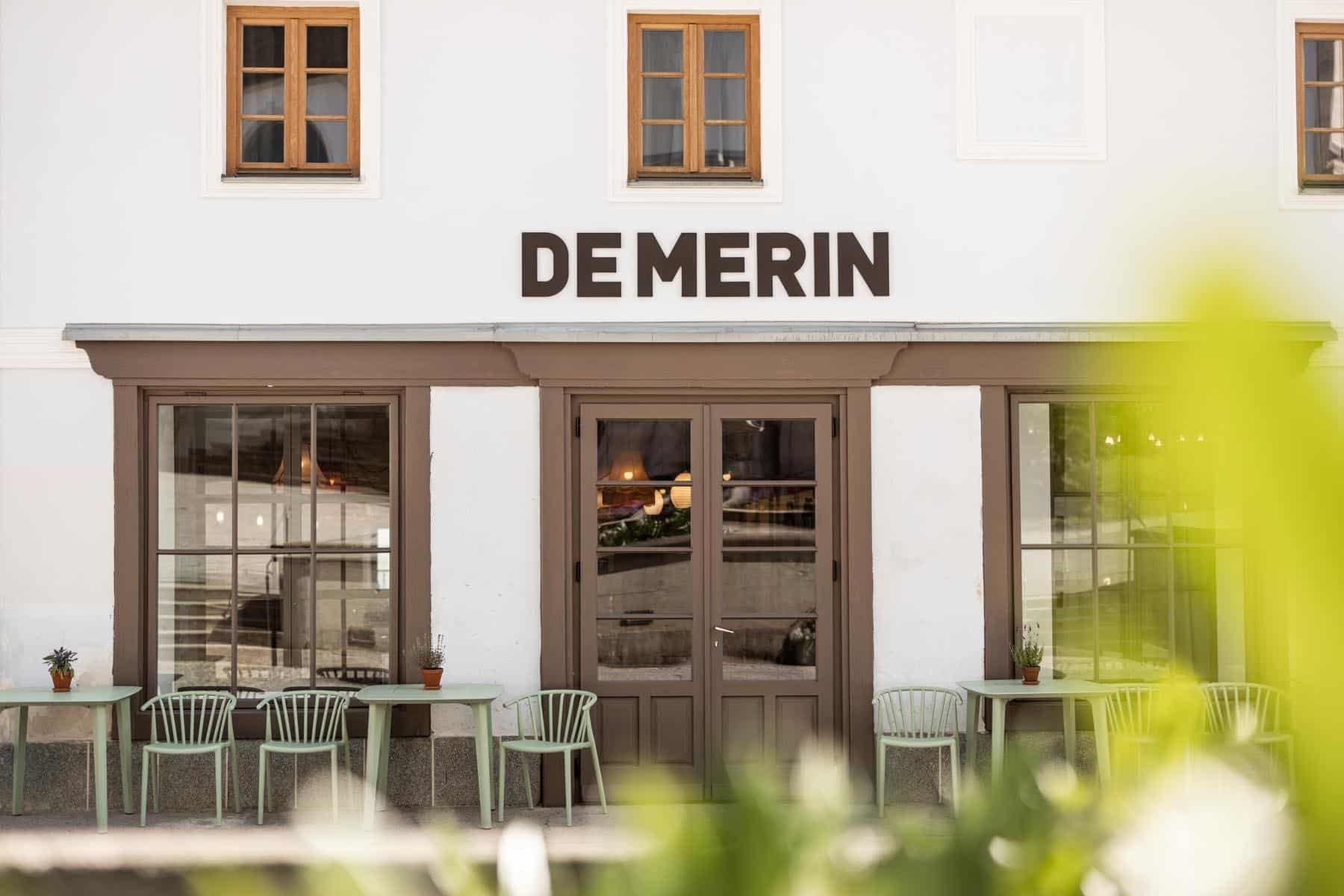
Restaurants in Gamlitz
Browse all →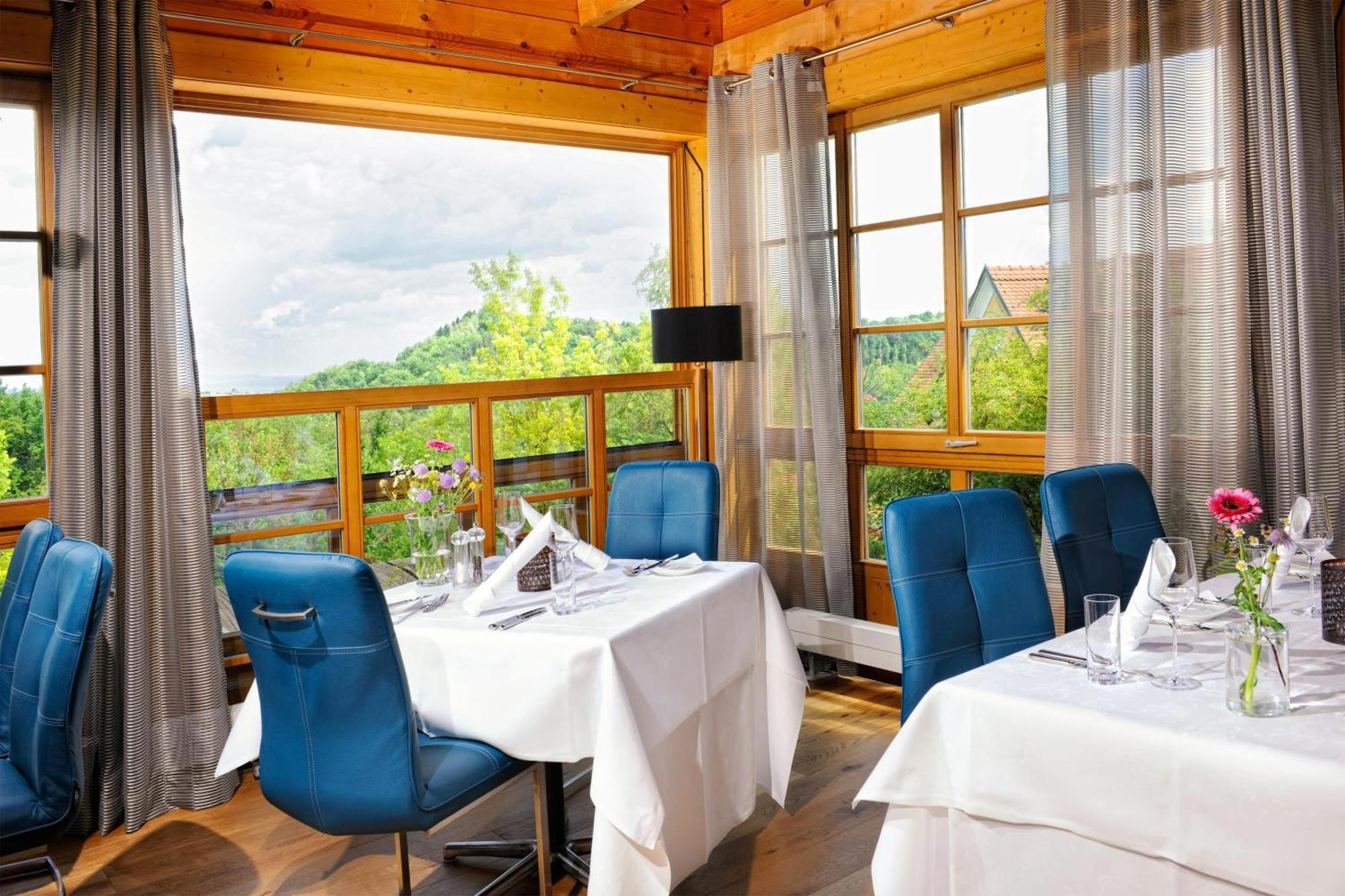
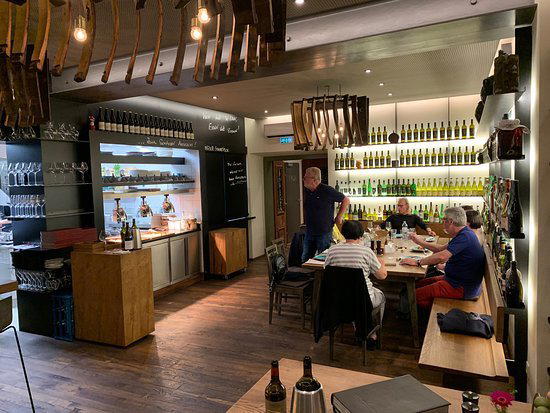
At a Glance
- Romantic
- Scenic
- Elegant
- Rustic
- Romantic Getaway
- Wine Education
- Special Occasion
- Family
- Celebration
- Vineyard Tour
- Estate Grounds
- Terrace
- Panoramic View
- Historic Building
- Private Tasting
- Organic
- Biodynamic
- Vineyard
- Mountain
- Südsteiermark DAC
- Sauvignon Blanc
- Morillon
- Weissburgunder
- Pinot Noir
- Muskateller
- Still White
- Still Red
- Estate Tasting
- Vineyard Tour
- Restaurant Pairing
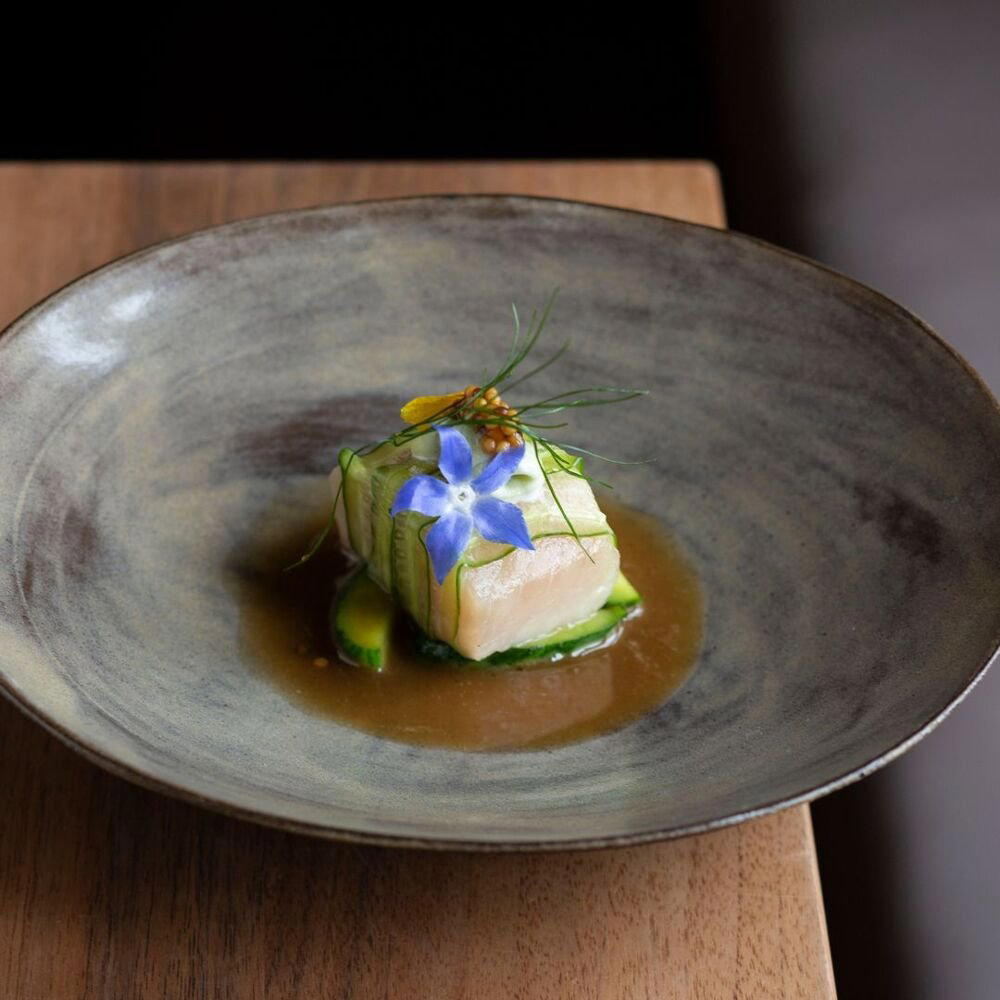
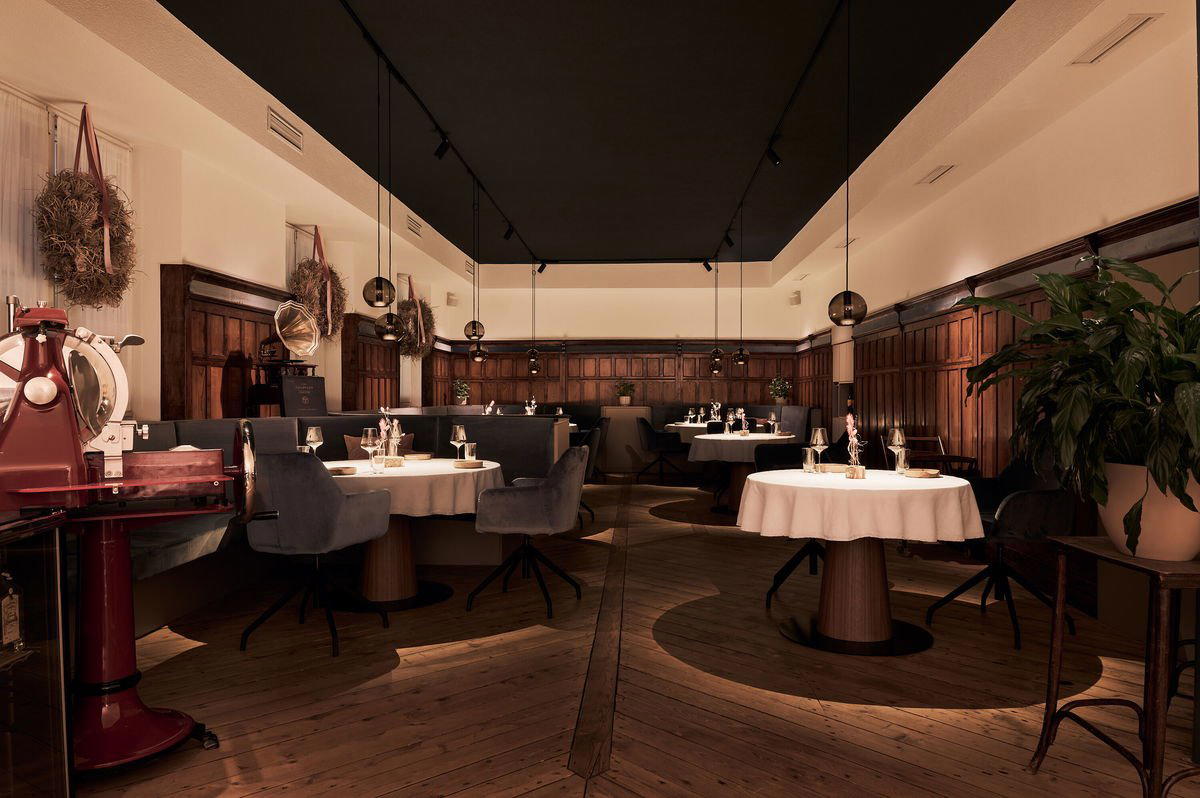
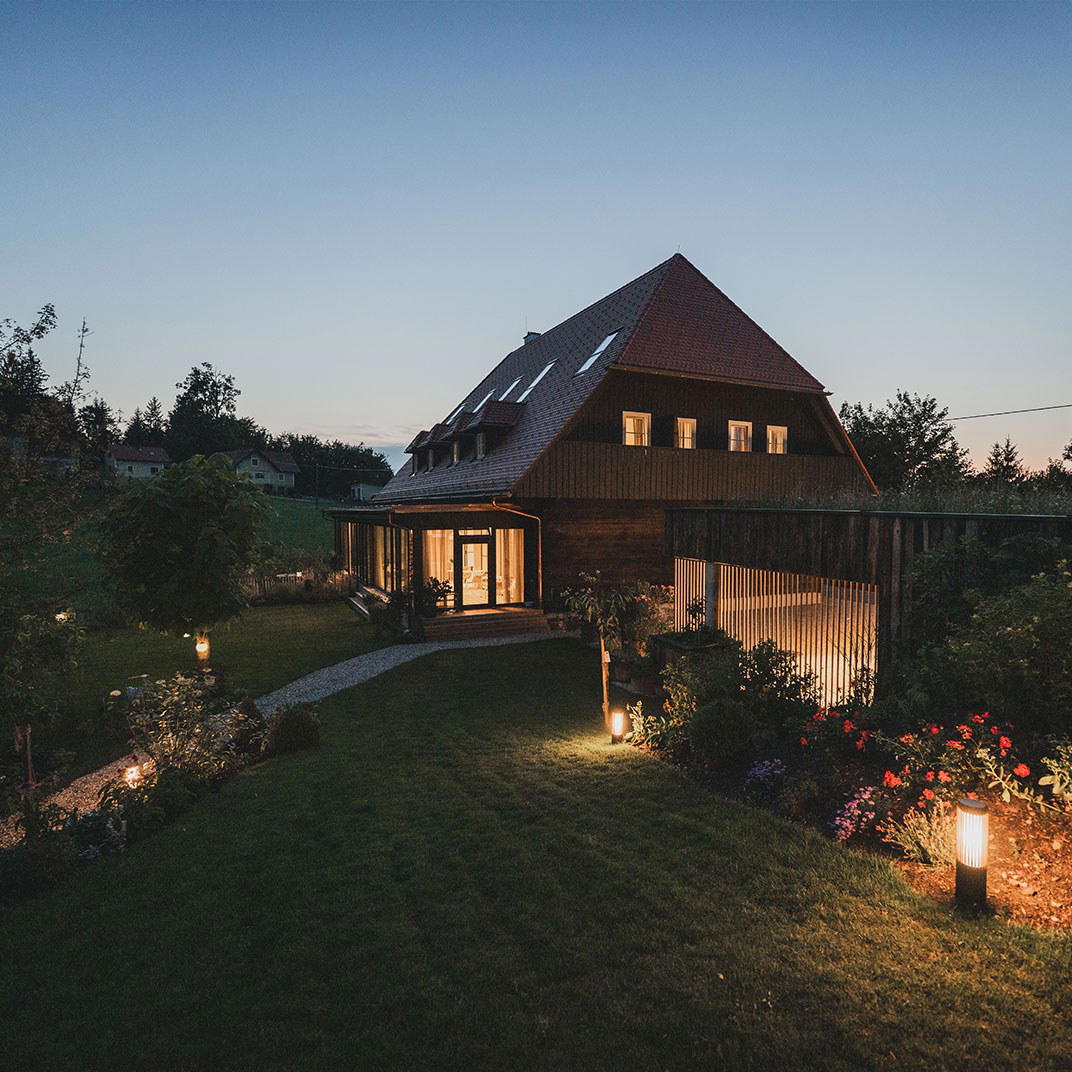
Warm and welcoming with genuine hospitality; comfortable accommodation amidst vineyards with fabulous location; creative seasonal cuisine in an elegant setting.