Landgasthof Krone sits in the village of Gaaden bei Mödling, south of Vienna, within Austria's tradition of countryside inns where local sourcing and seasonal rhythm set the terms of the menu. The Gasthof format here places it in a different register from the tasting-menu circuit, offering a more grounded read on Lower Austrian cooking for visitors exploring the region beyond the capital.
 Discover on Pearl
Pearl is the En Primeur Club membership app — saves, bookings, and concierge access live there. Same editors, same standards.
- Address
- Hauptstraße 57, 2531 Gaaden bei Mödling, Austria
- Phone
- +434322377204
- Website
- kronegaaden.at
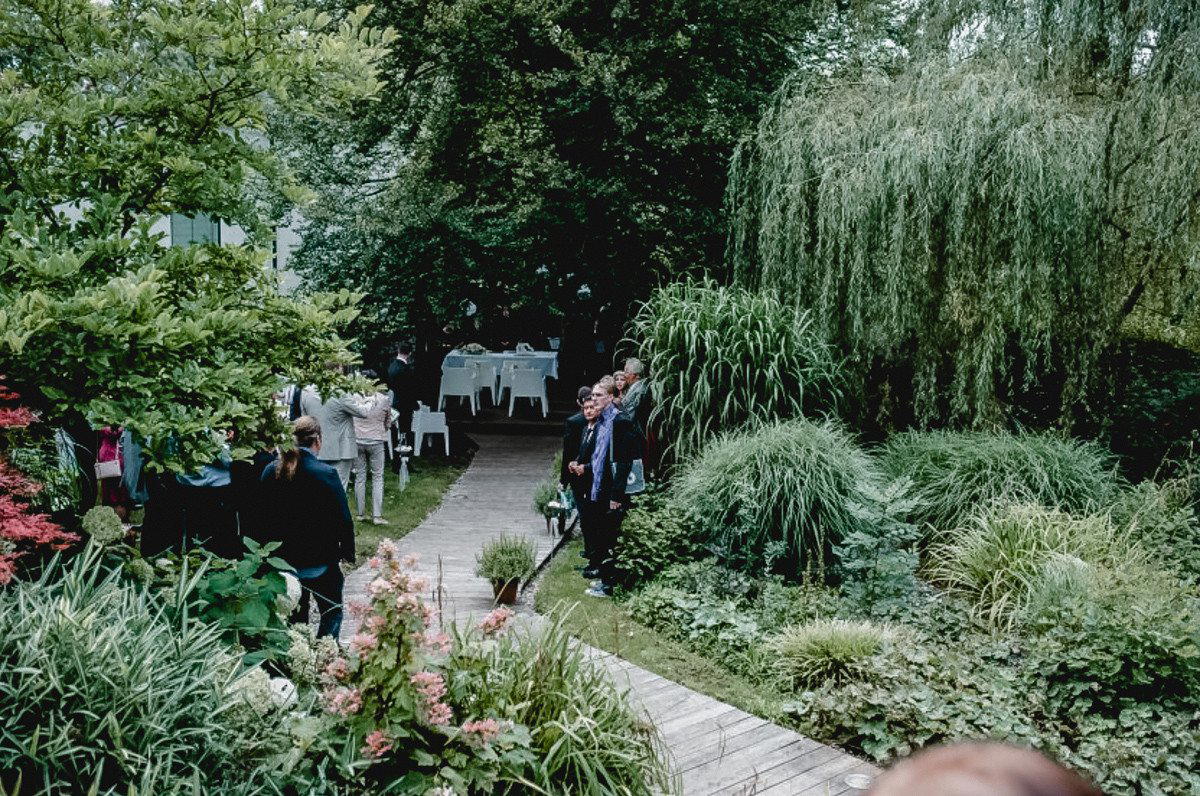
The Gasthof Tradition and Where Gaaden Fits
Austria's countryside dining scene divides fairly cleanly between two poles. On one end sit the destination restaurants that have absorbed international fine-dining logic: long tasting menus, wine pairings priced by the glass, and a kitchen culture shaped by stages abroad. On the other end sits a quieter tradition of Gasthöfe, village inns where the cooking draws from whatever the surrounding land and season produces, and where the format is shaped by the community the place has served for generations. Landgasthof Krone, at Hauptstraße 57 in Gaaden bei Mödling, belongs to that second category.
Gaaden itself is a small village in the Mödling district of Lower Austria, roughly 20 kilometres south of Vienna's centre. The area sits at the edge of the Wienerwald, the forested hill range that forms a green buffer between the capital and the broader Austrian countryside. This geographic position matters for how its kitchens source: the Wienerwald and its surrounding farmland have historically supplied the villages along this corridor with game, mushrooms, dairy, and root vegetables, and the leading Gasthöfe in this zone have built their menus around that supply chain rather than importing from further afield.
Ingredient Logic in Lower Austrian Country Cooking
The editorial angle that matters most when assessing a Landgasthof in this part of Austria is not the chef's CV or the dining room's design language, it is sourcing. Lower Austrian country cooking at its most coherent is defined by proximity: short supply chains, producers known by name, and a seasonal rhythm that dictates the menu rather than decorating it. This is the standard against which a Gasthof like Krone should be read, not against the urban tasting-menu circuit.
In practice, this means dishes built around what the region reliably produces: venison and wild boar from the Wienerwald, freshwater fish from local rivers, mushrooms gathered from the same forests, and dairy from farms in the Mödling corridor. The leading Gasthöfe in this tradition don't dress these ingredients in imported technique, they let the quality of the raw material carry the plate. That restraint is the form's discipline, and it is what separates a genuinely rooted village inn from one that has borrowed the format without the sourcing commitment. For comparison with what Austrian sourcing-led cooking looks like when scaled up to destination-restaurant level, Landhaus Bacher in Mautern an der Donau and Taubenkobel in Schützen am Gebirge represent how the same regional logic gets refracted through a more formalized kitchen structure.
Positioning Within the Austrian Restaurant Tier
Austria's restaurant scene rewards mapping. At the top of the formal tier, places like Steirereck im Stadtpark in Vienna operate in a register that is internationally competitive and priced accordingly. Further out from the capital, Michelin-recognized properties such as Döllerer in Golling an der Salzach and Obauer in Werfen demonstrate how contemporary Austrian cooking can be rigorous without being urban. In the Alps, a different strand of serious country cooking has emerged at addresses like Griggeler Stuba in Lech, Gourmetrestaurant Tannenhof in Sankt Anton am Arlberg, and Stüva in Ischgl.
Landgasthof Krone sits below all of these in formality and price expectation, that is not a criticism, it is a category description. A Gasthof occupies a different social function from a destination restaurant. It serves a local clientele alongside the occasional visitor, it operates across multiple meal occasions rather than a single evening format, and it carries the weight of a specific community's food memory. Meierei Gaaden is the closest local comparator, representing a similar village-scale operation within the same small commune.
For readers who want to triangulate further within Austria's broader field, the herb-focused sourcing model at Kräuterreich by Vitus Winkler in Sankt Veit im Pongau and the creative-regional approach at Ikarus in Salzburg show the range of registers in which Austrian kitchens are currently operating. Internationally, the sourcing discipline that defines Austria's leading country cooking finds an instructive parallel in the way Le Bernardin in New York City treats its primary ingredient, in that case, fish, as the non-negotiable starting point from which every other decision follows. The analogy holds even across cuisines: the form is shaped by the ingredient, not the reverse.
Planning a Visit to Gaaden
Gaaden is accessible from Vienna by car in under 30 minutes via the A21 autobahn towards Alland, making it a realistic lunch destination from the capital or a stopping point on a route into the Wienerwald or the Mödling wine corridor. The village is small enough that Hauptstraße, the main street, is the natural reference point for orientation. The Gasthof format at Krone suggests the kind of operation where lunch service is the primary occasion rather than an elaborate evening format, though specific hours and booking policy should be confirmed directly with the venue.
Visitors to this part of Lower Austria often combine a meal in Gaaden with the walking trails through the Wienerwald or a broader loop through the Mödling district, which includes the Helenental valley and the remains of several historic structures in the surrounding hills. The combination of terrain and village-scale dining is what draws visitors who have exhausted Vienna's central restaurant circuit and want to read the city's food culture from its agricultural edge rather than its urban centre. For further reference on how Austria's less-publicized country restaurant tier operates, Ois in Neufelden, Schwarzer Adler in Hall in Tirol, and Restaurant 141 by Joachim Jaud in Mieming each represent regional operations worth studying in their own right. For those interested in how the sourcing-led model scales into a full fine-dining context outside Austria entirely, Atomix in New York City offers an instructive study in how ingredient provenance can anchor a high-formality tasting format. Artis in Graz rounds out the Austrian reference set, showing how Styrian sourcing informs a more urban kitchen operation.
Comparison Snapshot
Comparable venues nearby, for context on price, style, and recognition.
| Venue | Cuisine | Price | Awards | Notes |
|---|---|---|---|---|
| Landgasthof KroneThis venue — the venue you are viewing | Traditional Austrian with Modern Elements | $$ | , | |
| Meierei Gaaden | Austrian Jausenstation | $$ | , | Gaaden |
| Wirtschaft am Markt | Modern Viennese Market Cuisine | $$ | , | Gaudenzdorf |
| Schlipf & Co | Austrian Dumplings (Schlipfkrapfen & Kasnudeln) | $$ | , | Josefstadt |
| Gasthaus am Spittelberg | Traditional Austrian Gasthaus | $$ | , | Hofburg |
| Panoramaschenke | Traditional Austrian & Bohemian | $$ | , | Per Albin Hansson Siedlung |
Continue exploring
More in Gaaden
Restaurants in Gaaden
Browse all →![[aend] restaurant in Vienna](https://cdn.enprimeurclub.com/storage/v1/object/public/images/locations/recsVyRkMfzCxPmp0/hero2.jpg?width=3840&quality=75)
Bars in Gaaden
Browse all →
Hotels in Gaaden
Browse all →
At a Glance
- Rustic
- Cozy
- Romantic
- Family
- Celebration
- Special Occasion
- Group Dining
- Garden
- Terrace
- Historic Building
- Local Sourcing
- Garden
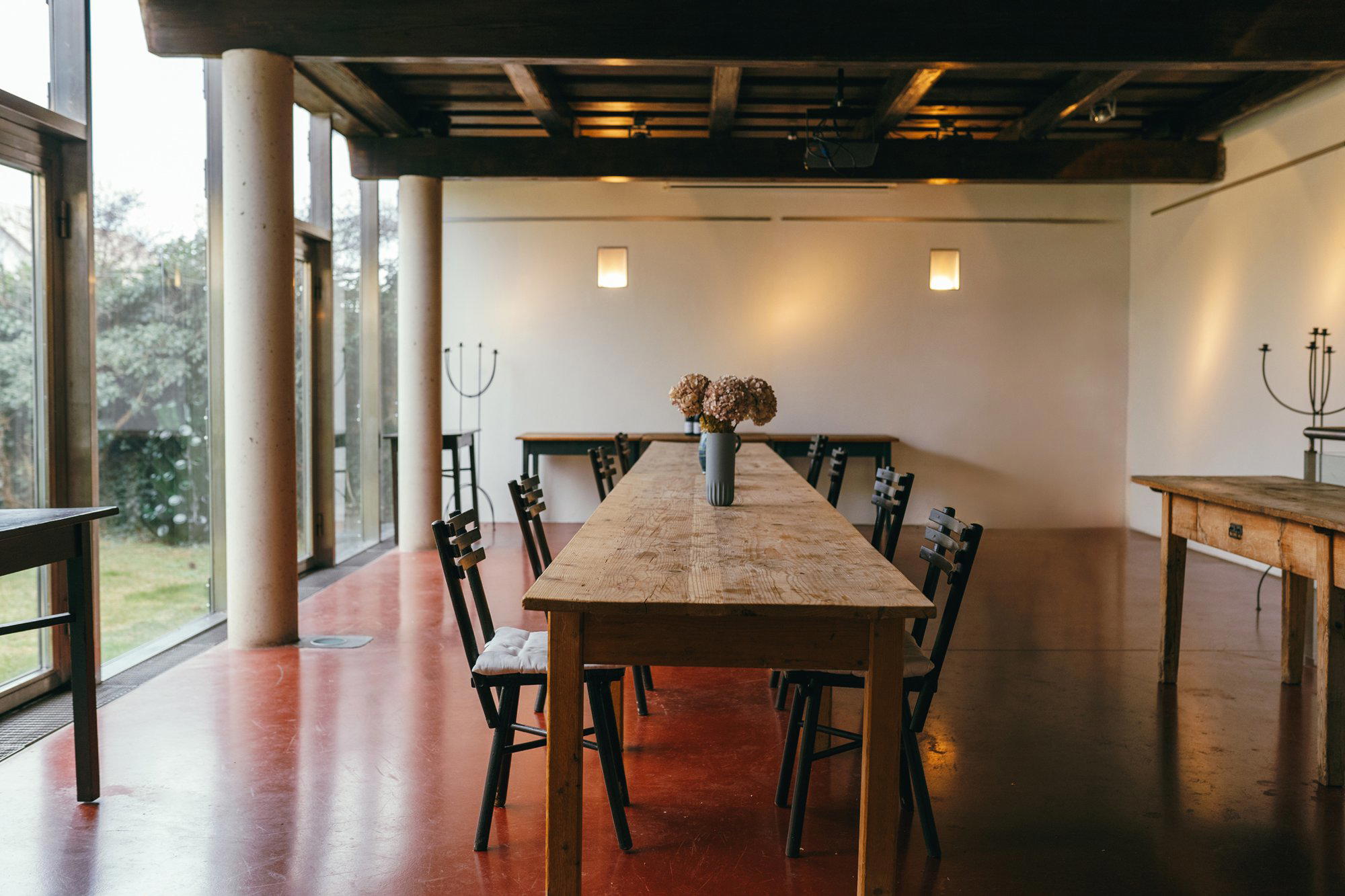
Loving and cozy atmosphere with romantic garden areas and attentive service.