ZeitRAUM


1 Michelin Star · Falstaff Restaurant - 96 Falstaff Points
Our verdict
ZeitRAUM earns its Michelin star in an unlikely setting: a wellness hotel in the Styrian hills southeast of Graz, where the kitchen builds a seven-course creative menu around seasonal ingredients and the surrounding landscape. Story cards accompany each dish, the chef presents plates personally, and a cellar of more than 450 wines underpins the room's quiet seriousness. At €€€€, this is destination dining that rewards the detour.

Pearl is the En Primeur Club membership app — saves, bookings, and concierge access live there. Same editors, same standards.
- Address
- Dorf 3, Sankt Kathrein am Offenegg, 8171, Austria
- Phone
- +43 3179 82350
- Website
- mein-zeitraum.at
- Directions
- Get directions
Where Styrian Countryside Meets Considered Cooking
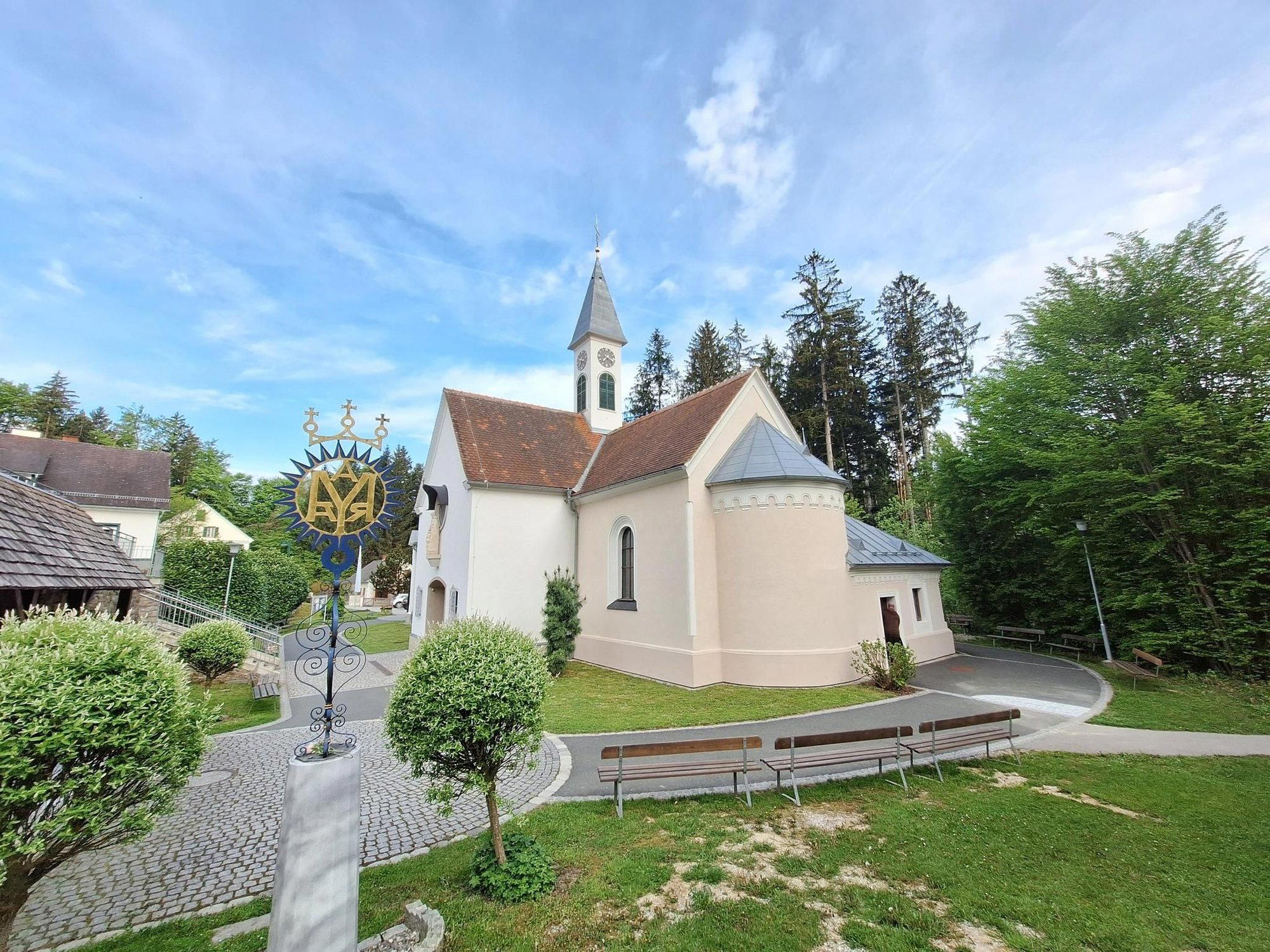
The road into Sankt Kathrein am Offenegg rises through rolling Styrian farmland southeast of Graz, passing orchards and working plots before arriving at a setting that has nothing of the urban fine-dining script about it. ZeitRAUM occupies the dining room of Der WILDe EDER, a wellness hotel whose glass-paned façade opens the interior directly to the surrounding greenery. On clear evenings the western light catches the hills in a way that makes the room feel less like a restaurant and more like an observation point. That framing is not incidental: it does real work in signalling what the kitchen is about.
Austria has a strong tradition of destination restaurants embedded in rural hotel properties, where the distance from a city centre becomes part of the offer rather than a concession. Döllerer in Golling an der Salzach and Obauer in Werfen both operate on this model, anchoring serious cooking to specific regional terrain. ZeitRAUM belongs to that same current: the hotel context is not incidental to the food, it is the context from which the food draws its logic.
A Menu Built on What Grows Nearby
The ingredient sourcing philosophy at ZeitRAUM is where the kitchen makes its most explicit editorial statement. The seven-course creative menu tracks the seasons of Styria with particular attention to vegetables and foraged produce, and the chef's stated affinity for vegetarian dishes shapes the menu's centre of gravity. This is not a concession to dietary preference but a structural choice: in Styrian cooking, the land's produce has always been the primary ingredient rather than the supporting cast.
Styria sits at an agricultural crossroads where the alpine foothills meet the warmer Pannonian basin, producing a growing season that runs from wild garlic and spring fungi through stone fruit, pumpkin (the region's most celebrated ingredient), and late-season root vegetables. A kitchen committed to working within those cycles has access to material that changes meaningfully with each passing month. The seven-course format gives enough space to trace that seasonal arc across a single sitting.
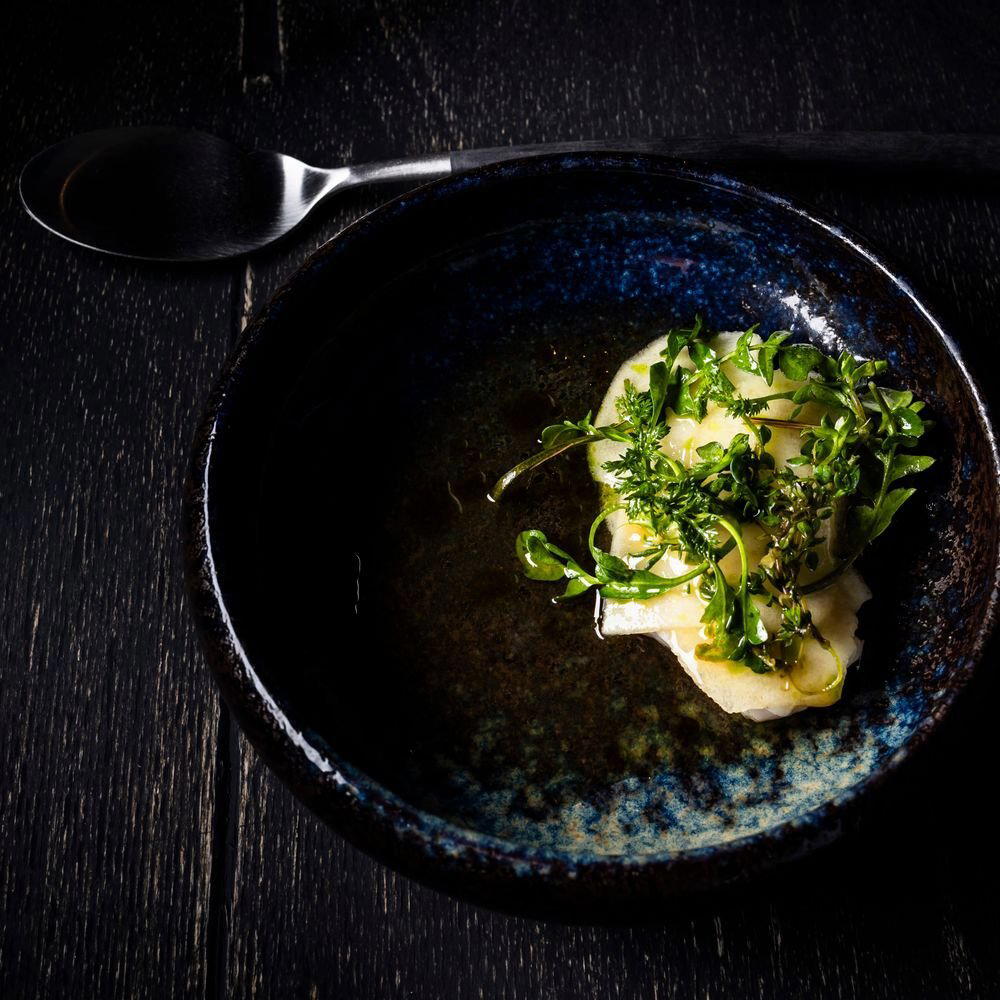
Each course arrives with a card carrying a short text — a story or context note that frames what is on the plate. This is a format seen across a number of serious creative kitchens in German-speaking Europe, but it serves a particular function here: it makes explicit the provenance and thinking behind dishes in a way that oral service alone cannot sustain across a full tasting menu. The chef also presents plates personally, which keeps the sourcing narrative consistent from kitchen to table rather than filtering it through an intermediary.
This approach places ZeitRAUM in a distinct tier of Austrian creative cooking that includes venues like Kräuterreich by Vitus Winkler in Sankt Veit im Pongau, where regional botanical knowledge informs the menu structure at a similar depth. At the upper end of the Austrian creative register, Steirereck im Stadtpark in Vienna has spent decades making seasonal Austrian produce the explicit subject of fine dining rather than its backdrop. ZeitRAUM operates at a smaller scale and in a more rural register, but the underlying argument is the same.
The Wine Program and the Room
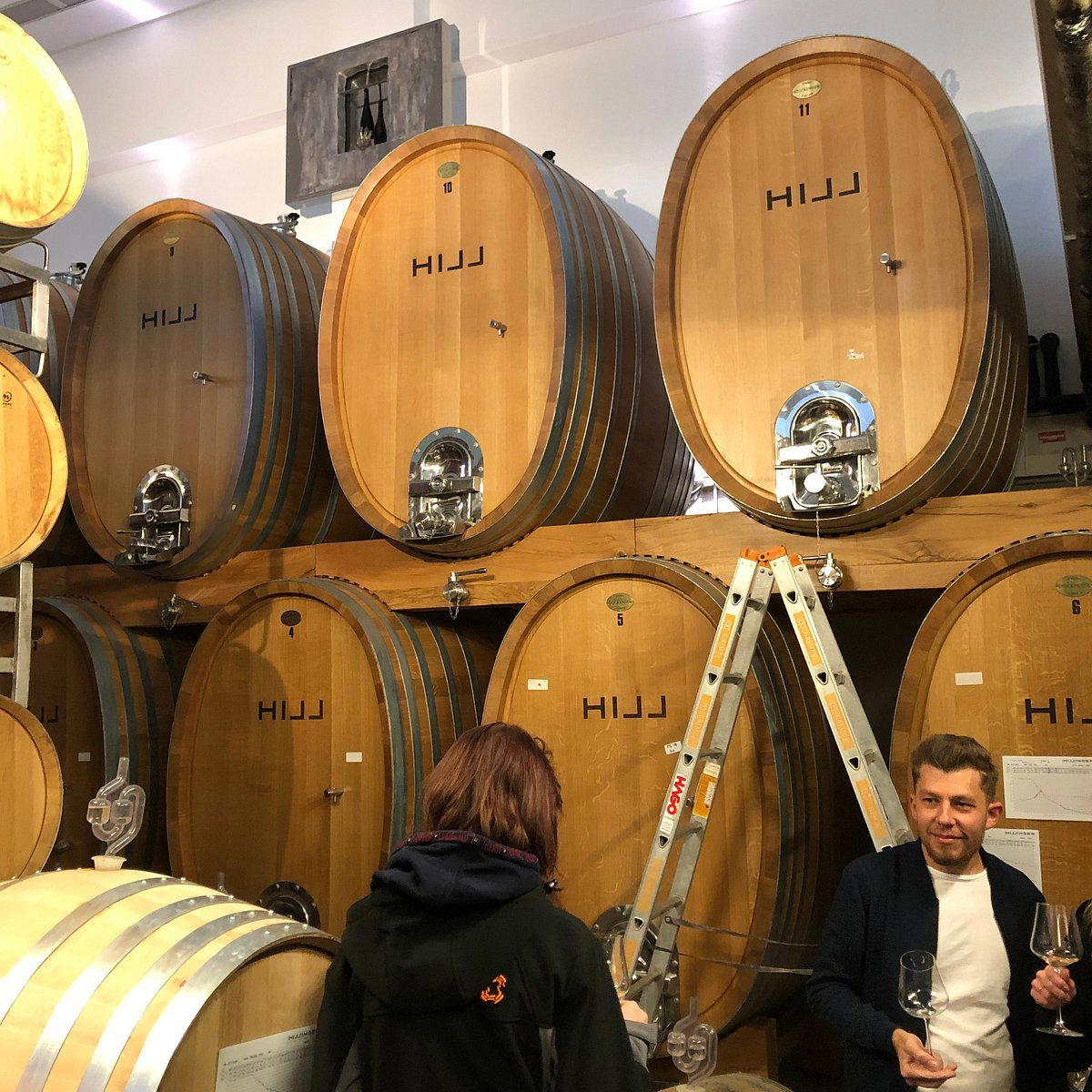
A cellar of more than 450 wines is a serious resource for a restaurant of this scale and geography. Styria is itself a wine-producing region of note, with Sauvignon Blanc, Morillon (the local name for Chardonnay), and Gelber Muskateller among its most credible outputs. A cellar with strong regional representation gives the pairing program a coherence that imported prestige bottles alone cannot provide: the logic of drinking Styrian wine alongside Styrian produce closes an argumentative loop that the kitchen opens with its sourcing choices.
The team's approach to wine recommendations is described as friendly and competent rather than reverential, which matters in a room where the food already carries intellectual weight. Service that presses expertise without imposing it keeps the experience from becoming an endurance test in wine theory. For guests who want to explore beyond the regional selection, the 450-item cellar provides the depth to do so.
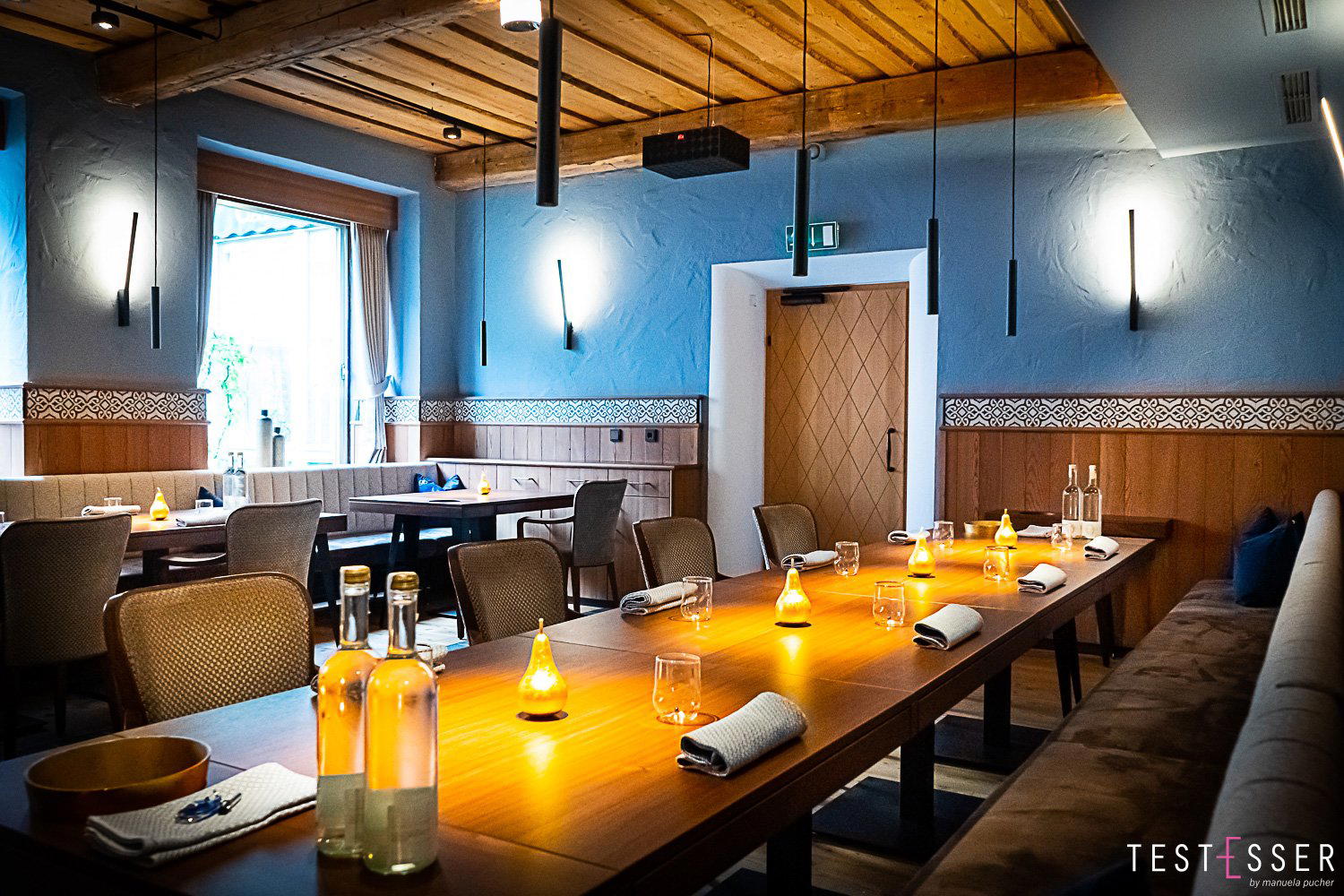
The room itself, with its glass-paned façade and view of the surrounding greenery, is one of the more architecturally coherent dining spaces in rural Styria at this price tier. Chic is the operative register here, not rustic: the aesthetic is clean rather than folkloric, which gives the kitchen's creative output a setting that reads as intentional rather than incongruous.
ZeitRAUM in the Context of Austrian Creative Cooking
Austria's Michelin-starred creative category has been expanding steadily across its western and alpine regions, with strong representation in Tyrol and Salzburg at addresses like Gourmetrestaurant Tannenhof in Sankt Anton am Arlberg, Griggeler Stuba in Lech, Stüva in Ischgl, and Schwarzer Adler in Hall in Tirol. Styria is a smaller node on that map but not an absent one. ZeitRAUM's 2024 Michelin star confirms the region's capacity to support creative cooking at a competitive level, and it does so from a base that is neither a ski resort nor a major urban centre, which distinguishes it from much of the Austrian starred field.
At the creative register more broadly, European peers like Alléno Paris au Pavillon Ledoyen and Enrico Bartolini in Milan represent what the creative format can become at scale and in urban prestige settings. ZeitRAUM makes a different argument: that the creative menu format is most coherent when it is tethered to a specific place and season rather than to a chef's technical range alone. The story cards and personal service are structural supports for that argument, not decorative details.
Other Michelin addresses across Austria pursuing regional and creative programs include Ikarus in Salzburg, Ois in Neufelden, and Restaurant 141 by Joachim Jaud in Mieming. Each occupies a different regional niche, but together they reflect a national scene in which provenance and place have become the primary creative arguments rather than technique alone.
Planning a Visit
ZeitRAUM sits within Der WILDe EDER at Dorf 3, Sankt Kathrein am Offenegg, placing it roughly southeast of Graz in the Styrian hills. The address is rural by Austrian standards, which makes it a natural candidate for an overnight stay rather than a single-meal excursion. The hotel's wellness offering provides the infrastructure for a longer visit, and arriving by car from Graz is the practical approach given the village's limited public transport links. The €€€€ price tier reflects the full tasting menu format with wine pairing options; this is not a venue where à la carte shortcuts the commitment. Booking in advance is advisable given the format and the limited covers typical of hotel dining rooms at this standard. The hotel's patronne, Eveline Wild, oversees the dessert course personally, which gives the finale a different hand from the savoury progression — a structural detail worth knowing before you sit down. For further context on what the area offers beyond this address, see our full Sankt Kathrein am Offenegg restaurants guide, our full Sankt Kathrein am Offenegg hotels guide, our full Sankt Kathrein am Offenegg bars guide, our full Sankt Kathrein am Offenegg wineries guide, and our full Sankt Kathrein am Offenegg experiences guide.
Frequently asked questions
Would ZeitRAUM be comfortable with kids?
ZeitRAUM is a Michelin-starred creative restaurant operating a seven-course tasting menu inside the chic wellness hotel Der WILDe EDER, with a format built around seated storytelling and chef-served courses. That structure, and the €€€€ price tier, points toward an adult-focused evening rather than a family outing. Families with older, food-curious teenagers may find the experience manageable, but it is not designed around younger children.
What kind of setting is ZeitRAUM?
The restaurant sits inside Der WILDe EDER, a wellness hotel in the Styrian hills southeast of Graz, with a glass-paned façade that frames the surrounding greenery and, on clear evenings, the sunset. The interior reads as chic rather than formal, and the chef presents each of the seven courses personally, accompanied by a written story card explaining the dish's place within a philosophy centred on nature and seasonal produce. The combination of countryside location, considered design, and a cellar of over 450 wines gives the room a relaxed but serious character.
What awards or recognition does ZeitRAUM have?
ZeitRAUM has received recognition including: This restaurant is in Der WILDe EDER, a tasteful wellness hotel, the name of which refers to patrons Eveline Wild and Stefan Eder. The vibe is chic, the glass-paned façade affords a view of the greenery – with a bit of luck you'll get to ta….
What's the signature dish at ZeitRAUM?
ZeitRAUM does not publish a fixed signature dish; the seven-course creative menu changes with seasonal and regional produce, and the kitchen has a stated lean toward vegetarian preparations. What recurs as a defining moment, noted in the Michelin recognition, is the dessert course created by patronne Eveline Wild, whose pastry work is treated as the culmination of the meal rather than an afterthought.
In Context: Similar Options
| Venue | Cuisine | Price | Awards |
|---|---|---|---|
| ZeitRAUMThis venue — the venue you are viewing | Creative Seasonal Fine Dining | $150–200 | 1 Michelin Star · Falstaff Restaurant - 96 Falstaff Points |
| Steirereck im Stadtpark | Creative | Not listed | Michelin 3 Star |
| Döllerer | Contemporary Austrian, Innovative | Not listed | Michelin 2 Star |
| Ikarus | Modern European, Creative | Not listed | Michelin 2 Star |
| Mraz & Sohn | Modern Austrian, Creative | Not listed | Michelin 2 Star |
| Obauer | Classic Cuisine | Not listed | Michelin 2 Star |
Recognition history
Dated appearances from independent guides and award organizations, with the underlying list record or original source where available.
Michelin 1 Star
Michelin
Falstaff Restaurant - 96 Falstaff Points
Falstaff
Full recognition history (4 entries)
Michelin 1 Star
Michelin
Michelin 1 Star
Michelin
Continue exploring
More in Sankt Kathrein am Offenegg
Restaurants in Sankt Kathrein am Offenegg
Browse all →
Bars in Sankt Kathrein am Offenegg
Browse all →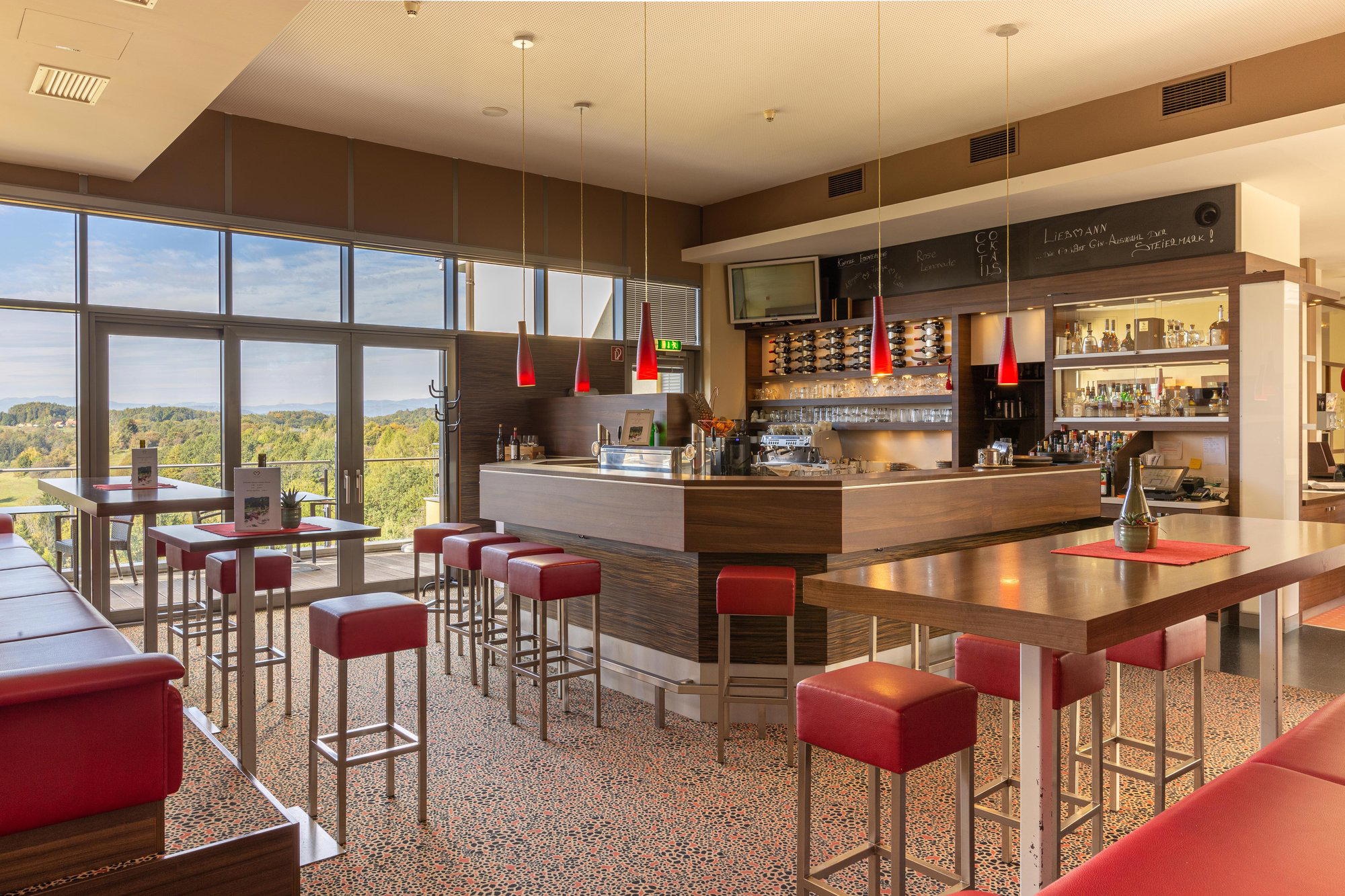
Hotels in Sankt Kathrein am Offenegg
Browse all →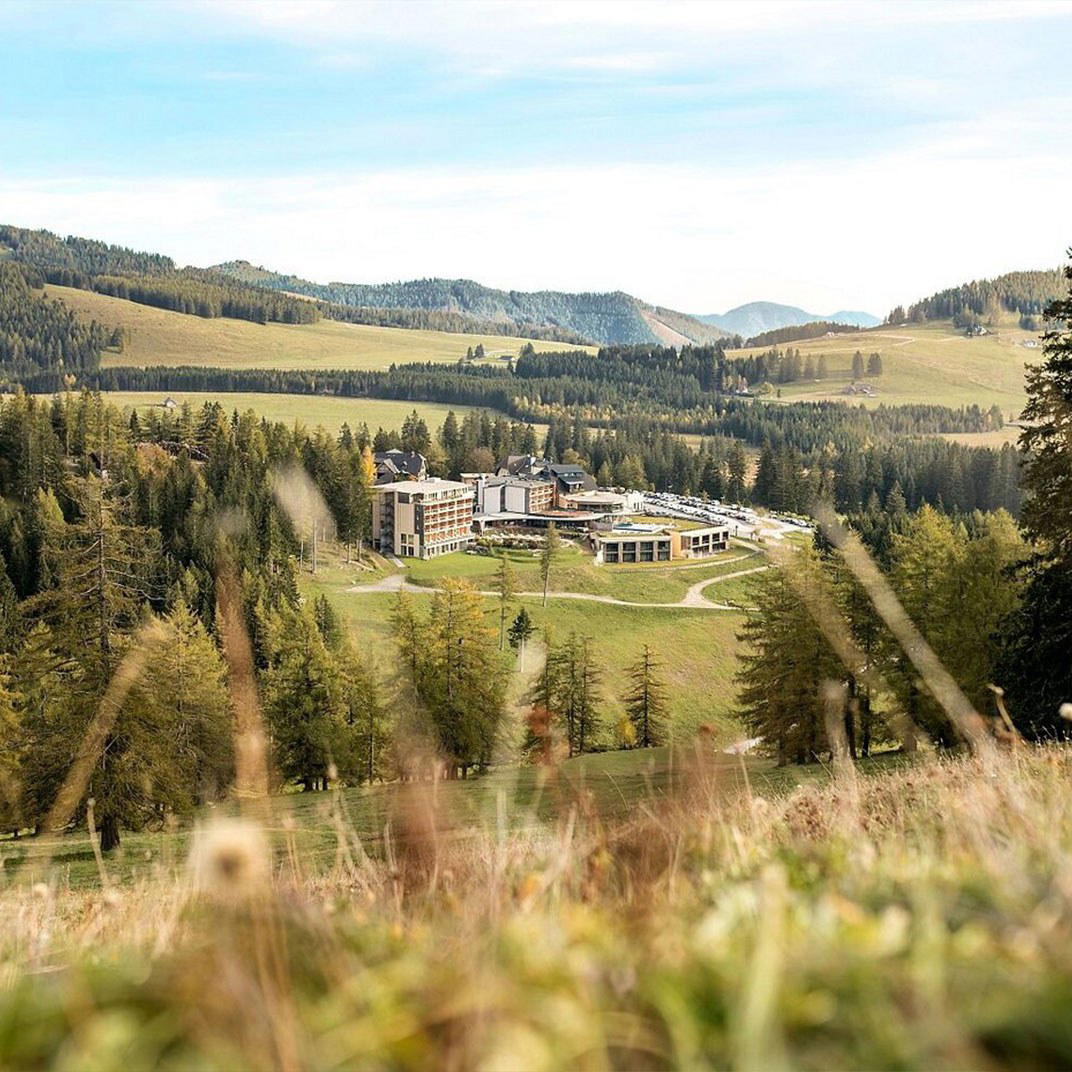

Details
- Elegant
- Scenic
- Modern
- Intimate
- Sophisticated
- Special Occasion
- Date Night
- Celebration
- Open Kitchen
- Panoramic View
- Hotel Restaurant
- Extensive Wine List
- Local Sourcing
- Farm To Table
- Mountain
- Garden
- Tasting Menu
- Vegetarian Friendly
Chic and stylish with modern Alpine design, glass-paned facade offering dramatic mountain and greenery views, and a warm, harmonious atmosphere.