

1 Michelin Star · Falstaff Restaurant - 95 Falstaff Points
Our verdict
Inside the historic Parkhotel on Leonhardstraße, Zur goldenen Birn draws on Habsburg-era recipes and seasonal Austrian produce to shape a focused set menu of four or eight courses. The format sits at the precise intersection of archival curiosity and modern kitchen technique, placing it among Graz's more considered fine-dining addresses. Chefs present each course personally, adding a layer of directness that distinguishes it from comparably formal rooms in the city.

Pearl is the En Primeur Club membership app, where members save venues, book tables and use the concierge.
The menu
What to order
- Trüffel Kartoffel Dotter Parmesan
- Ente Heidelbeere Maulbeere
- Kartoffelkönig
A Dining Room with Four Centuries Behind It
Leonhardstraße, the quiet artery running southeast from Graz's old town toward the university quarter, does not announce its dining credentials loudly. The street reads as residential and academic rather than gastronomic, which makes the Parkhotel's presence on it feel less like a hotel address and more like a well-kept local institution. The building has operated as a place of hospitality since at least 1574, a span that covers the full arc of Habsburg rule, two world wars, and the gradual transformation of Graz from imperial provincial capital to the design-forward, food-serious city it has become. Zur goldenen Birn, the hotel's principal dining room, inherits all of that accumulated context and attempts something specific with it: a menu that treats the Habsburg culinary archive not as nostalgia, but as a working reference library.
That positioning sets it apart from much of Graz's contemporary fine-dining scene. Restaurants like Artis (Creative) approach the table from a more forward-looking creative angle, while Kehlberghof (Seasonal Cuisine) grounds itself in Styrian seasonal produce without the same historical scaffolding. Zur goldenen Birn occupies a different register entirely: it is less interested in where Austrian cuisine is going than in recovering what it once was, and then asking whether those recovered forms can be made relevant in 2024.
The Habsburg Kitchen as a
The idea of using archival recipes as a creative foundation is not new in European fine dining. Restaurants across Spain, Denmark, and the United Kingdom have built reputations on pre-industrial food research. In Austria, however, the Habsburg culinary tradition carries a particular charge: it was one of the most cosmopolitan imperial kitchens in history, drawing ingredients and techniques from Hungary, Bohemia, Croatia, and the Italian north into a cuisine that was simultaneously Viennese and pan-European. Steirereck im Stadtpark in Vienna has long been the reference point for modern Austrian cooking that takes its history seriously, but it approaches that history through a contemporary lens at a different price and scale. Zur goldenen Birn works at a more intimate register, using old anecdotes and period recipes as direct inspiration rather than distant influence.
The menu reflects this in its dish construction. Combinations such as truffle, potato, egg yolk, and Parmesan, or duck with blueberry, mulberry, red oxalis, and red cabbage, suggest a kitchen comfortable with classical flavour logic but willing to reach for ingredients and precision that belong to the present. The red oxalis in that duck preparation, for example, is a detail that places the kitchen firmly in the post-Noma moment of foraging-inflected fine dining, whatever its historical framing. This kind of productive tension between archival source and contemporary execution is where Zur goldenen Birn does its most interesting work.
For comparison, Austrian restaurants working at similar levels of historical seriousness in other regions tend to frame their approach differently. Landhaus Bacher in Mautern an der Donau draws on Wachau valley traditions with a wine-country inflection, while Kräuterreich by Vitus Winkler in Sankt Veit im Pongau uses alpine herb knowledge as its organising principle. Each approach reflects a different regional archive. Graz and Styria's archive is specifically courtly, trade-route rich, and Mediterranean-inflected in ways that distinguish it from the alpine and Danubian traditions further north and west.
Format, Room, and Service Logic
The set menu structure at Zur goldenen Birn offers two formats: four courses or eight. This is a sensible architecture for a room with archival ambitions. A four-course option keeps the experience accessible for guests who want to engage with the concept without committing to a full evening, while the eight-course version allows the kitchen to develop its Habsburg-era thesis more thoroughly, moving through flavour registers in a way that a shorter format cannot. Both formats operate as fixed menus, which is consistent with the restaurant's positioning as a considered fine-dining destination rather than a flexible brasserie.
Service carries an unusual feature: the chefs present their own dishes to the table. In a city where the dividing line between formal restaurant and upscale bistro is sometimes blurry, this detail signals clearly which side of that line Zur goldenen Birn occupies. It also creates a directness of communication about the food that is rare in rooms of this kind. The knowledge delivered at the table comes from the people who cooked the dish, not from a relay of front-of-house briefings.
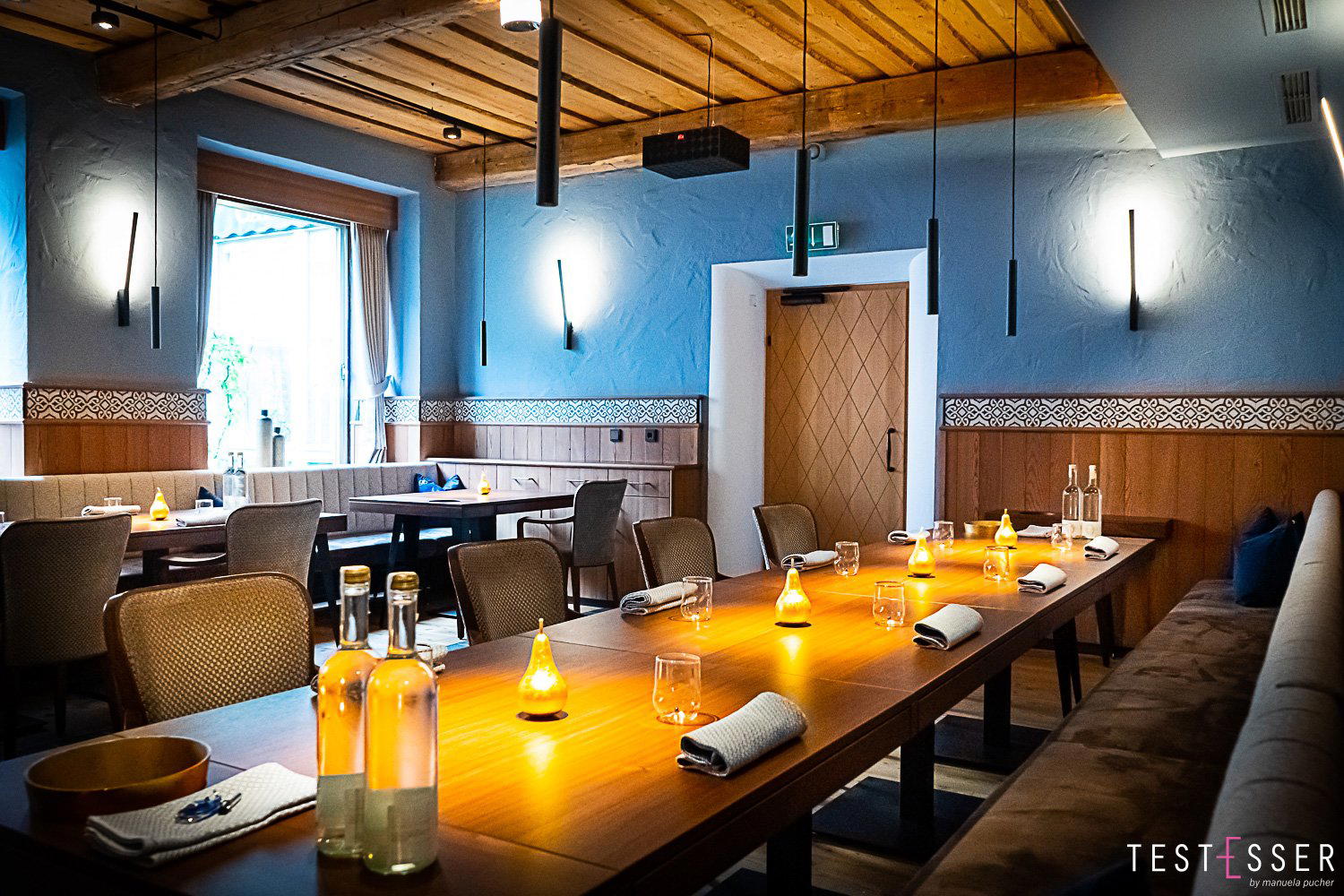
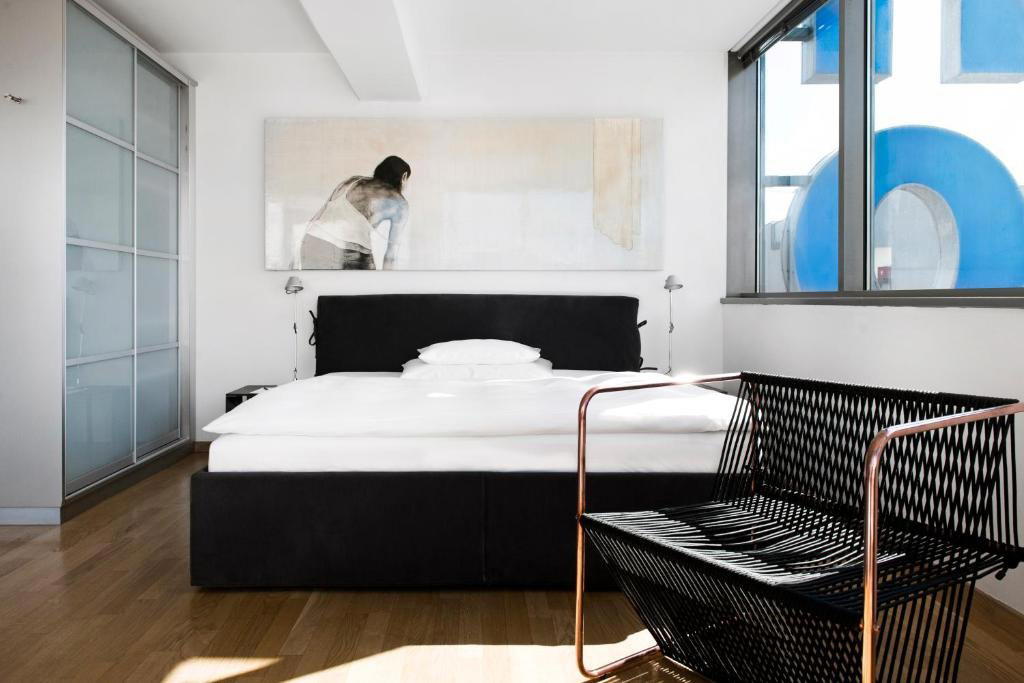
The room itself fuses historical detailing with contemporary design, a configuration that mirrors the menu's own logic. Period architecture and modern interiors tend to read as either awkward compromise or deliberate statement; in a building documented since 1574, the latter framing is more credible. Graz has a well-developed design culture, partly sustained by its university environment, and the Parkhotel's dining room participates in that culture without abandoning its heritage character.
For guests exploring the city more broadly, the Leonhardstraße location is walkable from the old town and the Schlossberg, though it sits in a quieter residential zone that feels removed from the more trafficked tourist circuit. The surrounding area includes other addresses worth attention: Arravané and Genießerei am Markt each represent different points on the Graz dining spectrum, from modern European to market-driven Styrian. For a more affordable Styrian register, Mohrenwirt (Regional Cuisine) is worth considering as a point of comparison. EP Club's full Graz restaurants guide maps the broader picture, and separate guides cover hotels, bars, wineries, and experiences across the city.
Internationally, guests who have dined at technically focused set-menu restaurants, whether at Ikarus in Salzburg, Gourmetrestaurant Tannenhof in Sankt Anton am Arlberg, or Griggeler Stuba in Lech, will find the format familiar but the content specific to a very particular culinary tradition. The Habsburg kitchen is not the same archive as the alpine, the Wachau, or the Nordic, and Zur goldenen Birn is one of the few addresses in Austria attempting to do something disciplined with it.
Planning Your Visit
Zur goldenen Birn sits within the Parkhotel on Leonhardstraße 8, accessible on foot from Graz's central old town. Given the set menu format and the restaurant's evident positioning within the city's serious fine-dining tier, reservations in advance are advisable, particularly on weekends or during Graz's busy autumn and spring event periods. The choice between four and eight courses is worth making before arrival: the longer format gives the kitchen more room to develop its historical argument across the meal, while the four-course version reads as a precise introduction to the concept. Neither format accommodates the kind of flexibility associated with à la carte dining, so guests who prefer to compose their own meals independently may find the room less suited to their approach than somewhere like Artis. The room's upscale decor and chef-presented service suggest smart-casual dress as a minimum, consistent with comparable Austrian fine-dining addresses.
Frequently asked questions
What's the address for Zur goldenen Birn?
Zur goldenen Birn is located at Leonhardstraße 8, Graz.
Is Zur goldenen Birn award-winning?
Zur goldenen Birn has received recognition including: In this restaurant of the historic Parkhotel – first documented as an inn in 1574 – you are taken on a "culinary journey back in time" to the days of the Habsburgs. Anecdotes and old recipes from that period provide the inspiration for cuis….
What should I order at Zur goldenen Birn?
The restaurant operates exclusively as a set menu, so the decision is format rather than dish selection: four courses or eight. The eight-course format gives the kitchen more room to develop the Habsburg-archive concept across successive plates, with combinations like truffle with potato and egg yolk or duck with blueberry and red cabbage illustrating the range. If this is your first visit, the longer menu reflects the full ambition of the project.
Should I book Zur goldenen Birn in advance?
For a set-menu restaurant operating inside a historic hotel in Graz's developed fine-dining circuit, reservations ahead of time are the practical approach. The fixed format means the kitchen prepares to a confirmed count each service, so walk-ins carry real risk of unavailability. Contact the Parkhotel directly at Leonhardstraße 8 to arrange a table.
A Tight Comparison
Comparable venues nearby, for context on price, style, and recognition.
| Venue | Cuisine | Price | Awards | Notes |
|---|---|---|---|---|
| Zur goldenen BirnThis venue (the venue you are viewing) | Modern Austrian Fine Dining | $200–300 | 1 Michelin Star · Falstaff Restaurant - 95 Falstaff Points | Not listed |
| Steak Boutique | Premium Dry-Aged Steakhouse | $50–100 | Michelin Plate | Innere Stadt, Premium Dry-Aged Steakhouse |
| Didi Dorner at Magnolia | Modern European Fine Dining | $50–100 | Not listed | Jakomini, Modern European Fine Dining |
| Kehlberghof | Modern Austrian Fine Dining | $50–100 | Michelin Plate · Star Wine List | Straßgang, Modern Austrian Fine Dining |
| Schmidhofer im Palais | Modern Austrian-International Fine Dining | $100–150 | Michelin Plate | Innere Stadt, Modern Austrian-International Fine Dining |
| NOVA-AIR Graz | International Fusion with Austrian & Styrian Influences | $30–50 | Not listed | Gösting, International Fusion with Austrian & Styrian Influences |
Recognition history
Dated appearances from independent guides and award organizations, with the underlying list record or original source where available.
Michelin 1 Star
Michelin
Falstaff Restaurant - 95 Falstaff Points
Falstaff
Continue exploring
More in Graz
Restaurants in Graz
All restaurants in Graz →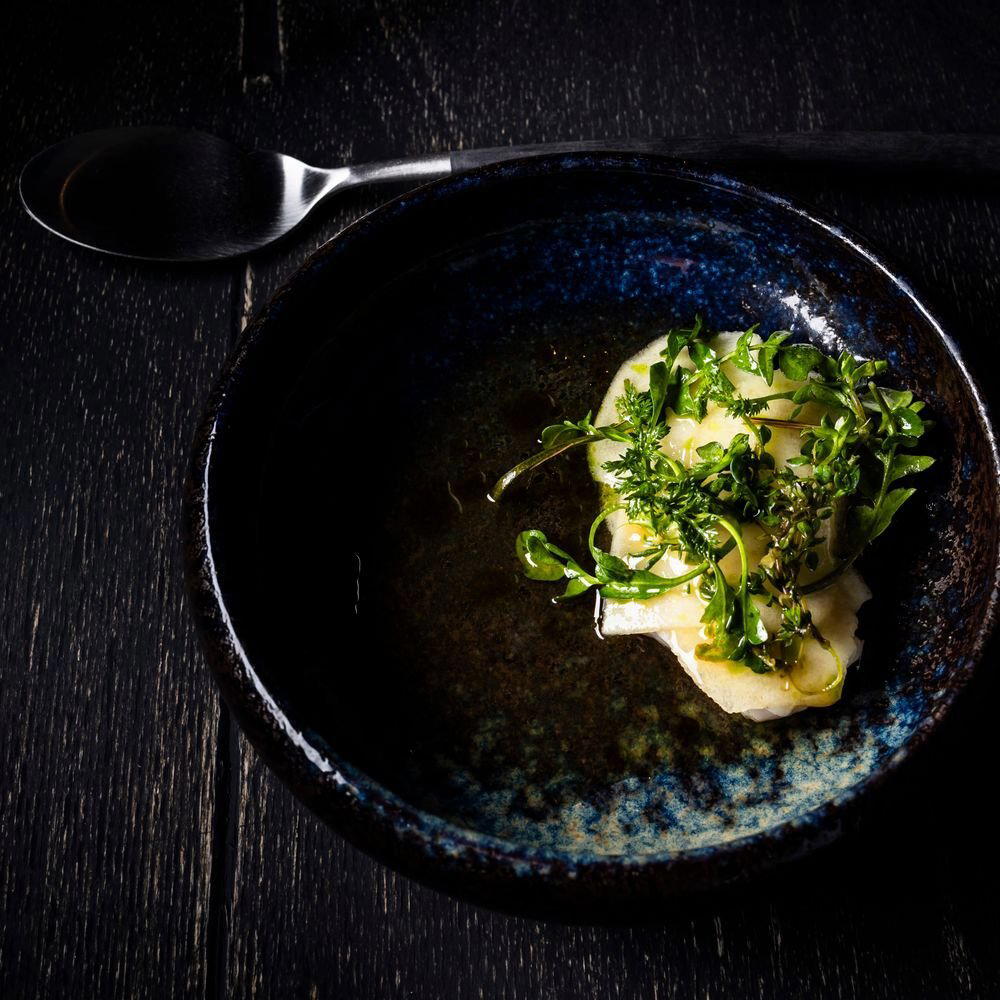
Bars in Graz
All bars in Graz →
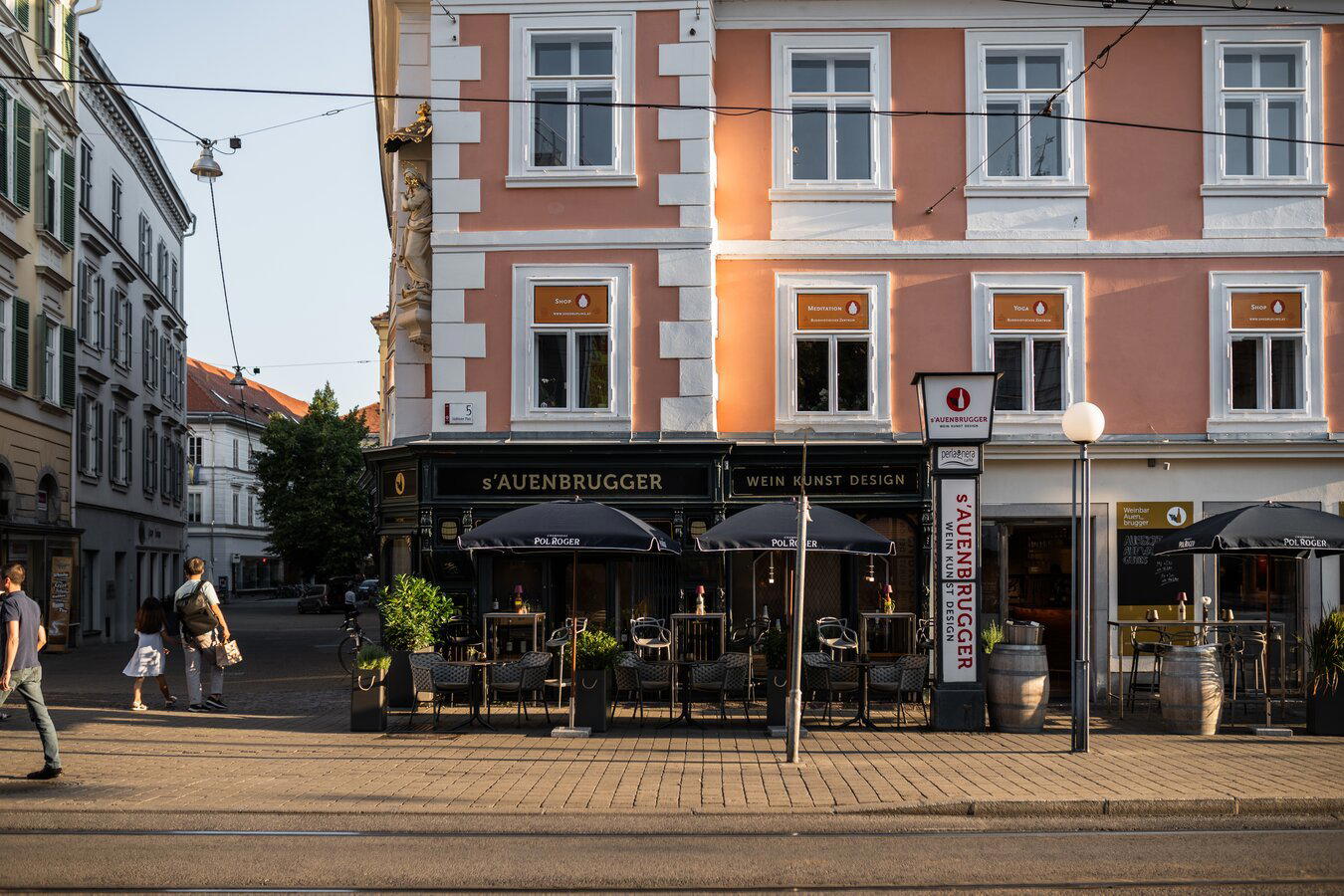
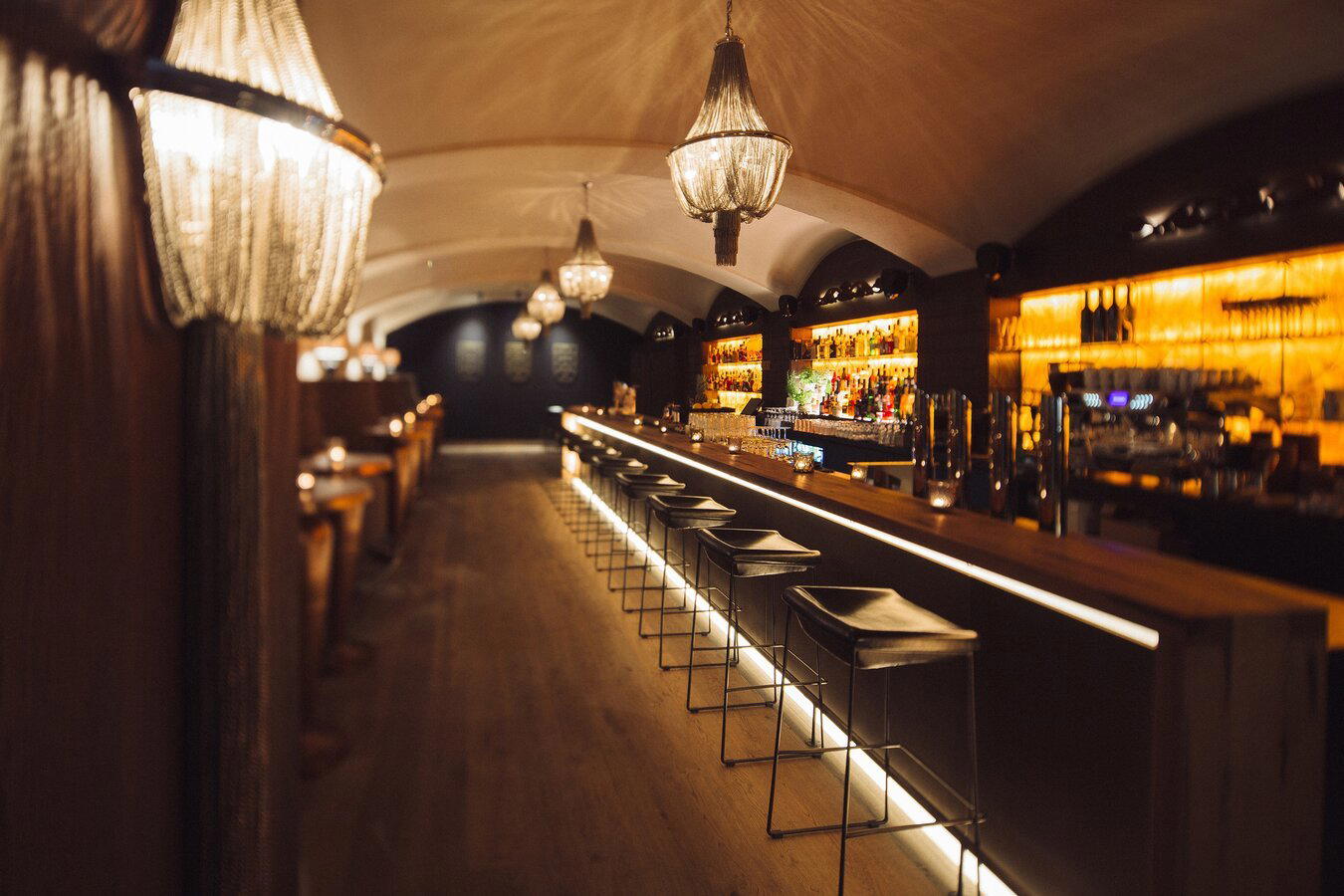
Hotels in Graz
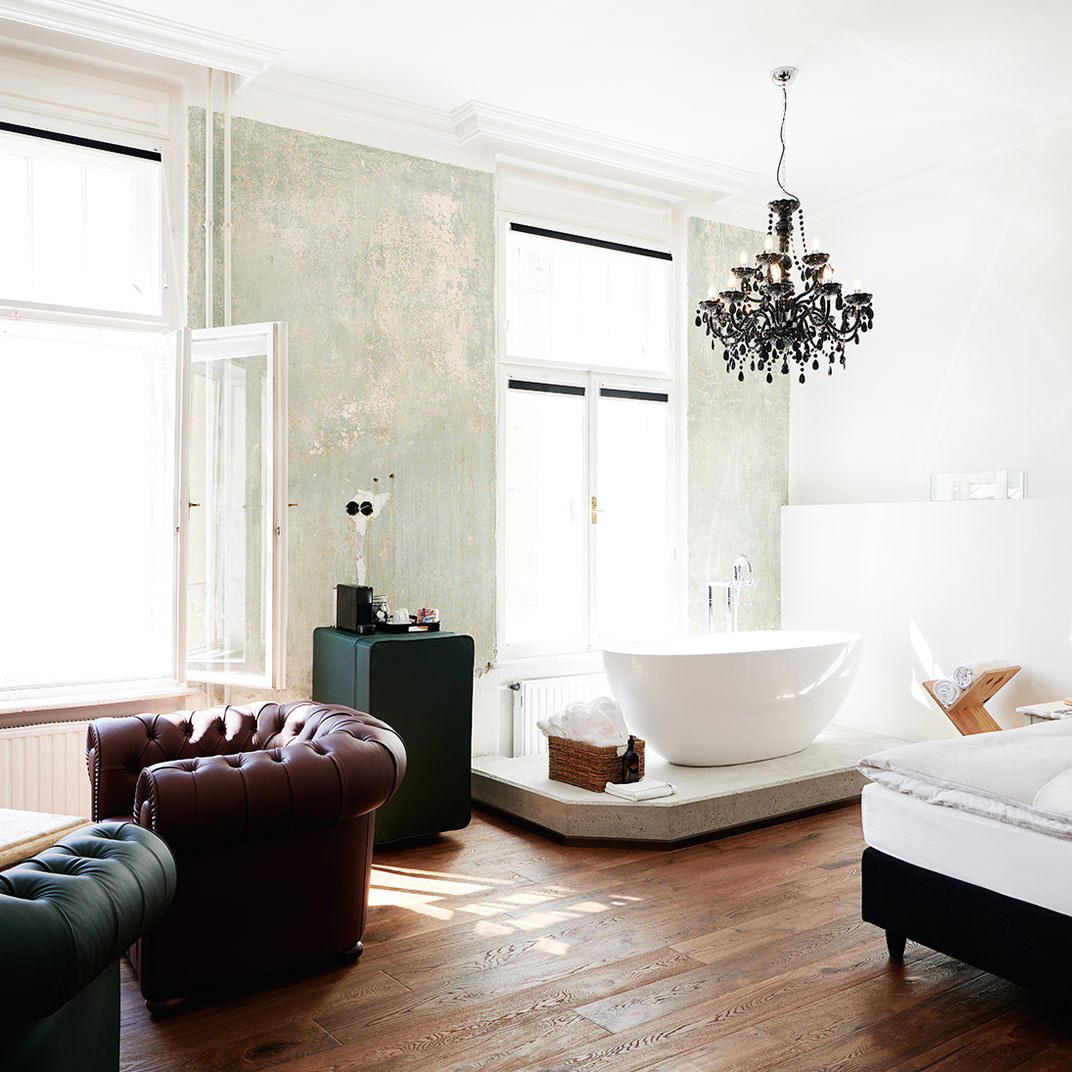
All hotels in Graz →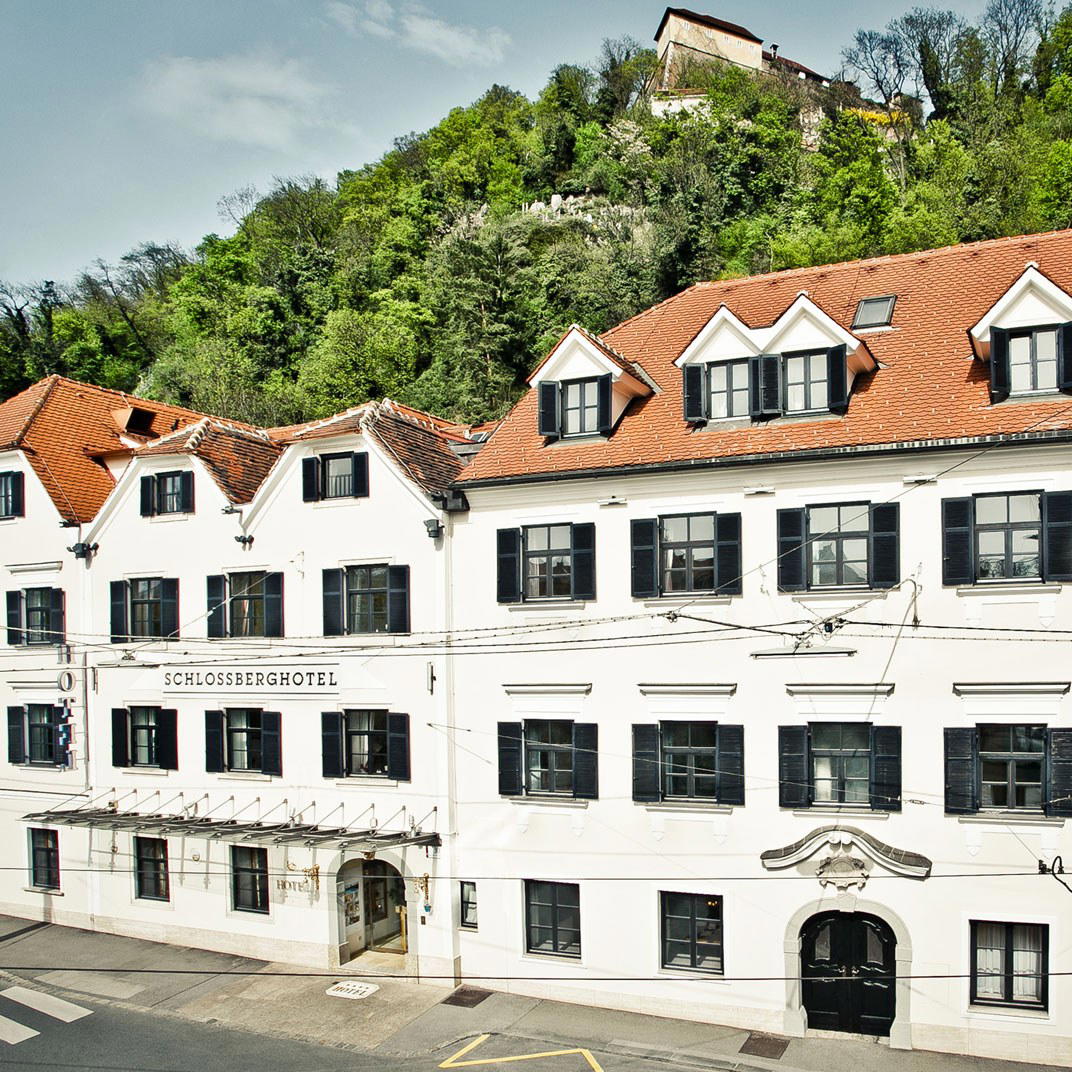
Details
- Elegant
- Sophisticated
- Intimate
- Historic
- Cozy
- Date Night
- Special Occasion
- Celebration
- Historic Building
- Hotel Restaurant
- Extensive Wine List
- Organic
- Tasting Menu
- Set Menu
- Wine Accompaniment
- Vegetarian Friendly
- Pescatarian Friendly
- Allergy Accommodating
Current opening hours
- Monday
- Closed
- Tuesday
- Closed
- Wednesday
- Closed
- Thursday
- 6 PM–12 AM
- Friday
- 6 PM–12 AM
- Saturday
- 6 PM–12 AM
- Sunday
- Closed
Hours can change for holidays and private events. Hours as of .
Tasteful upscale decor fusing historical charm with contemporary design in a subdued, retro bar-like atmosphere.