
A market stall on Kaiser-Josef-Platz that becomes, by evening, the setting for Alexander Posch's ten-course Styrian Market Dinner. Dishes like beetroot with tarragon and trout, or venison with chanterelles and redcurrants, draw directly from the producers outside the door. The result is one of Graz's most considered expressions of regional ingredient-driven cooking, in a format that feels neither stiff nor casual.
 Discover on Pearl
Pearl is the En Primeur Club membership app — saves, bookings, and concierge access live there. Same editors, same standards.
- Address
- Kaiser-Josef-Platz 27
- Phone
- +43 664 9211005
- Website
- geniessereiammarkt.at
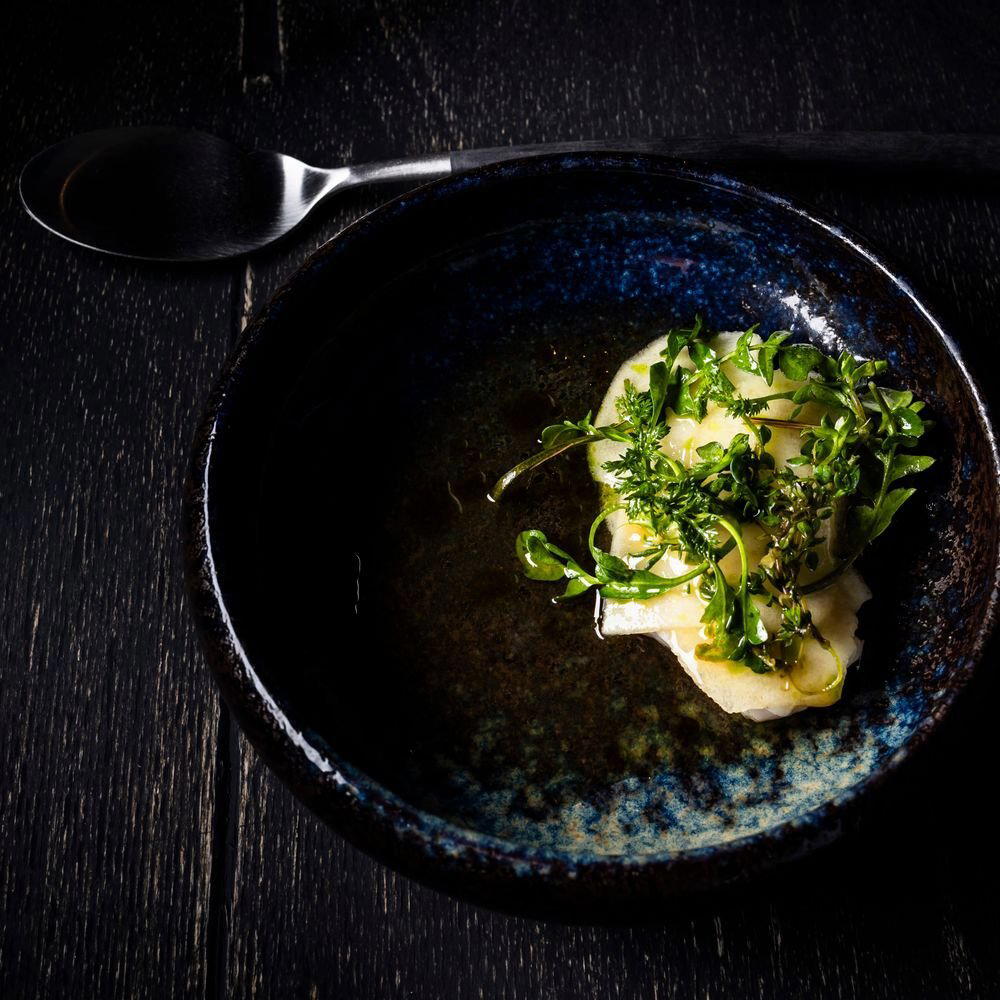
A Market Stall After Hours
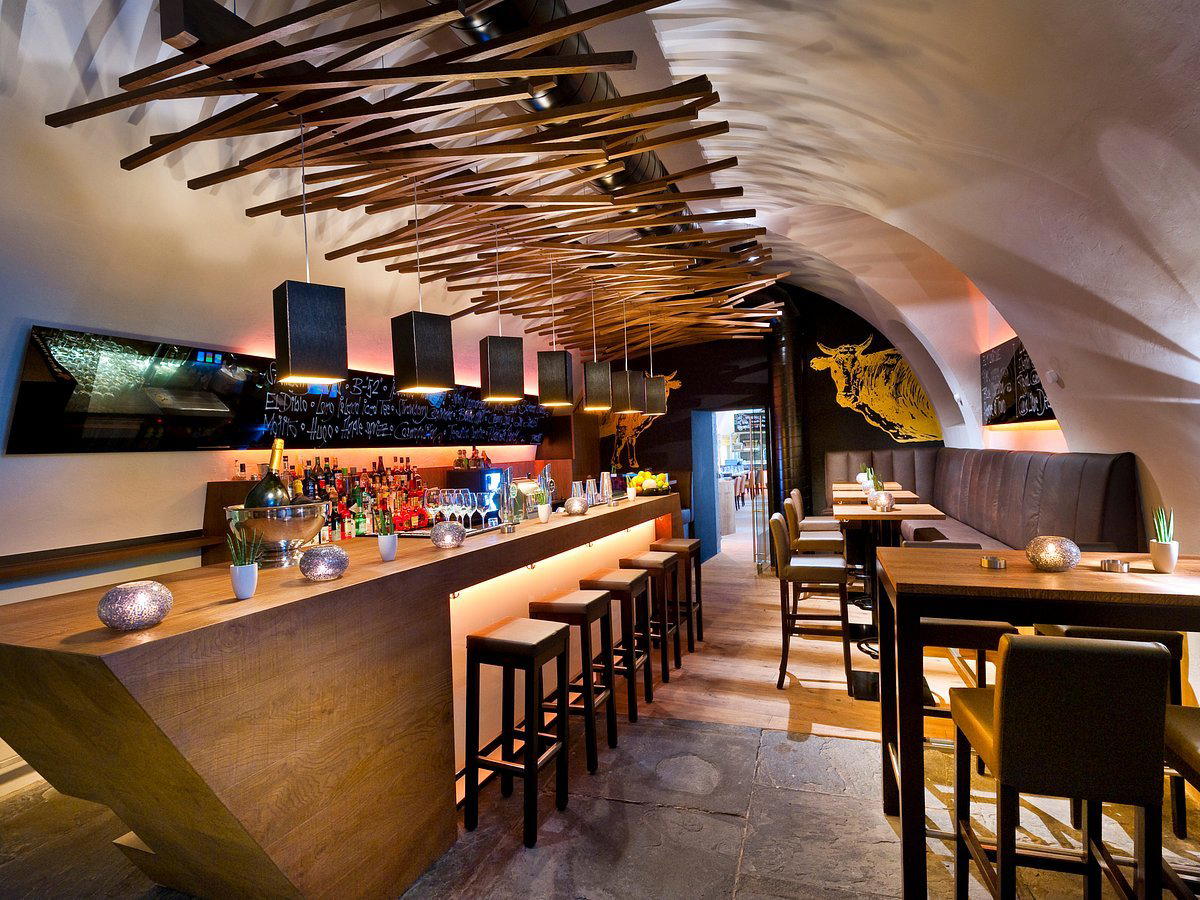
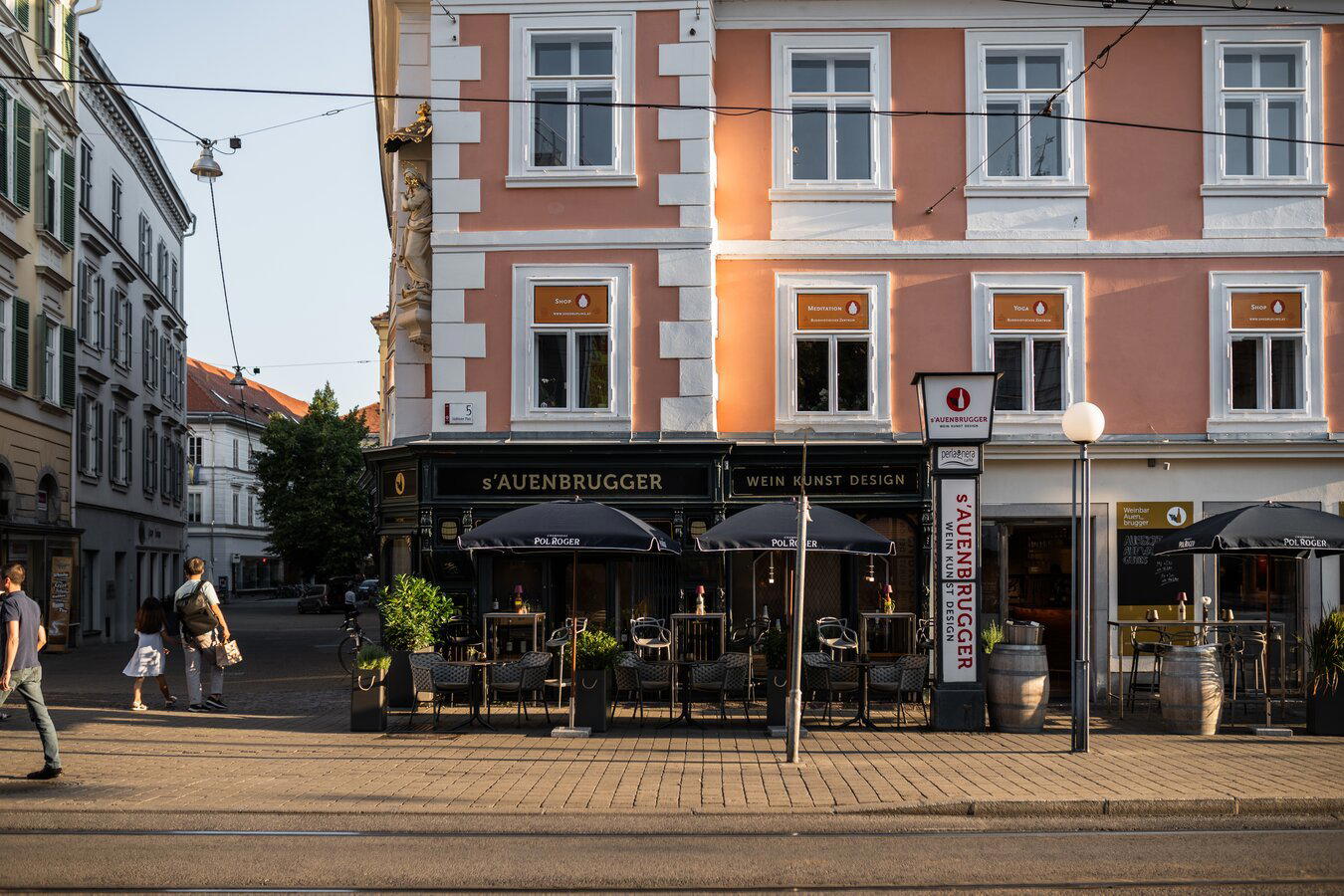
Kaiser-Josef-Platz is the kind of central square that organises a city's daily rhythm. By day, it operates as Graz's principal farmers market, with vendors selling Styrian pumpkins, fresh herbs, river fish, wild mushrooms, and game. The stalls are functional, close to the ground, open to the sky. By evening, one of them takes on a different purpose. The rustic market stall at number 27 becomes the dining room for Alexander Posch's Steiermark(t)dinner, a ten-course set menu that turns the sourcing logic of the market itself into a culinary argument. The setting is not theatrical in the way that underground cellars or converted warehouses tend to be. It is more matter-of-fact than that, which is exactly the point: the ingredients come from a few metres away, and the room reflects that directness.
Where the Food Comes From
Austrian regional cooking has long claimed proximity to its ingredients as a virtue, but few formats make that claim as literally as this one. The market stalls visible from the kitchen are not a decorative backdrop. They are the actual supply chain. The menu shifts with what the market offers each week, which means dishes like "beetroot, tarragon, trout" and "venison, chanterelles, redcurrants" are not permanent fixtures but seasonal compositions that reflect the Styrian calendar. Beetroot arrives in late summer and autumn, chanterelles peak between June and September, venison carries the weight of the hunting season. The menu, in other words, is not designed around a fixed concept and then sourced to match. The sourcing is the concept.
This positions Genießerei am Markt in a different competitive tier from the farm-to-table registers that appear across Graz's broader dining scene. At venues like Kehlberghof (Seasonal Cuisine) or Mohrenwirt (Regional Cuisine), regional ingredients are framed through the lens of tradition and comfort. Here the framing is more precise: stripped-back plating, smaller portions across ten courses, and a kitchen vocabulary that has absorbed fine-dining technique without importing fine-dining distance. The dishes described in the awards record are noted for their expressiveness and finesse, and that combination, stripped back yet crafted, is harder to achieve than either term suggests in isolation. It requires confidence in the ingredient itself and restraint in the cooking.
Steirereck im Stadtpark in Vienna operates at the top of the Austrian regional canon, and the approach at Kräuterreich by Vitus Winkler in Sankt Veit im Pongau similarly centres hyperlocal sourcing within a multi-course format. What makes Posch's setting unusual is the structural tension between the physical informality of the market stall and the ambition of the cooking. That tension is part of the proposition, not a compromise.
The Format and the Room
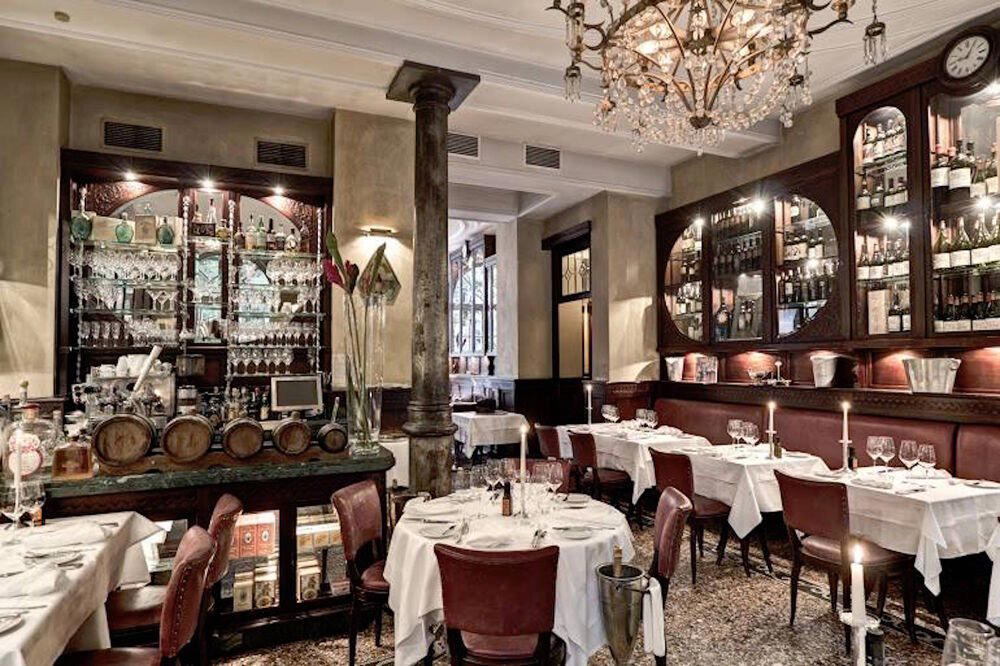
The evening menu runs to ten courses of varying sizes, which places it firmly in the extended tasting format that has come to define serious intent in European fine dining over the last two decades. The open kitchen is small, consistent with a market-stall footprint, and that constraint produces a particular kind of intimacy. The chef participates in service, presenting dishes to the table, which is both a practical function of the kitchen-to-table ratio and a signal about the register of the experience. At restaurants like Artis (Creative), the chef's presence in the room is part of a considered theatrical frame. Here it reads more as practical engagement, a smaller operation where the line between kitchen and floor is genuinely porous.
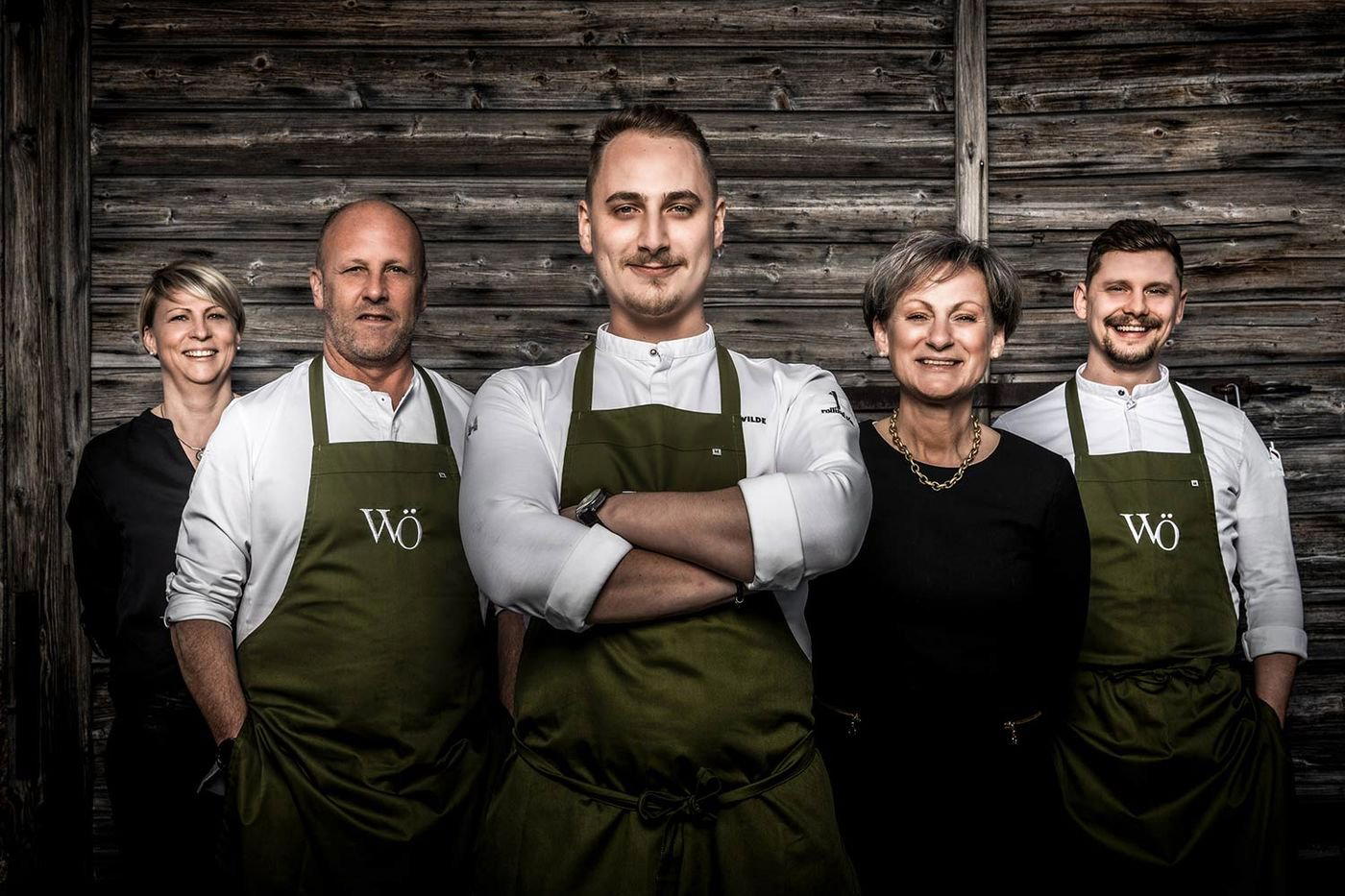
Front-of-house is led by Julia Glanzer, and the awards record specifically notes her team's cordial approach as a factor in the atmosphere. In Graz's more formal dining rooms, service can carry the weight of occasion in a way that creates distance. At Steiermark(t)dinner, the reported atmosphere is relaxed without being informal in the sense of being careless. That balance is what a ten-course menu in a market stall requires: the format asks for attention, but the setting asks for ease, and getting both simultaneously is a genuine service skill.
Lunch as a Separate Consideration
The awards record notes that the daytime menu is simpler but also of interest, which is a meaningful distinction. A lunch offering at a venue known for its evening tasting format often functions as either a commercial necessity or a genuinely different expression of the same kitchen. In a market setting, the lunch context is entirely different: the square is full, the stalls are active, the ambient energy is practical rather than ceremonial. Whether that makes the lunch visit more or less interesting depends entirely on what the visitor is seeking. For those who want to understand the sourcing logic without committing to a ten-course evening, the lunch menu offers a lower-threshold point of entry to the same kitchen and the same market supply chain.
Planning Your Visit
Genießerei am Markt is located at Kaiser-Josef-Platz 27, in central Graz, a city well served by rail from Vienna, with the main station approximately fifteen minutes on foot or a short tram ride from the square. Given the small kitchen footprint and the set-menu format, reservations for the evening Steiermark(t)dinner are the practical approach rather than an optional precaution. Venues of this type, with a fixed menu tied to daily market supply, typically operate with limited covers. The evening format is an adult-oriented experience by structure: ten courses, a formal progression, and a room sized for quiet focus rather than accommodating the variable demands of a family table.
For those building a longer Austrian itinerary around serious cooking, the regional context extends north to Ikarus in Salzburg and west to Gourmetrestaurant Tannenhof in Sankt Anton am Arlberg and Griggeler Stuba in Lech. Landhaus Bacher in Mautern an der Donau represents the longer-established end of the Austrian regional fine-dining canon. Outside Austria entirely, ingredient-sourcing as a primary editorial argument finds its sharpest international expression at places like Le Bernardin in New York City, where the relationship between a single product category and the cooking around it achieves a comparable specificity. Back in Graz, Arravané and Restaurant Kornati sit in the same city grid and offer distinct alternatives for evenings when a ten-course commitment is not what the visit requires. Emeril's in New Orleans provides a transatlantic reference point for how regional identity gets embedded into a tasting format, though the scale and register differ substantially. The Graz wineries guide covers the Styrian wine context that most naturally pairs with the kind of cooking Posch produces at the market.
Quick Comparison
Comparable venues nearby, for context on price, style, and recognition.
| Venue | Cuisine | Price | Awards | Notes |
|---|---|---|---|---|
| Genießerei am Markt - Steiermark(t)dinner by Alexander PoschThis venue — the venue you are viewing | Modern Styrian Fine Dining | $$$ | Michelin Plate | |
| Restaurant Kornati | Croatian Seafood | $$$ | 1 recognition | Geidorf |
| YAMAMOTO SUSHIBAR | Authentic Japanese Sushi | $$$ | , | Innere Stadt |
| Zur goldenen Birn | Modern Austrian Fine Dining | $$$$ | Michelin Plate | St. Leonhard |
| Landhauskeller | Traditional Styrian/Austrian | $$$ | , | Innere Stadt |
| SAKANA | Modern Japanese Sushi | $$$ | , | Geidorf |




At a Glance
- Rustic
- Cozy
- Intimate
- Sophisticated
- Special Occasion
- Date Night
- Open Kitchen
- Local Sourcing
- Street Scene
Pleasant and relaxed atmosphere with cordial service in a distinctive rustic market stall environment.