Steirerkeller sits in the village of Großklein in southern Styria, a region whose wine and agricultural traditions run centuries deep. The Keller format, a vaulted or cellar-style tavern, is one of Austria's most culturally rooted dining settings, and this address places visitors inside that tradition at close range. For those travelling Austria's wine country south of Graz, it represents a grounded, place-specific stop.
Pearl is the En Primeur Club membership app — saves, bookings, and concierge access live there. Same editors, same standards.
- Address
- Nr 23, 8452 Großklein, Austria
- Phone
- +434334562321
- Website
- steirerkeller.at
- Directions
- Get directions
 Saves & bookings on Pearl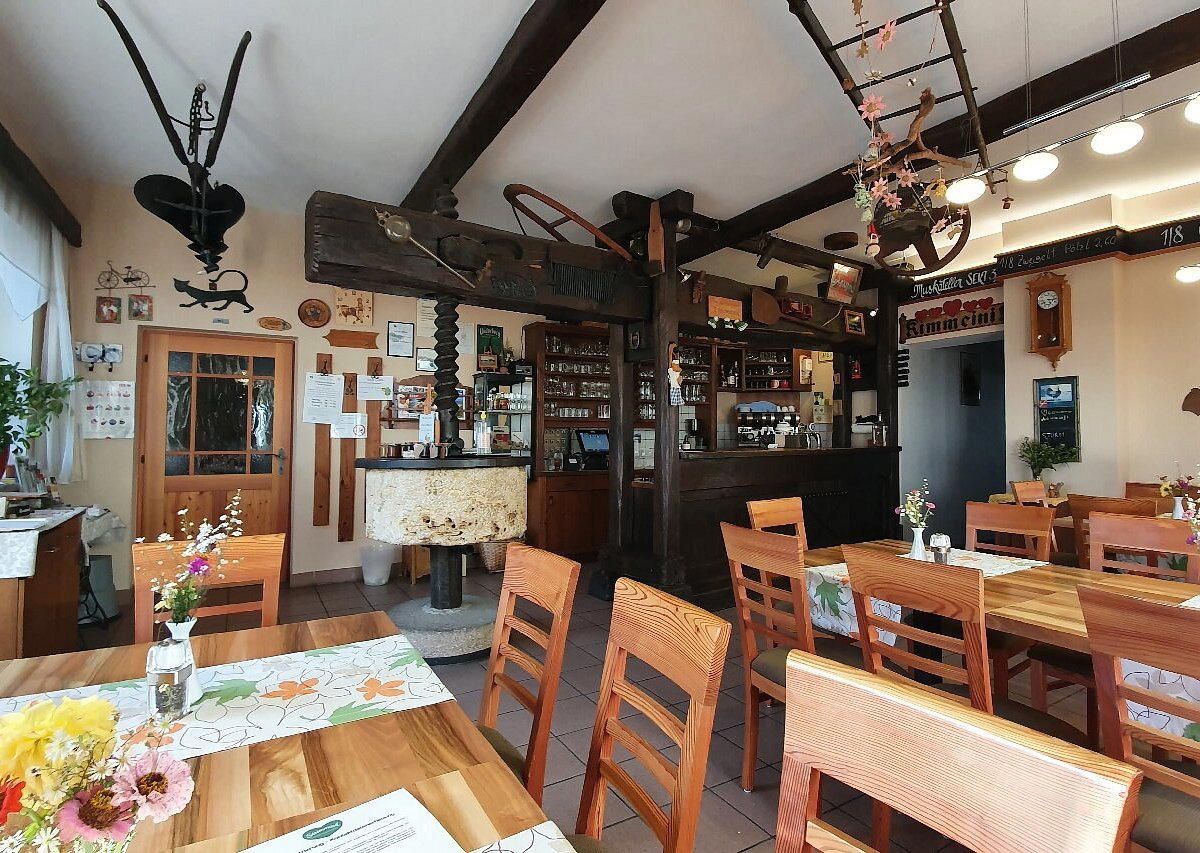
Southern Styria's Cellar Tradition, at Ground Level
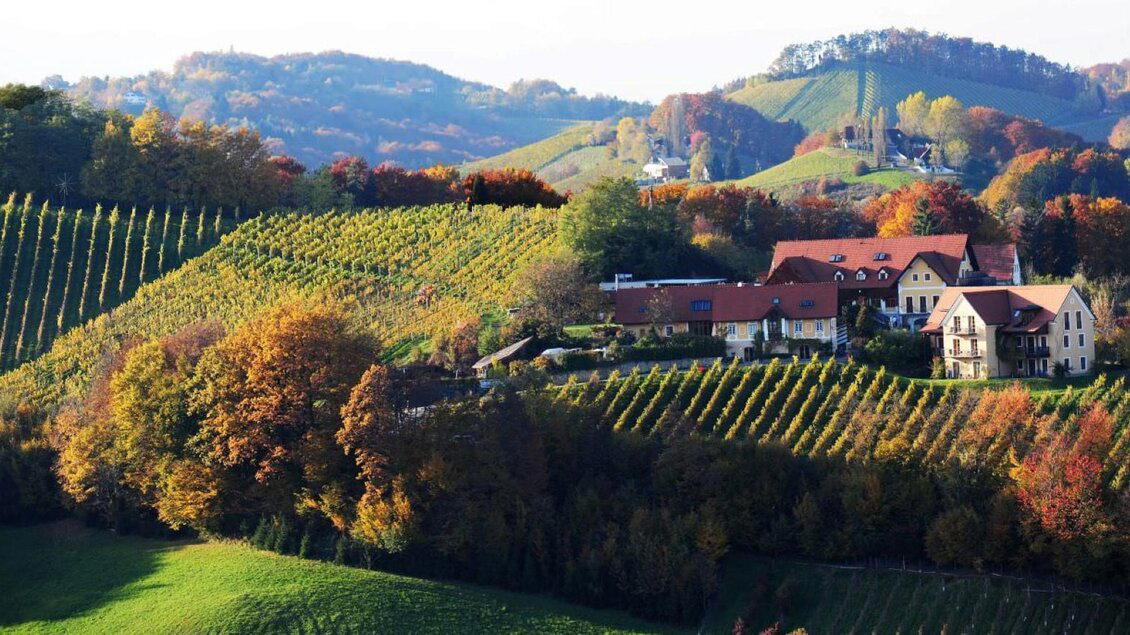
The villages south of Graz that line the Slovenian border sit in one of Austria's most quietly serious wine and food regions. Großklein, a small settlement in the Leibnitz district of Styria, sits inside this corridor, an area where the Sauvignon Blanc and Gelber Muskateller grown on steep hillside vineyards have drawn international attention over the past two decades, and where the infrastructure of local eating has remained largely unchanged: small taverns, family-run cellars, and the Keller format that has defined southern Styrian hospitality for generations. Steirerkeller, at Nr 23 in Großklein, belongs to this setting. Its name signals the format directly, a Steirerkeller is literally a Styrian cellar, and in this corner of Austria, that word carries specific cultural weight.
What the Keller Format Actually Means
The Keller as a dining and drinking institution in Styria operates differently from the wine tavern traditions of Vienna's Heuriger belt or the inn culture of the Tirol. In the southern Styrian wine country, cellars historically served as both storage and social spaces, places where the season's wine was assessed, where neighbours gathered, and where food was kept close to the source that produced it. The format is not designed around theatre or elaborate service. It is designed around directness: wine from the immediate surroundings, food that reflects what the land and season provide, and an atmosphere that the physical structure itself creates. Vaulted stone or pressed-earth spaces maintain their own temperature and register, the cool air, the particular acoustic quality of a low ceiling, the closeness of the setting all work on the visitor before a single glass is poured. Across southern Styria, the Keller format sits at the base of a dining pyramid that extends upward to acclaimed addresses like Steirereck im Stadtpark in Vienna and the contemporary Austrian cooking at Döllerer in Golling an der Salzach, but the Keller is not an entry point to something more serious. It is its own serious thing.
Großklein in Regional Context
Großklein itself is a village in the Sausal wine region, a sub-zone of southern Styria that produces whites on some of the steepest gradients in the country. The proximity to Slovenia means the regional palate and the agricultural inputs, the herbs, the cured meats, the dairy traditions, have cross-border influences that distinguish southern Styrian cooking from what you find further north toward Graz or west toward Carinthia. This is pumpkin-seed oil territory: the dark, intensely flavoured oil pressed from Styrian pumpkins is as central to the regional table as olive oil is to Liguria, and it appears across dishes and dressings in a way that functions as a regional signature rather than a novelty ingredient. The village's position within the Leibnitz district puts it alongside other small settlements whose names appear on wine labels that reach international collectors, the wines of the Südsteiermark have earned a following well beyond Austria's borders, and the dining culture that surrounds them has developed in parallel.
For context on how Styrian fine dining expresses itself at the summit of the market, Artis in Graz represents the urban, technically ambitious end of the same regional tradition. The village Keller format and the Graz restaurant scene address different moments and different travellers, but they draw from the same agricultural and cultural foundation. Austria's broader dining reputation, carried by addresses like Ikarus in Salzburg, Landhaus Bacher in Mautern an der Donau, Obauer in Werfen, and Kräuterreich by Vitus Winkler in Sankt Veit im Pongau, rests partly on this layered regional infrastructure, where the base is as considered as the apex.
The Village Dining Ecology
Großklein supports a small cluster of eating and drinking addresses that collectively reflect the village's character. Der Literwirt is another local address operating within the same general village orbit, and the two together suggest a dining ecology that is modest in scale but specific in identity. This is not a village that has been packaged for tourism, the density of wine producers in the surrounding hills draws visitors who have come specifically for the wines of the Südsteiermark, and the eating options they find reflect local priorities rather than imported hospitality formats. For the visitor arriving from a more developed wine-tourism circuit, the adjustment is not a compromise. It is the point.
Austria's wine country south of Graz is increasingly compared to reference regions in Alsace or northern Italy in terms of the seriousness of its whites and the completeness of the table culture surrounding them. Comparable rural dining settings in other wine-producing regions, the farmhouse restaurants of Friuli, the cave cellars of the Wachau, have each developed reputations that reflect their physical and agricultural specificity. Southern Styria is following a similar path, and the Keller addresses within it are part of that story. Other benchmark Austrian addresses like Taubenkobel in Schützen am Gebirge or Ois in Neufelden have demonstrated that serious food culture in Austria does not require an urban postcode, a principle that the village Keller format embodies in its most direct form.
Planning Your Visit
Großklein sits approximately 35 kilometres south of Graz, making it accessible as a day trip from the city or as a stop on a longer southern Styrian wine route. The village is small and the address at Nr 23 is specific, arrival by car is the practical choice for most visitors, as public transport connections to villages of this size in the Leibnitz district are limited. Visiting Austria's rural south in late summer or early autumn, when the harvest season adds context to both the wines and the food on offer, adds a temporal dimension that a winter or spring visit does not replicate. For those building a wider Austrian dining itinerary, the regional options include Gourmetrestaurant Tannenhof in Sankt Anton am Arlberg, Griggeler Stuba in Lech, Schwarzer Adler in Hall in Tirol, Stüva in Ischgl, and Restaurant 141 by Joachim Jaud in Mieming.
Price Lens
Comparable venues nearby, for context on price, style, and recognition.
| Venue | Cuisine | Price | Notes |
|---|---|---|---|
| SteirerkellerThis venue — the venue you are viewing | Grossklein, Traditional Austrian | $$ | Not listed |
| der literwirt | Not listed | $$ | Gleinstätten, Regional Styrian Fine Dining |
| Emmy im Schloss Gamlitz | Gamlitz, Styrian Austrian Regional | $$ | Not listed |
| Türkenloch | Not listed | $$ | Bad Radkersburg, Traditional Austrian Styrian |
| Genusstreffpunkt Höfer | Weinitzen, Modern Austrian | $$ | Not listed |
| Das Grambacher | Raaba-Grambach, Austrian Steakhouse | $$ | Not listed |
Continue exploring
More in Gro Klein
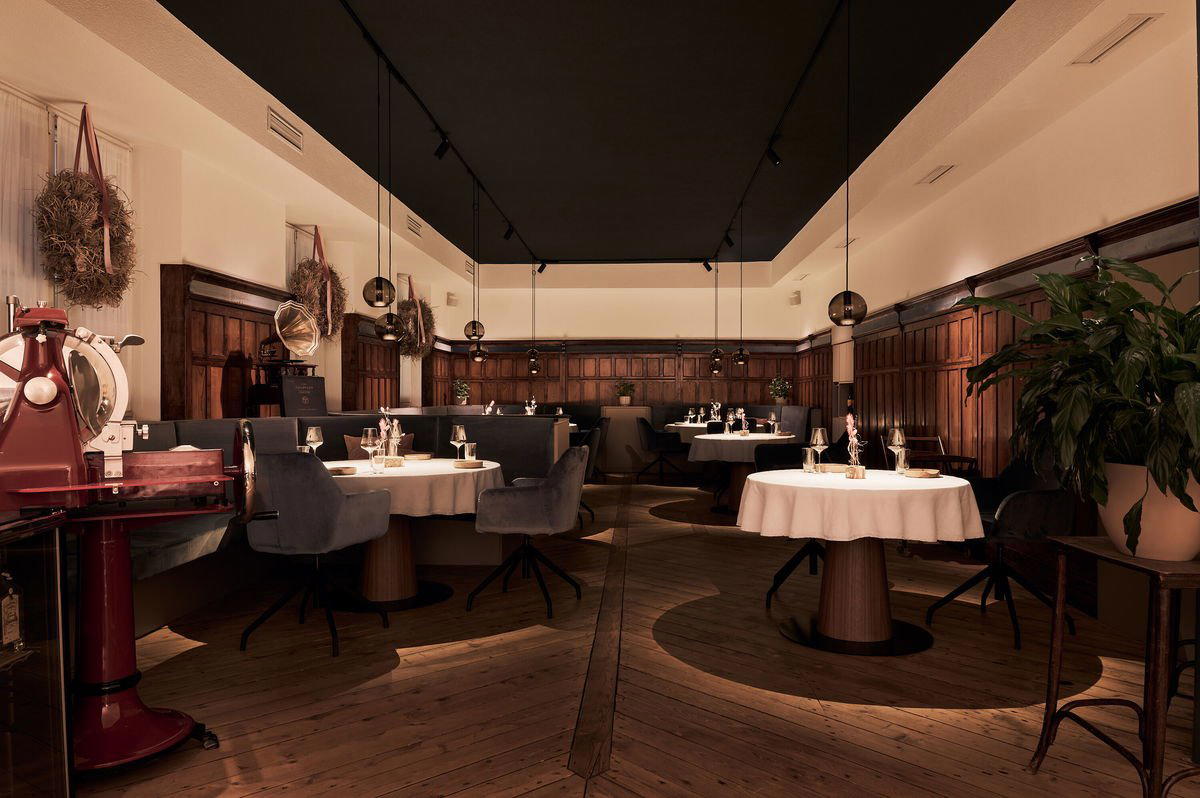
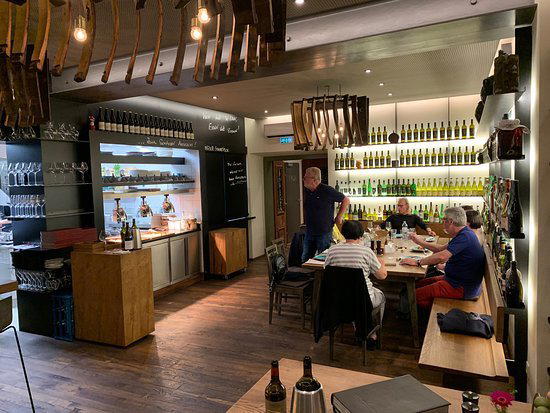
Restaurants in Gro Klein
Browse all →
Bars in Gro Klein
Browse all →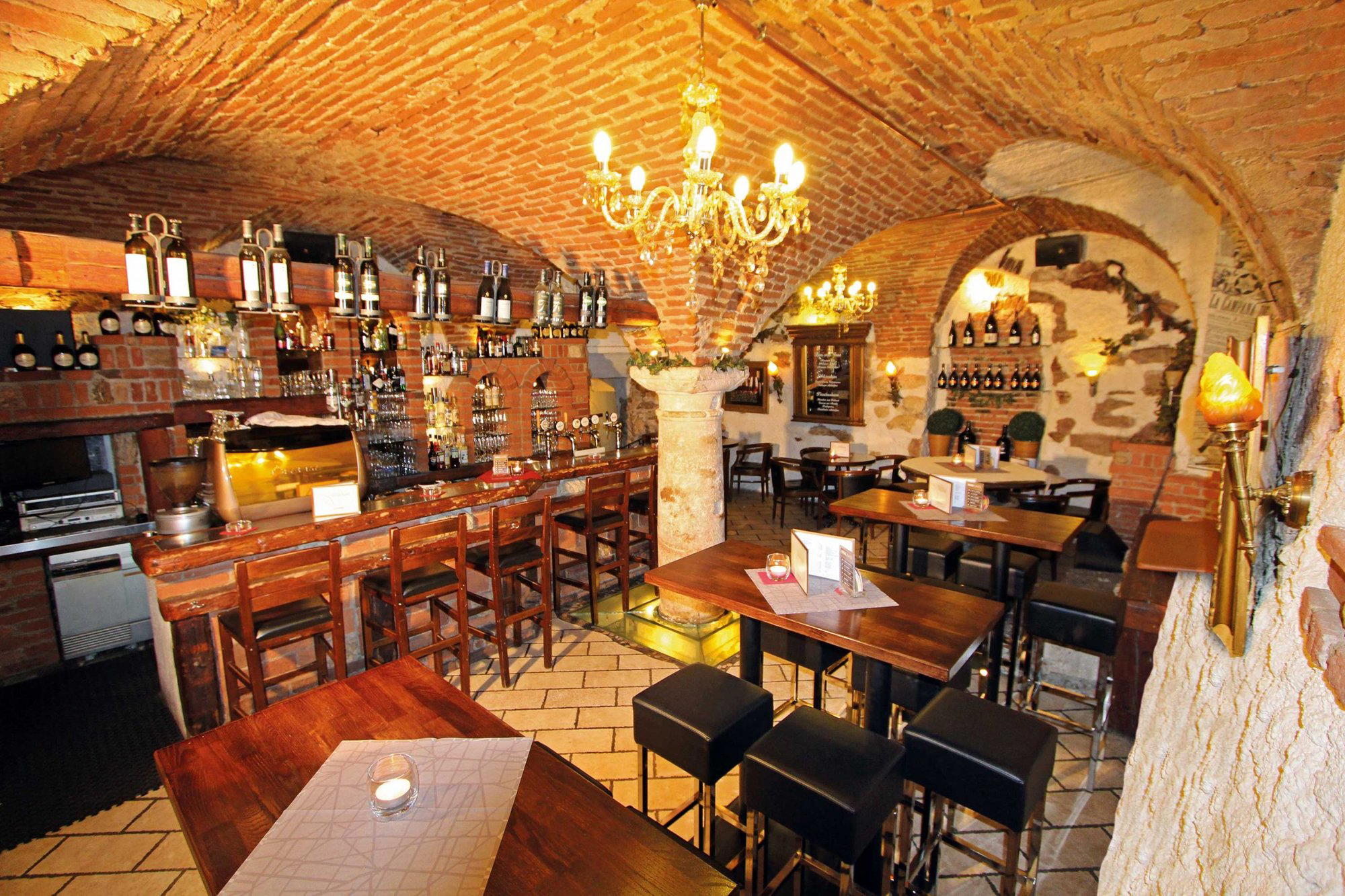
Hotels in Gro Klein
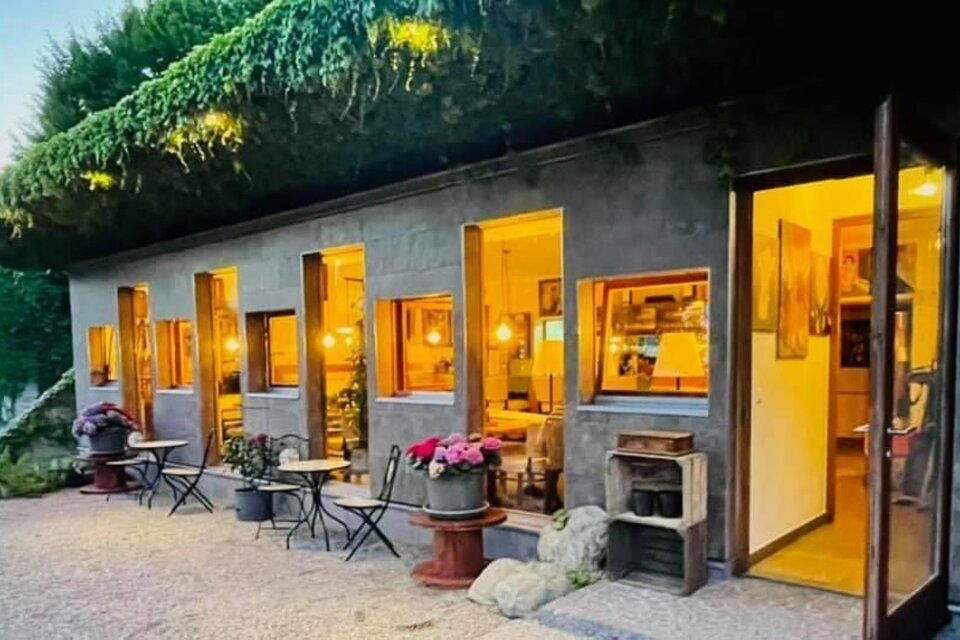
Browse all →

At a Glance
- Cozy
- Rustic
- Classic
- Family
- Group Dining
- Casual Hangout
- Standalone
- Local Sourcing
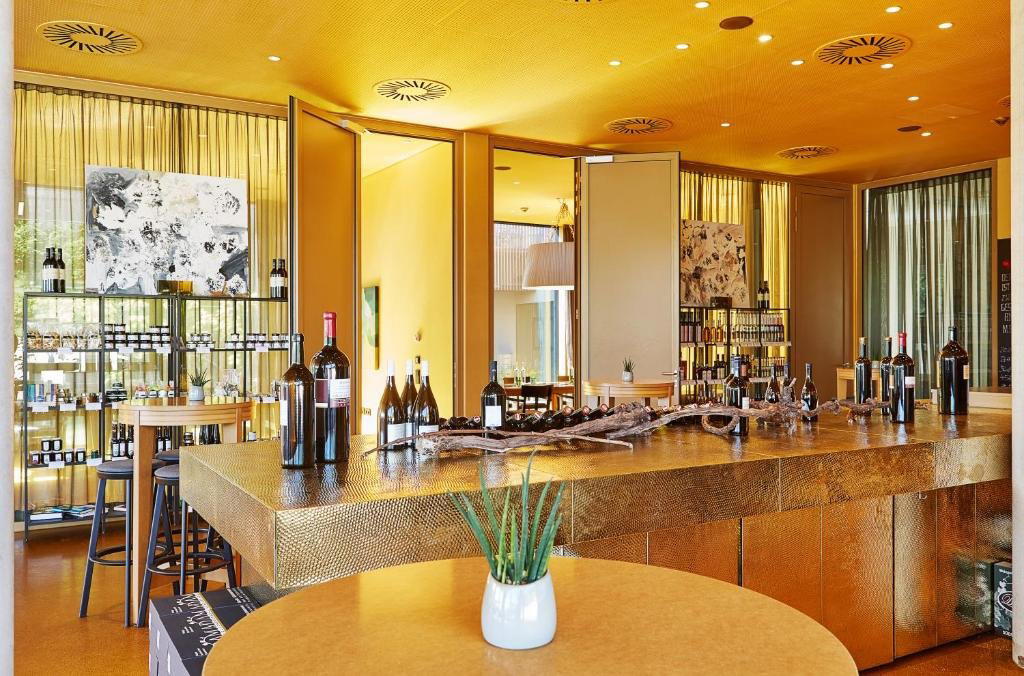
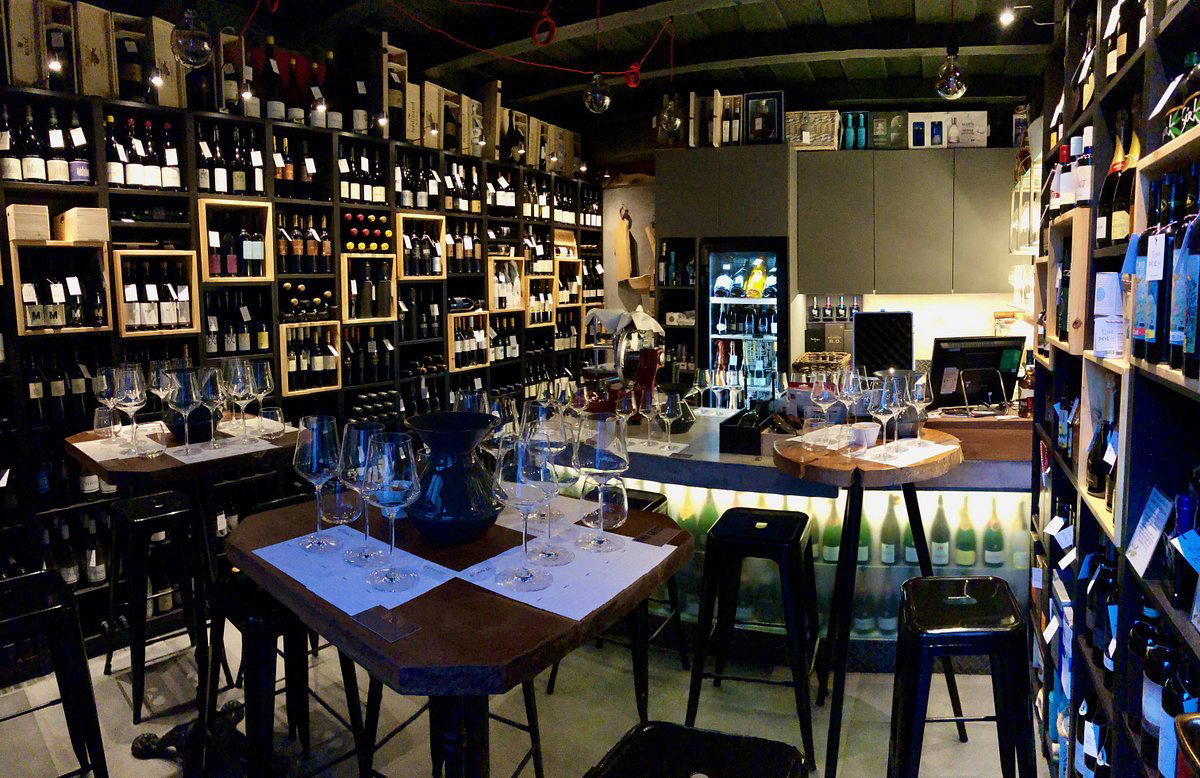
A warm, homey inn atmosphere with an old-school Styrian feel, described as cosy, lovingly furnished, and friendly.