Zum Hirschen occupies a direct address on Bahnhofstraße in Burgau, a small market town in Styria's eastern reaches where the cooking tradition leans on the province's agricultural heritage rather than urban ambition. For visitors tracing Austria's broader regional dining scene beyond the marquee destinations, this is the kind of address that reflects how Styrian hospitality functions at the local level, rooted, unpretentious, and shaped by what grows nearby.
Pearl is the En Primeur Club membership app — saves, bookings, and concierge access live there. Same editors, same standards.
- Address
- Bahnhofstraße 37, 8291 Burgau, Austria
- Phone
- +434333832226
- Website
- gasthof-zumhirschen.at
- Directions
- Get directions
 Saves & bookings on Pearl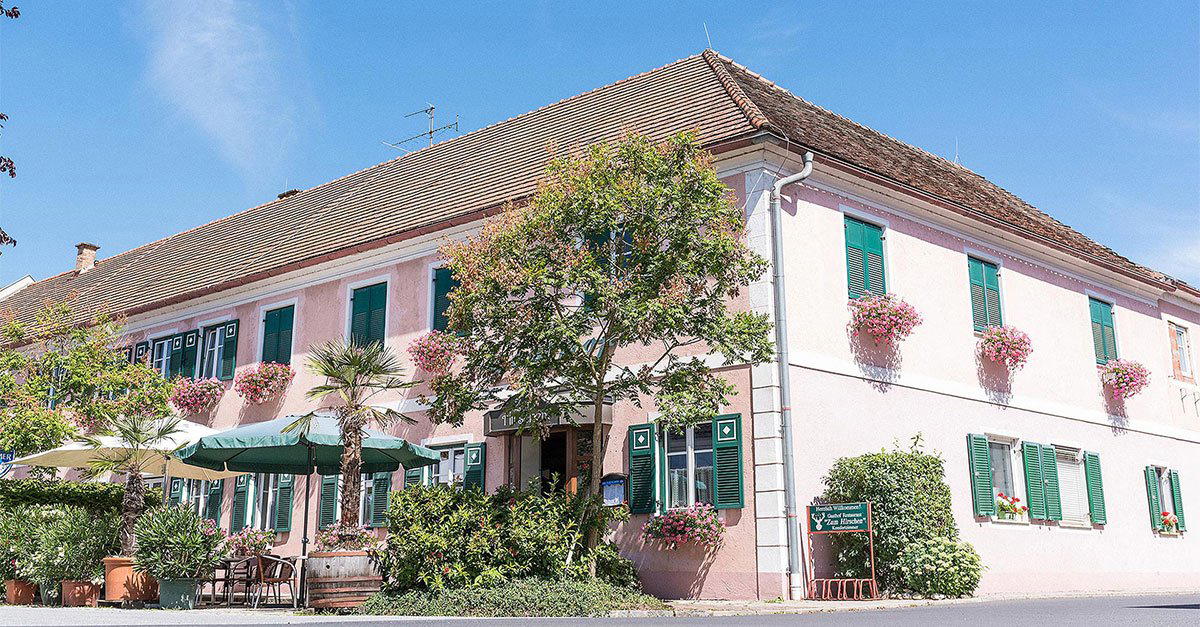
Styria at the Source: How Eastern Austria's Market Towns Feed Their Own
The eastern Styrian plateau that stretches toward the Burgenland border is not a region that courts attention from international food press. That is, in part, what makes it worth paying attention to. The market towns here, Burgau among them, have sustained a hospitality culture built on the rhythms of the surrounding agricultural land rather than the demands of tourist seasons or tasting-menu trends. Zum Hirschen is a restaurant in Burgau, Austria, at Bahnhofstraße 37, serving Traditional Austrian & Mediterranean cooking. The address alone signals the register: a main-street position in a provincial town, close to the train station, the kind of placement that in Austrian regional culture typically means a Gasthaus serving the community first and visitors as a secondary consideration.
That community-first orientation is, in the broader context of Austrian dining, a meaningful editorial distinction. The country's most-discussed restaurants, Steirereck im Stadtpark in Vienna, Döllerer in Golling an der Salzach, Ikarus in Salzburg, operate in a register defined by creative ambition, international comparison sets, and price points that reflect their positioning against European fine dining broadly. Zum Hirschen operates in a different register entirely, one where the reference point is the Styrian table rather than the global tasting menu circuit.
The Ingredient Logic of Styrian Cooking
Understanding what Zum Hirschen likely represents requires understanding what Styrian cooking is built on. The province produces some of Austria's most distinctively regional ingredients: pumpkin seed oil from the Styrian oil pumpkin is especially internationally recognised, but the agricultural picture is considerably wider. Eastern Styria specifically is known for its arable farming, its orchards, and the small-scale animal husbandry that has supplied provincial Gasthäuser for generations. A Gasthaus in this part of Austria drawing on local supply is not making a farm-to-table statement in the contemporary marketing sense, it is simply reflecting how the supply chain has always worked in a region where the distance between producer and plate has historically been short.
This is the ingredient logic that distinguishes provincial Austrian dining from its urban counterparts. In Vienna or Salzburg, sourcing locally requires deliberate procurement decisions against a competitive urban market. In Burgau, local sourcing is the default position shaped by geography and longstanding supplier relationships. The Styrian model, reinforced across the province's Gasthäuser and regional restaurants, is one where pumpkin, pork, freshwater fish, and orchard fruit anchor menus not because of trend alignment but because that is what the land produces and what the kitchen knows how to handle. Comparable approaches can be found at places like Taubenkobel in Schützen am Gebirge and Landhaus Bacher in Mautern an der Donau, though both operate at a higher price tier and with greater critical visibility than a Burgau Gasthaus typically attracts.
Where Zum Hirschen Sits in the Austrian Dining Picture
Austria's restaurant scene, viewed from the outside, is often reduced to its Michelin-starred headline acts. The reality is a layered structure. At the leading sit the creative fine-dining addresses: Gourmetrestaurant Tannenhof in Sankt Anton am Arlberg, Griggeler Stuba in Lech, Stüva in Ischgl, and Kräuterreich by Vitus Winkler in Sankt Veit im Pongau. Below that sits a broad middle tier of ambitious regional cooking, represented by places like Obauer in Werfen, Schwarzer Adler in Hall in Tirol, and Artis in Graz. And then there is the foundation layer: the provincial Gasthaus, which in Styria is often where one direct expression of regional ingredients actually happens, without the mediation of creative technique or destination-restaurant ambition.
The restaurant, based on its location and address profile, fits that foundation tier. This is not a diminishment. The foundation tier is where Austrian culinary identity is most durably expressed and where visitors seeking to understand the cuisine beyond its showpiece moments should look. The contrast is instructive: a meal at Atelier Fischer in Sankt Gilgen or Restaurant 141 by Joachim Jaud in Mieming reflects what Austrian cooks do when they apply contemporary technique to regional ingredients. A meal at a Gasthaus in Burgau reflects what those ingredients tasted like before the technique arrived. Both are worth understanding. Neither makes the other redundant.
For international visitors more accustomed to comparing Austria's dining scene against destination restaurants, the way a diner might compare Le Bernardin in New York City or Atomix in New York City against their global peers, the provincial Gasthaus requires a recalibration of the comparison frame. The relevant question is not how it measures against Michelin benchmarks but how accurately it reflects the place it comes from. By that measure, a Gasthaus on Bahnhofstraße in eastern Styria, cooking from the surrounding agricultural plateau, is doing something the starred restaurants in Vienna or Salzburg cannot replicate on the same terms.
Planning a Visit to Burgau
Burgau sits in the Raab valley in eastern Styria, reachable by regional rail from Graz, which positions it as a half-day or day-trip proposition from the provincial capital rather than a standalone destination. For visitors building an itinerary around Styrian dining, the eastern plateau makes sense as a complement to Graz's more visible restaurant scene, where addresses like Artis represent the urban end of the province's cooking. The restaurant's address on Bahnhofstraße places it within walking distance of the train station, which removes the logistical complexity of a car for visitors arriving from Graz. Advance contact is advisable for groups.
A Quick Peer Check
Comparable venues nearby, for context on price, style, and recognition.
| Venue | Cuisine | Price | Notes |
|---|---|---|---|
| Zum HirschenThis venue — the venue you are viewing | Traditional Austrian & Mediterranean | $$ | Not listed |
| Restaurant Die Hexn-Stubn | Traditional Styrian Austrian | $$ | Feistritztal |
| Sudhaus | Styrian Brewery Restaurant | $$ | Straßgang |
| Futterboden | Viennese-Mediterranean Fusion | $$ | Rudolfsheim |
| Landstein | Traditional Austrian & Viennese | $$ | Wien-Mitte |
| Großebenhütte | Austrian Mountain Hut Fare | $$ | Hirschegg-Pack |


At a Glance
- Romantic
- Cozy
- Rustic
- Classic
- Date Night
- Group Dining
- Family
- Celebration
- Private Event
- Private Dining
- Terrace
- Historic Building
- Local Sourcing
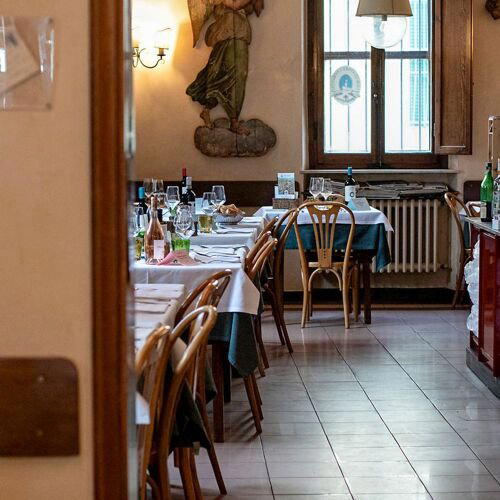
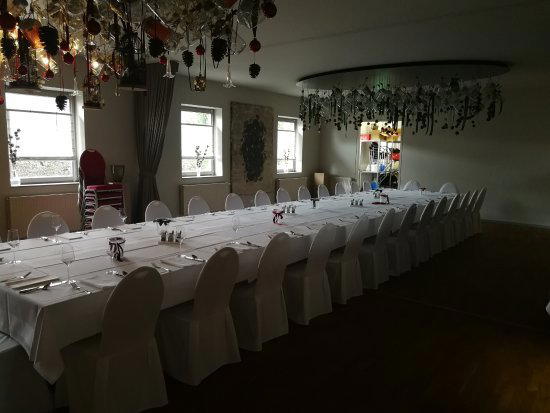
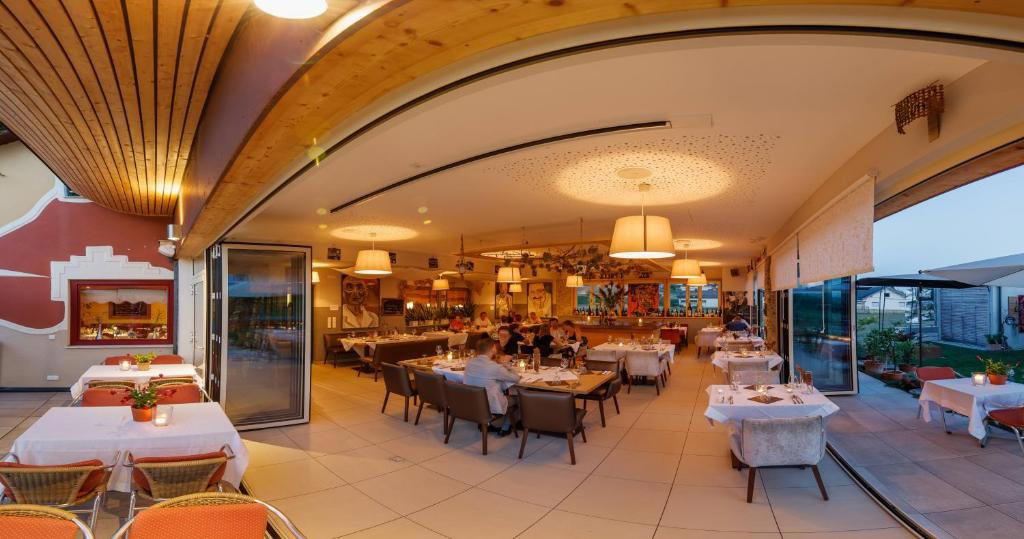
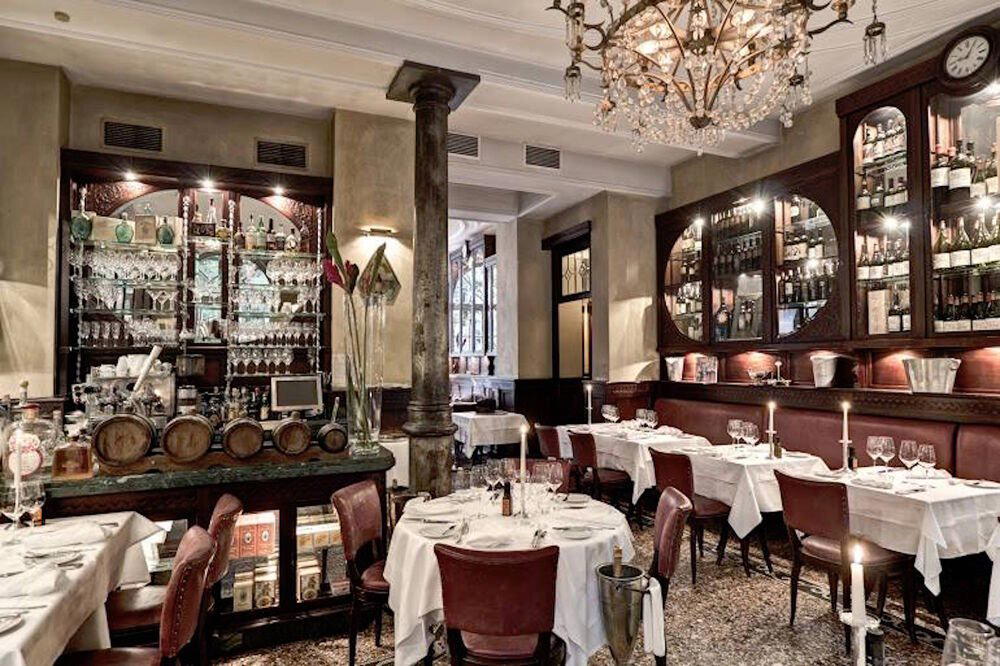
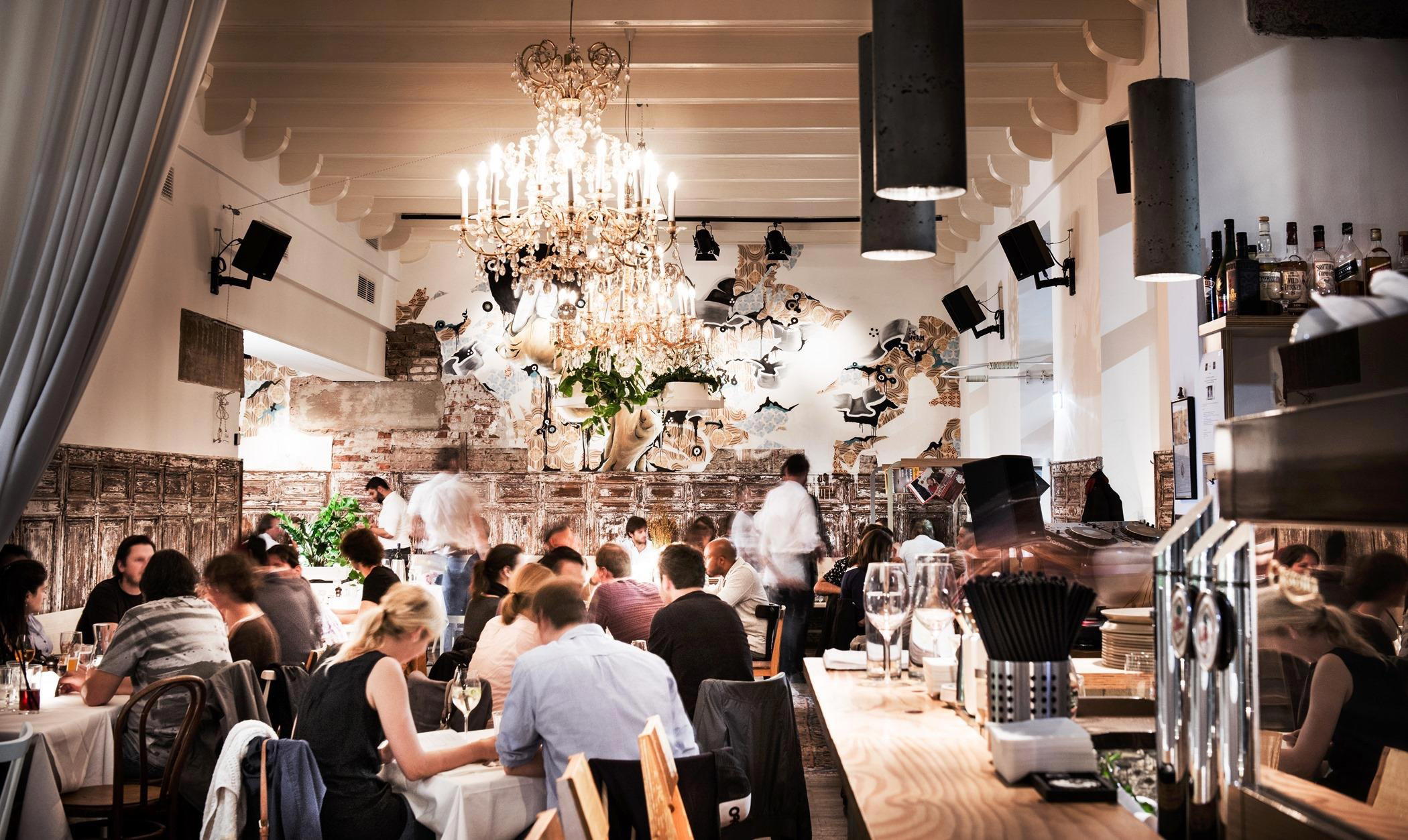
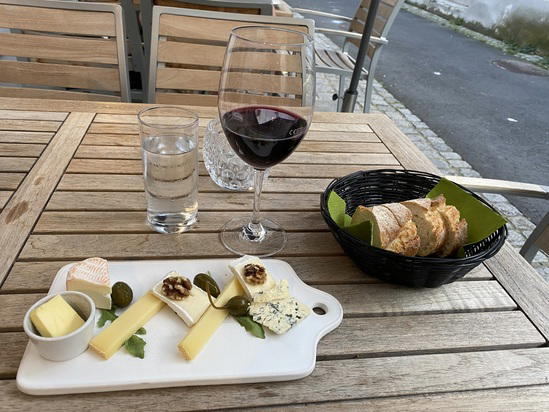
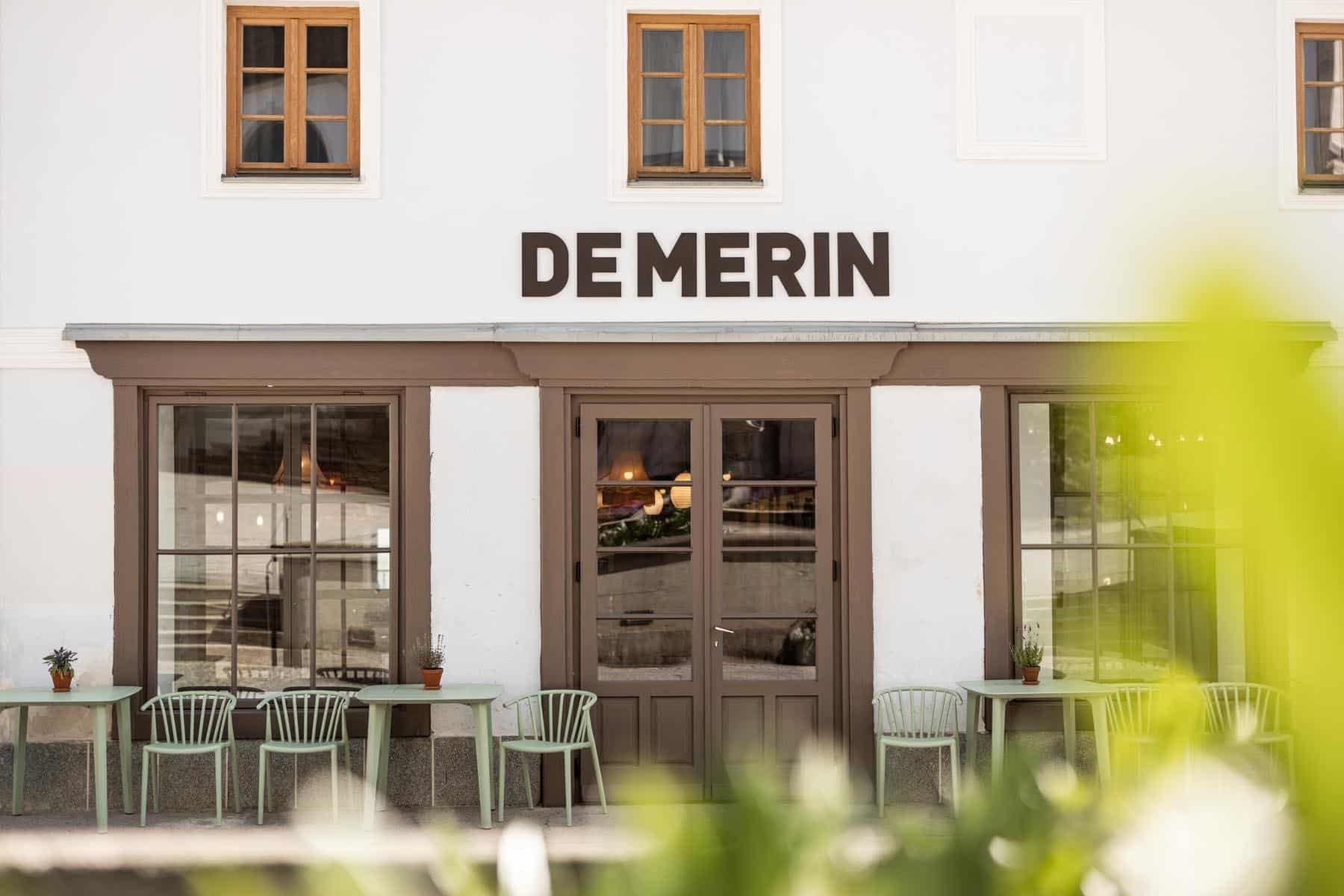
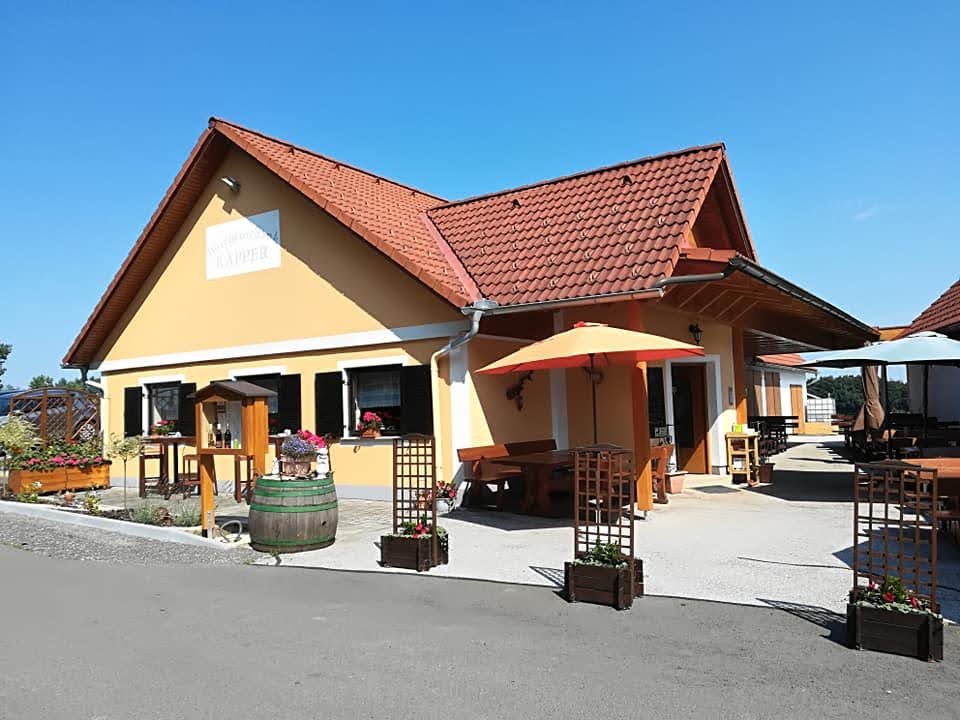
Warm, traditional Austrian hospitality with a cozy, romantic atmosphere; spacious rooms with rustic charm and comfortable dining environment.