Restaurant OY

Michelin Plate
Our verdict
Restaurant OY brings classical French technique into Gangnam's basement dining circuit, holding a Michelin Plate in both 2024 and 2025. The room sits below street level on a quiet Seolleung-ro side street, drawing a local crowd that reads the format as a serious French proposition rather than a fusion experiment.

Pearl is the En Primeur Club membership app, where members save venues, book tables and use the concierge.
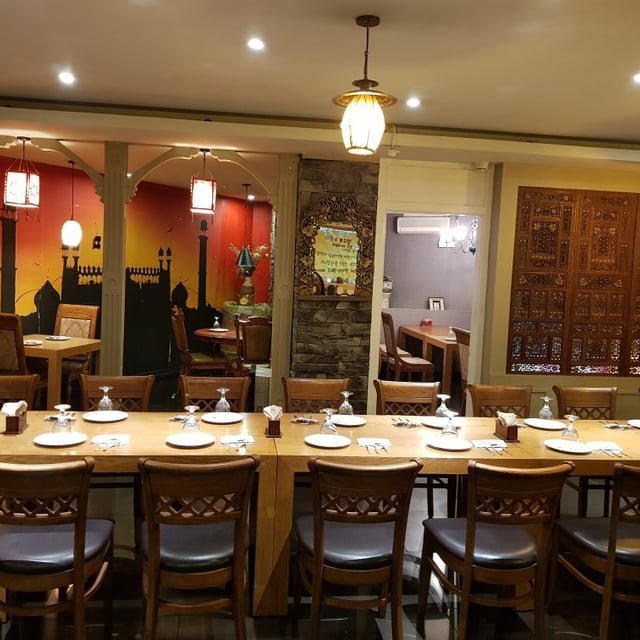
Basement dining in Gangnam operates by a particular logic. The descent below street level is almost always deliberate, a signal that the room inside prioritises something other than visibility. On a side street off Seolleung-ro, Restaurant OY follows that pattern: B1F address, quiet approach, and a format that positions itself as a French restaurant in a city where French cooking now occupies a specific and contested tier.
French Cooking in Seoul's Competitive Middle Ground
Seoul's French dining scene has stratified sharply over the past decade. At one end sit the multi-Michelin-starred tasting counter operations, where the per-head spend crosses into territory usually associated with Tokyo or Paris. At the other end, a cluster of neighbourhood bistro-style rooms has emerged, drawing younger professional diners who want classical technique without the ceremony. Restaurant OY holds a Michelin Plate for both 2024 and 2025, recognition that signals consistent quality and adherence to the guide's standards without placing it in the starred tier. That positioning is worth taking seriously. The Plate designation in Seoul's current guide context means the kitchen is cooking at a level the inspectors consider noteworthy; it does not mean it is competing directly with the city's three-star operations or with the high-volume omakase formats that dominate Gangnam's upper price bracket.
The French restaurants that have made the clearest impression in Seoul over the past few years share a common tension: how much of the classical canon to carry intact, and how much to adapt for a dining public that is now highly literate in both Korean and European technique. L'Amitié, operating at the ₩₩₩ tier, approaches that question from a more accessible price point. Tutoiement and KANG MINCHUL Restaurant represent the higher-commitment end of the French proposition in the city. Restaurant OY, priced at ₩₩₩₩, sits in the upper-middle band, expensive enough to signal ambition, but not operating in the same rarefied air as the city's most-decorated rooms.
The Classical-Modern Tension in Practice
French cooking in Asia has long carried a particular burden: the expectation that it will either replicate the Parisian original with scholarly fidelity or find a local inflection that justifies the departure from the source. The rooms that have navigated this most successfully, Sézanne in Tokyo, Les Amis in Singapore, and to some extent Hôtel de Ville Crissier as a reference point for classical rigour, tend to resolve that tension through technical discipline rather than through concept. The kitchen either knows the sauce work, the protein timing, and the pastry construction at a level that removes the question of authenticity, or it does not.
The Michelin Plate, awarded consistently across two consecutive years, suggests Restaurant OY's kitchen is holding its technical ground. What the guide does not tell you is where the room sits on the classical-to-innovative spectrum, whether the menu leans into heritage preparations with minimal intervention, or whether it is reaching toward the kind of Korean-inflected French hybrids that have become increasingly visible in Gangnam. That ambiguity is, in some ways, the defining characteristic of this tier of French dining in Seoul right now. The ₩₩₩₩ bracket includes rooms with very different answers to the same question, from the Korean-French fusion work at Zero Complex to the more straightforwardly European approach of several other Gangnam operations.
The Gangnam-gu Context
Gangnam-gu houses a concentration of high-end dining that is unusual even by the standards of Seoul's broader restaurant density. The neighbourhood has developed a dining infrastructure that supports formats not commercially viable in most other parts of the city: long tasting menus, premium ingredient sourcing, and service staffing levels that compress the revenue-per-seat model. Alongside French operations, the area hosts serious Korean fine dining at places like Kwon Sook Soo and the broader fine-dining ecosystem that connects to venues like Gaon. French kitchens in this context are competing not just against each other but against Korean fine dining rooms that are operating at a very high level of refinement.
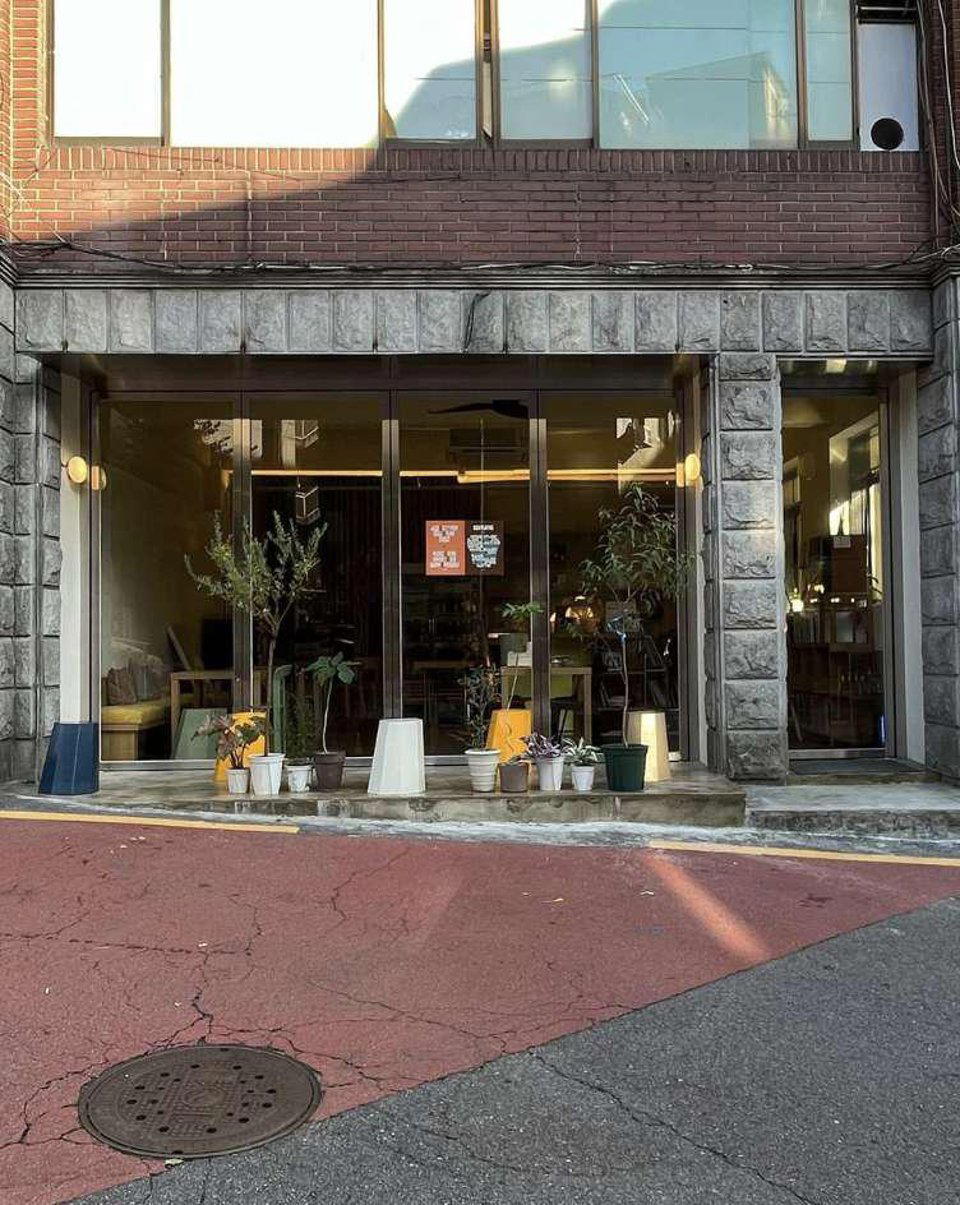
The basement location on Seolleung-ro 148-gil places Restaurant OY away from the highest-footfall Gangnam corridors, a choice that tends to concentrate the room's clientele among those who have sought it out rather than those who have stumbled in.
Situating OY in a Wider Seoul Dining Trip
A Seoul itinerary built around serious eating tends to move between Korean fine dining and French or European rooms, with the two often scheduled on alternate evenings to avoid repetitive format fatigue. For the French portion of that rotation, the ₩₩₩₩ tier offers several credible options in Gangnam alone. Restaurant OY's Michelin recognition over two years gives it a level of accountability that newer or unrecognised rooms cannot match. For reference points elsewhere in the city's French scene, Au Bouillon and Bistrot de Yountville represent different tonal approaches to the same culinary tradition. Beyond Seoul, the French-influenced cooking at Mori in Busan shows how the same European framework is being interpreted in a very different Korean city context.
For those building a broader understanding of Seoul's dining scene, EP Club's full Seoul restaurants guide maps the city's formats and price tiers in detail. The Seoul hotels guide, Seoul bars guide, Seoul wineries guide, and Seoul experiences guide cover the surrounding ecosystem. For a different register of Korean culinary tradition, Baegyangsa Temple in Jangseong-gun and The Flying Hog in Seogwipo illustrate how far the country's food culture extends beyond the Seoul fine-dining corridor.
Know Before You Go
- Address: B1F, 48-12 Seolleung-ro 148-gil, Gangnam-gu, Seoul, 06064, South Korea
- Price tier: ₩₩₩₩
- Cuisine: French
- Awards: Michelin Plate 2024; Michelin Plate 2025
- Location note: Basement level, allow extra time to locate the entrance on arrival
Frequently asked questions
What should I eat at Restaurant OY?
Based on the French cuisine classification and the ₩₩₩₩ price tier, the kitchen is operating a format consistent with multi-course French service rather than à la carte bistro eating. See also: Tutoiement and KANG MINCHUL Restaurant for comparative French fine-dining formats in Seoul at a similar or higher price point.
| Venue | Cuisine | Price | Awards | Notes |
|---|---|---|---|---|
| Restaurant OYThis venue (the venue you are viewing) | Modern French Contemporary | Not listed | Michelin Plate | Not listed |
| 7th Door | Modern Korean Fermentation Fine Dining | $100–150 | 1 Michelin Star · World's 50 Best #49 | Korean, Contemporary |
| Solbam | Contemporary Neo-Classical Korean | $200–300 | 1 Michelin Star · World's 50 Best #55 | Contemporary |
| Onjium | Modern Korean Royal Court Cuisine | Not listed | 1 Michelin Star · World's 50 Best #14 | Korean |
| L'Amitié | Classic French Fine Dining | $100–150 | 1 Michelin Star · La Liste Top Restaurants | French |
| Zero Complex | Modern French Neo-Bistro | $100–150 | 1 Michelin Star · La Liste Top Restaurants | Korean-French, Innovative |
Recognition history
Dated appearances from independent guides and award organizations, with the underlying list record or original source where available.
Michelin Plate
Michelin
Full recognition history (3 entries)
Michelin Plate
Michelin
Michelin Plate
Michelin
Continue exploring
More in Seoul
Restaurants in Seoul
All restaurants in Seoul →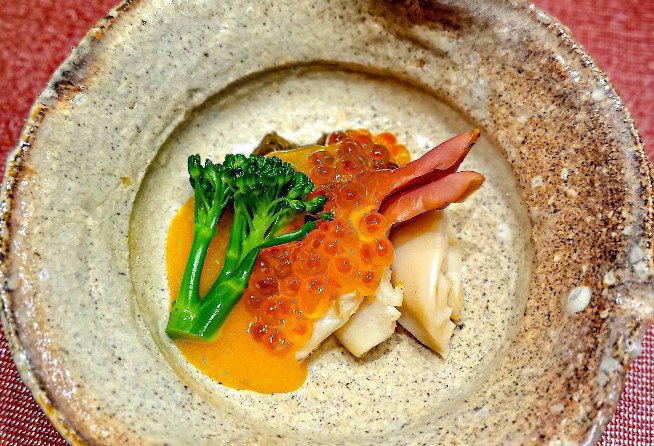
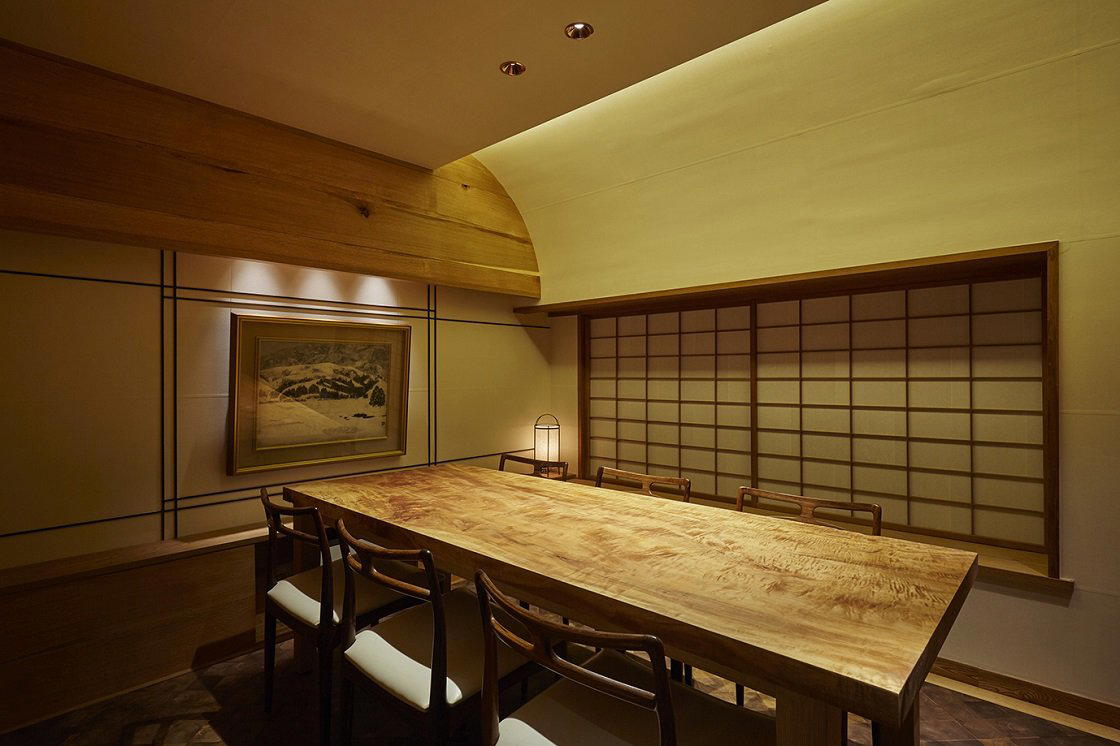
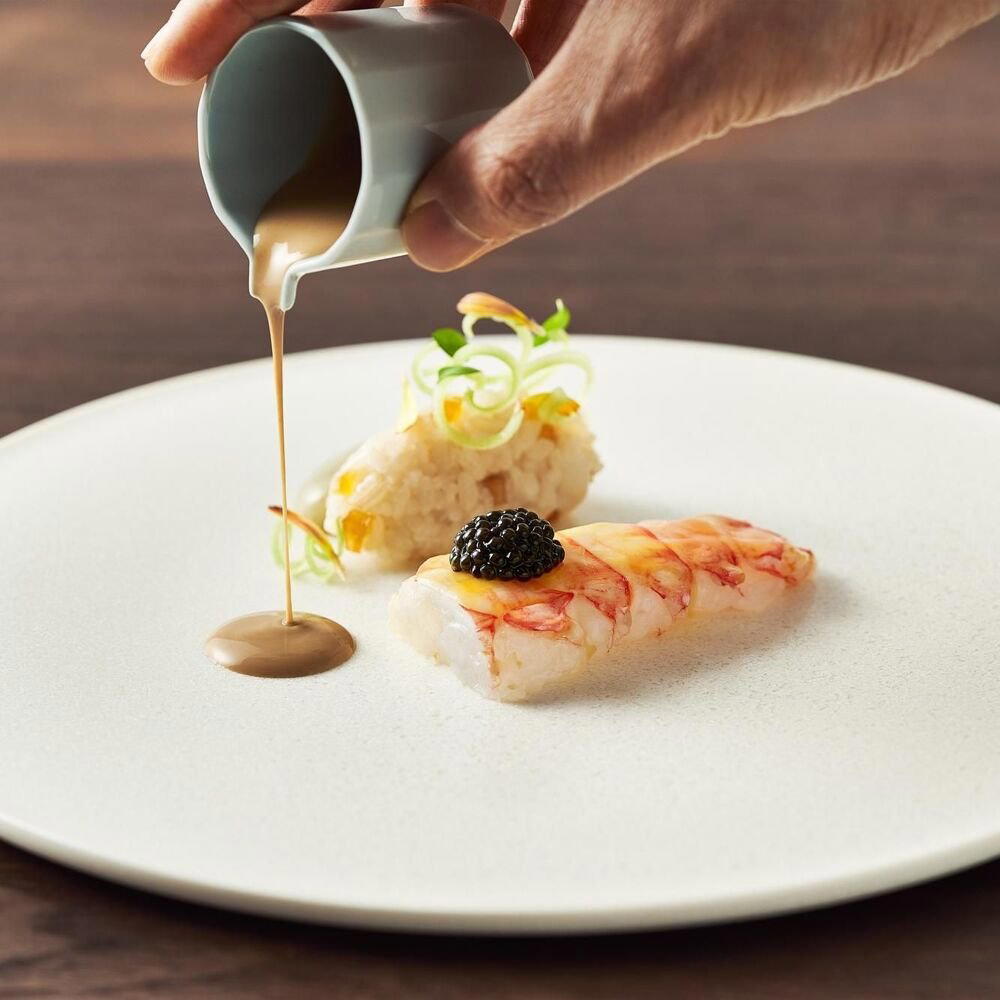
Bars in Seoul
All bars in Seoul →




Details
- Cozy
- Elegant
- Intimate
- Sophisticated
- Date Night
- Special Occasion
- Standalone
- Tasting Menu
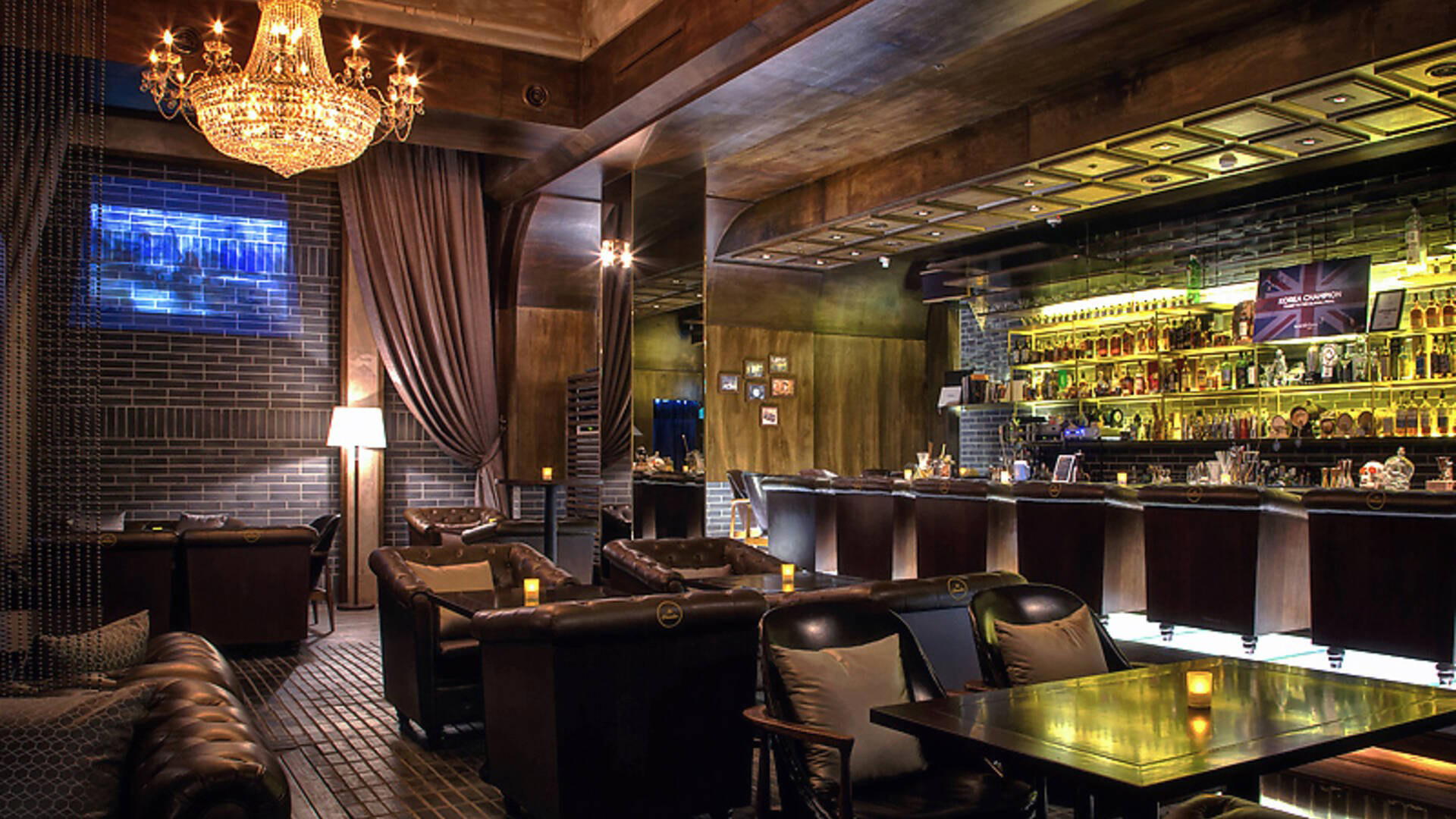
Cozy and homey with a warm, welcoming atmosphere in a quiet residential alley.