Collage

1 Michelin Star
Our verdict
Collage occupies the second floor of Ananti at Gangnam, where Chef Jin-sung Noh applies French technique to Korean seasonal produce and fermentation traditions. The result is a tasting format that reads as contemporary European in structure but roots itself in local ingredient logic. For Seoul's Gangnam fine-dining circuit, it represents a considered middle ground between classical French form and Korean pantry depth.

Pearl is the En Primeur Club membership app, where members save venues, book tables and use the concierge.
Where French Structure Meets Korean Ingredient Logic
The Gangnam fine-dining corridor has, over the past decade, become one of Asia's more demanding proving grounds for chefs working at the intersection of French technique and Korean produce. Addresses like Jungsik (Contemporary) and Mingles (Korean) established that Seoul diners would engage seriously with tasting menus that fused European classical structure with Korean pantry depth. Collage, positioned on the second floor of the Ananti at Gangnam complex on Nonhyeon-ro, arrives in that same tradition but with a specific authorial emphasis: the visual art metaphor embedded in the name is not decorative branding. It describes a working method.
The Dining Room at Ananti at Gangnam
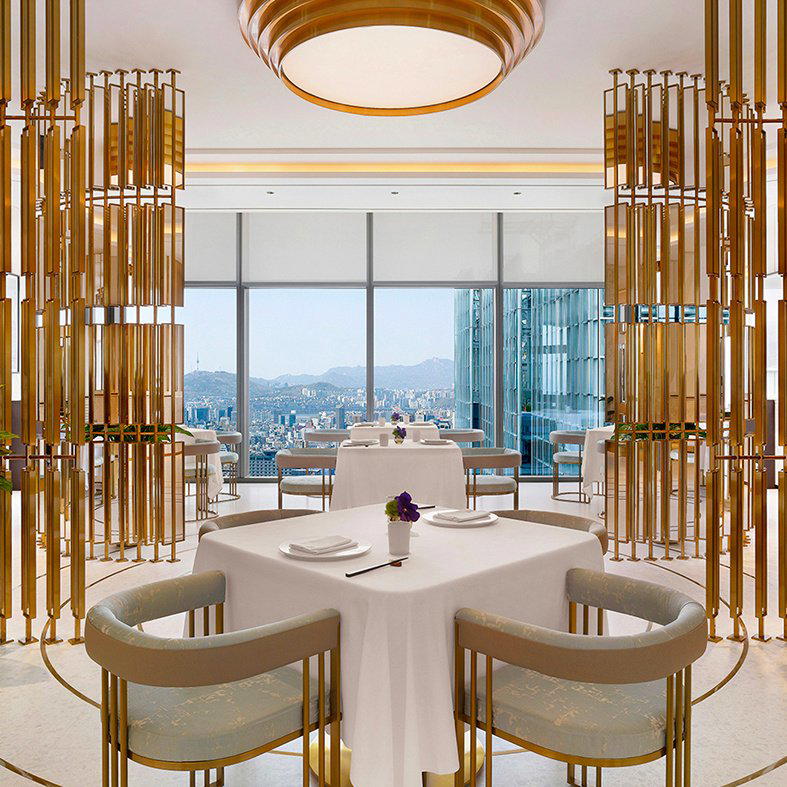
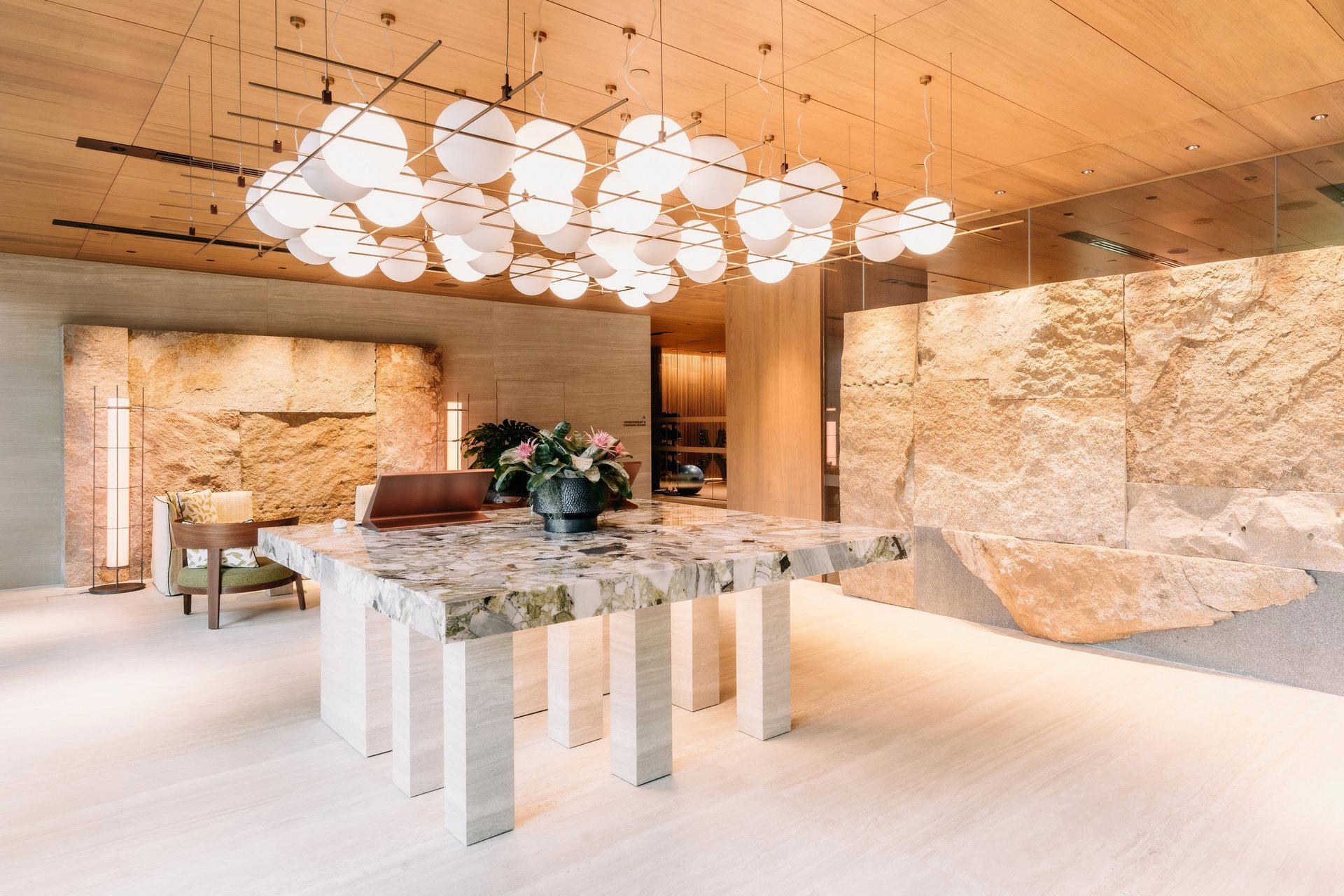
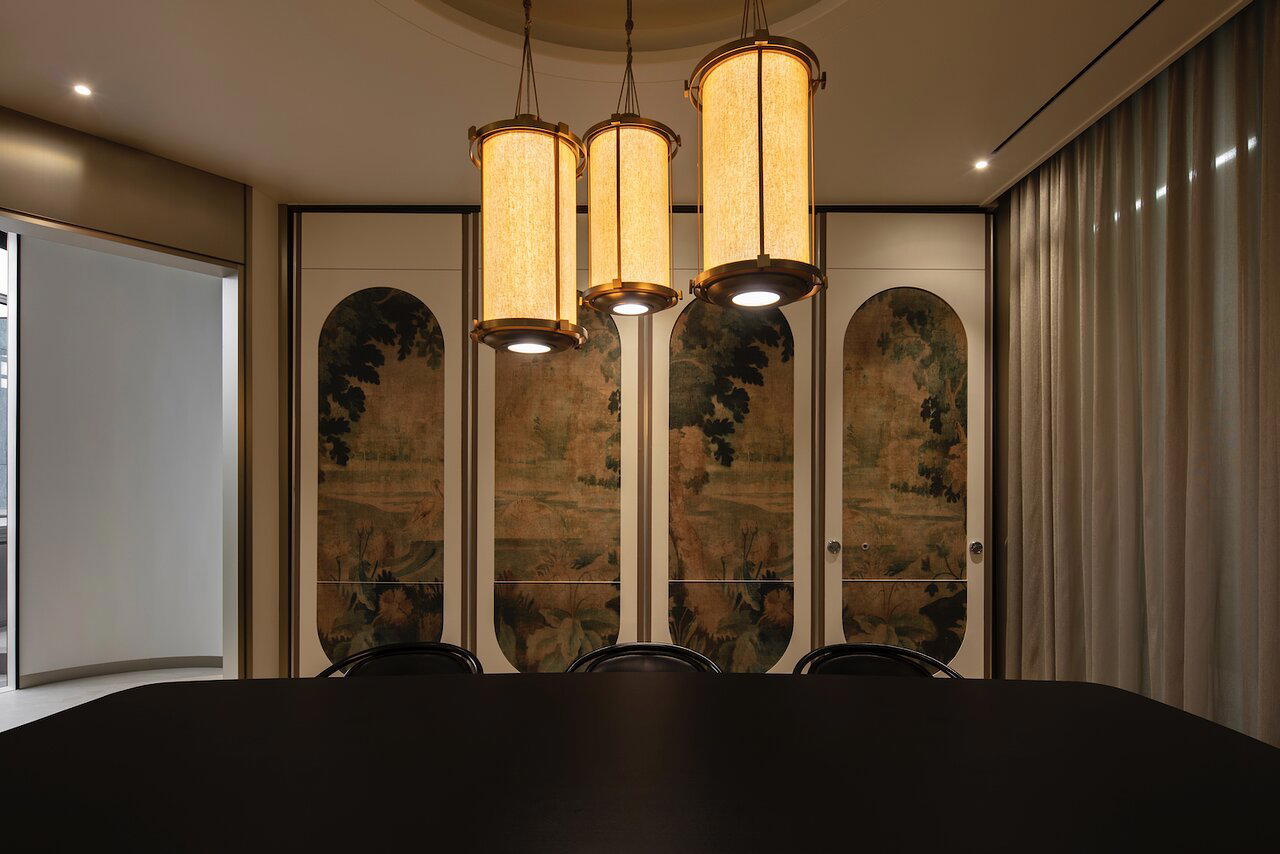
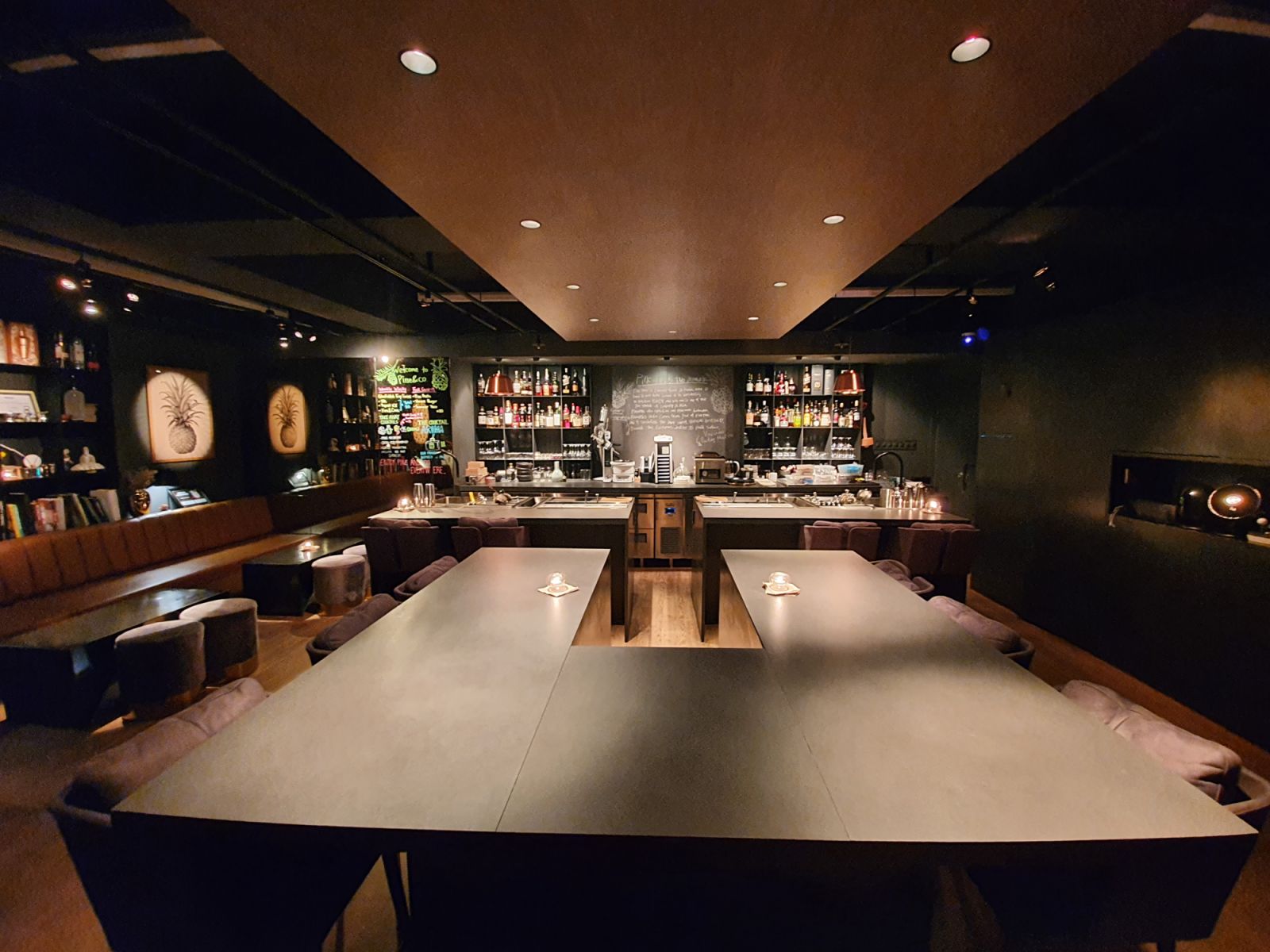
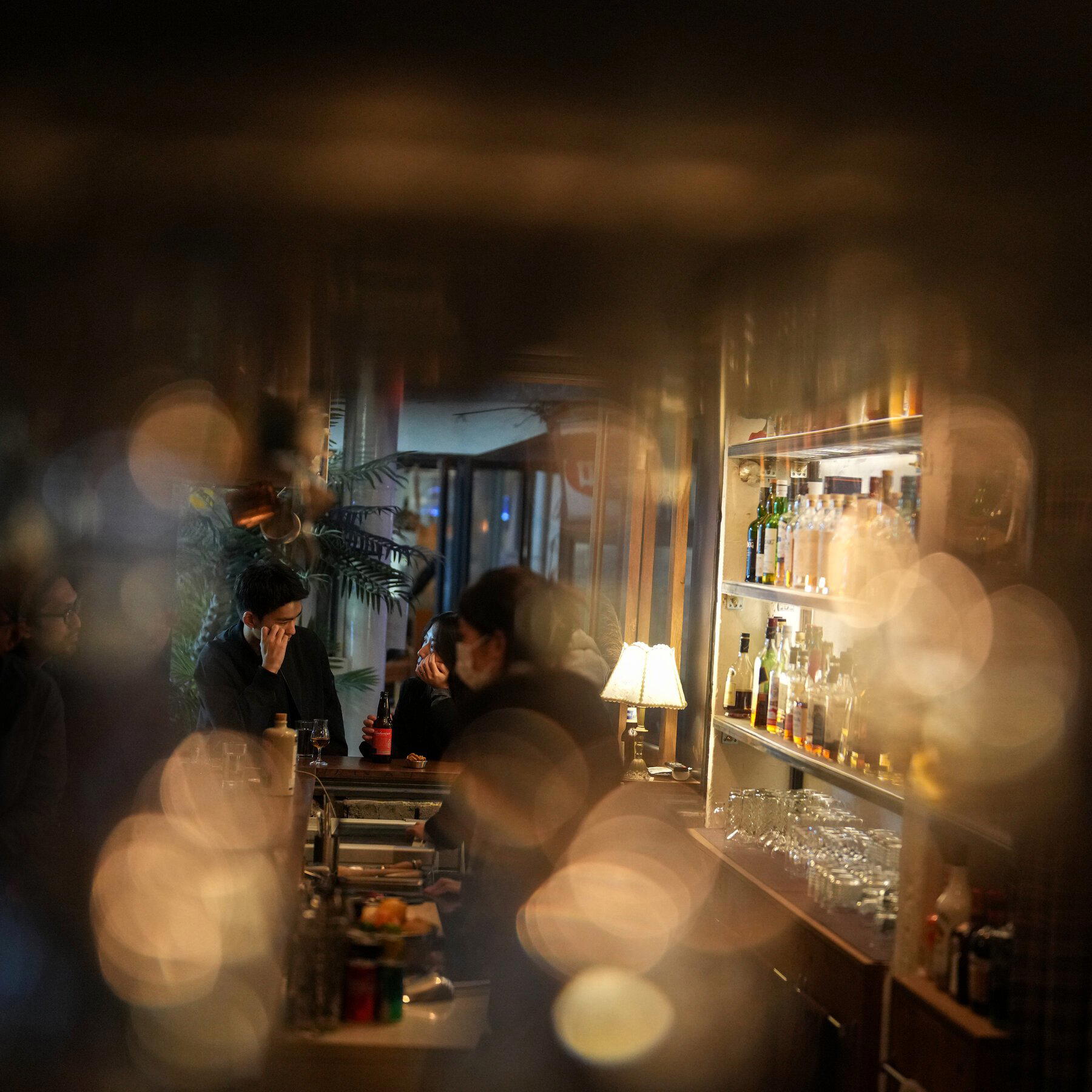
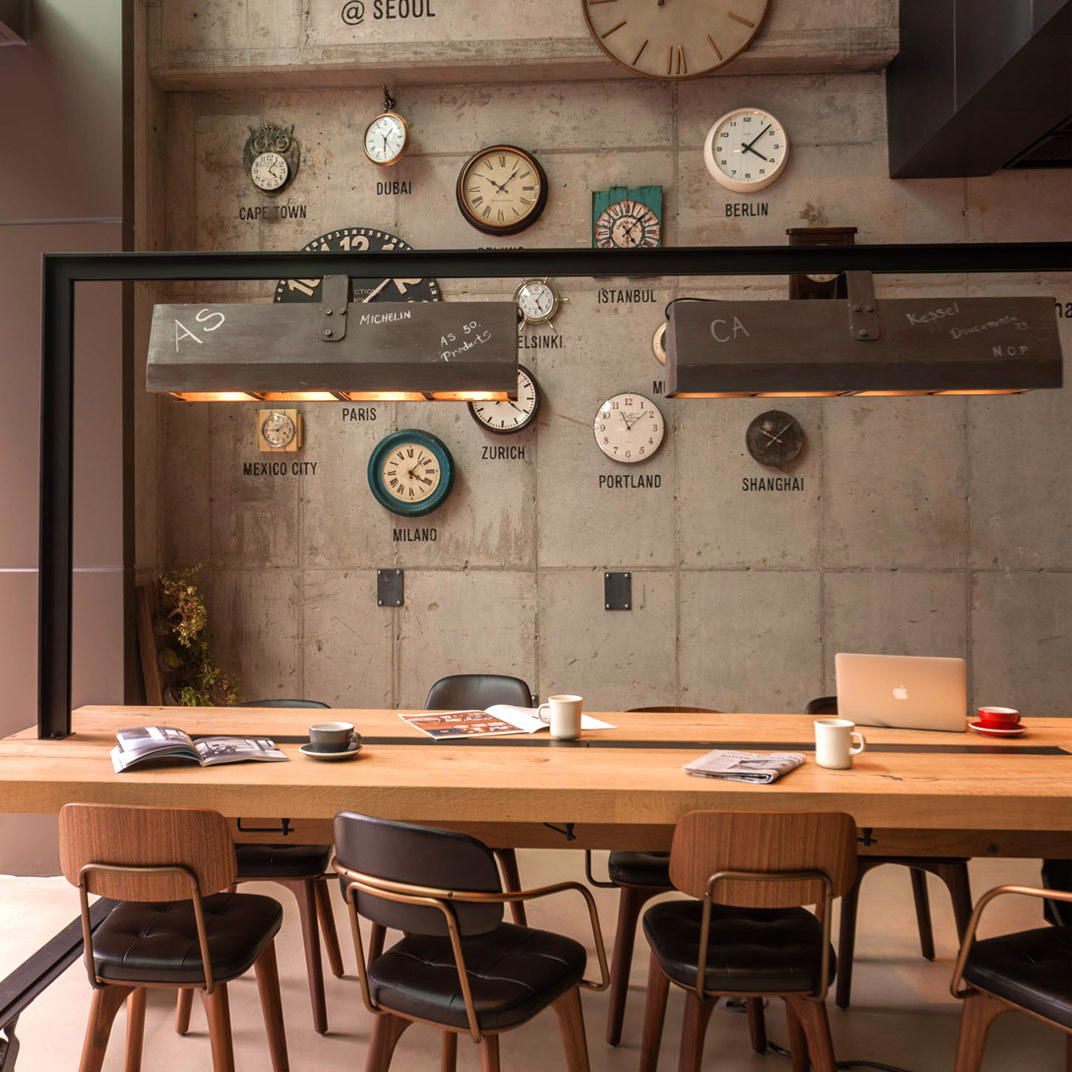
Entering through the Ananti at Gangnam building on Nonhyeon-ro 136-gil places you immediately inside one of Gangnam's more composed hospitality environments. The Ananti properties are known for a certain architectural restraint, and the second-floor dining room at Collage inherits that register. The space reads as a formal dining room without the stiffness that phrase sometimes implies: considered lighting, contained acoustics, and a layout that allows for conversation at a measured volume. For a tasting-format restaurant in a district where design ambition can tip toward spectacle, the room functions as a frame rather than a statement. The food is the statement.
The Editorial Logic of Seasonal Fermentation
Seoul's most serious kitchens have split into roughly two camps on the question of how to handle Korean fermentation traditions within a fine-dining format. One camp treats fermentation as accent, a background note lending depth to otherwise European compositions. The other treats it as structural, letting fermented components shape the architecture of a dish from the sauce layer outward. Collage, under Chef Jin-sung Noh, operates in the second camp. The kitchen draws on seasonal local ingredients and applies fermentation techniques that the chef frames as a route back into traditional Korean flavour logic, even when the plating and construction language remains French. This is not fusion in the diluted sense the term sometimes carries. It is a disciplined practice of reading French and Korean culinary grammars simultaneously and finding where they produce coherent sentences together.
Further along the Korean end of the spectrum, addresses like Kwonsooksoo (Korean) and 권숙수 - Kwon Sook Soo in Gangnam-gu anchor a more explicitly Korean tasting tradition. Collage sits between those poles, closer to the French-dominant side of the dial but with fermentation and seasonality pulling it toward the Korean end in a way that distinguishes the menu from French restaurants that treat Korea primarily as a location rather than a culinary system. For comparison points outside Seoul, the technical rigour of the sauce work here draws comparisons to the kind of classical French anchoring you find at institutions like Le Bernardin in New York City, though the ingredient logic is entirely different.
Seasonality as Method, Not Marketing
In Seoul, seasonal cooking carries particular weight because the city's four distinct seasons produce ingredient windows that are genuinely discontinuous. What appears on the menu in late autumn, when Korean mountain vegetables and fermented autumn harvests are at peak depth, will differ substantially from a spring visit when lighter, more acidic preparations become available. Chef Noh's stated emphasis on seasonal local ingredients is, in this context, a practical constraint as much as a creative position. The menu at any given point reflects what the Korean agricultural calendar is producing, filtered through a palate trained to balance inherent flavour against the density of fermented sauces.
This seasonal rotation is worth factoring into timing. Visiting during the transition months, when one season's ingredients are giving way to another's, can produce menus in a state of flux. Peak autumn and peak spring tend to yield the most resolved expressions of the kitchen's approach. For travellers building a broader South Korea itinerary, other regionally specific kitchens worth noting include Mori in Busan, Baegyangsa Temple in Jangseong-gun, Double T Dining in Gangneung, and Pool House in Incheon, each of which engages with Korean regional produce in distinct registers.
Gangnam's Fine-Dining Tier and Where Collage Sits Within It
Gangnam's premium restaurant tier has developed its own internal hierarchy over the past several years, with a small number of addresses commanding multi-month reservation windows and pricing that competes with Tokyo and Hong Kong. Collage occupies the Ananti at Gangnam address, which carries its own hospitality positioning within the district. Comparison venues operating at a similar price register in the Korean-French or contemporary Korean segment include Zero Complex (Korean-French, Innovative, ₩₩₩₩), 7th Door (Korean, Contemporary, ₩₩₩₩), and Eatanic Garden (Contemporary, ₩₩₩₩). L'Amitié (French, ₩₩₩) and Onjium (Korean, ₩₩₩₩) represent the range of French-origin and Korean-origin approaches at adjacent price points. Within that competitive field, Collage's distinguishing characteristic is the specificity of its fermentation work and the visual-art compositional logic that Chef Noh describes as foundational to how dishes are assembled. That methodology reads on the plate as a concern with proportion and contrast that is more deliberate than most tasting-menu kitchens at this tier. Those curious about the broader Seoul restaurant scene can also explore our full Seoul restaurants guide, alongside our guides to Seoul hotels, Seoul bars, Seoul wineries, and Seoul experiences.
Planning a Visit
Collage is located on the second floor of Ananti at Gangnam, at 11 Nonhyeon-ro 136-gil in Gangnam-gu. The Ananti building provides a clear landmark and the second-floor positioning means the restaurant is accessible directly through the building's interior, which is useful in Seoul's wetter seasons. As a tasting-format address in Gangnam's premium tier, reservations are advisable well in advance, particularly for weekend sittings and the peak autumn and spring seasonal windows. Contact details and current booking availability are best confirmed through the Ananti at Gangnam property directly. For anyone also considering Korean-cuisine fine dining nearby, 더 플라잉 호그 - The Flying Hog in Seogwipo offers a contrasting regional Korean perspective outside the capital. For those staying in the area, our full Seoul hotels guide covers the Gangnam accommodation tier in detail. Visitors drawn to the creative American end of the fine-dining reference points might also note the legacy of programme-driven hospitality at places like Emeril's in New Orleans, where a similar tension between classical technique and local ingredient identity was resolved through a distinct chef's methodology.
Frequently asked questions
Does Collage have a Michelin star or similar recognition?
Collage has received recognition including: Just like the visual art technique of collage, Chef Jin-sung Noh draws upon his extensive understanding of ingredients to create dishes that balance various flavours. His refined culinary skills are richly expressed through the harmonious b….
What part of town is Collage in?
Collage is located at 2F Ananti at Gangnam, 11 Nonhyeon-ro 136-gil, Gangnam-gu, Seoul.
What's the best thing to order at Collage?
The kitchen at Collage is built around Chef Jin-sung Noh's seasonal compositions, where fermentation-treated local ingredients anchor sauces that layer flavour across classic French structures. No fixed menu is published in advance, which means the most coherent way to experience the cooking is through whatever the full tasting progression the kitchen is running during your visit. Coming with dietary restrictions declared ahead of time gives the kitchen the best chance to express the full range of the current seasonal work.
Can I walk in to Collage?
Collage occupies the second floor of Ananti at Gangnam, a building that functions as a composed hospitality environment rather than a street-level drop-in destination. Given Gangnam's premium dining tier and the counter-style precision described in Chef Noh's approach, advance reservations are the practical standard.
What makes Collage worth seeking out?
Chef Jin-sung Noh's specific method sets Collage apart within Gangnam's fine-dining tier: he uses fermentation not as a garnish or trend signal but as a structural tool that shapes both ingredient preparation and the dense sauces that define the plate. The approach fuses Korean seasonal ingredient logic with classical French technique in a way that reflects genuine culinary depth rather than surface-level fusion. That combination, delivered inside the Ananti at Gangnam building's controlled environment, places Collage in a specific category within Seoul's serious restaurant circuit.
What if I have allergies at Collage?
Chef Jin-sung Noh's menus are built on seasonal local ingredients and fermented preparations, both of which can carry allergen implications that differ from standard French kitchen formats. Fermented components in particular may involve soy, wheat, or shellfish derivatives depending on the Korean preservation technique used. Communicating allergies directly to Ananti at Gangnam ahead of the reservation is the appropriate step, as the kitchen's ingredient-led approach requires advance notice to adjust without compromising the structure of the meal.
How does Chef Jin-sung Noh incorporate Korean fermentation into French cuisine at Collage?
Noh treats Korean fermentation as a flavour-building stage within a French culinary framework: fermented local ingredients are used to deepen sauces and extend the natural profiles of seasonal produce rather than appearing as standalone Korean references on the plate. The technique reflects his stated approach of drawing on an extensive understanding of ingredients to balance flavours across a dish. The result sits within a long tradition of Korean fine-dining chefs in Seoul using preservation and fermentation as precision tools rather than cultural decoration.
Nearby-ish Comparables
Comparable venues nearby, for context on price, style, and recognition.
| Venue | Cuisine | Price | Awards | Notes |
|---|---|---|---|---|
| CollageThis venue (the venue you are viewing) | French Contemporary | $150–200 | 1 Michelin Star | Not listed |
| Fuje | Contemporary French | Not listed | Michelin Plate | Dogok-dong |
| De Tempore | Modern French | Not listed | Michelin Plate | 한남동 |
| ê³ ì¬ë¦¬ ìµì¤íë ì¤ ì ë¹ | Vegan Korean Fusion Noodles | $10–20 | Michelin Bib Gourmand | 보문동 |
| Original Numbers | French Contemporary | Not listed | Michelin Plate | 압구정동 |
| Chez Simon | Seasonal French Course Bistro | $50–100 | Michelin Plate | 이태원동 |
Recognition history
Dated appearances from independent guides and award organizations, with the underlying list record or original source where available.
Michelin 1 Star
Michelin
Continue exploring
More in Seoul
Restaurants in Seoul
All restaurants in Seoul →
Bars in Seoul
All bars in Seoul →
Details
- Modern
- Elegant
- Sophisticated
- Date Night
- Special Occasion
- Solo
- Local Sourcing
- Tasting Menu
Current opening hours
- Monday
- Closed
- Tuesday
- 6–10 PM
- Wednesday
- 6–10 PM
- Thursday
- 6–10 PM
- Friday
- 6–10 PM
- Saturday
- 6–10 PM
- Sunday
- Closed
Hours can change for holidays and private events. Hours as of .
charming dining space with stylish presentation of dishes.