Fuje

Michelin Plate
Our verdict
Fuje occupies a second-floor address in Gangnam's Nonhyeon-ro corridor, where contemporary French technique meets Korean seasonal produce. The kitchen builds its menu around homegrown vegetables and herbs, with standout dishes like geoduck blanched and served over clam-broth rice. For Seoul's French-rooted contemporary dining scene, it sits in a category defined more by restraint and ingredient provenance than spectacle.

Pearl is the En Primeur Club membership app, where members save venues, book tables and use the concierge.
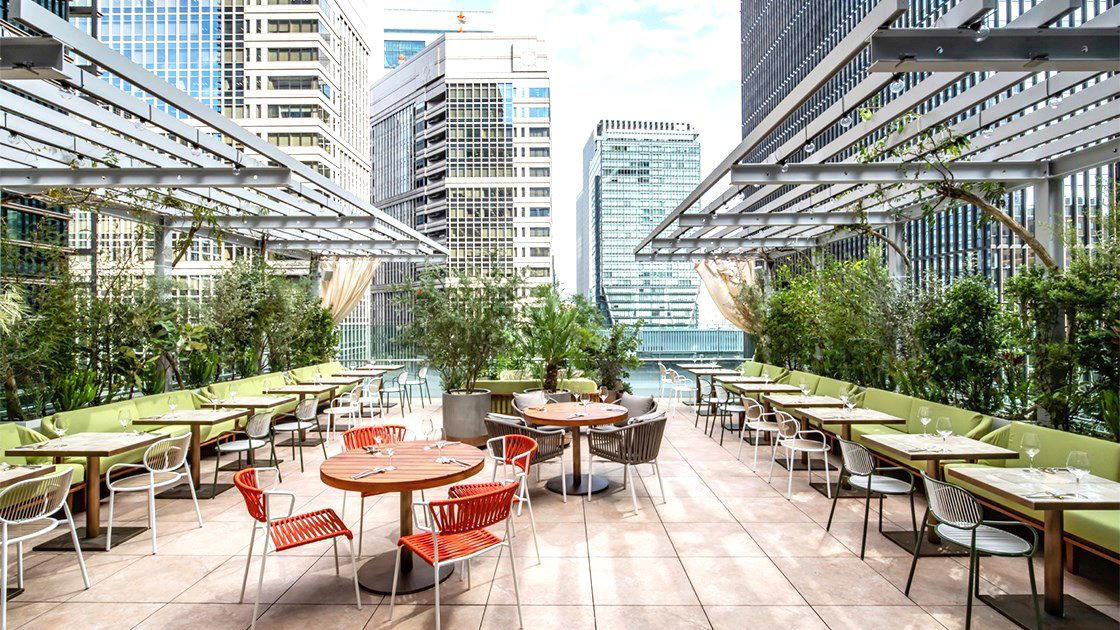
The menu
What to order
- Geoduck with clam broth rice
Where Gangnam's Contemporary Dining Scene Gets Quieter
The stretch of Nonhyeon-ro in Gangnam-gu has become one of Seoul's more concentrated corridors for serious dining. Restaurants here tend to occupy discreet upper floors or converted spaces, operating with modest signage and a format that assumes the guest already knows why they're coming. Fuje, on the second floor of a low-rise building at 21 Nonhyeon-ro 24-gil, fits that pattern precisely. The address is not designed to intercept foot traffic. It is designed for people who have already made a decision.
This format, deliberate obscurity paired with a specific culinary proposition, has become one of the defining gestures of Seoul's mid-to-upper tier contemporary dining segment. Venues like Soigné and alla prima operate in a similar register: refined European frameworks applied with Korean seasonal logic, in rooms that reward the intentional visitor. Fuje belongs to that cohort.
The Culinary Position: French Roots, Korean Seasonal Logic
Seoul's contemporary French restaurant category has matured considerably over the past decade. Early entrants leaned on classical French credentials as the primary selling point. The current generation tends to use French technique as a structural base while building the menu around what the Korean calendar and Korean soil actually produce. Fuje takes this approach with particular clarity: the kitchen grows its own vegetables and herbs, and the menu shifts with seasonal availability rather than anchoring to a fixed repertoire.
That combination of homegrown produce and French cookery places Fuje in a smaller, more defined niche than general contemporary dining. It operates closer in spirit to the restraint-led, provenance-focused end of the Seoul scene than to the high-drama tasting menus found at larger Gangnam flagships. Comparison venues in the same price bracket, such as L'Amitié and Zero Complex, each represent different calibrations of French-Korean synthesis, but Fuje's emphasis on ingredient sourcing and kitchen-grown supply gives it a distinct operational position.
The geoduck preparation documented in Fuje's kitchen notes illustrates this philosophy without overstating it. The clam is lightly blanched, served over rice cooked in clam broth, and finished with grill work that introduces a subtle oak note. The dish works because the technique is restrained enough to let the geoduck's natural sweetness and texture carry the weight. That kind of discipline, knowing when to stop, is harder to sustain than it appears, and it is a reliable signal of a kitchen that prioritises flavour architecture over visual complexity. This aligns Fuje with Seoul's most technique-conscious contemporary practitioners rather than with the city's more theatrical tasting-menu formats. For broader context on Seoul's French-influenced contemporary tier, venues like Jungsik represent the larger, internationally recognised end of that spectrum, while Fuje operates with considerably less scale and more ingredient-level focus.
Booking Fuje: What to Know Before You Go
The editorial angle here matters practically. This is not incidental; it is how a specific tier of Seoul dining manages demand and communicates with its audience.
For international visitors, the absence of an English-language booking interface is the most common friction point. The practical approach is to book early through a hotel concierge with established Seoul dining relationships, or to use a reservation service familiar with the Korean-language booking ecosystem. Walk-in availability at this tier of Gangnam dining is structurally unlikely, particularly on weekends. Visitors planning a Seoul itinerary around serious dining should treat Fuje, alongside comparably pitched restaurants like Mingles and Kwonsooksoo, as venues that require advance planning of at least two to four weeks, and often longer during peak periods.
Seoul's dining scene rewards visitors who prepare their bookings before arrival rather than assembling an itinerary on the ground. The city's stronger contemporary restaurants tend to fill quickly through local demand, which means international visitors who wait until they land often find the more considered options unavailable. Fuje's position in Gangnam-gu, close to a cluster of strong neighbourhood options, makes it feasible to structure an evening that extends beyond the meal itself.
The Wider Seoul Context
Gangnam's contemporary dining corridor extends in multiple directions from Nonhyeon-ro. Visitors building a multi-day Seoul restaurant programme will find that the neighbourhood clusters along quality lines: Cheongdam and Apgujeong lean toward larger tasting-format venues with more international press, while the streets around Nonhyeon-ro and Sinsa-dong host a denser mix of specialist rooms operating at mid-to-high price points with lower profiles. Fuje sits in the latter cluster.
Seoul's broader restaurant geography rewards movement across neighbourhoods. The Michelin-recognised contemporary Korean segment, represented by venues like Mingles and Kwonsooksoo, tends to anchor in Gangnam, while distinct cooking traditions appear across the city. Beyond the capital, South Korea's dining scene includes strong regional practitioners, Mori in Busan, Baegyangsa Temple in Jangseong-gun, and Double T Dining in Gangneung, that reflect the country's geographic and culinary range. For those anchoring in the capital, our full Seoul restaurants guide maps the scene across neighbourhoods and formats.
Fuje's French-rooted contemporary format also invites comparison with how similar propositions operate in other cities. At the technically ambitious end of French cooking internationally, Le Bernardin in New York City represents a long-established benchmark for restraint-driven seafood cookery within a French framework. What Seoul's contemporary tier offers, Fuje included, is a distinct recalibration of that framework through Korean seasonal produce and local supply chains, a different expression of the same underlying discipline.
For visitors planning the full Seoul stay, our Seoul hotels guide, bars guide, and experiences guide cover the rest of the itinerary. The Seoul wineries guide is a useful reference for those interested in the city's growing natural wine and import scene, which pairs closely with the kind of cooking Fuje represents.
Planning Your Visit
Fuje is located on the second floor at 21 Nonhyeon-ro 24-gil in Gangnam-gu, a short distance from Nonhyeon Station on Seoul Metro Line 7. Given the absence of a public-facing website or listed phone number, reservations should be secured through a hotel concierge or a Seoul dining reservation service familiar with Korean-language booking platforms. Visitors planning around Gangnam's contemporary dining cluster, which includes comparably pitched venues like Soigné and alla prima, will find the neighbourhood walkable and well-served for post-dinner options. Further afield in Seogwipo and Incheon, The Flying Hog and Pool House represent the wider range of dining formats available across the region for those extending their trip beyond Seoul.
Frequently asked questions
How do I find Fuje?
Fuje is located at 2F, 21 Nonhyeon-ro 24-gil, Gangnam-gu, Seoul.
What's Fuje known for in terms of accolades?
Fuje has received recognition including: Fuje presents contemporary cuisine rooted in French cookery, crafted with seasonal ingredients and homegrown vegetables and herbs. The menu reflects the chef’s desire to create trustworthy dishes. One standout dish features lightly blanched….
What should I eat at Fuje?
The geoduck preparation is the most documented dish from Fuje's kitchen: lightly blanched clam served over rice cooked in clam broth, finished with a subtle oak note from the grill. The broth anchors the sweetness of the geoduck while the texture holds against the heat. Beyond this dish, the menu centres on French technique applied to seasonal and homegrown produce, so the broader course selection shifts accordingly.
Should I book Fuje in advance?
Yes. That access gap alone warrants booking well ahead. Walk-in availability at a venue of this format in Gangnam's concentrated dining corridor is unlikely on any given evening.
Budget and Context
Comparable venues nearby, for context on price, style, and recognition.
| Venue | Cuisine | Price | Awards | Notes |
|---|---|---|---|---|
| FujeThis venue (the venue you are viewing) | Contemporary French | Not listed | Michelin Plate | Not listed |
| Bistrot de Yountville | Classic French Bistro | $50–100 | Michelin Plate | 압구정동, Classic French Bistro |
| Chaconne | French Contemporary with Korean and Japanese influences | Not listed | Michelin Plate | 잠원동, French Contemporary with Korean and Japanese influences |
| Chez Simon | Seasonal French Course Bistro | $50–100 | Michelin Plate | 이태원동, Seasonal French Course Bistro |
| Comme Moa | Classic French Bistro | Not listed | Michelin Plate | 필동, Classic French Bistro |
| The Ninth Gate | Modern French Steakhouse | $50–100 | Michelin Plate | Sajik-dong, Modern French Steakhouse |
Recognition history
Dated appearances from independent guides and award organizations, with the underlying list record or original source where available.
Michelin Plate
Michelin
Continue exploring
More in Seoul
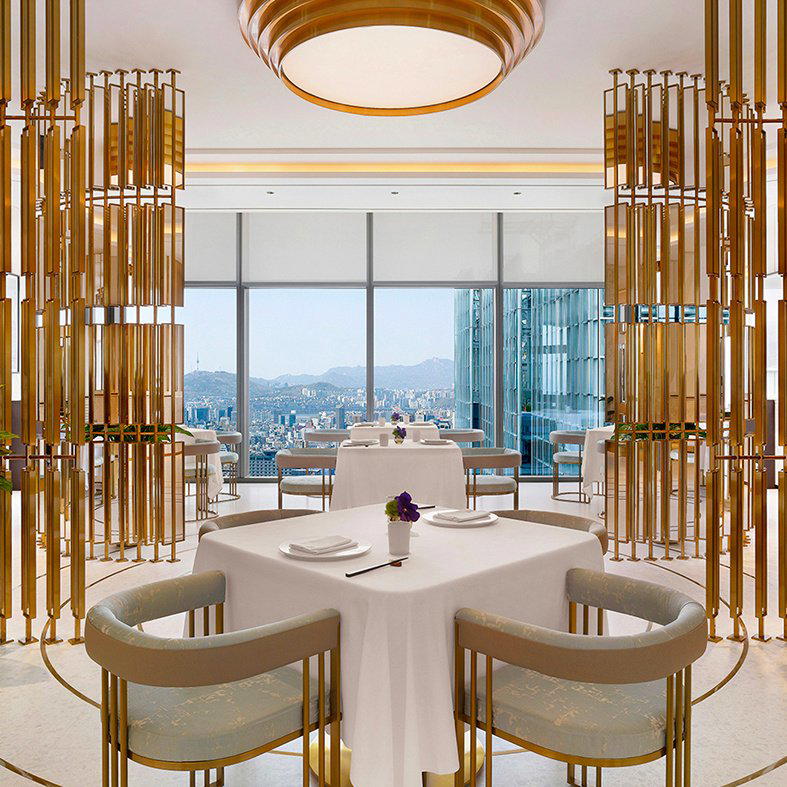
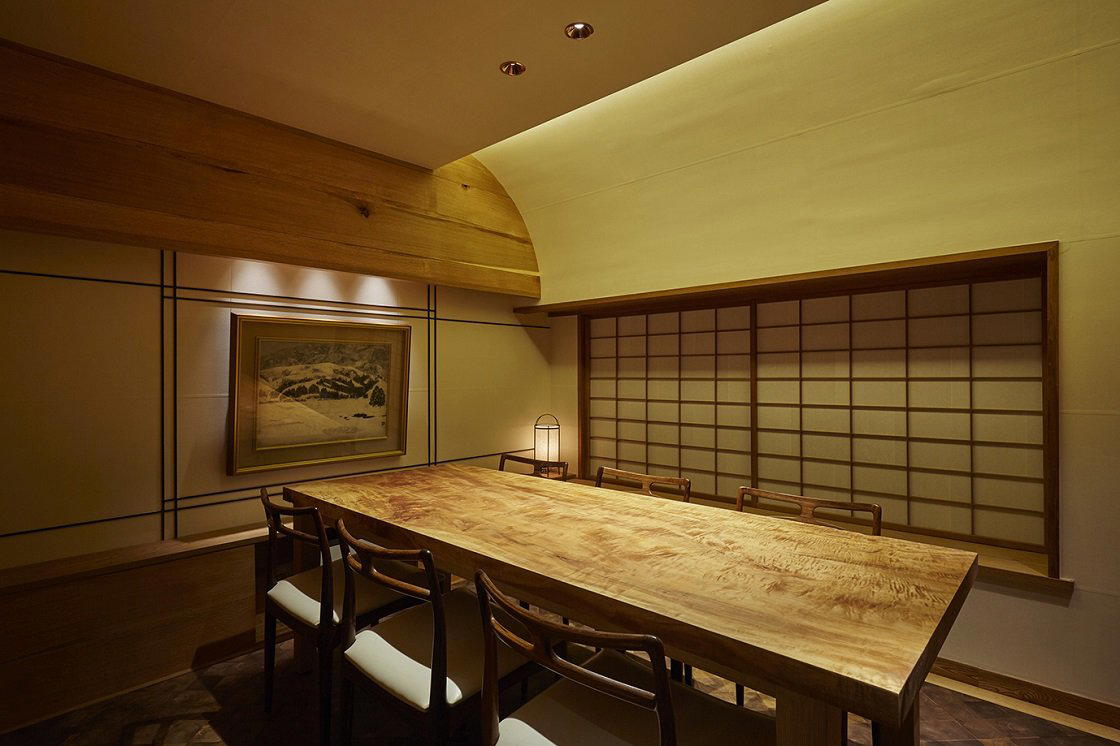
Restaurants in Seoul
All restaurants in Seoul →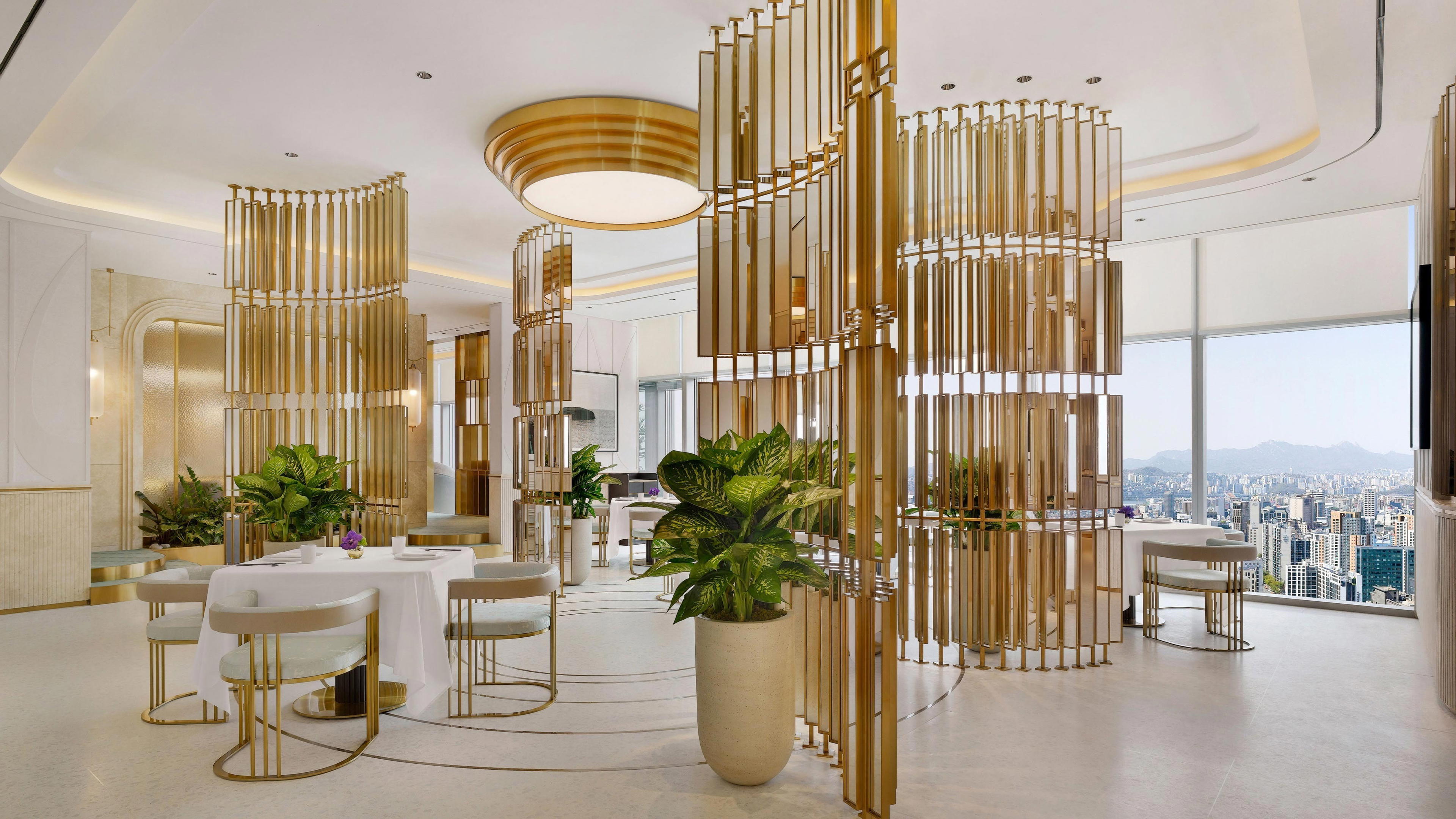
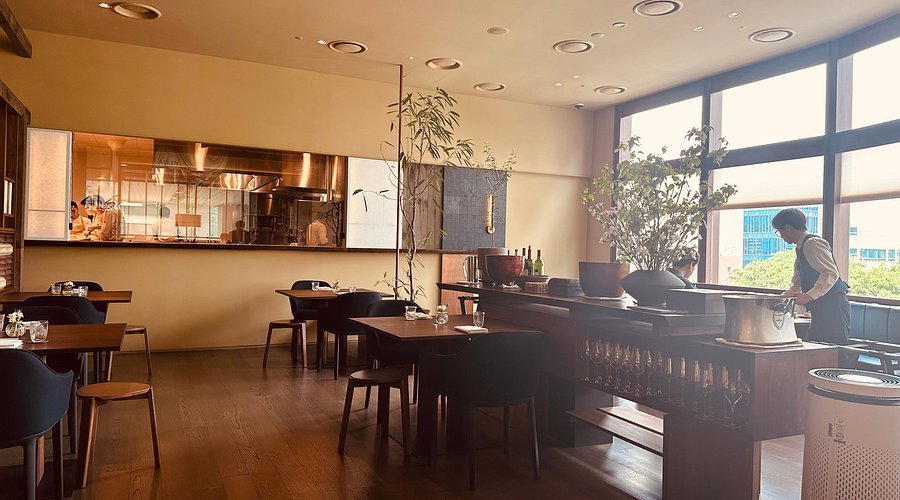
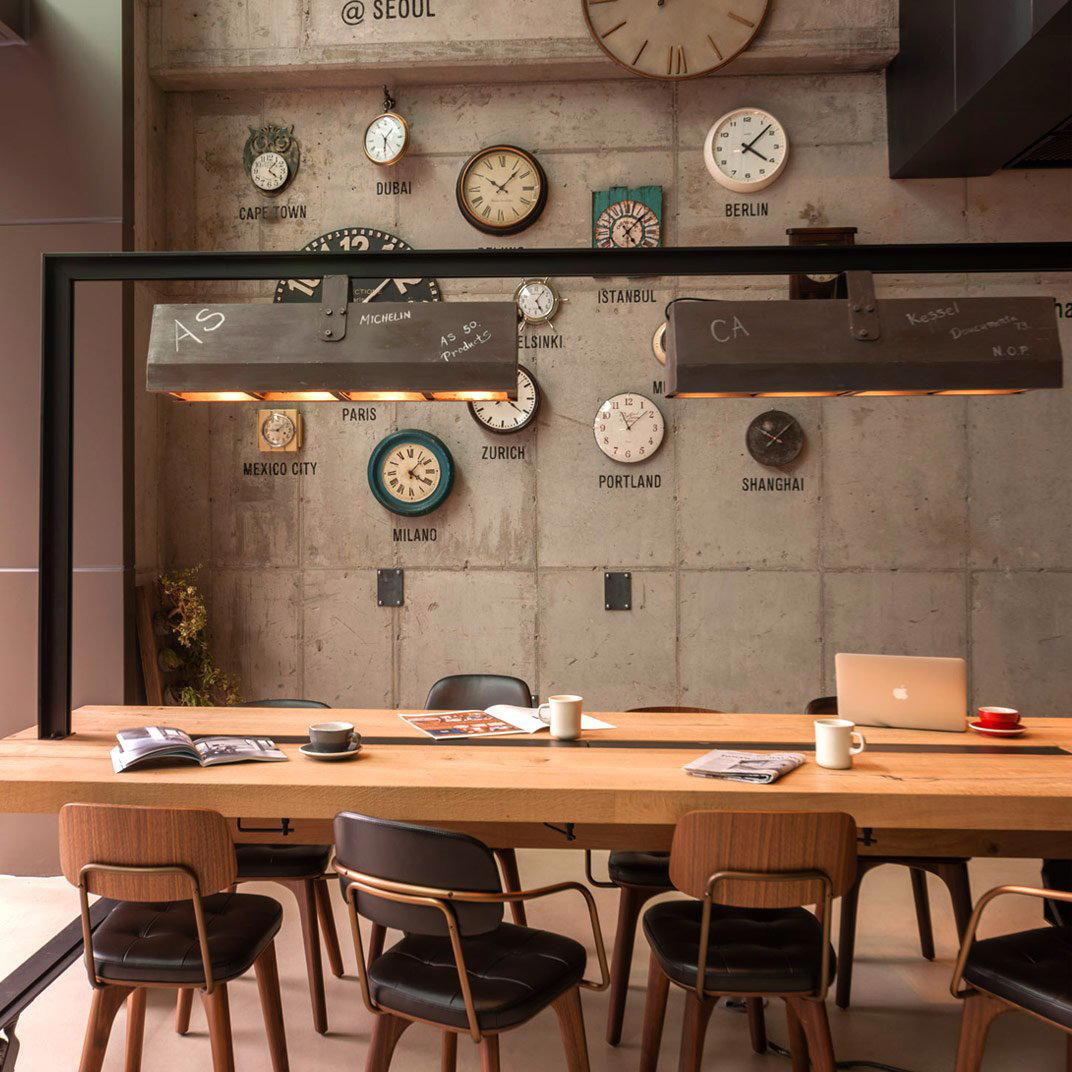
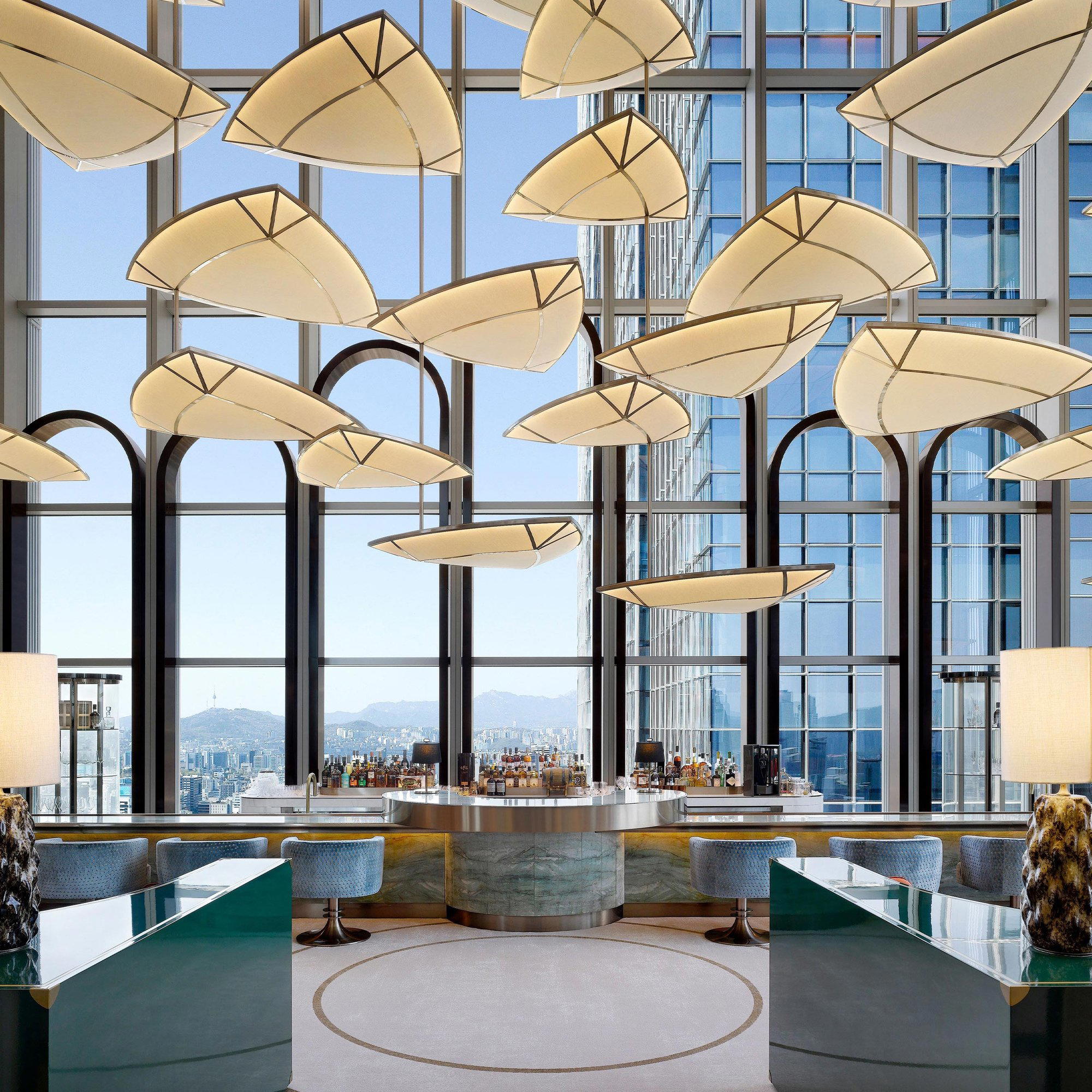
Bars in Seoul
All bars in Seoul →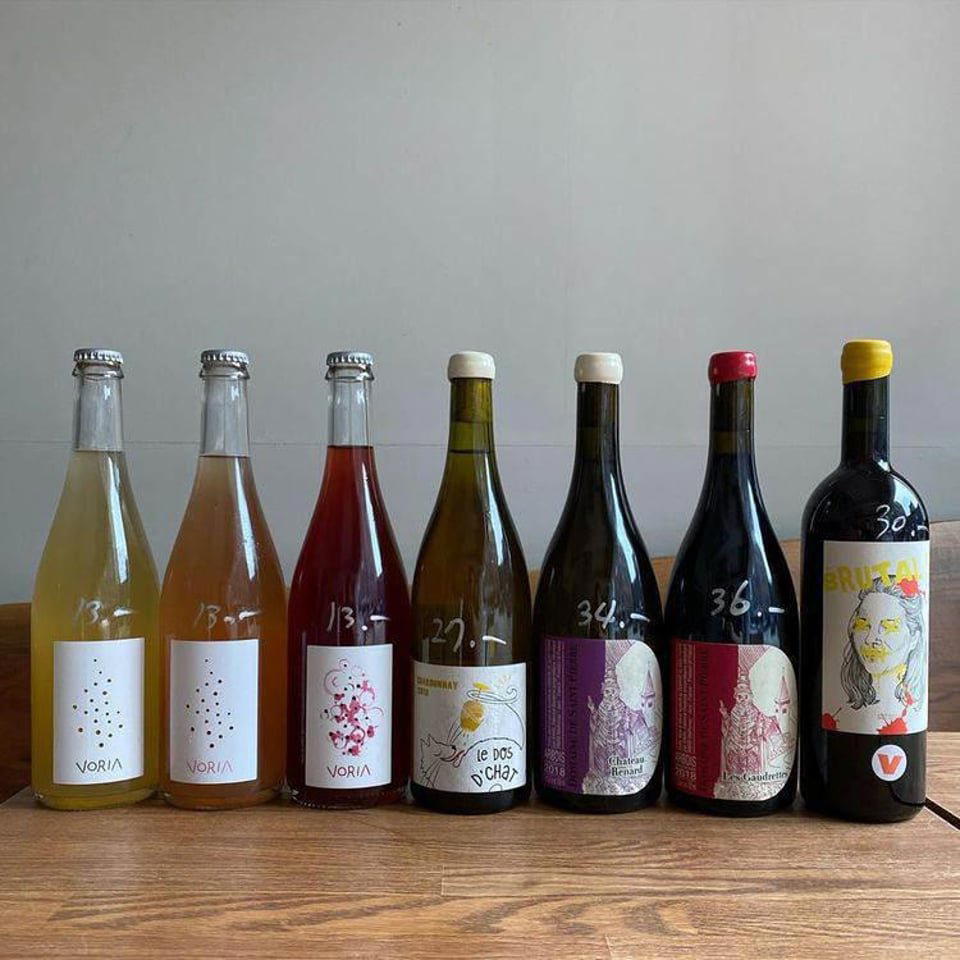
Details
- Romantic
- Elegant
- Modern
- Date Night
- Special Occasion
- Open Kitchen
- Local Sourcing
- Tasting Menu
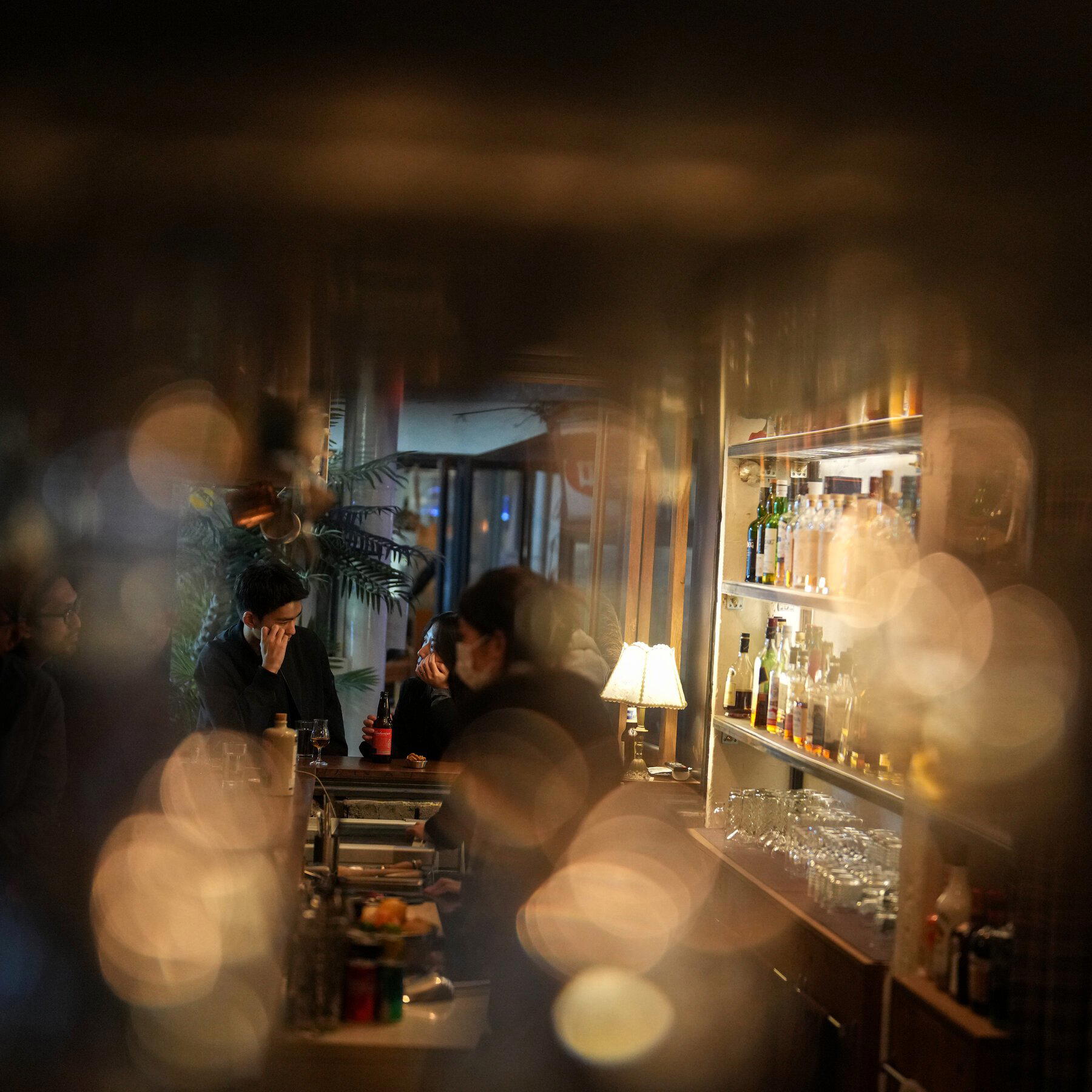
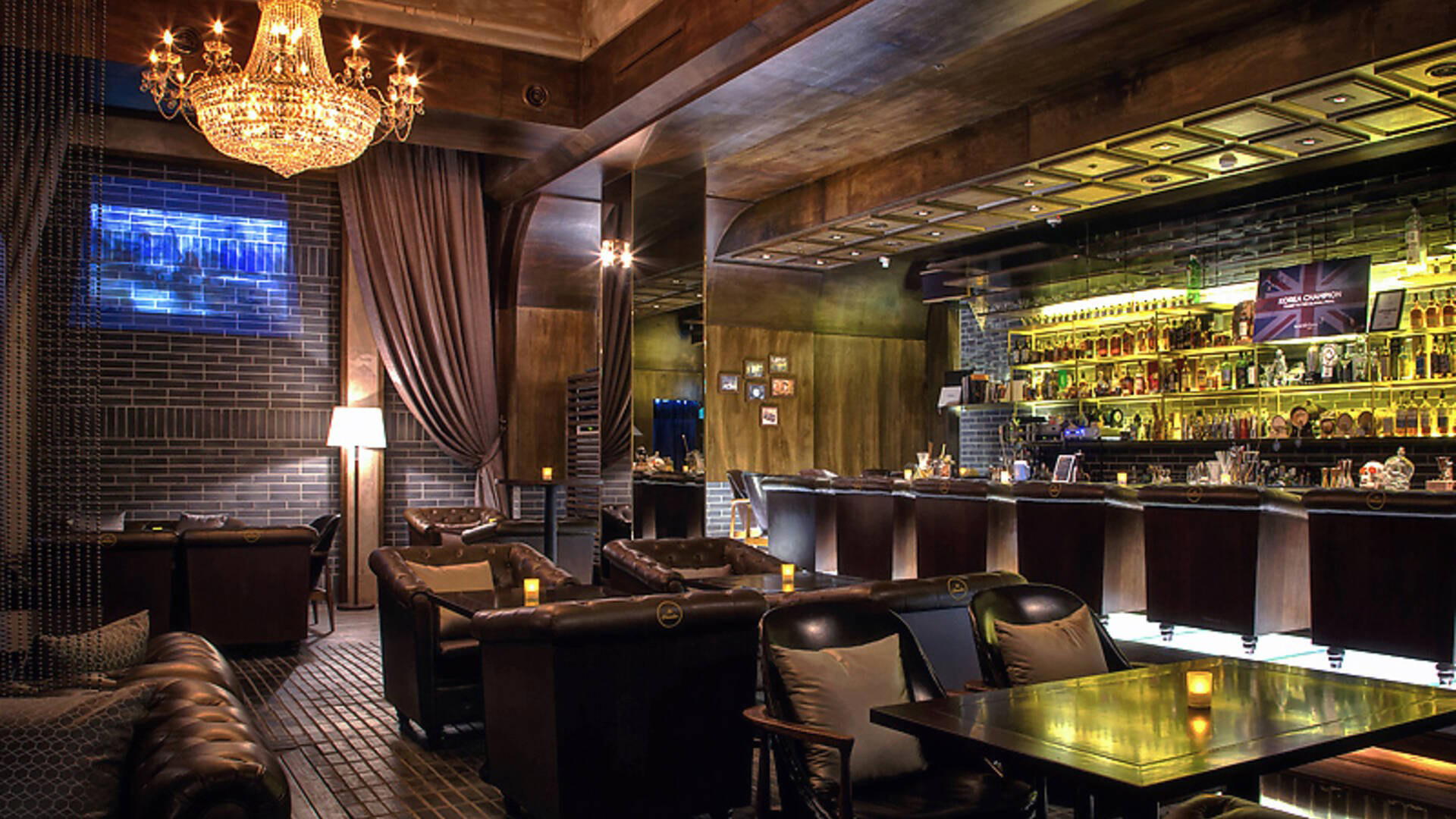
Romantic and sophisticated atmosphere reflecting the chef’s commitment to trustworthy dining.