L'OIGNON

A Michelin Plate-recognised French pescatarian restaurant in Garosu-gil, L'Oignon operates in a niche that few Seoul kitchens occupy: rigorous classical French technique applied strictly to vegetables, fish, eggs, and dairy. Vegetable broth replaces meat stock, cauliflower and pecorino stand in for flour-based textures, and the result places it in a different competitive tier from the neighbourhood's more casual bistro offerings.
Pearl is the En Primeur Club membership app — saves, bookings, and concierge access live there. Same editors, same standards.
- Address
- South Korea, Seoul, Gangnam District, Dosan-daero 17-gil, 29 1 층
- Phone
- +82 10-9033-9187
- Website
- instagram.com
- Directions
- Get directions
 Saves & bookings on Pearl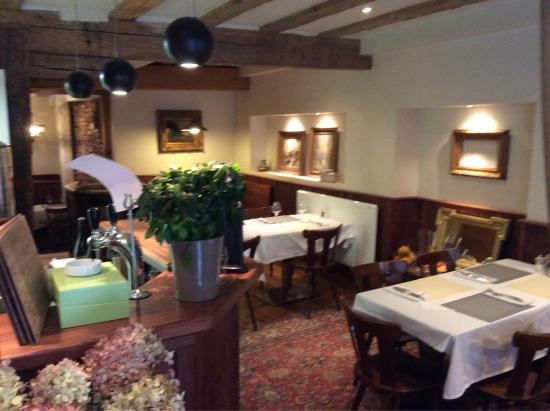
A Quiet Alley, a Specific Conviction
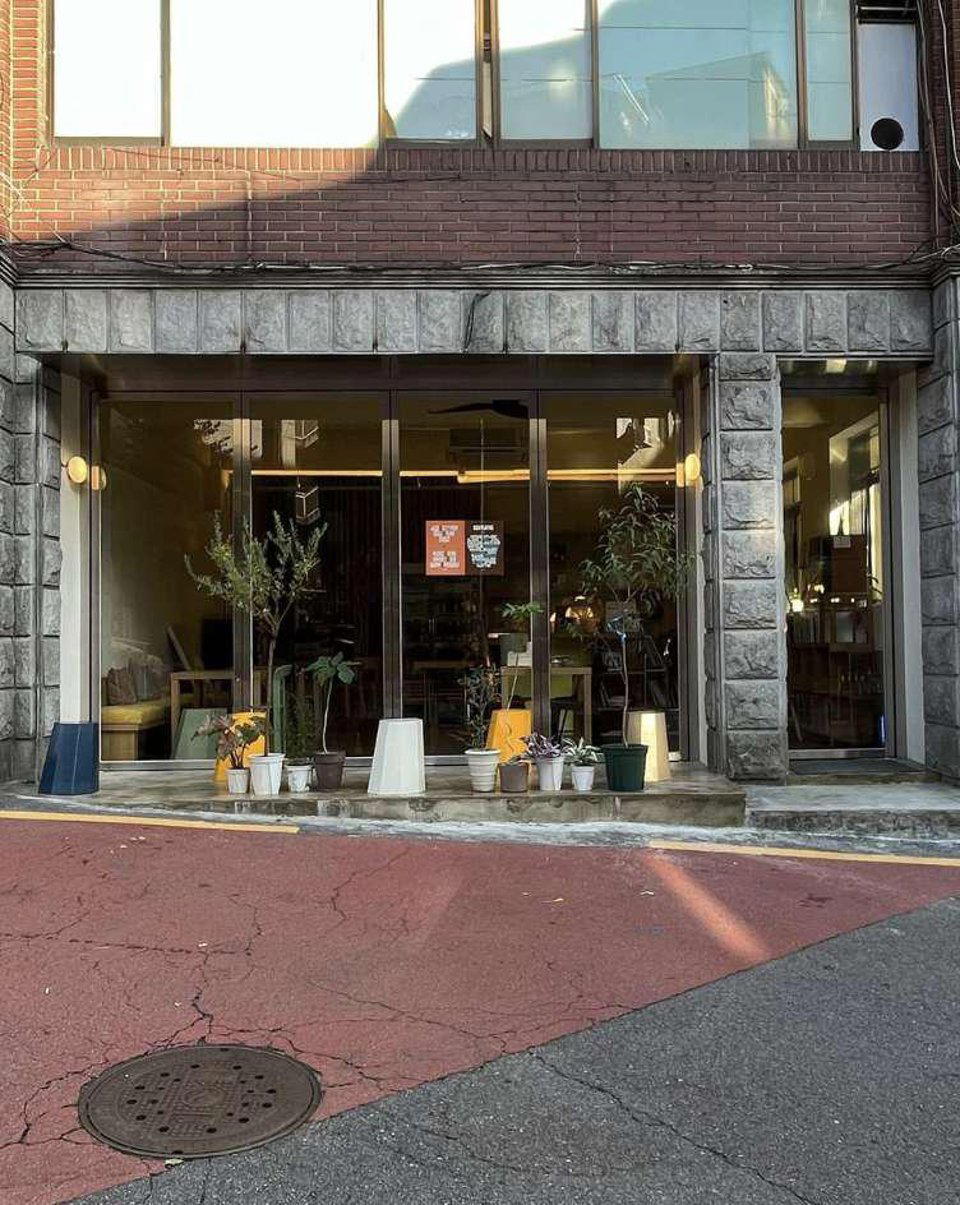
Garosu-gil runs on visibility. The tree-lined stretch of Gangnam's Sinsa-dong draws foot traffic through boutique storefronts and outdoor terraces, and most restaurants here pitch themselves toward that passing audience. L'Oignon, positioned down a side alley off Dosan-daero 17-gil, operates on different terms. The approach is deliberately removed from the main drag, and that spatial choice telegraphs something about what the meal is going to ask of you. This is not a restaurant for a quick walk-in decision. The address rewards the person who looked it up in advance.
In a neighbourhood defined by trend cycles, a French pescatarian kitchen holding a 2025 Michelin Plate is a specific kind of commitment. Seoul's French dining scene has grown considerably more layered over the past decade, with venues like L'Amitié and Tutoiement occupying the Michelin-starred tier of classical and contemporary French cooking. L'Oignon sits at the ₩₩₩ price point rather than the ₩₩₩₩ tier of heavily awarded competitors such as KANG MINCHUL Restaurant, yet its Michelin recognition positions it above the bistro bracket represented by addresses like Au Bouillon and Bistrot de Yountville. The Plate, in Michelin's own framework, signals cooking worth a detour without carrying the star's formality implications. At L'Oignon, that distinction lands accurately.
The Ritual of a Meatless French Kitchen
The customs of a French tasting format carry a specific rhythm: arrival, amuse, course sequence, pause, dessert. The restaurant runs that structure without modification, which is part of what makes the pescatarian constraint interesting to observe across a full meal. French classical cooking is built on stocks, and stocks are built on bones. Remove that infrastructure and a kitchen either collapses toward blandness or finds structural equivalents. Here, the kitchen uses mushroom-based vegetable broth to stand in for the fond and the demi-glace that would ordinarily anchor sauce work. The umami depth in that substitution is the technical proof of concept the whole restaurant rests on.
The pacing of the meal is worth paying attention to in its own right. Pescatarian menus without meat tend to move lighter through the mid-courses than their conventional counterparts, and French kitchen discipline manages the momentum here through textural contrast rather than protein weight. Cauliflower and pecorino cheese replace flour in the cake-adjacent preparations, a substitution that also happens to serve guests who arrive with gluten considerations. That detail is not decorative. It reflects a kitchen working within a framework of ecological and dietary principle that runs through procurement decisions as much as plating choices.
Across the region, a small number of serious kitchens have committed to similar frameworks without abandoning classical technique. L'Effervescence in Tokyo represents one discussed example in the Asian French context, with its deep investment in producer relationships and restrained use of animal products. Les Amis in Singapore operates from a classical French foundation with different dietary parameters, but the underlying argument about technique as the primary value is comparable. In Seoul specifically, the broader question of how French cooking adapts to local ingredient logic is visible across addresses from Gaon to Kwon Sook Soo, though both of those operate from a Korean foundation looking outward rather than a French one looking inward. The restaurant's direction of travel is the inverse: French form, Korean context.
Where It Sits in Seoul's Wider Dining Architecture
Seoul's mid-range fine dining tier has become more defined and more competitive since the Michelin Guide Seoul expanded its plate and bib categories. At ₩₩₩, the restaurant is priced above the casual end but below the commitment level of the city's starred tasting menus. That middle band rewards restaurants with a clear identity, because the guest can spend a comparable amount across many alternatives. The restaurant's pescatarian-only positioning is the differentiator that narrows the comparison set considerably. Within Gangnam, a diner seeking vegetable-forward French cooking with Michelin recognition has a short list, and the restaurant is on it.
That demographic note matters: the people eating here chose it deliberately. Walk-in discovery is less likely given the alley location and the format. The guest who arrives typically knows what the meal is structured around and what the substitutions will involve. That prior alignment shapes the dining ritual as much as any front-of-house decision. When a table arrives with an accurate expectation of the kitchen's constraints, courses read as solutions rather than absences.
Across South Korea, the conversation around ingredient-driven cooking with ecological principles extends beyond Seoul. Mori in Busan and the temple food tradition documented at Baegyangsa Temple in Jangseong-gun both work within plant-based or near-plant-based frameworks from a Korean rather than French starting point. The tradition of sophisticated meatless cooking in this region is older and wider than any single contemporary restaurant. The restaurant draws on French training and French structure, but it operates within a country that has its own long relationship with the idea that restraint in protein is a form of culinary respect rather than a culinary limitation.
For reference across the European end of the French tradition, Hotel de Ville Crissier in Crissier represents the classical French tasting format at its most rigorous. The comparison is directional rather than equivalent, but it anchors what the French kitchen framework looks like at its foundational end, and why a restaurant choosing to operate within that framework while removing meat from the pantry is making a structurally demanding decision rather than a simplified one.
Know Before You Go
- Cuisine: French pescatarian (vegetables, fish, eggs, dairy only)
- Location: Dosan-daero 17-gil, Gangnam District, Seoul, side alley off Garosu-gil
- Price range: ₩₩₩
- Recognition: Michelin Plate (2025)
- Guest rating: 4.7 on Google (23 reviews)
- Booking: Advance reservation recommended given format and location
- Hours: Confirm directly with the restaurant before visiting
At a Glance
Comparable venues nearby, for context on price, style, and recognition.
| Venue | Cuisine | Price | Notes |
|---|---|---|---|
| L'OIGNONThis venue — the venue you are viewing | 압구정동, French Pescatarian | $$$ | Not listed |
| Chez Nous Private Kitchen | Not listed | $$$ | 이태원동, French Cuisine with Korean Elements |
| Fuje | Dogok-dong, Contemporary French | $$$$ | Not listed |
| Epanoui | 압구정동, Modern French Fine Dining | $$$$ | Not listed |
| Au Bouillon | 왕십리, Classic French Bistro | $$ | Not listed |
| L'Espoir du Hibou | 압구정동, Traditional French Bistro | $$$ | Not listed |
Recognition history
Dated appearances from independent guides and award organizations, with the underlying list record or original source where available.
Michelin Plate
Michelin
Michelin Plate
Michelin

At a Glance
- Elegant
- Sophisticated
- Intimate
- Modern
- Date Night
- Solo
- Special Occasion
Current opening hours
- Monday
- 12–9 PM
- Tuesday
- 12–9 PM
- Wednesday
- 12–9 PM
- Thursday
- 12–9 PM
- Friday
- 12–9 PM
- Saturday
- 12–9 PM
- Sunday
- 12–9 PM
Hours can change for holidays and private events. Last verified .
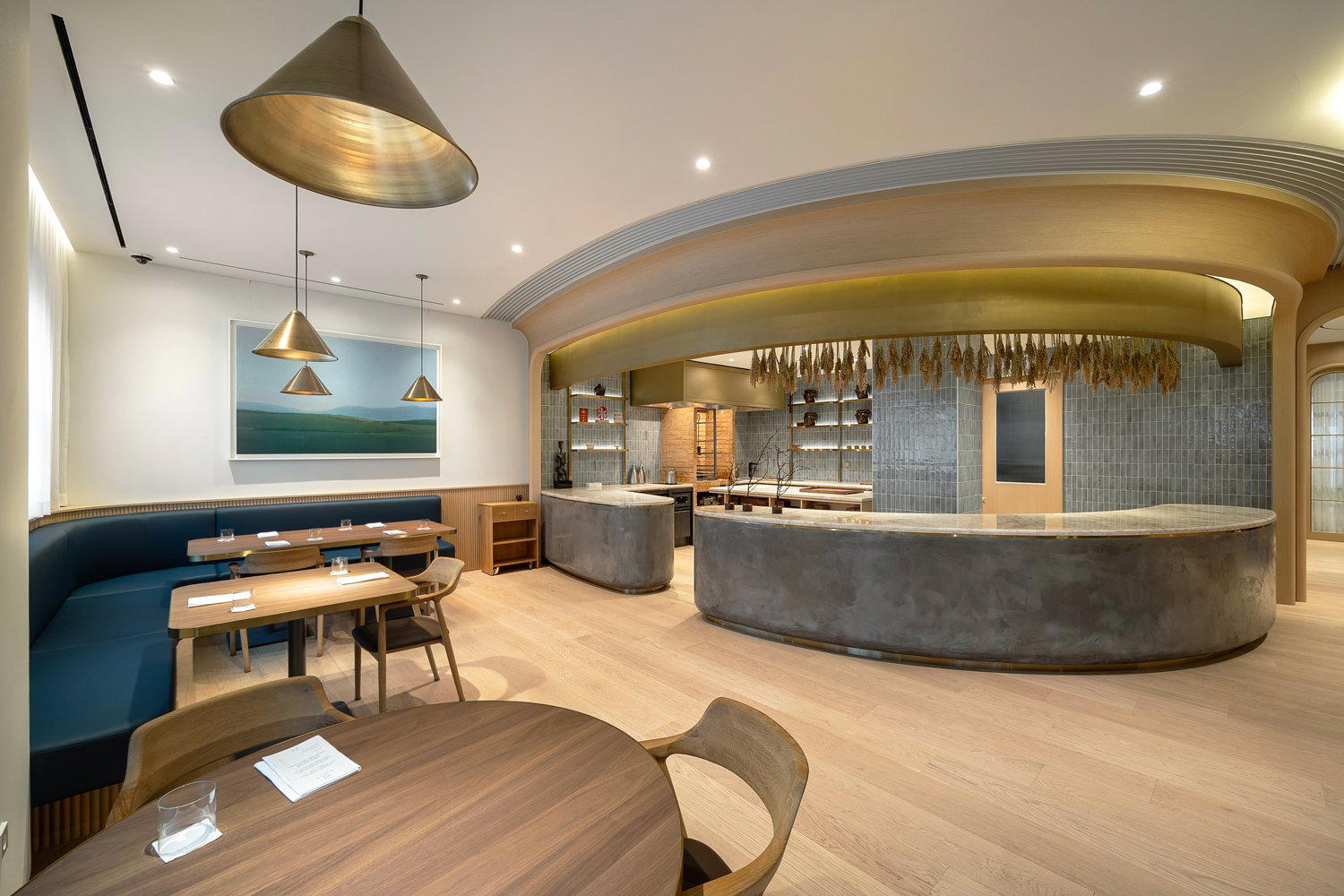
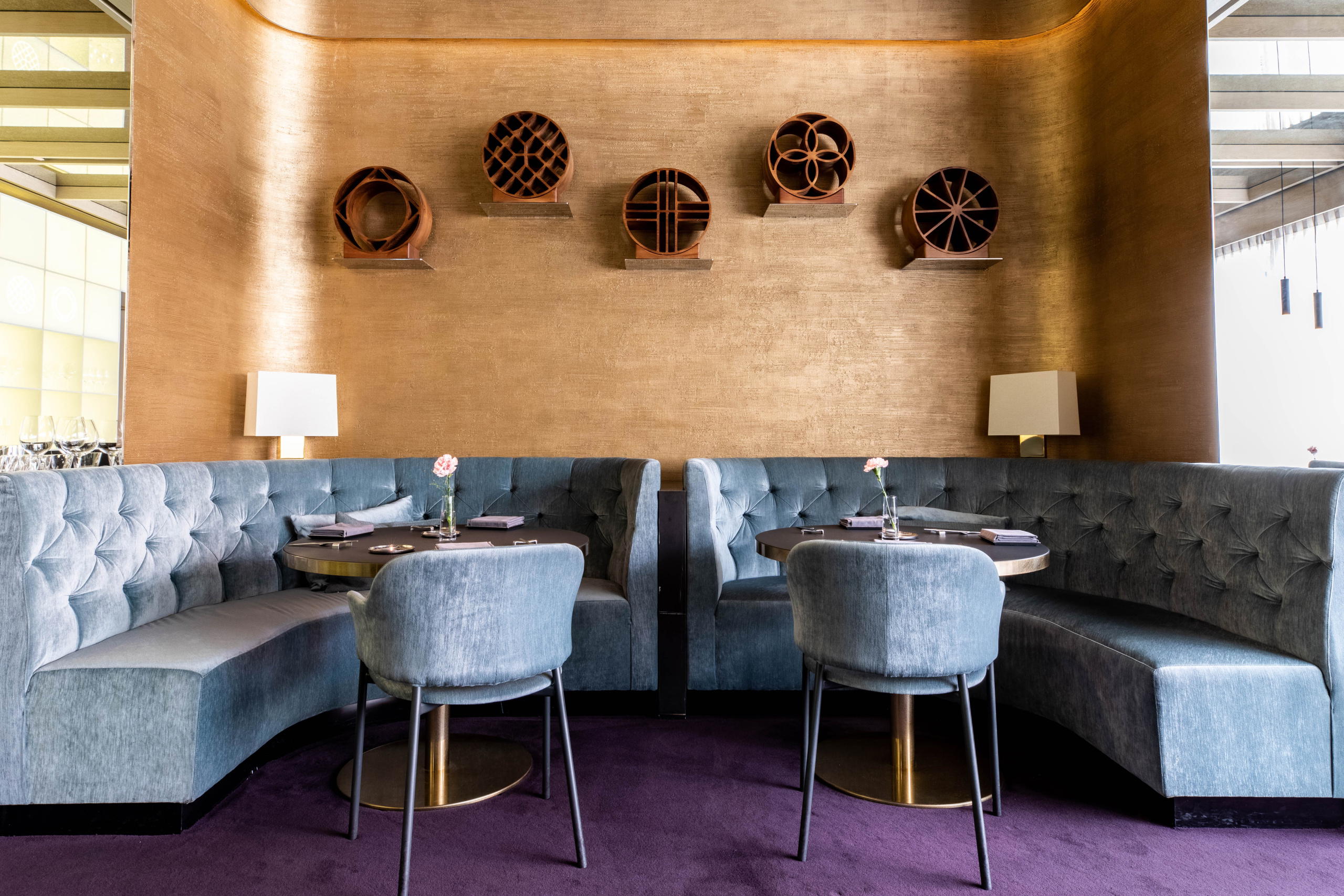
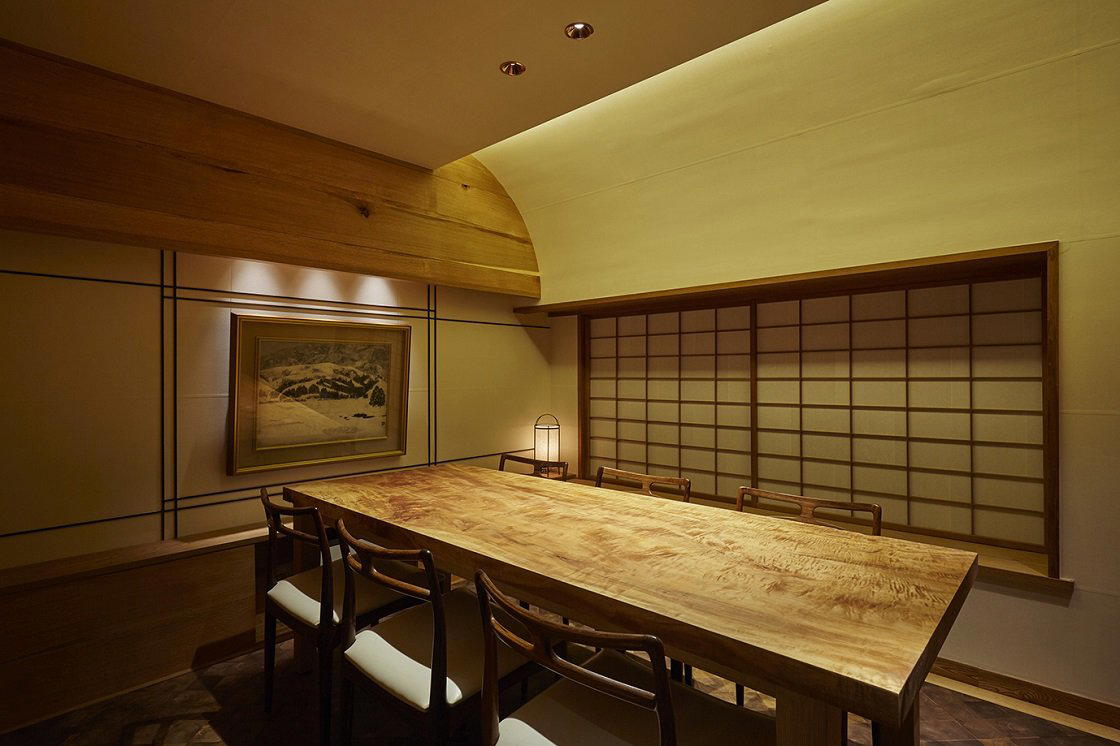
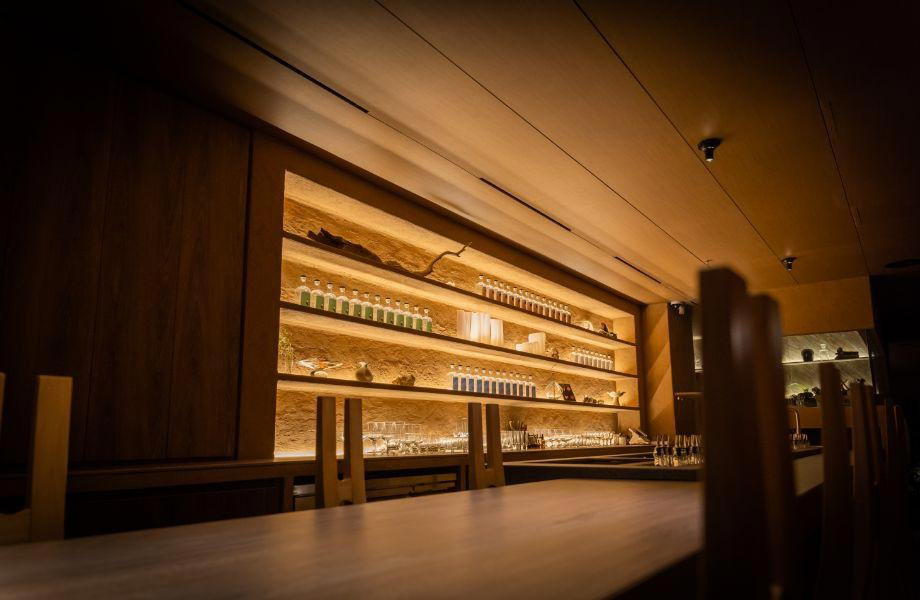
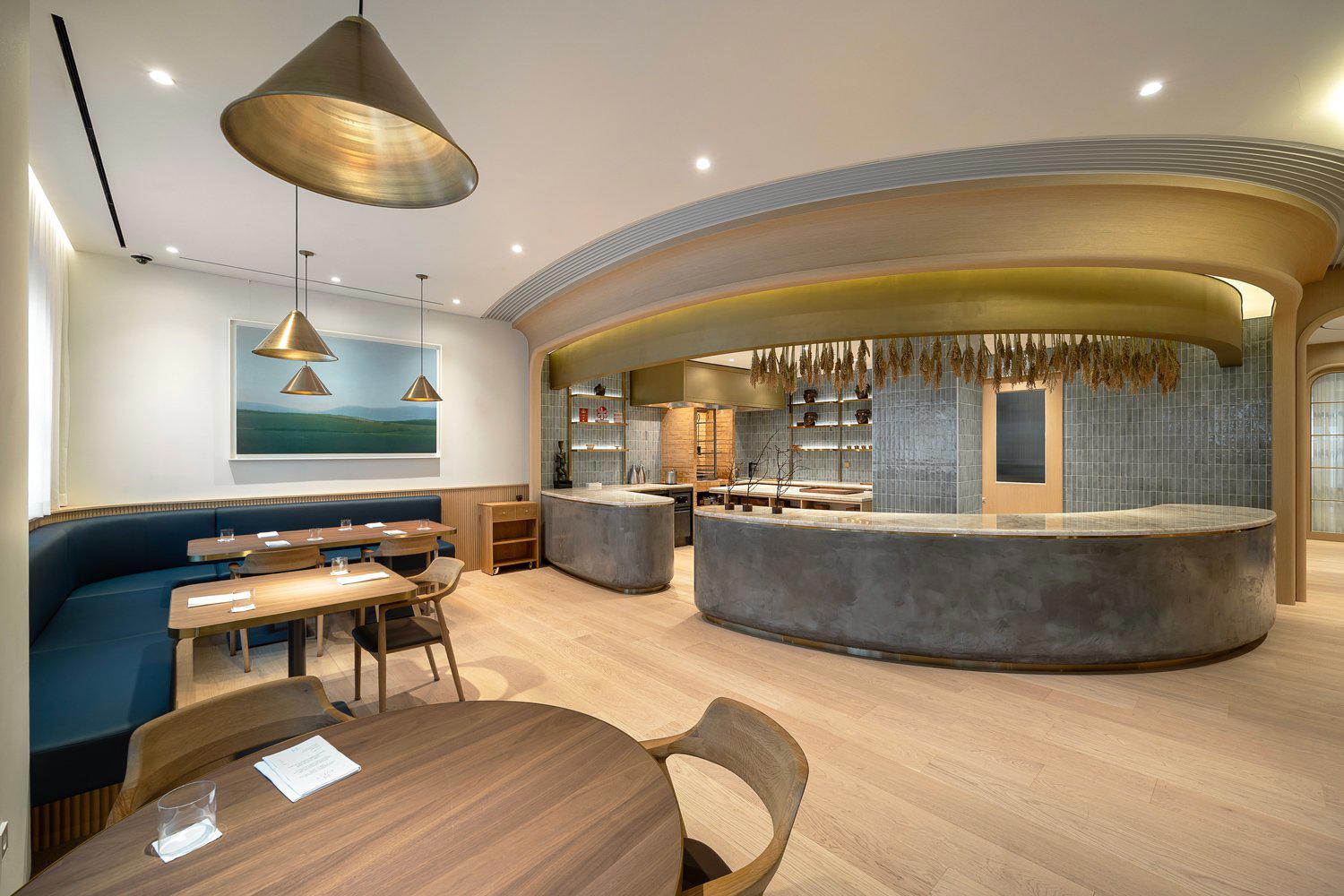
Refined atmosphere in a quiet alley of the trendy Garosu-gil district with delicate, harmonized dishes.