Restaurant Jolesch occupies a quiet corner of Kreuzberg at Muskauer Strasse 1, drawing a neighbourhood crowd that returns for the kind of Austrian-inflected cooking rarely found at this register in Berlin. The kitchen leans on seasonal sourcing and the sort of unpretentious precision that defines the better end of Central European tradition. It sits outside the city's Michelin-starred circuit but has built a steady local following on consistency and restraint.
Pearl is the En Primeur Club membership app — saves, bookings, and concierge access live there. Same editors, same standards.
- Address
- Muskauer Str. 1, 10997 Berlin, Germany
- Phone
- +49 30 6123581
- Website
- jolesch.de
- Directions
- Get directions
 Saves & bookings on Pearl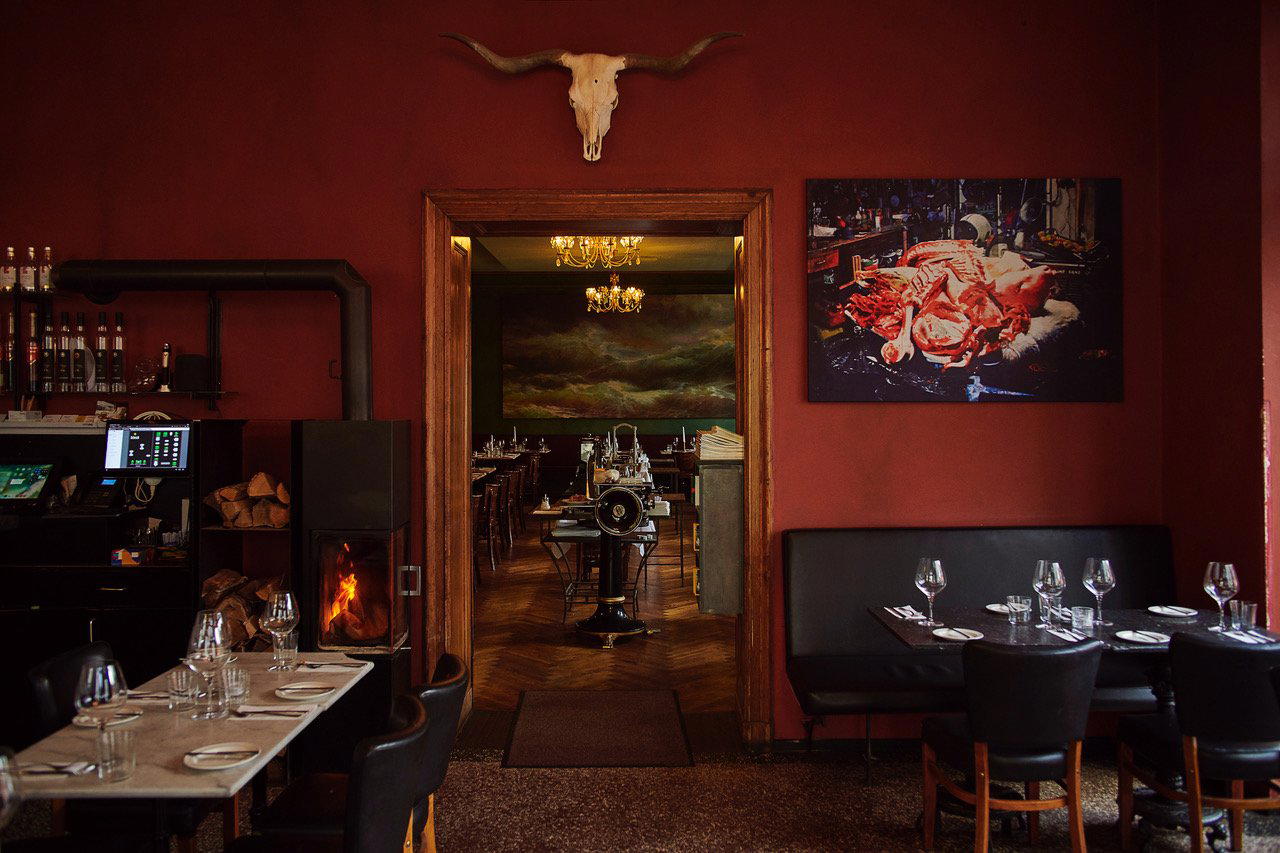
Kreuzberg's Quieter Register
Berlin's dining map has fractured in useful ways over the past decade. At one end, a cluster of destination restaurants, from Rutz to FACIL to Nobelhart & Schmutzig, competes for international attention and Michelin recognition. At the other end, a stratum of neighbourhood restaurants operates on a different logic entirely: shorter menus and lower volume. Restaurant Jolesch is a restaurant in Berlin serving Traditional Austrian with Modern Twists. Restaurant Jolesch, at Muskauer Strasse 1 in Kreuzberg, belongs firmly to the second category. Its address places it in one of Berlin's most densely inhabited and gastronomically literate districts, where the competition for a loyal local following is, in its own way, just as demanding as the competition for stars.
Kreuzberg's dining character has always been defined by its resistance to formality. The neighbourhood produces and sustains restaurants that prize directness over spectacle, and Austrian-German cooking traditions fit that register well. The cuisine, at its leading, is about clarity. Jolesch works within that tradition, drawing on Central European culinary grammar at a price point and in a room that suits the surrounding area.
Sourcing as the Structural Argument
Across Berlin's better mid-market restaurants, the sourcing conversation has shifted from aspiration to expectation. What Nobelhart & Schmutzig built into a manifesto, a growing number of kitchens have quietly adopted as operational standard: identifiable suppliers, regional provenance, and menus that respond to what is actually available rather than what a static menu demands. This shift carries genuine environmental logic.
Within Kreuzberg's restaurant culture, these practices have currency not as marketing, but as direct kitchen discipline. A restaurant cooking Austrian-influenced food in this neighbourhood, drawing on the tradition of Viennese Bürgerküche, has a natural vocabulary for this approach. The Austrian canon already prizes nose-to-tail thinking, offal, preserved vegetables, and dishes built around what the land provides at a given moment. That tradition predates the contemporary sustainability conversation by a century, which makes its application here feel less like positioning and more like inheritance.
Comparable kitchens operating at a different price tier, such as Schwarzwaldstube in Baiersbronn or Waldhotel Sonnora in Dreis, make regional sourcing central to their identity. At Jolesch's neighbourhood register, the argument works differently: sourcing well is simply what a serious kitchen does, with less ceremony around the declaration.
The Room and What It Communicates
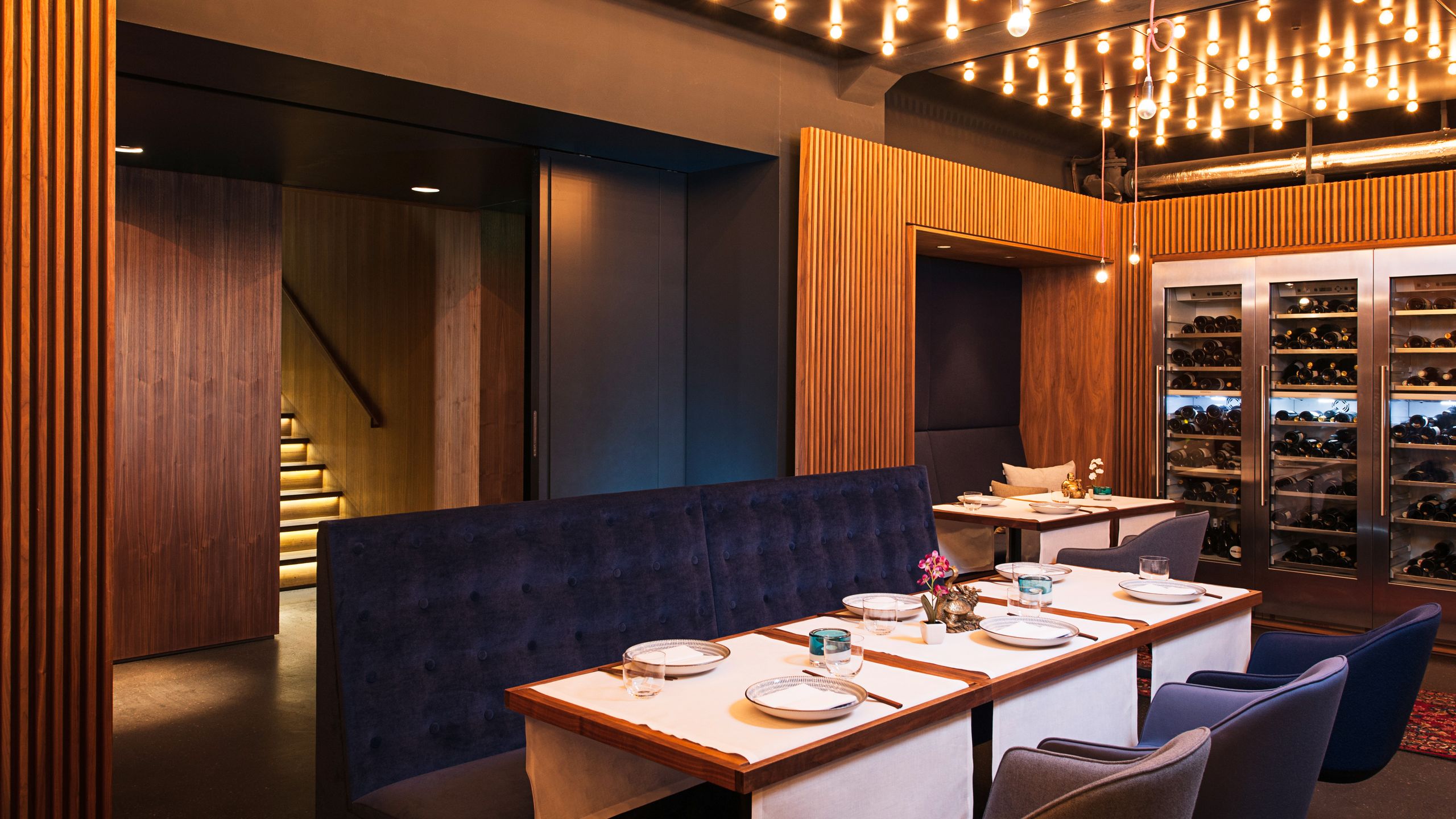
Approaching Muskauer Strasse on foot, the restaurant reads as part of the streetscape rather than as a destination implanted within it. There is no canopy or valet. The entrance is measured and the interior follows the same logic: a room that has been in use long enough to feel inhabited rather than staged. The lighting is warm without being theatrical. Tables are set without excessive ceremony. The effect is closer to a well-run Viennese Gasthaus than to Berlin's newer mid-market openings.
This matters because the room frames how food is received. Dishes that arrive in this context are read on their own terms, without the expectation management that comes with a tasting-menu format or a prestige interior. It is a harder register to work in than the formal dining room, where refined surroundings lend food an initial credibility before it is tasted. The neighbourhood restaurant has to earn its reputation plate by plate, visit by visit, across a guest base that returns regularly and notices when something changes.
Where It Sits in the Berlin Picture
Berlin's most-discussed restaurants occupy a clearly defined tier. CODA Dessert Dining has built an internationally recognized format around dessert-led tasting menus. Restaurant Tim Raue exports a Berlin-defined vision of Chinese-influenced cooking to an international audience. These restaurants compete for the attention of a traveling fine-dining public. Jolesch is not in that competition, and there is nothing diminishing about that observation. The restaurant's frame of reference is the neighbourhood, and its success is measured by whether the same guests come back season after season.
That kind of repeat business is, in its own way, a sustainability story. A kitchen that calibrates its menu to returning guests rather than to first-time visitors has a different relationship with waste, with portion calibration, and with what it keeps on the shelf. The logistics of cooking for a known audience are more efficient.
For context on the broader German fine-dining tier, the country's most awarded kitchens, including Aqua in Wolfsburg, JAN in Munich, Vendôme in Bergisch Gladbach, Victor's Fine Dining in Perl, ES:SENZ in Grassau, Schanz in Piesport, Restaurant Haerlin in Hamburg, and Bagatelle in Trier, set a national benchmark that defines what three-star ambition looks like at the leading register. Jolesch operates at a different altitude and serves a different purpose in Berlin's overall dining picture. See our full Berlin restaurants guide for a complete view of how the city's dining tiers map out.
Planning a Visit
Muskauer Strasse 1 sits in the heart of Kreuzberg, walkable from U-Bahn Görlitzer Bahnhof and accessible from the wider Xhain area on foot or by bicycle, which suits the neighbourhood's character. Given the restaurant's local following and limited capacity typical of a room at this scale, arriving with a reservation is the prudent approach, particularly on weekends and during the autumn and winter months when Central European cooking traditions draw greater demand. The restaurant is recommended for reservations.
A Tight Comparison
Comparable venues nearby, for context on price, style, and recognition.
| Venue | Cuisine | Price | Notes |
|---|---|---|---|
| Restaurant JoleschThis venue — the venue you are viewing | Not listed | $$$ | Not listed |
| Heritage | Mitte, Modern German Fine Dining | $$$ | Not listed |
| Restaurant Deutsche Oper | Not listed | $$$ | Charlottenburg, Sophisticated German Cuisine |
| Rutz Altes Zollhaus | Kreuzberg, Modern German | $$$ | Not listed |
| Panama | Tiergarten, Modern German | $$$ | Not listed |
| Café Anna Blume | Not listed | $$ | Prenzlauer Berg, Classic German Café with Breakfast and Cakes |
Continue exploring
More in Berlin
Restaurants in Berlin
Browse all →
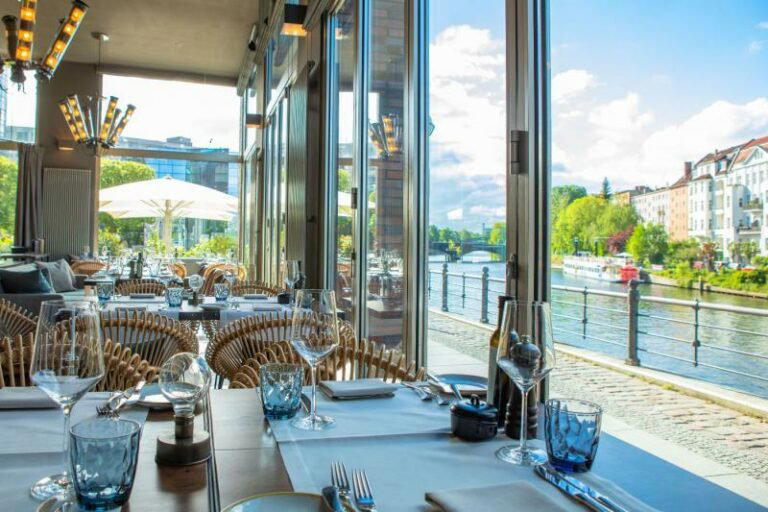
Bars in Berlin
Browse all →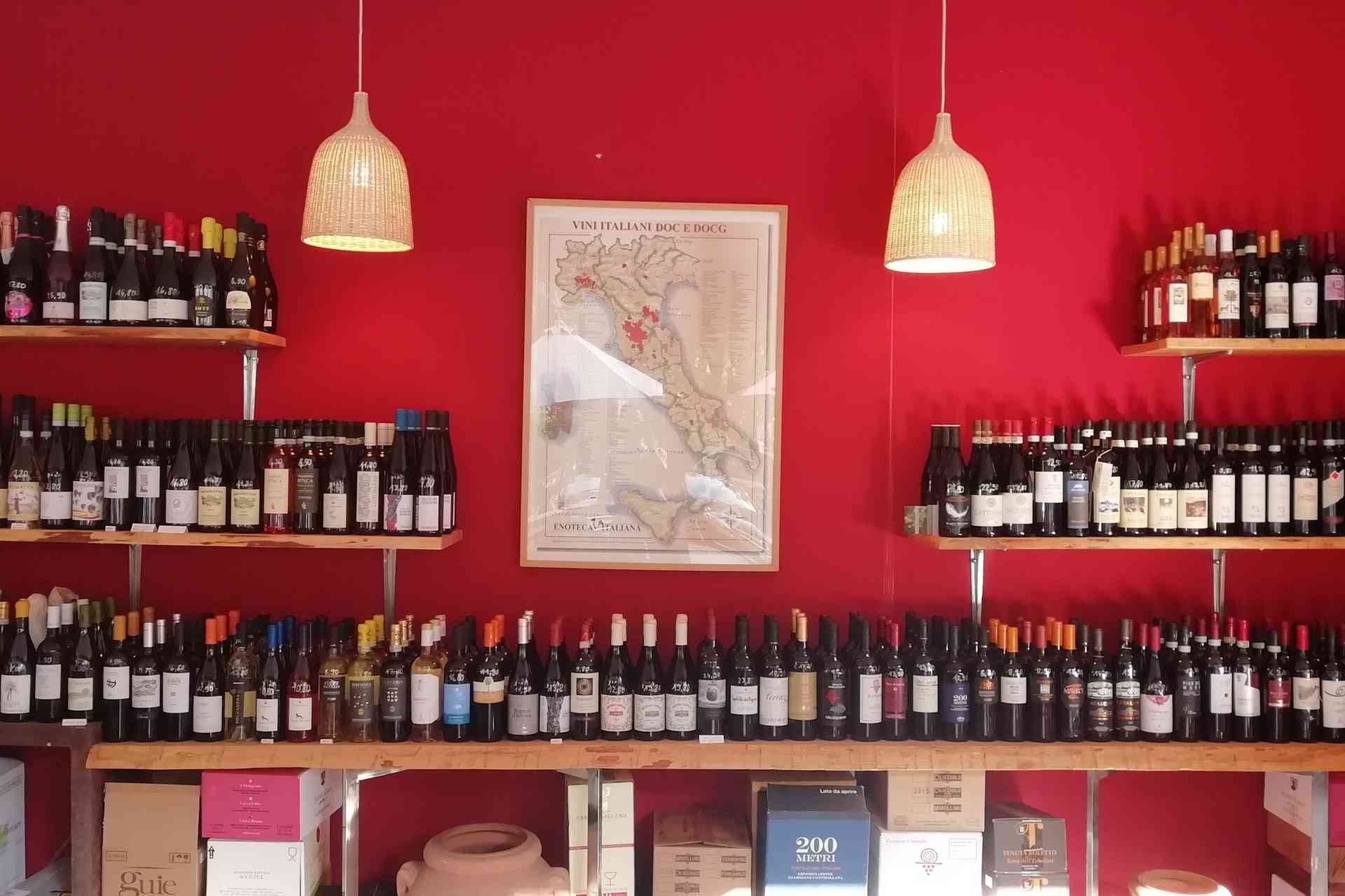
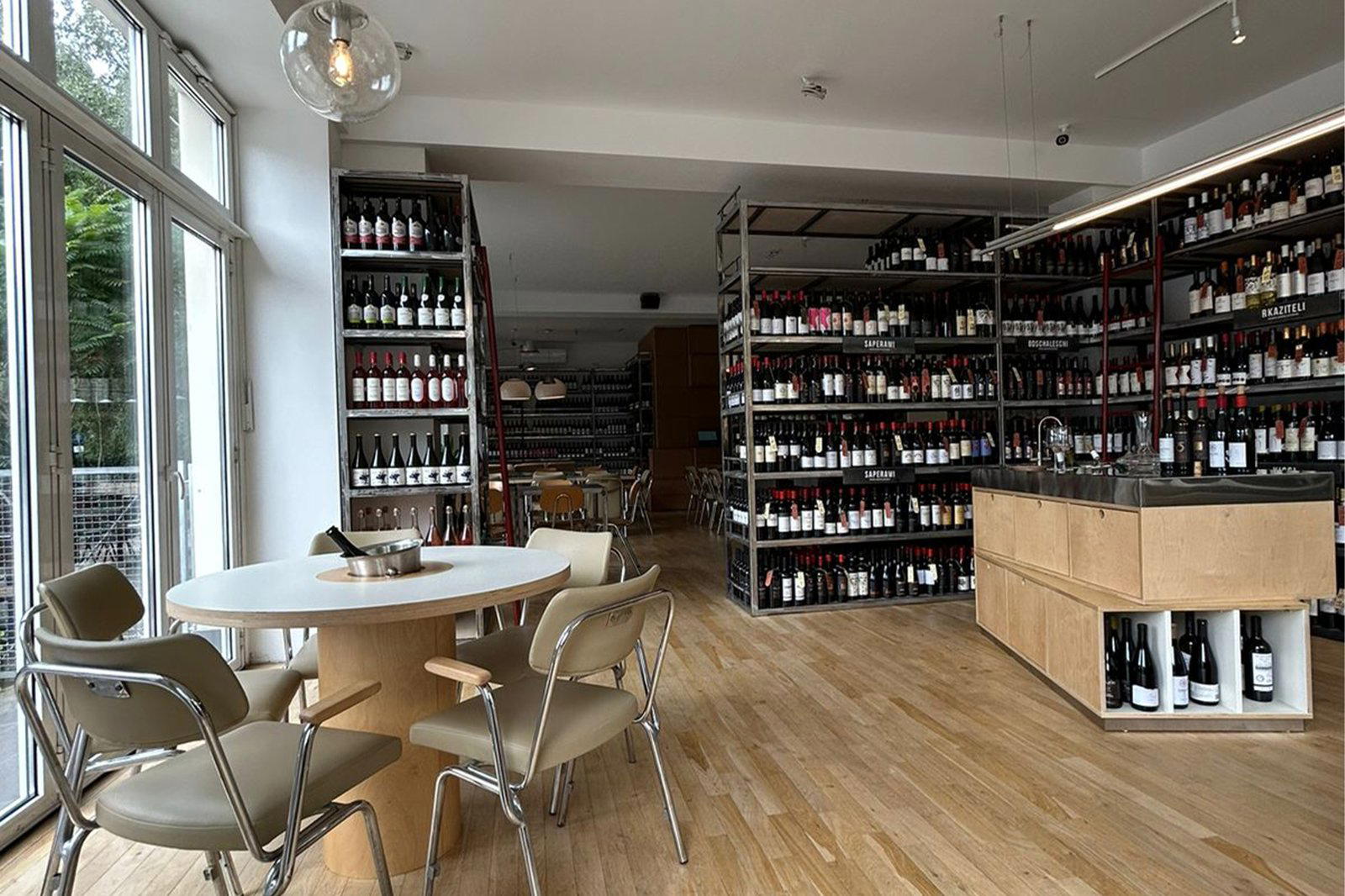
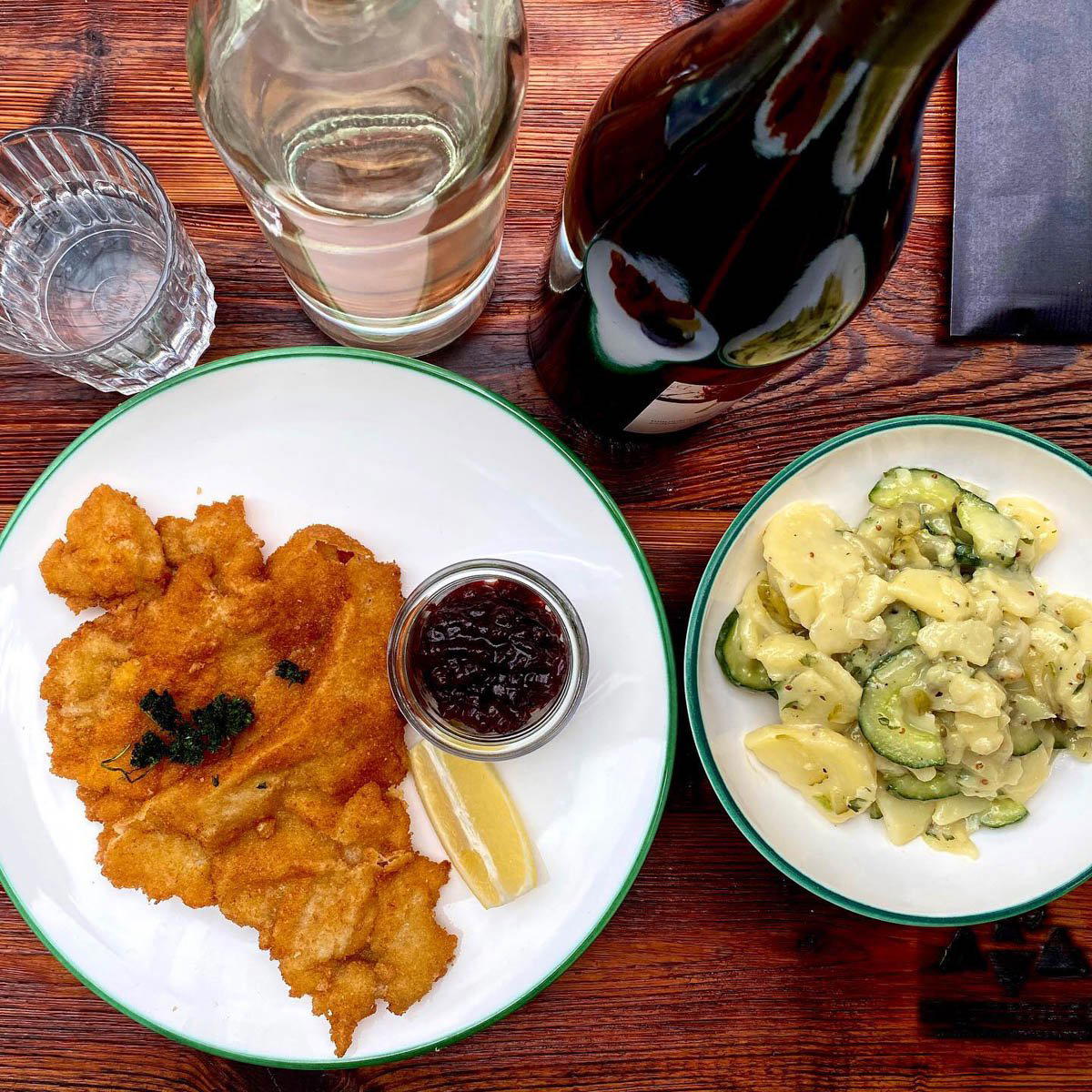
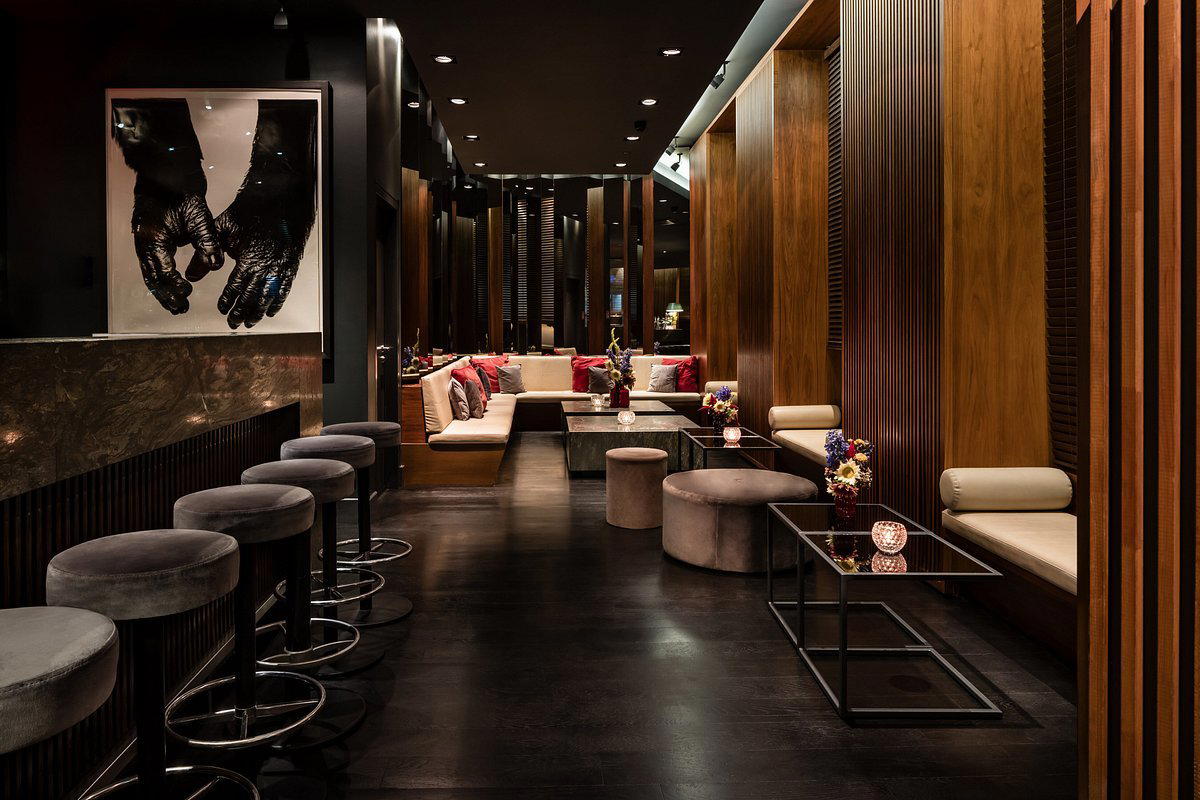
Hotels in Berlin
Browse all →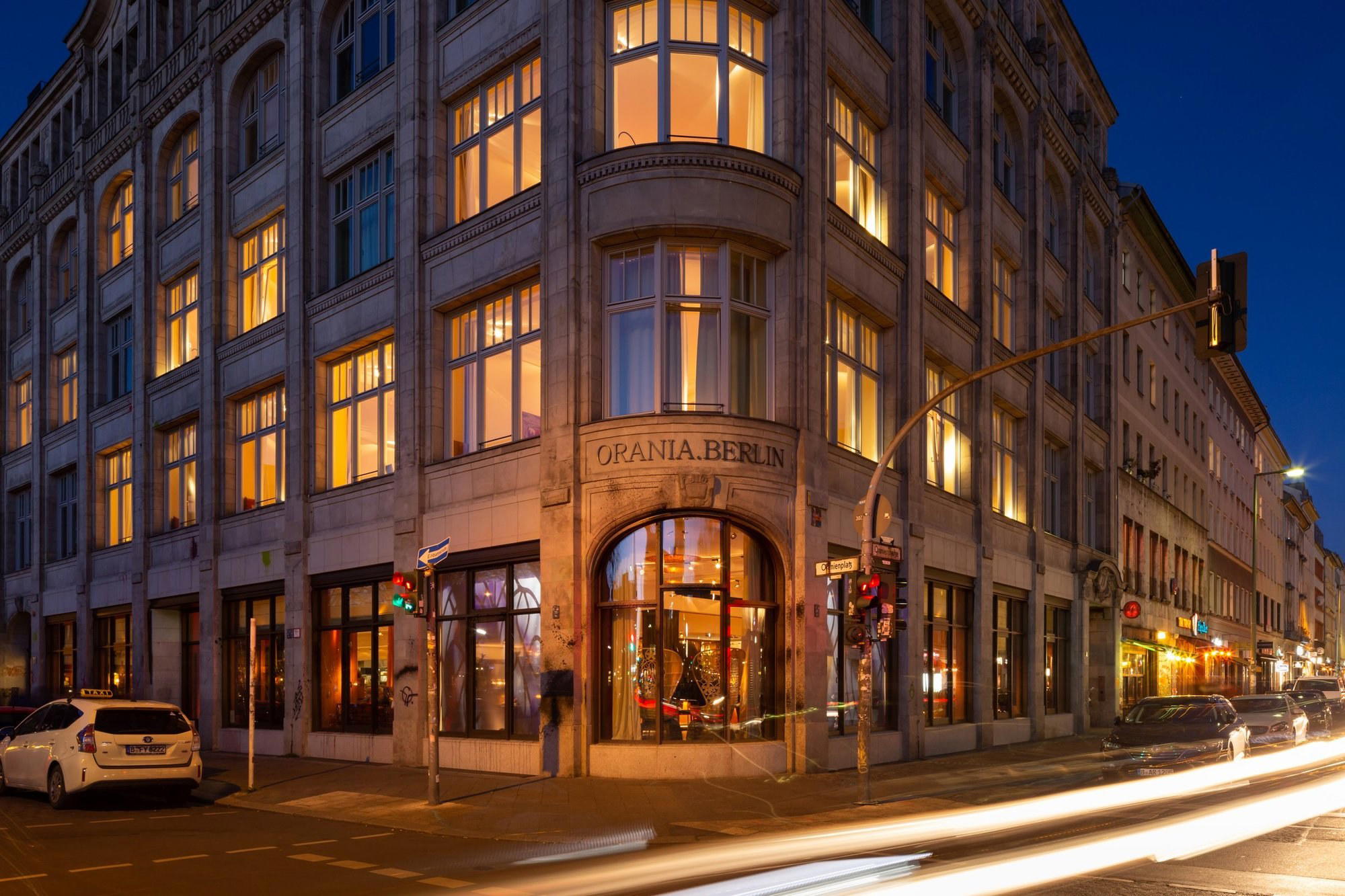
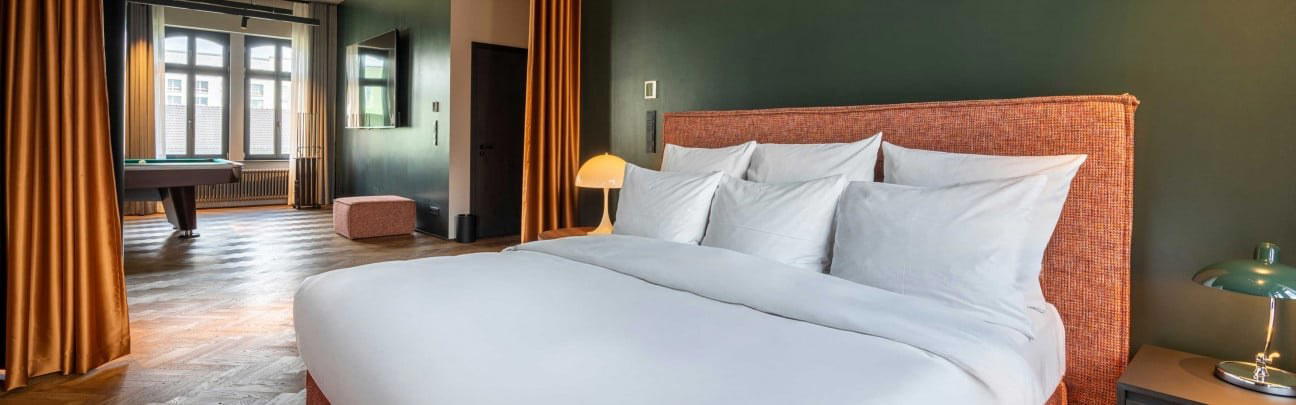
Wineries in Berlin
Browse all →
At a Glance
- Cozy
- Classic
- Intimate
- Date Night
- Special Occasion
- Standalone
- Extensive Wine List
- Local Sourcing
Current opening hours
- Monday
- 5 PM–12 AM
- Tuesday
- 5 PM–12 AM
- Wednesday
- 5 PM–12 AM
- Thursday
- 5 PM–12 AM
- Friday
- 5 PM–12 AM
- Saturday
- 5 PM–12 AM
- Sunday
- 5 PM–12 AM
Hours can change for holidays and private events. Last verified .
Low-lit, wood-panelled dining room with warm and inviting atmosphere evoking Austrian taverns.