On Charlottenstraße in central Berlin, Heritage occupies a stretch of Mitte where the city's appetite for serious dining runs alongside its appetite for reinvention. The address places it within walking distance of Berlin's most decorated restaurant tier, and the name signals a kitchen engaged with tradition as a starting point rather than a constraint. Plan ahead: availability at this level of the Berlin dining scene rarely rewards spontaneity.
Pearl is the En Primeur Club membership app — saves, bookings, and concierge access live there. Same editors, same standards.
- Address
- Charlottenstraße 52, 10117 Berlin, Germany
- Website
- heritage-restaurants.com
- Directions
- Get directions
 Saves & bookings on Pearl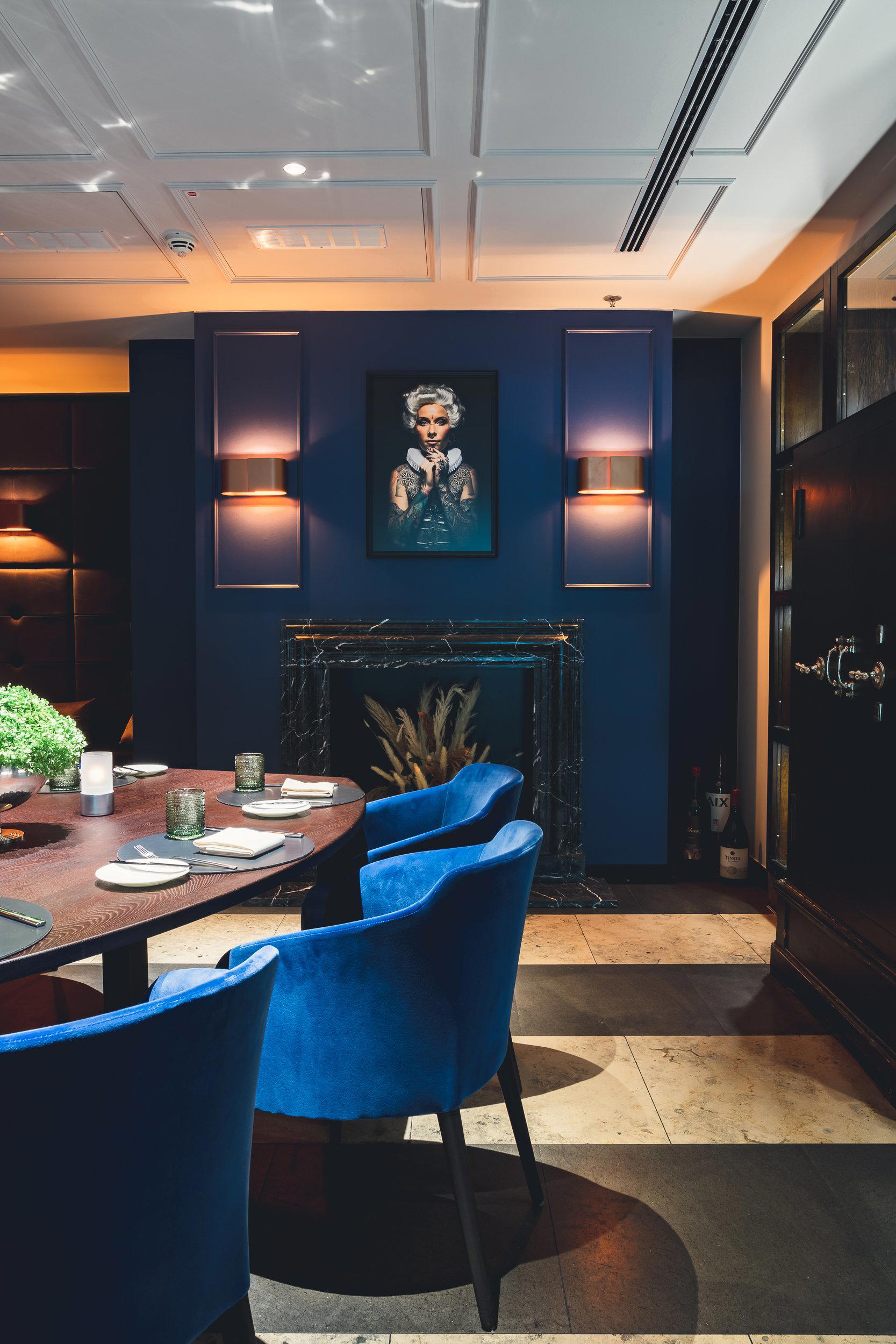
Where Charlottenstraße Places You
Charlottenstraße 52 sits in the part of Mitte that has quietly become one of Berlin's most concentrated corridors for serious dining. The street runs south from Unter den Linden, crossing the grid of a neighbourhood that spent decades as border territory before reassembling itself into something more deliberate. Today the area draws a mix of international visitors, resident professionals, and the kind of local diner who treats a restaurant booking like a considered purchase. That context matters when reading a name like Heritage: in a city where kitchens have largely moved away from European classicism toward Nordic-inflected minimalism or global reference points, a restaurant anchored in the word is making a statement about where it positions itself on that spectrum.
The Booking Reality in Berlin's Upper Tier
Berlin's most recognised restaurants now operate on booking windows that would have seemed unusual for the city a decade ago. Nobelhart & Schmutzig, the radical locavore counter on Friedrichstraße, has a reputation for tables that disappear within hours of release. Rutz, which holds multiple Michelin stars, operates a similarly tight reservation window at its upper tasting counter. FACIL at The Mandala Hotel books well in advance across both its lunch and dinner sittings. The broader pattern across Berlin's €€€€ tier is one of compressed availability, particularly on Thursday through Saturday evenings. Heritage operates within that same competitive field. Diners expecting to book within the week of their visit may find particularly desirable slots already committed. The practical advice for Berlin at this level is consistent: check availability as early as four to six weeks before travel, prioritise mid-week if the calendar allows, and keep an eye on cancellation windows, which do open.
Berlin is not a city where premium dining operates on a walk-in culture. The restaurants that have earned sustained attention here have formats, tasting menus, counter sittings, fixed service windows, that structurally limit last-minute access. That is partly a function of kitchen economics and partly a statement of intent about the dining experience being offered. Heritage's address in central Mitte means transport logistics are direct: the U6 line stops at Stadtmitte, a short walk from Charlottenstraße, and Friedrichstraße station (S-Bahn and U-Bahn) is accessible on foot. The neighbourhood is navigable without a car, which is the default approach for most Berlin dining evenings.
How Heritage Sits in the Berlin Scene
Berlin's fine dining tier has diversified considerably over the past ten years. The city now hosts a wider range of serious kitchens than its reputation as a casual, street-food-oriented destination once suggested. CODA Dessert Dining operates a format built entirely around sweet and fermented elements, holding Michelin recognition for a concept that has no real equivalent in the city. Restaurant Tim Raue has built a two-Michelin-star kitchen around Chinese culinary architecture with a Berlin sensibility. Each of these operations represents a distinct lane, and the city is large enough to sustain all of them without significant overlap in guest base. Heritage, with a name that references continuity and craft, occupies a different position in that ecosystem: one oriented toward the accumulated knowledge of European kitchen tradition rather than provocation or conceptual novelty.
That positioning connects Heritage to a broader set of German fine dining conversations happening outside Berlin as well. Restaurants like Aqua in Wolfsburg, Vendôme in Bergisch Gladbach, and Waldhotel Sonnora in Dreis have long held the highest Michelin distinctions in the country, operating in smaller cities and resort contexts where kitchen investment can be sustained by destination dining models. Berlin's position as a capital city creates a different dynamic: the audience is larger and more varied, the competitive pressure comes from multiple directions, and the expectation of value for money is sharper. Diners comparing a Berlin tasting menu against what they might experience at Schwarzwaldstube in Baiersbronn or Victor's Fine Dining by Christian Bau in Perl are making a city-versus-destination calculation that shapes what they bring to the table in terms of expectation. Heritage sits at the intersection of those two models: a city address with the kind of name that implies it is aiming for the sustained, craft-led reputation that Germany's destination kitchens have built over decades.
Planning Your Evening
For diners arriving from outside Germany, Heritage's Charlottenstraße address makes it a natural anchor for a Berlin evening in Mitte. The neighbourhood supports a direct pre-dinner walk along Unter den Linden or through the Gendarmenmarkt, one of the city's better public squares and a short distance from the restaurant. The area has many wine bars and hotel bars suitable for a pre-dinner drink, with the Regent Berlin and Hotel de Rome both within the immediate vicinity. Dress expectations at this level of Berlin dining tend toward smart casual to formal, though Berlin's overall restaurant culture runs less prescriptive than comparable venues in Munich or Hamburg. For comparison, JAN in Munich or Restaurant Haerlin in Hamburg operate in cities where formality expectations at the summit tier are somewhat higher. Internationally, the booking-and-planning discipline required for Heritage compares to the lead times associated with Le Bernardin in New York or Atomix, where advance planning is simply the cost of entry at the upper tier.
For those building a broader Berlin itinerary around serious dining, the city's leading kitchens cluster in two main zones: the Mitte-Friedrichstraße corridor, where Heritage sits, and the Kreuzberg-Neukölln axis further south and east, where a younger generation of precision-led restaurants has taken hold. Visiting both requires planning across multiple evenings, and the contrast between the two zones tells a useful story about the city's dining character.
Comparison Snapshot
Comparable venues nearby, for context on price, style, and recognition.
| Venue | Cuisine | Price | Notes |
|---|---|---|---|
| HeritageThis venue — the venue you are viewing | Modern German Fine Dining | $$$ | Not listed |
| Crafterie | Modern German Crossover | $$$ | Mitte |
| FOREIGN AFFAIRS | Authentic Austrian | $$$ | Mitte |
| Hopfingerbräu am Brandenburger Tor | Bavarian Brauhaus | $$ | Mitte |
| 3 Sisters | German Regional Seasonal | $$ | Kreuzberg |
| Vorwerck Restaurant - Dine & Show | Modern Central European Fine Dining | $$$ | Neukolln |
Continue exploring
More in Berlin
Restaurants in Berlin
Browse all →
Bars in Berlin
Browse all →
Hotels in Berlin
Browse all →

At a Glance
- Elegant
- Modern
- Sophisticated
- Date Night
- Business Dinner
- Special Occasion
- Hotel Restaurant
- Terrace
- Extensive Wine List
- Craft Cocktails
Current opening hours
- Monday
- 6:30–11 AM, 12–11 PM
- Tuesday
- 6:30–11 AM, 12–11 PM
- Wednesday
- 6:30–11 AM, 12–11 PM
- Thursday
- 6:30–11 AM, 12–11 PM
- Friday
- 6:30–11 AM, 12–11 PM
- Saturday
- 6:30–11 AM, 12–11 PM
- Sunday
- 6:30–11 AM, 12–11 PM
Hours can change for holidays and private events. Last verified .
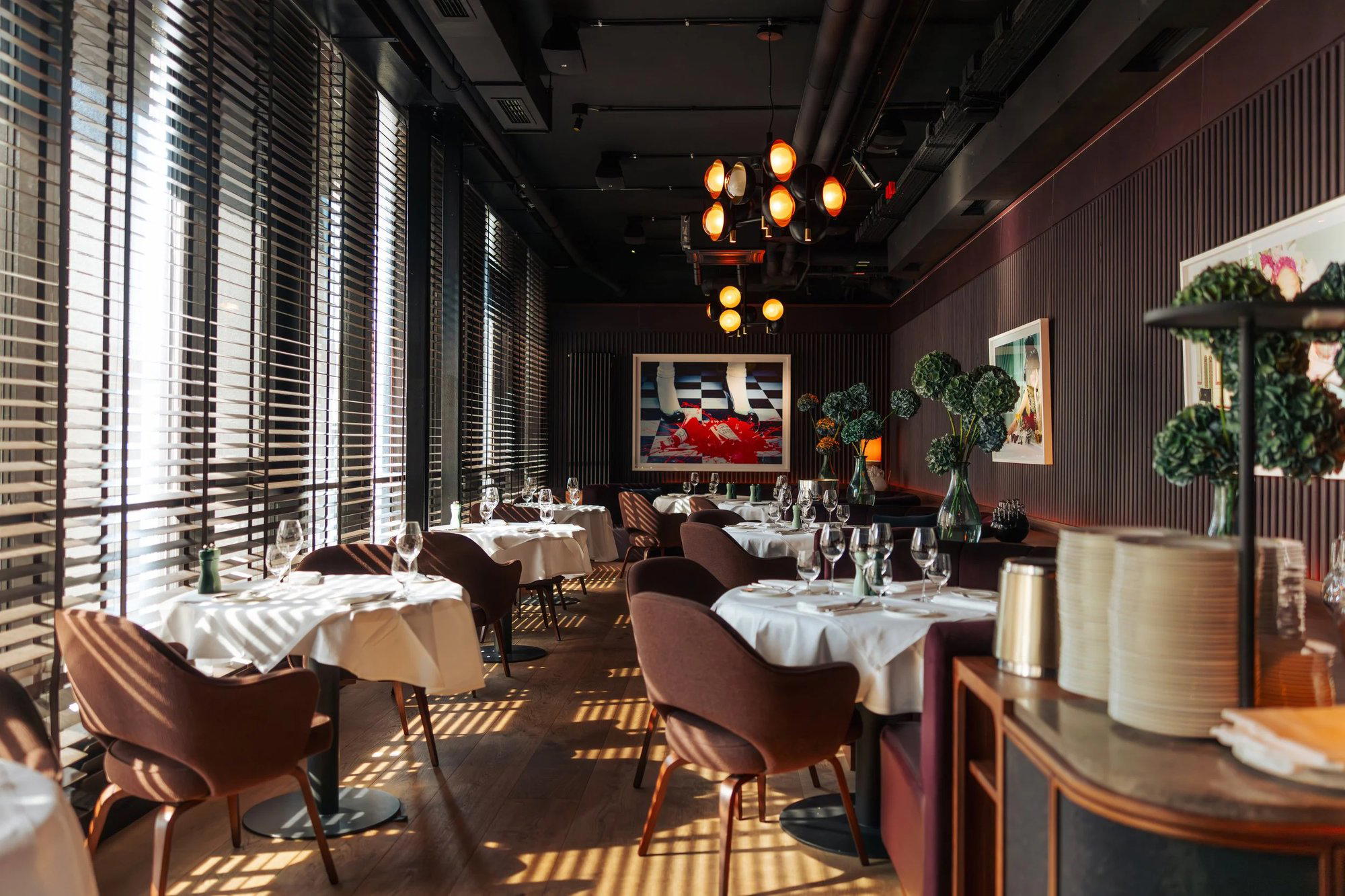
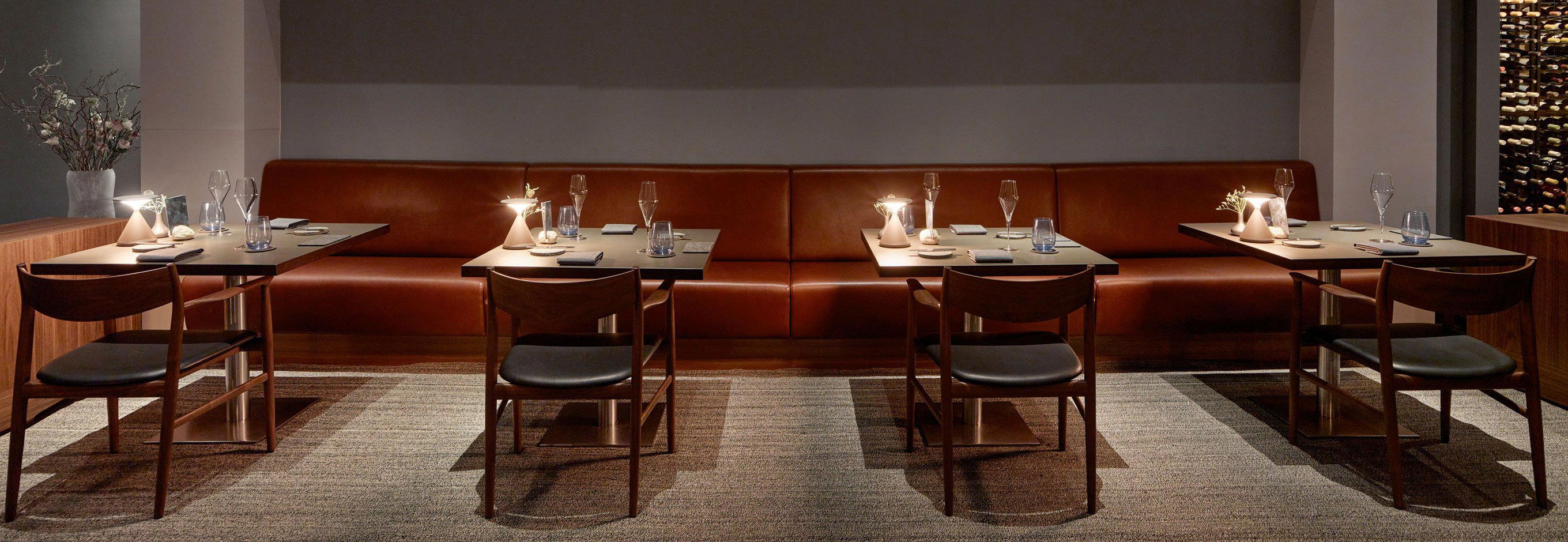
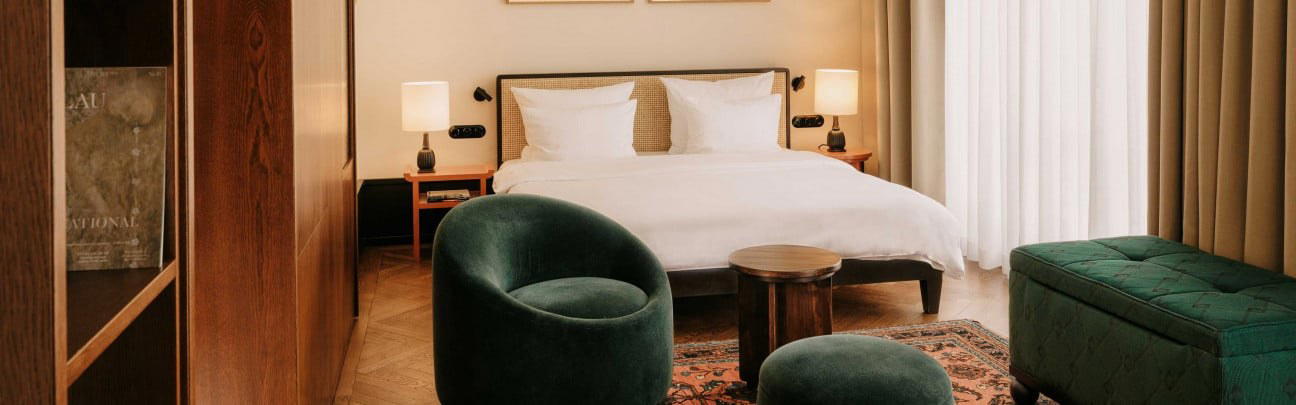
Elegant atmosphere with refined lighting suitable for intimate dinners.