
Bullerei occupies a converted slaughterhouse in Hamburg's Schanzenviertel, putting it squarely in the city's industrial-heritage dining tier. The address on Lagerstraße places it within walking distance of the neighbourhood's market halls and independent wine bars, giving it a context that rewards exploration before and after the meal. It sits in a Hamburg dining category defined more by atmosphere and breadth than by tasting-menu formality.
Pearl is the En Primeur Club membership app — saves, bookings, and concierge access live there. Same editors, same standards.
- Address
- Lagerstraße 34b, 20357 Hamburg, Germany
- Phone
- +494033442110
- Website
- bullerei.com
- Directions
- Get directions
 Saves & bookings on Pearl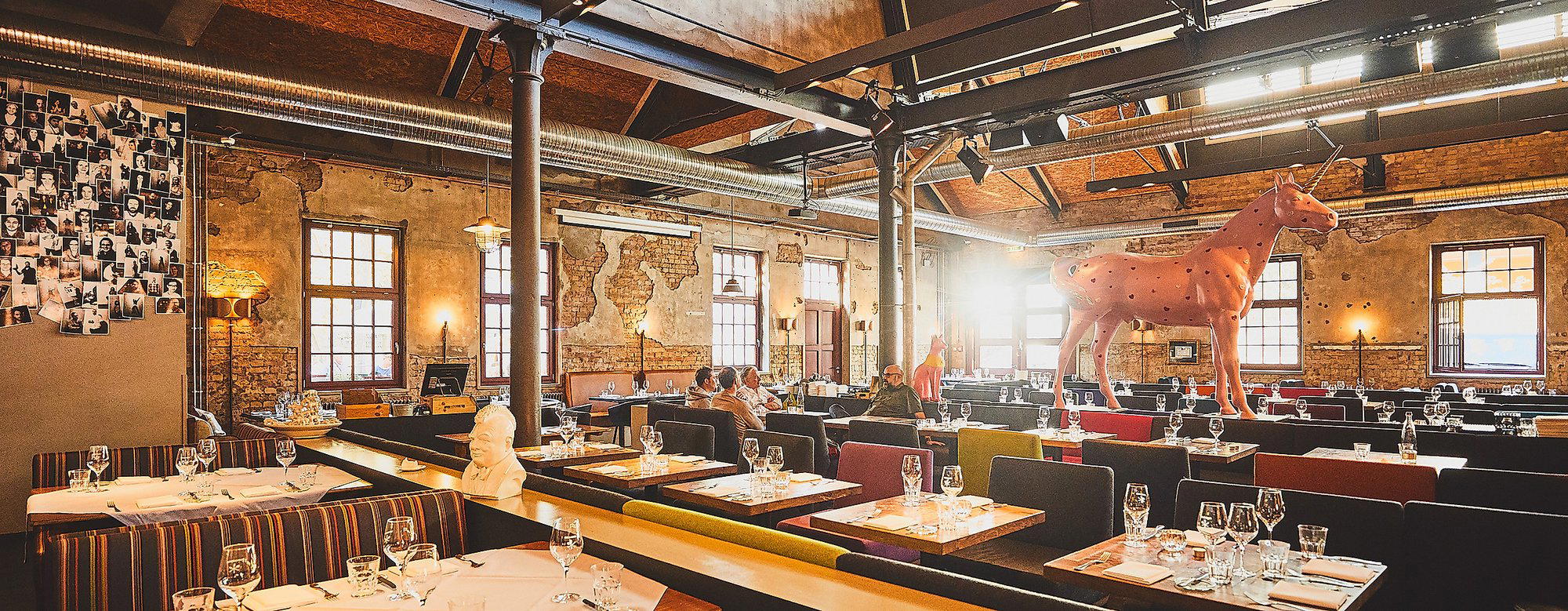
An Industrial Address That Sets the Tone Before You Sit Down
The approach to Bullerei tells you something about Hamburg's dining identity before you reach the door. Lagerstraße 34b sits inside a former slaughterhouse complex in the Schanzenviertel, a district that has spent the past two decades converting its brick-and-iron industrial fabric into cultural and hospitality space. The neighbourhood's Rindermarkt, or cattle market, once defined this block; today the same bones support restaurants, galleries, and food vendors. Entering a space with that kind of history means the architecture does editorial work that a purpose-built dining room rarely achieves. High ceilings, raw material surfaces, and the sense of depth that comes from converting large volumes into human-scale zones: these are the conditions Bullerei inherited and built around.
That physical inheritance places Bullerei in a specific Hamburg tier — not the white-tablecloth formality of the Hanseatic dining tradition, and not the stripped-back wine-bar minimalism that has taken hold in Karolinenviertel. It occupies a middle register that Hamburg does well: a place where the room signals ambition but doesn't demand ceremony, where you can order a single glass and a plate or work through an extended evening with the full sequence.
Where Bullerei Sits in the Hamburg Dining Order
Hamburg's restaurant map has sharpened considerably over the past decade. At the upper tier, Restaurant Haerlin and The Table Kevin Fehling operate the city's most formally structured tasting programs, both holding Michelin recognition and pricing to match. 100/200 Kitchen and bianc occupy the creative-modern bracket, while Lakeside serves the leisure-dining end of the high-end market. Bullerei operates differently from all of them. Its address in the Schanzenviertel, its converted industrial space, and its format all signal a restaurant that competes on atmosphere, approachability, and consistent execution rather than on competitive-set prestige or seasonal menu rotation in the fine-dining sense.
For visitors orienting themselves in Hamburg, that distinction matters. The city's €€€€ fine dining tier is well mapped by our full Hamburg restaurants guide, but Bullerei belongs to a different conversation: the large-format, heritage-space restaurant that Hamburg has quietly become good at running. These venues require a different kind of management discipline — holding quality across a high volume of covers in a room that seats many more than a tasting-menu counter, and when they work, they offer something the narrow-counter format cannot: the feeling of a full evening in a living room rather than a performance.
The Wine List as the Real Story
In large-format restaurants that occupy converted industrial space, the wine list is frequently where ambition is either confirmed or quietly abandoned. A serious cellar in this kind of venue signals that the operation has depth beyond its room, that someone with real knowledge has shaped a program to match a broader food strategy. Germany's dining scene has several reference points for how well this can be done: Schwarzwaldstube in Baiersbronn, Aqua in Wolfsburg, and Vendôme in Bergisch Gladbach all demonstrate that cellar curation in German restaurants can run deep and wide, drawing on both domestic producers and a serious European selection.
Hamburg's position as a port city with centuries of import trade means wine culture here has always been internationalist. The city's merchant class built cellars stocked with Bordeaux, Burgundy, and Mosel long before those appellations became globally indexed. A restaurant serious about its list in Hamburg can tap into that tradition and justify an ambitious European selection without it feeling imported or affected. At Bullerei, the room's scale suggests the list needs to work across a wide range of occasions, aperitif glasses, bottles for two over a long dinner, larger formats for groups, and a genuinely curated program addresses all of those registers rather than optimising for any one.
Across Germany's broader restaurant scene, the wine conversation has matured. Sommeliers at restaurants like JAN in Munich, Schanz in Piesport, and Waldhotel Sonnora in Dreis have helped establish that German dining can hold its own against European peers on cellar depth. Victor's Fine Dining by Christian Bau and ES:SENZ in Grassau have further reinforced that serious German kitchens pair with serious wine programs rather than treating the list as an afterthought. Bullerei operates in this broader national context, where the expectation for any restaurant at a certain price and ambition level is that the cellar repays attention.
For international comparison, the most instructive reference points are restaurants that have built serious wine programs inside large, atmospheric rooms: Le Bernardin in New York City demonstrates how a room with significant volume can still maintain sommelier expertise as a genuine service pillar; Lazy Bear in San Francisco shows how an unconventional format can anchor its credibility partly through beverage depth. The principle scales across formats: the wine list is where a restaurant's editorial intelligence either shows or doesn't.
Schanzenviertel Context and Practical Orientation
The Schanzenviertel remains Hamburg's most concentrated zone for independent food and drink. Its Saturday market at the Rindermarkt draws producers from across the region, and the side streets hold a density of wine bars, independent cafés, and small-format restaurants that makes the neighbourhood worth arriving early to explore. Bullerei's Lagerstraße address is walkable from the Sternschanze S-Bahn station, which connects directly to Hamburg Hauptbahnhof in under ten minutes, making the neighbourhood accessible from any Hamburg base. The area's foot traffic is highest on weekend evenings; mid-week visits tend to move at a different pace.
Restaurants like Bullerei in high-footfall neighbourhoods typically book ahead for weekend dinner sittings. Confirming a reservation rather than walking in, particularly for groups of four or more, is standard practice for converted-space restaurants of this scale in Hamburg. For visitors building a Hamburg itinerary, pairing Bullerei with a broader Schanzenviertel exploration, the wine bars on Schulterblatt, the market if timing allows, makes the neighbourhood work harder than a single-venue visit. The restaurants listed in Bagatelle in Trier and CODA Dessert Dining in Berlin show how Germany's mid-size cities are building ambitious dining scenes of their own, but Hamburg's port-city density means the Schanzenviertel alone offers a range those cities spread across entire neighbourhoods.
A Credentials Check
| Venue | Cuisine | Price | Awards |
|---|---|---|---|
| BullereiThis venue — the venue you are viewing | Not listed | Not listed | This venue |
| The Table Kevin Fehling | Creative | €€€€ | Michelin 3 Star |
| bianc | Modern Mediterranean, Mediterranean Cuisine | €€€€ | Michelin 2 Star |
| Lakeside | German Lakeside | €€€€ | Michelin 2 Star |
| Heimatjuwel | German, Creative | €€€ | Michelin 1 Star |
| Landhaus Scherrer | Modern European, Classic Cuisine | €€€€ | Michelin 1 Star |
Recognition history
Dated appearances from independent guides and award organizations, with the underlying list record or original source where available.
Michelin Plate
Michelin · 2026 Michelin Plate
Continue exploring
More in Hamburg
Restaurants in Hamburg
Browse all →
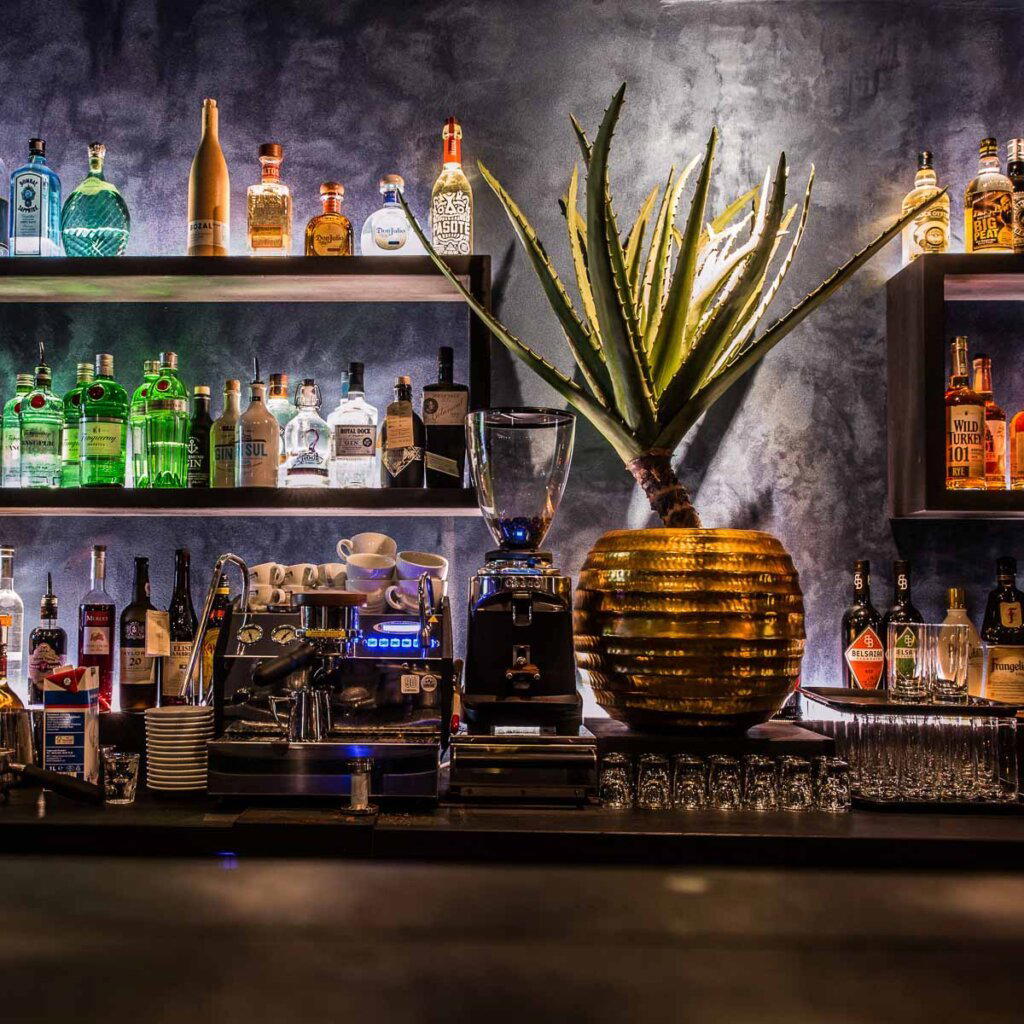
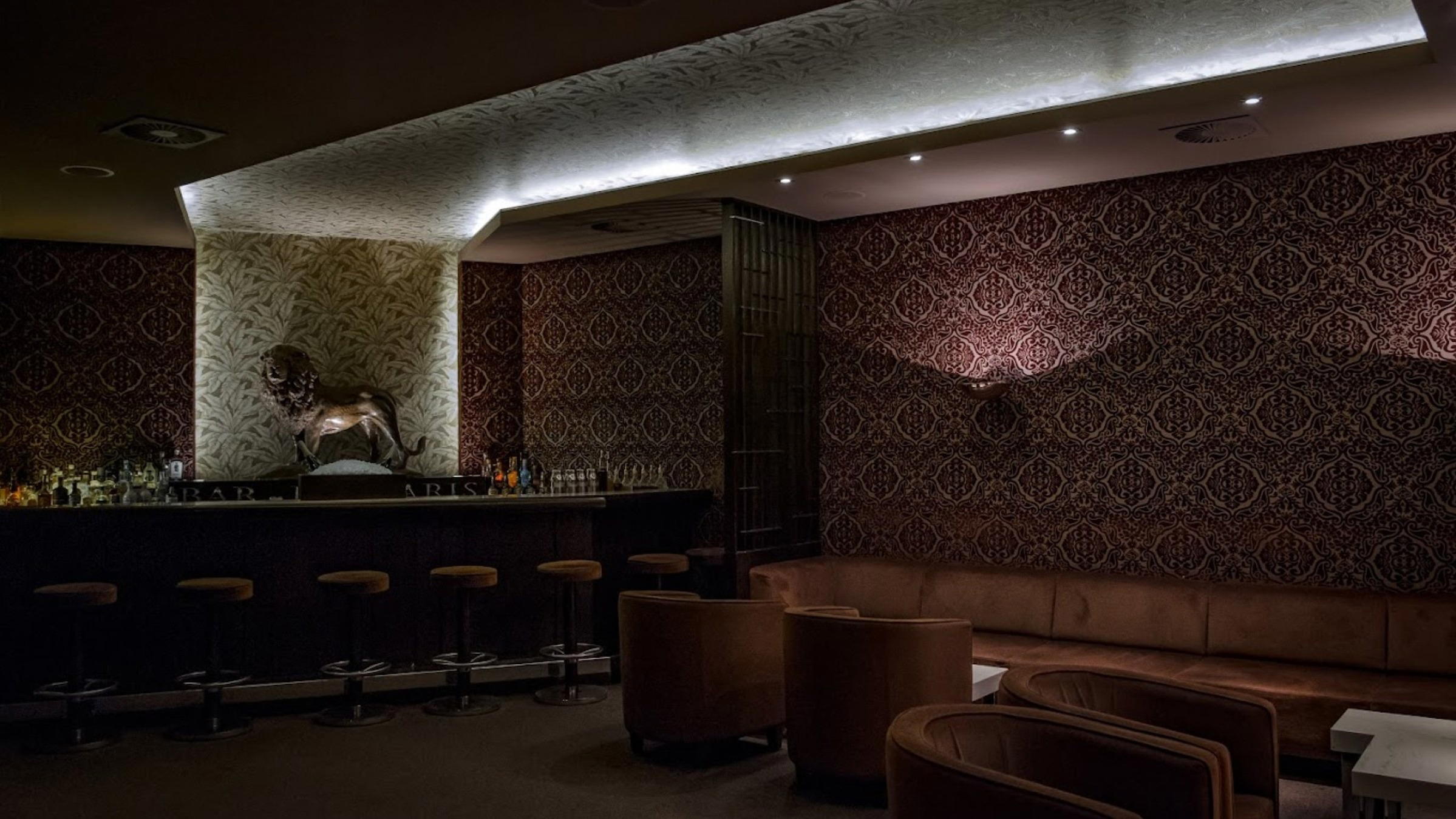
Bars in Hamburg
Browse all →

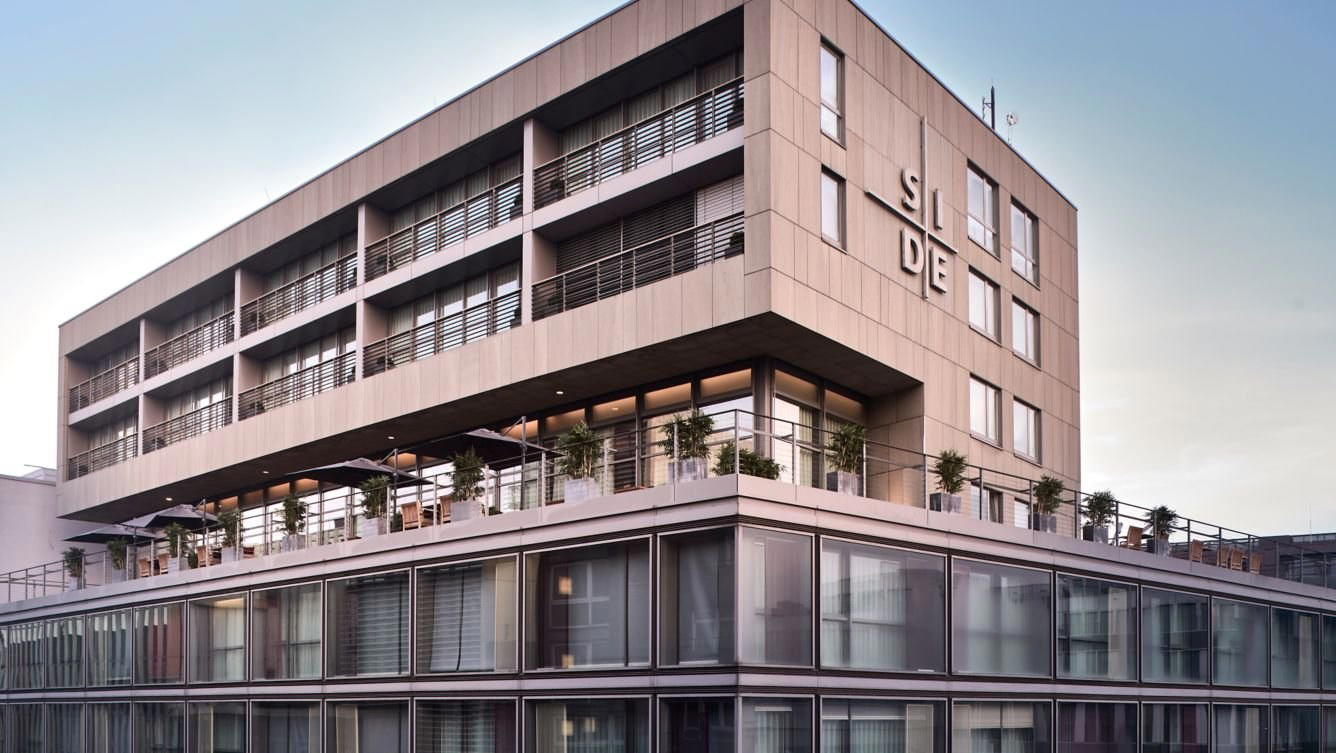
Hotels in Hamburg
Browse all →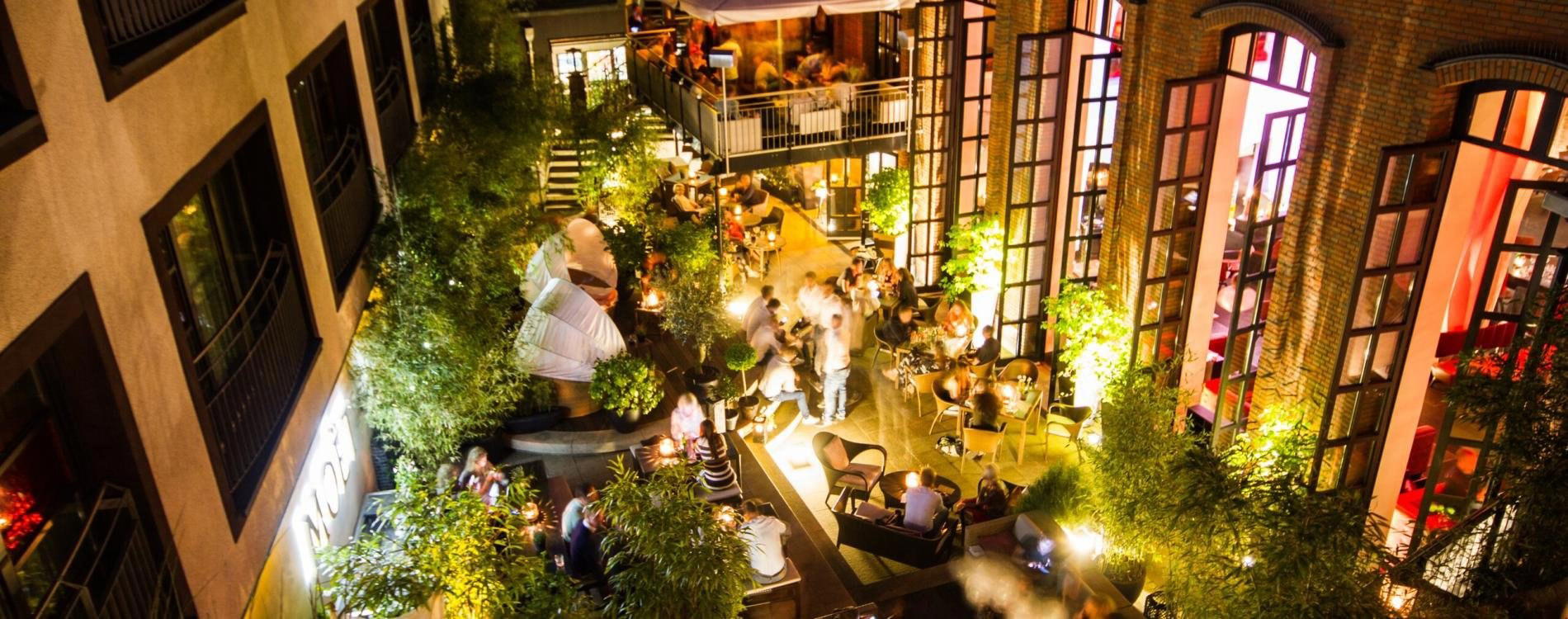
Wineries in Hamburg
Browse all →
At a Glance
- Lively
- Rustic
- Trendy
- Industrial
- Well Known
- Date Night
- Group Dining
- Special Occasion
- Open Kitchen
- Historic Building
- Craft Cocktails
- Local Sourcing
Lively and fancy atmosphere with stylish grey couches, 200-year-old oak tables, a 360° bar, and comfortable industrial design under blue lamps.
Know Before You Go
- Getting there
- Lagerstraße 34b, 20357 Hamburg, Germany