On Dorotheenstraße in Stuttgart's city centre, Restaurant Empore occupies a dining address that sits within one of Baden-Württemberg's most competitive restaurant scenes. The city has long supported serious cooking at multiple price tiers, and Empore positions itself within that tradition. Visitors looking to understand Stuttgart's dining rhythm will find the address a useful point of reference alongside the broader creative and classic cuisine operators in the city.
Pearl is the En Primeur Club membership app — saves, bookings, and concierge access live there. Same editors, same standards.
- Address
- Dorotheenstraße 4, 70173 Stuttgart, Germany
- Phone
- +497114704400
- Website
- looss-kulinarisches.de
- Directions
- Get directions
 Saves & bookings on Pearl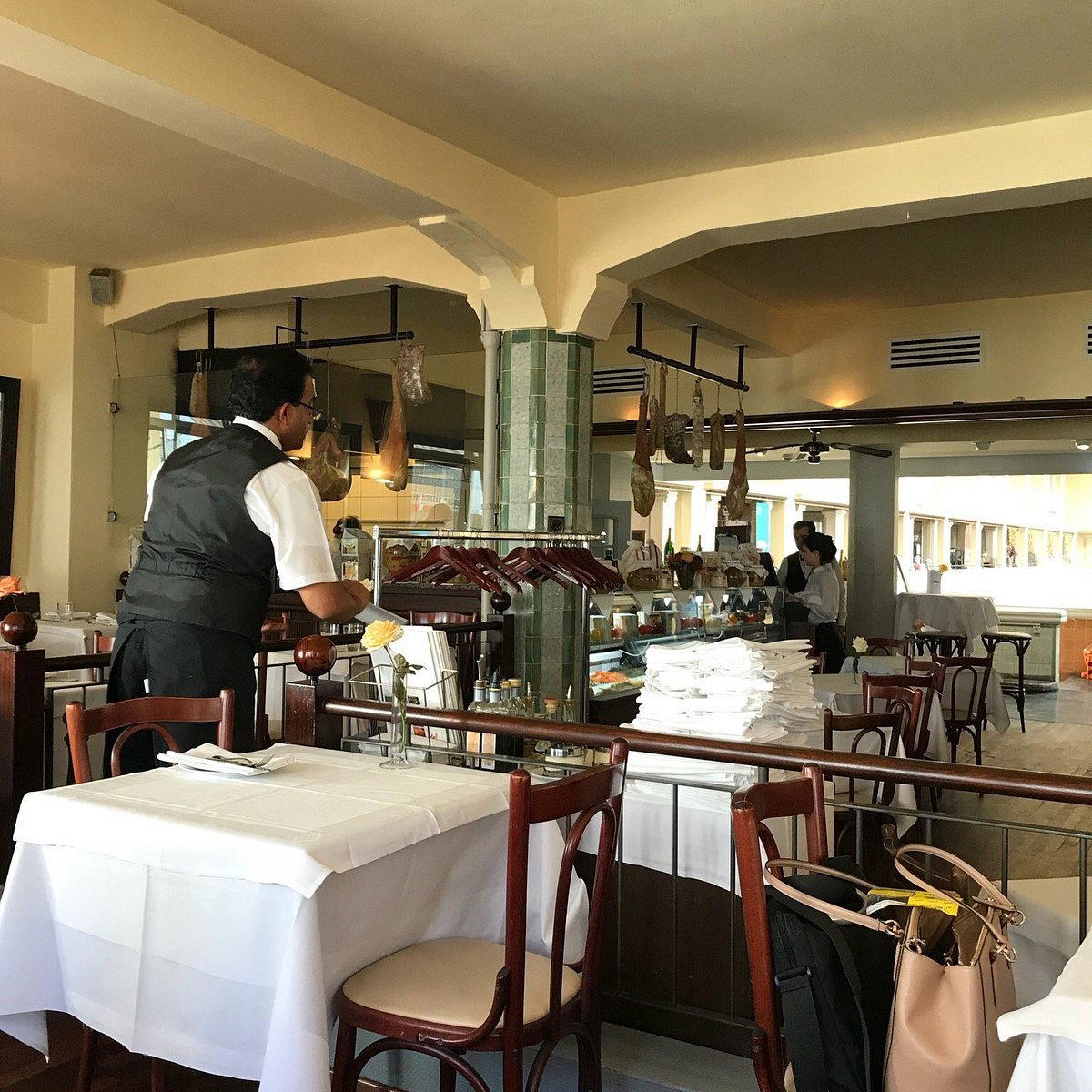
Entering Stuttgart's Dining Rhythm on Dorotheenstraße
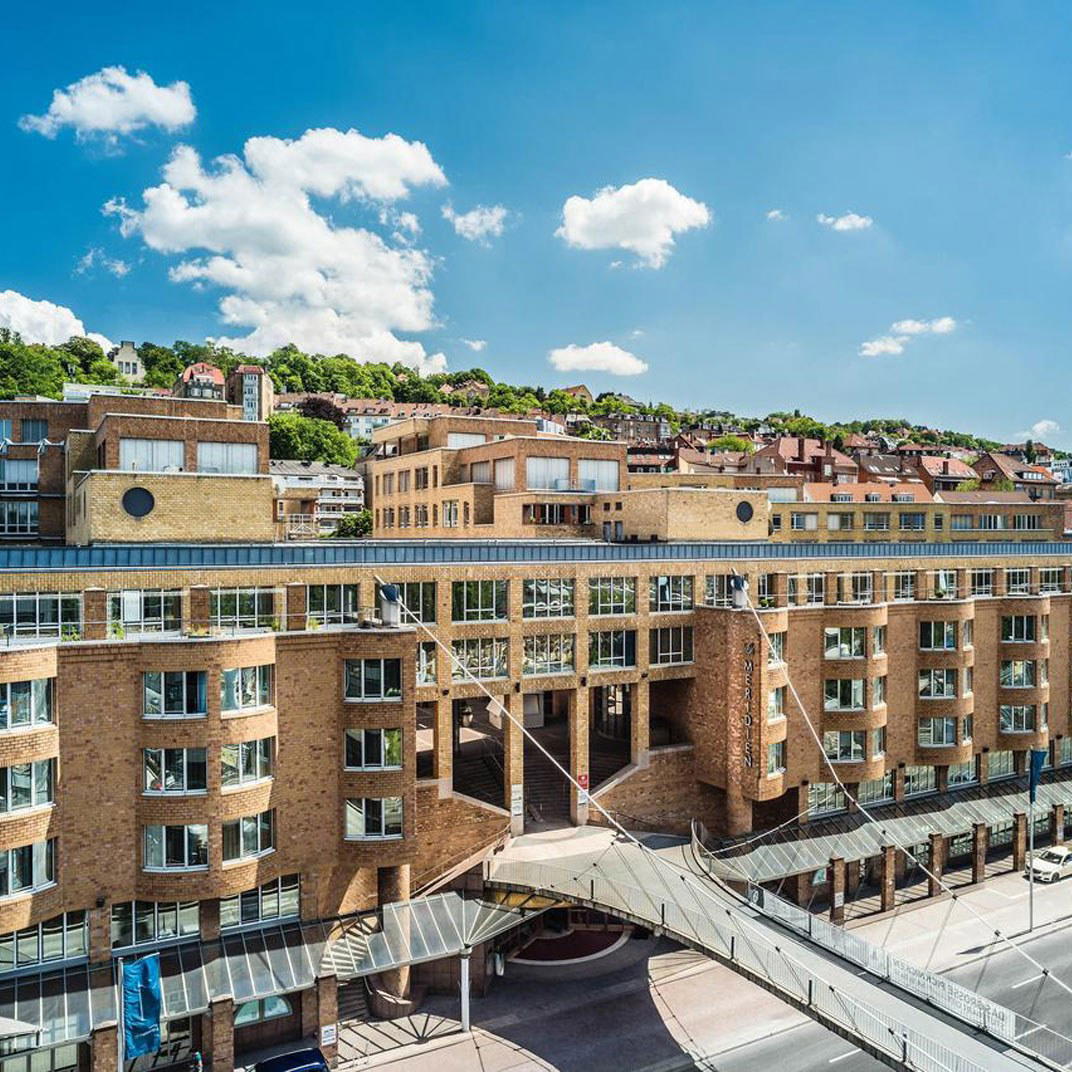
Dorotheenstraße runs through the commercial heart of Stuttgart, a few minutes on foot from the Schlossplatz and the city's main transit spine. Buildings along this stretch tend toward postwar civic solidity, with ground-floor retail giving way to upper-floor offices and, in a handful of cases, restaurant spaces that benefit from the foot traffic without being defined by it. Restaurant Empore sits at number four, an address that places it squarely within walking distance of the city's institutional and business core, the kind of location that, in Germany's mid-sized cities, tends to attract a dining crowd that knows what it wants and does not need to be surprised.
That geography matters for understanding what kind of meal Stuttgart's more settled dining addresses tend to offer. In cities like Stuttgart, where the restaurant scene has historically rewarded technical discipline and consistency over provocation, the Dorotheenstraße corridor draws guests who treat dining as a ritual with structure: an aperitif, a considered choice of courses, a progression through the meal that reflects the pacing of the kitchen rather than the urgency of the diner. It is a different posture than the experimental one you find at, say, the more theatrically inclined operators in other German cities.
Stuttgart's Competitive Dining Frame
Baden-Württemberg as a region produces some of Germany's most decorated restaurant addresses. Schwarzwaldstube in Baiersbronn has long anchored the region's claim to serious French-influenced cooking, while addresses like ES:SENZ in Grassau and Vendôme in Bergisch Gladbach illustrate how German fine dining has diversified across formats and geographies. Within Stuttgart itself, the upper tier is occupied by operators that have made deliberate choices about how formal or experimental to be. Speisemeisterei and 5 both operate in the €€€€ bracket with modern and creative orientations, while Der Zauberlehrling and Délice bring creative approaches at a slightly different price point. Hegel Eins adds a modern cuisine entry to the mix.
Against that backdrop, a restaurant on Dorotheenstraße is making a locational argument as much as a culinary one: proximity to the city's business and civic life, accessibility from the main transit nodes, and the kind of address that suits a pre-theatre dinner or a working lunch that extends into the evening.
The Pacing of a Meal Here
German dining ritual at mid-to-upper price points follows a distinct tempo that differs from French or Scandinavian equivalents. The meal tends to begin with considered aperitif choices, often regional wines from the Württemberg or Baden appellations that surround the city. Baden-Württemberg sits between two of Germany's most productive wine regions, and restaurants in Stuttgart that take their beverage programs seriously will draw on Trollinger, Lemberger, and Riesling from producers within an hour's drive. This regional sourcing logic has become more explicit over the past decade as German restaurants broadly have moved toward shorter supply chains and more seasonal menu structures.
The progression of courses in this register of Stuttgart dining tends to be deliberate. There is rarely the sense that the kitchen is trying to compress time; the pacing assumes that the guest has arrived with the evening ahead of them rather than a reservation elsewhere afterward. That assumption shapes everything from how quickly bread arrives to the rhythm of wine suggestions between courses. It is a convention that rewards diners who match their energy to it rather than pushing against it.
For comparison, the dining ritual at German addresses elsewhere in the country, from Aqua in Wolfsburg to JAN in Munich, shares some of this structural patience but applies it to more experimental or internationally inflected menus. Stuttgart's more classically oriented addresses tend to keep the ritual without the provocation, which is either a strength or a limitation depending on what the diner is looking for.
Positioning Within Germany's Broader Fine Dining Conversation
Germany's restaurant scene has been in active evolution since roughly 2015, with younger operators in Berlin and Munich pushing formats that challenge the received wisdom about what a serious German restaurant should look like. CODA Dessert Dining in Berlin is one cited example of format disruption, while Victor's Fine Dining by Christian Bau in Perl and Waldhotel Sonnora in Dreis represent the continued vitality of the classical tradition. Restaurant Haerlin in Hamburg and Schanz in Piesport occupy the space between those poles.
Stuttgart sits in an interesting position within this national conversation. The city is prosperous, car-industry-adjacent, and culturally conservative in a way that tends to favour the established register over the disruptive one. That does not mean the cooking is static, but it does mean that particularly successful Stuttgart operators tend to build on tradition rather than against it. An address on Dorotheenstraße inherits that civic logic whether it intends to or not.
For diners accustomed to the tasting-menu format that dominates at places like Le Bernardin in New York or the card-based progression at Atomix, Stuttgart's dining ritual may feel more conventional in structure, even when the cooking itself is technically sophisticated. That conventionality is not a failing; it reflects a dining culture that places comfort and familiarity alongside ambition.
Comparable Spots
Comparable venues nearby, for context on price, style, and recognition.
| Venue | Cuisine | Price | Notes |
|---|---|---|---|
| Restaurant EmporeThis venue — the venue you are viewing | Italian Market Hall Restaurant | $$ | Not listed |
| La Fenice | Modern Traditional Italian | $$$ | Gablenberg |
| Pizza Trullo's | Innovative Italian Pizza | $$ | Viesenhäuser hof |
| Sabai-Sabai | Authentic Thai Street Food | $$ | Gablenberg |
| Soy Club | Vegan Vietnamese-Asian Fusion | $$ | Heslach |
| Kwan Kao - Taste of Thailand | Authentic Thai | $$ | Heslach |
Continue exploring
More in Stuttgart
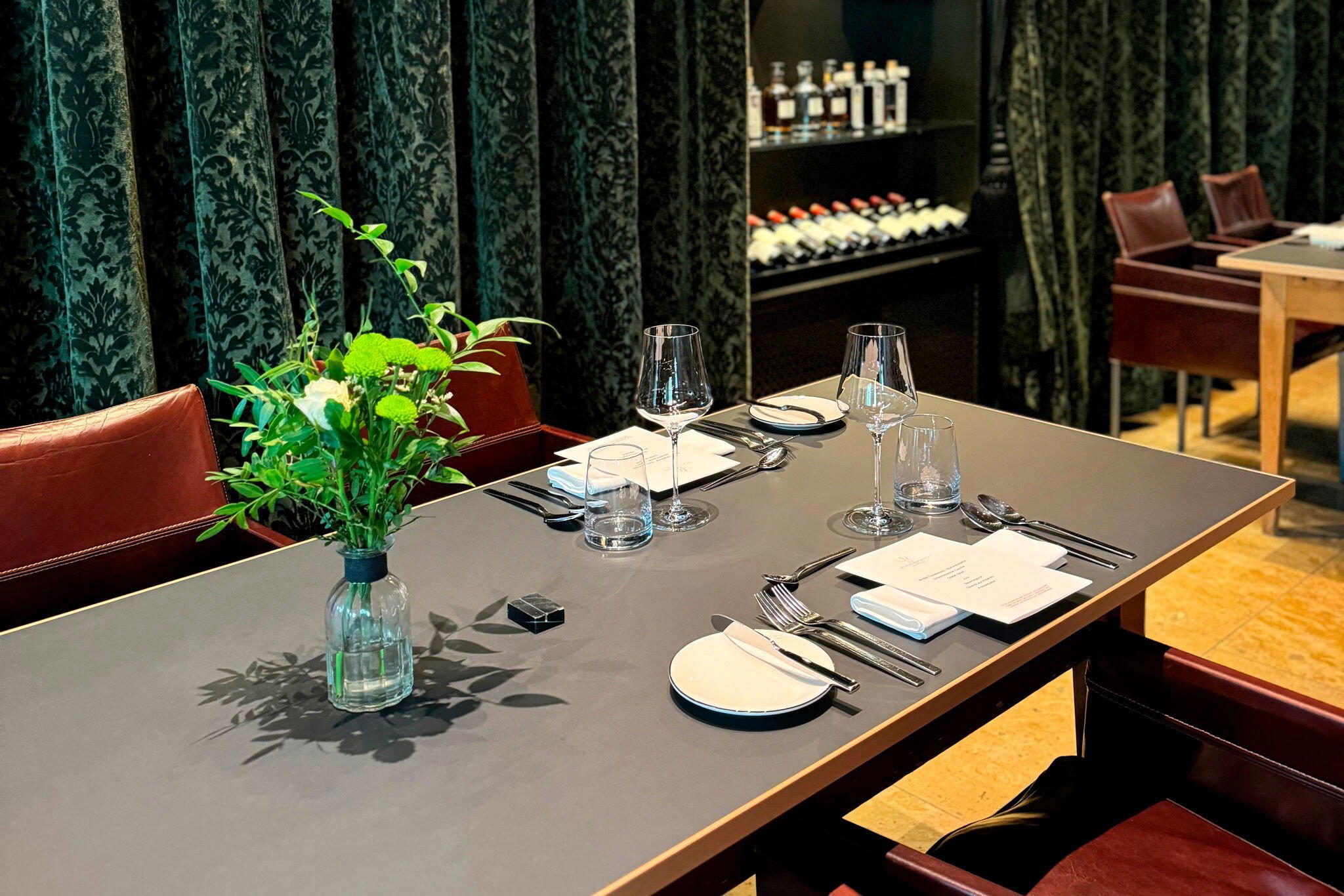
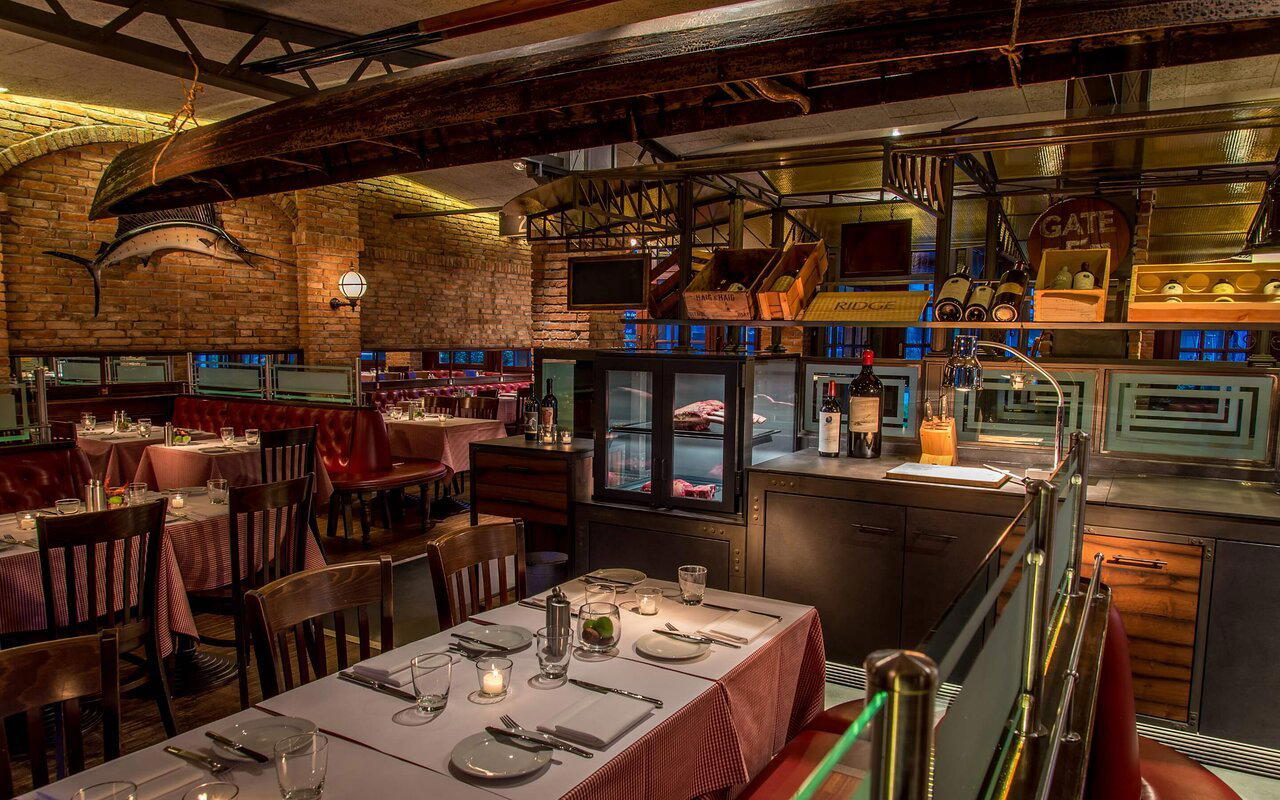
Restaurants in Stuttgart
Browse all →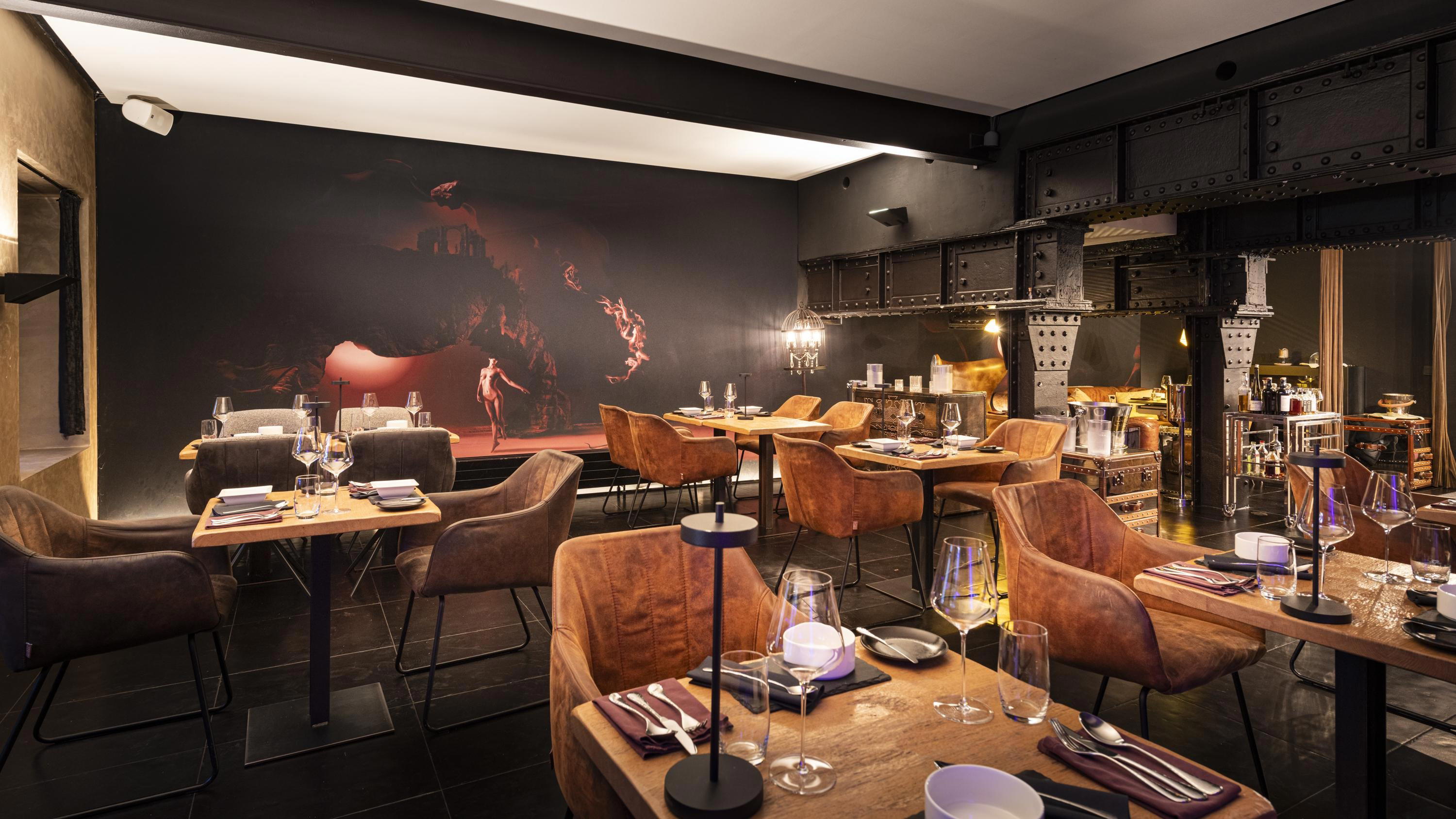
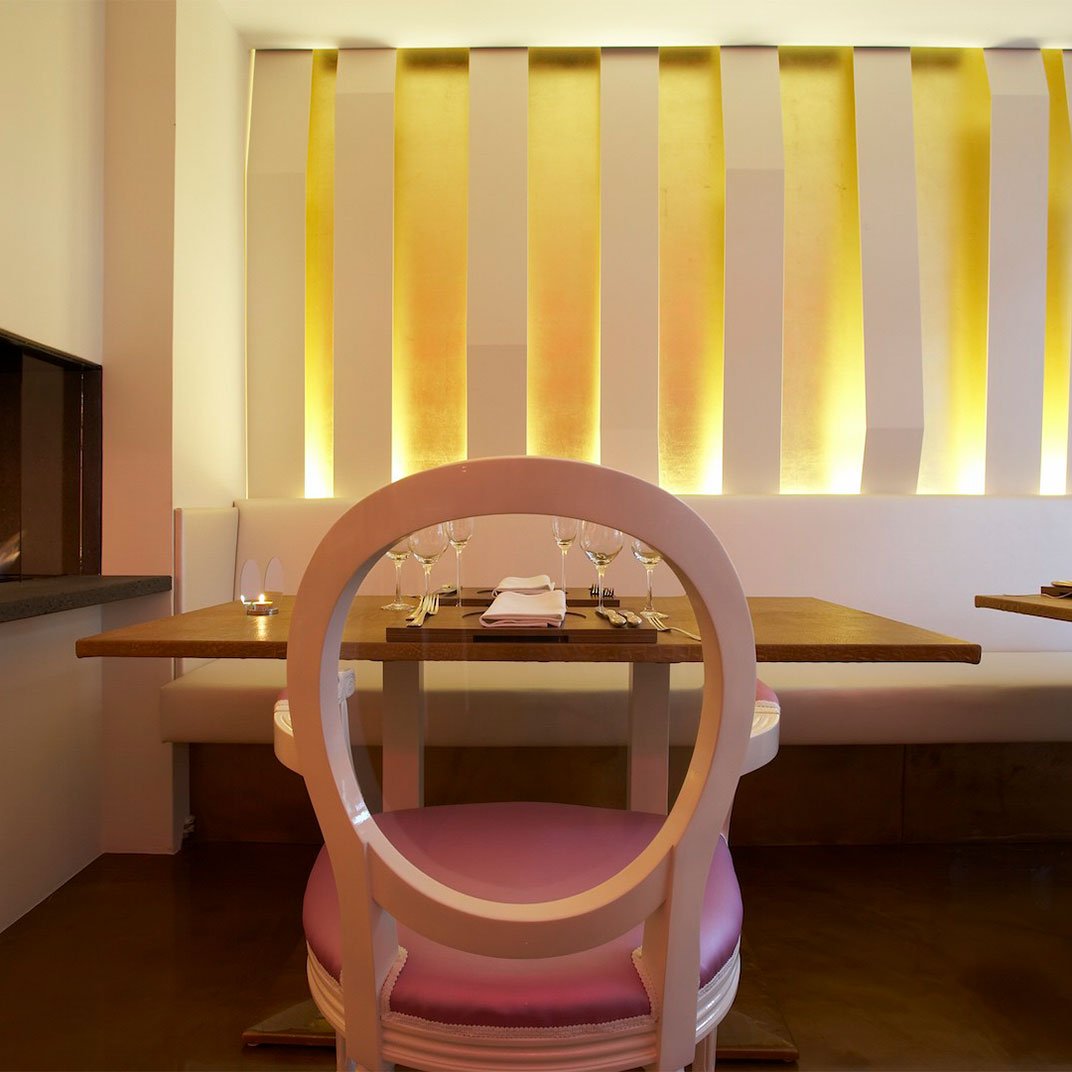
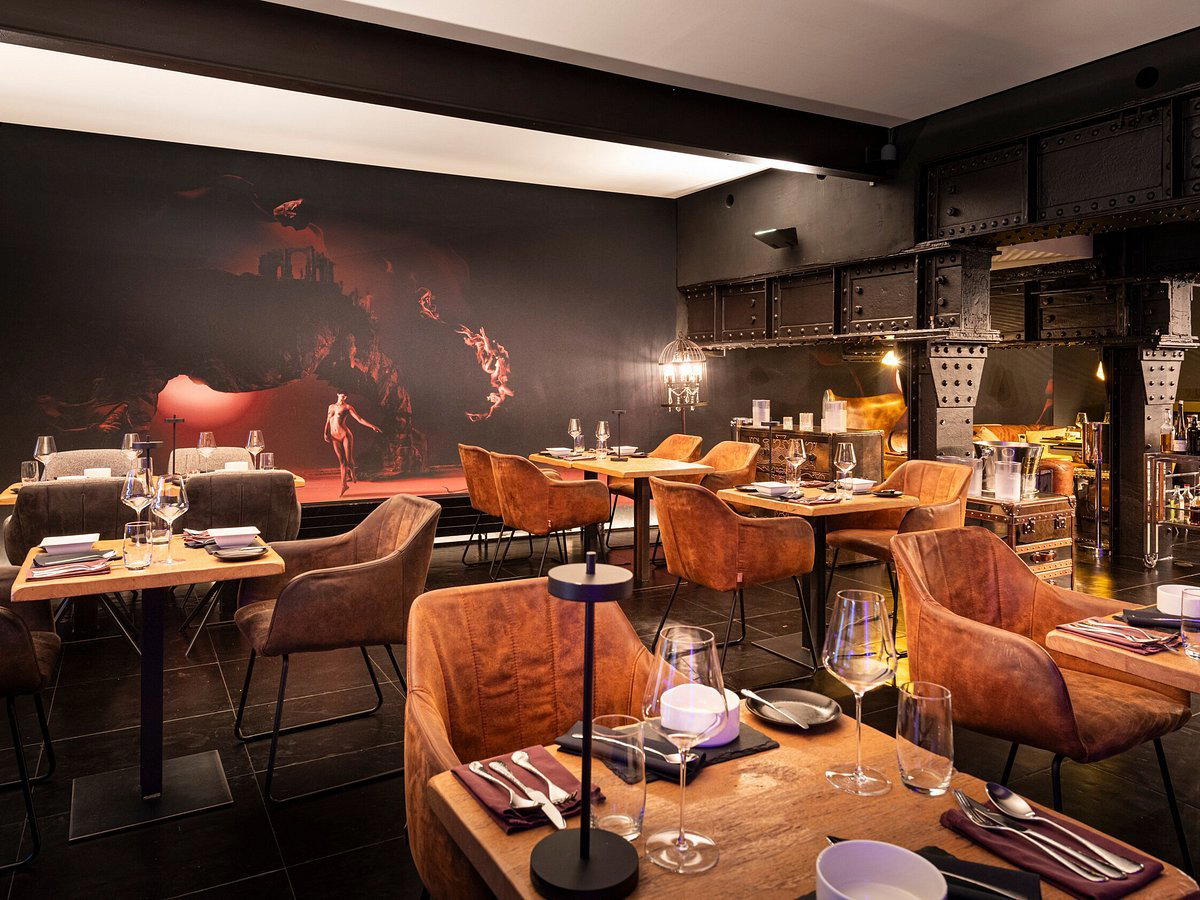
Bars in Stuttgart
Browse all →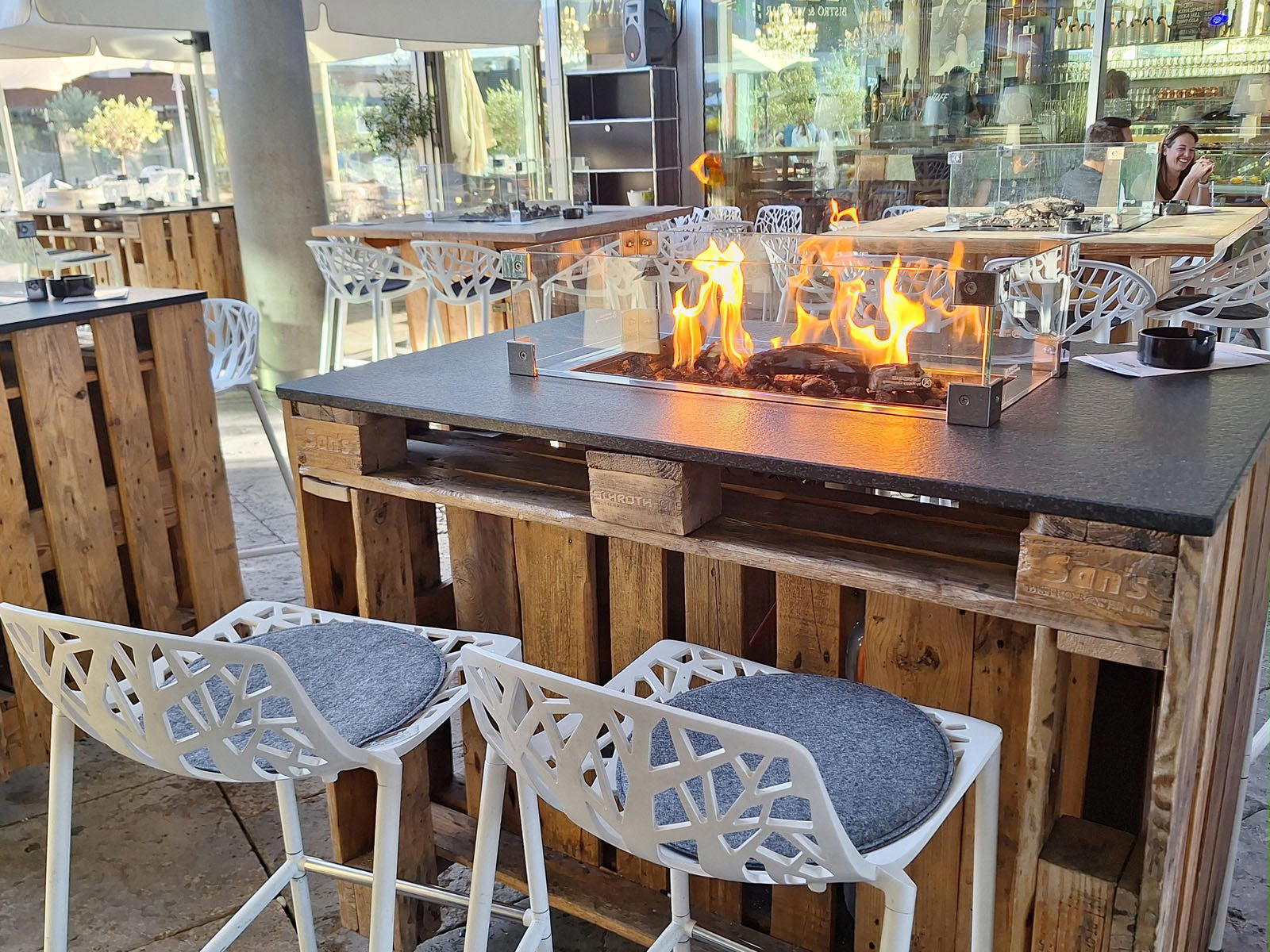
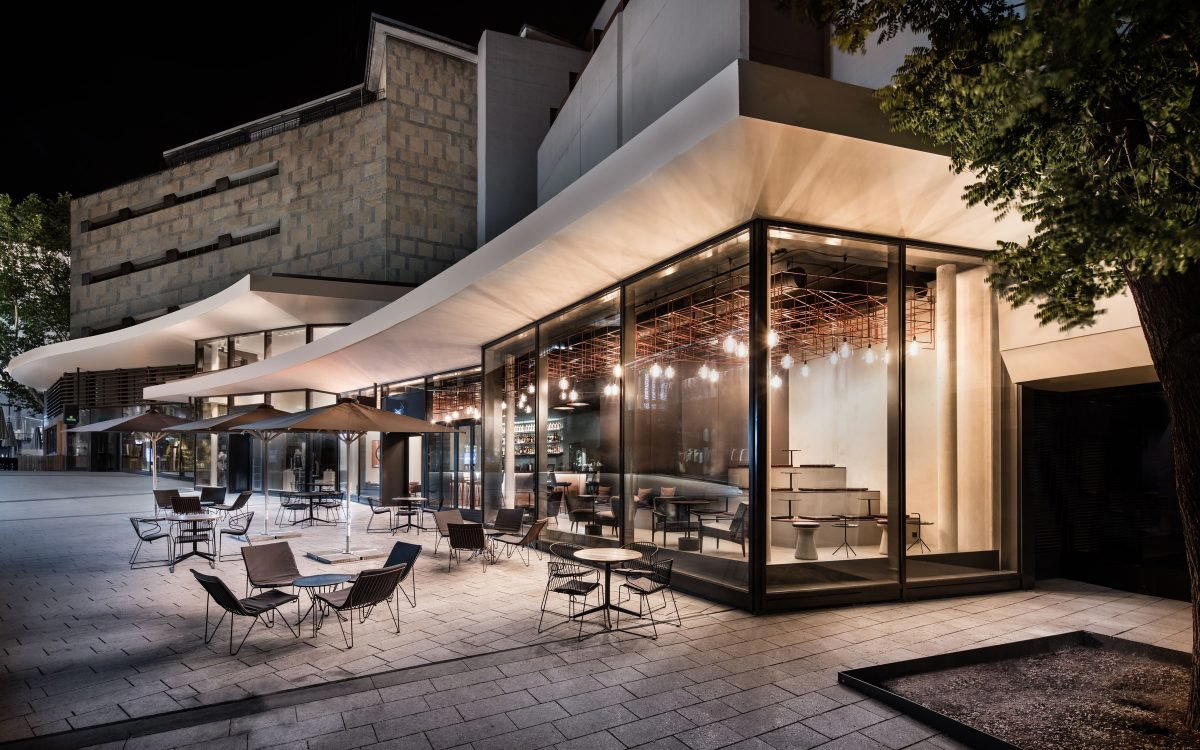


Hotels in Stuttgart
Browse all →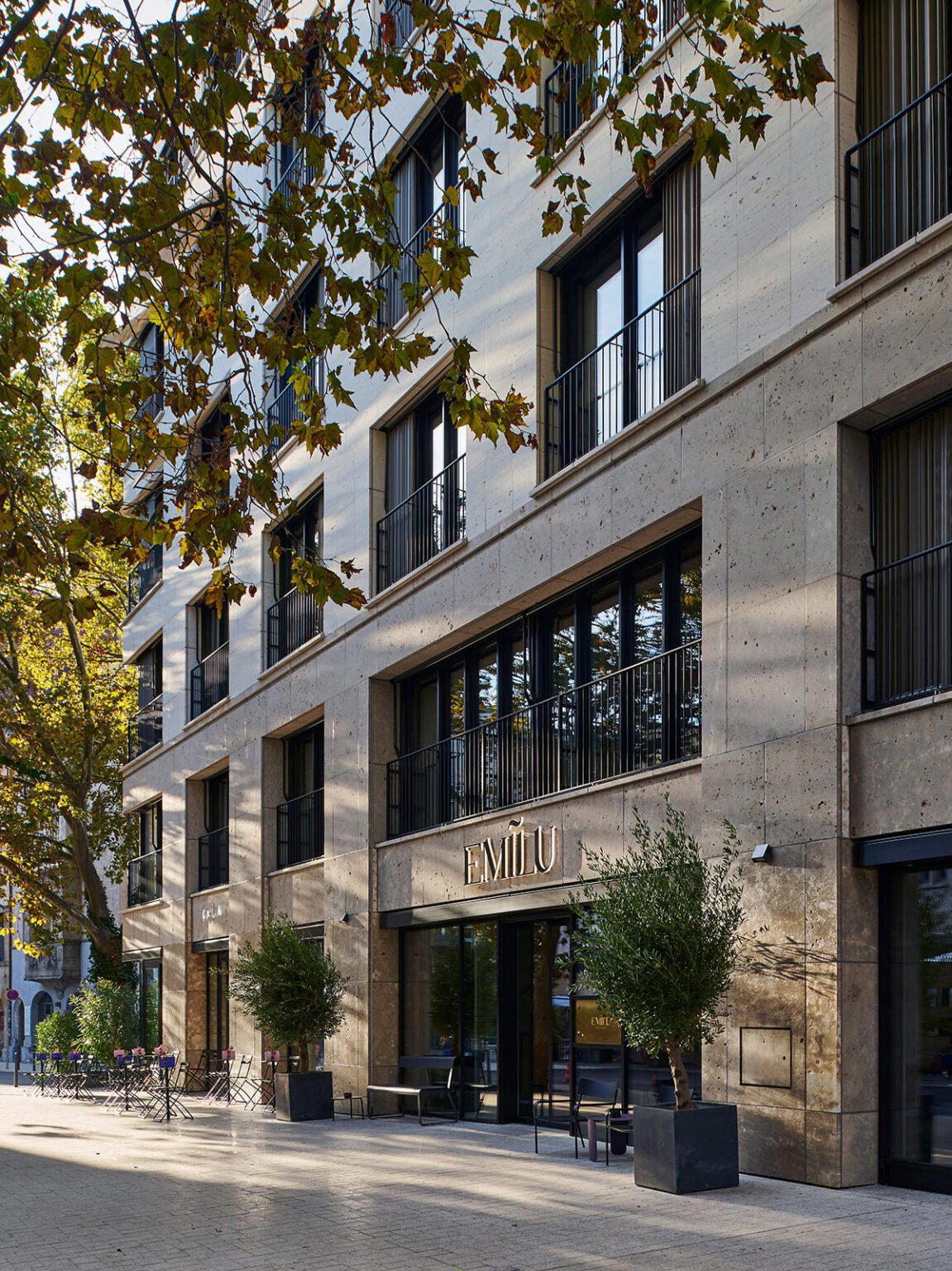

At a Glance
- Lively
- Modern
- Business Dinner
- Group Dining
- Open Kitchen
- Historic Building
- Extensive Wine List
- Street Scene
Current opening hours
- Monday
- 11 AM–10 PM
- Tuesday
- 11 AM–10 PM
- Wednesday
- 11 AM–10 PM
- Thursday
- 11 AM–10 PM
- Friday
- 11 AM–10 PM
- Saturday
- 10 AM–10 PM
- Sunday
- Closed
Hours can change for holidays and private events. Last verified .
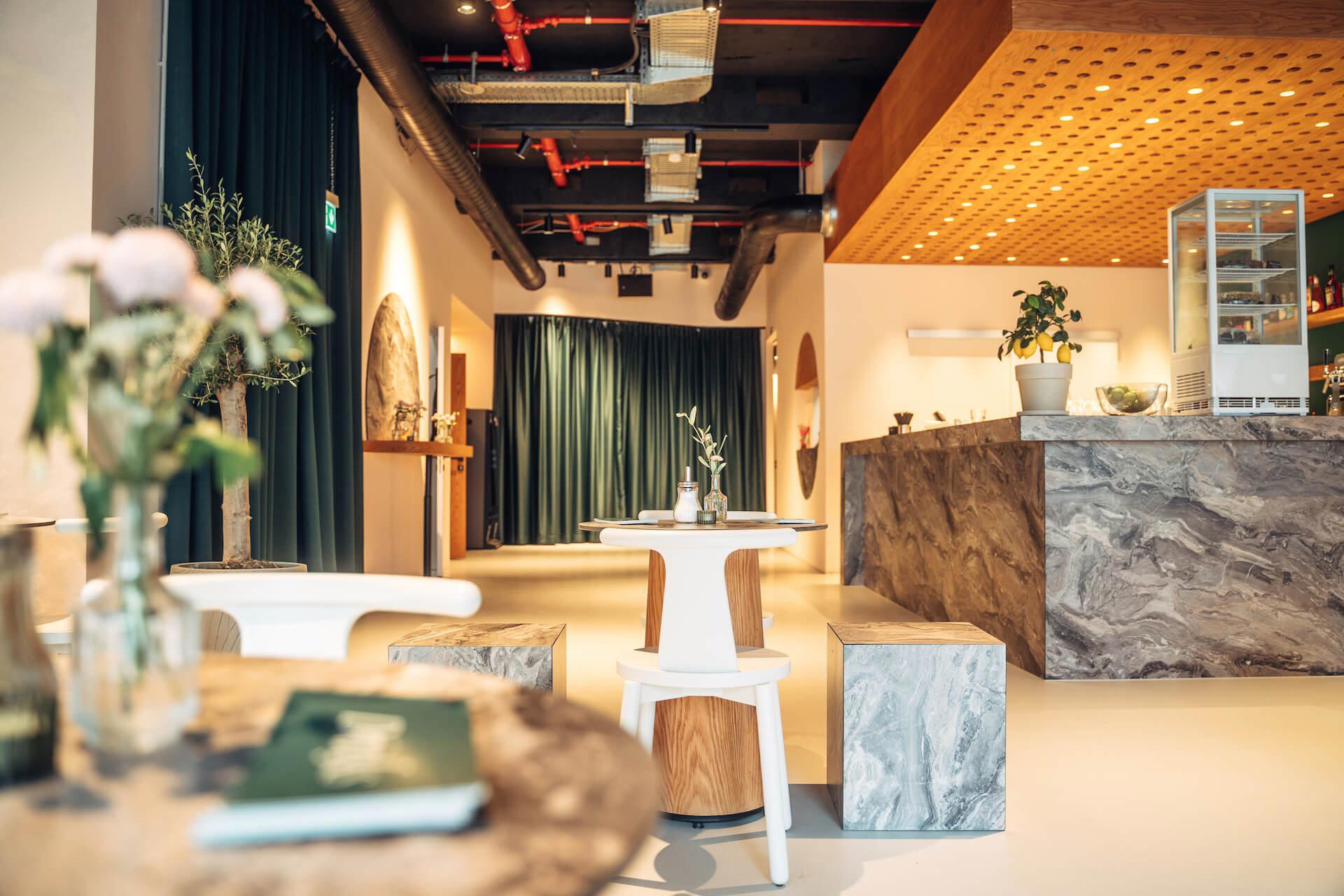
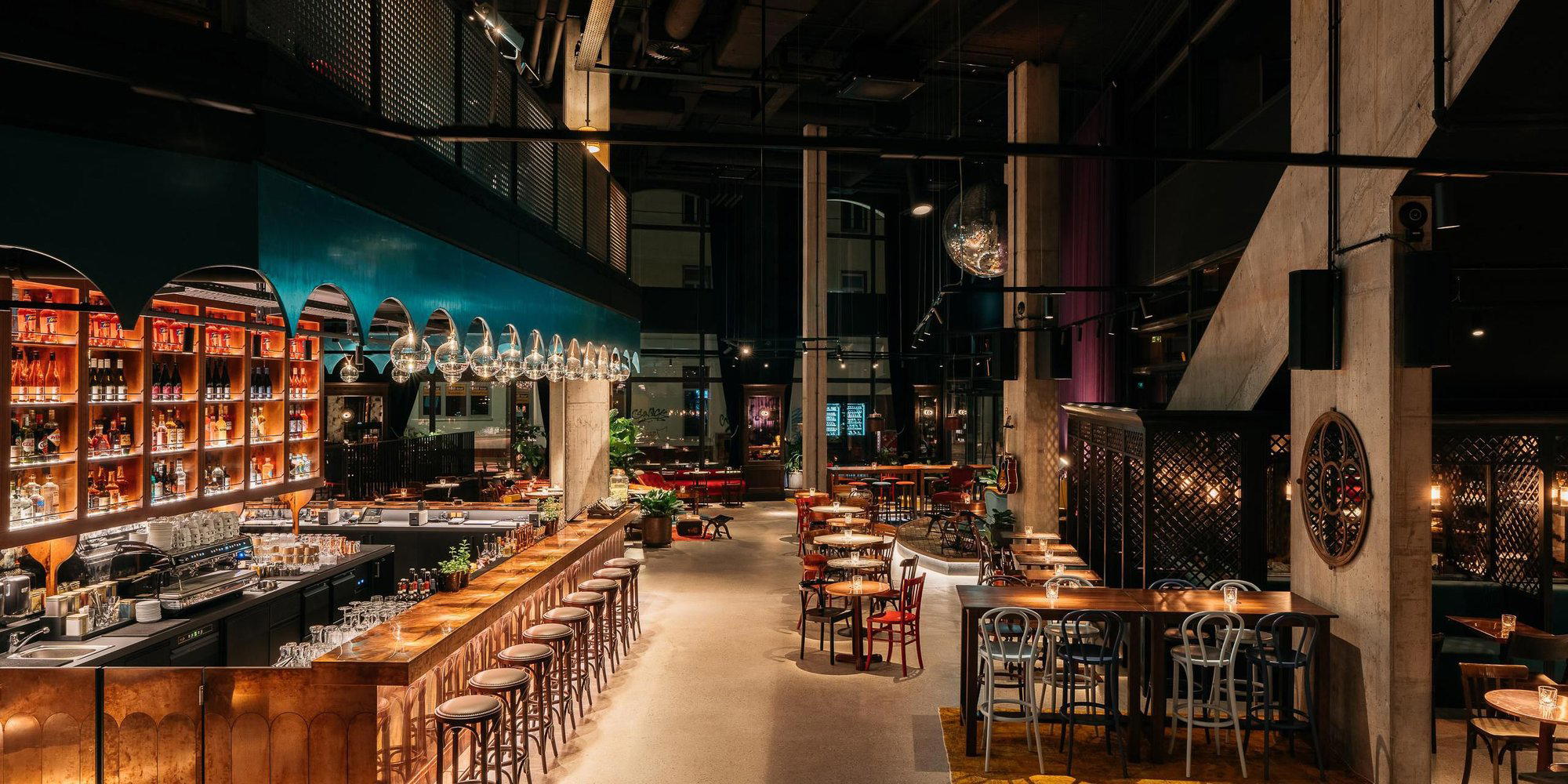
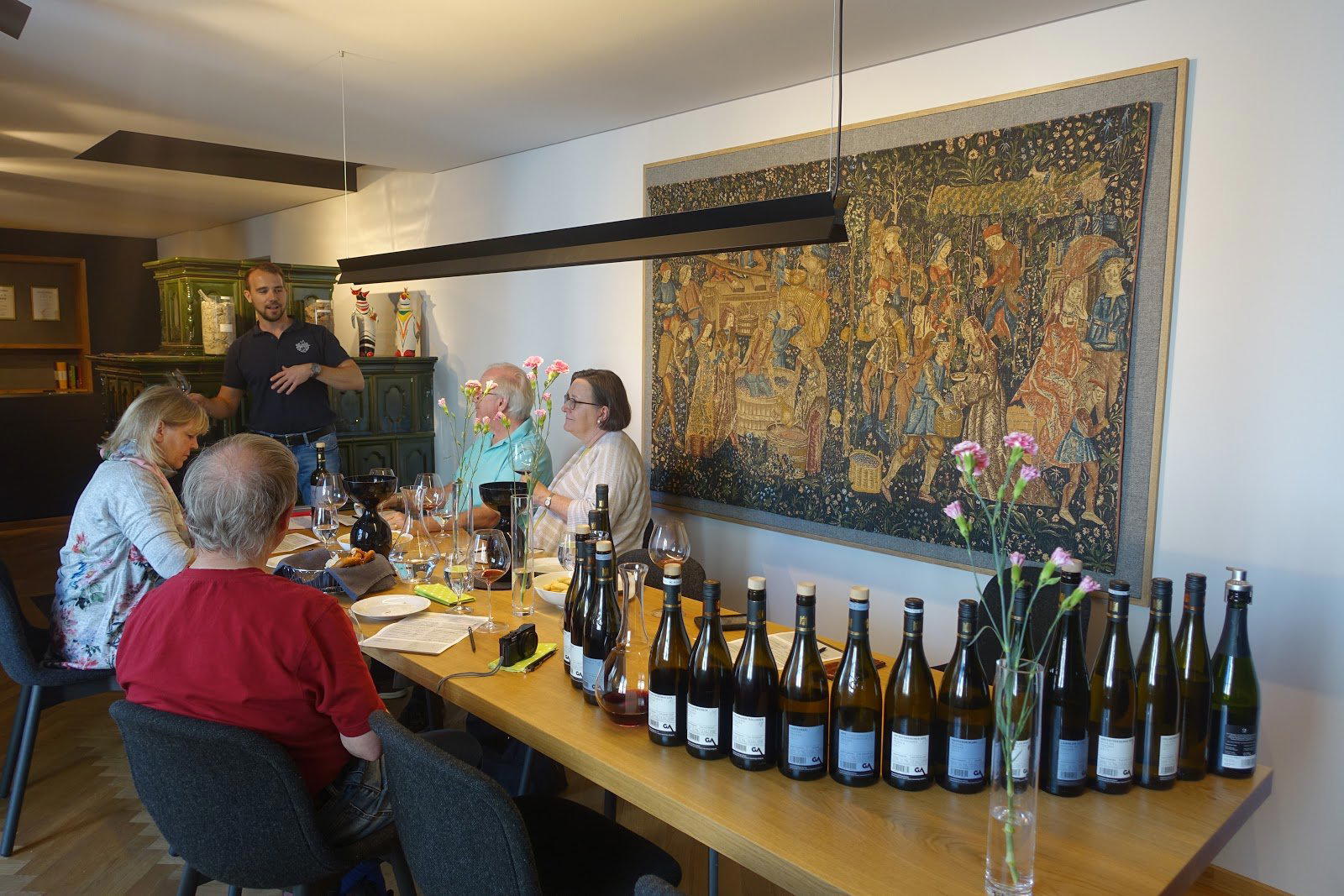
Busy and noisy atmosphere with views of market stalls below, lively during peak hours.