La Fenice occupies a corner address at Rotebühlplatz in Stuttgart's city centre, sitting within a dining scene that has grown considerably more ambitious over the past decade. The name, borrowed from Venice's celebrated opera house, signals a certain theatrical sensibility, placing it in a Stuttgart tier where European classical references and local ingredient sourcing increasingly define the serious end of the table.
Pearl is the En Primeur Club membership app — saves, bookings, and concierge access live there. Same editors, same standards.
- Address
- Rotebühlplatz 29 / Ecke, Sophienstraße, 70178 Stuttgart, Germany
- Phone
- +497116151144
- Website
- ristorante-la-fenice.de
- Directions
- Get directions
 Saves & bookings on Pearl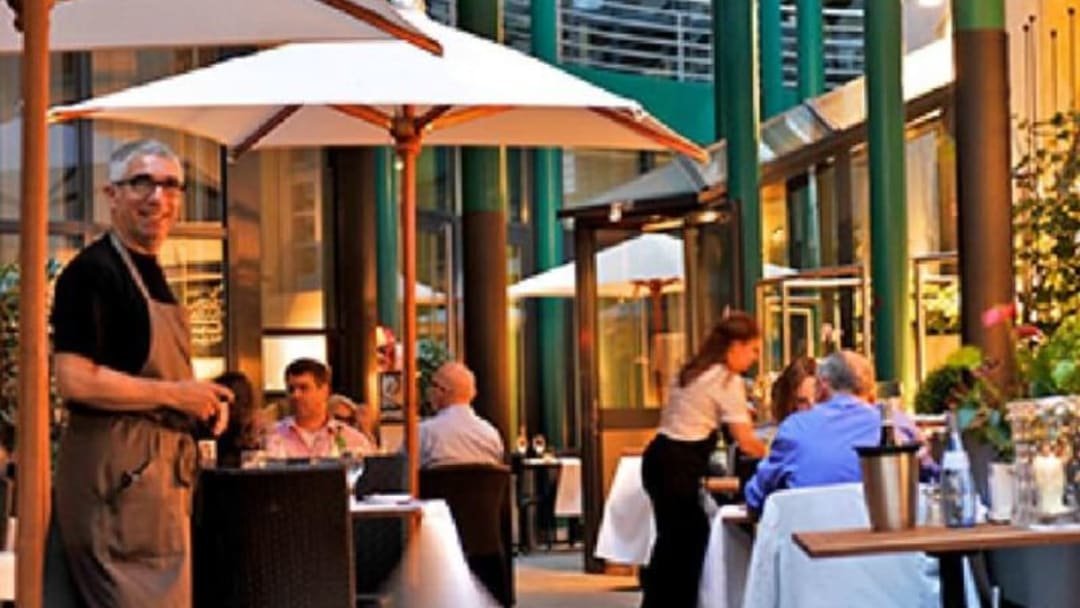
Stuttgart's Mid-City Dining Tier and Where La Fenice Sits
Stuttgart's restaurant scene has split along increasingly clear lines over the past several years. At the upper end, addresses like Speisemeisterei and 5 anchor the city's Michelin-recognised tier, drawing a professional dining public willing to commit to long tasting menus and considered wine pairings. Below them, a second tier of creative and classically grounded restaurants, among them Der Zauberlehrling and Délice, serves a regular clientele of local professionals, visiting business travellers, and weekend diners willing to spend thoughtfully. La Fenice, positioned at Rotebühlplatz 29 on the corner of Sophienstraße, occupies a central address that places it inside the city's daily commercial and cultural life rather than at the edge of it.
The Rotebühlplatz location is a practical signal as much as a geographic one. This is not a destination address requiring a deliberate journey across the city; it is a corner restaurant in a part of Stuttgart that office workers cross at lunch, residents pass on evening walks, and visitors reach on foot from the central station with reasonable ease. That accessibility shapes the kind of room and the kind of service that works here: attentive but not ceremonial, considered but not slow.
The Logic of the Name and What It Implies About Ambition
A restaurant named for Venice's Teatro La Fenice is announcing something. The opera house in question has burned down and been reconstructed twice, and its name, meaning "the phoenix", carries a weight of revival and perseverance that is well known across European cultural memory. Choosing that reference for a Stuttgart corner address in the mid-city suggests a kitchen with classical European sensibilities and some appetite for a certain kind of drama, even if that drama is expressed through the food rather than the decor. It places the restaurant inside a category of German restaurants that take their cues from southern European cooking traditions while operating in a firmly German urban context, a positioning shared, in different ways, by the Italian-influenced rooms found in Stuttgart's broader restaurant stock.
Local Ingredients, European Technique: The Framework That Defines This Tier
The intersection of imported culinary method and regional German produce is one of the defining tensions at this level of Stuttgart dining. Baden-Württemberg sits at a geographic crossroads: the Black Forest to the west, Lake Constance to the south, the Swabian Alb to the east. The regional larder, game, freshwater fish, Swabian lentils, asparagus from the Rhine plain, lamb from the uplands, is as specific and well-regarded as any in Germany. The kitchens that use it most interestingly tend to be those trained in French or Italian technique, where classical preparation methods are applied to produce that those traditions never historically touched.
This is the framework that rewards comparison across Stuttgart's serious restaurants. Hegel Eins approaches it from one angle; the French-coded houses approach it from another. At the level of cuisine Germany broadly, the same conversation plays out in the Black Forest at Schwarzwaldstube in Baiersbronn, and in the more experimental registers of CODA Dessert Dining in Berlin or JAN in Munich. What distinguishes the Stuttgart version of this approach is the relatively compact geography involved: produce grown within an hour of the city can land on a plate informed by technique refined over centuries in Lyon or Bologna.
For comparison at the summit end of what German fine dining looks like when this intersection is fully realised, addresses like Vendôme in Bergisch Gladbach, Victor's Fine Dining by Christian Bau in Perl, and Aqua in Wolfsburg set the standard against which the city's more accessible tier is implicitly measured. Stuttgart's mid-level scene, including the restaurant's address, operates with awareness of that national benchmark even when it is not competing directly against it.
The Room and the Approach to an Evening
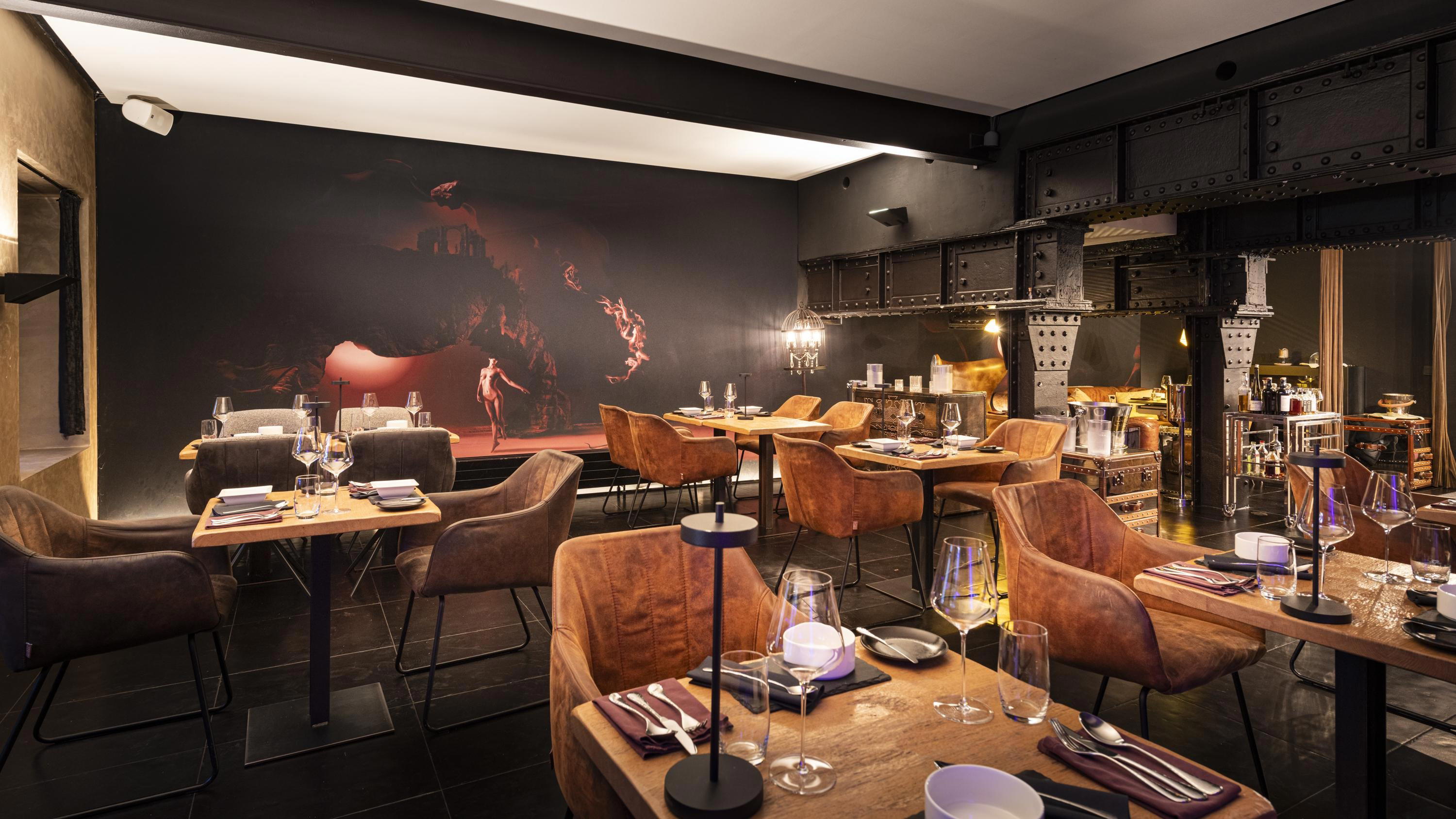
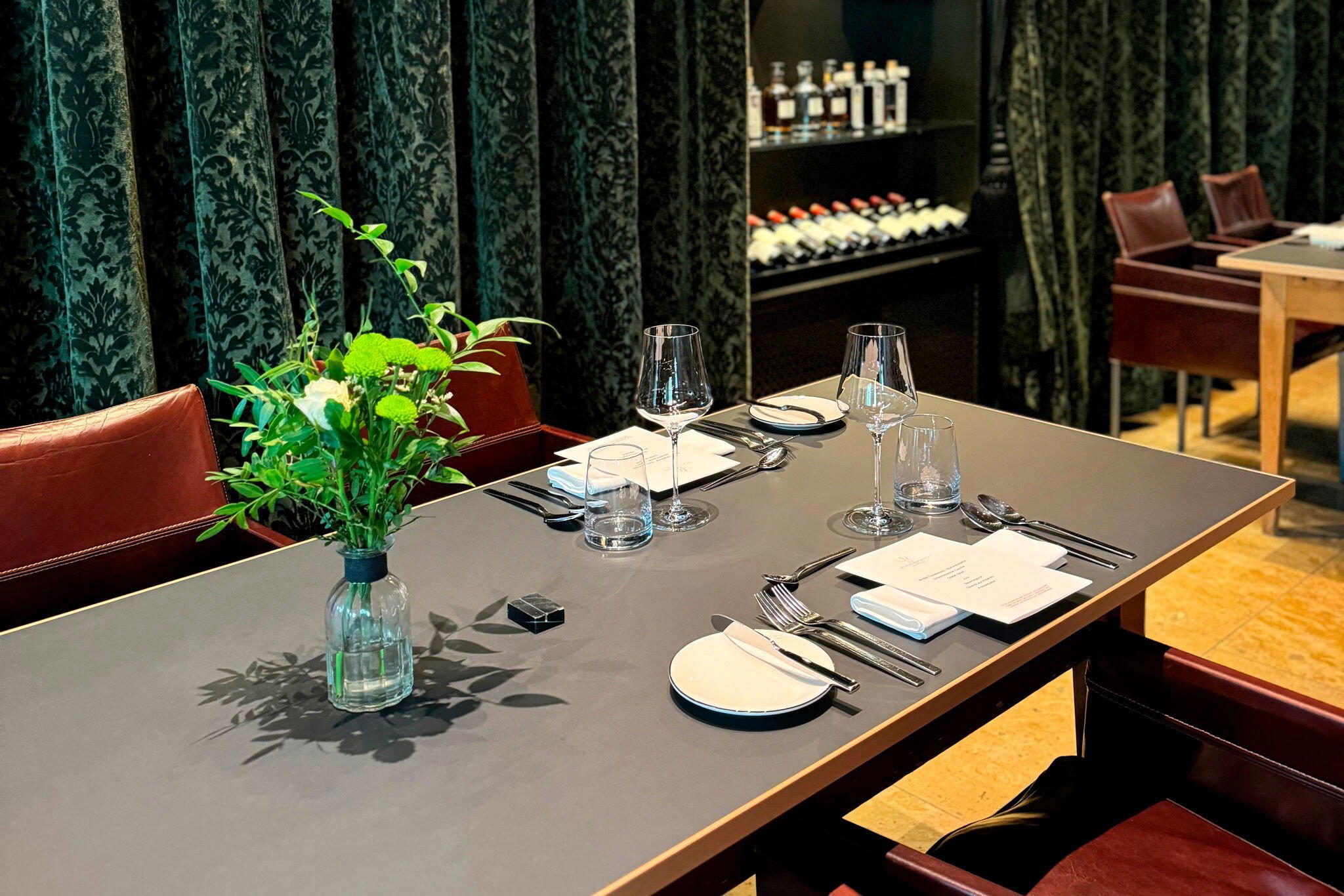
Corner restaurant rooms in dense European city centres share certain characteristics that are more about building type and street exposure than about any individual operator's choices. High pedestrian visibility, natural light from two street-facing sides, and proximity to commuter flows tend to produce rooms that feel active rather than enclosed. The corner address places the dining room in a neighbourhood that is neither the old wine-village fringe of the city nor the glass-and-steel new quarter, but the textured mid-city that most Stuttgarters move through daily.
For Italian-inflected cooking in Germany, this kind of room suits a service rhythm that sits between the formal and the convivial. Globally, the clearest point of comparison for what Italian-method precision applied to non-Italian produce can look like at its most serious is something like Le Bernardin in New York City, though the scale and price point are entirely different. More relevant as a structural reference is Atomix in New York, where imported culinary tradition is applied to produce with deep local specificity, producing a result that is neither a copy of the source tradition nor merely regional cooking with technique bolted on. The restaurant operates in a far more modest register, but the underlying question, what happens when European classical training meets southern German produce, is the same one.
Planning a Visit
The restaurant sits at Rotebühlplatz 29, on the corner of Sophienstraße, in central Stuttgart (70178). The address is reachable on foot from Stuttgart Stadtmitte U-Bahn station in a few minutes, making it one of the more transit-accessible serious dining addresses in the city. For those building a broader Stuttgart itinerary, the restaurant is at Rotebühlplatz 29 / Ecke, Sophienstraße, in central Stuttgart (70178). Booking is recommended, and the restaurant's hours run Mon: 6-11 PM; Tue: 6-11 PM; Wed: 6-11 PM; Thu: 6-11 PM; Fri: 12-2 PM, 6-11 PM; Sat: 6-11 PM; Sun: Closed. Visitors exploring German fine dining more broadly will find useful reference points at Waldhotel Sonnora in Dreis, ES:SENZ in Grassau, Schanz in Piesport, and Restaurant Haerlin in Hamburg for a sense of how the national tier is distributed geographically.
Comparable Venues
Comparable venues nearby, for context on price, style, and recognition.
| Venue | Cuisine | Price | Notes |
|---|---|---|---|
| La FeniceThis venue — the venue you are viewing | Modern Traditional Italian | $$$ | Not listed |
| La Scala | Classic Italian Trattoria | $$$ | Gablenberg |
| Ampulle – The Dry Gin & Beef Club | Dry-Aged Steakhouse & Gin Bar | $$$ | Heslach |
| Andiamore | Customizable Italian Pizza & Pasta | $$ | Gablenberg |
| Kicho | Authentic Japanese | $$$ | Gablenberg |
| Capriccio | Authentic Italian with Neapolitan Pasta | $$$ | Gablenberg |
Continue exploring
More in Stuttgart
Restaurants in Stuttgart
Browse all →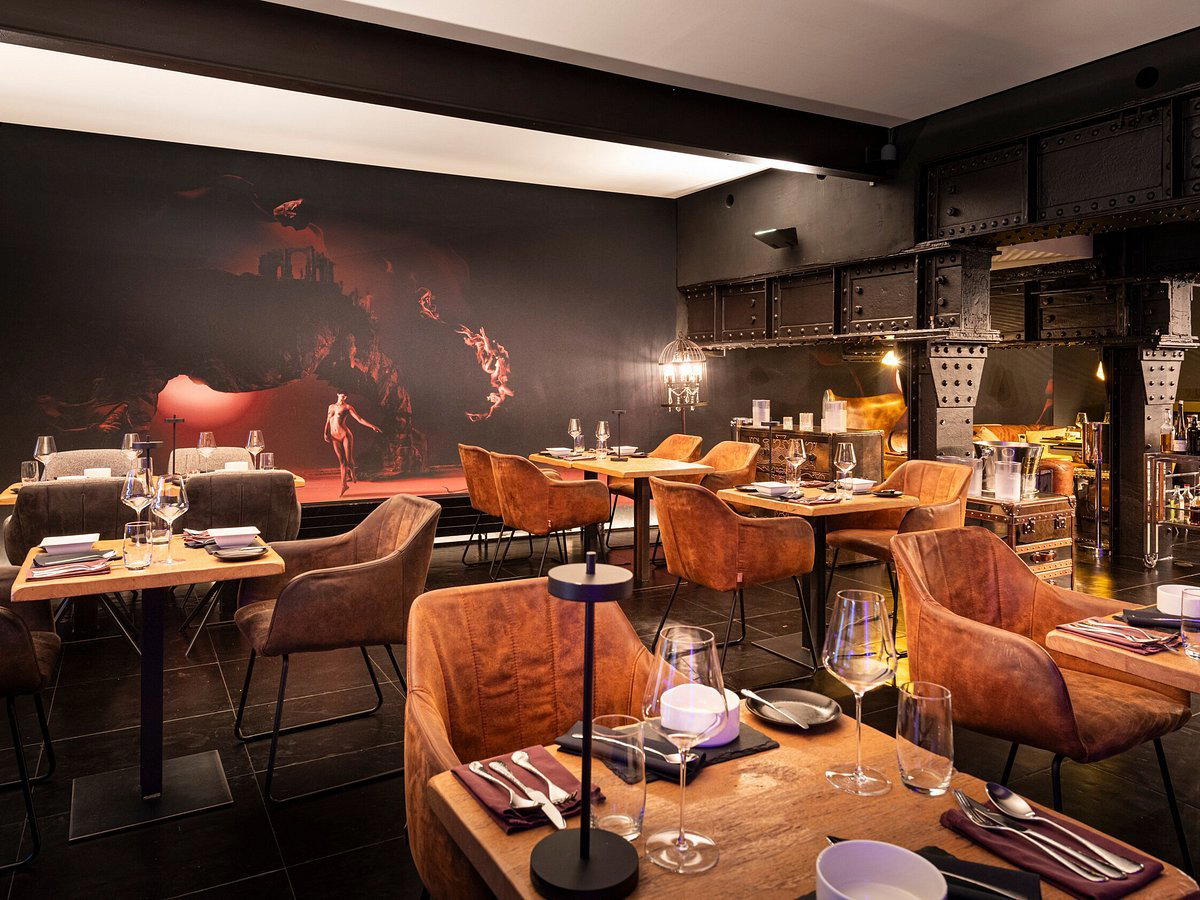
Bars in Stuttgart
Browse all →
Hotels in Stuttgart
Browse all →

At a Glance
- Elegant
- Sophisticated
- Classic
- Date Night
- Business Dinner
- Special Occasion
- Terrace
- Extensive Wine List
Current opening hours
- Monday
- 6–11 PM
- Tuesday
- 6–11 PM
- Wednesday
- 6–11 PM
- Thursday
- 6–11 PM
- Friday
- 12–2 PM, 6–11 PM
- Saturday
- 6–11 PM
- Sunday
- Closed
Hours can change for holidays and private events. Last verified .
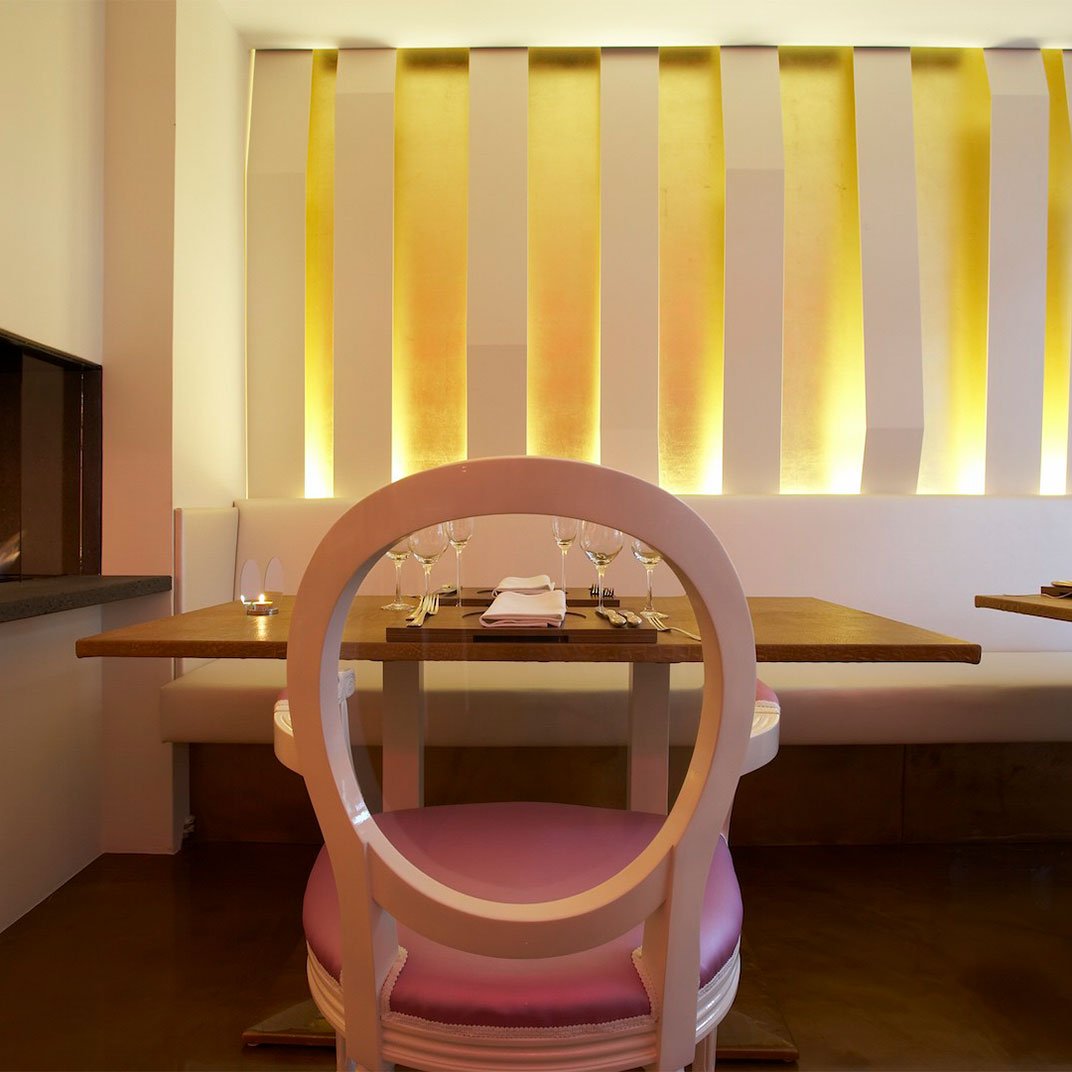
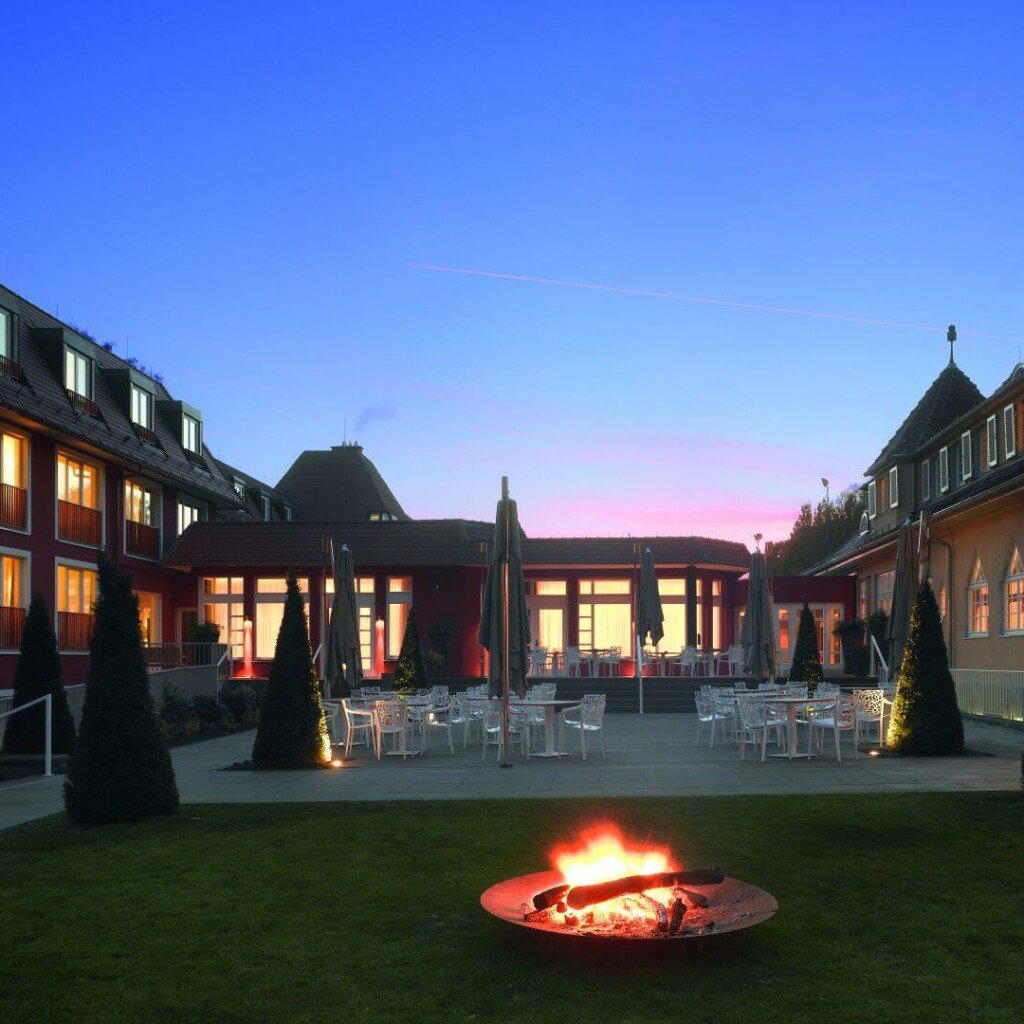
Sophisticated and elegant city-center atmosphere with cozy lighting, praised for its refined setting though some note it as average.