Our verdict
On Rotebühlstraße in Stuttgart's West district, Kwan Kao - Taste of Thailand occupies a corner of the city where mid-range European dining dominates. The restaurant positions itself as a Thai kitchen in a city more associated with Swabian classics and Michelin-chased fine dining, offering a course-friendly format that rewards guests who work through the menu rather than order à la carte in isolation.

Pearl is the En Primeur Club membership app, where members save venues, book tables and use the concierge.

Thai Cooking in a City Built on Swabian Tradition
Stuttgart's restaurant identity is shaped, in large part, by the weight of its fine dining infrastructure. The city holds a concentration of high-end European kitchens, from the creative programs at Speisemeisterei and Délice to the modern cuisine formats at 5 and Hegel Eins, that give the city a culinary reputation oriented firmly toward European technique. Into this context, a Thai kitchen on Rotebühlstraße in the western quarter does something structurally different: it anchors its appeal in a flavor grammar built on fermentation, herbaceous heat, and layered aromatics that European fine dining rarely touches.
Thai cuisine as practiced outside Thailand exists on a wide spectrum. At one end, simplified dishes adapted for broad palatability dominate; at the other, a smaller number of kitchens pursue the full complexity of regional Thai cooking, where sourness, salinity, sweetness, and heat are balanced with precision and where the sequencing of dishes matters as much as any individual plate. Kwan Kao - Taste of Thailand, located at Rotebühlstraße 155, 70197 Stuttgart, places itself in the German market for this cuisine, a market that has grown in sophistication alongside Germany's general openness to Asian cooking traditions.
Reading the Meal as a Sequence
The editorial angle that makes most sense for a Thai kitchen is not the single dish but the arc of a full sitting. Thai cuisine is intrinsically sequential: lighter, aromatic starters give way to curries built from slow-cooked pastes, then to grilled proteins, then to rice-forward dishes that moderate heat accumulated through the meal. A kitchen that understands this logic presents a different experience from one that treats every dish as a standalone proposition.
The approach at Kwan Kao reflects the broader question facing Thai restaurants in German cities: whether to compress the cuisine into a set of accessible signature dishes, or to preserve the tasting logic that gives Thai food its structural depth. For guests willing to order across the menu rather than defaulting to a single main, the reward is cumulative, each course recalibrates the palate for the next. This is the same principle at work in the tasting format at Der Zauberlehrling, where the meal's arc is as deliberate as any individual dish, even if the cuisine tradition is entirely different.
Dishes in a well-constructed Thai sequence typically begin with something sharp and bright, a yam salad dressed with lime and fish sauce, or a lighter soup, before moving toward the richer, paste-based curries where coconut milk and dried chilies create depth. Grilled preparations, whether of protein or vegetables, often anchor the mid-meal before starches absorb and settle the heat. A kitchen that structures its menu this way is not simply listing dishes; it is building a narrative that the diner walks through.
Stuttgart's West District as a Setting
Rotebühlstraße runs through Stuttgart West, a neighborhood with more residential density and fewer tourist-facing venues than the city center. Dining on this stretch tends toward regulars rather than passers-by, which creates a different atmosphere from the destination dining experience associated with the city's Michelin-adjacent kitchens. There is a practical reason to note this: the quieter residential character of Stuttgart West typically means tables are easier to secure than at the city's most-booked fine dining addresses, where demand can compress booking windows to weeks or months in advance.
For comparison, the city's highest-pressure European kitchens, those in the same tier as Aqua in Wolfsburg or Schwarzwaldstube in Baiersbronn at the national level, require planning that is measured in weeks or months. A neighborhood Thai restaurant on Rotebühlstraße operates under different booking dynamics, which is itself relevant information for how to plan an evening in Stuttgart.
Thai Cuisine in the German Context
Germany's Thai restaurant scene has matured considerably over the past two decades. The first wave of Thai kitchens in German cities arrived in the 1980s and 1990s, often modifying dishes to local taste preferences. A subsequent generation of operators, often with more direct connections to regional Thai cooking traditions, has pushed toward greater fidelity, including the use of fresh galangal, kaffir lime leaf, and the full range of chili preparations rather than simplified spice levels. This shift is visible in German cities with dense Thai communities, and it has raised the baseline expectation for what a Thai restaurant should deliver.
The reference points for demanding Thai dining in Germany now extend to a small number of kitchens that have attracted serious food press attention. Kwan Kao operates in this broader German Thai dining context, on a street in a city where the competition for a Thai kitchen is less about other Thai restaurants and more about the overall value question that Stuttgart diners apply to any mid-tier cuisine format.
For those whose Stuttgart itinerary already includes a tasting menu evening at one of the city's European fine dining addresses, a meal at a well-constructed Thai kitchen serves a different purpose in the week's dining sequence. Where kitchens like JAN in Munich or CODA Dessert Dining in Berlin represent Germany's highest-concept dining formats, a Thai kitchen on Rotebühlstraße offers a different kind of pleasure: a cuisine tradition where the complexity is encoded in paste and fermentation rather than technique theater.
Planning a Visit
Kwan Kao - Taste of Thailand is located at Rotebühlstraße 155 in Stuttgart's West district, accessible by tram from the city center. As a neighborhood restaurant rather than a destination fine dining address, booking timelines are likely more forgiving than the city's most-pressed European kitchens, though contacting the venue directly is always advisable for weekend sittings. For those building a wider Stuttgart dining itinerary, our full Stuttgart restaurants guide maps the city's dining across price tiers and cuisines. Guests exploring Germany's broader fine dining circuit may also want to consider Vendôme in Bergisch Gladbach, Victor's Fine Dining by Christian Bau in Perl, Waldhotel Sonnora in Dreis, Restaurant Haerlin in Hamburg, Schanz in Piesport, and ES:SENZ in Grassau for reference points in that tier. For those whose travel extends beyond Europe, Le Bernardin in New York City and Atomix in New York City represent the same impulse toward cuisine depth over spectacle in a different city context.
Frequently asked questions
What kind of setting is Kwan Kao - Taste of Thailand?
Kwan Kao sits on Rotebühlstraße 155 in Stuttgart West, a residential district with a local rather than tourist-facing dining culture. The address places it among neighbourhood venues that serve regular clientele rather than passing trade, which typically produces a more relaxed and less performative room than city-centre equivalents.
What's the address for Kwan Kao - Taste of Thailand?
Kwan Kao - Taste of Thailand is located at Rotebühlstraße 155, 70197 Stuttgart, Germany, Stuttgart.
How does Kwan Kao - Taste of Thailand fit into Stuttgart's broader restaurant scene?
Stuttgart carries a concentration of Michelin-recognised fine dining, which tends to dominate the city's editorial attention. Kwan Kao on Rotebühlstraße 155 occupies a different register entirely, representing the city's more everyday international dining options in Stuttgart West, where Thai kitchens serve a function distinct from the formal tasting-menu circuit that defines much of the city's restaurant reputation.
What's the best thing to order at Kwan Kao - Taste of Thailand?
Thai cuisine is built on the logic of a full sitting rather than a single centrepiece dish, so ordering across courses and flavour registers gives a more complete picture of the kitchen's range. Treat the meal as a sequence of contrasting tastes rather than anchoring on one item.
How far ahead should I plan for Kwan Kao - Taste of Thailand?
As a neighbourhood restaurant in Stuttgart West rather than a high-profile city-centre venue, Kwan Kao is likely more accessible without long lead times than the city's fine-dining addresses. That said, weekends in residential dining districts can fill quickly with regulars, so booking a few days ahead is a sensible approach.
Reputation Context
Comparable venues nearby, for context on price, style, and recognition.
| Venue | Cuisine | Price | Notes |
|---|---|---|---|
| Kwan Kao - Taste of ThailandThis venue (the venue you are viewing) | Authentic Thai | $20–30 | Not listed |
| doen doen | Vegan Turkish Kebap | $10–20 | Gablenberg |
| Sultan Saray | Authentic Turkish | $10–20 | Gablenberg |
| Weinstube Zur Kiste | Traditional Swabian German | $20–30 | Gablenberg |
| Pops Burger | American Smashed Burgers | $10–20 | Berg |
| Yuícery | Vegan Bowls & Juices | $10–20 | Gablenberg |
Continue exploring
More in Stuttgart
Restaurants in Stuttgart
All restaurants in Stuttgart →
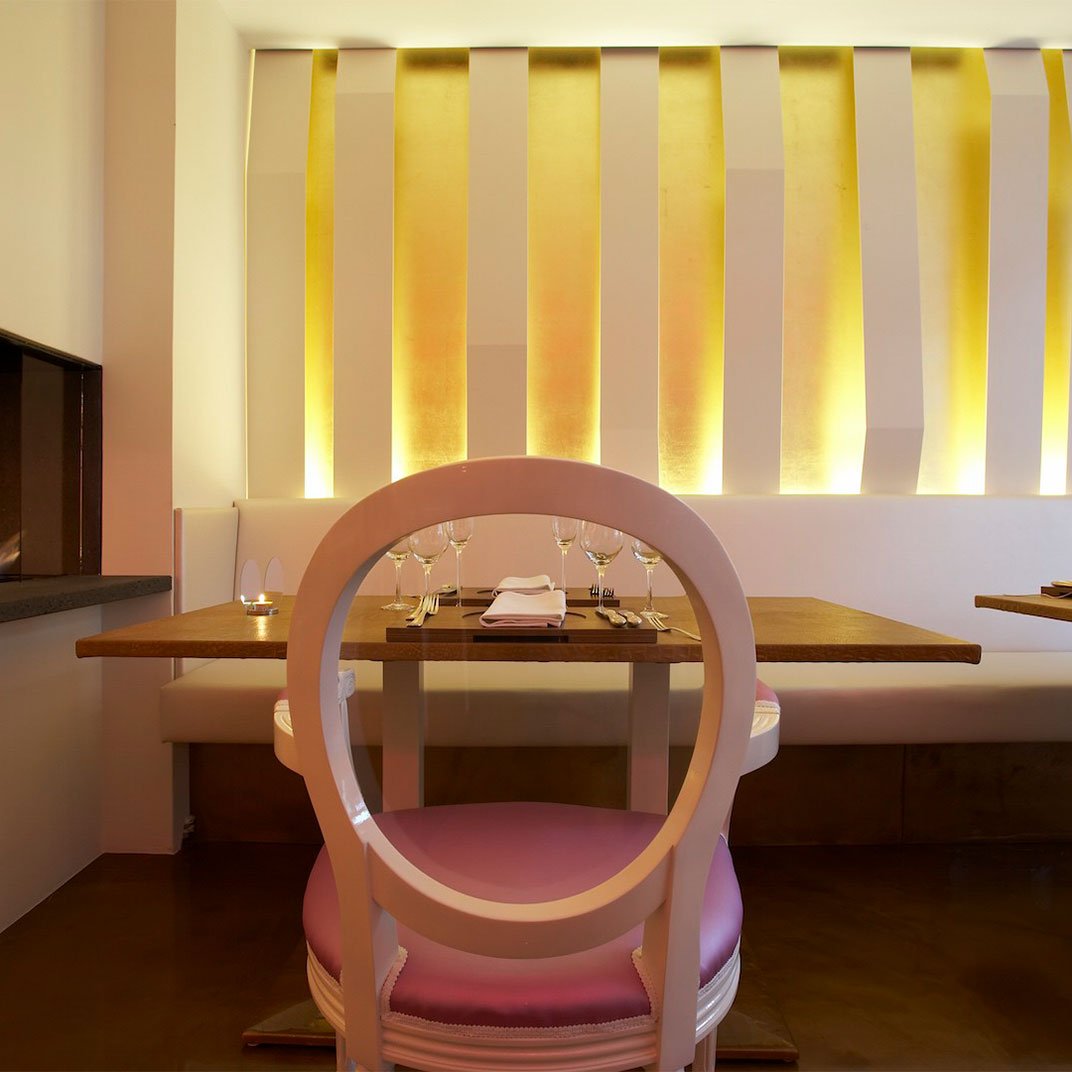
Bars in Stuttgart
All bars in Stuttgart →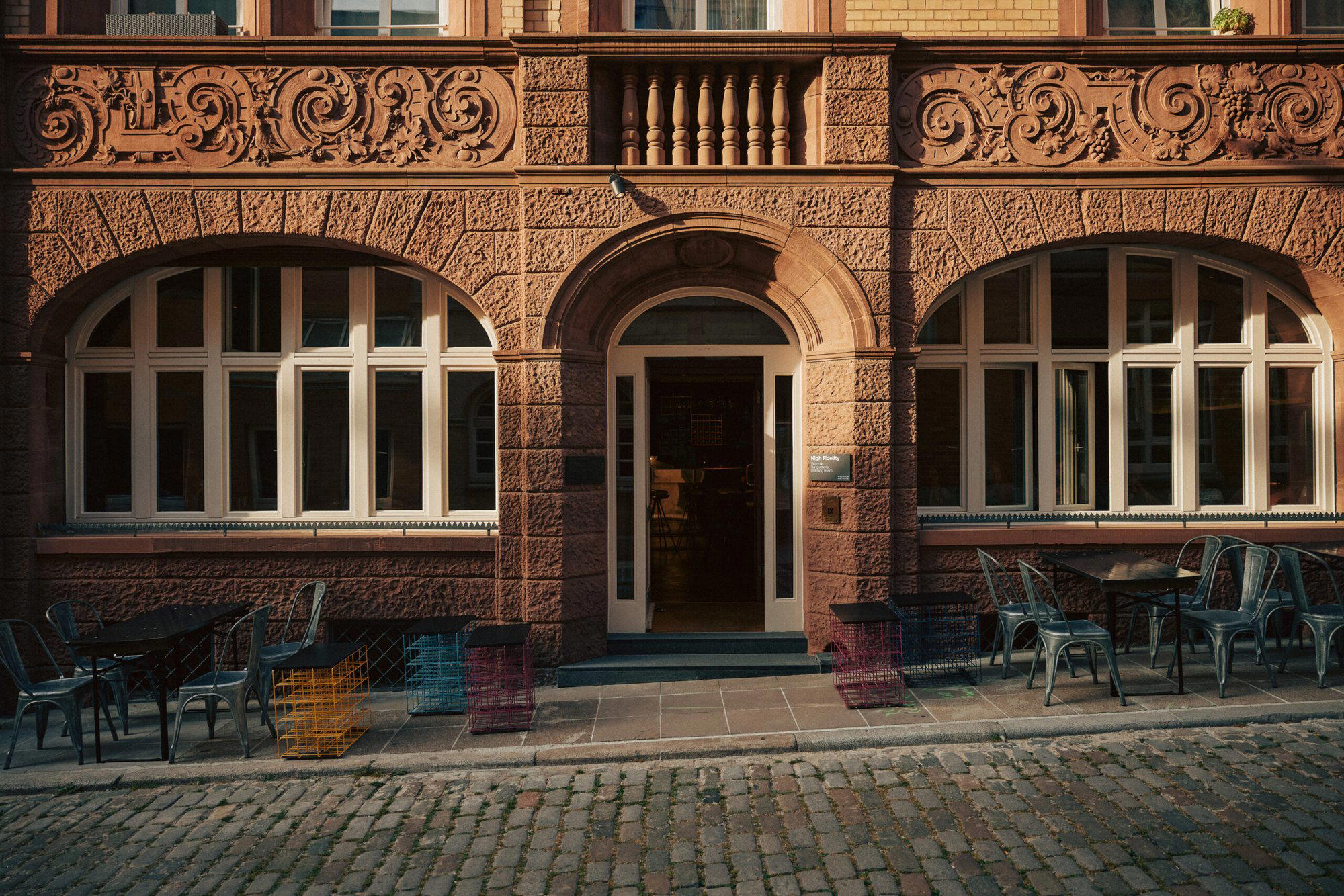
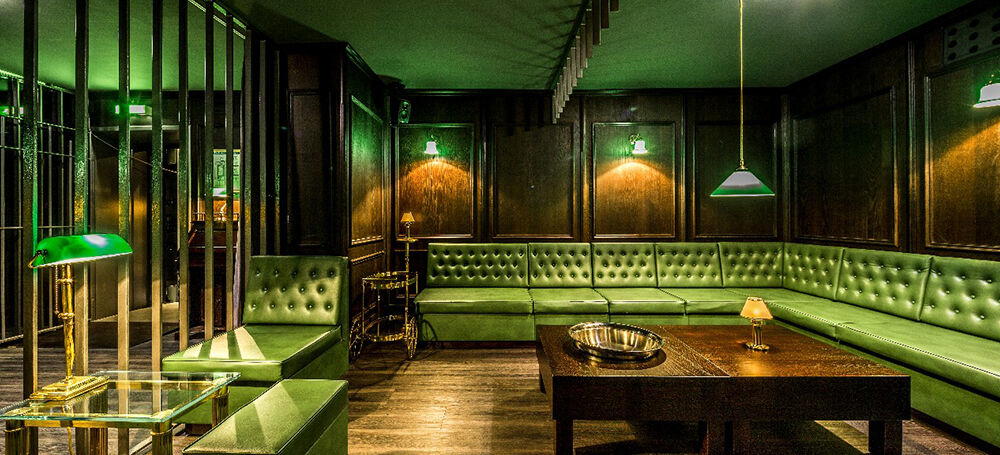
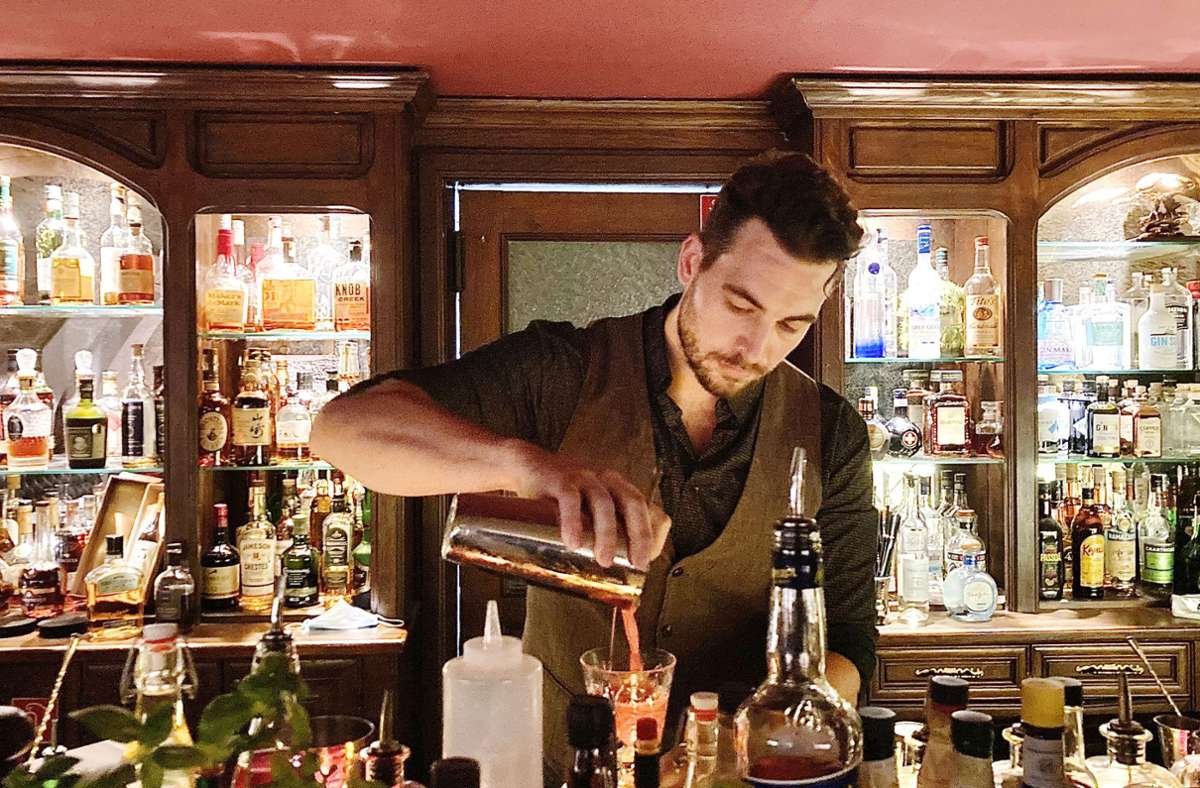
Hotels in Stuttgart
All hotels in Stuttgart →


Details
- Cozy
- Casual Hangout
- Date Night
- A La Carte
- Vegetarian Friendly
- Vegan Options
- Gluten Free Options
Current opening hours
- Monday
- Closed
- Tuesday
- 11:30 AM–3 PM, 5–10 PM
- Wednesday
- 11:30 AM–3 PM, 5–10 PM
- Thursday
- 11:30 AM–3 PM, 5–10 PM
- Friday
- 11:30 AM–3 PM, 5–10 PM
- Saturday
- 5–10 PM
- Sunday
- 12–3 PM, 5–9 PM
Hours can change for holidays and private events. Hours as of .
Casual and welcoming atmosphere with friendly service suitable for relaxed dining.