Our verdict
Sabai-Sabai occupies a residential address on Immenhofer Strasse in Stuttgart's Süd district, operating in a part of the city where neighbourhood dining takes precedence over destination posturing. Stuttgart's broader restaurant scene runs from Michelin-decorated creative houses to quieter ethnic kitchens, and Sabai-Sabai sits within that quieter register, drawing a local following on a street better known for apartment buildings than restaurant rows.

Pearl is the En Primeur Club membership app, where members save venues, book tables and use the concierge.
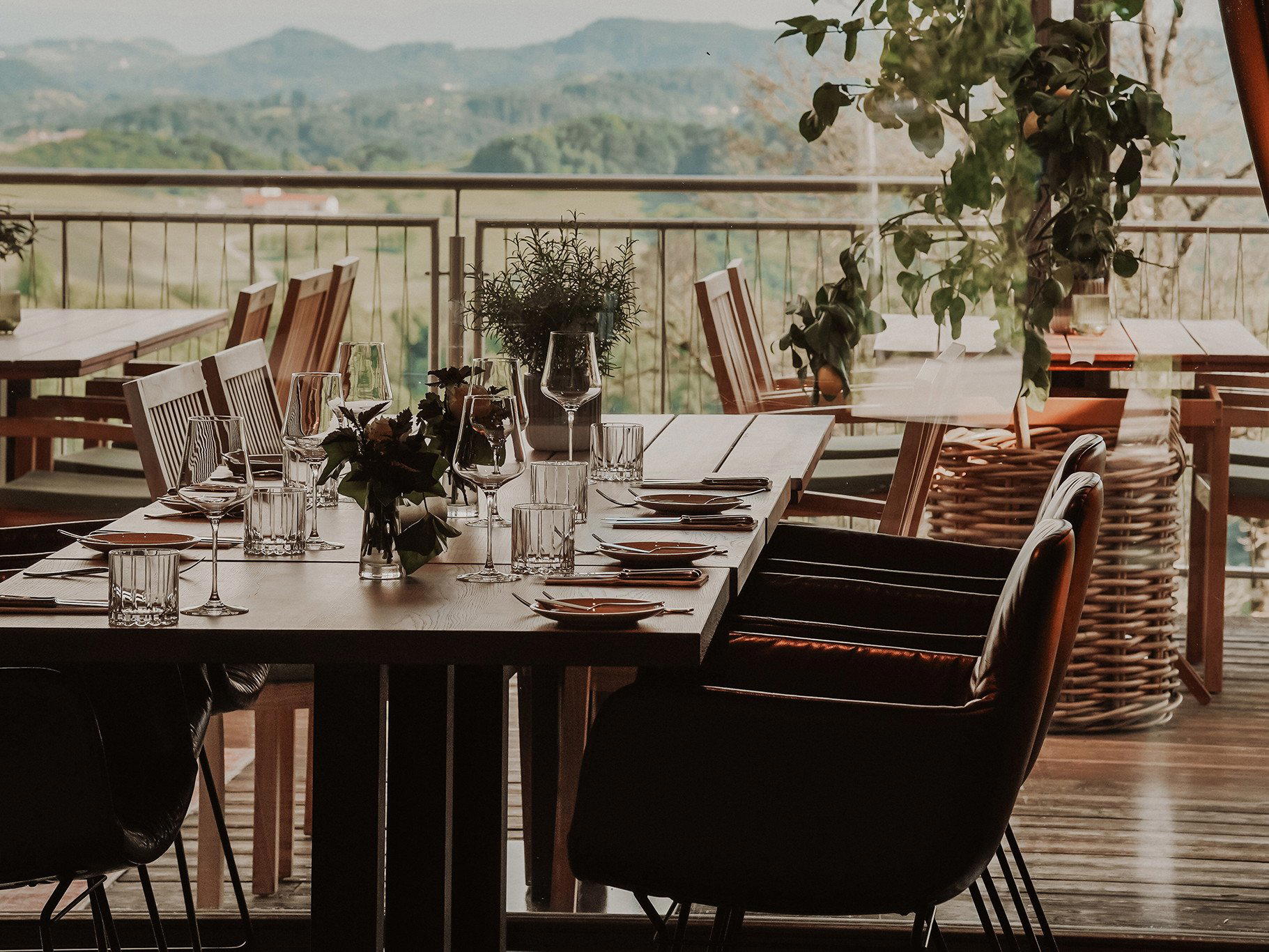
A Street Address That Tells You Something
Stuttgart's dining geography tends to cluster prestige around the Hegel- and Bohnenviertel quarters, where addresses like Hegel Eins and Délice occupy the city's more self-consciously gastronomic corridors. Immenhofer Strasse 15, the address of Sabai-Sabai, is a different proposition entirely. The street runs through Stuttgart Süd, a residential neighbourhood where the dining offer is shaped by what local residents actually want on a Tuesday rather than what a critic might seek on a Friday. Restaurants that survive in this context tend to do so through repeat custom rather than destination appeal, which is a different and often more demanding test of quality.
That neighbourhood logic matters when reading a restaurant like Sabai-Sabai. In cities where premium dining is concentrated in a few well-mapped zones, the venues that establish themselves outside those corridors are doing something the saturated centre cannot offer: accessibility without performance, and consistency without the theatrical overhead that destination dining demands. Across Germany, the most durable neighbourhood restaurants operate on exactly this model, regardless of cuisine type.
What the Menu Architecture Reveals
Without access to a current menu, specific dish descriptions fall outside what responsible editorial can claim. But the structural logic of a neighbourhood restaurant in Stuttgart's Süd district is readable from the category itself. Restaurants anchored to local repeat custom tend to build menus around a legible core, a short list of dishes that return season after season because they have become the reason people come back. This is the opposite of the tasting-menu model, where novelty and sequence are the product.
Compare that to the format at Speisemeisterei or 5, both operating at the €€€€ tier with creative tasting formats that require advance booking windows, dress code awareness, and a commitment of several hours. The menu architecture there is designed around a single extended sitting. A neighbourhood address like Sabai-Sabai operates under different constraints and, by extension, different strengths: the menu is likely structured to allow shorter visits, à la carte choice, and the kind of informal flexibility that repeat diners depend on.
This structural difference is not a hierarchy. Some of the most instructive dining in Germany happens outside Michelin's framework entirely. Der Zauberlehrling, also in Stuttgart, demonstrates that creative ambition and neighbourhood accessibility can coexist at the €€€ tier. The point is that menu format, more than any single dish, communicates what kind of place a restaurant intends to be and for whom.
Stuttgart's Broader Dining Context
Stuttgart is not typically the first German city that surfaces in premium food conversations. That position belongs to Munich, Hamburg, and Berlin, each of which carries a denser concentration of decorated restaurants and a more internationally mobile dining public. But Stuttgart has a coherent and underrated restaurant scene, anchored at the leading end by houses like Speisemeisterei and supported by a mid-range tier that punches above what the city's tourism profile might suggest.
Germany's broader fine dining map extends well beyond its major cities. Properties like Schwarzwaldstube in Baiersbronn and ES:SENZ in Grassau show that some of the country's most ambitious cooking happens in small-town or rural settings, while urban addresses like CODA Dessert Dining in Berlin have built international recognition through format innovation rather than classical technique. Stuttgart sits between those poles, a city with serious cooking at multiple price points but without the consistent international spotlight those other addresses attract. That creates a more local-feeling dining culture, which benefits neighbourhood restaurants considerably.
For broader orientation across the Stuttgart scene, our full Stuttgart restaurants guide maps the city's dining tiers with more detail across cuisine type and price band.
The Neighbourhood Restaurant in the German City
Across Germany's mid-sized cities, neighbourhood restaurants perform a function that destination dining cannot. They hold the fabric of daily eating together, providing accessible, consistent options that operate outside the booking-window and dress-code pressures of decorated houses. In Stuttgart Süd, the residential density makes this particularly visible: the street-level restaurant on a quiet residential block is answering a genuinely local demand.
The contrast with some of Germany's most formal addresses clarifies what neighbourhood dining offers. Vendôme in Bergisch Gladbach, Victor's Fine Dining by Christian Bau in Perl, and Waldhotel Sonnora in Dreis all operate in destination-format settings where the dining experience is a significant logistical event. Aqua in Wolfsburg, Restaurant Haerlin in Hamburg, and Schanz in Piesport similarly anchor their value proposition around extended commitment and refined production. JAN in Munich fits a similar mould. Even internationally, destination dining at addresses like Le Bernardin in New York City or Atomix in New York City demands advance planning and deliberate intent.
Sabai-Sabai, by its address and neighbourhood context, operates in a different register: lower friction, higher frequency, and sustained by local loyalty rather than tourist or business-travel traffic. That is a legitimate and durable model when executed with consistency.
Planning Your Visit
- Address: Immenhofer Str. 15, 70180 Stuttgart, Germany
- Neighbourhood: Stuttgart Süd, residential district
- Price range:; expect neighbourhood-restaurant pricing rather than destination-dining rates
- Getting there: Stuttgart Süd is accessible via the S-Bahn network; local tram lines serve the broader Süd district
- Context: For decorated fine dining in Stuttgart, cross-reference Délice and Speisemeisterei for comparison
Frequently asked questions
What's the address for Sabai-Sabai?
Sabai-Sabai is located at Immenhofer Str. 15, 70180 Stuttgart, Germany, Stuttgart.
How does Sabai-Sabai compare to other Asian restaurants in Stuttgart?
Stuttgart's ethnic restaurant offer is broader than its international profile suggests, shaped by the city's significant migrant communities and a long-standing manufacturing workforce drawn from across Southeast Asia and Southern Europe. Sabai-Sabai's position on Immenhofer Strasse places it in a residential part of the city where restaurants answer to repeat local custom rather than passing trade, a different competitive pressure than the Asian dining options closer to the Königstrasse or Milaneo retail corridors.
What's the best thing to order at Sabai-Sabai?
EP Club does not hold confirmed menu data for Sabai-Sabai, so singling out specific dishes would be speculation rather than editorial. What the Immenhofer Strasse address does suggest is a kitchen oriented toward a regular local clientele rather than a rotating tourist audience, which typically means a tighter, more consistent menu. Ask staff directly what arrived that week, neighbourhood restaurants of this type tend to operate with seasonal or supply-driven flexibility.
Is Sabai-Sabai reservation-only?
Restaurants at this address type in Stuttgart's residential Süd quarter often accommodate walk-ins on quieter weekday evenings but fill quickly on Fridays and Saturdays.
What makes Sabai-Sabai worth seeking out?
Sabai-Sabai operates at Immenhofer Str. 15, outside Stuttgart's established prestige dining corridors around the Bohnenviertel and city centre, which means it serves a predominantly residential audience rather than a destination-seeking one. That positioning tends to produce restaurants with less performance pressure and more consistency across visits. Stuttgart's food conversation is usually dominated by Michelin-tracked venues, so a local-facing address in the Süd quarter occupies a genuinely different register.
Budget Reality Check
Comparable venues nearby, for context on price, style, and recognition.
| Venue | Cuisine | Price | Notes |
|---|---|---|---|
| Sabai-SabaiThis venue (the venue you are viewing) | Authentic Thai Street Food | $10–20 | Not listed |
| Pinto Mama | Authentic Thai | $20–30 | Heslach, Authentic Thai |
| Ganesha | Indian and Ceylonese | $20–30 | Gaisburg, Indian and Ceylonese |
| Soy Club | Vegan Vietnamese-Asian Fusion | $20–30 | Heslach, Vegan Vietnamese-Asian Fusion |
| Taverna Yol | Authentic Turkish & Mediterranean | $10–20 | Heslach, Authentic Turkish & Mediterranean |
| Pizza Trullo's | Innovative Italian Pizza | $20–30 | Viesenhäuser hof, Innovative Italian Pizza |
Continue exploring
More in Stuttgart
Restaurants in Stuttgart
All restaurants in Stuttgart →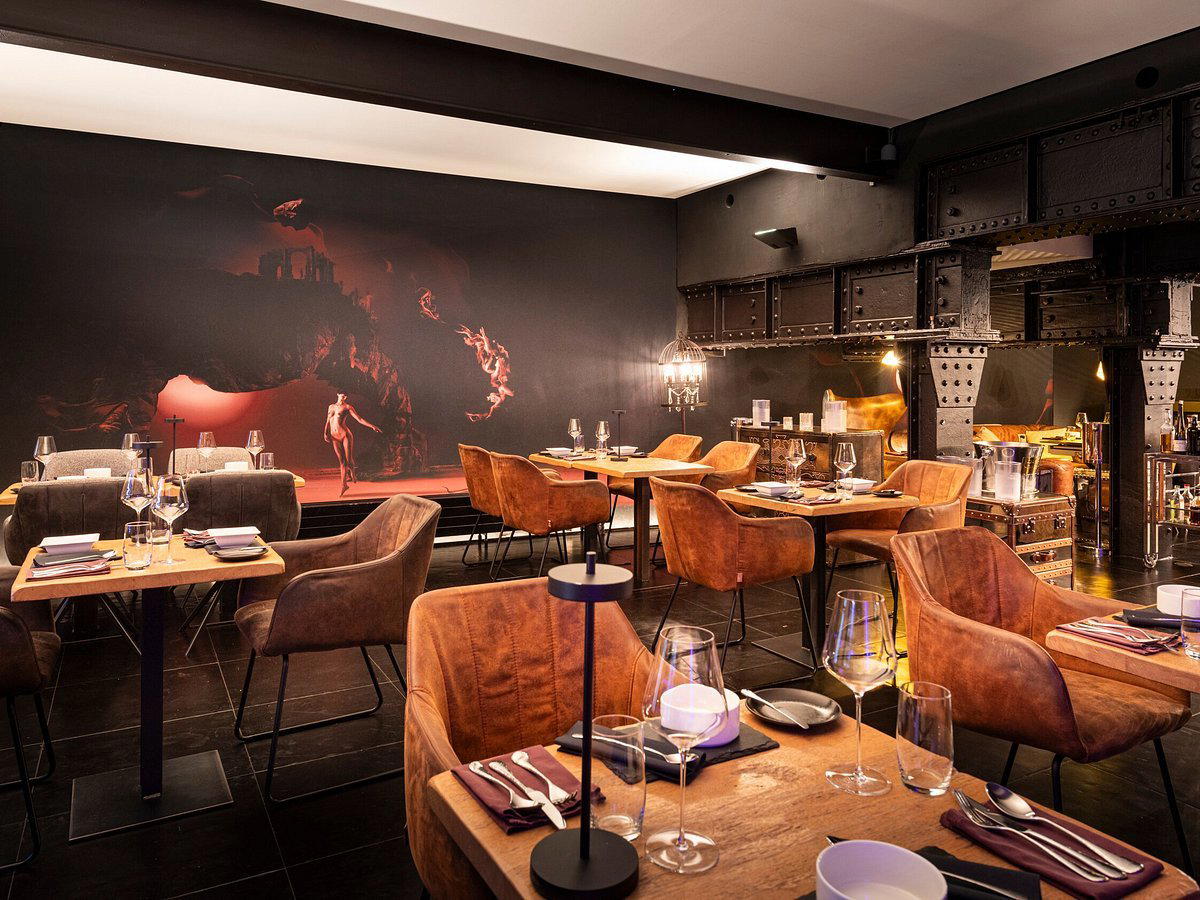
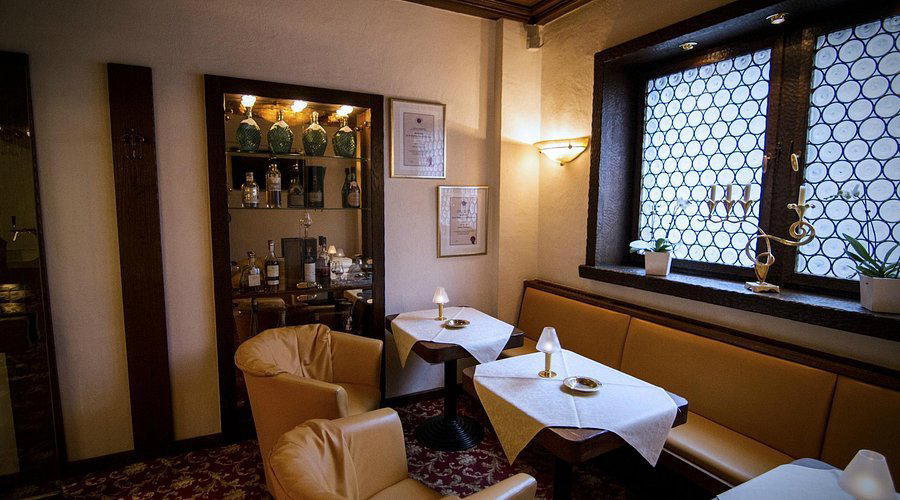
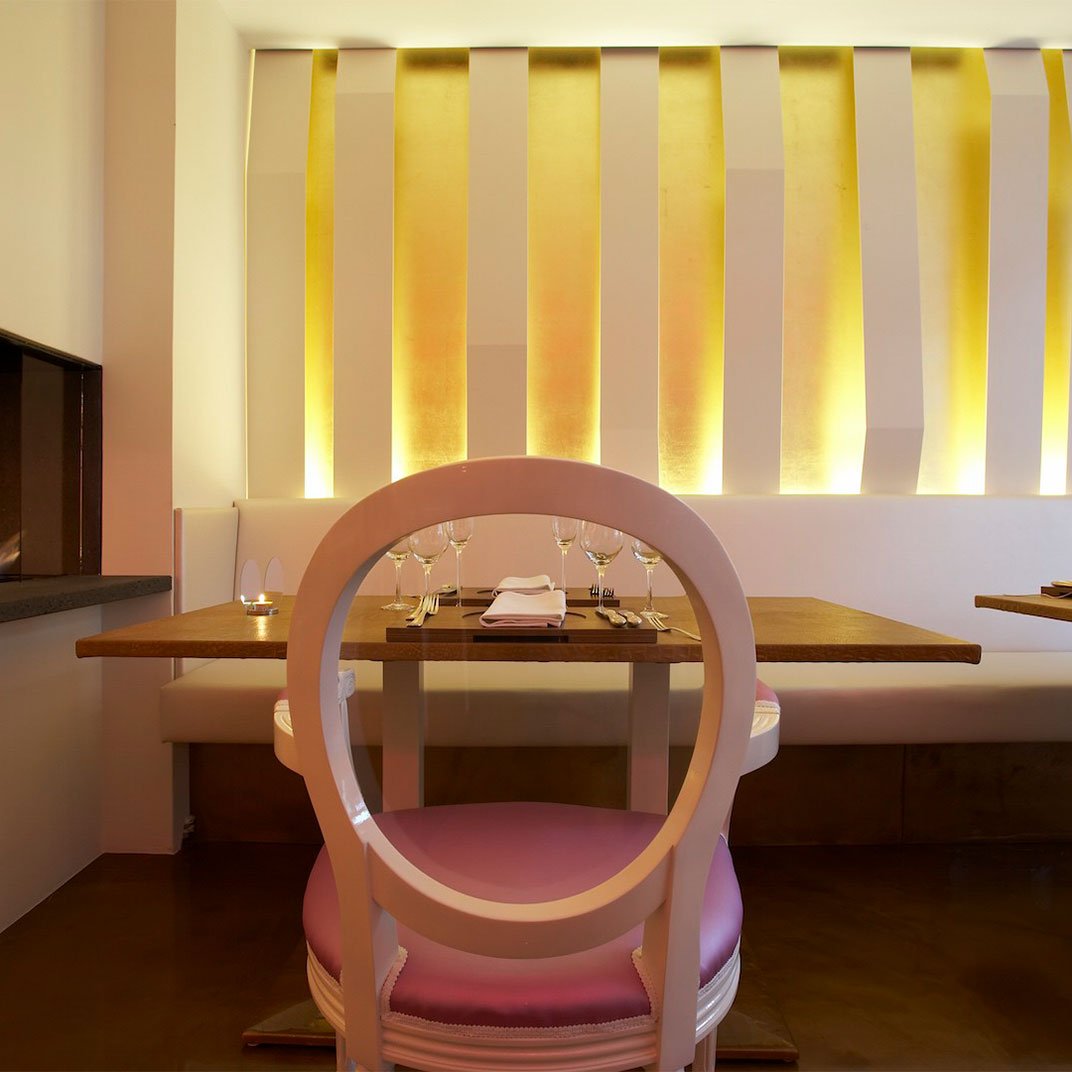
Bars in Stuttgart
All bars in Stuttgart →

Details
- Casual
- Casual Hangout
- Open Kitchen
- Terrace
- A La Carte
- Vegetarian Friendly
Current opening hours
- Monday
- 11 AM–2 PM
- Tuesday
- 11 AM–2 PM
- Wednesday
- 11 AM–2 PM
- Thursday
- 11 AM–2 PM
- Friday
- 11 AM–2 PM
- Saturday
- Closed
- Sunday
- Closed
Hours can change for holidays and private events. Hours as of .
Casual counter-service atmosphere with a welcoming Thai theke vibe.