On a quiet residential street in Stuttgart's northeastern quarter, Pizza Trullo's draws a loyal neighbourhood crowd with Apulian-rooted pizza and a format that keeps things deliberately unfussy. The address on Kapellenweg places it well outside the city's fine-dining corridor, which is precisely the point: this is a place that earns its following through consistency and craft rather than location or credentials.
Pearl is the En Primeur Club membership app — saves, bookings, and concierge access live there. Same editors, same standards.
- Address
- Kapellenweg 20, 70378 Stuttgart, Germany
- Phone
- +4971191243632
- Website
- pizzatrullos.com
- Directions
- Get directions
 Saves & bookings on Pearl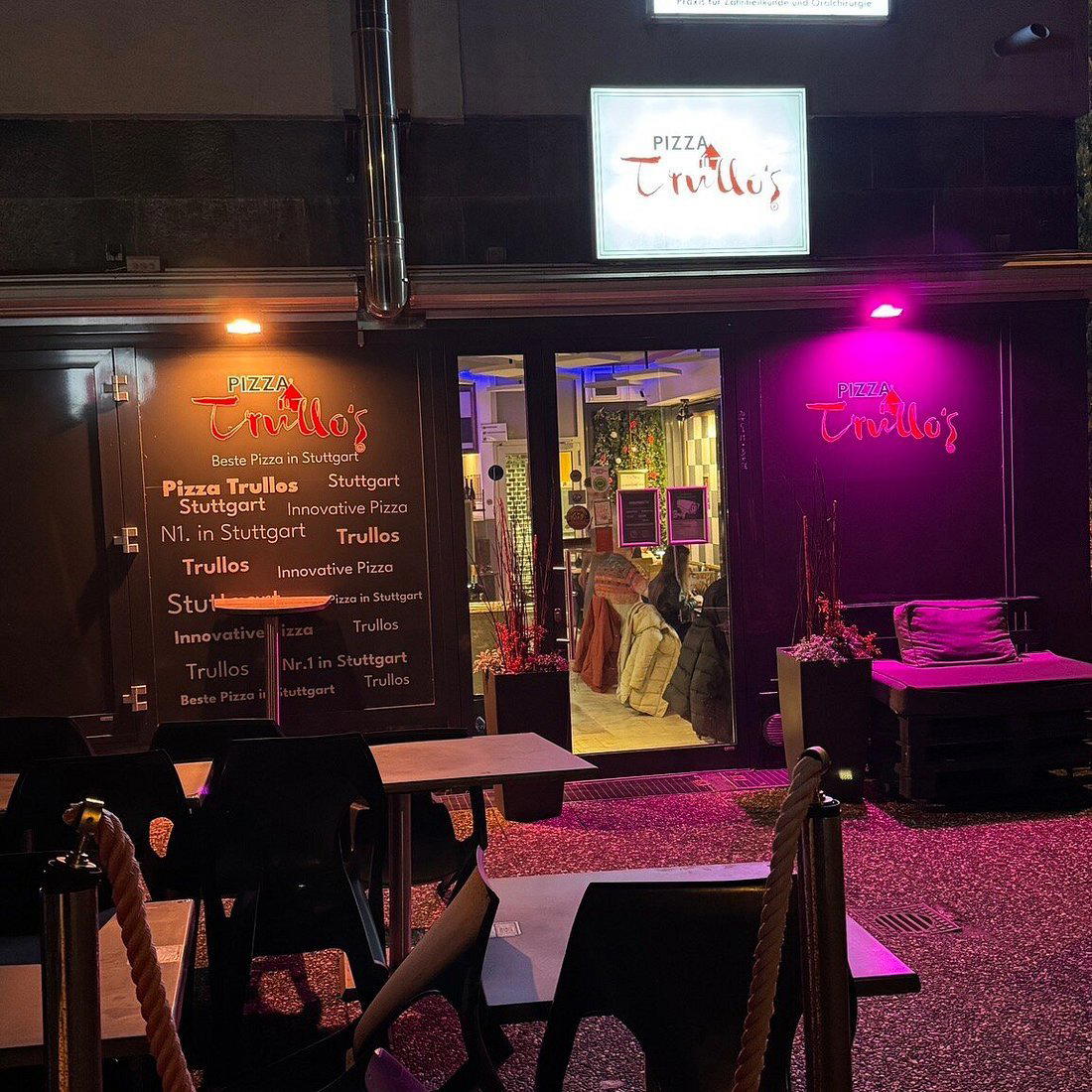
Stuttgart's Pizza Scene and Where Neighbourhood Places Fit
Stuttgart's dining identity is shaped more visibly by its concentration of Michelin-starred addresses than by its casual neighbourhood spots. Creative houses like Speisemeisterei and Délice, alongside modern cuisine destinations such as 5 and Hegel Eins, define how the city presents itself to visiting food writers. But any city's dining character is only partly told by its trophy addresses. The spaces that hold a neighbourhood together, the ones where residents return weekly rather than saving up for a birthday, carry a different kind of weight.
Pizza Trullo's, at Kapellenweg 20 in Stuttgart's northeastern residential belt, operates in that second register. The address is far enough from the city centre that it is not catching tourist foot traffic or capitalising on proximity to a celebrated corridor.
Apulian pizza, the regional tradition that gives this place its name, referencing the trullo stone buildings of Puglia in southern Italy, sits at a particular point in European pizza's recent evolution. The Neapolitan model dominates the conversation, but Puglia has its own bread and pizza culture, heavier on semolina, denser in texture, with a crust that behaves differently from the high-hydration, leopard-spotted Neapolitan. What is knowable from the address and the name together is that there is a regional specificity being claimed, and that claim sets certain expectations about dough, flour, and format.
The Atmosphere on Kapellenweg
Arriving at a residential-street restaurant in a German city carries its own set of atmospherics. The Kapellenweg area of Stuttgart 70378 is not a destination strip; there is no cluster of competing restaurants to walk past, no queue culture, no sense of occasion imposed by the surroundings. The venue is embedded in the neighbourhood rather than performing for it.
That kind of setting places specific pressure on the room itself. Without an exciting street to animate the approach, the interior has to do the work of establishing whether an evening here feels purposeful or merely convenient. Italian-rooted neighbourhood restaurants in German cities have developed a recognisable format over the past two decades: warm lighting, modest decoration, a menu that does not try to be everything.
At a Michelin-starred counter such as Der Zauberlehrling, the kitchen hierarchy and front-of-house formality are established structures. At a neighbourhood pizzeria, the relationship between whoever is managing the floor, whoever is working the dough, and whoever is taking orders sets the entire tone. There is no tasting menu format or tableside theatre to structure the experience. The interaction between the team and the guest is the experience.
Regional Pizza in a German Neighbourhood Context
The Apulian reference point places Pizza Trullo's in a specific conversation about how Italian regional food has travelled into German city neighbourhoods. Germany's Italian restaurant culture is enormous and uneven: it ranges from the generic red-checked tablecloth format that has not changed since the 1980s to genuinely focused regional houses that source specific flours, use correct charcuterie, and resist the pressure to put every Italian dish on the same menu. Stuttgart, with a significant Italian-heritage population dating back to the post-war Gastarbeiter era, has more of the latter category than many comparable German cities.
A pizzeria naming itself after Apulian architecture rather than simply calling itself a pizzeria is making a positioning choice. It is inviting comparison with a specific regional tradition rather than the generic category. That is a harder promise to keep, because it raises the specificity of what guests expect: the dough should reflect Apulian technique, the toppings should not contradict the regional frame, and the overall approach should feel grounded rather than decorative.
Aqua in Wolfsburg, JAN in Munich, and Schwarzwaldstube in Baiersbronn at the high end, and ES:SENZ in Grassau and Schanz in Piesport in the broader premium tier. The point is not that a neighbourhood pizzeria should be compared to Michelin three-star kitchens, but that the broader German dining culture is increasingly attentive to where things come from and how they are made. A Stuttgart audience that eats well is not an undemanding one.
Planning a Visit
Kapellenweg 20 sits in a part of Stuttgart that requires intention to reach. Visitors staying centrally should allow time for the journey; the address is not walkable from the main hotel district. Given the venue's neighbourhood character and its recommended reservation policy, one reliable approach is to call ahead directly. Hours are Tue to Sun from 5:30 to 11 PM, with Monday closed.
For comparison with how Italian-influenced or regionally specific concepts play at the fine-dining end in Germany, Vendôme in Bergisch Gladbach, Victor's Fine Dining by Christian Bau in Perl, and Waldhotel Sonnora in Dreis each demonstrate what kitchen precision and front-of-house collaboration look like at the summit of the German market. For experimental format reference, CODA Dessert Dining in Berlin and Restaurant Haerlin in Hamburg show the range of what serious dining looks like across the country. Internationally, Le Bernardin in New York City and Atomix in New York City represent what front-of-house and kitchen collaboration achieves at the highest level of the global tier.
Comparable Spots
Comparable venues nearby, for context on price, style, and recognition.
| Venue | Cuisine | Price | Notes |
|---|---|---|---|
| Pizza Trullo'sThis venue — the venue you are viewing | Innovative Italian Pizza | $$ | Not listed |
| Restaurant Empore | Italian Market Hall Restaurant | $$ | Gablenberg |
| Valle | Authentic Italian Pizza and Pasta | $$ | Gablenberg |
| Italo Disco | Trendy Neapolitan-Style Pizza & Pasta | $$ | Heslach |
| Makamba | Traditional Ethiopian | $$ | Gablenberg |
| vhy in plants we trust | Creative Vegan | $$ | Heslach |
Continue exploring
More in Stuttgart
Restaurants in Stuttgart
Browse all →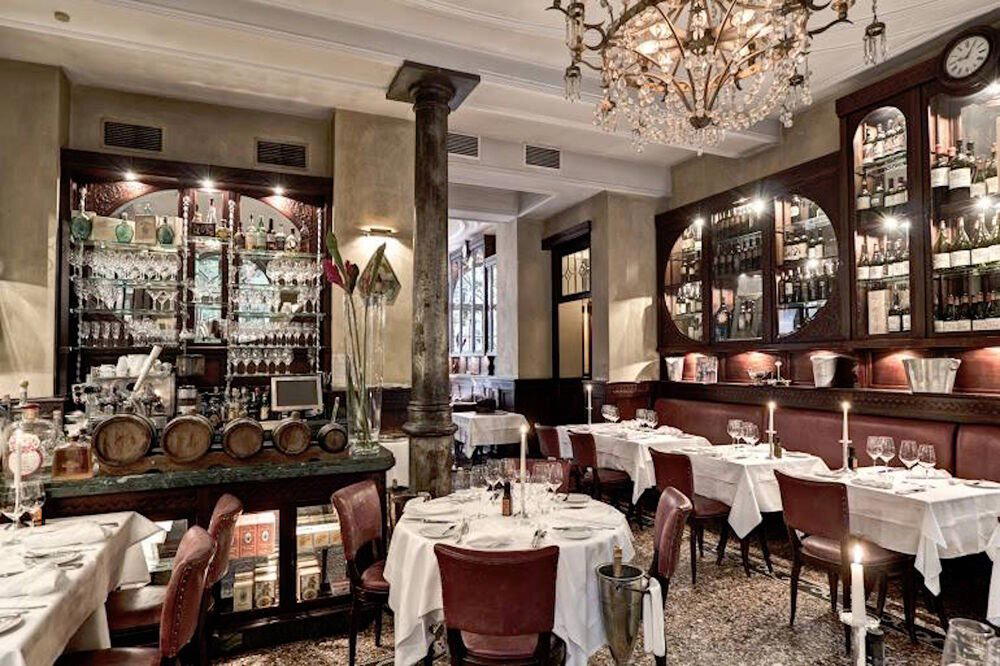
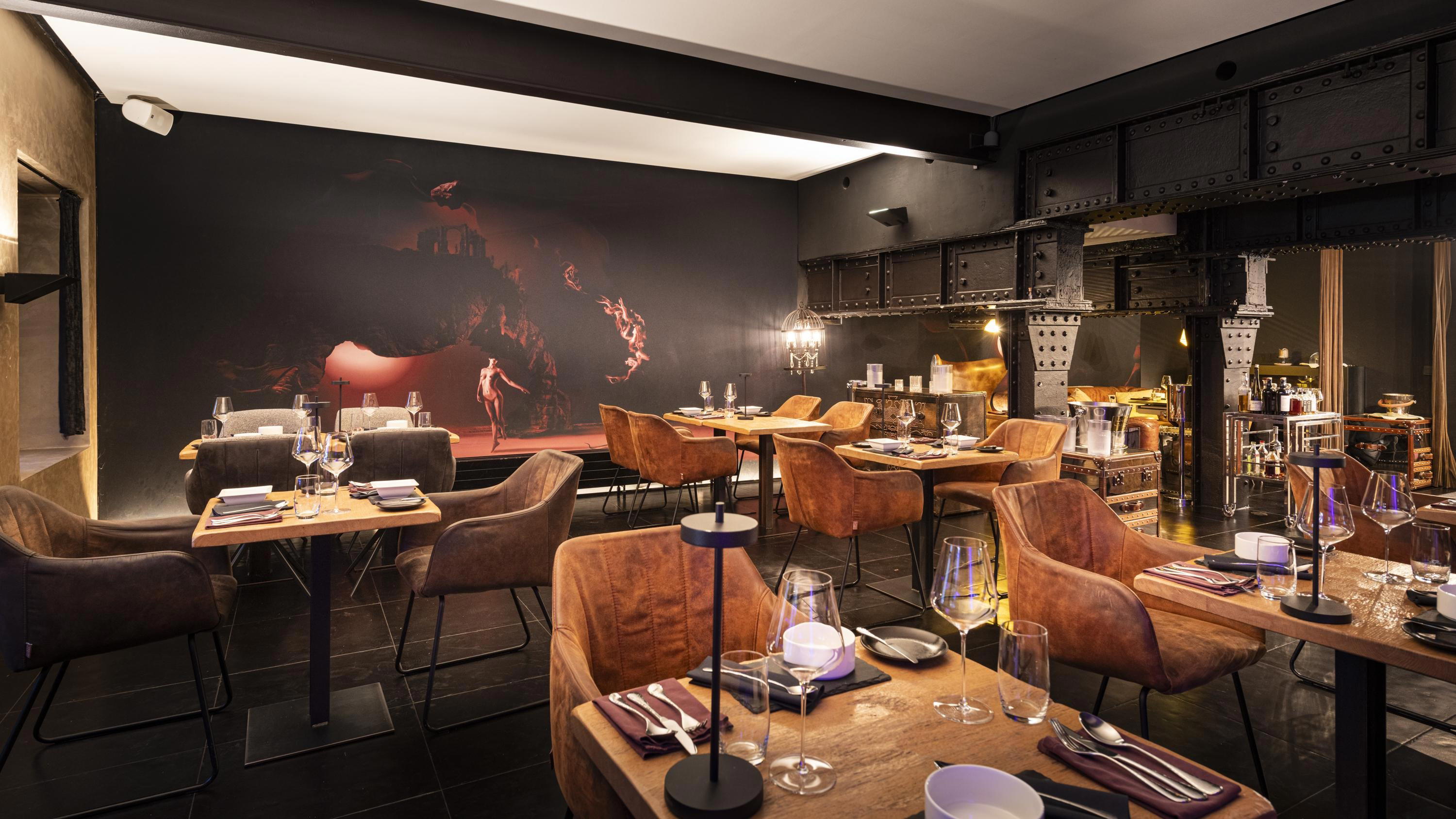
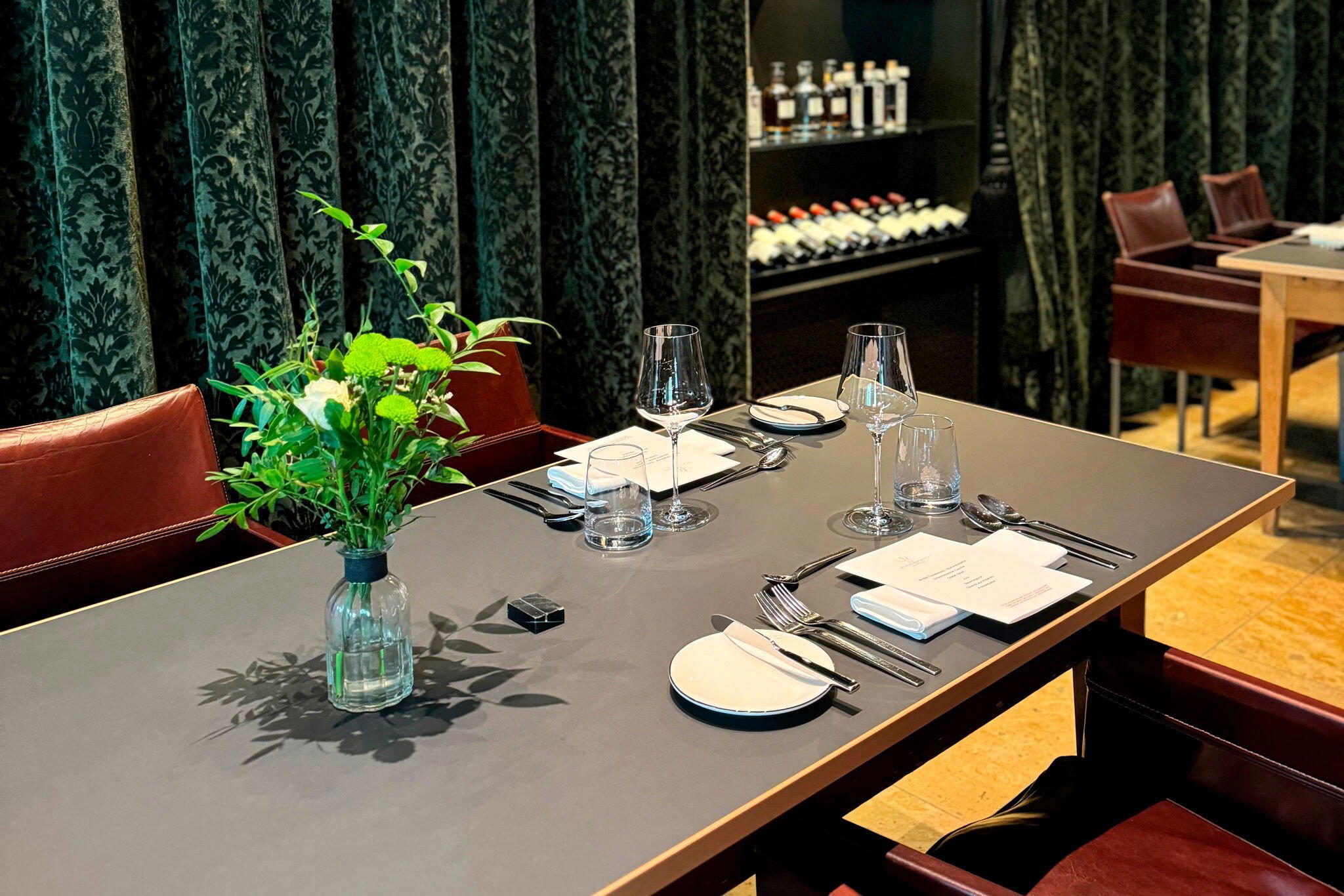
Bars in Stuttgart
Browse all →

Hotels in Stuttgart
Browse all →

At a Glance
- Cozy
- Rustic
- Date Night
- Casual Hangout
- Open Kitchen
- Terrace
- Extensive Wine List
- Organic
Current opening hours
- Monday
- Closed
- Tuesday
- 5:30–11 PM
- Wednesday
- 5:30–11 PM
- Thursday
- 5:30–11 PM
- Friday
- 5:30–11 PM
- Saturday
- 5:30–11 PM
- Sunday
- 5:30–11 PM
Hours can change for holidays and private events. Last verified .
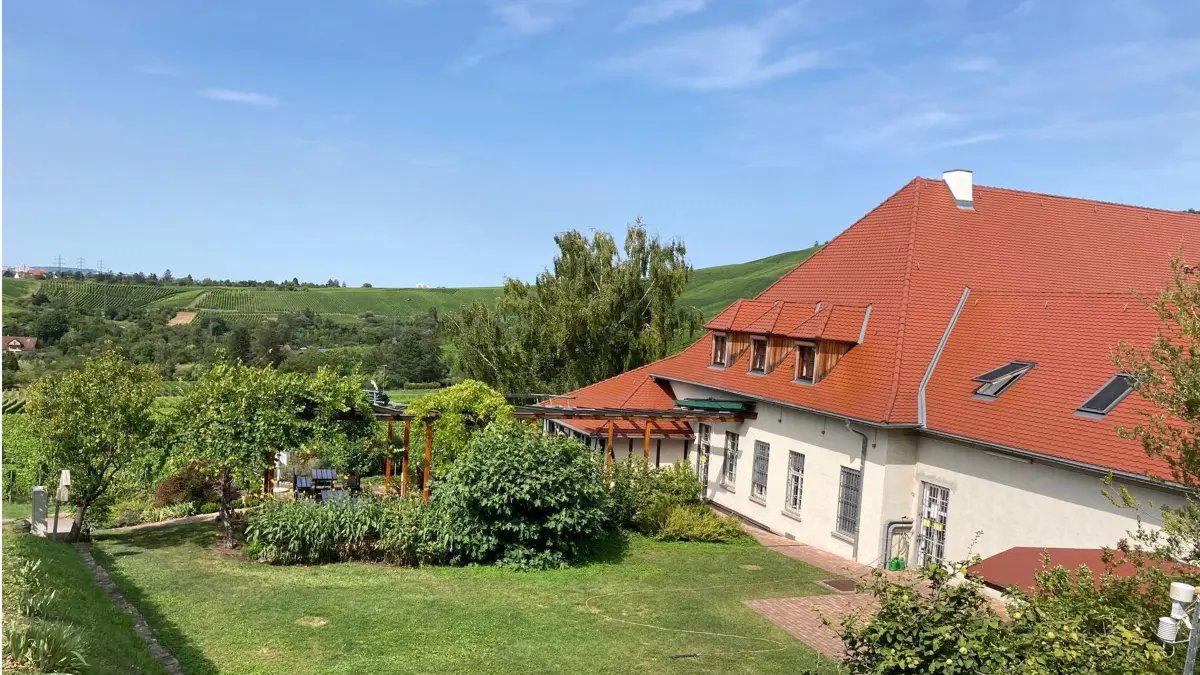
Cozy with decorated tables, simple rustic decor, both indoor and terrace seating; some find it noisy with loud music.