Our verdict
A Countryside Address Worth the Drive from Cologne The Bergisches Land region east of Cologne occupies an unusual position in the German dining conversation. Dense with forest and cut through by the Agger river valley, it sits close enough to a...

Pearl is the En Primeur Club membership app — saves, bookings, and concierge access live there. Same editors, same standards.
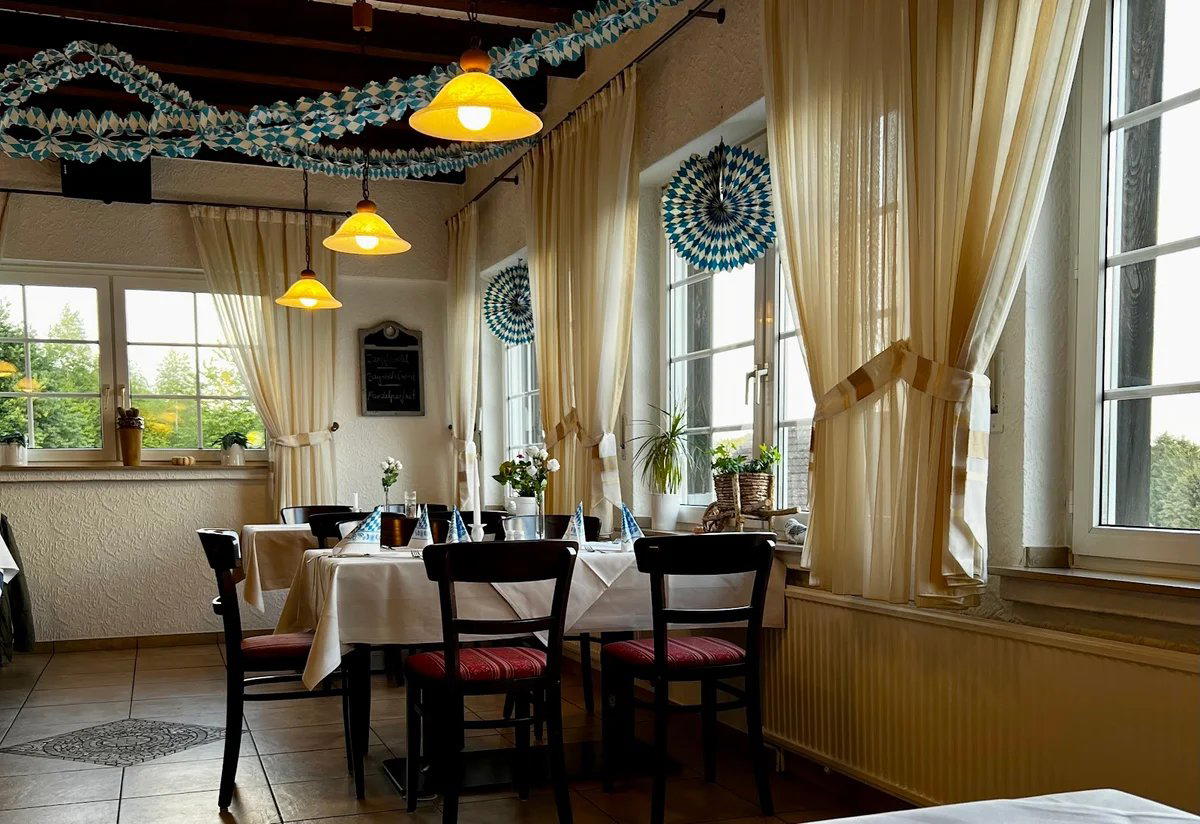
A Countryside Address Worth the Drive from Cologne
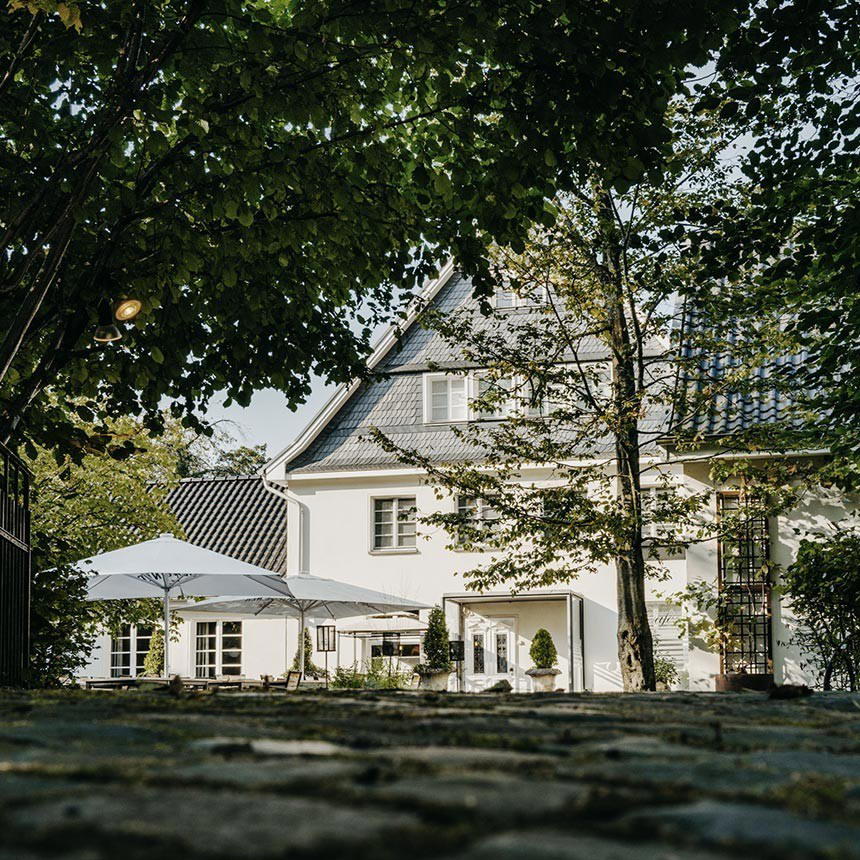
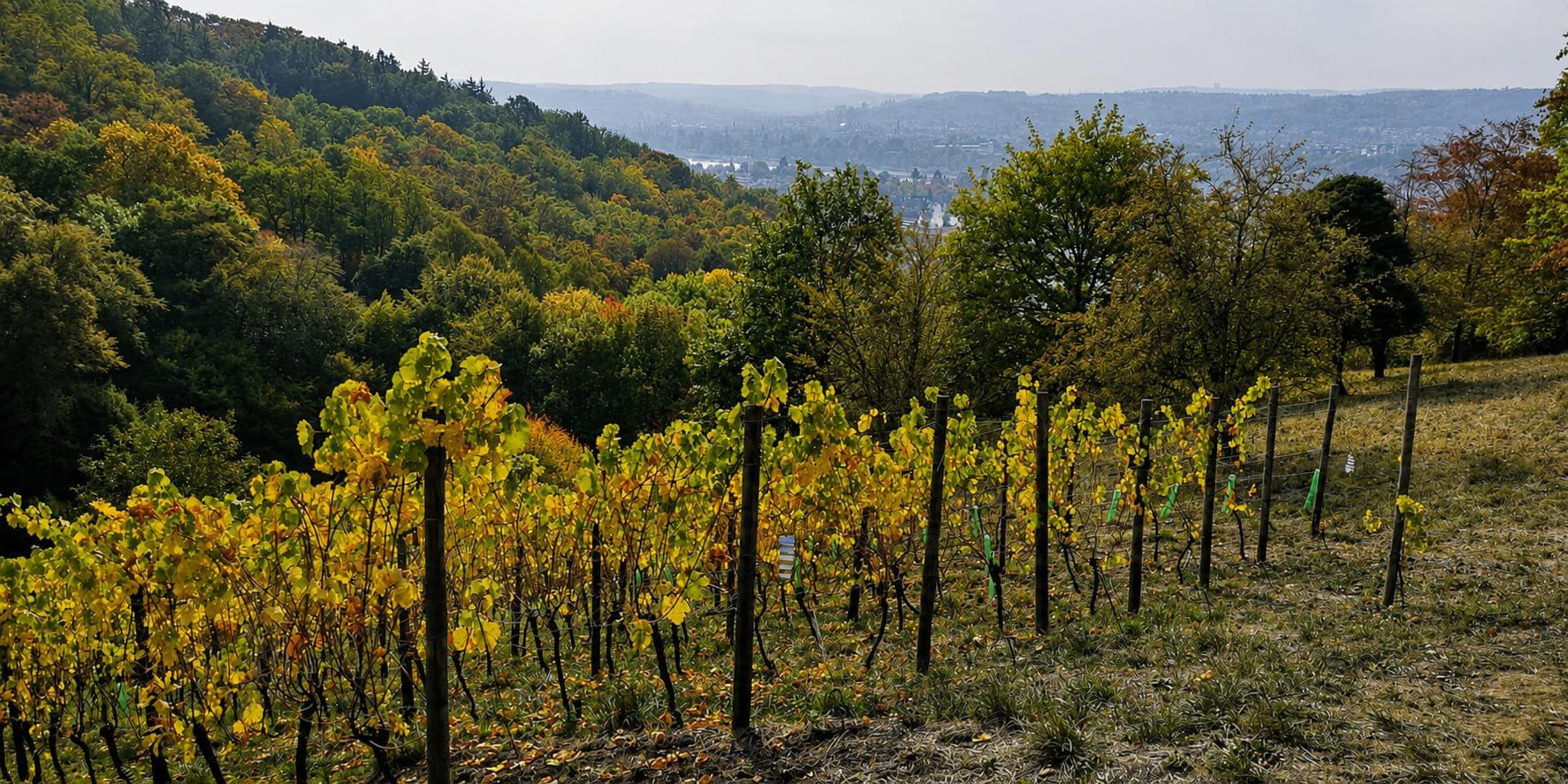
The Bergisches Land region east of Cologne occupies an unusual position in the German dining conversation. Dense with forest and cut through by the Agger river valley, it sits close enough to a major metropolitan population to draw serious restaurant-goers, yet far enough removed that venues here operate by a different set of expectations than the polished city addresses clustered along the Rhine. Restaurant Camping Paul, at Viersbrücken 9 in Overath, is part of this quieter orbit. The address alone signals something worth investigating: Overath is not a stop on any conventional fine-dining circuit, which makes the presence of a destination restaurant here a reliable indicator that the pull is the cooking, not the postcode.
For diners making the roughly 30-kilometre journey southeast from Cologne, the approach through wooded roads sets a particular register. This is not an urban setting dressed up in rural aesthetics; it is genuinely outside the city, in a community where the surrounding landscape shapes daily life and, by extension, what appears on the plate. In regions like this, the sourcing argument that many city restaurants make rhetorically becomes a practical reality: proximity to small producers, seasonal availability driven by actual harvest conditions, and supplier relationships maintained across years rather than forged for a menu relaunch.
Sourcing as Geography
The broader movement toward regionally grounded cooking in Germany has produced two distinct strands. One is the metropolitan fine-dining approach, where chefs at addresses like JAN in Munich or Aqua in Wolfsburg build tightly curated sourcing programs as a deliberate editorial statement. The other strand is geographic inevitability: restaurants in smaller towns and rural communities that source locally not primarily as brand positioning but because the infrastructure around them makes it the path of least resistance. Overath sits firmly in the second camp. The Bergisches Land has a documented agricultural character, with dairy farming, orchard fruit, and small-scale vegetable cultivation embedded in the local economy across generations.
What this means at the table, in practical terms, is that ingredient provenance tends to be measurable in kilometres rather than countries. At comparable country-house addresses in Germany, such as Waldhotel Sonnora in Dreis or Schwarzwaldstube in Baiersbronn, the surrounding region actively shapes the menu DNA. The same logic applies here, even if Restaurant Camping Paul operates at a different tier and with a very different format than those three-Michelin-star destinations.
The name itself carries information: "Camping" is not a stylistic affectation but a clue to format. Germany has a tradition of restaurant venues attached to or adjacent to camping and leisure sites, where the clientele mixes serious food interest with a more informal outdoor leisure context. This places Camping Paul in a category that city-centric fine-dining shortlists routinely overlook, but which often produces the kind of cooking that travels well with the setting. Informality in the room does not preclude rigour in the kitchen, and venues in leisure-adjacent settings frequently draw on hyper-local supply chains simply because their guests arrive expecting something rooted in the immediate environment.
What the Regional Context Tells You
Germany's mid-tier restaurant scene is larger and more geographically distributed than its Michelin count suggests. The country's awarded fine dining, from Vendôme in nearby Bergisch Gladbach to Victor's Fine Dining by Christian Bau in Perl and Restaurant Haerlin in Hamburg, concentrates media attention on a relatively small number of named kitchens. Below and alongside that tier sits a much wider network of addresses that serve committed, ingredient-led food without the formal apparatus of tasting menus, wine pairings at triple-digit prices, or international press attention.
Restaurant Camping Paul operates in that wider network. The Overath address places it roughly equidistant from Cologne's urban dining concentration and the Sauerland's more rural restaurant culture. Diners approaching from Cologne who are used to the polish of city addresses should recalibrate expectations around format rather than quality. The setting in Overath carries the unhurried pace of a day-trip or weekend destination rather than the choreographed service rhythms of an urban fine-dining room. That is a feature rather than a deficiency. Restaurants in the German provinces that endure across years do so because they provide something the city cannot replicate: a specific sense of place, achieved through the cooking's relationship with what grows and is raised nearby.
For reference points at a different scale, venues like ES:SENZ in Grassau, Schanz in Piesport, and AURA by Alexander Herrmann and Tobias Bätz in Wirsberg each demonstrate that Germany's serious cooking exists well outside its major cities. The common thread is a relationship with place, whether expressed through formally constructed tasting menus or through the less structured but equally considered approach of a leisure-adjacent restaurant in a small Bergisch Gladbach-adjacent community.
Planning a Visit
Overath is accessible from Cologne by car in under 40 minutes via the A4 motorway, making it a realistic evening destination rather than a full-day expedition. The address at Viersbrücken 9 is specific enough to suggest a site with defined parking and arrival infrastructure, consistent with the camping and leisure format implied by the venue's name. Venues in leisure-site formats sometimes operate seasonal schedules, and confirming current opening days before making the drive from Cologne is direct practical sense.
Diners curious about the broader Bergisches Land area and how Restaurant Camping Paul fits into the local picture can consult our full Overath restaurants guide. Those building a wider German itinerary around serious provincial cooking might also consider Bagatelle in Trier, ammolite in Rust, ATAMA by Martin Stopp in Sankt Ingbert, or AUGUST in Augsburg as part of a considered sequence. For those drawn to more conceptually distinct formats in German fine dining, CODA Dessert Dining in Berlin represents a useful contrast in how format can become the editorial statement itself. And for international benchmarks, Le Bernardin in New York City and Atomix in New York City illustrate how ingredient sourcing and cultural specificity operate at the highest level of international recognition.
Frequently asked questions
Can I bring kids to Restaurant Camping Paul?
The venue's countryside setting in Overath, east of Cologne, and its name suggest an informal character that is generally compatible with families, though the specific format has not been publicly documented. Calling ahead is advisable to confirm seating arrangements and any menu flexibility for younger guests. The rural Viersbrücken address gives the impression of space rather than a confined urban dining room.
Is Restaurant Camping Paul better for a quiet night or a lively one?
The address — Viersbrücken 9 in Overath, deep in the Bergisches Land forest region — points toward a setting that favours unhurried evenings over high-energy nights out. Countryside restaurants in this part of Germany tend to draw guests making a deliberate trip rather than dropping in, which shapes the pace of service. Expect a slower, more considered atmosphere than you would find in central Cologne.
Is Restaurant Camping Paul a good dinner destination when driving from Cologne?
Overath sits under 40 minutes from Cologne via the A4 motorway, making Restaurant Camping Paul at Viersbrücken 9 a realistic evening destination rather than a commitment requiring overnight travel. The drive east through the Bergisches Land is itself a shift in register — forest and river valley replacing city traffic — which suits the style of meal the address implies. No reservations platform or phone number is publicly listed, so confirming availability in advance through direct contact is essential.
What's the signature dish at Restaurant Camping Paul?
Specific menu items for Restaurant Camping Paul have not been publicly documented, so no single dish can be confirmed as a house signature. What the regional context does suggest is a kitchen oriented around the Bergisches Land's local produce traditions, given the restaurant's position in Overath rather than a metropolitan centre. Contacting the venue directly is the most reliable way to learn what the kitchen is currently focused on.
Side-by-Side Snapshot
Comparable venues nearby, for context on price, style, and recognition.
| Venue | Cuisine | Price | Notes |
|---|---|---|---|
| Restaurant Camping PaulThis venue — the venue you are viewing | Bavarian German | Not listed | Not listed |
| Hausmann's | Traditional German Brasserie | $20–30 | Frankfurt Airport |
| ZumTreppchen | Traditional German Rhineland Pub Food | $20–30 | Südstadt |
| Restaurant Martini | German Regional Classic | Not listed | Hagen |
| De Fressbud | German Street Food | $10–20 | Altstadt/Nord |
| kriegsfuss | German Steakhouse | $10–20 | near Skulpturenpark Waldfrieden |
Continue exploring
More in Overath
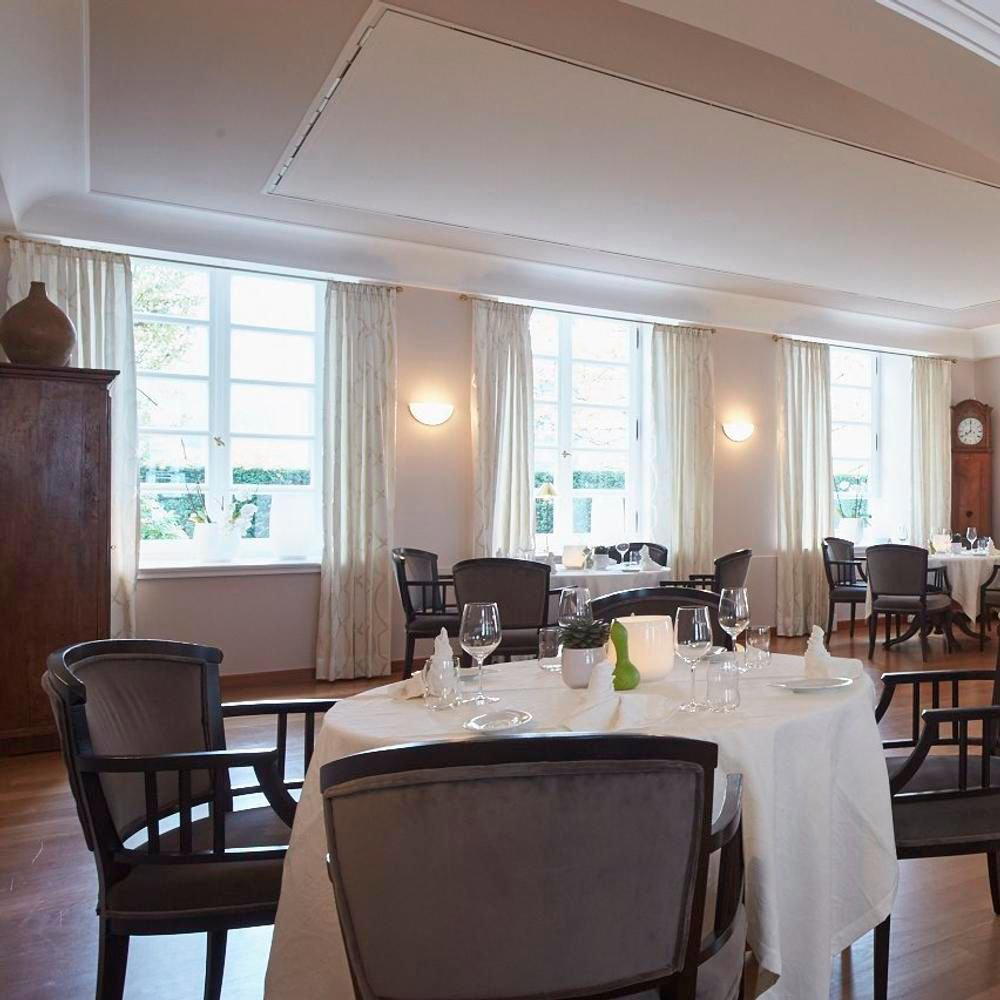
Restaurants in Overath
All restaurants in Overath →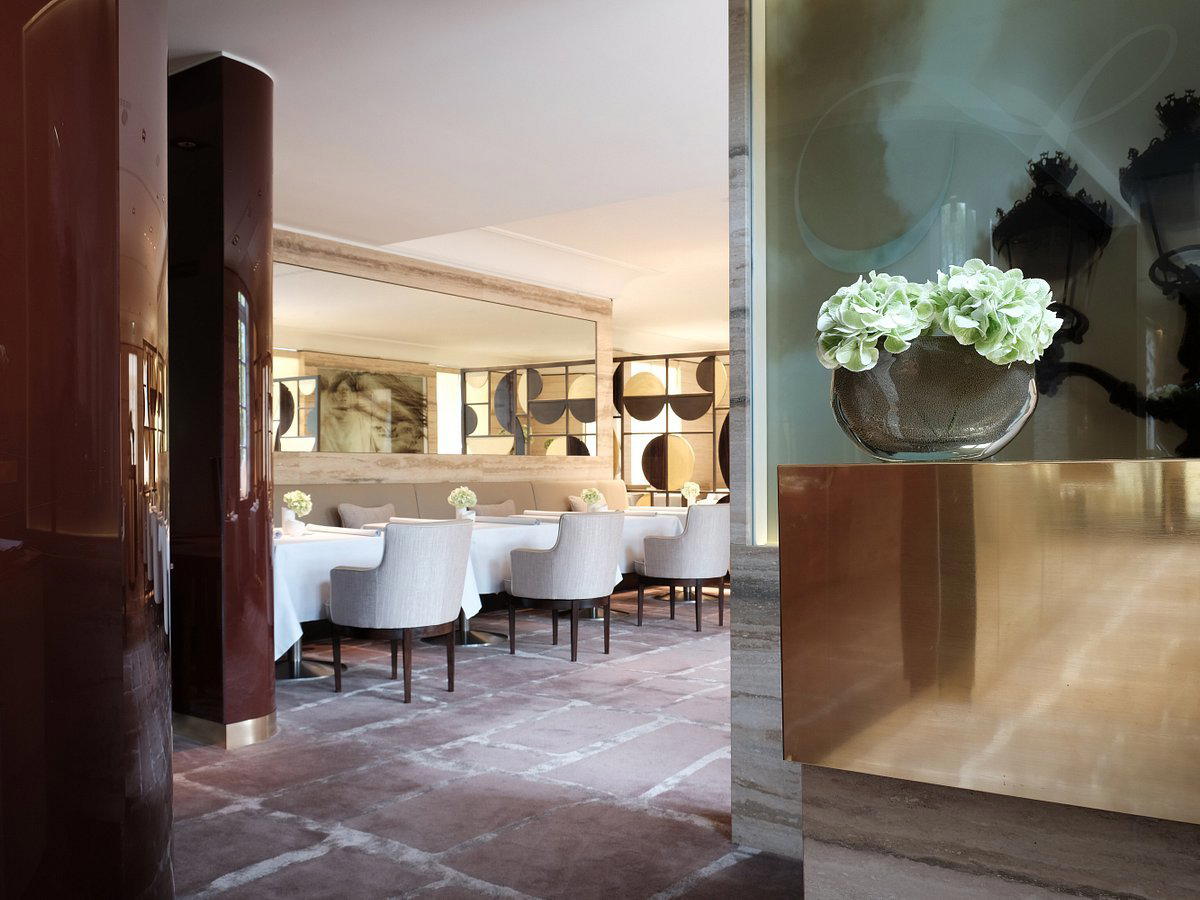
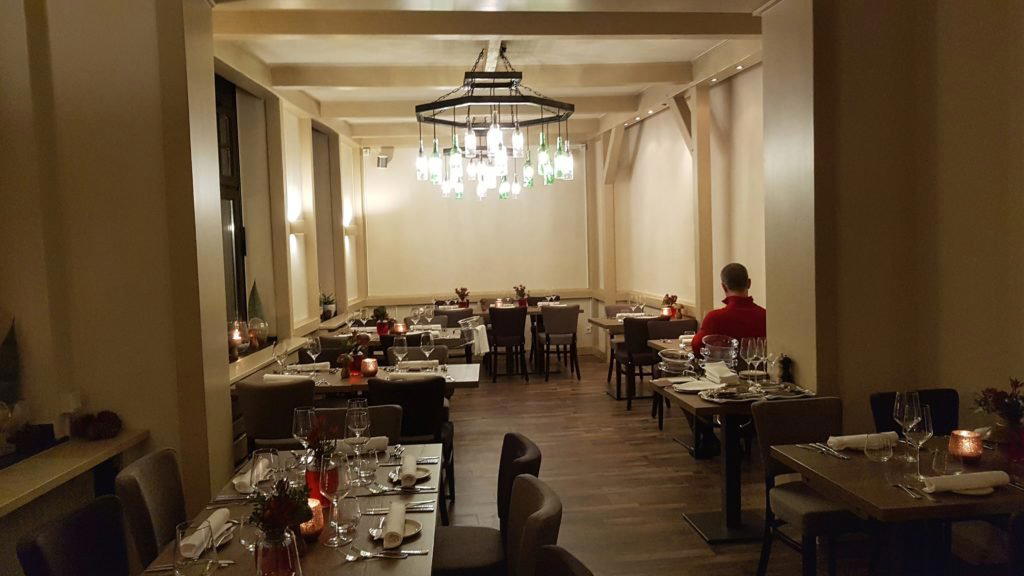
Bars in Overath
Browse all →

Details
- Rustic
- Cozy
- Scenic
- Group Dining
- Family
- Casual Hangout
- Garden
- Terrace
- Beer Program
- Local Sourcing
- Garden
- A La Carte
- Family Style
- Beer
- Vegetarian Friendly
Current opening hours
- Monday
- 6–9 PM
- Tuesday
- Closed
- Wednesday
- Closed
- Thursday
- 6–9 PM
- Friday
- 6–9 PM
- Saturday
- 12–2 PM, 5–9 PM
- Sunday
- 12–2 PM, 5–8 PM
Hours can change for holidays and private events. Last verified .
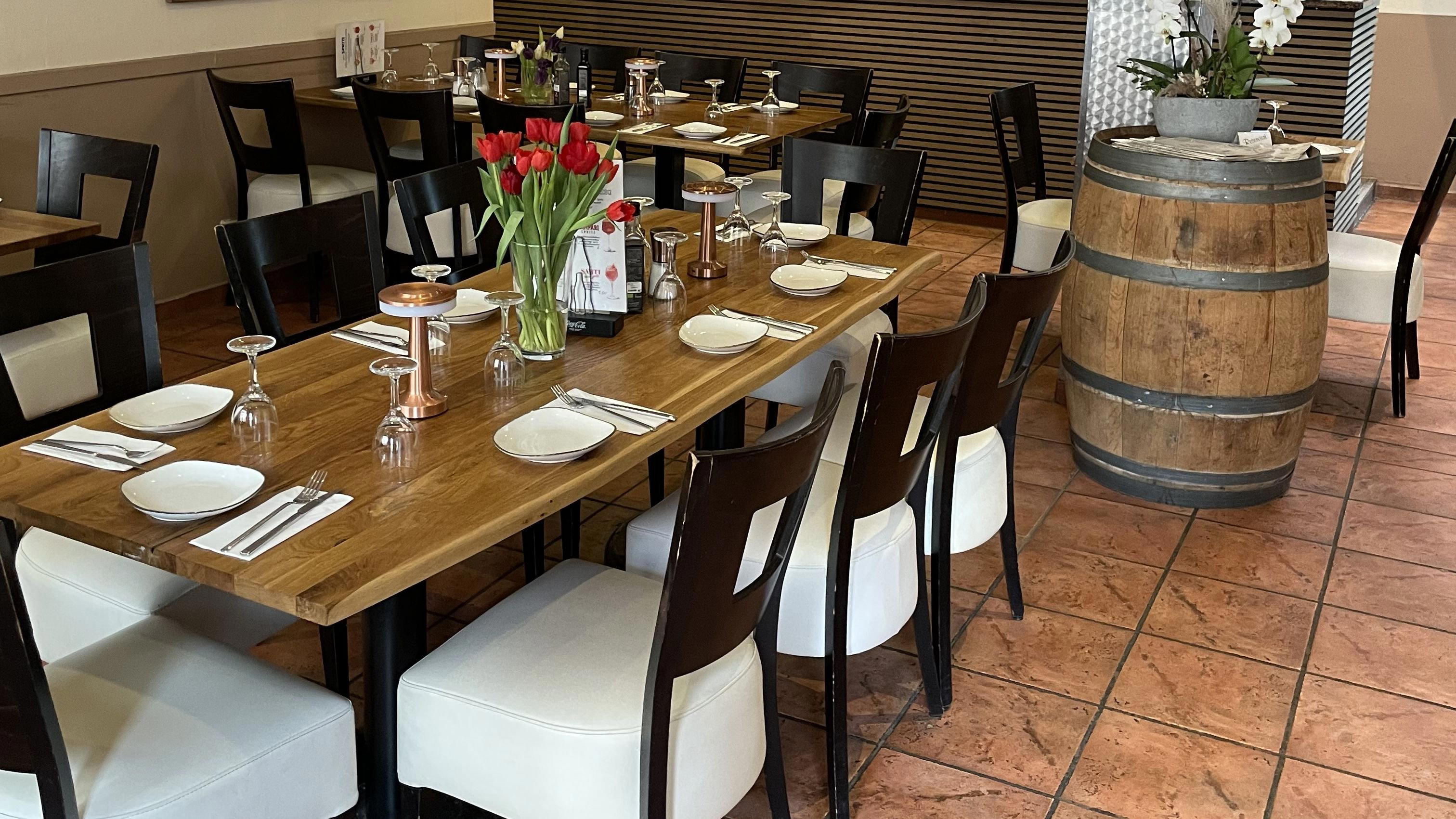
Relaxed and welcoming atmosphere with natural surroundings, combining casual dining with outdoor beer garden ambiance.