De Fressbud serves German Street Food at Eigelstein 78, with Currywurst, Spiessbraten and Bratwurst for lunch or dinner in a casual, conversational setting.
Pearl is the En Primeur Club membership app — saves, bookings, and concierge access live there. Same editors, same standards.
- Address
- Eigelstein 78, 50668 Köln, Germany
- Phone
- +49 221 123928
- Website
- defressbud.eatbu.com
- Directions
- Get directions
 Saves & bookings on Pearl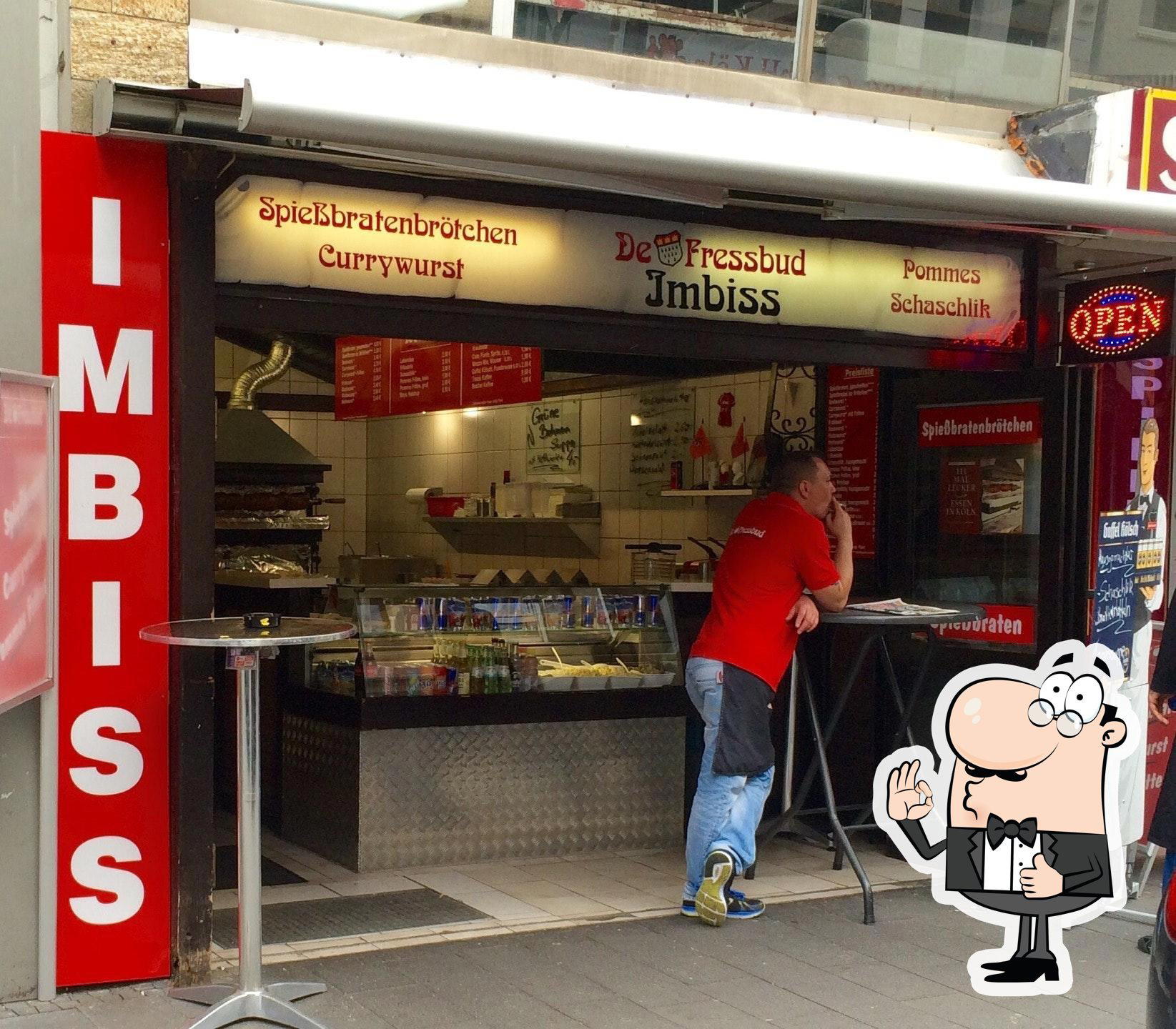
Eigelstein and the Casual End of Cologne Eating
The Eigelstein corridor, running north from Cologne's medieval ring road toward the Eigelstein Torburg gate, has long operated as a counterweight to the city's more polished dining districts. Where the Altstadt delivers tourist-facing Kölsch halls and the Belgian Quarter supplies design-conscious modern restaurants, Eigelstein moves at a more workday rhythm: butchers, bakeries, neighbourhood bars, and the kind of unpretentious eating houses that locals return to weekly rather than reserve months in advance. De Fressbud sits at number 78 along this stretch, its address placing it squarely inside the casual, neighbourhood-facing tier of Cologne dining rather than anywhere near the €€€€ tasting-menu circuit occupied by Ox & Klee or La Cuisine Rademacher.
Cologne's dining conversation in recent years has concentrated heavily on its fine-dining density, with Vendôme in nearby Bergisch Gladbach and a cluster of ambitious modern-cuisine restaurants pushing the city's regional profile upward. But cities don't sustain serious food cultures through their trophy tables alone. The neighbourhood spots that source carefully, cook honestly, and price accessibly are the substrate on which the celebrated rooms depend. De Fressbud operates in that substrate.The Fressbud Tradition: What the Name Carries
The German word Fressbude or Fressbud is colloquial and deliberately unrefined, roughly translating to a food stall or snack stand with some irreverence baked in. As a restaurant name, it signals intent clearly: this is not a place positioning itself around ceremony. The naming convention situates De Fressbud inside a proud Rhineland tradition of direct, unpretentious eating, where the quality of what arrives on the plate matters more than the vocabulary used to describe it on a menu. That tradition runs through Cologne's street-food culture and its Kneipe scene, and it connects De Fressbud to a lineage of eating that predates the city's current fine-dining ambitions by several generations.
Ingredient sourcing in this tier of German urban dining tends to follow a specific logic. Without the budget allocations of a tasting-menu kitchen, sourcing decisions become more visible: what a kitchen chooses to spend on, and what it sources locally versus regionally, communicates its priorities in a way that larger, higher-margin operations can obscure behind elaborate technique. Germany's regional food networks, particularly in North Rhine-Westphalia, include strong butchery traditions, solid market-garden supply chains in the Rhine lowlands, and a dairy and bread culture that translates well into casual, ingredient-led cooking. Venues in Cologne at this price tier that choose their suppliers carefully tend to punch above their apparent station. That is the standard against which the restaurant is leading measured.
Cologne's Casual Dining Tier in Competitive Context
The city's upper bracket, home to La Société and maiBeck, serves a different reader decision entirely. For visitors primarily interested in Cologne's most ambitious cooking, those rooms and are the relevant reference point. Internationally, the gap between neighbourhood casual and Michelin-tracked fine dining is illustrated by the distance between a room like Le Bernardin in New York City and the unreserved bistros that feed the same neighbourhoods. Germany's own spectrum runs from Schwarzwaldstube in Baiersbronn and Aqua in Wolfsburg at the decorated end to the everyday eating houses that make German food culture genuinely accessible. The restaurant occupies the latter position, and that position has genuine value for a certain type of traveller.
Eigelstein's stretch includes a higher proportion of long-standing local businesses than the more rapidly gentrifying Belgian Quarter, and the foot traffic reflects that: residents rather than destination-seeking visitors, lunch trade alongside dinner, a pace that doesn't require a reservation several weeks out. Within that context, a venue that maintains standards around sourcing and cooking quality without inflating its price point or aesthetic becomes a functional anchor for the street.
What Careful Sourcing Looks Like at This Level
Germany's food-supply infrastructure is better than its restaurant reputation sometimes suggests internationally. North Rhine-Westphalia's proximity to Dutch and Belgian agricultural regions gives Cologne kitchens access to good produce year-round. The Rhineland's own butchery culture, which includes regional specialities around offal and cured meats, provides a foundation that kitchens sourcing locally can draw on without significant cost overhead. In casual restaurant formats, this tends to surface as daily specials built around what arrived that morning, shorter menus that rotate with seasonal availability, and a willingness to serve cuts and preparations that higher-margin kitchens avoid because they require more explanation to a tasting-menu clientele. The tradeoff is that the sourcing story is harder to read from outside. You have to sit at the table and order to understand where a kitchen's priorities actually lie.
That opacity is partly why neighbourhood venues like De Fressbud attract local repeat custom more readily than destination visitors. The regulars have already done the calibration work. For a first-time visitor, the Eigelstein address and the naming convention are the available signals, and both point toward an eating experience built around directness rather than elaboration.
Planning Your Visit
The restaurant's address at Eigelstein 78 in the 50668 postal zone is walkable from Cologne's main train station in under fifteen minutes, making it a plausible option for visitors staying centrally who want to eat outside the tourist-facing Altstadt radius. The Eigelstein street itself is well-served by Cologne's tram network, with stops on the ring road reducing the walk further. Walk-in service is the expected approach here.
Visitors using the restaurant as part of a broader Cologne eating itinerary might pair it with Le Moissonnier Bistro for a sense of how the city's French-influenced casual tier operates, or contrast it against the more considered modern cooking at JAN in Munich if a cross-city comparison is useful. Germany's dessert-focused innovation, exemplified by CODA Dessert Dining in Berlin, and the precision cooking at ES:SENZ in Grassau, Schanz in Piesport, Waldhotel Sonnora in Dreis, Restaurant Haerlin in Hamburg, and Victor's Fine Dining by Christian Bau in Perl illustrate the range of ambition across German dining, against which a Rhineland neighbourhood spot like De Fressbud represents a deliberately different register. And for those who want to see how the community-table format translates to an American city context, Lazy Bear in San Francisco offers a useful counterpoint.
Comparison Snapshot
Comparable venues nearby, for context on price, style, and recognition.
| Venue | Cuisine | Price | Notes |
|---|---|---|---|
| De FressbudThis venue — the venue you are viewing | German Street Food | $$ | Not listed |
| Restaurant Zum Buchheimer Kreuz | Croatian Balkan Grill | $$ | Buchheim |
| Augustin | Modern German-French Brasserie | $$$ | Altstadt/Nord |
| Krasse Curry Vurst by Daniel Gottschlich | Vegan German Currywurst | $ | Altstadt/Süd |
| Markthalle Körnerstraße | German Market Hall Bistro with Turkish Döner | $$ | Ehrenfeld |
| Curry Rico | Vegan Currywurst | $ | Altstadt/Nord |
Continue exploring
More in Cologne
Restaurants in Cologne
Browse all →
Bars in Cologne
Browse all →

Hotels in Cologne
Browse all →

At a Glance
- Lively
- Casual
- Casual Hangout
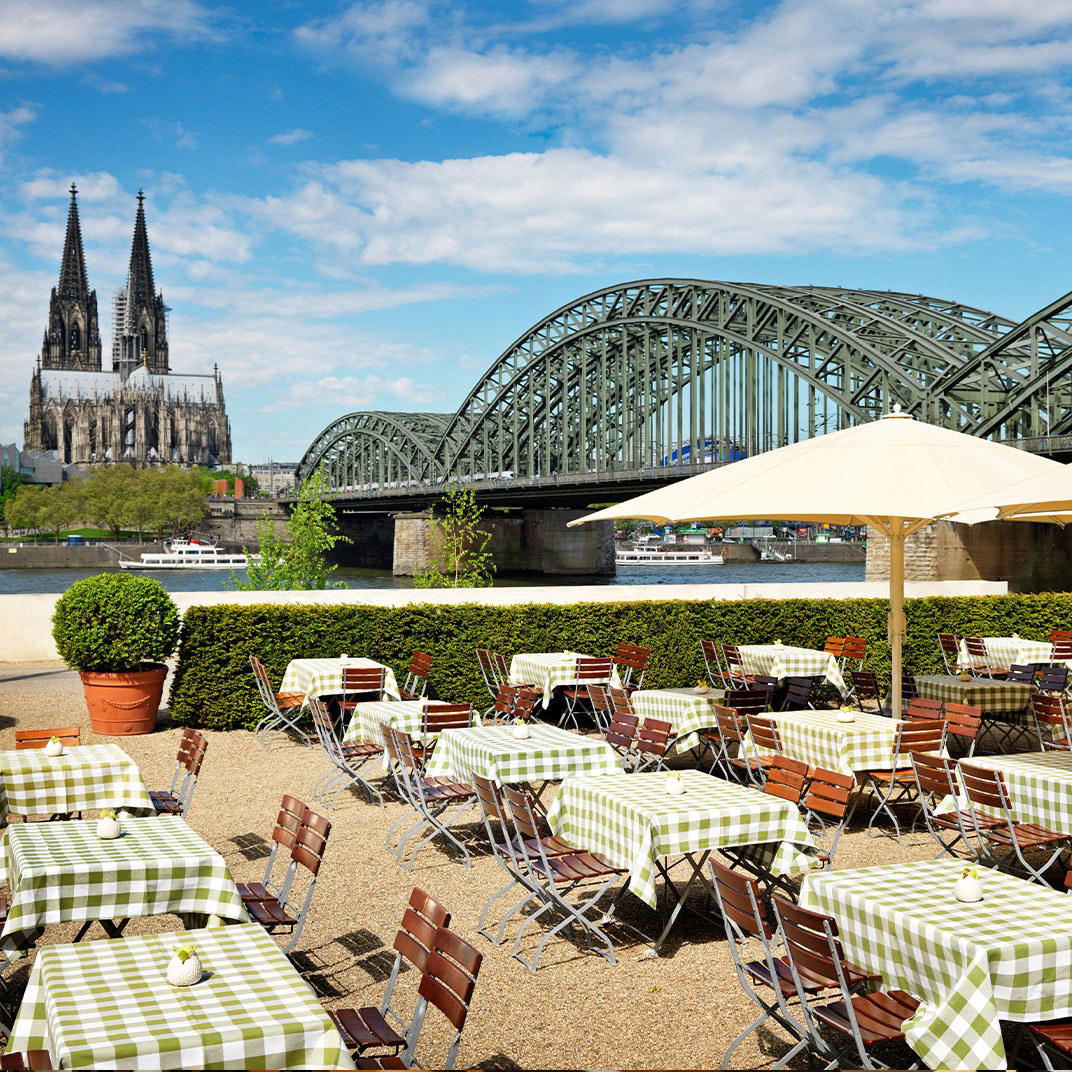
Casual street food atmosphere with friendly staff and excellent outdoor seating for people-watching.