Kriegsfuss sits on Bendahler Strasse in Wuppertal's eastern residential fabric, operating at a remove from the city's more trafficked dining corridors. The venue's address places it within a neighbourhood where independent operators outnumber chain concepts, and where local reputation carries more weight than marketing reach. Specific cuisine, pricing, and booking details are best confirmed directly with the venue.
Pearl is the En Primeur Club membership app — saves, bookings, and concierge access live there. Same editors, same standards.
- Address
- Bendahler Str. 136, 42285 Wuppertal, Germany
- Phone
- +492022544211
- Website
- kriegs-fuss.de
- Directions
- Get directions
 Saves & bookings on Pearl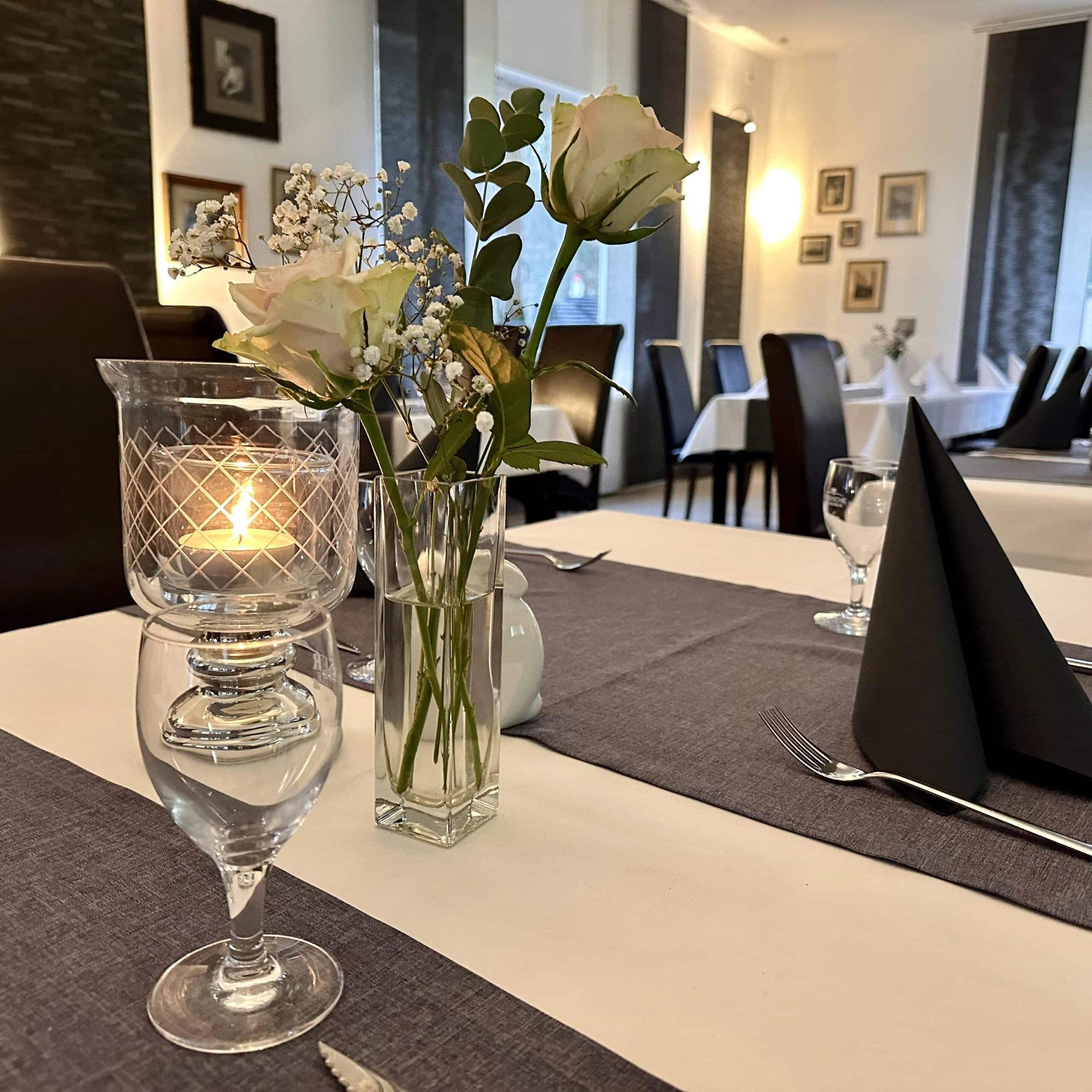
Wuppertal's Quieter Dining Register
Germany's mid-sized cities have developed a dining pattern that larger urban centres rarely replicate cleanly: the neighbourhood restaurant that builds a sustained local following without the visibility infrastructure of a Michelin listing or a major-city press circuit. Wuppertal fits this pattern more than most. Strung along a valley between Düsseldorf and Dortmund, with the Schwebebahn overhead as its most recognisable feature, the city has always operated at a frequency that rewards the attentive visitor over the casual one. Its restaurant culture reflects that: smaller rooms, operators who know their regulars, and a resistance to the kind of concept-led openings that define larger German cities.
Kriegsfuss, located at Bendahler Strasse 136 in the Barmen district, sits squarely within this register. The address is residential in character, the kind of street where a restaurant earns its place through consistency rather than foot traffic. Barmen, historically the industrial and commercial twin to Elberfeld before the two merged into greater Wuppertal in the early twentieth century, carries a working-class civic pride that still shapes the neighbourhood's commercial texture. Independent operators here are not trading on a gentrification wave; they are serving a community that has been there for decades.
What the Address Signals
In German restaurant culture, the Bendahler Strasse address type is a specific signal. This is not a destination street in the Michelin-tour sense, nor is it a tourist corridor. Restaurants in this position survive on return visits and word-of-mouth within a defined catchment. That operating model tends to produce a different kind of hospitality than a city-centre room angling for first-time visitors: the service is more familiar, the menu more stable, the atmosphere shaped by the regulars who appear on a Tuesday rather than the out-of-towners who arrive on a Saturday.
Wuppertal's dining scene, when mapped against the broader Rhineland, occupies an interesting middle tier. The region's premium fine dining gravitates toward Vendôme in Bergisch Gladbach, within reasonable driving distance to the south, while the city itself has developed a more grounded independent sector. That sector includes places like Shiraz, which occupies the creative end of Wuppertal's dining spectrum at the €€€€ tier, and 79°, which takes a farm-to-table approach at the more accessible €€ price point. Kriegsfuss operates somewhere within this local ecology, though its specific price positioning and format require direct verification.
The Cultural Logic of the Neighbourhood Restaurant
The neighbourhood restaurant as a category has a particular resonance in German culinary culture. Unlike the French bistro tradition, which carries its own codified aesthetic and menu logic, or the Italian trattoria, which exports its identity internationally, the German Gasthaus and its contemporary successors define themselves primarily through relationship to place and community. The food may draw on any number of traditions, German regional or international, but the operating logic is local. This is a restaurant for the neighbourhood first, and for visitors second.
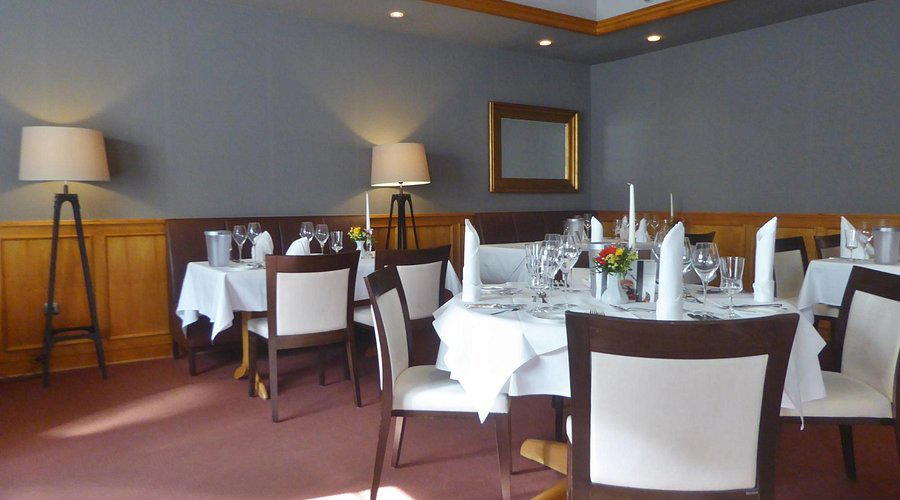
That cultural positioning has practical consequences. Menus in this category tend to reflect seasonal availability and supplier relationships built over years rather than quarterly trend cycles. The room is configured for comfort rather than Instagram geometry. Pricing, where verifiable, typically reflects the local economy rather than a premium urban market. For the visitor arriving from outside Wuppertal, this means the experience is likely to feel more honest and less performed than a comparable spend in a concept-driven city-centre room.
Germany's broader fine dining geography, from Aqua in Wolfsburg to Schwarzwaldstube in Baiersbronn, tends to concentrate its critical recognition in resort settings or major business cities. Places like Restaurant Haerlin in Hamburg or JAN in Munich operate within established media and award-circuit frameworks. Wuppertal sits outside that circuit, which means that independent operators here build reputation through a different mechanism: the accumulated endorsement of local diners rather than the credentialling machinery of the national food press.
Wuppertal in the Rhineland Dining Frame
For visitors travelling the Rhineland corridor, Wuppertal is frequently treated as a transit point between Düsseldorf's well-documented restaurant scene and the Sauerland or Bergisches Land to the east. That framing undersells the city's independent dining density. Alongside Kriegsfuss, the local independent sector includes Esskultürk and Katik Wuppertal, each building its own local following, as well as Meson Alegria on the Spanish end of the spectrum. The city's restaurant map, taken together, reflects the multicultural industrial history of the Wupper valley as clearly as any civic document: waves of migration from southern Europe, Turkey, and beyond have left their mark on what gets cooked and served here.
Germany's contemporary mid-city dining scene, including the kind of operator that Kriegsfuss appears to represent, sits in an interesting moment. Nationally, there is growing critical attention on restaurants outside the established fine-dining centres, with operations like Schanz in Piesport and ES:SENZ in Grassau demonstrating that serious cooking happens well beyond Munich, Berlin, and Hamburg. Within that broader shift, Wuppertal's independent operators occupy a tier where local credibility matters more than national profile.
Planning a Visit
Because Kriegsfuss operates without a publicly listed phone number, website, or confirmed hours in available records, one reliable approach is to visit in person or to contact the venue through local directories before making a dedicated journey. The Bendahler Strasse address in Barmen is accessible by tram from central Wuppertal, and the district is navigable on foot. Visitors with dietary requirements or allergy concerns should raise these directly with the venue at the point of booking or first contact, as there is no published information on menu flexibility or ingredient sourcing. Pricing, format, and seasonal availability are similarly leading confirmed at source. For a broader picture of what Wuppertal offers across different price points and cuisines, the EP Club Wuppertal restaurants guide covers the city's independent dining in fuller detail.
For those building a wider German itinerary, the contrast between Wuppertal's neighbourhood register and the nationally recognised programmes at CODA Dessert Dining in Berlin, Victor's Fine Dining by Christian Bau in Perl, or Waldhotel Sonnora in Dreis is instructive. The country's dining range runs from three-star destination cooking to the kind of community-anchored independent that Kriegsfuss appears to represent, and both ends of that spectrum have their own validity. Internationally, the distance between a neighbourhood room in Barmen and the technical precision of Le Bernardin in New York City or the tasting-menu rigour of Atomix is not just geographical; it reflects a fundamentally different relationship between a restaurant and its community.
How kriegsfuss Wuppertal compares with similar nearby venues.
| Venue | Cuisine | Price |
|---|---|---|
| 79 ° | Farm to table | €€ |
Continue exploring
More in Wuppertal
Restaurants in Wuppertal
Browse all →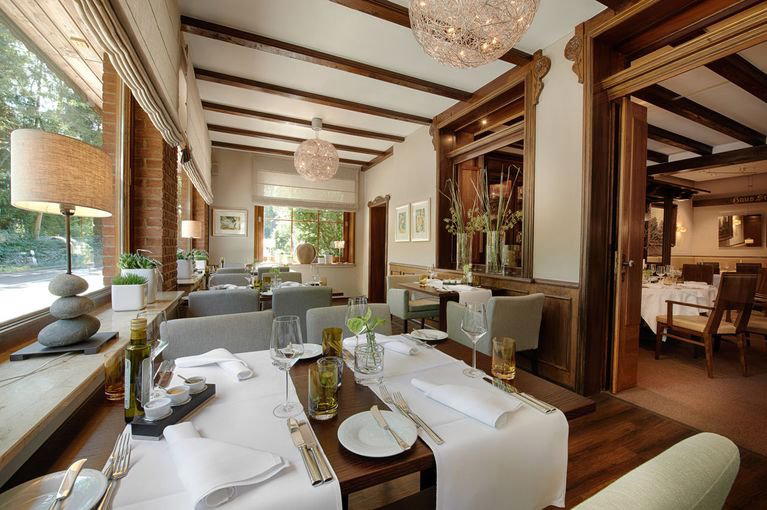
Bars in Wuppertal
Browse all →
Hotels in Wuppertal
Browse all →
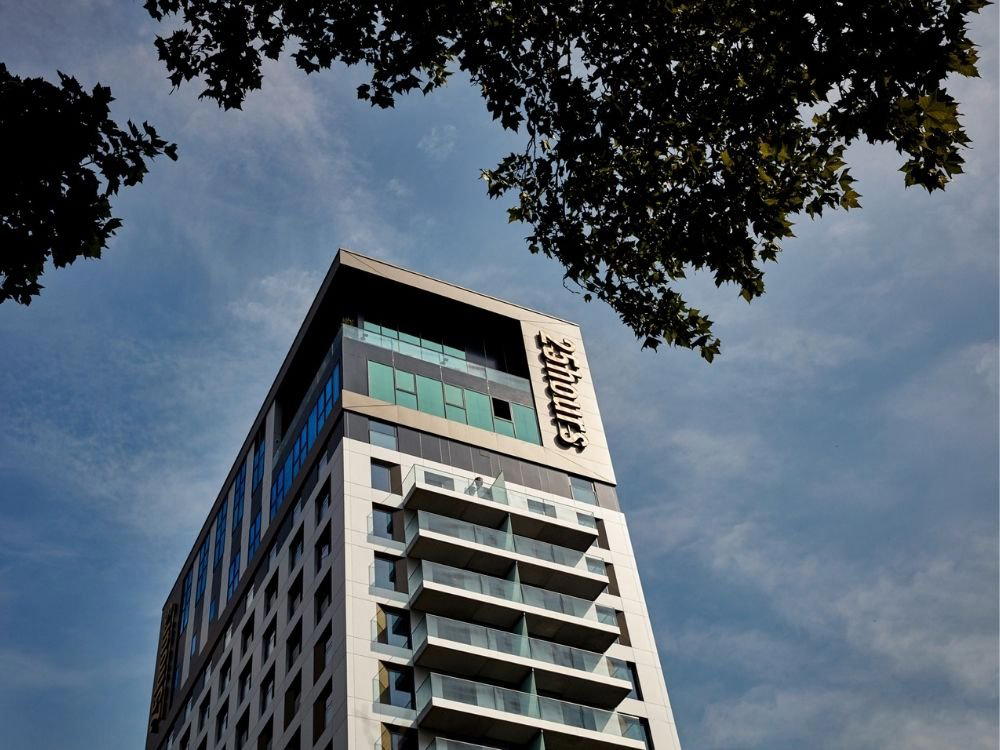
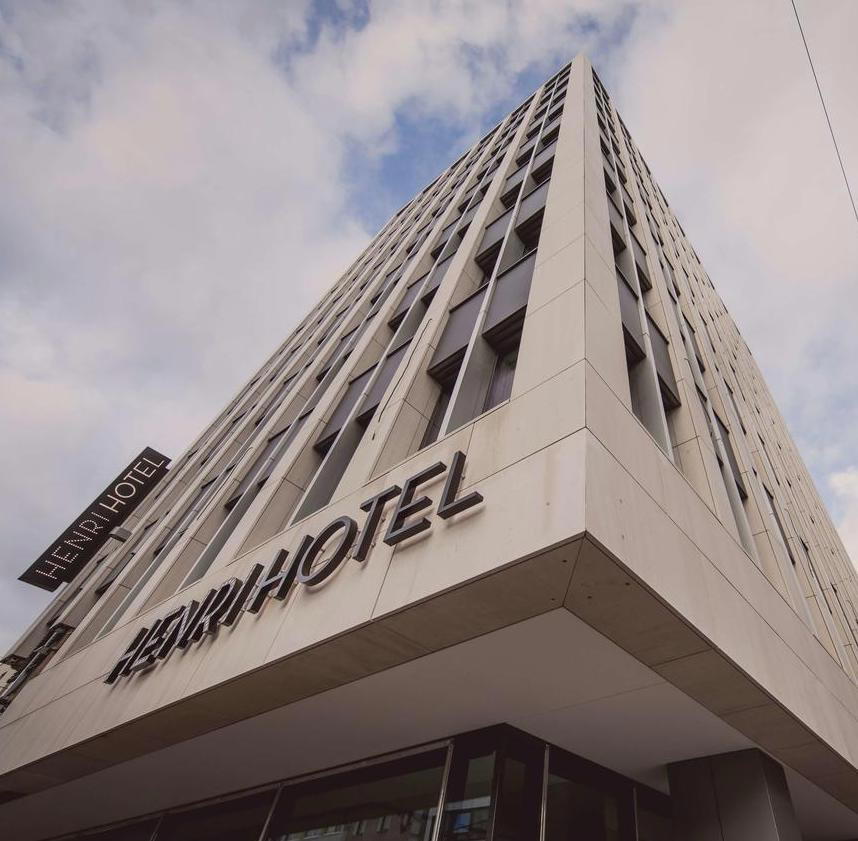
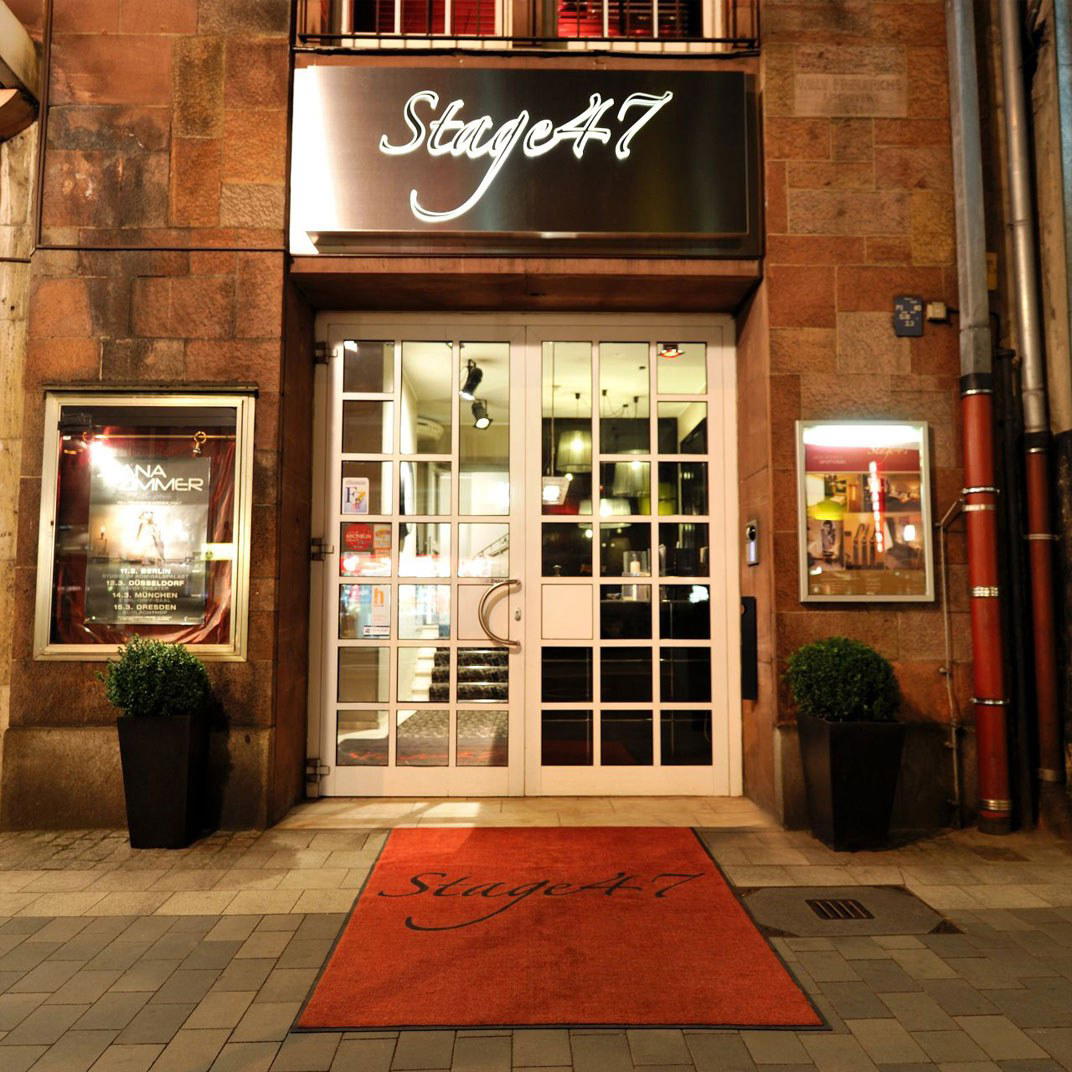
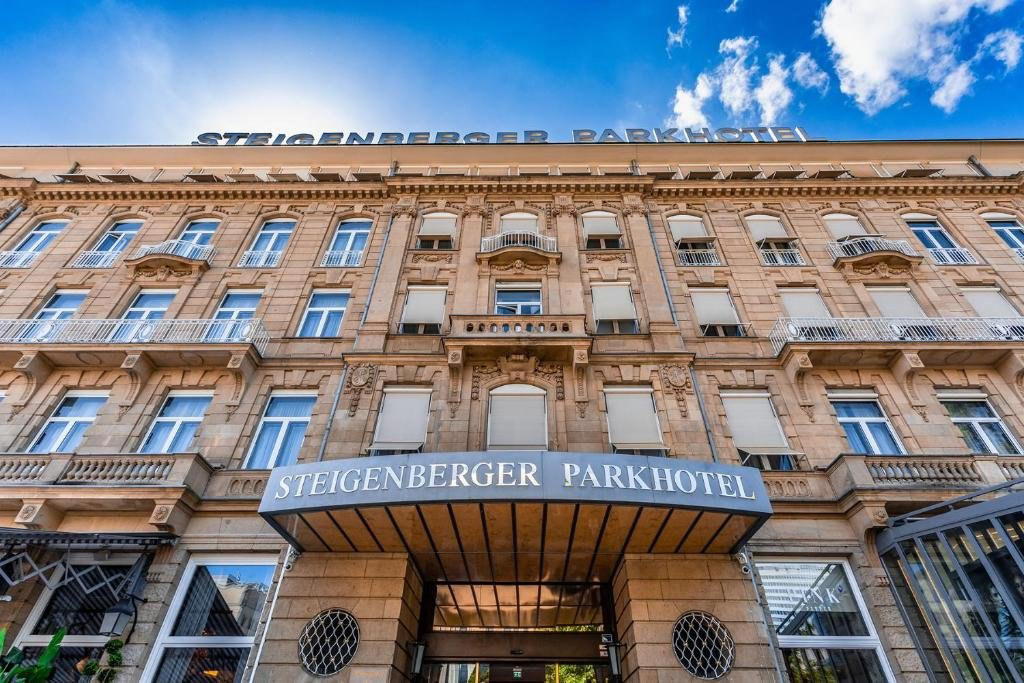
Wineries in Wuppertal
Browse all →
At a Glance
- Cozy
- Group Dining
- Celebration
- Brunch
- Terrace
Current opening hours
- Monday
- Closed
- Tuesday
- 5–10 PM
- Wednesday
- 5–10 PM
- Thursday
- 5–10 PM
- Friday
- 5–10 PM
- Saturday
- 5–10 PM
- Sunday
- 11 AM–3 PM
Hours can change for holidays and private events. Last verified .
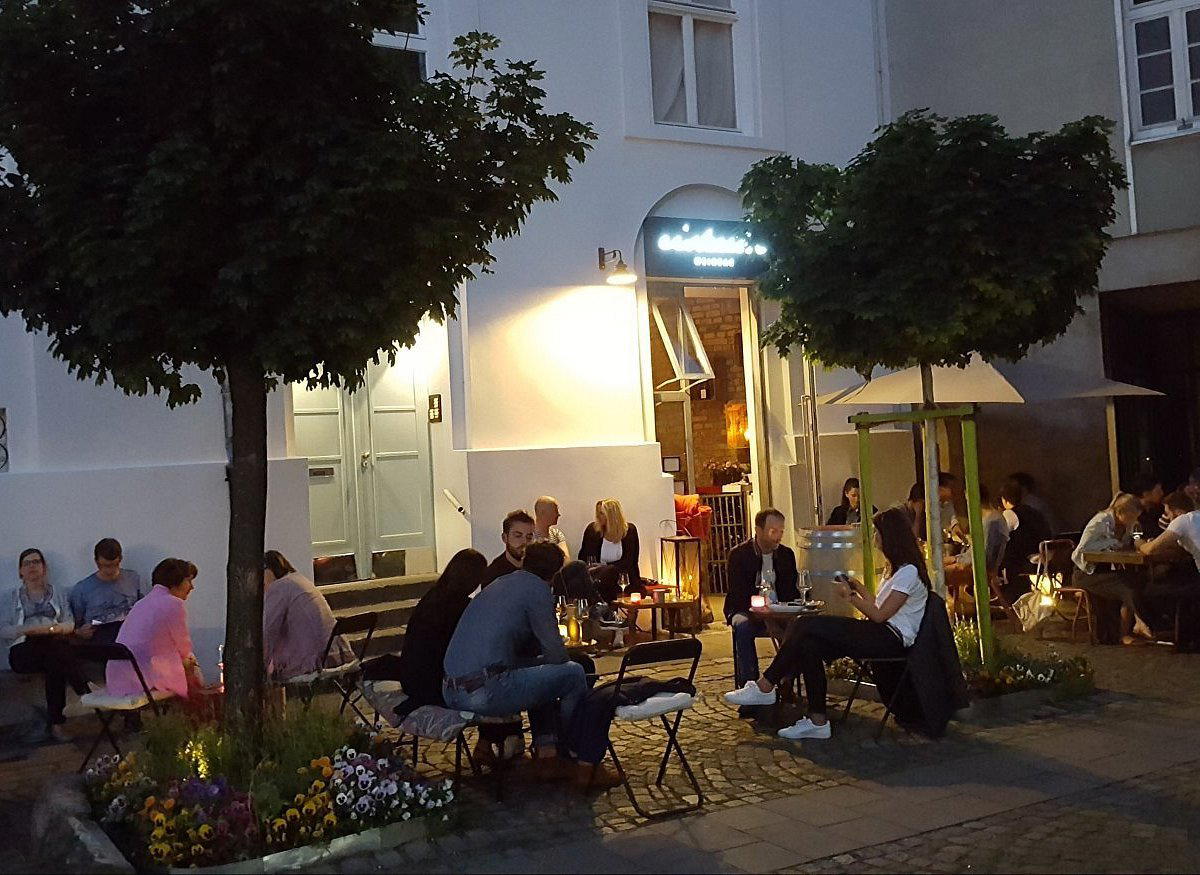
Relaxing atmosphere with terrace seating