Multi-Cuisine Dining in Padua: Reading the Menu as a Map Via T. Aspetti sits in a residential pocket of Padua's western quarters, away from the tourist circuits concentrated around the Prato della Valle and the Basilica. This part of the city...
Pearl is the En Primeur Club membership app — saves, bookings, and concierge access live there. Same editors, same standards.
- Address
- Via T. Aspetti, 51, 35132 Padova PD, Italy
- Phone
- +393793189323
- Website
- social.quandoo.com
- Directions
- Get directions
 Saves & bookings on Pearl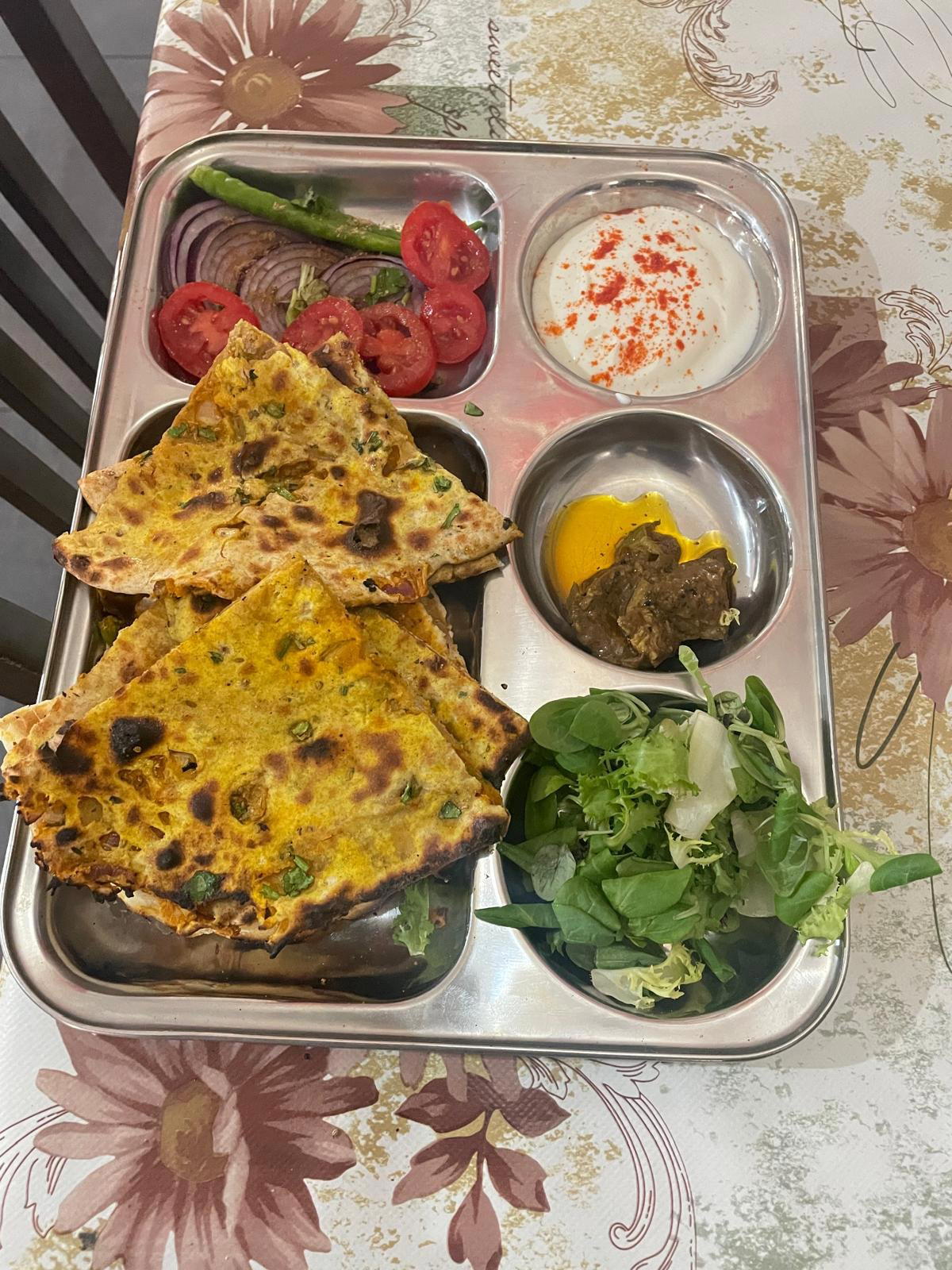
Multi-Cuisine Dining in Padua: Reading the Menu as a Map
Rasa multi cuisine restaurant is an Indian restaurant at Via T. Aspetti 51 in Padua's western quarters, with a casual dress code, a recommended reservation policy, and an average price of about $20 per person. This part of the city runs on neighbourhood rhythms: locals on errands, students from the nearby university faculties, the kind of foot traffic that sustains a restaurant through repeat visits rather than one-off tourist spend. It is exactly the context in which a multi-cuisine format makes practical sense. Rasa multi cuisine restaurant operates on that street, and the format it has chosen says something worth examining about how Padua's mid-market dining scene has developed.
What Multi-Cuisine Means in the Italian Context
In northern Italian cities, the term "multi-cuisine" carries specific weight. Italy's restaurant culture has historically resisted the broad international menus common in London, Amsterdam, or Berlin. The regional identity of Venetian and Paduan cooking, anchored in bigoli, baccalà, and seasonal market produce, has kept most establishments tightly scoped. The emergence of restaurants openly advertising multi-cuisine formats in cities like Padua reflects a shift driven partly by demographic change, partly by the growing appetite among younger Italian diners for formats that move between culinary traditions within a single sitting.
Padua's dining scene sits in a particular competitive position within the Veneto. It lacks the international profile of Venice, where restaurant pricing bends to tourism, but it sustains a serious local dining culture with genuine range. At the higher end, Padua is flanked by some of Italy's most decorated kitchens: Le Calandre in Rubano holds three Michelin stars and operates as a reference point for the entire region. Across northern Italy more broadly, addresses like Osteria Francescana in Modena, Enoteca Pinchiorri in Florence, Dal Pescatore in Runate, and Piazza Duomo in Alba define what precision Italian cooking looks like at its most committed tier. Rasa occupies a different register entirely, and understanding that register is the more relevant frame for the kind of diner it serves.
Menu Architecture and What It Reveals
A multi-cuisine menu is not simply a longer menu. It is a structural argument about what the kitchen believes a diner wants from a single visit. The menu's architecture, how it sequences and groups dishes from different culinary traditions, determines whether the format reads as confident curation or unfocused accommodation. The leading versions of this format treat different culinary systems as parallel conversations rather than a single confused one: a section that operates with Southeast Asian spicing logic alongside a section that follows Mediterranean ingredient discipline, each coherent on its own terms.
In the Padua mid-market, this kind of format competes with restaurants that have tighter, more defined identities. Ai Porteghi Bistrot works a contemporary European register at a comparable price point. Belle Parti holds the classic Paduan cuisine position with considered consistency. Crazy Tuna Tropical Sushi takes a specific Japanese-tropical angle at the more casual end. Rasa's multi-cuisine positioning requires the kitchen to do something harder: earn credibility across more than one tradition rather than depth in one. That is a demanding brief, and the success of such formats tends to rest on sourcing discipline and on a kitchen that understands the internal logic of each cuisine it is drawing from, rather than simply replicating surface-level flavour combinations.
Elsewhere in Italy, restaurants that have managed this most effectively, including some in the creative tier like Enrico Bartolini in Milan or the technically ambitious Atelier Moessmer Norbert Niederkofler in Brunico, do so by anchoring every decision in a strong point of view about ingredients and season, even when the cultural reference moves between traditions. The multi-cuisine format at the neighbourhood level works differently, and its measure of success is a more immediate one: does each dish on the menu feel like it belongs to a coherent culinary system, or does it feel like a translation?
Padua's Neighbourhood Dining Character
The Via T. Aspetti address places Rasa in the kind of quarter that Padua's dining culture depends on for its everyday character. The city's restaurant scene distributes between the historic centre, which draws university crowds and conference visitors, and outlying residential streets that sustain regular local custom. The latter tend to favour approachable pricing, informal service formats, and menus that can be navigated quickly by people who eat out several times a week rather than as a special occasion. A multi-cuisine format in this context functions partly as a practical offer: variety across visits, a menu wide enough that a group with different preferences can each find a comfortable entry point.
For those exploring the broader Padua dining scene, Ai Navigli and Casa Barozzi offer neighbourhood-format alternatives in different registers, while the full Padua restaurants guide maps the wider scene by price tier and cuisine type. At the far end of the ambition spectrum, Uliassi in Senigallia, Reale in Castel di Sangro, and Quattro Passi in Marina del Cantone represent the kind of destination Italian restaurants that require advance planning and travel. Rasa is a different kind of proposition: local, accessible, and shaped by the needs of its immediate neighbourhood rather than a wider dining destination audience.
For international points of comparison on how multi-cuisine formats perform at higher tiers, Le Bernardin in New York City and Atomix in New York City demonstrate what rigorous single-cuisine or cross-cultural discipline looks like when executed at the highest level, a useful reference frame for understanding what separates category-depth from category-range.
Planning Your Visit
Rasa is located at Via T. Aspetti 51 in the 35132 postal district of Padua, accessible by bus from the central station and within reasonable walking distance of the university's western faculties. The neighbourhood setting suggests a format better suited to an informal weekday dinner or relaxed weekend lunch than a special-occasion booking.
Standing Among Peers
Comparable venues nearby, for context on price, style, and recognition.
| Venue | Cuisine | Price | Awards | Notes |
|---|---|---|---|---|
| Rasa multi cuisine restaurantThis venue — the venue you are viewing | Indian | $$ | Not listed | Not listed |
| Belle Parti | Modern Italian Seafood | $$$ | Michelin Plate | historic center |
| UVA | Modern Italian Natural Wine Bistro | $$ | Not listed | Piazza dei Signori |
| Osteria dal Capo | Traditional Veneto | $$ | Not listed | historic Jewish ghetto, town center |
| Nane Della Giulia | Traditional Venetian Trattoria | $$ | Not listed | near Saint Anthony Basilica |
| Crazy Tuna Tropical sushi | Tropical Sushi Fusion | $$ | Not listed | outskirts |
Continue exploring
More in Padua
Restaurants in Padua
Browse all →
Bars in Padua
Browse all →
Hotels in Padua
Browse all →
At a Glance
- Cozy
- Family
- Casual Hangout
- Group Dining
- Beer Program
Current opening hours
- Monday
- Closed
- Tuesday
- 11 AM–2:30 PM, 6–10:30 PM
- Wednesday
- 11:30 AM–2:30 PM, 6–10:30 PM
- Thursday
- 11:30 AM–2:30 PM, 6–10:30 PM
- Friday
- 11:30 AM–2:30 PM, 6–10:30 PM
- Saturday
- 11 AM–2:30 PM, 6–10:30 PM
- Sunday
- 11:30 AM–2:30 PM, 6–10:30 PM
Hours can change for holidays and private events. Last verified .
Simple, clean, and quiet atmosphere conducive to conversation.