On the banks of Padua's canal network, Ai Navigli occupies a stretch of the city where riverside dining has long defined neighbourhood life. The address on Riviera Tiso da Camposampiero places it within walking distance of the historic centre, making it a practical anchor for anyone mapping the city's trattoria and osteria scene. It sits in a mid-range tier alongside contemporaries like Ai Porteghi Bistrot and Enotavola Pino.
Pearl is the En Primeur Club membership app — saves, bookings, and concierge access live there. Same editors, same standards.
- Address
- Riviera Tiso da Camposampiero, 11, 35122 Padova PD, Italy
- Phone
- +393480807820
- Website
- ainavigli.com
- Directions
- Get directions
 Saves & bookings on Pearl
The Canal Side and What It Implies About the Food
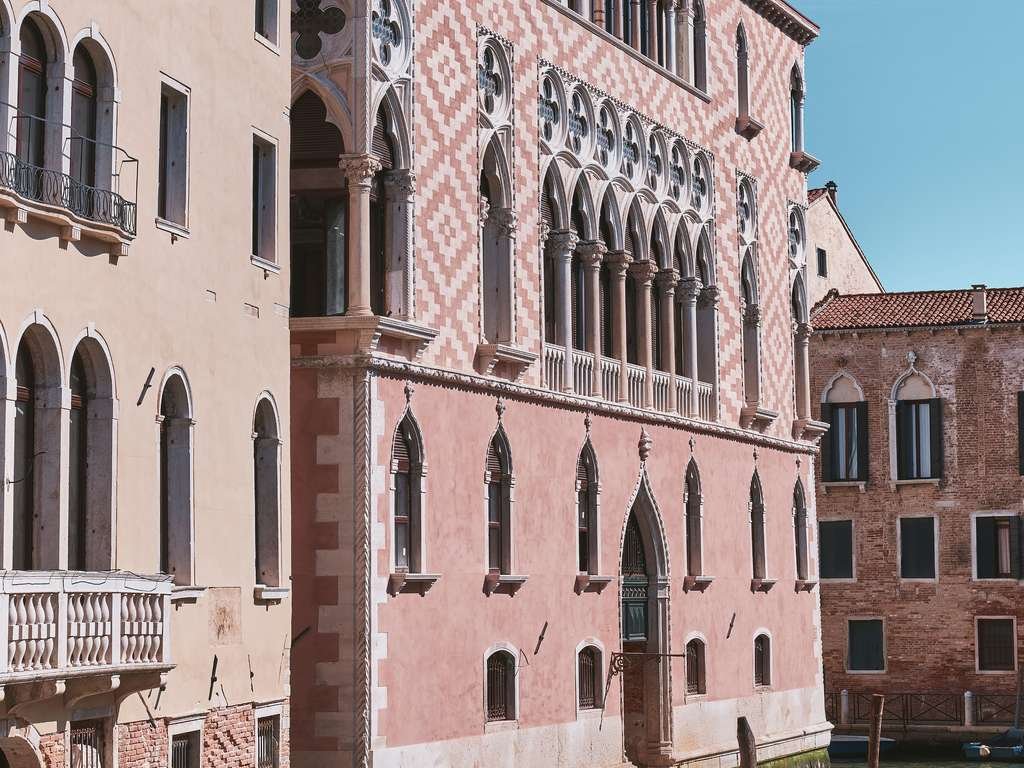
Padua's navigli, the network of canals that once moved goods between the Veneto interior and the lagoon, gave working neighbourhoods their character long before the city became a university town. The riviera addresses along these waterways developed a particular dining culture: practical, ingredient-led, tied to the rhythms of market supply rather than culinary fashion. Restaurants that set up along stretches like Riviera Tiso da Camposampiero inherited that logic, whether they chose to or not. The canal shapes what a kitchen is expected to do.
Ai Navigli sits at number 11 on that riviera, in a part of Padua that is quieter than the tourist-dense zones around the Basilica di Sant'Antonio or the Prato della Valle. That address matters when thinking about sourcing: neighbourhoods like this sustain restaurants through repeat local custom, which tends to push kitchens toward consistency and seasonal rotation rather than fixed menus designed for first-time visitors.
How Padua Positions Itself in the Veneto Dining Conversation
The Veneto is one of Italy's most texturally complex food regions, and Padua is often overshadowed by Verona's wine tourism and Venice's international draw. That relative quietness has kept the city's better restaurants oriented toward the regional canon: bigoli in salsa, baccalà mantecato, risotto prepared with Vialone Nano rice from the nearby lowlands, and meat preparations that reflect the Euganean Hills and the Po plain to the south. These are not fashionable reference points in the international food press, but they represent a sourcing geography that serious cooks in the city understand well.
The Padua restaurant scene in the mid-price bracket, the €€ tier where most neighbourhood restaurants compete, spans a range from contemporary bistrot formats like Ai Porteghi Bistrot to more traditional tables such as Belle Parti, which leans into classic Veneto cuisine. Seafood-focused options like Enotavola Pino reflect the city's proximity to the Adriatic supply chain. Ai Navigli occupies the same general price register without carrying the award recognition that distinguishes the city's more ambitious tables at the €€€ level, where kitchens like Stefano Mocellin al Padovanino push toward creative territory.
For comparison at the far end of the regional ambition spectrum, Le Calandre in Rubano, just outside Padua and one of the Veneto's most decorated kitchens, operates in a different category entirely. Understanding where neighbourhood restaurants sit relative to that tier clarifies what they are for: consistent regional cooking, accessible pricing, and the kind of familiarity that rewards repeat visits.
Ingredient Sourcing as the Organizing Principle of Veneto Cooking
Across northern Italy, the restaurants that age well tend to be those whose menus are organized around supply rather than around fixed dishes. The Veneto's agricultural density makes this approach viable in ways that other Italian regions cannot always match: IGP-certified Vialone Nano rice from Isola della Scala, radicchio from Treviso and Chioggia with protected status, asparagus from Bassano del Grappa, and a continuous Adriatic fish supply through the Chioggia market give Veneto kitchens a sourcing calendar that changes through the year.
Restaurants positioned along Padua's canal corridors have historically operated close to that supply logic, partly because of proximity to the Piazza delle Erbe market and the city's wholesale infrastructure. Whether a given kitchen exploits that geography with discipline or defaults to a fixed menu regardless of season is the operative question for any restaurant in this category. Nationally, the kitchens most associated with rigorous regional sourcing, Dal Pescatore in Runate, Uliassi in Senigallia for Adriatic produce, or Reale in Castel di Sangro for mountain-territory sourcing, treat ingredient geography as an explicit editorial position. Neighbourhood restaurants work from the same principle at a different scale and price point.
The Italian tradition of letting raw material quality carry the plate, rather than obscuring it with technique, is more demanding than it appears. At Osteria Francescana in Modena or Piazza Duomo in Alba, that philosophy operates under extraordinary resource conditions. At a canal-side osteria in Padua, it requires a kitchen that knows the market and a front-of-house that can communicate what is in season without over-explaining it.
Planning a Visit: Practical Orientation
Ai Navigli is located at Riviera Tiso da Camposampiero 11 in Padua's 35122 postal zone, on the western arc of the historic canal system. The address is accessible on foot from the city centre in under fifteen minutes, and the riviera setting means the approach is quieter than the tourist-dense streets around the university quarter. Reservations are recommended.
Padua rewards the kind of trip that moves between different registers: a quick stop at Casa Barozzi for something casual at lunch, a longer evening at a neighbourhood restaurant like Ai Navigli, and a dedicated dinner at one of the city's more structured tables. Anyone arriving from outside the Veneto with broader Italian dining ambitions might benchmark the region against Quattro Passi in Marina del Cantone or Atelier Moessmer Norbert Niederkofler in Brunico for a sense of what Italian fine dining looks like when sourcing philosophy operates at its most rigorous. For seafood precision at the highest level internationally, Le Bernardin in New York City and Enoteca Pinchiorri in Florence provide useful reference points on how ingredient reverence translates across formats. Closer to Padua, Enrico Bartolini in Milan and Lazy Bear in San Francisco show how communal-format restaurants build sourcing narratives into the dining structure itself.
The canal addresses in Padua, in particular, have their own pace, more suited to a second glass of Soave and an extended conversation about the radicchio than to a timed dinner sprint. Crazy Tuna represents the other end of the local spectrum for those who want contrast. The restaurant, as its address and canal-side position suggest, belongs to a different register entirely.
Quick Comparison
Comparable venues nearby, for context on price, style, and recognition.
| Venue | Cuisine | Price | Notes |
|---|---|---|---|
| Ai NavigliThis venue — the venue you are viewing | Modern Italian Seafood | $$$ | Not listed |
| Crazy Tuna Tropical sushi | Tropical Sushi Fusion | $$ | outskirts |
| Rasa multi cuisine restaurant | Indian | $$ | :null |
| Osteria dal Capo | Traditional Veneto | $$ | historic Jewish ghetto, town center |
| Sì Streetalian Food | Italian Street Food & Regional Traditions | $$ | Padua city center |
| UVA | Modern Italian Natural Wine Bistro | $$ | Piazza dei Signori |
Continue exploring
More in Padua
Restaurants in Padua
Browse all →
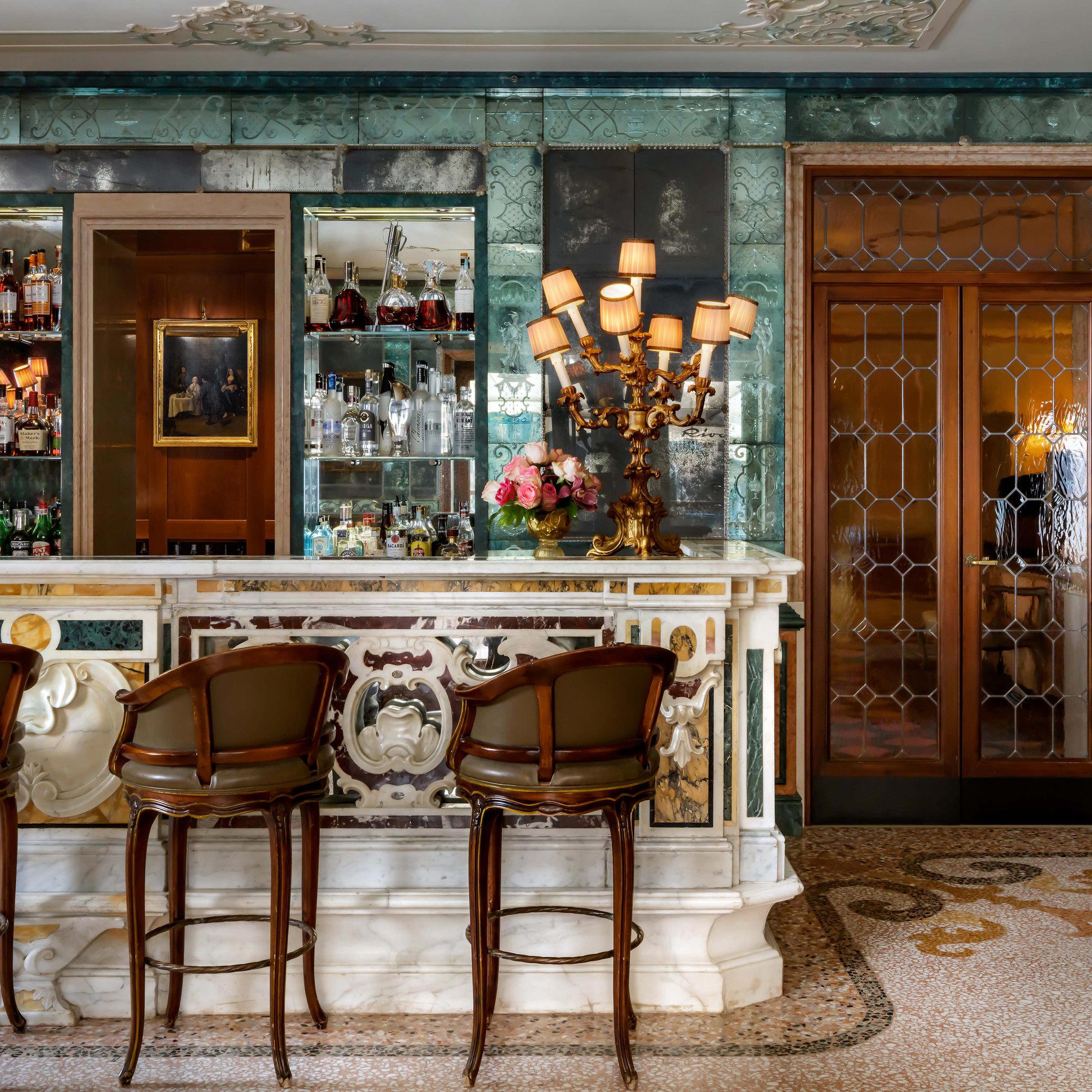
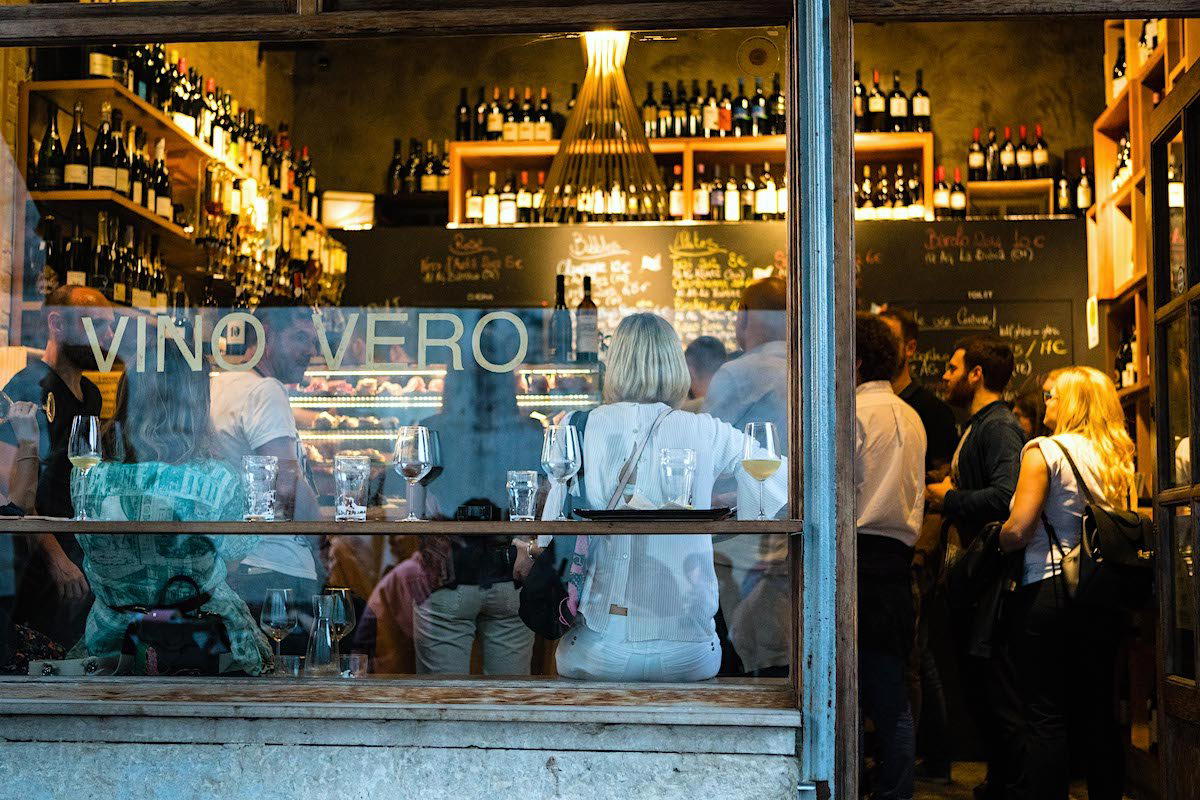
Bars in Padua
Browse all →
Hotels in Padua
Browse all →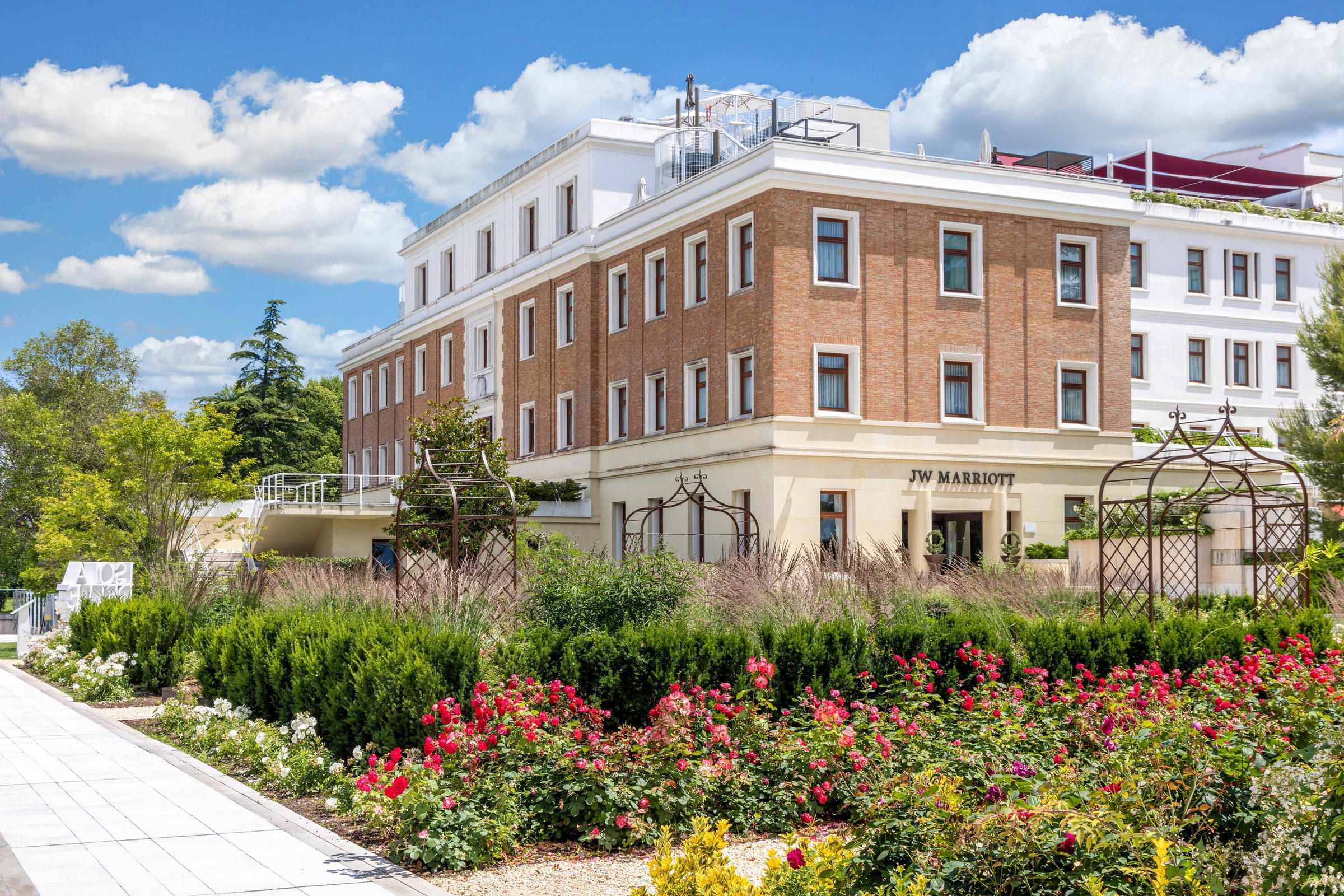
At a Glance
- Sophisticated
- Elegant
- Cozy
- Date Night
- Special Occasion
- Terrace
Current opening hours
- Monday
- 7:30–11:30 PM
- Tuesday
- Closed
- Wednesday
- 7:30–11:30 PM
- Thursday
- 7:30–11:30 PM
- Friday
- 7:30–11:30 PM
- Saturday
- 12:30–2 PM, 7:30–11:30 PM
- Sunday
- 12:30–2 PM, 7:30–11 PM
Hours can change for holidays and private events. Last verified .
Refined and sophisticated with a warm, comfortable atmosphere.