On Via Santa Sofia in central Padua, Nane Della Giulia occupies a place in the city's trattoria tradition that locals tend to guard closely. The address sits within walking distance of the Prato della Valle and the old university quarter, positioning it inside a dining neighbourhood shaped by centuries of academic and civic life. For visitors tracing Padua's table culture beyond its better-publicised neighbours, this is a relevant stop.
Pearl is the En Primeur Club membership app — saves, bookings, and concierge access live there. Same editors, same standards.
- Address
- Via Santa Sofia, 1, 35121 Padova PD, Italy
- Phone
- +393949660742
- Directions
- Get directions
 Saves & bookings on Pearl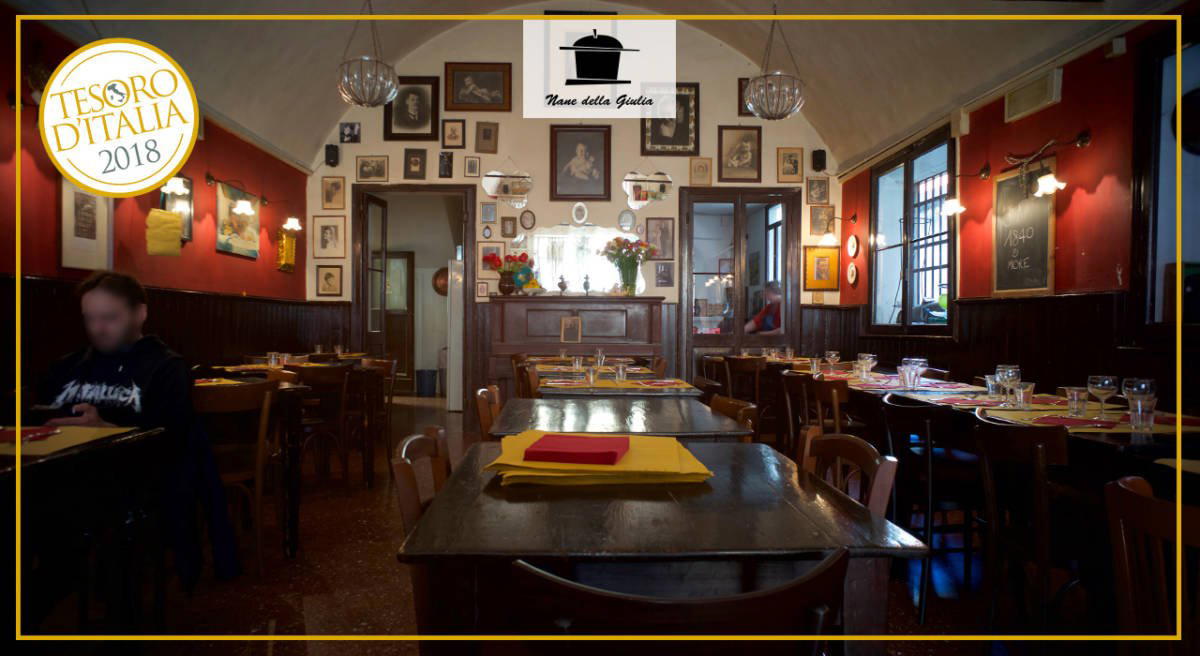
Where the Meal Has a Rhythm of Its Own
Via Santa Sofia runs through one of Padua's older residential and academic quarters, a street where the pedestrian pace hasn't fully adjusted to the tourist circuit. The address sits close to the Basilica di Sant'Antonio and within reach of the Prato della Valle, which means the surrounding blocks have a density of civic and ecclesiastical life that shapes the neighbourhood's character more than any single restaurant could. Eating here is an act of alignment with a district that has been feeding scholars and residents for generations, not a detour to a destination dining room.
In that context, the trattoria format makes sense. Northern Italian trattorie of this type operate on a logic that differs from the paced tasting menus at places like Le Calandre in Rubano or the haute-cuisine architecture of Osteria Francescana in Modena. The point is not a choreographed progression from amuse to mignardise; it is a meal shaped by the kitchen's daily decisions, the rhythm of shared plates, and the unhurried assumption that eating takes time. Nane Della Giulia operates inside that tradition.
The Structure of a Venetian Hinterland Table
Padua sits at the heart of the Veneto's agricultural and viticultural corridor, and its older restaurants draw from a larder that includes cured meats from the Berici Hills, dried cod in the tradition of bacalà alla vicentina, bigoli pasta, polenta in multiple registers, and river fish that rarely make it onto menus outside the region. The Euganean Hills and the surrounding plain also contribute seasonal vegetables and legumes that appear in dishes absent from any national-template Italian menu. This specificity is the defining characteristic of the Paduan trattoria at its better end, and it is what separates those restaurants from the generic red-sauce format that fills the squares nearer the tourist routes.
The dining ritual in a room like this tends to unfold in a particular sequence. Antipasti arrive without announcement, the bread is already on the table, and the wine list skews toward Colli Euganei and Gambellara bottles rather than international labels. Courses are ordered without much ceremony, portions are calibrated for appetite rather than theatre, and the expectation is that the table will be occupied for the duration of a proper meal rather than a single course. For diners accustomed to the tighter pacing of a high-end tasting format, the contrast is immediate. Within Padua itself, this approach places Nane Della Giulia in a different tier from contemporary-leaning addresses such as Ai Porteghi Bistrot or the more classically formal Belle Parti, both of which operate with a more structured service logic.
Reading the Menu as a Local Document
The strongest argument for this type of address is the menu's relationship to place. Dishes that appear unremarkable in description often represent accumulated knowledge about how a particular ingredient behaves at a particular time of year. Bigoli in salsa, for instance, is a Venetian preparation involving onions and anchovy that rewards patience from the cook and the diner in equal measure; rushed, it is merely salty and heavy, but done properly it demonstrates how the region's cucina povera tradition converted humble pantry ingredients into something coherent. Whether Nane Della Giulia's version reaches that standard is a judgment call for the table, but the tradition itself is the thing worth understanding before the meal arrives.
Padua's dining scene rewards comparison. Seafood-forward options appear at Ai Navigli, while the city's more casual end is well represented by Casa Barozzi. For something further from the Italian register entirely, Crazy Tuna Tropical Sushi operates in a different category altogether. The broader context for serious Italian dining in the surrounding region points toward Michelin-starred rooms: the three-star precision of Le Calandre in nearby Rubano, the Venetian cooking of Reale in Castel di Sangro, and the sustained critical standing of Enoteca Pinchiorri. Against that backdrop, the neighbourhood trattoria occupies a different but not lesser position: it is where the regional cooking tradition is maintained without the pressure of a tasting-menu format to impose shape on it.
Pacing, Etiquette, and What to Expect
The practical customs of eating at a traditional Paduan trattoria carry implicit expectations. Arriving without a reservation on a weekday lunch may be manageable, but Friday and Saturday evenings in a room of this type tend to fill with regulars who book ahead. The meal does not rush, and asking for the bill before the table is ready is considered mildly impolite in this setting. Sharing dishes across the table is normal; ordering a single main and leaving is not the rhythm the kitchen is designed around.
The wine ordering convention favours the house carafe or a short list of regional bottles rather than an extended cellar selection. Colli Euganei whites, which include Moscato and Pinello among their permitted varieties, and the reds of the Gambellara and Berici designations are the frames of reference. For diners whose experience of Italian wine runs primarily through Barolo and Brunello, this is an introduction to a different regional logic entirely. Italy's most discussed fine-dining wine programs, from the cellar depth at Enoteca Pinchiorri to the ingredient-led matching at Piazza Duomo in Alba, operate at a remove from the carafe-and-conversation model of a trattoria. Neither is superior; they are different instruments playing different repertoires.
Planning a Visit
The restaurant sits at Via Santa Sofia 1 in the 35121 postal district of Padua, within the older residential core rather than on a main tourist thoroughfare. Enrico Bartolini in Milan, Uliassi in Senigallia, Quattro Passi in Marina del Cantone, Dal Pescatore in Runate, and Atelier Moessmer Norbert Niederkofler in Brunico. For international reference points in how a specific address can concentrate a city's dining identity, Atomix in New York City and Le Bernardin in New York City offer useful contrast in how seriously a room can take the structure of a meal, even if the idiom is entirely different.
Cuisine and Credentials
Comparable venues nearby, for context on price, style, and recognition.
| Venue | Cuisine | Price | Awards | Notes |
|---|---|---|---|---|
| Nane Della GiuliaThis venue — the venue you are viewing | Traditional Venetian Trattoria | $$ | Not listed | Not listed |
| UVA | Modern Italian Natural Wine Bistro | $$ | Not listed | Piazza dei Signori |
| Sì Streetalian Food | Italian Street Food & Regional Traditions | $$ | Not listed | Padua city center |
| Exforo | Modern Italian Fine Dining | $$$ | Michelin Plate | Prato della Valle |
| Rasa multi cuisine restaurant | Indian | $$ | Not listed | :null |
| Casa Barozzi - Panini | Venetian Panini | $ | Not listed | Sotto il Salone |
Continue exploring
More in Padua
Restaurants in Padua
Browse all →
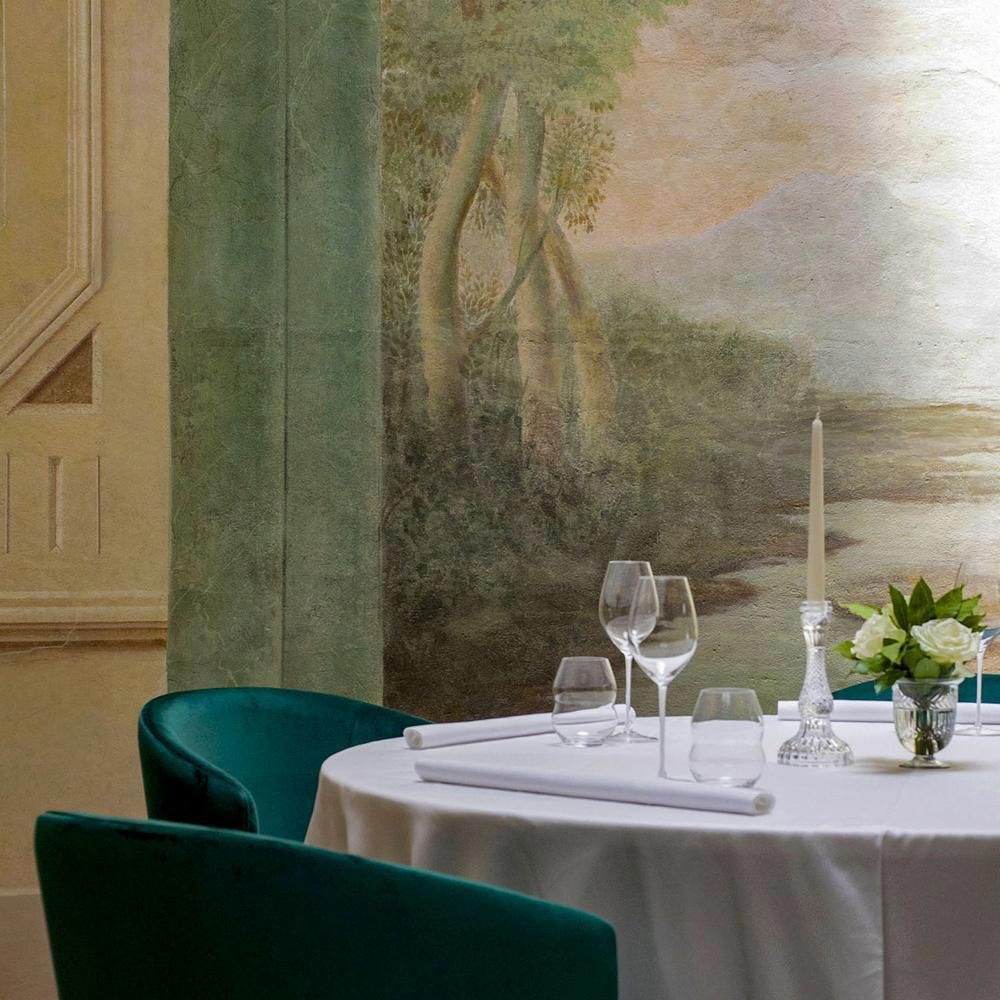
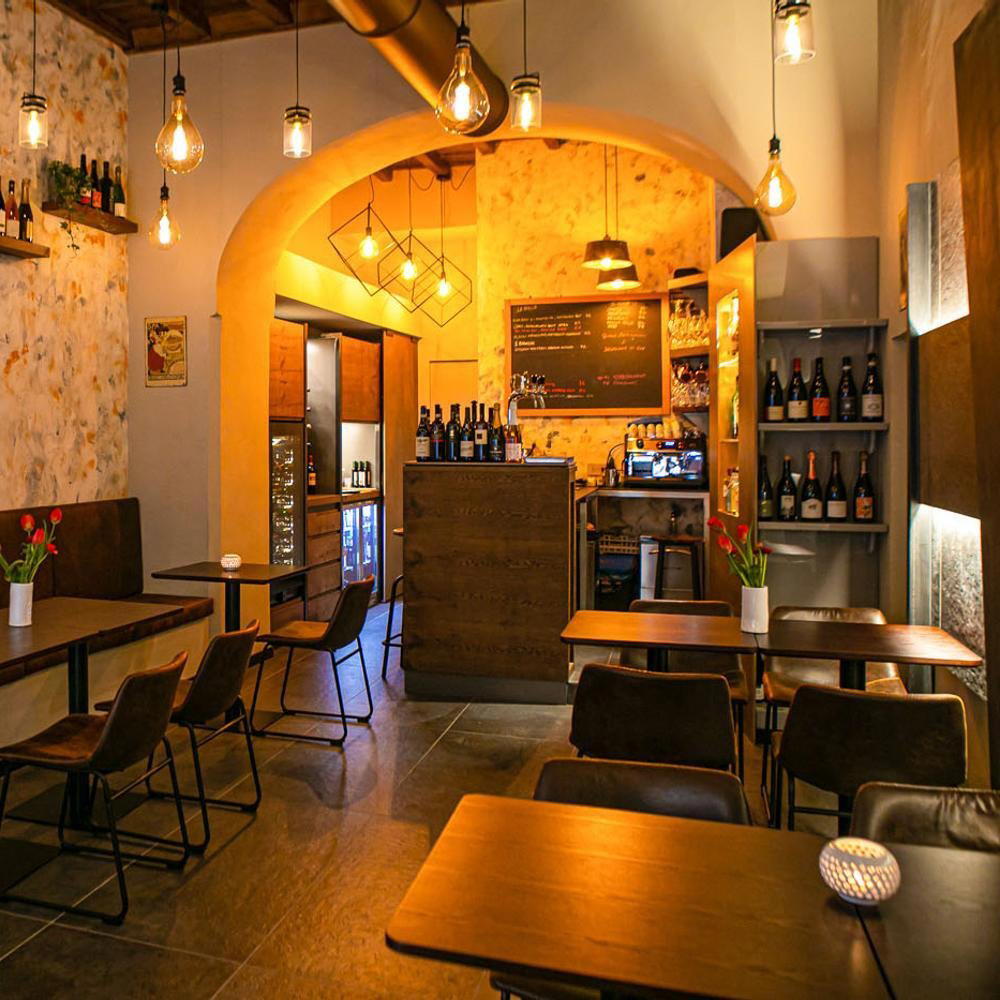
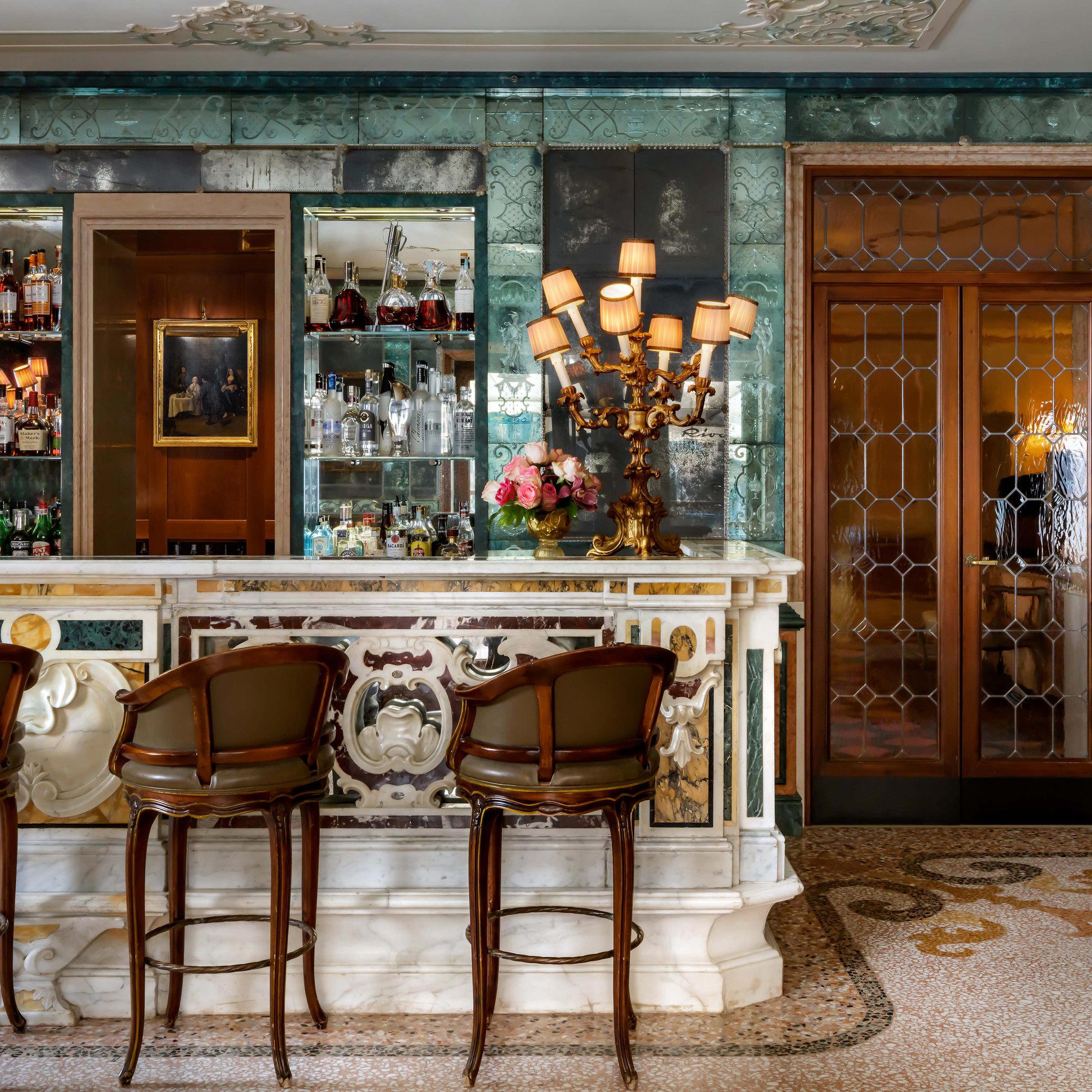
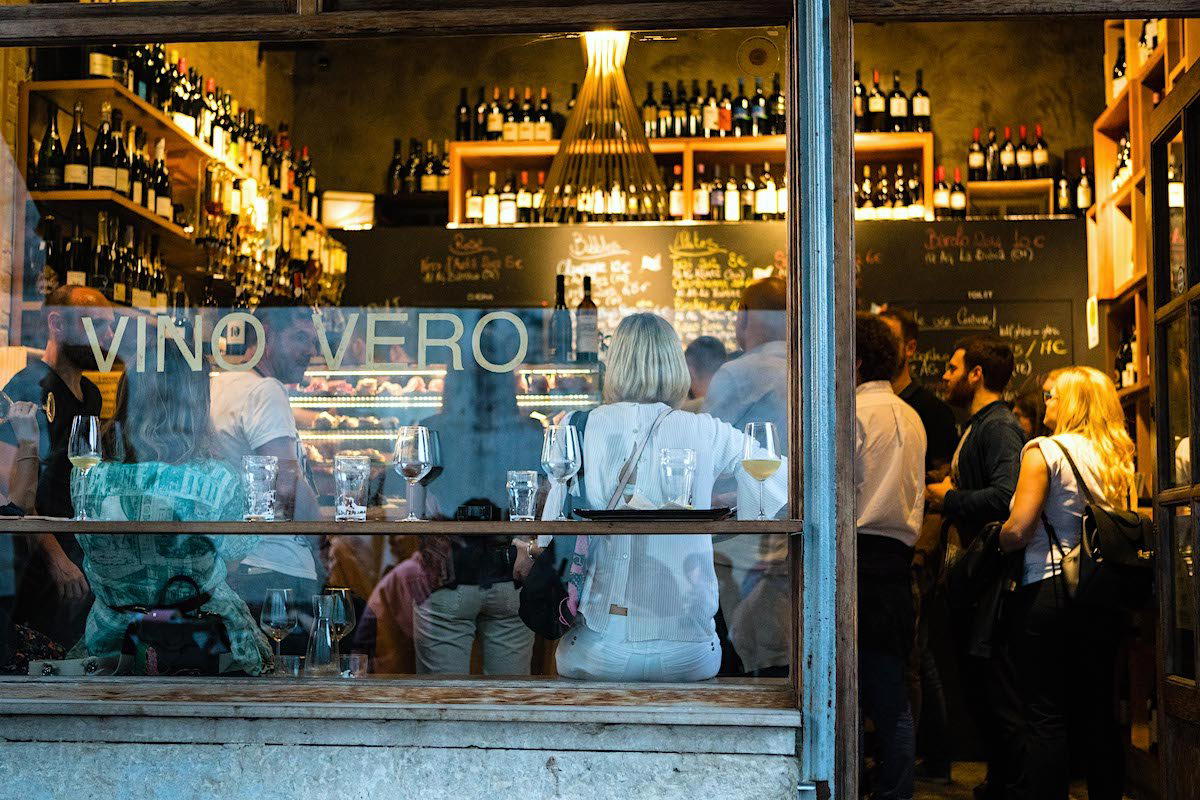
Bars in Padua
Browse all →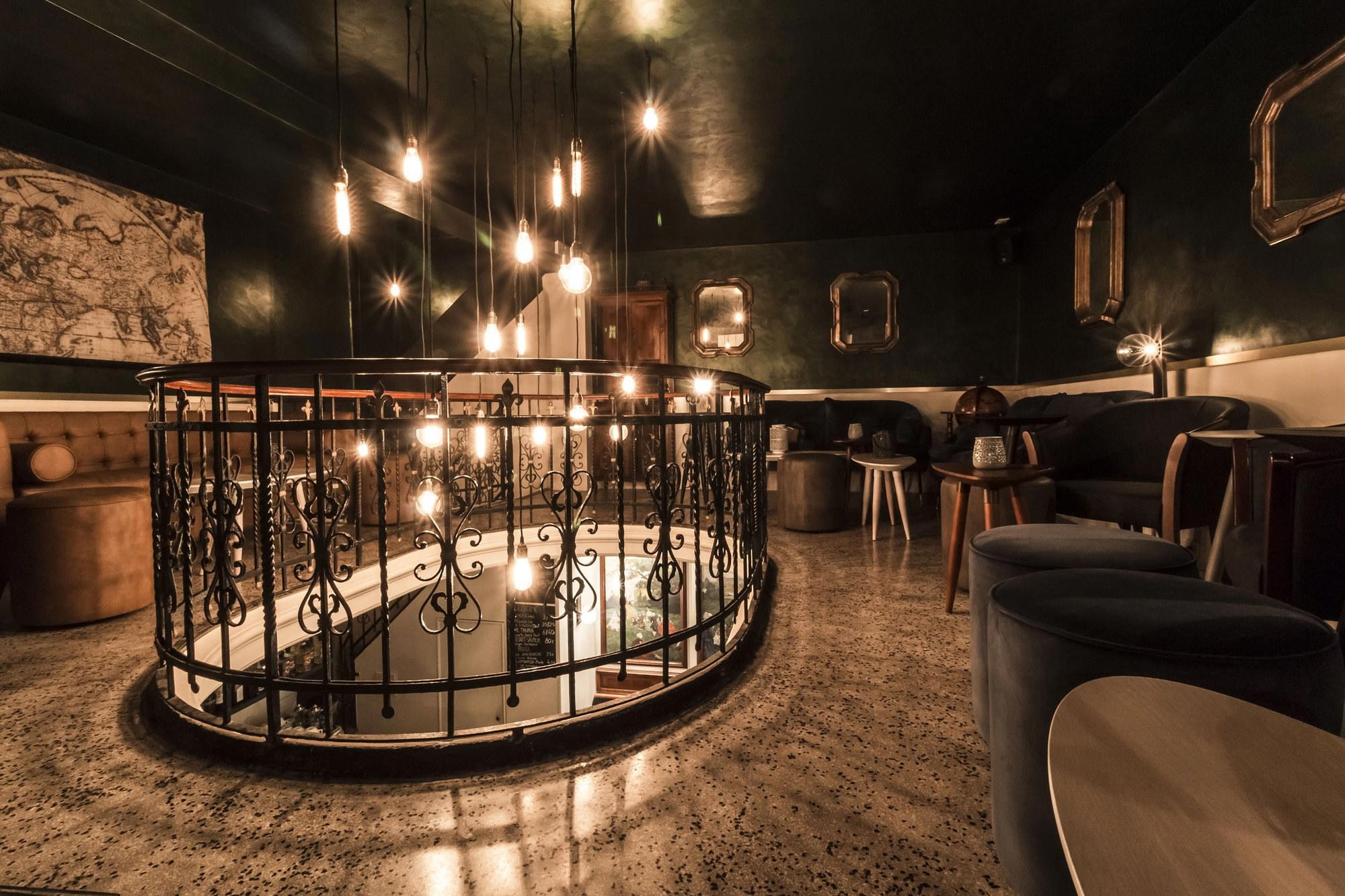
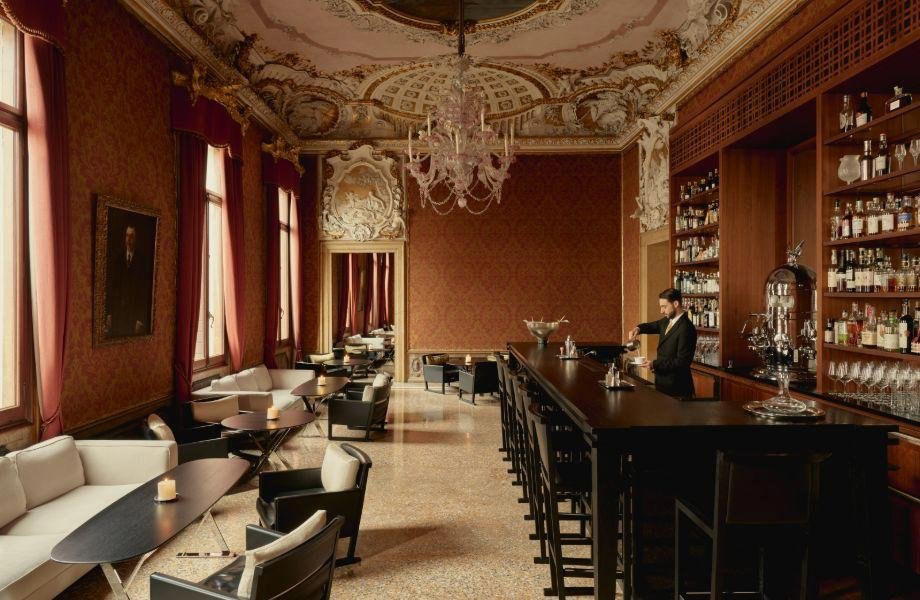
Hotels in Padua
Browse all →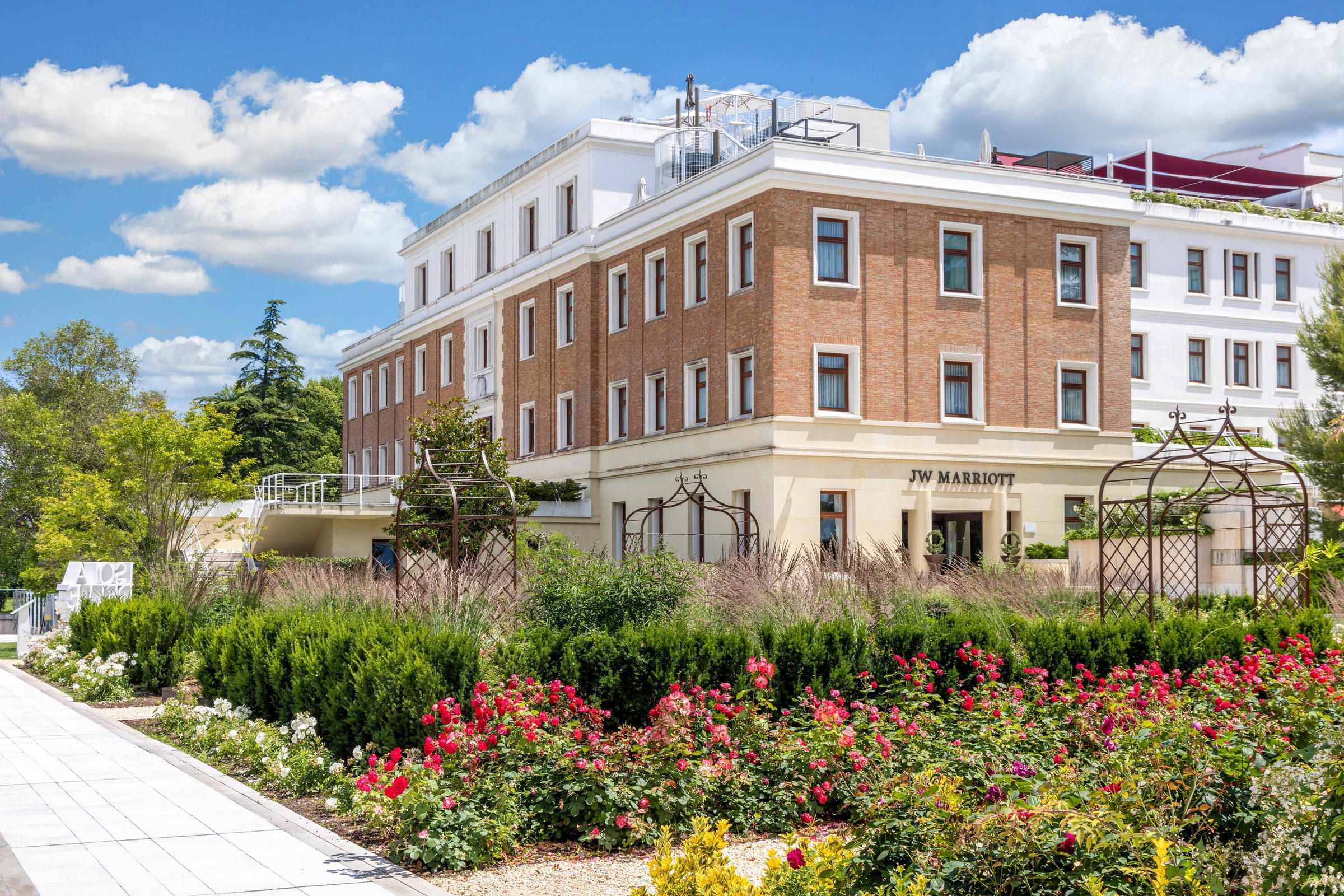
At a Glance
- Cozy
- Historic
- Classic
- Intimate
- Date Night
- Special Occasion
- Historic Building
- Extensive Wine List
- Local Sourcing
Current opening hours
- Monday
- 7 PM–12 AM
- Tuesday
- 12:30–3 PM, 7 PM–12 AM
- Wednesday
- 12:30–3 PM, 7 PM–12 AM
- Thursday
- 12:30–3 PM, 7 PM–12 AM
- Friday
- 12:30–3 PM, 7 PM–12 AM
- Saturday
- 12:30–3 PM, 7 PM–12 AM
- Sunday
- 12:30–3 PM, 7 PM–12 AM
Hours can change for holidays and private events. Last verified .
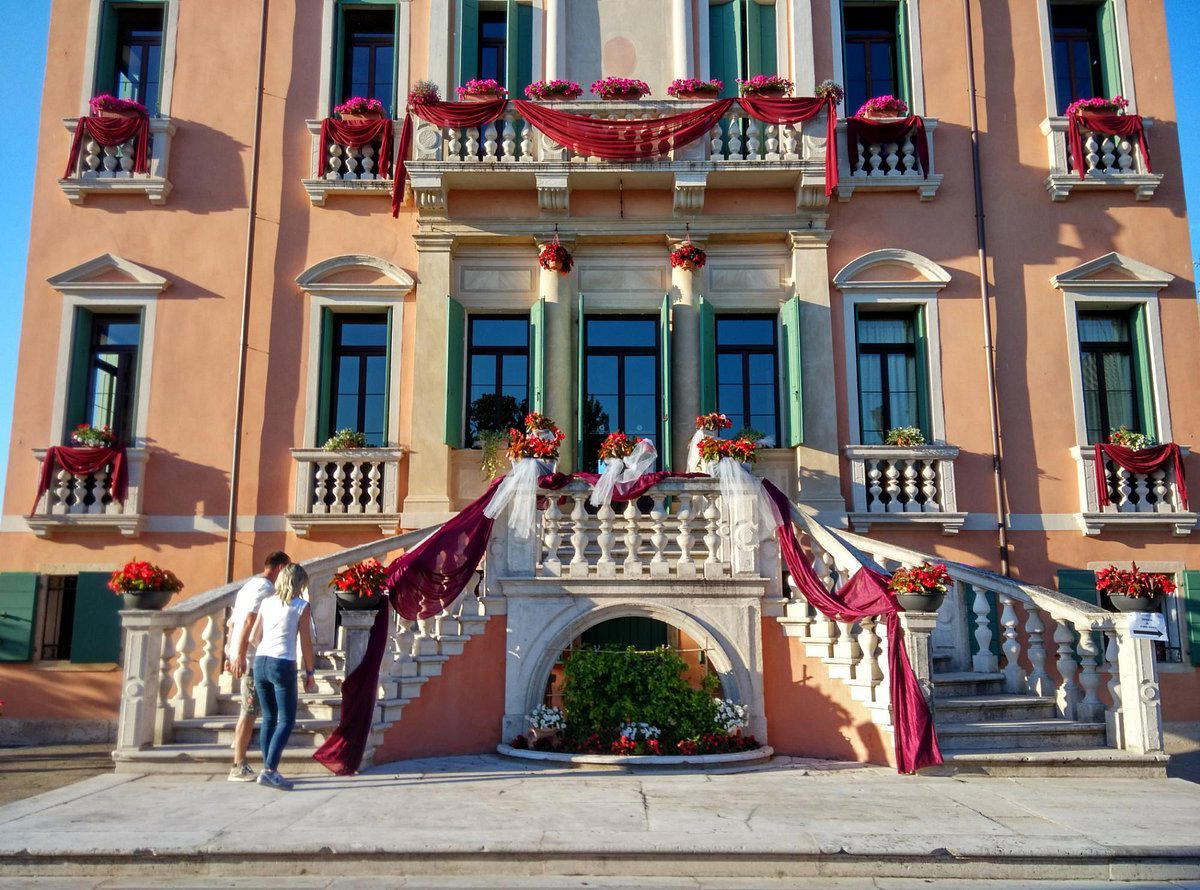
Charming, cozy, and inviting historic interior with vintage photos and artistic elements, creating a warm and welcoming atmosphere.