

1 Michelin Star · Falstaff Restaurant - 93 Falstaff Points
Our verdict
A Michelin-starred address in the province of Padova, Storie d'Amore operates at the complex, ingredient-driven end of modern Italian cuisine. The kitchen works across elaborate combinations and single-ingredient variations, supported by an extensive wine list and a dining room known for its warmth. At the €€€€ tier, the generosity of format makes a genuine case for the price.

Pearl is the En Primeur Club membership app — saves, bookings, and concierge access live there. Same editors, same standards.
- Address
- Via Desman, 418, 35010 Borgoricco PD, Italy
- Phone
- +39 347 671 9870
- Hours
- Mon–Wed 12:30–3 PM, 8–11 PMThu ClosedFri–Sat 12:30–3 PM, 8–11 PMSun 12:30–3 PM
- Website
- storiedamorerestaurant.it
- Directions
- Get directions
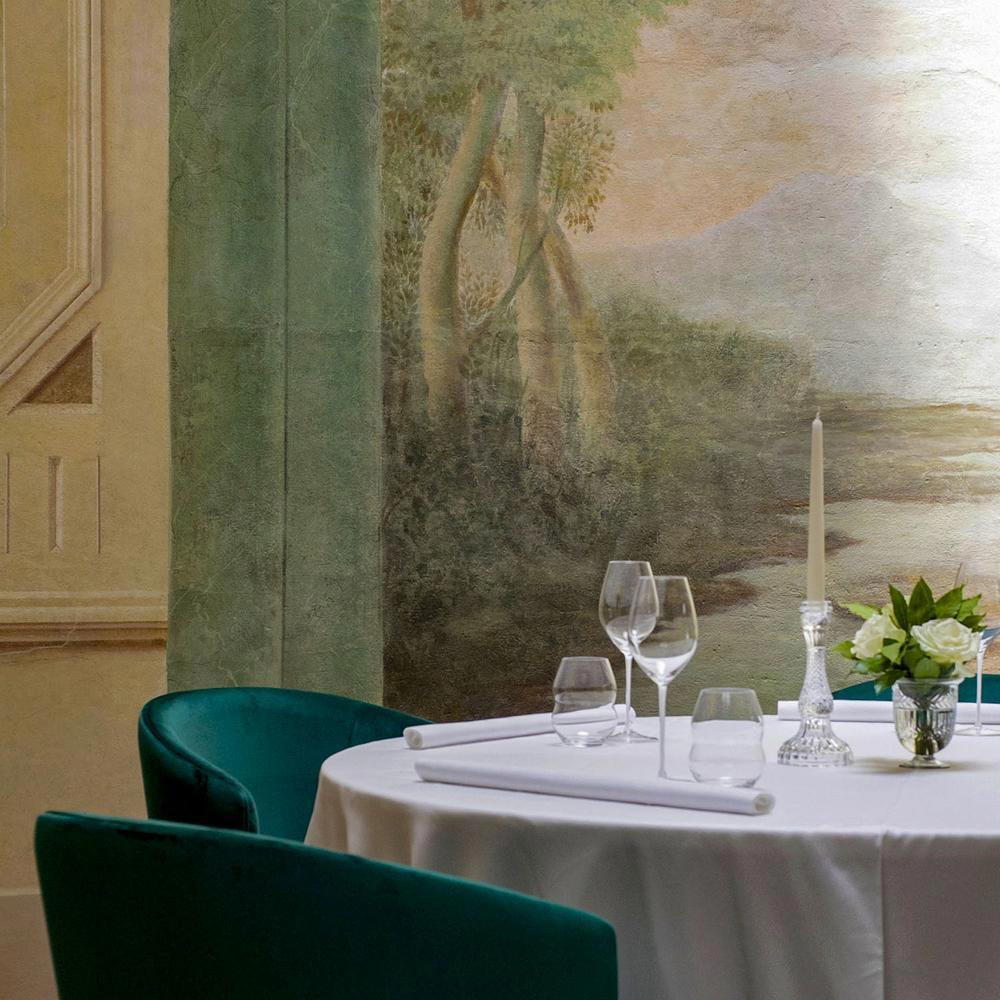
The Case for Complexity at This Price
Modern Italian fine dining has split into two distinct philosophies over the past decade. One school favours restraint: four or five ingredients per plate, negative space on the porcelain, minimalism as a form of discipline. The other — the school to which Storie d'Amore belongs, argues that generosity and elaborateness are their own form of precision. Here, the kitchen either takes a single ingredient and finds multiple expressions of it across the meal, or builds dishes from unexpected combinations that require real technical command. Neither approach is more valid than the other, but the second is considerably harder to execute without tipping into chaos.
At the €€€€ price tier, a guest has every right to ask what they are paying for. At many restaurants in this bracket, the answer is real estate, brand recognition, or the cost of a celebrity chef's name above the door. At Storie d'Amore, the Michelin inspectors' own notes point to something more specific: an abundant and generous menu that does not ration the experience. For context, compare this to what €€€€ secures in Rome itself: at Aroma, you are paying partly for the rooftop view of the Colosseum; at Il Ristorante Alain Ducasse Roma, for an international brand and the weight of the Ducasse name. Storie d'Amore asks for the same investment and returns it in plate volume, wine depth, and a kitchen that is working hard rather than coasting on context.
How the Kitchen Thinks
The cuisine at Storie d'Amore is described by the Michelin Guide as complex and elaborate rather than minimalist, a meaningful editorial distinction. In practice, this means the kitchen operates on two parallel creative tracks. The first takes a single ingredient and develops it across multiple preparations, demonstrating command of how cooking method, temperature, or pairing transforms the same raw material into contrasting experiences. The second track builds plates from combinations that might seem counterintuitive on paper but cohere on the palate. Both approaches demand a kitchen that thinks architecturally about a meal as a whole, not just plate by plate.
This philosophy has clear precedents in the broader tradition of northern Italian fine dining. Restaurants like Dal Pescatore in Runate have long demonstrated that the Veneto and Lombardy regions can sustain elaborate, ingredient-forward cooking rooted in local produce without defaulting to the spareness more fashionable in international fine dining circles. Storie d'Amore sits within that lineage, though its Padova province location places it in a more contemporary register than a multigenerational family institution.
The wine list merits its own mention. The Michelin listing flags it specifically as extensive, language inspectors use deliberately. For guests who treat the wine pairing as integral to the value calculation, this matters: an elaborate kitchen without an equally serious cellar is a structural imbalance that many €€€€ restaurants never fully resolve. A single star in 2024 means a kitchen that inspectors have assessed as worth a detour, not merely a pleasant neighbourhood option, but a destination in its own right. At the higher end of Italian fine dining, restaurants like Osteria Francescana in Modena and Enoteca Pinchiorri in Florence operate in a different tier of recognition entirely.
Within Rome's own starred tier, which includes La Pergola at three stars, alongside Acquolina and /gu.stà.re/ oltrecucina, Storie d'Amore represents the kind of address that falls outside the capital entirely but draws guests from it. Frantzén in Stockholm represents the northern European version of this ethos at a higher recognition tier. Atelier Moessmer Norbert Niederkofler in Brunico is perhaps a closer reference point: serious Italian fine dining operating at altitude, geographically removed from the capital's dining circuit, with a kitchen that justifies the journey on its own terms. Enrico Bartolini in Milan shows what happens when the same technical ambition moves into a major urban setting, the cooking may be comparable, but the experience calculus changes considerably.
Service Structure and the Two-Owner Format
The two-owner structure at Storie d'Amore, one in the kitchen, one managing the dining room, is worth understanding as a factor in how the meal is delivered, not merely as biographical background. This format, common in France's serious bistronomy tier and in smaller Italian fine dining operations, creates a particular kind of accountability. The dining room manager is not an employee working to a manual; they are a principal with a stake in the outcome. This tends to produce service that is more attentive to individual guests and less reliant on scripted presentation sequences. Whether that translates to a more or less formal atmosphere depends on the specific house, but the Michelin notes' emphasis on warmth suggest this leans toward hospitality over ceremony.
Planning Your Visit
Storie d'Amore operates Tuesday through Wednesday and Friday through Saturday for both lunch (12:30 PM to 3:00 PM) and dinner (8:00 PM to 11:00 PM), with Sunday lunch service also available. The kitchen closes on Thursday. This schedule is tighter than most city-centre starred restaurants, which typically run six or seven days. Anyone planning a visit from Rome or from further afield should factor this into their itinerary carefully.enprimeurclub.com/restaurants/aroma-rome-restaurant">Aroma
For anyone building a broader Italian itinerary, our full Rome restaurants guide covers the capital's fine dining circuit in depth. Accommodation and bar options for the wider region are covered in our Rome hotels guide and Rome bars guide. Those extending into wine country should consult our Rome wineries guide, and cultural programming is mapped in our Rome experiences guide.
What Dish Is Storie d'Amore Famous For?
The Michelin Guide does not single out a signature dish at Storie d'Amore, and the kitchen's approach, building dishes around ingredient variation and imaginative combination rather than a fixed repertoire, means the menu evolves rather than anchoring on one calling-card plate. What the restaurant is recognised for, across both its starred peers and its Michelin citation, is the overall architecture of the meal: elaborate, generous, and technically considered. Guests seeking a single famous dish should look elsewhere; guests seeking a kitchen with a consistent creative logic will find it here. Chef Davide Filippetto holds the star as of 2024, operating within a format where the dining room and kitchen function as a unified proposition rather than separate departments.
Accolades, Compared
| Venue | Cuisine | Price | Awards | Notes |
|---|---|---|---|---|
| Storie d'AmoreThis venue — the venue you are viewing | Modern Italian Fine Dining | Not listed | 1 Michelin Star · Falstaff Restaurant - 93 Falstaff Points | Not listed |
| La Pergola | Modern Italian Fine Dining | $500+ | 3 Michelin Stars · La Liste Top Restaurants | Italian, Mediterranean Cuisine |
| Enoteca La Torre | Modern Italian Fine Dining | $200–300 | 2 Michelin Stars · La Liste Top Restaurants | Creative |
| Il Pagliaccio | Modern Italian-Japanese Fusion Fine Dining | $150–200 | 2 Michelin Stars · La Liste Top Restaurants | Contemporary Italian, Creative |
| Aroma | Modern Roman Fine Dining | $200–300 | 1 Michelin Star · Falstaff Restaurant - 93 Falstaff Points | Modern Cuisine |
| Idylio by Apreda | Modern Mediterranean-Asian Fusion | $150–200 | 1 Michelin Star · La Liste Top Restaurants | Modern Italian, Italian Contemporary |
Recognition history
Dated appearances from independent guides and award organizations, with the underlying list record or original source where available.
Michelin 1 Star
Michelin
Falstaff Restaurant - 93 Falstaff Points
Falstaff
Full recognition history (4 entries)
Michelin 1 Star
Michelin
Michelin 1 Star
Michelin
Continue exploring
More in Rome
Restaurants in Rome
Browse all →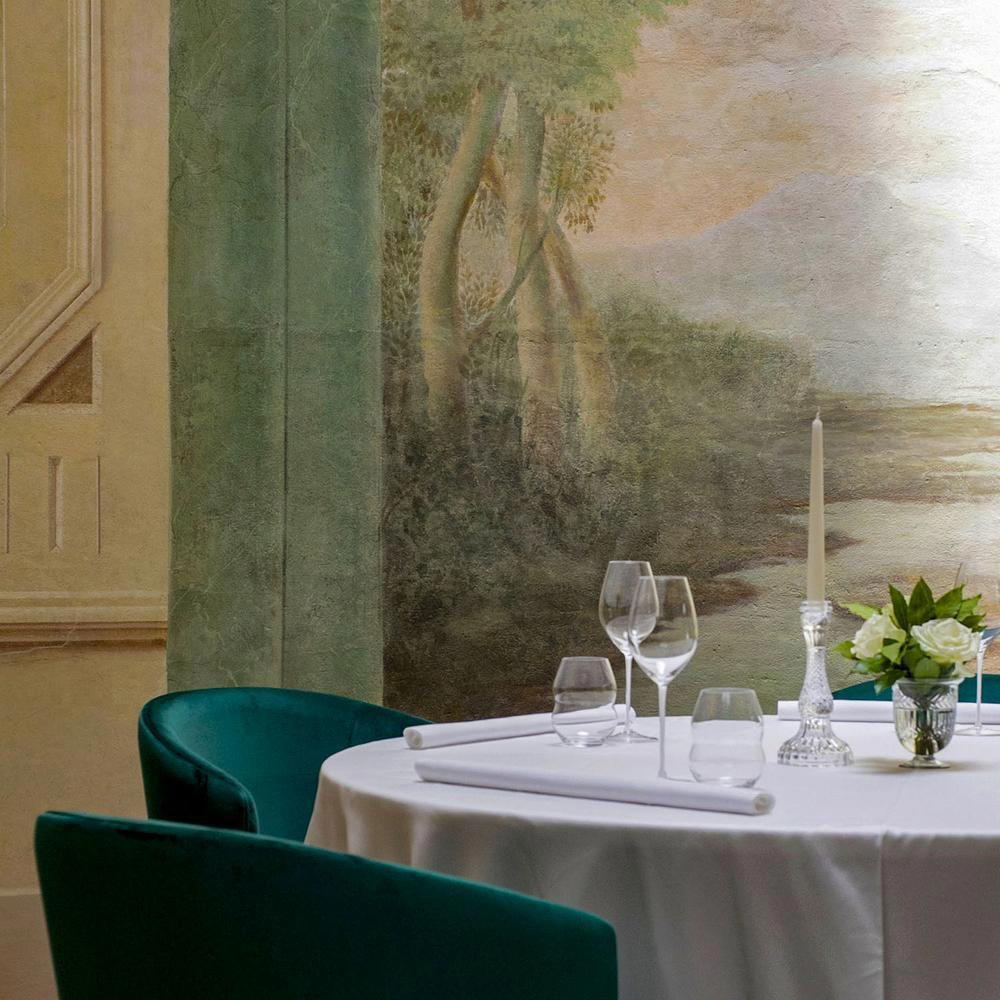
Bars in Rome
Browse all →
Hotels in Rome
Browse all →
Details
- Romantic
- Intimate
- Elegant
- Cozy
- Date Night
- Special Occasion
- Open Kitchen
- Extensive Wine List
- Tasting Menu
- Wine
Current opening hours
- Monday
- 12:30–3 PM, 8–11 PM
- Tuesday
- 12:30–3 PM, 8–11 PM
- Wednesday
- 12:30–3 PM, 8–11 PM
- Thursday
- Closed
- Friday
- 12:30–3 PM, 8–11 PM
- Saturday
- 12:30–3 PM, 8–11 PM
- Sunday
- 12:30–3 PM
Hours can change for holidays and private events. Last verified .
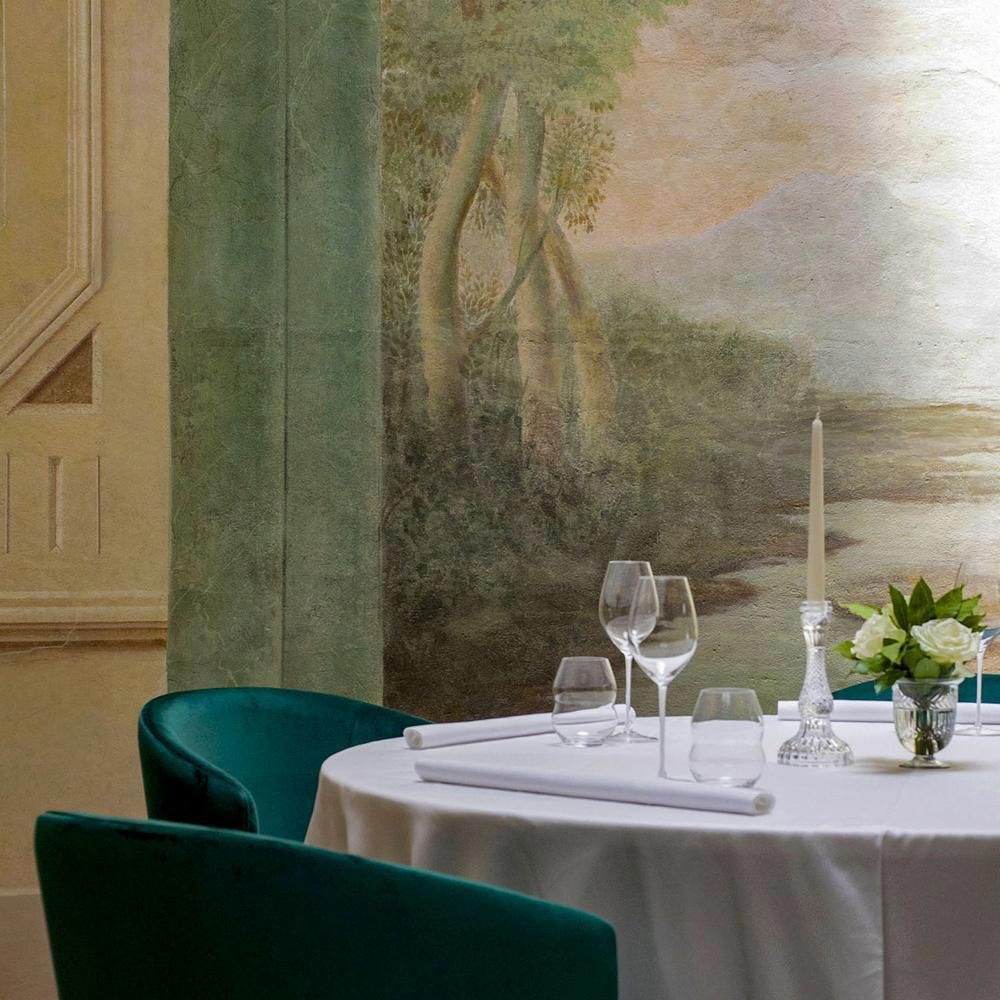
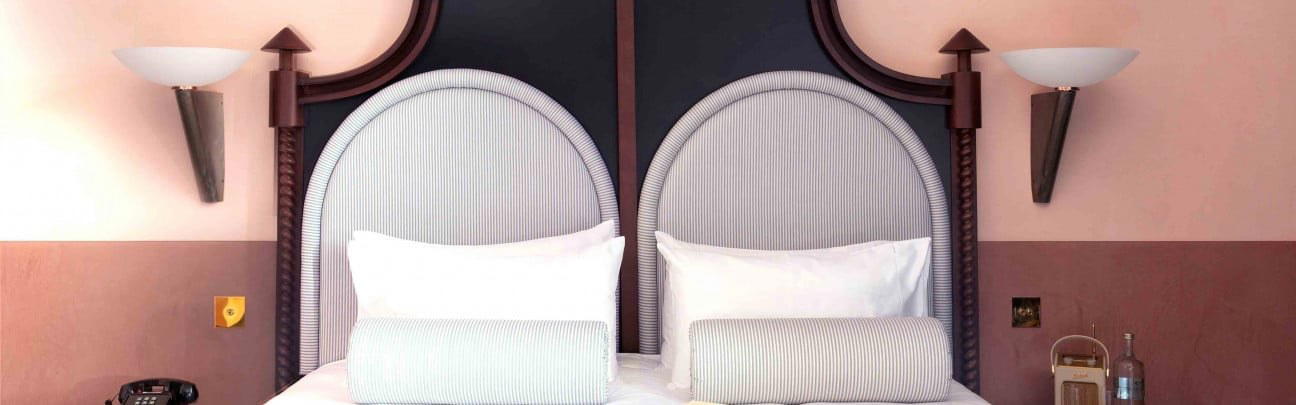
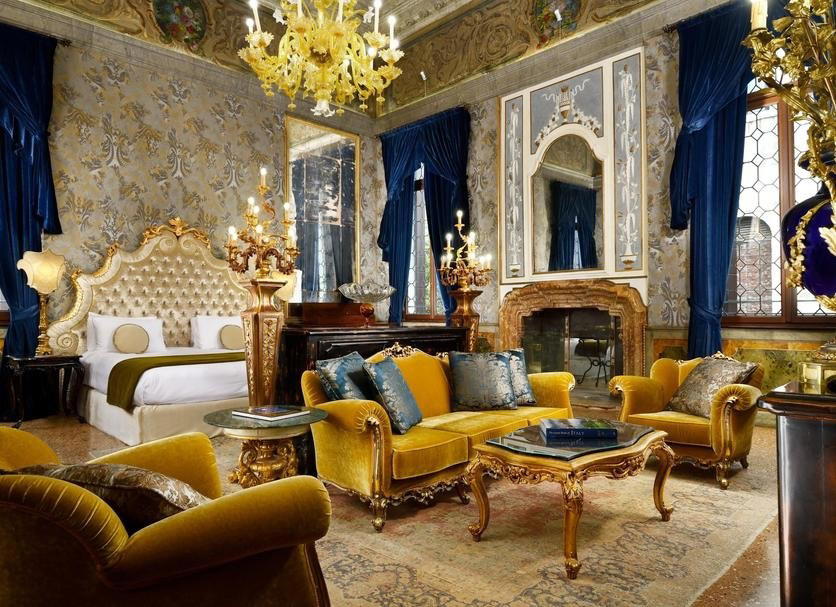
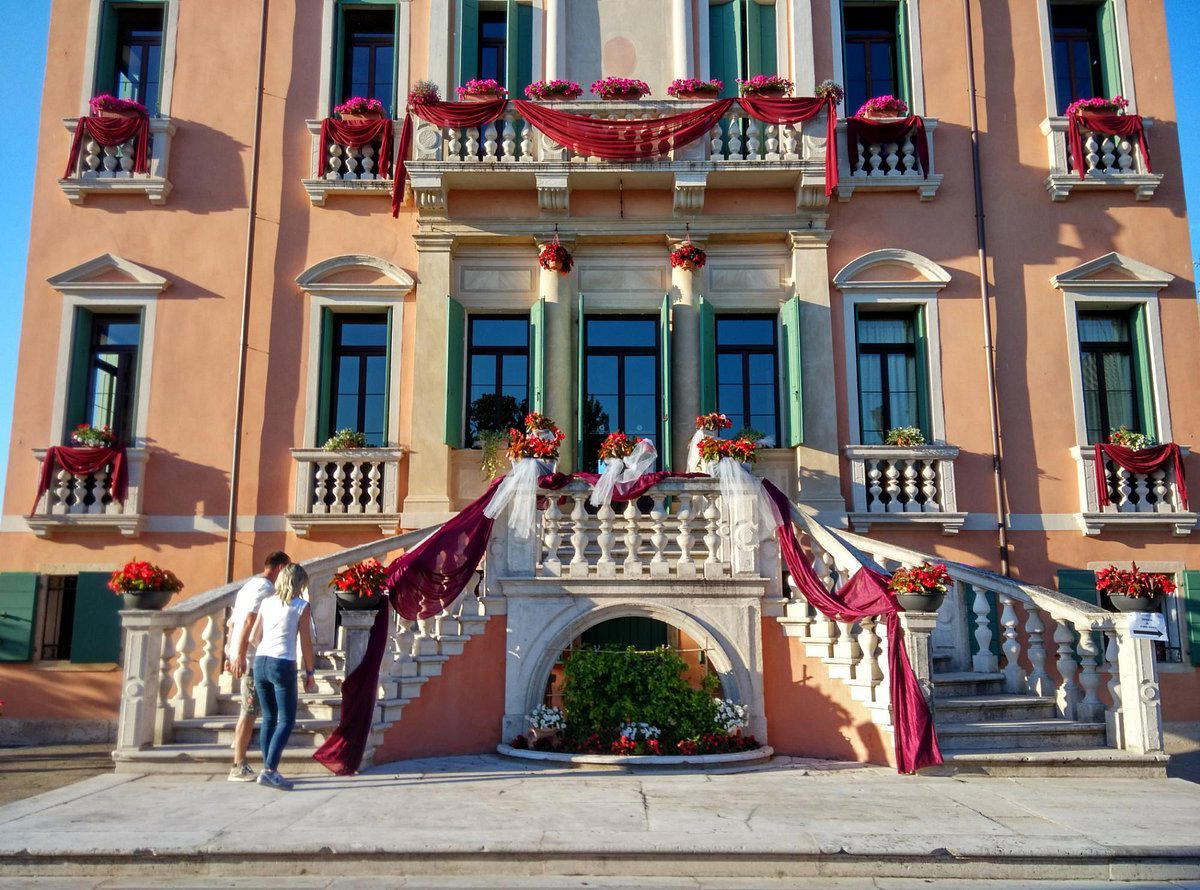
Warm, beautifully decorated dining room with welcoming atmosphere.