
Under the medieval arcades of Via Cesare Battisti, Ai Porteghi Bistrot holds two consecutive Michelin Plate recognitions (2024 and 2025) for contemporary cooking that reinterprets Veneto tradition without abandoning it. The price point sits at €€, making it one of the more accessible entries into Padua's serious dining tier. A shorter, simpler lunch menu broadens access further.
Pearl is the En Primeur Club membership app — saves, bookings, and concierge access live there. Same editors, same standards.
- Address
- Via Cesare Battisti, 105, 35121 Padova PD, Italy
- Phone
- +39 347 759 8738
- Website
- aiporteghibistrot.it
- Directions
- Get directions
 Saves & bookings on Pearl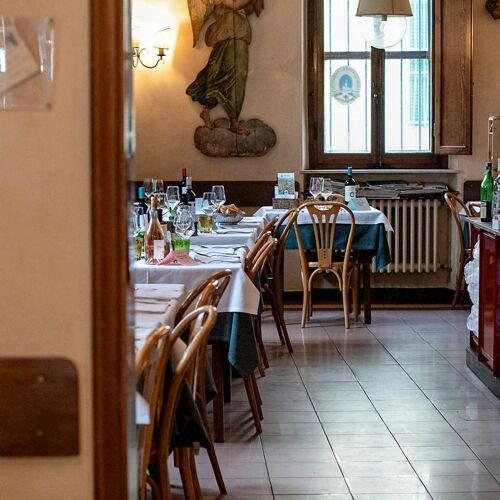
Dining Under the Arcades: Padua's €€ Contemporary Tier
Via Cesare Battisti runs through one of Padua's most architecturally consistent stretches, its porticoed walkways shielding pedestrians from sun and rain in the way Paduan arcades have done for centuries. Arriving at Ai Porteghi Bistrot means passing under that limestone canopy before stepping into a room where the cooking occupies a specific and increasingly well-defined position in the city's dining hierarchy: contemporary technique applied to regional foundations, at a price bracket that sits one tier below the city's heavier-investment tables.
Padua's mid-range contemporary scene is more competitive than outsiders assume. The city sits close enough to Venice to attract serious ingredient supply chains and chef talent, yet maintains its own culinary identity rooted in the Veneto interior rather than the lagoon. That means the raw materials tend toward freshwater fish, cured meats from the Euganean Hills, and the grain and legume staples of the Po plain, rather than the Adriatic seafood that dominates coastal Veneto cooking. A restaurant working in this register has to make deliberate choices about what to source, what to reinterpret, and where to leave tradition alone.
Reinterpretation as Method, Not Marketing
The Michelin Plate, awarded in both 2024 and 2025, signals cooking that the Guide considers worth a stop: technically sound, consistent, and distinctive enough to merit the designation without yet carrying the weight of a star. In a city where the starred conversation tends to drift northwest toward Le Calandre in Rubano, the Plate category represents a different value proposition. It marks restaurants where the kitchen is working seriously, and where the bill remains within reach of a two-course midweek lunch or a relaxed dinner.
The kitchen here reinterprets traditional and well-known recipes with a personal touch to produce dishes Michelin calls highly interesting. That framing matters because it positions the cooking within a recognisable Italian tradition rather than apart from it. One durable version of this genre, visible across northern Italy from Modena to the Veneto, tends to succeed when sourcing decisions and technique reinforce each other: when the ingredient from a specific producer or locality is the reason the dish exists, and the cooking clarifies rather than obscures that origin. Italy's most-discussed rooms in this register, from Osteria Francescana in Modena to Atelier Moessmer Norbert Niederkofler in Brunico, built their reputations partly on that discipline. At the €€ level, the stakes are lower but the logic is the same.
The Sourcing Argument at This Price Point
Contemporary cooking in the Veneto that holds Michelin recognition at the €€ tier occupies a particular structural position. It cannot rely on prestige ingredient spend alone, the way a three-star kitchen can justify notable raw-material costs through equally notable cover charges. Instead, it has to work with the region's mid-tier produce intelligently: finding the suppliers whose ingredients carry genuine character, applying technique that honours rather than overwhelms them, and keeping the menu short enough to execute consistently.
The Veneto's ingredient geography gives a kitchen in Padua real options. Radicchio di Treviso, bigoli pasta, Monte Veronese cheese, Sopressa Vicentina, and the freshwater species of the Brenta river system all sit within sourcing distance. A contemporary bistrot working this territory has both an obligation and an opportunity: the obligation to know what distinguishes local supply from generic commodity, and the opportunity to present those distinctions to a room that may not encounter them at a starred price point.
For comparison within Padua's contemporary tier, Exforo and Stefano Mocellin al Padovanino both operate at €€€, representing the next price bracket up, while Tola Rasa occupies similar creative ground at the same higher tier. Belle Parti and Enotavola Pino work adjacent territory at the €€ level but in classic and seafood registers respectively, leaving Ai Porteghi in a relatively clear lane for Michelin-recognised contemporary cooking at accessible prices. Internationally, the tension between regional fidelity and contemporary technique plays out at every level, from Enrico Bartolini in Milan and Enoteca Pinchiorri in Florence at the leading to bistrot-scale rooms like this one, and the argument is the same throughout: does the reinterpretation earn its departure from the source material?
Lunch as the Entry Point
The midday format matters here. Michelin's own description notes that simpler and more reasonably priced options are available at lunchtime, which in practice means the kitchen runs a parallel register: less complex preparation, lower cover charge, but presumably drawing from the same sourcing logic as the evening menu. This structure is common among serious mid-range rooms across northern Italy, and it functions well as a first visit. Lunch under the arcades of Via Cesare Battisti also slots naturally into Padua's pedestrian rhythm: the Scrovegni Chapel, the Prato della Valle, and the Palazzo della Ragione are all reachable on foot, making this part of the centro storico a natural anchor for a half-day on the ground.
Planning Your Visit
Ai Porteghi Bistrot sits at Via Cesare Battisti 105, in the arcade-lined stretch of central Padua. The €€ pricing means dinner for two with wine lands comfortably below the threshold of the city's €€€ contemporaries, and lunch runs lower still. Reservations are recommended, and the restaurant is open Tuesday to Saturday for lunch from 12:30 to 2:30 PM and dinner from 7:30 to 10:30 PM.
A Quick Peer Check
Comparable venues nearby, for context on price, style, and recognition.
| Venue | Cuisine | Price | Awards | Notes |
|---|---|---|---|---|
| Ai Porteghi BistrotThis venue — the venue you are viewing | Modern Italian Bistrot | $$ | Michelin Plate | Not listed |
| Stefano Mocellin al Padovanino | Modern Venetian Fine Dining | $$$ | Michelin Plate | historic centre |
| Tola Rasa | Modern Italian Fine Dining | $$$ | Michelin Plate | Padua |
| Belle Parti | Modern Italian Seafood | $$$ | Michelin Plate | historic center |
| Exforo | Modern Italian Fine Dining | $$$ | Michelin Plate | Prato della Valle |
| Crazy Tuna Tropical sushi | Tropical Sushi Fusion | $$ | Not listed | outskirts |
Recognition history
Dated appearances from independent guides and award organizations, with the underlying list record or original source where available.
Michelin Plate
Michelin
Michelin Plate
Michelin
Michelin Plate
Michelin
Continue exploring
More in Padua
Restaurants in Padua
Browse all →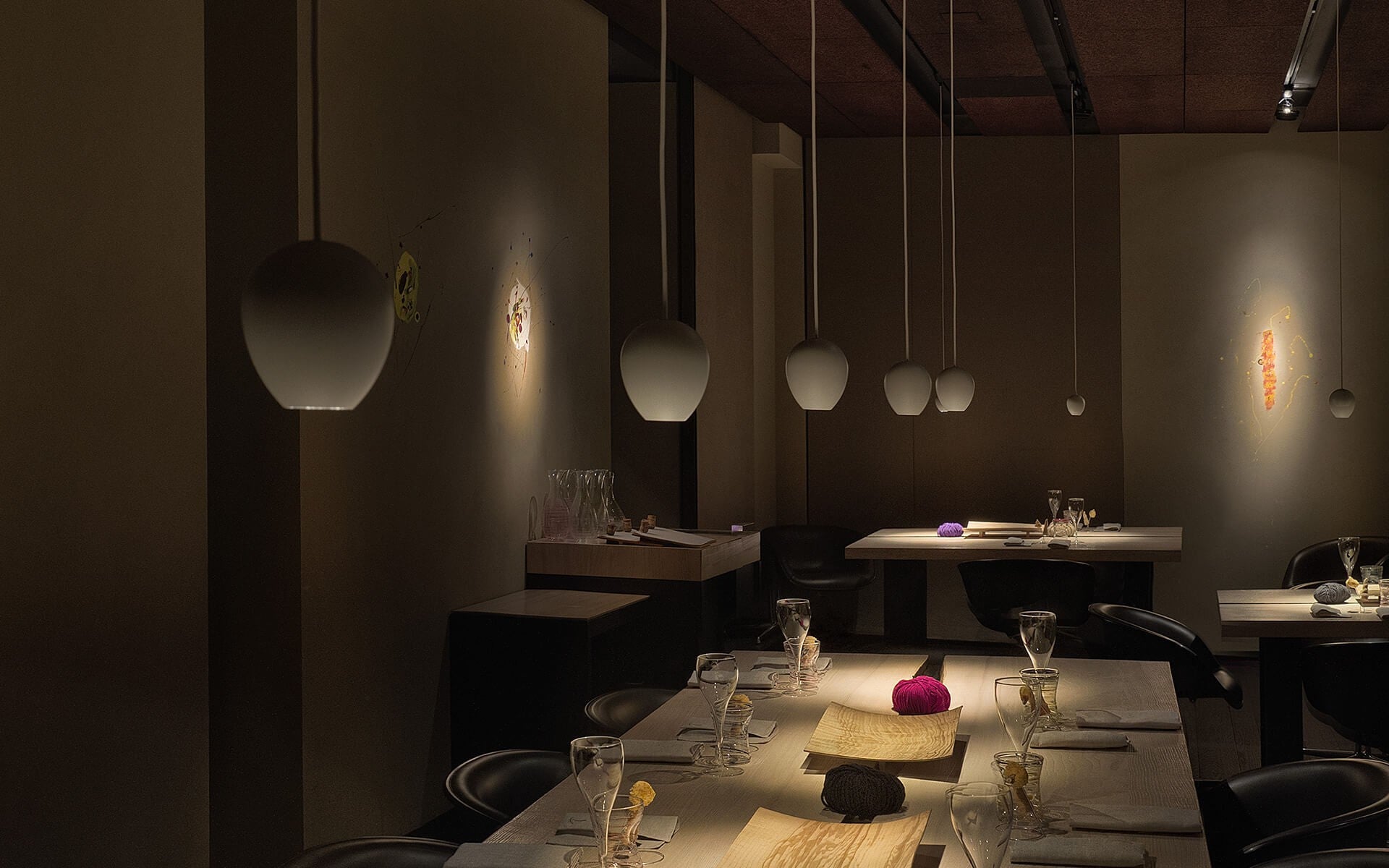
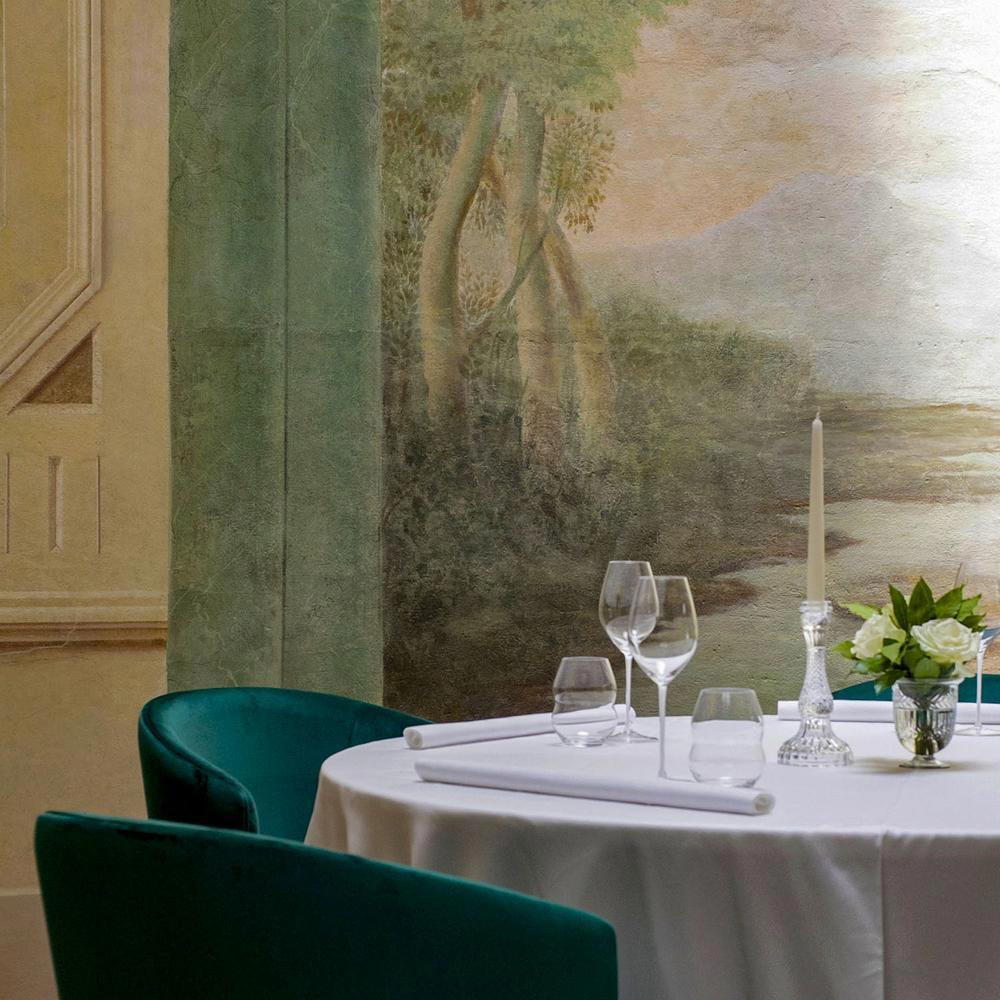
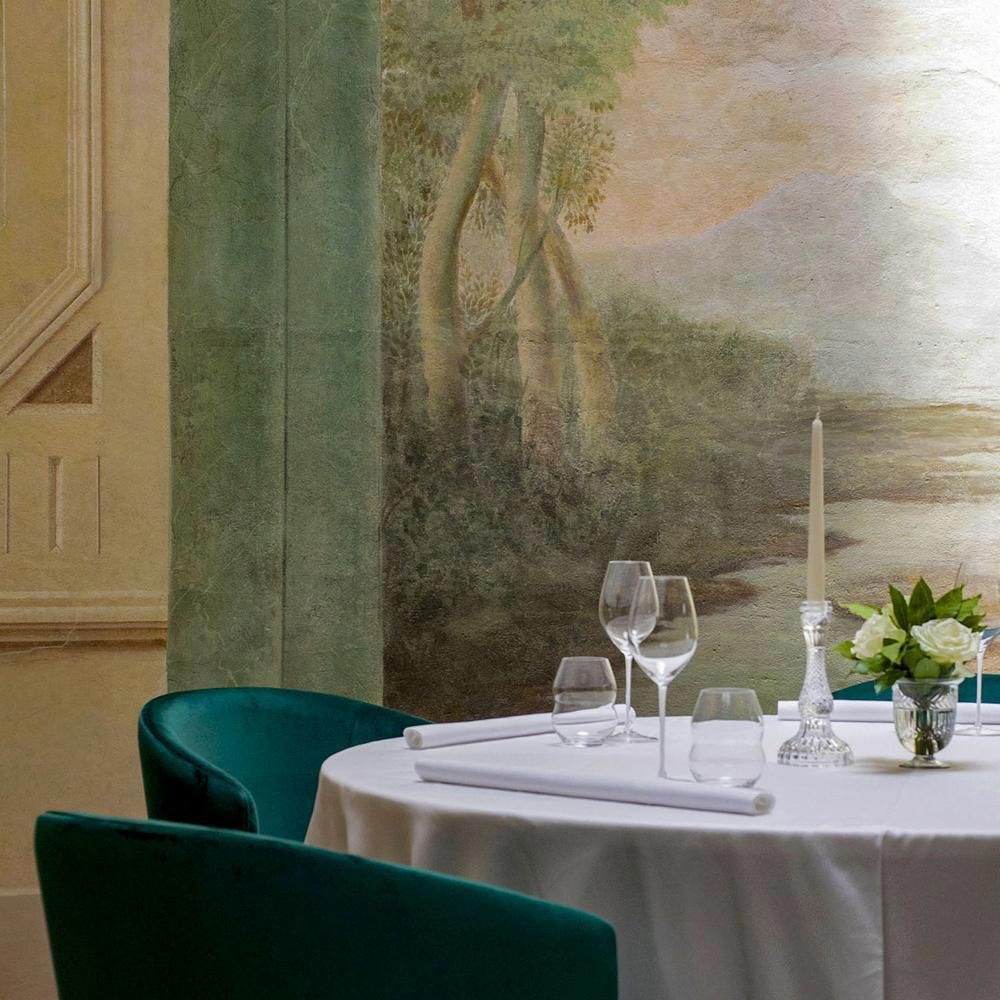
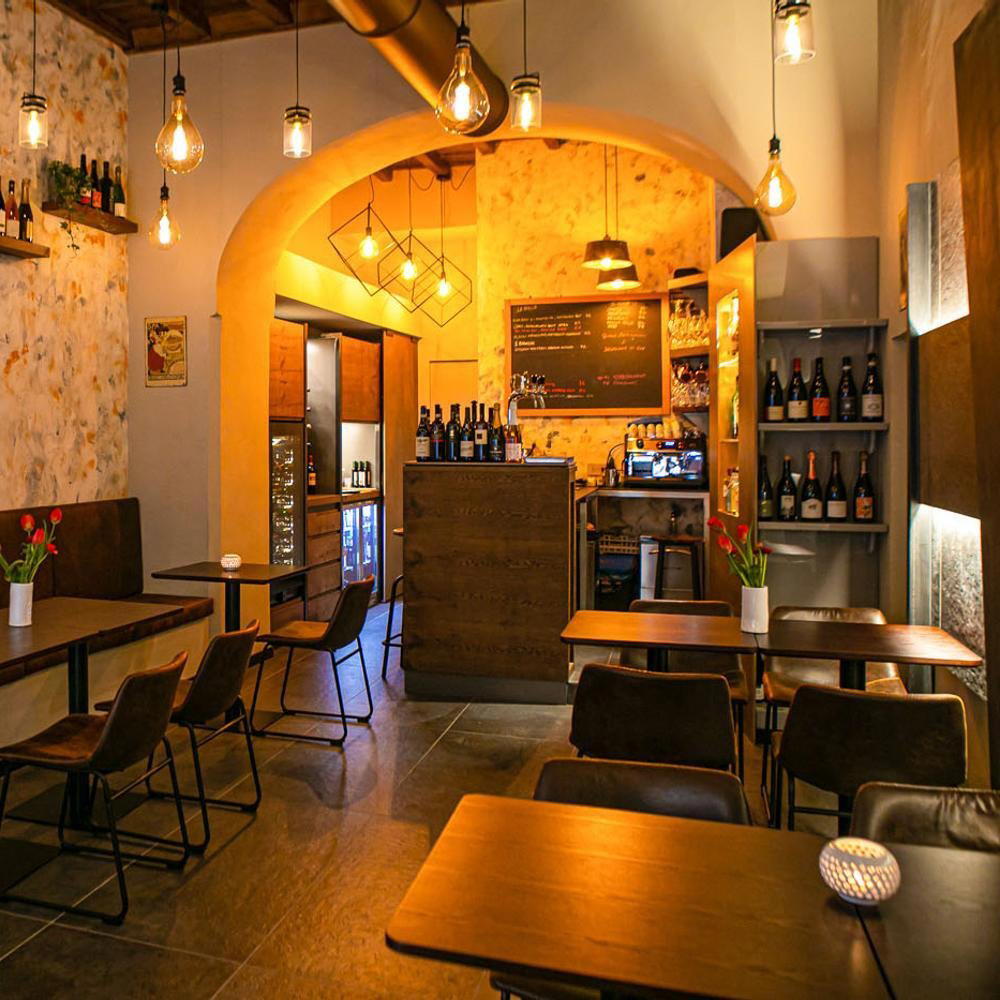
Bars in Padua
Browse all →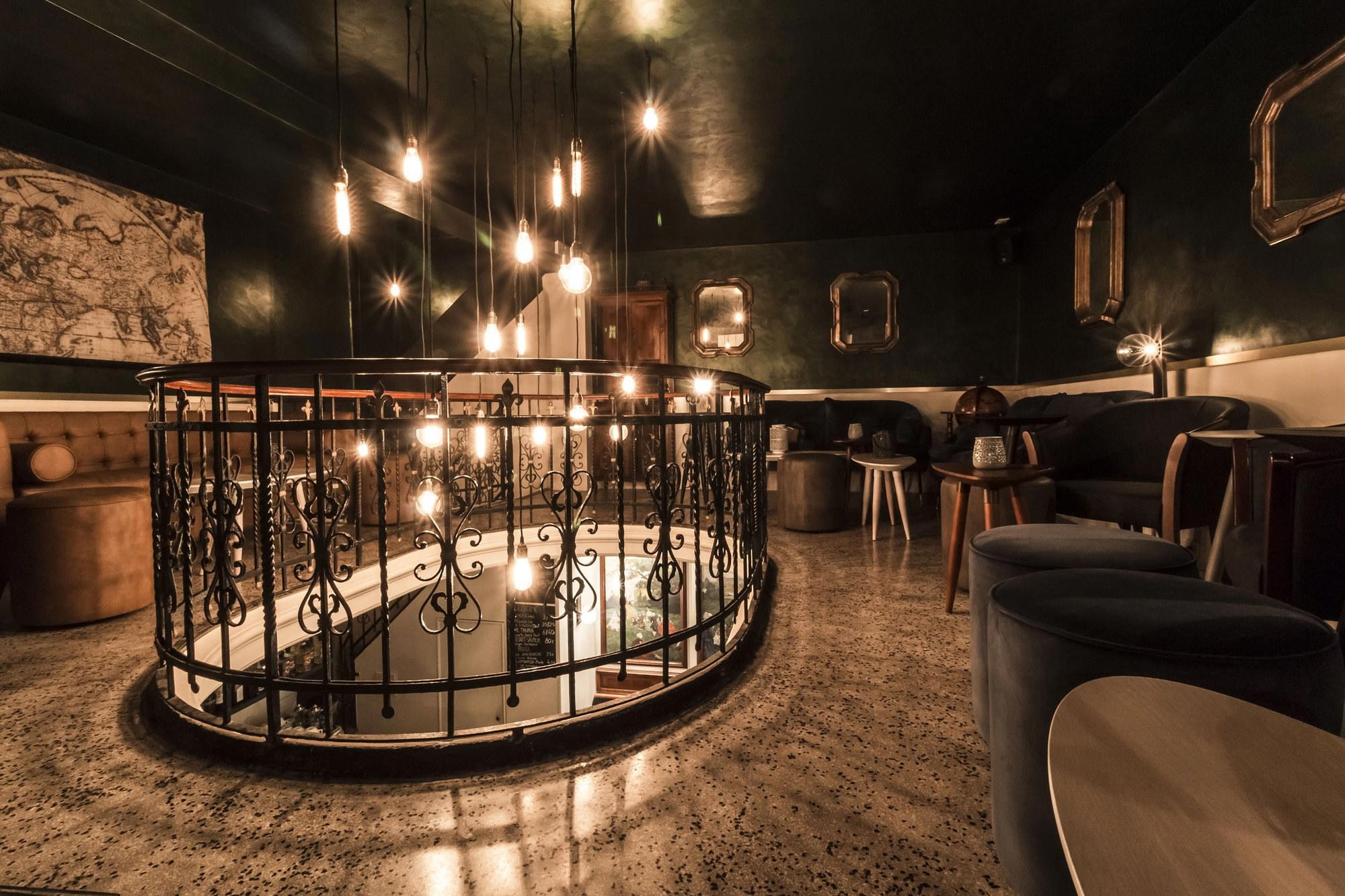
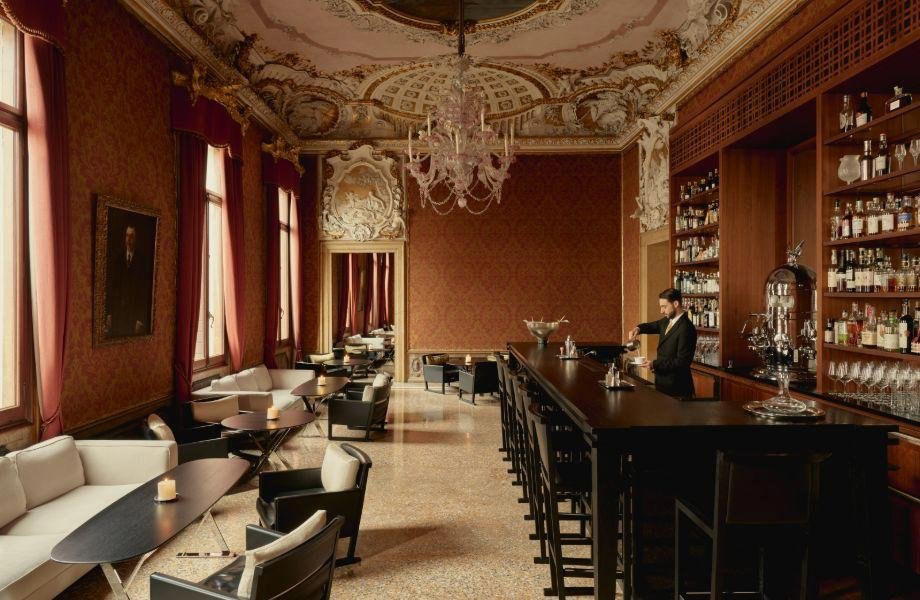
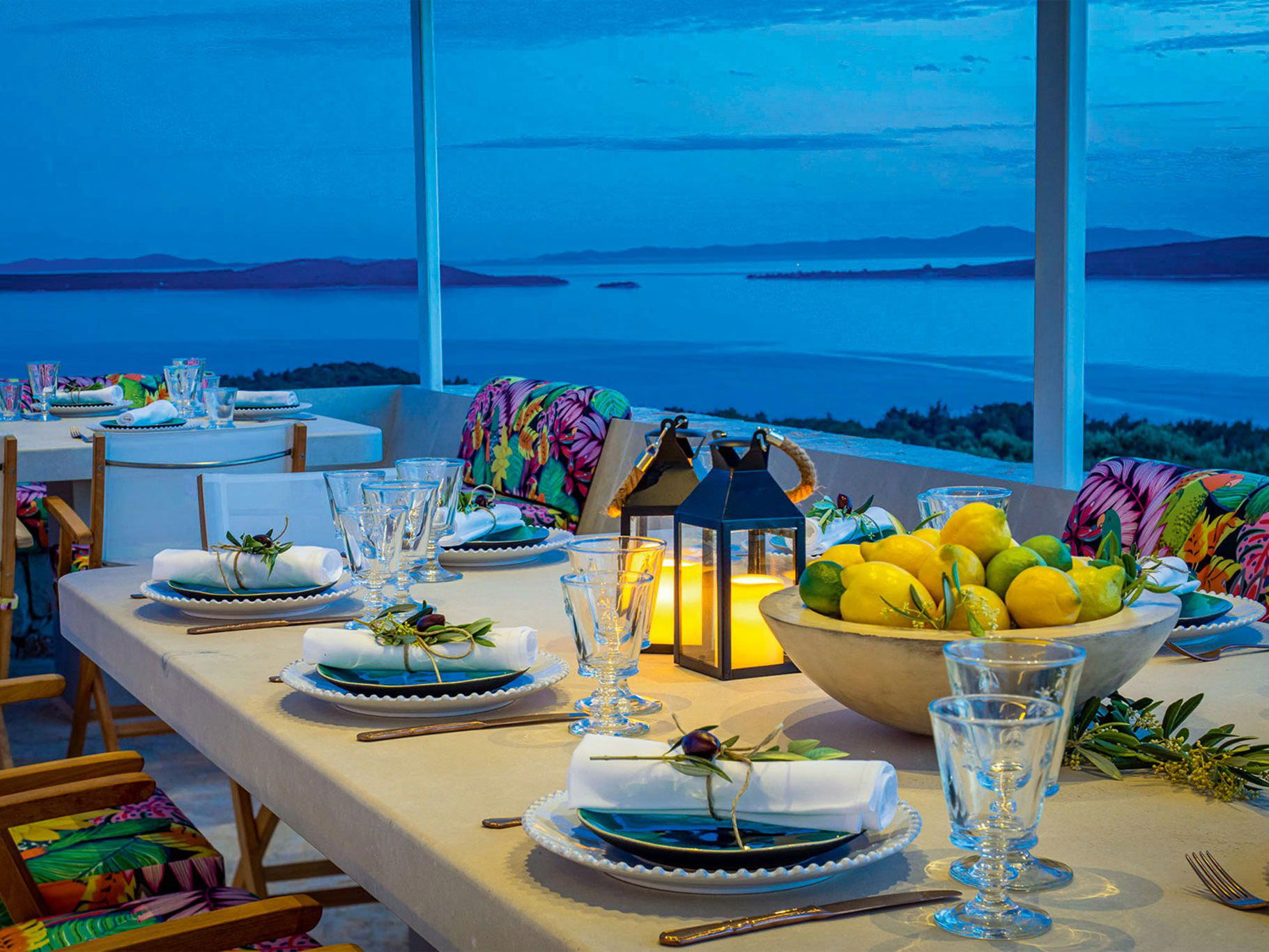
Hotels in Padua
Browse all →
At a Glance
- Cozy
- Elegant
- Intimate
- Date Night
- Special Occasion
- Group Dining
- Open Kitchen
- Extensive Wine List
- Local Sourcing
- Street Scene
Current opening hours
- Monday
- Closed
- Tuesday
- 12:30–2:30 PM, 7:30–10:30 PM
- Wednesday
- 12:30–2:30 PM, 7:30–10:30 PM
- Thursday
- 12:30–2:30 PM, 7:30–10:30 PM
- Friday
- 12:30–2:30 PM, 7:30–10:30 PM
- Saturday
- 12:30–2:30 PM, 7:30–10:30 PM
- Sunday
- Closed
Hours can change for holidays and private events. Last verified .
Elegant yet welcoming with modern design, cozy touches, relaxed and warm atmosphere.