

Kojimachi’s eel houses sit in a quieter register than Tokyo’s sushi counters, but the discipline is just as exacting. Unagi Akimoto belongs to the city’s serious unagi tier, with Tabelog 100 recognition for unagi in 2018, 2019, and 2024, plus a 2026 Opinionated About Dining Casual in Japan listing.
Pearl is the En Primeur Club membership app — saves, bookings, and concierge access live there. Same editors, same standards.
- Address
- 東京都千代田区麹町3-4-4
- Phone
- +81332616762
- Website
- unagi-akimoto.com
 Saves & bookings on Pearl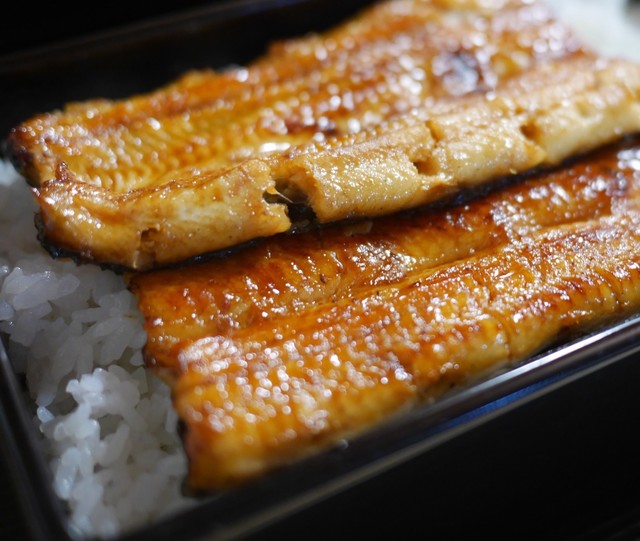
Approach Kojimachi and the rhythm changes: ministry blocks, office towers, older residential pockets, and restaurants for regulars rather than cameras. Tokyo’s unagi tradition suits that setting. It is not built around long tasting menus or counter theatre, but eel, rice, sauce, grill work, and pacing. Unagi Akimoto is a 34-seat house restaurant in Chiyoda whose menu architecture says more than decoration could.
Tokyo rewards specialization, and unagi is especially exacting. The category leaves little room for disguise. A sushi counter can signal ambition through fish sourcing, aged neta, ceramics, and lineage; a French room can spread its argument across courses. An eel restaurant has fewer public moving parts, so reputation rests on repetition: handling, steaming, grilling, tare management, rice timing, and the confidence to stay focused. Selection for Tabelog’s Unagi 100 in 2018, 2019, and 2024 places Akimoto among mapped eel specialists rather than Tokyo’s broader Japanese-restaurant field. Its 2026 Opinionated About Dining Casual in Japan ranking adds another signal, useful because unagi restaurants can be hard for visitors to read from outside.
The eel-house menu is narrow by design
The point of a serious unagi restaurant is not abundance. The menu is built around eel as the central decision, with Japanese cuisine and dojo listed as related categories rather than competing claims. Tokyo has many restaurants where eel appears as a seasonal course, rice topping, or nostalgic lunch item. A dedicated unagi house asks instead: how much variation can come from a tightly controlled form?
In the Kanto tradition, eel is commonly split, steamed, and grilled before being lacquered with tare, privileging softness and integration over the firmer, direct-grill style associated with parts of western Japan. That context explains why the menu needs no constant reinvention. Rice, sauce, and fish are not supporting details; they are the architecture. Drinks point the same way, with sake, shochu, and wine rather than a sprawling beverage program. Take-out and delivery availability also fit the category: unagi has long moved between dining room, home, and gift culture in Japan, unlike formats that lose identity once they leave the counter.
Compared with casual Tokyo addresses such as AJANTA or SOLEIL, the pricing band makes this a more deliberate meal rather than an everyday quick stop. Compared with a specialist sushi address such as Sushi Inomata, the appeal is not luxury escalation through rarity, but narrower craft with less need for explanation. That is why unagi remains a useful test of Tokyo taste: it rewards diners who understand restraint as structural, not merely aesthetic.
Kojimachi gives the meal its proper tempo
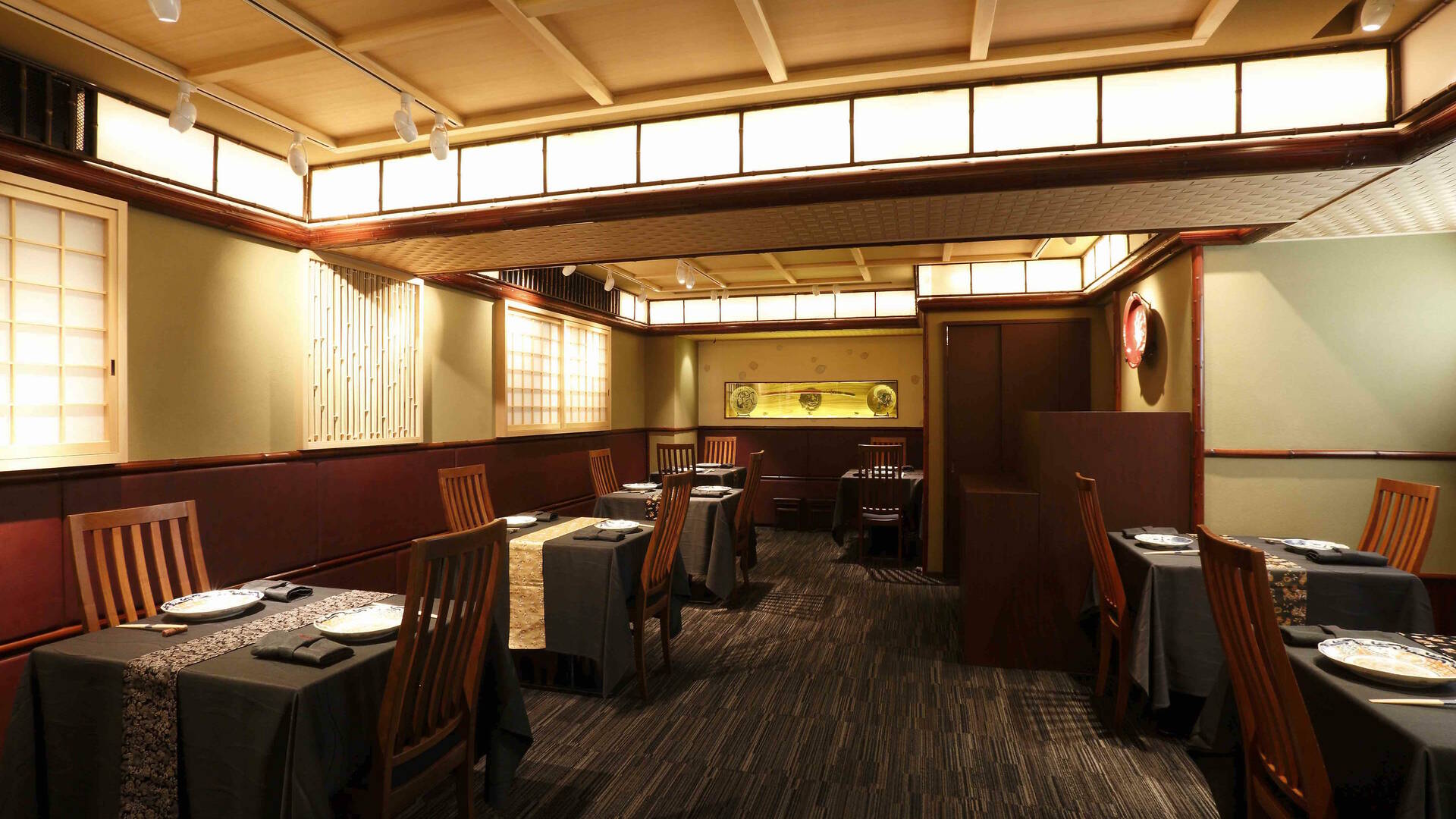
Kojimachi fits this restaurant better than a neon district would. The neighbourhood sits between political Tokyo, business Tokyo, and old central-city domesticity; meals here feel governed by habit rather than spectacle. The nearest rail access is Kojimachi Station, with Yotsuya also within walking range, so the address works for lunch or dinner planned around central Tokyo rather than a cross-town detour. Private rooms are available for small groups up to larger parties, placing the room closer to the Japanese restaurant tradition of measured conversation than the high-turnover counter model.
The seating count matters. Thirty-four seats is neither tiny nor anonymous, allowing a conventional dining room while keeping the kitchen focused on a narrow product. Non-smoking service, tatami-room availability, and card acceptance make the experience easier to fit into a Tokyo itinerary, but the operation remains old-school where it counts: reservations are by phone, and service charges vary by seating type and meal period. These are not inconveniences so much as category markers. Many durable Tokyo specialists make more sense when treated as restaurants with their own house rules, not interchangeable booking-platform inventory.
How to read Akimoto against Tokyo's specialist dining culture
Tokyo’s international restaurant conversation can overvalue scarcity, omakase access, and named chefs. Unagi asks for a calmer reading. There is no need to center a chef biography here; the public signals are the cuisine, room format, repeated category recognition, and location. That is enough. Akimoto’s reputation rests on participation in a specific tradition, not on broadening itself into a multi-genre destination.
For a wider Tokyo plan, the contrast is useful. A day could move from eel in Kojimachi to charcoal cooking at . 鮪と炭火焼き うお炭 秋葉原店, yakitori at 124. KAGURAZAKA (Yakitori), or curry at 3 Chome no Curry Ya San. Different formats teach different things: eel shows repetition and craft, yakitori sequencing and fire, curry Tokyo’s long habit of adapting imported forms into local comfort. For broader planning, use Our full Tokyo restaurants guide, then layer in Our full Tokyo bars guide, Our full Tokyo hotels guide, Our full Tokyo experiences guide, and Our full Tokyo wineries guide around the table.
Japan’s restaurant map is full of small-format specialists that sit beside, not beneath, famous counters. Tokyo readers comparing styles might look at 12/10 Shinjuku ten or the visual café culture of 2D Cafe; outside the capital, the same logic extends to -Grilled beef Sukiyaki- KAMAKURA TANUKIAN 鎌倉 たぬき庵 in Kamakura,.cafe in Osaka,.know in Kumamoto, (Shoku) Vietnam in Kawasaki, [Curry Senmon Ten] Maruyama Kyoju. in Sapporo, and [ki:] in Kyoto. Even Japanese dining abroad, from Jōdo Saké Bar in Los Angeles to Onigiri Time in Pasadena, is easier to read when the format comes first.
The editorial case for Akimoto is precise. It is not for diners chasing maximal variety or chef-driven storytelling. It is for a meal where the form is the argument: eel as dedicated cuisine, Kojimachi as the quiet frame, and repeated category recognition as the trust signal separating a serious specialist from a nostalgic stop.
A Quick Peer Check
Comparable venues for context, by category and price tier.
| Venue | Cuisine | Price | Awards | Notes |
|---|---|---|---|---|
| Unagi AkimotoThis venue — the venue you are viewing | Traditional Japanese Unagi | $$$ | , | |
| はなぶさ 麻布十番店 | Kansai-Style Charcoal-Grilled Unagi | $$$ | , | Azabu-Juban |
| Zakuro TBS ten | Traditional Japanese Shabu-shabu & Sukiyaki | $$$ | , | Minato |
| Shoan | Traditional Japanese Soba | $$$ | , | Shinjuku |
| 乃木坂 しん | Modern Kaiseki | $$$ | , | Minato |
| 伯雲 | Traditional Japanese Kaiseki | $$$ | , | Minato |


At a Glance
- Classic
- Elegant
- Cozy
- Sophisticated
- Hidden Gem
- Business Dinner
- Special Occasion
- Group Dining
- Private Event
- Private Dining
- Historic Building
- Standalone
- Sake Program
- Local Sourcing
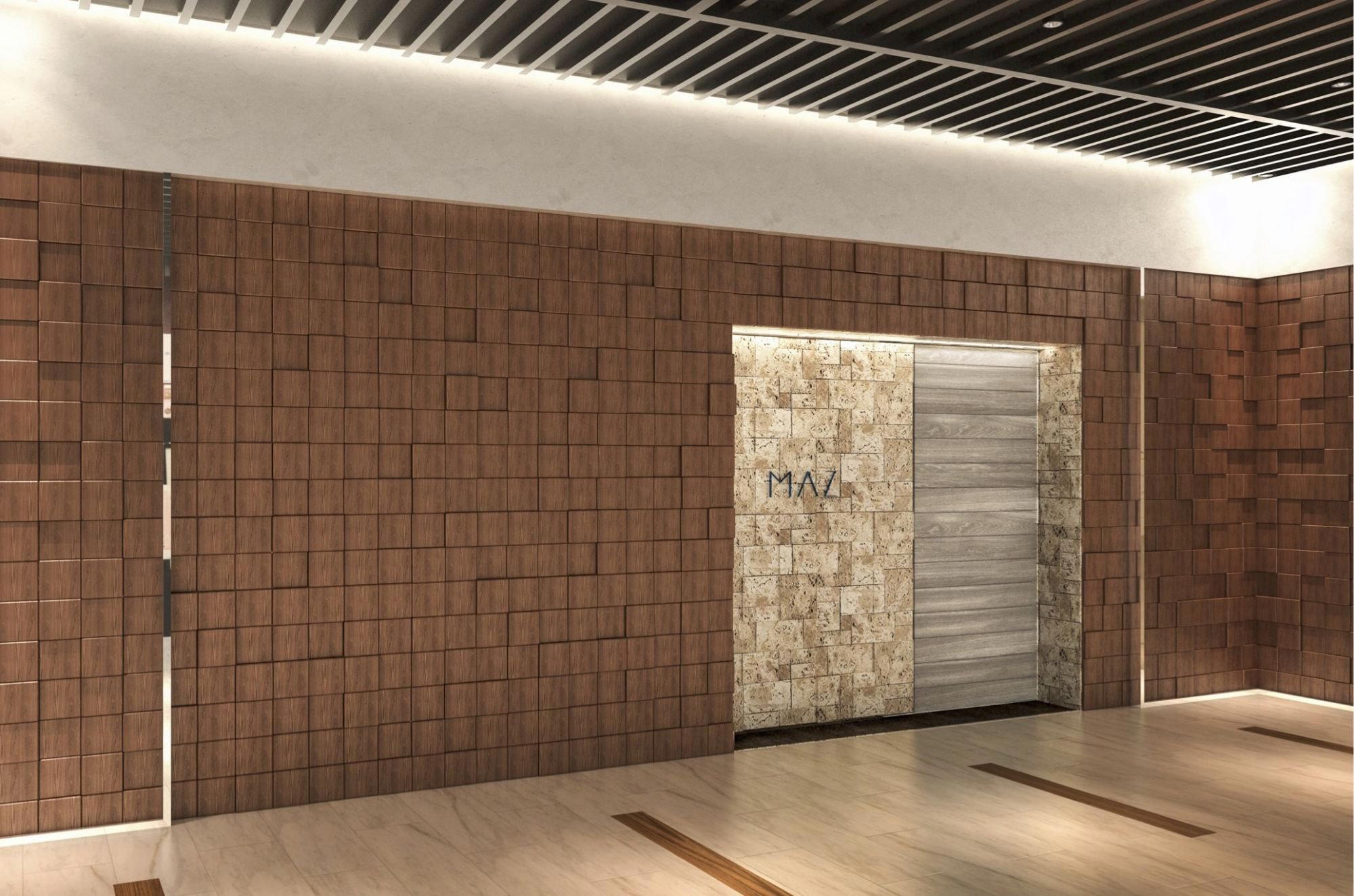
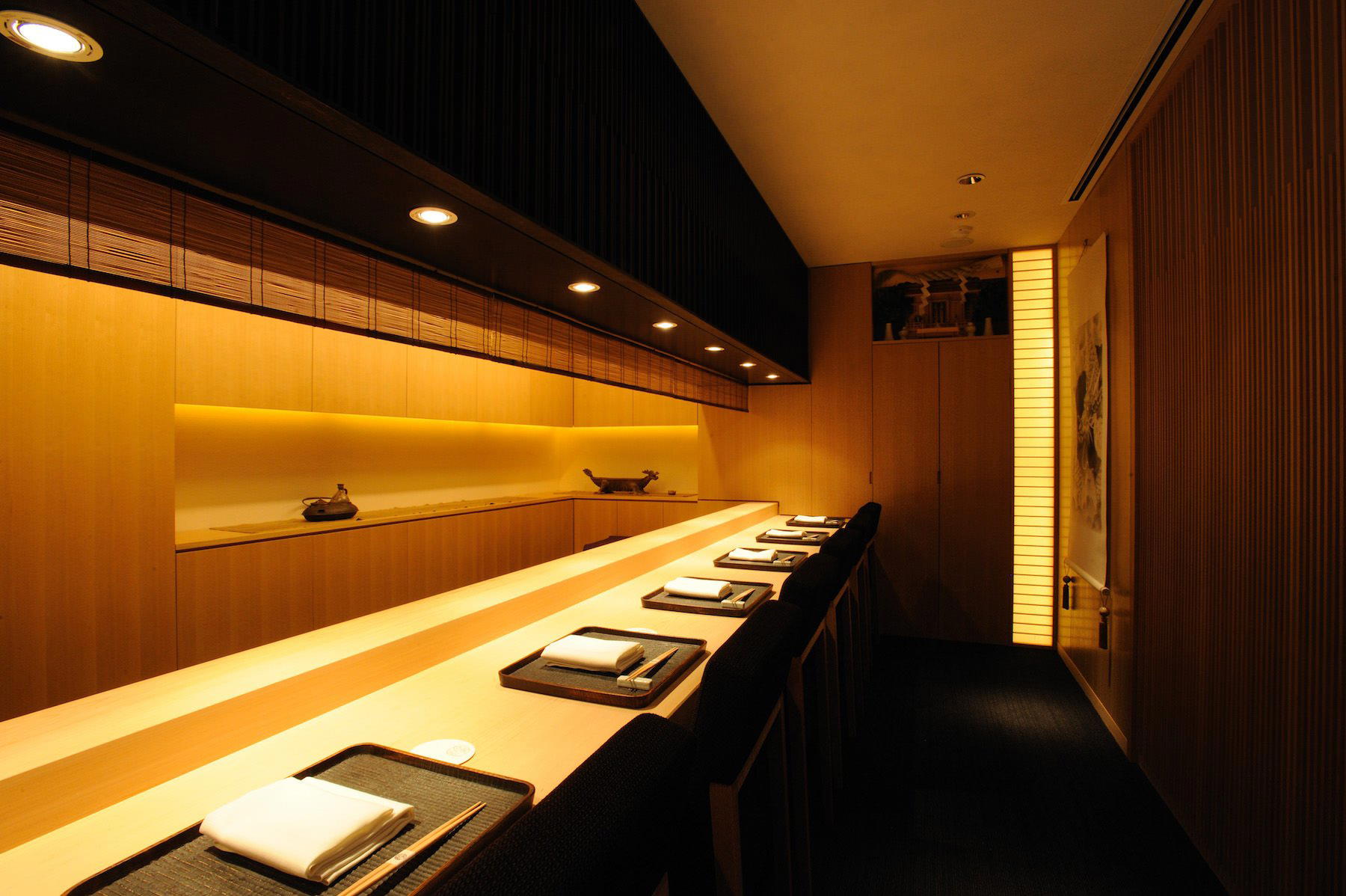
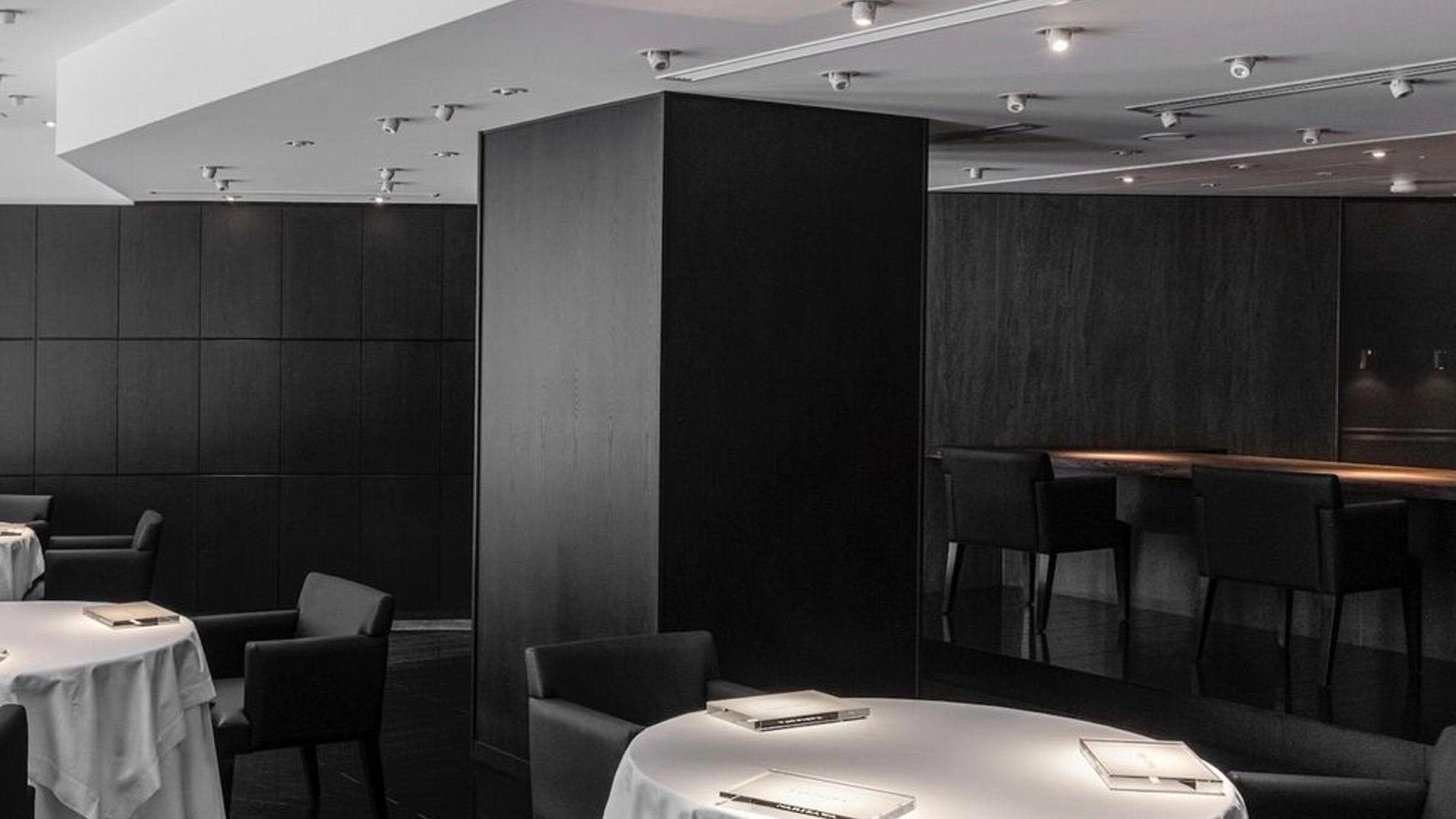
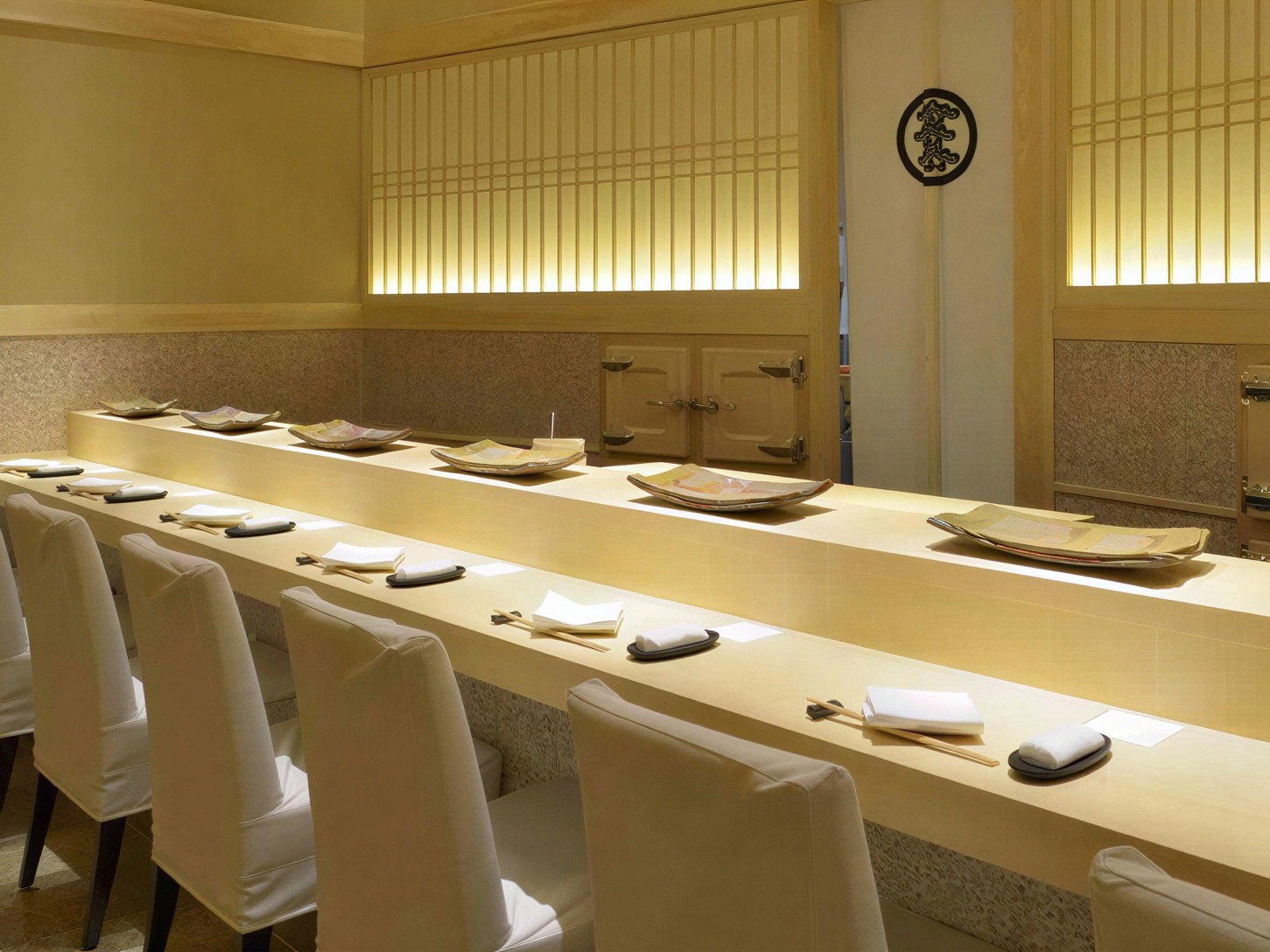
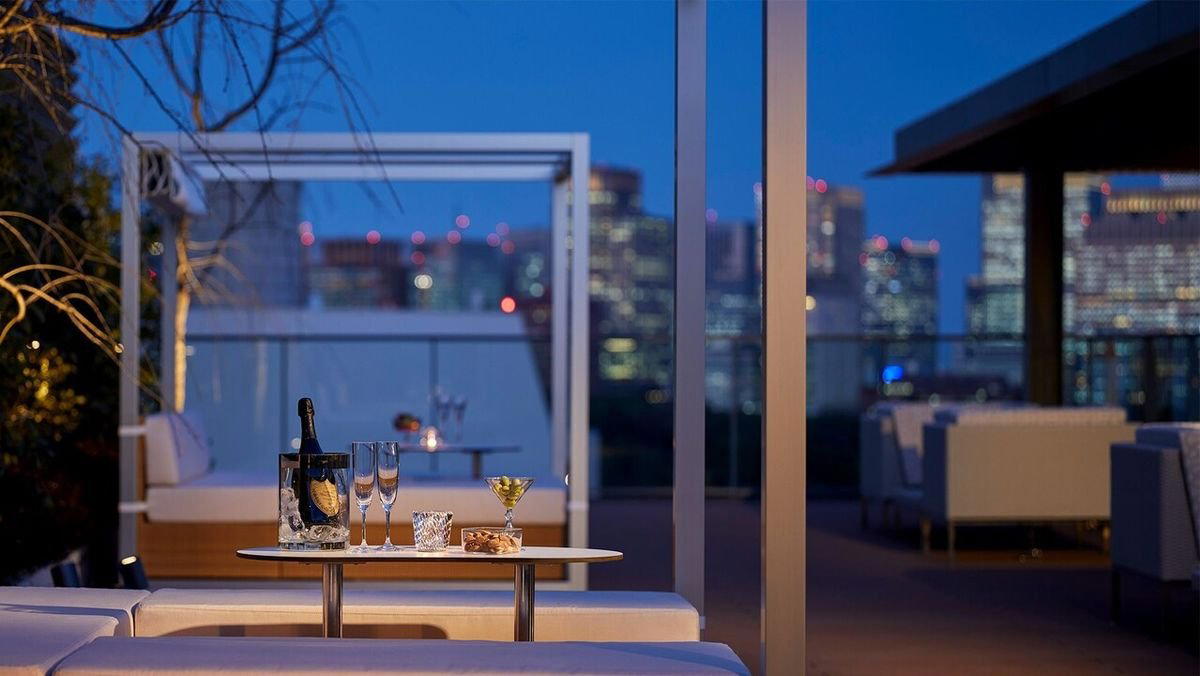
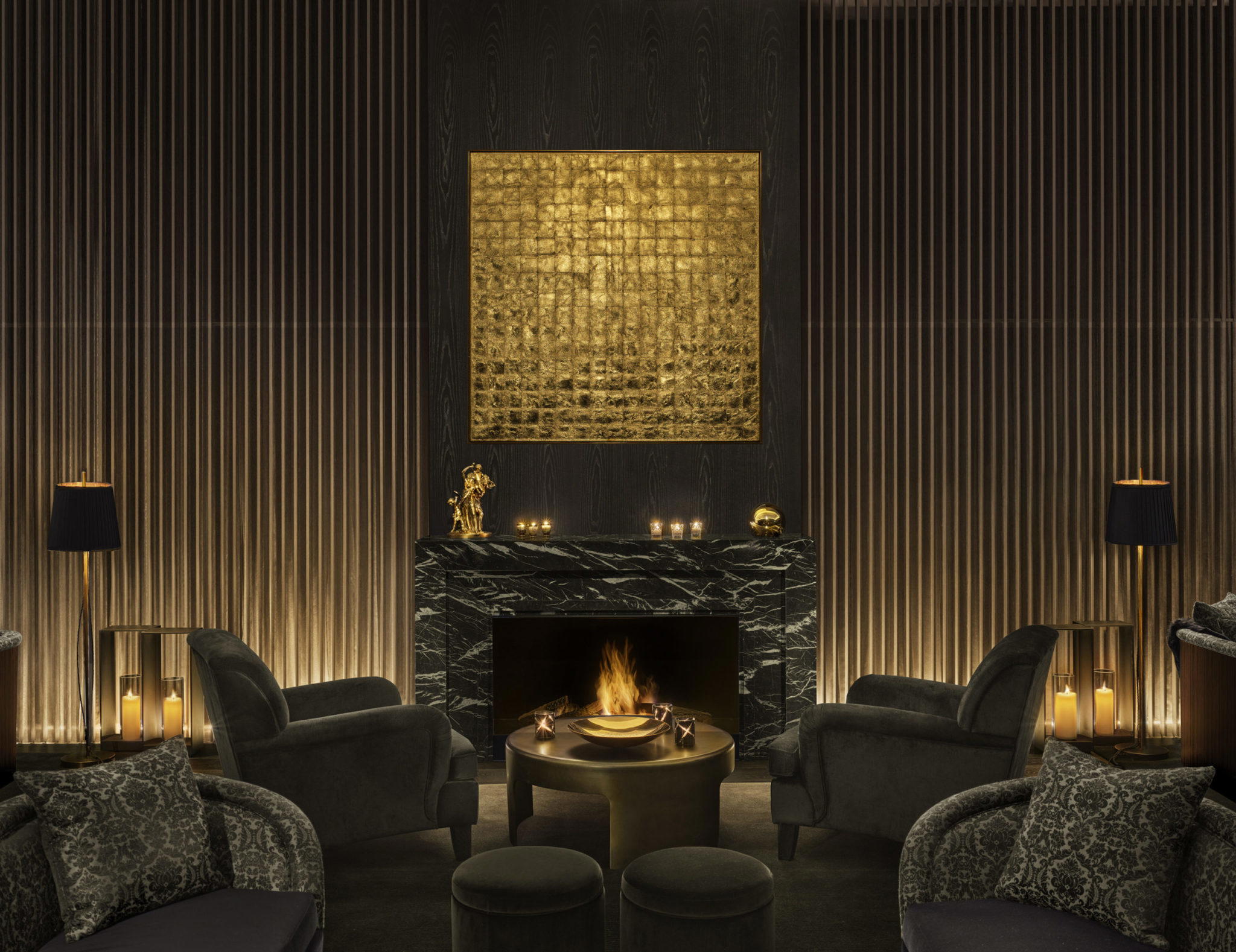
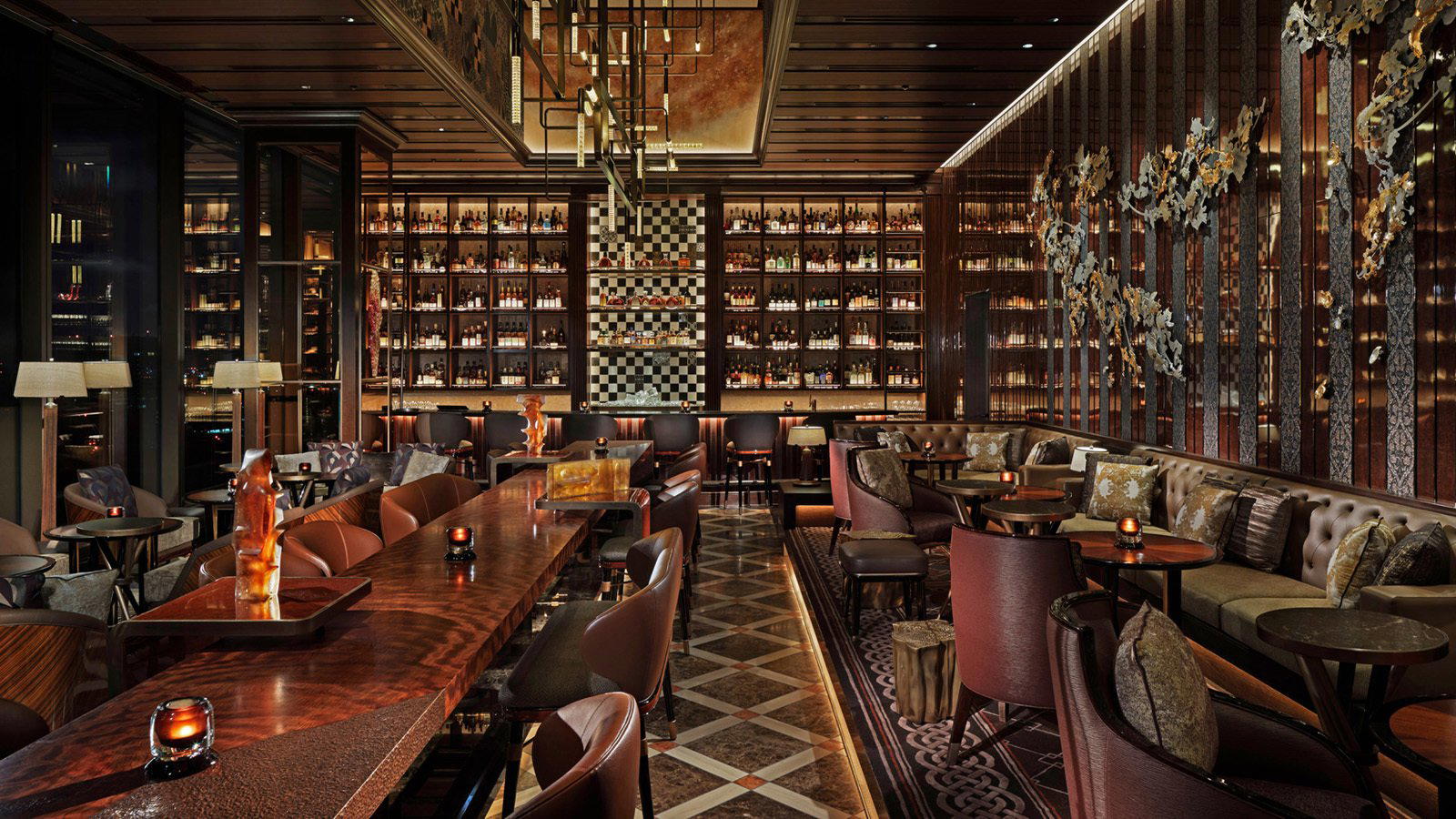
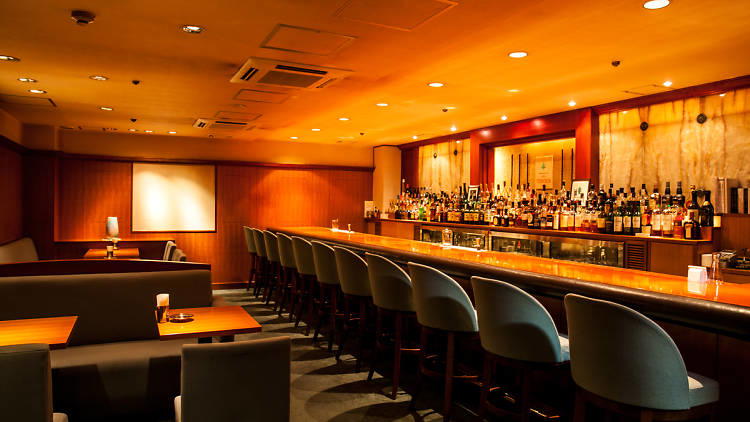
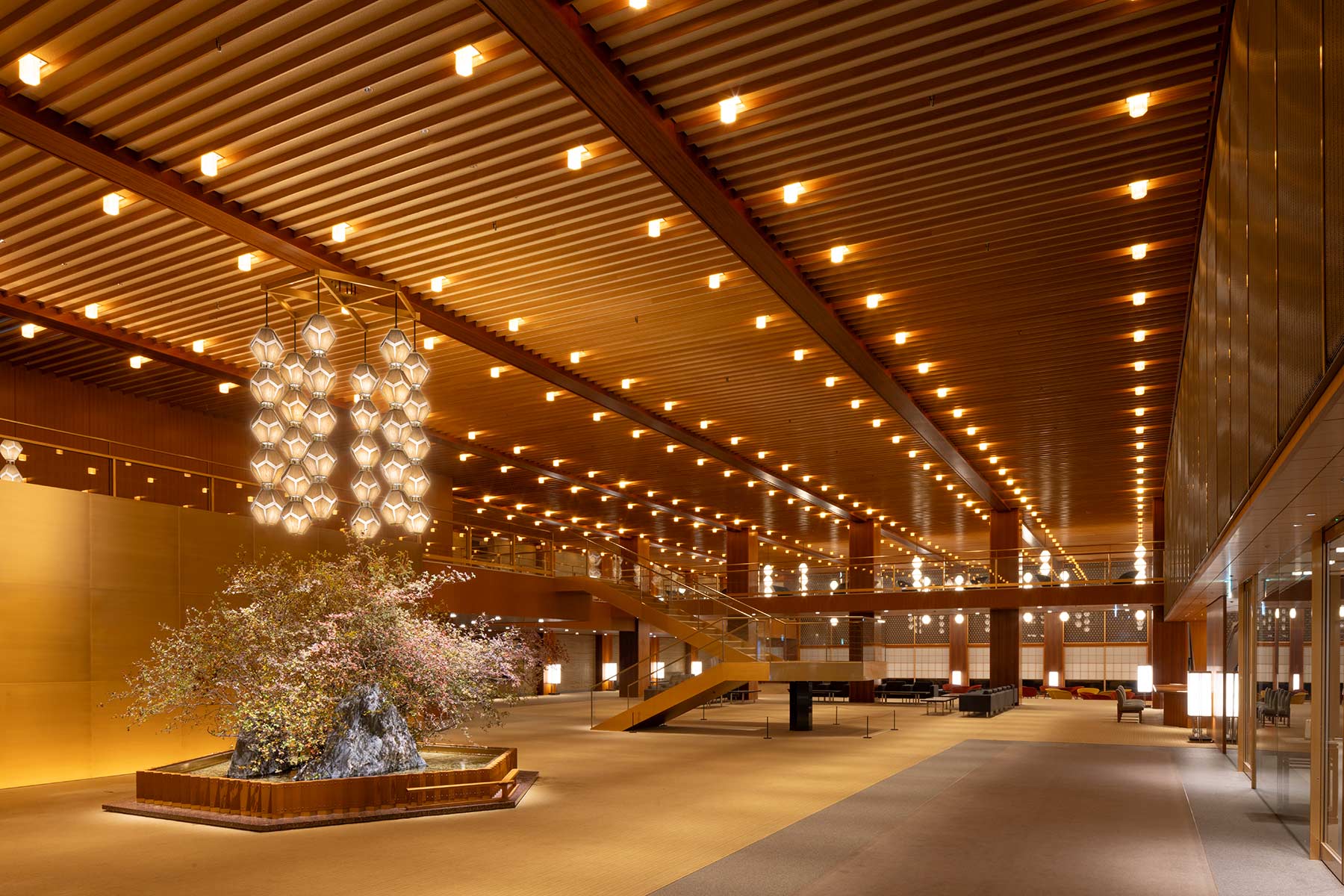
A calm, old-school Japanese interior with a house-restaurant feel, private rooms, and a refined atmosphere suited to business dinners and special occasions.