
Ramen Jiro Keikyu kawasaki ten is a compact counter-only ramen shop in Kawasaki’s Honcho area, selected for Tabelog 100 - Ramen - KANAGAWA in 2024 and 2025. The appeal is format as much as food: ten seats, no private rooms, no smoking, and a direct style that places it firmly inside Kanagawa’s serious everyday ramen culture.
Pearl is the En Primeur Club membership app — saves, bookings, and concierge access live there. Same editors, same standards.
- Address
- 神奈川県川崎市川崎区本町2-10
- Website
- tabelog.com
 Saves & bookings on Pearl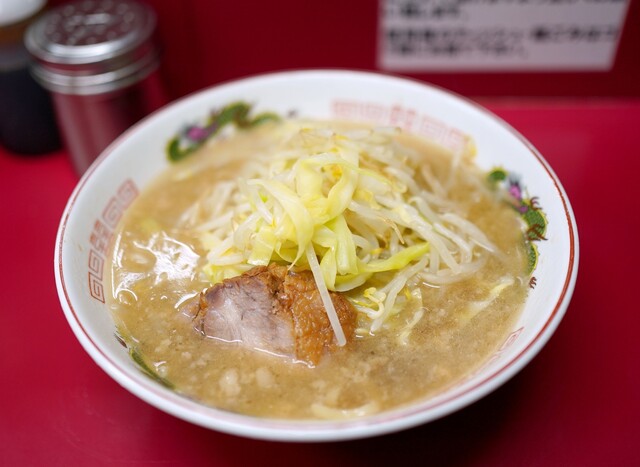
Approaching a Jiro-style ramen counter in Kawasaki is not a soft-focus dining moment. The room is built for momentum: counter seats, tight turnover, the sound of bowls landing, and the compressed choreography of solo diners who know the rhythm. In a city that sits between Tokyo commuter gravity and Kanagawa’s working-port appetite, this kind of ramen format reads less like a casual stop and more like a local code. Ramen Jiro Keikyu kawasaki ten belongs to that code, with a ten-seat counter and a no-smoking setup that keeps the attention on the bowl, the line, and the pace of service.
Kanagawa’s ramen scene rewards concentration. Kawasaki is not Yokohama’s tourist-facing noodle stage, nor Tokyo’s media-saturated ramen circuit; it is a practical city where high-demand shops often live by clarity rather than performance. The inclusion of this shop in Tabelog 100 - Ramen - KANAGAWA in both 2024 and 2025 gives it a public credential inside that regional field. That matters because ramen recognition in Kanagawa is not about linen-table ceremony. It is about repeat diners, local consensus, and whether a shop holds attention in a prefecture where noodle competition is dense.
A ten-seat counter inside Kawasaki's serious ramen grammar
Jiro-style ramen has its own social architecture. The counter does not invite lingering, and the meal is shaped by direct ordering, limited space, and an expectation that diners understand the flow. This is part of the appeal. The format compresses the restaurant experience into a few visible actions: ticket, seat, bowl, finish, leave. Ramen Jiro Keikyu kawasaki ten fits that grammar more convincingly than a shop trying to soften the edges for a broader audience.
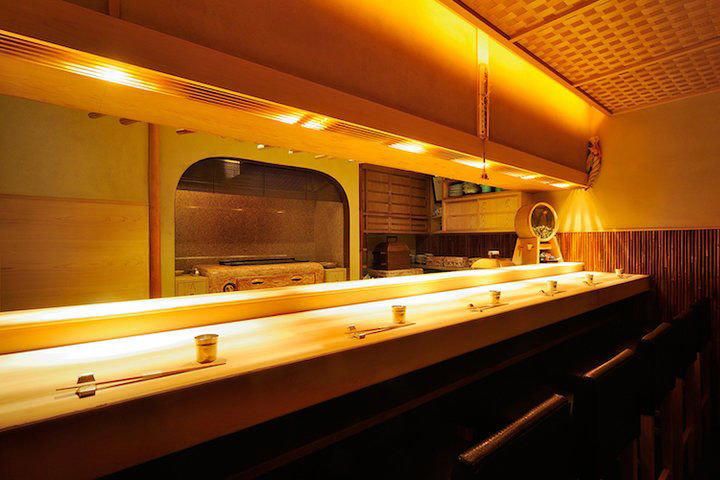
The small counter also changes how the room feels. Ten seats create proximity, not privacy. Diners face the operation, and the kitchen’s tempo becomes the atmosphere. That suits Kawasaki, where much of the stronger dining culture sits in compact, high-utility rooms rather than destination interiors. For a wider view of the city’s dining spread, Our full Kawasaki restaurants guide maps the broader field, from everyday counters to more polished addresses.
Within that field, comparison is useful only when it clarifies the category. Matsu no Ki and Ramen Kan 2 Ya Kawasaki ten sit in the same accessible ramen price band, while Kerala Kitchen La Cittadella Kawasaki ra chitta derra ten and Chinese Santuru point to Kawasaki’s broader casual-dining range beyond noodles. The difference here is not luxury; it is format discipline. The counter-only structure, no private rooms, and repeat Tabelog 100 selection place the shop in a narrower ramen conversation than a general lunch stop.
Jiro-style dining is about appetite, pace, and rules
The sensory charge of a Jiro-style shop comes from density: a compact room, bowls moving quickly, and a queue culture built around appetite rather than ambience. This is not the ramen mode for diners seeking a slow tasting-menu arc. It is a short, concentrated meal where the room’s energy is inseparable from the food. The strongest reason to go is to experience a Kanagawa branch of a ramen tradition that treats scale, portion logic, and counter etiquette as part of the cuisine.
That etiquette matters. One listed house rule says calling “kata-men” is not permitted, a small but telling detail in a ramen culture where noodle firmness requests are common elsewhere. The point is not rigidity for its own sake; it signals a shop where the kitchen controls the intended format. For travelers used to customizable ramen chains, that difference is worth understanding before stepping in.
Kawasaki’s casual dining is broader than ramen, and the internal contrasts make the noodle shops easier to read. (Shoku) Vietnam and Belmatine show how the city supports different low-friction dining moods, while Buta Boshi keeps the pork-and-noodle conversation close to home. For a softer daytime rhythm, Boulangerie Metier Pa-ku shiti musashi kosugi za ga-den and C'EST UNE BONNE IDEE! point to another Kawasaki: bread, pastry, and neighborhood regularity rather than counter intensity.
How to place it in a Kawasaki itinerary
The case for Ramen Jiro Keikyu kawasaki ten is strongest for travelers who want a local ramen format rather than a polished restaurant set piece. The shop is solo-dining friendly, children are welcome, and the room is counter-based, so comfort depends on appetite for a compact, high-tempo meal. It is also cash-oriented in practical terms, with credit cards, electronic money, and QR payments not accepted. Those details make it a better fit for decisive diners than for groups looking for a flexible, drawn-out meal.
Its Honcho location places it within the orbit of Keikyu Kawasaki and JR Kawasaki, useful for visitors moving through the Tokyo-Yokohama corridor. The wider area can support a compact food-focused day: ramen at the counter, then a switch in register through Kawasaki’s bakeries, casual restaurants, or bars. For planning beyond lunch or dinner, Our full Kawasaki hotels guide, Our full Kawasaki bars guide, Our full Kawasaki wineries guide, and Our full Kawasaki experiences guide give the city more shape than a single noodle stop can.
Travelers comparing Japanese dining across regions should treat this as one version of a broader national grammar: specialized, compact, and tightly formatted. It sits far from the ceremonial pace of -Grilled beef Sukiyaki- KAMAKURA TANUKIAN 鎌倉 たぬき庵 in Kamakura, the Tokyo urban izakaya register of. 鮪と炭火焼き うお炭 秋葉原店 in Tokyo, or the cafe mode of.cafe in Osaka. It also contrasts with regional specialists such as.know in Kumamoto, [Curry Senmon Ten] Maruyama Kyoju. in Sapporo, and [ki:] in Kyoto. Even overseas Japanese formats, from Jōdo Saké Bar in Los Angeles to Onigiri Time in Pasadena, underline the point: ramen in Kawasaki is not a universalized Japanese dining symbol. It is local, physical, rule-bound, and better for it.
Comparison Snapshot
Side-by-side context: comparable cuisine and price.
| Venue | Cuisine | Price | Notes |
|---|---|---|---|
| Ramen Jiro Keikyu kawasaki tenThis venue — the venue you are viewing | Jiro-style Ramen Shop | $ | Not listed |
| Yakiniku Jingisukan Tsuruya | Traditional Japanese BBQ (Jingisukan) | $$ | Hatchonawate / Kawasaki Ward |
| Mendokoro Futokoro Ya | Classic Kawasaki ramen counter | $ | Miyamae-ku, Saginuma |
| Sumiyoshiya Sohonten | Traditional Japanese sweets café (kuzumochi, soba & udon) | $ | Kawasakidaishi |
| noodles kitchen GUNNERS | Ramen shop (clam-broth focus) | $ | Nakahara-ku (Musashi-Kosugi Area) |
| Ramen Jiro Ikuta ekimae ten | Jiro-style Ramen Shop | $ | Tama-ku |
Recognition history
Dated appearances from independent guides and award organizations, with the underlying list record or original source where available.
Tabelog 100 #36 · No. 36
Tabelog · Tabelog 100 - Ramen - KANAGAWA - 2025










At a Glance
- Lively
- Well Known
- Energetic
- Solo
- Casual Hangout
- After Work
- Family
- Standalone
- Chefs Counter
Compact, counter-only ramen shop with a relaxed but energetic atmosphere, constant turnover of solo diners and small groups, and the bustling feel typical of popular Jiro-style ramen counters.