
Teuchi Chuka Soba Sakata belongs to Kawasaki’s serious everyday ramen tier: low price, tight ritual, and recognition from Tabelog’s Ramen KANAGAWA 100 selection in 2024 and 2025. The appeal is not luxury, but discipline: a no-reservations ramen meal where timing, cash, and queue etiquette matter as much as appetite.
Pearl is the En Primeur Club membership app — saves, bookings, and concierge access live there. Same editors, same standards.
- Address
- 神奈川県川崎市川崎区京町3-13-10
- Website
- tabelog.com
 Saves & bookings on Pearl
Kyomachi is not the postcard version of Kawasaki. It is residential, workaday, and better suited to a focused bowl of ramen than a long, theatrical dinner. That context matters. In this part of the city, the ramen ritual is built around arrival, waiting, eating with purpose, and giving the seat back to the line. Teuchi Chuka Soba Sakata fits that grammar: a compact, no-frills ramen address near Odasakae, priced in the JPY 1,000 to JPY 1,999 band and selected for Tabelog’s Ramen KANAGAWA 100 in both 2024 and 2025.
Kawasaki’s dining identity often gets flattened between Tokyo and Yokohama, but the city has its own useful split. Around station hubs, the range runs from casual izakaya cooking to higher-spend yakiniku; farther into neighbourhood pockets, specialist counters carry more of the local food culture. Ramen sits comfortably in that second lane. It is democratic in price, exacting in execution, and unforgiving of slack pacing. The meal is short, but the expectations are not low.
Ramen as a quick ritual, not a long dinner
Serious ramen shops in Japan depend on an unwritten social contract. Diners do not linger, groups keep decisions efficient, and the bowl receives attention while it is hot. The format rewards clarity: choose, pay, sit, eat, leave. At Teuchi Chuka Soba Sakata, the no-reservations setup reinforces that rhythm. This is not the restaurant to treat as a slow evening anchor; it is a precision stop, better understood as part of a Kawasaki food day than as a multi-hour occasion.
The price bracket also tells a larger story. In a market where tasting-menu dining has pushed ever higher, ramen remains one of Japan’s strongest arguments for culinary seriousness without luxury pricing. The JPY 1,000 to JPY 1,999 range places this shop alongside other focused ramen counters rather than Kawasaki’s higher-spend meat restaurants. In the comparison set, Yakiniku Horumon Beef Boss sits around JPY 5,000 to JPY 5,999, while Yakiniku Jingisukan Tsuruya reaches JPY 8,000 to JPY 9,999. Those are different nights out. This is tighter, faster, and more dependent on whether the kitchen can make a modest ticket feel complete.
Tabelog’s Ramen KANAGAWA 100 selection gives the address a useful external signal, especially in a category crowded with neighbourhood loyalists and online partisans. A 3.74 Tabelog score is not a Michelin-style declaration; it is a local-market indicator in a review culture where ramen shops are judged heavily by repeat diners, queue tolerance, and consistency. Selection in 2024 and 2025 suggests the shop has moved beyond simple neighbourhood convenience into the prefecture-level conversation.
Where Kawasaki's casual food culture becomes exacting
Kawasaki rewards travellers who do not treat it as overflow from Tokyo. The city’s casual dining is broad, but its stronger addresses tend to be specific rather than expansive. A Vietnamese table such as (Shoku) Vietnam, a bakery stop like Boulangerie Metier Pa-ku shiti musashi kosugi za ga-den, and ramen specialists such as Buta Boshi map a city where everyday formats carry the critical weight. For a broader scan, use our full Kawasaki restaurants guide, then build by neighbourhood rather than by prestige alone.
The comparison with other casual categories is useful. Belmatine and C'EST UNE BONNE IDEE! point to a different Kawasaki rhythm, one where the meal can stretch and conversation can carry more of the experience. Ramen compresses the transaction. There is less room for ambience to rescue a weak bowl, and less need for ceremony beyond the customs of the counter.
That compactness is also why planning matters more than the low price suggests. Teuchi Chuka Soba Sakata lists no private rooms, no private use, no parking, and no card, electronic money, or QR payments. It is non-smoking and operates with lunch and dinner windows on most open days, with Monday as the regular closure. Those details do not make the meal complicated; they make it old-school in the practical sense. Bring cash, expect a simple format, and do not build a schedule that depends on a lingering table.
How to place it in a wider Japan ramen itinerary
Travellers often over-index on Tokyo for ramen, then miss the prefectural scenes that make the category interesting. Kanagawa’s ramen culture is not a single style, and Kawasaki’s advantage is access: close enough to central Tokyo for a purposeful detour, local enough to avoid feeling like a destination staged for visitors. Out-of-metro ramen comparisons such as Ramen Matsushin and Ramen Dohyo Kakureihoho sit in the same low-price band, which underlines the point: the serious ramen economy in Japan often competes on execution, queue, and recognition rather than spend.
For readers building a Japan food route, Kawasaki works well as a connective city. Pair the ramen stop with adjacent research in our full Kawasaki hotels guide, our full Kawasaki bars guide, our full Kawasaki wineries guide, and our full Kawasaki experiences guide. The broader Japanese table can then stretch outward: beef sukiyaki in Kamakura at -Grilled beef Sukiyaki- KAMAKURA TANUKIAN 鎌倉 たぬき庵 in Kamakura, charcoal seafood in Tokyo at. 鮪と炭火焼き うお炭 秋葉原店 in Tokyo, cafe culture at.cafe in Osaka, contemporary dining at.know in Kumamoto, curry in Hokkaido at [Curry Senmon Ten] Maruyama Kyoju. in Sapporo, and Kyoto’s smaller-format dining at [ki:] in Kyoto.
There is also a useful overseas echo. Places such as Jōdo Saké Bar in Los Angeles and Onigiri Time in Pasadena show how Japanese casual formats travel, but ramen in Kawasaki remains tied to local pacing. The value of the restaurant is not that it turns ramen into spectacle. It preserves the category’s demanding simplicity: a modest ticket, a short meal, public recognition, and a set of customs that ask the diner to pay attention.
Cuisine-First Comparison
Side-by-side context: comparable cuisine and price.
| Venue | Cuisine | Price | Notes |
|---|---|---|---|
| Teuchi Chuka Soba SakataThis venue — the venue you are viewing | Handmade Chuka Soba Ramen | $ | Not listed |
| Niboshi Ramen Tanaka Niboru | Niboshi-focused ramen & tsukemen | $ | Takatsu Ward |
| Ramen Kan 2 Ya Kawasaki ten | Yokohama Iekei pork-soy sauce ramen | $ | .null |
| Ramen Marusen | Traditional Ramen Shop | $ | Musashi-Kosugi |
| Ramen Jiro Ikuta ekimae ten | Jiro-style Ramen Shop | $ | Tama-ku |
| Ramen Jiro Keikyu kawasaki ten | Jiro-style Ramen Shop | $ | Kawasaki Ward, Kawasaki City |
Recognition history
Dated appearances from independent guides and award organizations, with the underlying list record or original source where available.
Tabelog 100 #80 · No. 80
Tabelog · Tabelog 100 - Ramen - KANAGAWA - 2025









At a Glance
- Cozy
- Solo
- Casual Hangout
- After Work
- Standalone
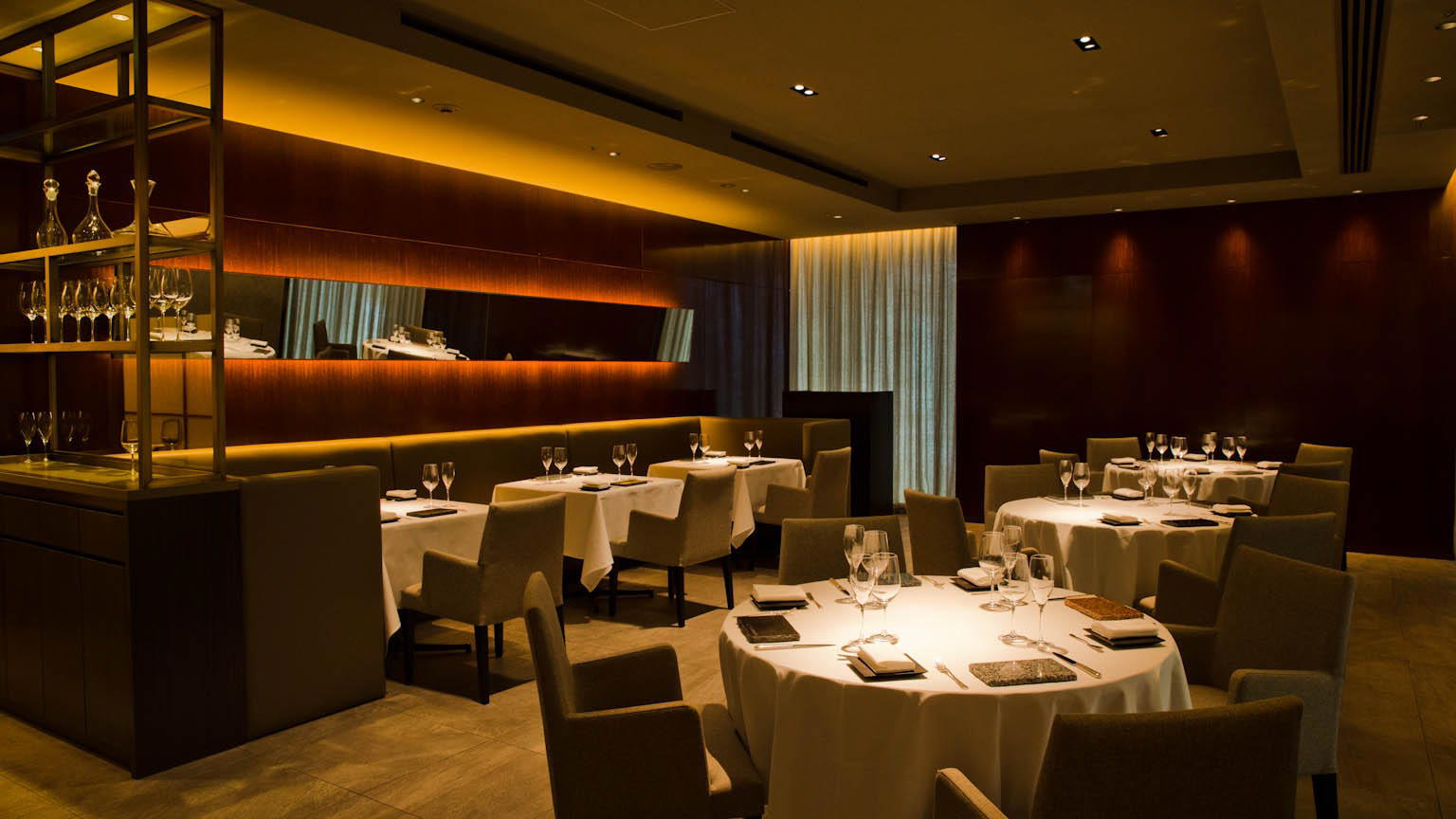
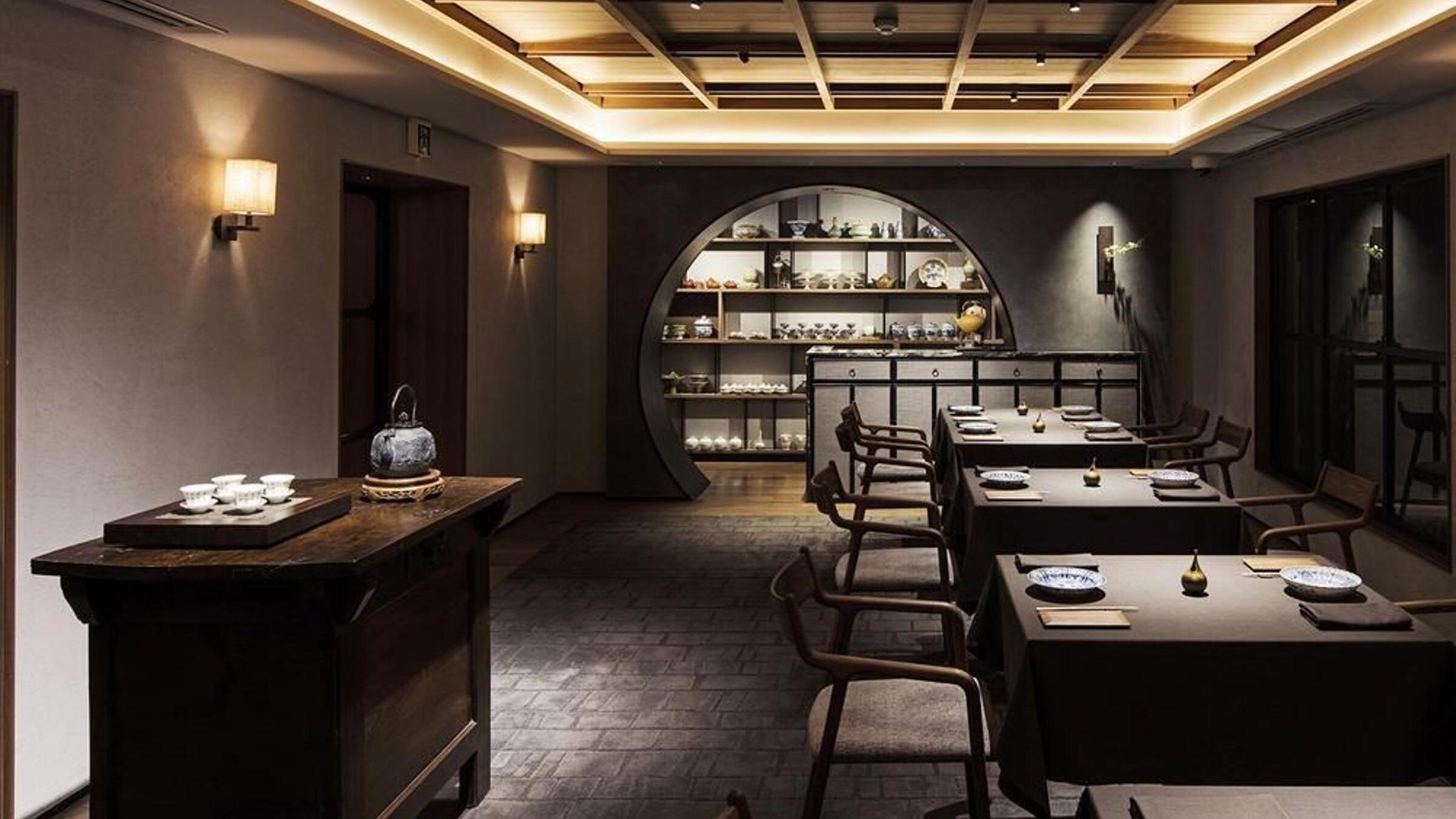
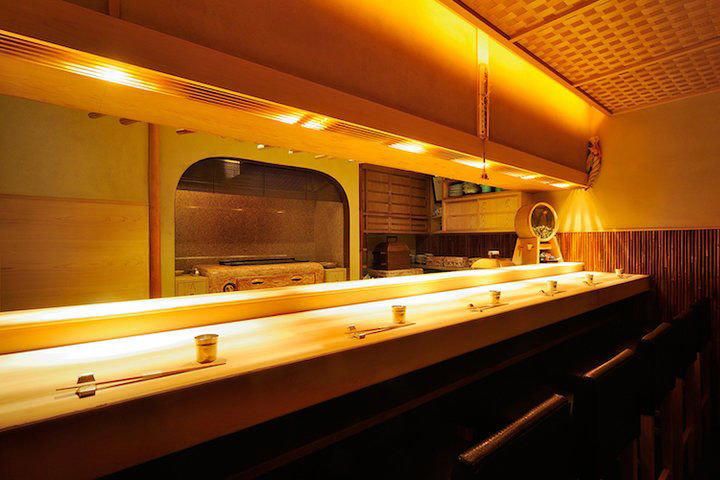
A small, cozy neighborhood ramen shop with a direct, no-frills interior focused on counter noodle service rather than design, creating a relaxed, everyday local feel.