Our verdict
Teuchi Soba Ichimura brings the disciplined craft of hand-cut buckwheat noodles to Niseko, a resort town better known for powder snow than refined Japanese dining. The menu is built around soba as a structural principle, not a novelty, placing it in a category distinct from the area's ski-season restaurants. For visitors moving between the slopes and a serious bowl of noodles, it occupies a clear and specific position.

Pearl is the En Primeur Club membership app — saves, bookings, and concierge access live there. Same editors, same standards.
- Address
- Niseko, Japan
- Directions
- Get directions
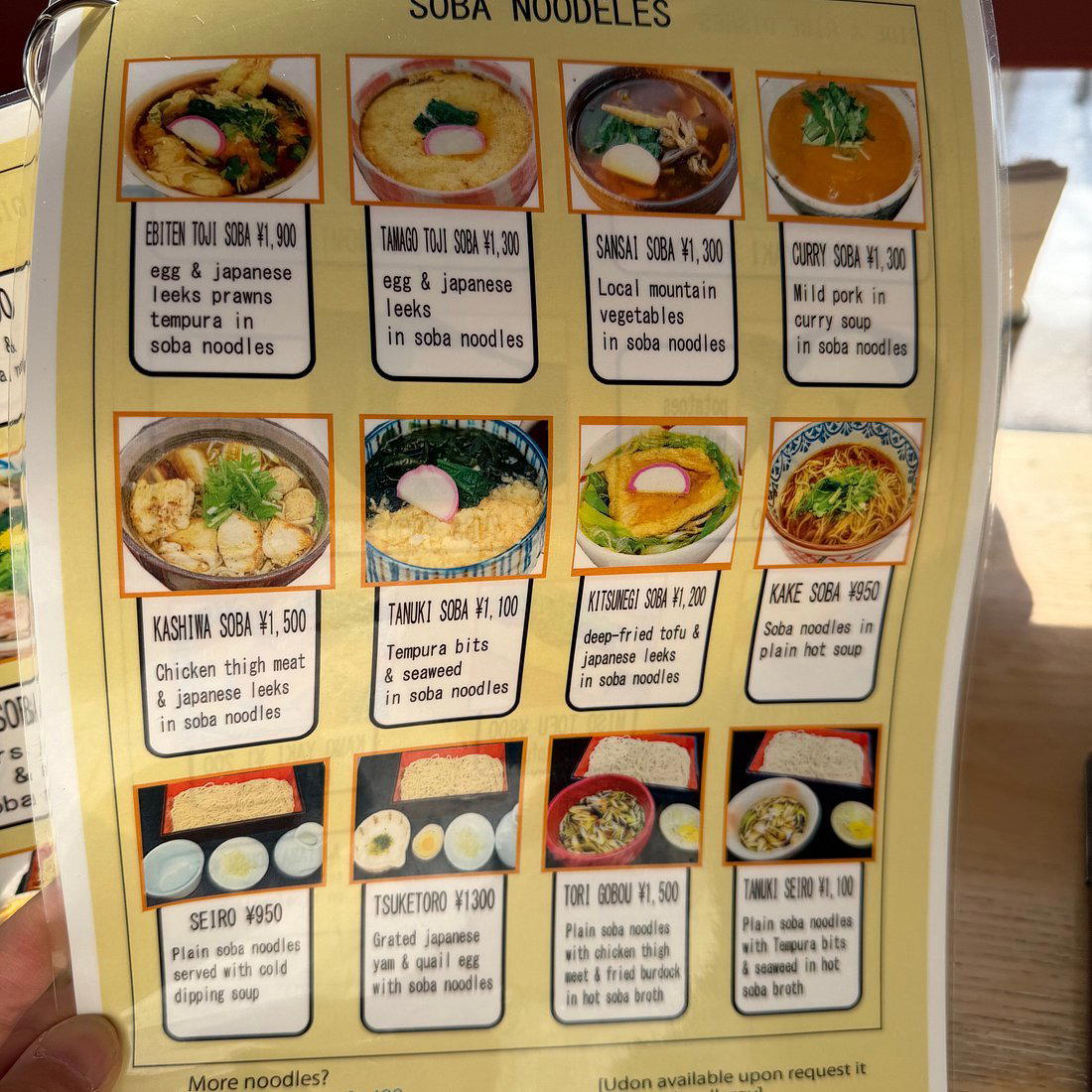
The menu
What to order
- Kamonanban Soba
- Tempura Soba
Soba in a Ski Town: What That Actually Means
Niseko's dining identity has long been shaped by its winters. The infrastructure that supports high-volume ski tourism, ranging from après-ski izakayas to hotel restaurants calibrated for international guests, defines most of what visitors encounter here. Against that backdrop, a hand-cut soba specialist operates in a notably different register. Teuchi Soba Ichimura belongs to a tradition that prizes stillness and precision over spectacle, a counterpoint to the seasonal bustle that surrounds it.
In Japan, teuchi soba, meaning hand-cut buckwheat noodles made by the craftsperson rather than machine, represents one of the more demanding specialisations in the country's noodle culture. The gap between machine-cut and hand-cut is not merely aesthetic. It governs texture, the way the noodle holds dashi, and the speed at which the dish must be eaten to capture the noodle at its intended consistency. These details matter, and a restaurant built around teuchi soba is making a statement about the kind of attention it expects from its guests. In that sense, the menu architecture here is not a list of options so much as a set of instructions about how to eat.
How the Menu Speaks
Traditional soba menus in Japan are deliberately spare. A core soba house will typically offer cold seiro (noodles served on a bamboo tray with dipping broth), hot kake (noodles in broth), and a handful of seasonal or regional variations. That parsimony is intentional: the fewer items on the menu, the more clearly each one can be read as an argument for what the kitchen believes soba should be.
The structural logic of a teuchi menu also frames the order of eating. Diners in serious soba establishments begin with small appetisers that don't compete with the noodles' flavour, then move to the soba itself, and often finish with sobayu, the starchy hot water in which the noodles were cooked, poured into the remaining dipping broth as a final course. That closing ritual is one of the clearest indicators of a kitchen operating within tradition rather than around it. Where a venue includes sobayu service, it signals a commitment to the full sequence of the meal, not just its photogenic middle.
Niseko draws visitors from across East Asia, Australia, North America, and Europe, many of whom arrive primarily for skiing and encounter Japanese cuisine as a secondary interest. A soba counter operating within this environment faces a choice: adapt the format to a ski-town audience, or hold to the conventions of the tradition and trust that the guests who seek it out will meet it on its own terms. The positioning of Teuchi Soba Ichimura in Niseko rather than Sapporo or Hokkaido's larger cities suggests the latter orientation, placing craft soba in a context where it reads as a deliberate departure from the resort norm.
Hokkaido Soba in Context
Hokkaido has a genuine buckwheat identity. The island's cooler climate and agricultural character have historically supported buckwheat cultivation, and Hokkaido-grown soba flour carries distinct regional characteristics, including a slightly earthier profile than soba made from Nagano or Ibaraki buckwheat. A hand-cut soba specialist in Hokkaido is drawing on local agricultural context, not importing a tradition from elsewhere.
That regional dimension places Teuchi Soba Ichimura in a different peer conversation than, say, the premium sushi counters that have emerged in Niseko's luxury tier alongside venues like Sushi Mitsukawa. Soba operates outside the price and format conventions of omakase dining. It is comparatively accessible, faster, and less ceremony-dependent, which is part of what makes a serious teuchi house valuable in a resort setting: it delivers craft without demanding a two-hour commitment or a translated tasting menu.
For context on how Niseko's broader dining scene distributes itself across casual and refined registers, Homemade Udon Gokoro and Rakuichi represent adjacent positions in the town's noodle and Japanese food offer, while The Barn by Odin and Milk Kobo occupy the Western and dairy-forward ends of the local food spectrum. Teuchi Soba Ichimura sits among these as the most tradition-anchored Japanese option in the soba category. Our full Niseko restaurants guide maps these across neighbourhoods and meal types.
Placing Niseko Within Japan's Broader Craft Dining Circuit
Japan's most discussed restaurants in 2024 and 2025 have clustered around omakase and kaiseki formats in Osaka, Tokyo, Kyoto, and Fukuoka, venues like HAJIME in Osaka, Harutaka in Tokyo, and Goh in Fukuoka. The editorial attention these places attract is not directly transferable to a soba counter in a ski resort, nor should it be. Craft soba operates by different standards: it is judged on the freshness of the buckwheat, the milling approach, the water ratio in the dough, and the cutting discipline of the craftsperson. A teuchi soba shop that does those things well commands respect within its own tradition regardless of whether it participates in the awards circuit.
Kyoto's kaiseki houses, including Gion Sasaki, and the emerging Nara dining scene anchored by akordu, represent a different tier of Japanese dining formality. Teuchi Soba Ichimura asks for none of that investment in preparation or occasion. The soba meal, done well, is self-contained and complete in under an hour.
Planning a Visit
Niseko is most easily reached via New Chitose Airport outside Sapporo, with transfers running roughly 90 minutes by bus or private car. The ski season from December through March brings the highest visitor volumes, and dining in Niseko during that period requires advance planning for most venues. Outside ski season, Niseko operates on significantly reduced capacity across its restaurant stock, which makes confirming that a specific venue is open before travelling essential. Visitors combining Niseko with Hokkaido's broader food circuit might cross-reference with dining options in Sapporo, including 夕仙山乃, and consider the wider Honshu itinerary via the restaurants above.
Frequently asked questions
How does a teuchi soba restaurant fit into Niseko's dining scene compared to its ski-resort restaurants?
Most of Niseko's restaurant infrastructure is built around high-throughput ski tourism: izakaya, ramen counters, and après-ski formats designed for volume. A teuchi soba house operates on a different logic, prioritising the craft of a single noodle category over menu breadth. That specialisation places Teuchi Soba Ichimura in a narrower craft-dining tier within Niseko, more aligned with Hokkaido's buckwheat agricultural identity than with the resort's mainstream dining offer.
What's the must-try dish at Teuchi Soba Ichimura?
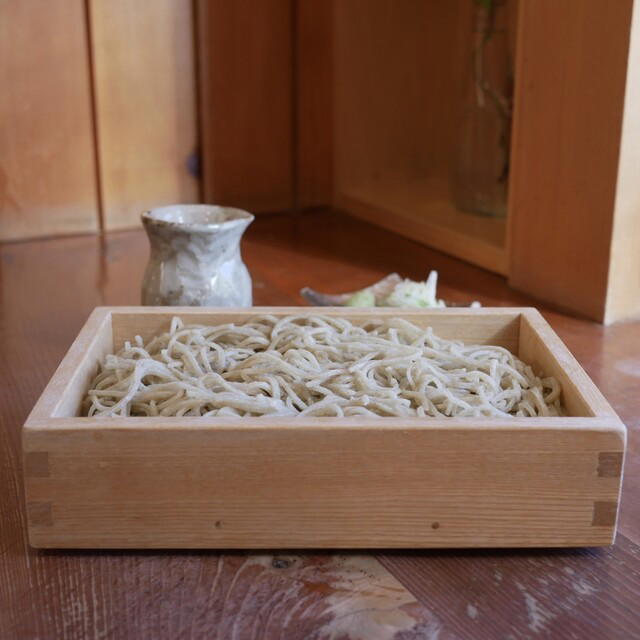
Cold seiro is the clearest measure of a teuchi soba kitchen: buckwheat noodles served on a bamboo tray with dipping broth, nothing obscuring the noodle itself. In a hand-cut house in Niseko, that dish is the reference point against which everything else on the menu should be read. Order it first, before any hot preparation.
Do I need a reservation for Teuchi Soba Ichimura?
Niseko's ski season, running December through March, compresses visitor demand into a short window and smaller specialist restaurants can fill quickly even at lunch. Contacting the restaurant directly ahead of your visit is advisable during peak winter months. Outside ski season, walk-in availability is generally more open across the town.
What is Teuchi Soba Ichimura known for?
The restaurant is anchored in the teuchi tradition: buckwheat noodles cut by hand rather than machine. That distinction matters in practical terms because hand-cutting produces a texture and cross-section that machine processing does not replicate. In Niseko, where the dining scene skews toward high-volume ski-resort formats, a dedicated teuchi house occupies a specific and narrower category.
Can Teuchi Soba Ichimura accommodate dietary restrictions?
Traditional soba menus are built around buckwheat, dashi typically made from fish stock, and minimal added ingredients, which suits some dietary profiles but not others. Buckwheat itself is a common allergen and is not gluten-free despite the frequent assumption. Guests with allergies or strict dietary requirements should confirm specifics directly with the restaurant before visiting.
Is Teuchi Soba Ichimura worth the price?
Hand-cut soba sits at a different price tier than omakase or kaiseki formats: it is one of Japan's more accessible specialist craft-dining categories even at a higher-end soba house. In Niseko, where resort pricing inflates many dining options during ski season, a focused soba counter generally represents stronger value per course than comparable Japanese dining experiences in the same town.
What's the best season to visit Teuchi Soba Ichimura?
Niseko's ski season from December through March brings the most reliable opening consistency across the town's restaurants, including smaller specialist venues. The summer months attract a growing visitor base and generally offer a quieter experience with less competition for seats. Either season works; the trade-off is crowd density versus atmosphere.
Where the Accolades Land
Comparable venues nearby, for context on price, style, and recognition.
| Venue | Cuisine | Price | Notes |
|---|---|---|---|
| Teuchi Soba IchimuraThis venue — the venue you are viewing | Handmade Soba Noodles | $10–20 | Not listed |
| Milk Kobo | Farm-Fresh Dairy Sweets & Café | $10–20 | Niseko Village |
| DEL SOLE | Authentic Neapolitan Pizza | $20–30 | Niseko |
| Rakuichi | Traditional Hokkaido Soba Kaiseki | $50–100 | Niseko Annupuri |
| Homemade Udon Gokoro | Homemade Udon Noodles | Not listed | Hirafu |
| そば処楽一 (楽一) | Traditional Hokkaido Soba Kaiseki | $50–100 | Niseko |
Continue exploring
More in Niseko
Restaurants in Niseko
Browse all →
Hotels in Niseko
Browse all →
Wineries in Niseko
Browse all →
Details
- Rustic
- Cozy
- Classic
- Casual Hangout
- Open Kitchen
- Sake Program
- Local Sourcing
- Organic
- Mountain
- A La Carte
- Vegetarian Friendly
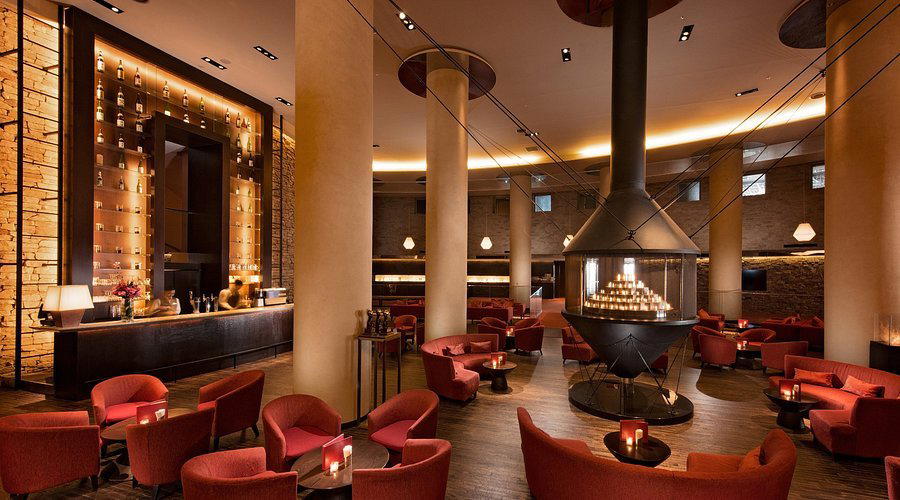
Spacious bright interior with tasteful Japanese modern appearance.