Our verdict
A dairy-focused stop in Niseko that draws on Hokkaido's reputation as Japan's foremost milk-producing region, Milk Kobo sits within a broader category of farm-linked purveyors that have made the area a destination beyond ski season. Fresh soft-serve, baked goods, and dairy products sourced from local Hokkaido farms make it a reference point for understanding how the region's agricultural identity shapes what ends up on the plate and in the glass.

Pearl is the En Primeur Club membership app — saves, bookings, and concierge access live there. Same editors, same standards.
- Address
- Niseko, Japan
- Directions
- Get directions
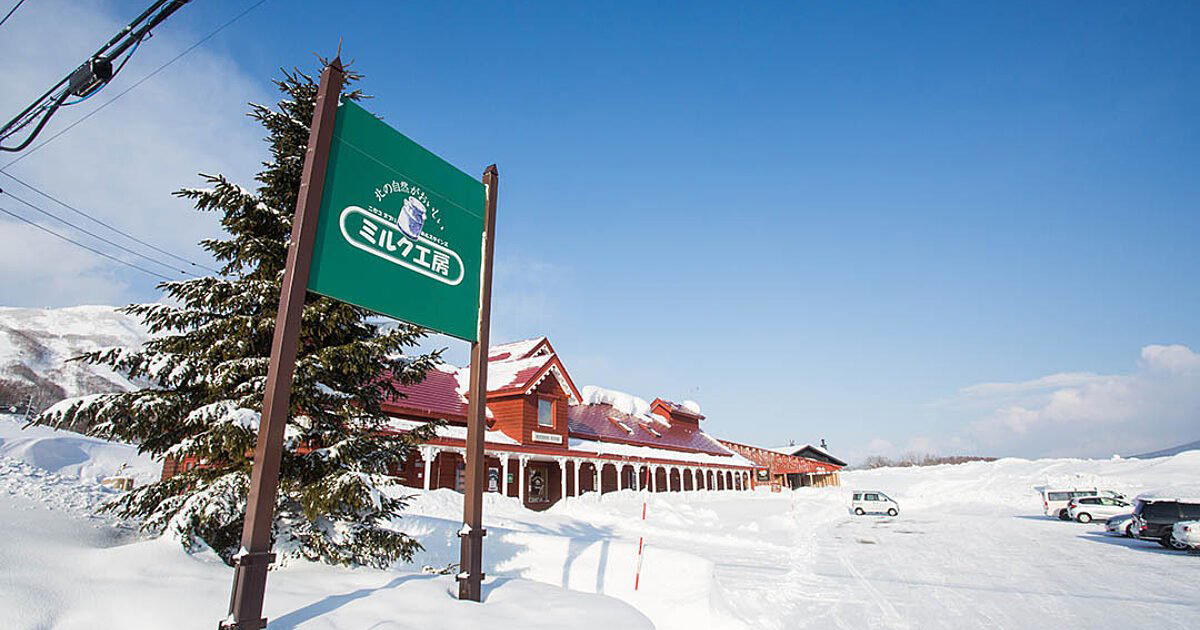
The menu
What to order
- Cream Puff
- Ice Cream
- Choux Cream
- Cheesecake
- Quatro Cheese Pizza
- Hot Chocolate
Hokkaido's Dairy Identity, Served at the Counter
Hokkaido produces roughly half of Japan's milk supply, and that agricultural fact reshapes nearly every food conversation in the region. The cool climate, wide pastures, and comparatively low population density of Japan's northernmost main island have produced a dairy culture that sits apart from the rest of the country. In a food culture where provenance is treated as an ingredient in itself, Hokkaido's milk carries the same regional weight that Kyushu pork or Sanriku seafood carries elsewhere. Milk Kobo operates squarely within that tradition, positioning itself as a farm-linked purveyor in a town that has spent two decades building a reputation around seasonal produce, mountain air, and the principle that where food comes from matters as much as how it is prepared.
Niseko as a Food Destination Beyond the Slopes
Niseko's dining identity has shifted considerably over the past decade. The town built its international profile on powder skiing, but the infrastructure that followed — international visitors with appetite for quality, chefs drawn by the seasonal produce calendar, and operators willing to invest in year-round programming — created conditions for a serious food scene. The pattern visible in a resort like Niseko is familiar from alpine contexts elsewhere: the original draw is environmental, and the food scene grows into the gap left by visitors who want something to do when the slopes are closed or the season has turned. Farm-to-table sourcing is not a marketing concept in this context; it is a practical response to what is available locally and what visitors have come to expect.
That broader scene now includes a range of formats. Handmade noodle shops like Homemade Udon Gokoro and Teuchi Soba Ichimura anchor the casual end of the spectrum, drawing on the same local-grain logic that Milk Kobo applies to dairy. Counter dining at Sushi Mitsukawa and grilled meat formats at Rakuichi occupy a different register, while places like The Barn by Odin signal how international operator sensibility has been grafted onto the local produce base. Milk Kobo sits in a distinct sub-category: the ingredient-specialist, a format common in Hokkaido where a single category of produce is treated with enough seriousness to sustain a dedicated destination.
The Ingredient-Specialist Format
Japan has a long tradition of purveyors who build an entire offering around one ingredient category done with precision and care. The format is not unique to dairy: you find it in tofu shops in Kyoto, in yuzu processors in Kochi, and in the kombu traders of coastal Hokkaido. What these operations share is the logic that deep sourcing knowledge, processing discipline, and single-ingredient focus produce something that a generalist kitchen cannot replicate. In Niseko, where the raw material is Hokkaido milk, that logic produces baked goods and fresh dairy products that trace directly to local farm operations rather than passing through the commodity supply chain.
For visitors coming from cities where dairy is an invisible background ingredient, there is an educational dimension to eating at a place like Milk Kobo. The difference between standardized commercial milk and fresh, single-origin Hokkaido dairy is measurable in fat content, creaminess, and flavour. That gap is what the ingredient-specialist format depends on, and it is why Hokkaido's agricultural output has attracted the attention of chefs working at the opposite end of the formality spectrum. Kitchens like HAJIME in Osaka and Gion Sasaki in Kyoto are known partly for how seriously they engage Hokkaido produce sourcing. The ingredient-specialist shop is, in some ways, the retail expression of the same philosophy.
What to Expect at Milk Kobo
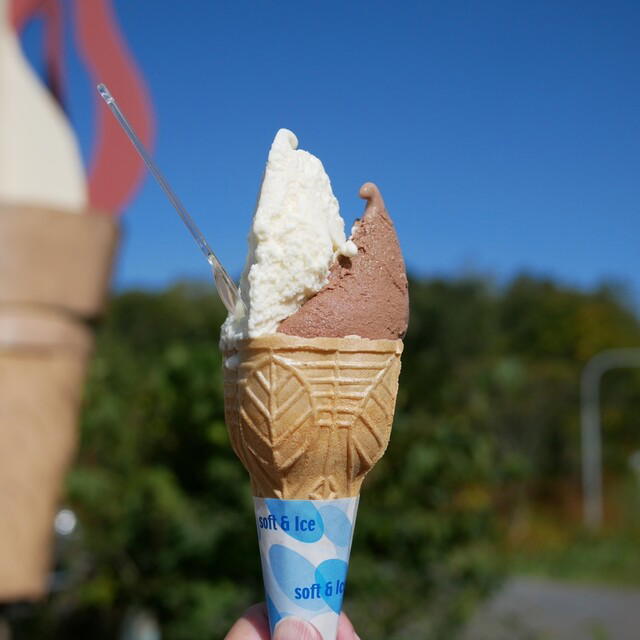
Milk Kobo draws visitors with fresh soft-serve ice cream and dairy-based baked products that reflect the regional milk supply. The soft-serve format, common across Hokkaido's dairy-producing districts, is a reliable indicator of milk quality: the fat content of local Hokkaido milk produces a denser, more flavourful result than the soft-serve common in convenience chains, and the difference is immediate. Baked goods follow the same logic, with butter and cream as the primary flavour carriers rather than background fats.
The shop operates within the tourist circuit of Niseko, which means visitor volume can be high during peak ski season (typically December through March) and again during the summer hiking and cycling season. Arriving outside core tourist hours generally produces a more relaxed experience. Hokkaido summers, which run roughly from late June through August, offer a different argument for the visit: the produce is at its freshest, the crowds are more manageable than mid-winter, and the surrounding landscape provides context for what you are eating. For visitors exploring the broader region, combining a stop at Milk Kobo with the wider Niseko food circuit outlined in our full Niseko restaurants guide makes logistical sense.
Hokkaido in the National Context
Japan's regional food identity has become more visible internationally as restaurants like Harutaka in Tokyo and akordu in Nara draw attention to sourcing provenance as a distinguishing factor. Hokkaido occupies a specific position in that national map: it is where Japan's European-style agriculture took hold during the Meiji-era development programmes, and the legacy is a food culture that combines Japanese technique with a dairy and livestock tradition unfamiliar in most of Honshu. That combination makes Hokkaido produce a point of reference for chefs across the country, from the kaiseki rooms of Kyoto to the yakitori counters of Fukuoka. Destinations like Goh in Fukuoka have built reputations partly on how they integrate Hokkaido sourcing into their kitchen logic.
Within Hokkaido, Niseko is not the only food destination worth attention. Sapporo anchors the regional fine dining scene, and å¤ä»å±±ä¹ in Sapporo represents the more formal expression of that city's culinary ambition. But Niseko's combination of international visitor base, high seasonal produce quality, and a food operator community that has invested in the area gives it a particular character. The ingredient-specialist shop is one of the more honest expressions of what that character looks like at street level.
Planning a Visit
Specific hours, pricing, and booking details for Milk Kobo are best confirmed directly, as operational information at this level of informality changes with season and staffing. The shop is positioned within Niseko's main visitor circuit, making it accessible as part of a broader day of eating rather than a destination requiring advance planning. Visitors arriving by car from Sapporo, a drive of roughly ninety minutes to two hours depending on conditions, will find Milk Kobo sits naturally within a longer Niseko food itinerary. International visitors transiting through New Chitose Airport have road access to Niseko within a similar window. There is no formal booking requirement for a casual dairy counter, but arriving during shoulder hours reduces wait times during peak season. For visitors whose interest in Japanese regional produce extends beyond the stop itself, connecting Milk Kobo to the wider context of Hokkaido food culture gives the visit more depth than treating it as a standalone attraction.
Frequently asked questions
Does Milk Kobo use milk from a specific Hokkaido farm or cooperative?
Milk Kobo's offering is grounded in Hokkaido's dairy supply, a region that accounts for approximately half of Japan's total milk production. The exact sourcing relationships, whether a named farm, cooperative, or local creamery, are best confirmed with the shop directly. That level of provenance detail is part of what distinguishes ingredient-specialist venues in Japan's regional food scene, and Niseko's growing food identity makes it a reasonable question to ask on arrival.
What should I eat at Milk Kobo?
The soft-serve ice cream is the primary draw, made with milk from Hokkaido, which supplies roughly half of Japan's national dairy output. Dairy-based baked goods round out the offering. Both categories reflect the ingredient-specialist format the shop is built around, so prioritise the soft-serve on any visit.
How hard is it to get a table at Milk Kobo?
Milk Kobo operates as a counter and takeaway format rather than a seated restaurant, so there are no reservations to manage. Queue length depends heavily on the ski season calendar, with peak powder months drawing the heaviest foot traffic to Niseko. Arriving early in the day or during off-peak weeks reduces wait times considerably.
What is Milk Kobo known for?
Milk Kobo is known for fresh soft-serve ice cream and dairy-based baked products that draw directly on Hokkaido's agricultural identity. The shop fits within a well-established Japanese tradition of single-ingredient specialists, applying that discipline to the regional milk supply. In Niseko specifically, it has become a reference point for visitors seeking local food beyond the resort infrastructure.
Is Milk Kobo good for vegetarians?
The core offering, dairy soft-serve and milk-based baked goods, is naturally free of meat.
Is Milk Kobo worth it?
For anyone spending time in Niseko, Milk Kobo provides direct access to Hokkaido's dairy identity in a format that requires little planning and no reservation. The soft-serve format is consistent with a wider regional tradition of ingredient-led precision that Japan executes at a high level. As a low-commitment stop, the calculus favours going.
Is Milk Kobo better for lunch or dinner?
Milk Kobo functions as a daytime destination rather than a dinner venue, with soft-serve and baked goods lending themselves to mid-morning or afternoon visits. Specific operating hours should be confirmed directly before visiting, as they shift with the Niseko ski season and off-season periods.
A Quick Peer Check
| Venue | Cuisine | Price |
|---|---|---|
| Milk KoboThis venue — the venue you are viewing | Farm-Fresh Dairy Sweets & Café | $10–20 |
| Rakuichi | Traditional Hokkaido Soba Kaiseki | $50–100 |
| Teuchi Soba Ichimura | Handmade Soba Noodles | $10–20 |
| The Barn by Odin | French Bistro with Hokkaido Ingredients | $100–150 |
Continue exploring
More in Niseko
Restaurants in Niseko
Browse all →
Hotels in Niseko
Browse all →
Wineries in Niseko
Browse all →
Details
- Scenic
- Cozy
- Rustic
- Well Known
- Quiet
- Family
- Casual Hangout
- Solo
- Panoramic View
- Standalone
- Local Sourcing
- Farm To Table
- Mountain
- A La Carte
- Hot Chocolate
- Gluten Free Options
Relaxed, casual farm-café atmosphere in tranquil Niseko surroundings, centered on quick dairy treats rather than formal dining.