Our verdict
The Barn by Odin occupies a particular niche in Niseko's dining scene: a venue whose name evokes the agricultural rawness of Hokkaido's terrain while positioning itself within the resort town's growing appetite for considered, destination-level dining. Set against the backdrop of one of Japan's most internationally trafficked ski regions, it draws visitors looking for something grounded amid the mountain theatre. Check the venue directly for current hours and booking availability.

Pearl is the En Primeur Club membership app — saves, bookings, and concierge access live there. Same editors, same standards.
- Address
- Niseko, Japan
- Directions
- Get directions
The menu
What to order
- Sushi Foie Gras
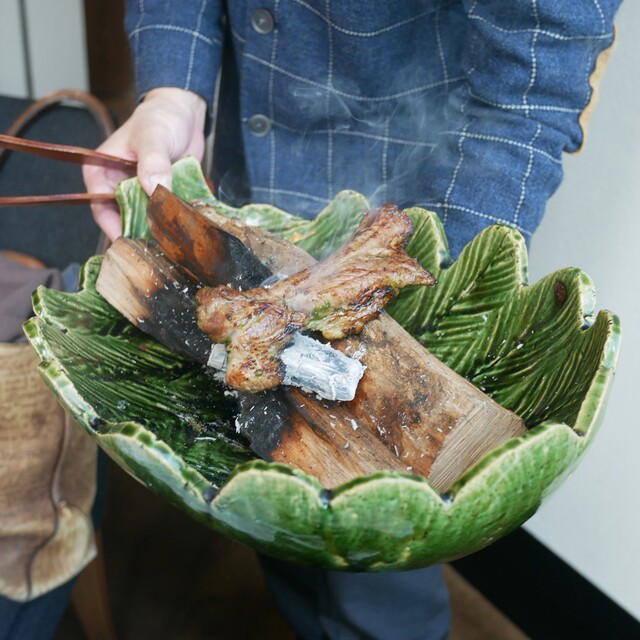
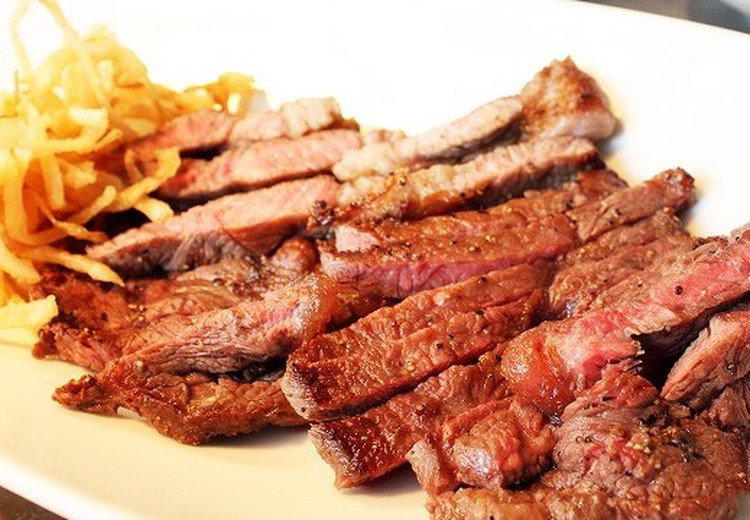
- Flame Grilled Wagyu Sushi
Hokkaido in Winter, and the Question of Where to Eat
Niseko arrives each winter with a particular kind of pressure on its restaurants. The powder slopes draw visitors from across Asia and beyond, and the dining scene that has grown around that influx is now broad enough to split into distinct tiers. At one end sit the resort-adjacent spots calibrated for speed and volume, the kind of places that move parties of eight through a set menu before the next group arrives. At the other end, a smaller cohort of venues has staked a claim on something more deliberate, where the material reality of Hokkaido — its dairy, its seafood, its cold-climate produce — is the actual subject of the meal rather than a branding backdrop.
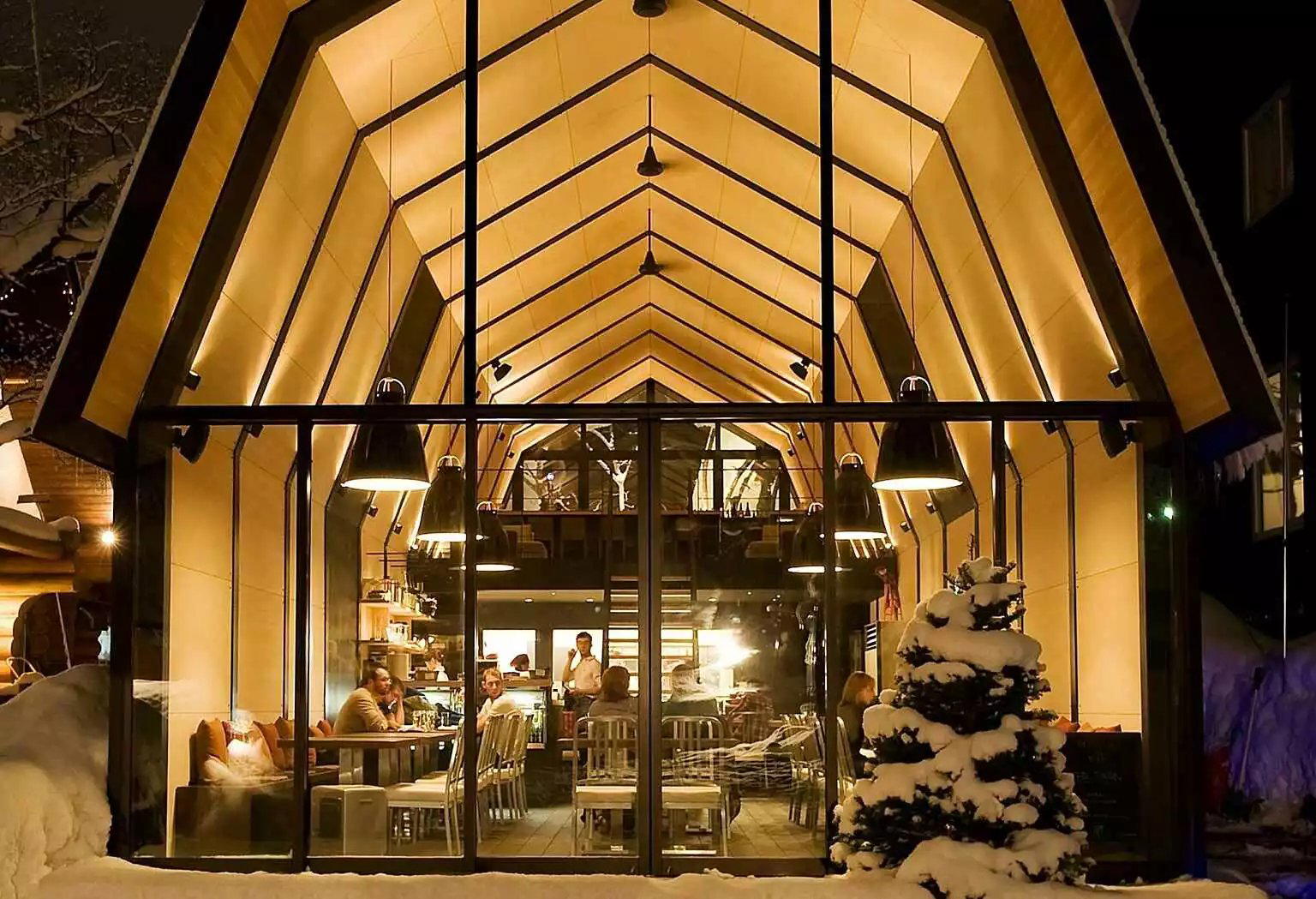
The Barn by Odin sits in that second cohort. The name suggests a specific aesthetic sensibility: timber, agricultural scale, something rooted in the land rather than imported wholesale from an urban fine-dining template. In Niseko, where architectural language oscillates between purpose-built ski lodges and international resort vernacular, that positioning is meaningful. It signals an intention to connect the physical environment to what arrives on the table.
The Sensory Register of a Mountain Dining Room
Hokkaido's winters set the conditions before you reach the door. Snow accumulation in the Niseko area regularly exceeds two metres across a season, and the approach to any venue in this region is itself a physical experience, the compression of cold air, the muted acoustics that deep snowfall produces, the shift in light from white-bright outside to warm interior tones. A barn-format dining room, with its implication of high ceilings, exposed structure, and materials drawn from the surrounding landscape, amplifies that contrast rather than erasing it.
Inside, the expectation is that the room does what good mountain dining rooms do: it holds the outside at a distance while making its presence felt. The logic of this kind of space in a ski resort context is well-established. Niseko's most considered venues understand that the environment is already doing significant atmospheric work, and that the dining room's job is to frame rather than compete with it. Venues operating in this register tend to keep service relatively unhurried, matching the pace of guests who have already slowed down from their urban rhythms.
Niseko's Dining Ecosystem: Where This Venue Sits
Understanding The Barn by Odin requires a brief map of the broader scene. Niseko's restaurant offering has expanded considerably over the past decade, tracking the town's growth as an international ski destination. The range now spans ramen counters and izakaya at the accessible end through to venues operating with the kind of format discipline you associate with Japan's larger city dining circuits.
Among the town's more grounded options, Homemade Udon Gokoro represents the casual-local register, while Teuchi Soba Ichimura brings the kind of craft-grain seriousness more common in Kyoto or Kanazawa than a ski resort. Sushi Mitsukawa represents the counter-format end of the market, where Hokkaido's cold-water seafood, sea urchin, scallop, crab, finds its most direct expression. Rakuichi and Milk Kobo each occupy a different niche in the town's casual-to-mid register.
The Barn by Odin's positioning among these peers is defined partly by its name's implied aesthetic and partly by the expectation it creates: a venue that takes the barn-and-land framing seriously is committing to a visual and culinary language that should be coherent across the whole experience. Our full Niseko restaurants guide maps the broader competitive set in detail.
For reference points beyond Niseko, Japan's wider circuit of destination dining includes venues operating at significantly higher intensity: HAJIME in Osaka, Harutaka in Tokyo, and Gion Sasaki in Kyoto each represent the formal, multi-Michelin end of the national scene. akordu in Nara and Goh in Fukuoka represent the regional-destination model closer to what Niseko's better venues aspire to. Further afield, Le Bernardin in New York City and Atomix in New York City illustrate the international benchmark for ingredient-led tasting formats. Across Hokkaido's wider dining geography, 夕仙山乃 in Sapporo offers context for how the island's produce reads in a major urban setting.
What to Know Before You Go
Niseko's peak dining season runs from late November through March, when the ski season brings its highest visitor volumes and restaurants operate at full capacity. This is also when booking lead times extend and walk-in availability contracts. Planning ahead matters more here than in most Japanese cities, where the density of alternatives makes spontaneity easier.
The secondary season, from June through September, brings a different Niseko: quieter, greener, and operating on a different pace. Some venues reduce hours or close partially during the off-season. Whether The Barn by Odin maintains a consistent year-round schedule is worth confirming directly, as resort-dependent restaurants in Hokkaido frequently operate on seasonal models.
Japan's restaurant culture rewards directness at the booking stage. If you have specific dietary requirements, the practical approach is to communicate them when you make the reservation rather than on arrival. Hokkaido's agricultural richness means dairy and seafood feature prominently across many menus in the region; guests with restrictions around either should confirm the kitchen's flexibility in advance. See also 一本松 石川製 in Nanao, 湖畔荘 in Takashima, and 庄羽屋 in Nishikawa Machi for additional reference on how regional Hokkaido and Northern Honshu dining formats handle special requirements. Birdland in Sakai offers a useful point of comparison for single-product focused formats in the Japanese provincial context.
Frequently asked questions
Is The Barn by Odin okay with children?
The Barn by Odin is located in Niseko, a resort town that draws multigenerational family groups during the winter ski season. The barn-format setting suggests a relaxed dining environment rather than a strict fine-dining room, which typically accommodates families with children.
What is the atmosphere like at The Barn by Odin?
The name signals the format: a barn-style space in Niseko's mountain resort zone, where Hokkaido winters regularly push snow accumulation past two metres in a season. That physical context shapes the interior register — expect warmth and shelter from the elements rather than urban formality. The Odin branding suggests a Scandinavian-influenced sensibility, which aligns with the stripped-back alpine aesthetic common to the Niseko dining scene.
Does The Barn by Odin suit visitors who are not staying in Niseko for skiing?
The Barn by Odin sits within Niseko, a Hokkaido resort that attracts visitors for the mountain landscape and food scene as much as the slopes themselves. Non-skiers account for a measurable share of winter arrivals in the area, and the barn dining format suggests a destination worth visiting in its own right. No specific non-ski programming is documented, but the Niseko township is walkable and well-connected during the winter season.
What should I eat at The Barn by Odin?
Niseko's broader restaurant scene draws heavily on Hokkaido's agricultural output, including dairy, lamb, and winter vegetables, which frequently appear on local menus. Ask staff about seasonal Hokkaido produce when you arrive.
What's the best way to book The Barn by Odin?
During Niseko's peak ski season — late November through March — restaurants across the resort operate at full capacity, so securing a reservation well in advance is advisable. Your accommodation concierge in Niseko is often the most reliable route to a confirmed table during high season.
What is The Barn by Odin known for?
The Barn by Odin is positioned within Niseko's expanding dining ecosystem, a resort town whose restaurant offering has grown considerably over the past decade alongside international visitor numbers. The barn-format concept in an alpine ski setting distinguishes it from the izakayas and hotel restaurants that dominate the area.
Can The Barn by Odin adjust for dietary needs?
In practice, Niseko restaurants serving an internationally diverse ski crowd tend to have some awareness of common dietary requirements. Contacting the venue directly before your visit is the most reliable way to confirm what substitutions or adjustments are possible.
Comparable Options
| Venue | Cuisine | Price |
|---|---|---|
| The Barn by OdinThis venue — the venue you are viewing | French Bistro with Hokkaido Ingredients | $100–150 |
| Milk Kobo | Farm-Fresh Dairy Sweets & Café | $10–20 |
| Rakuichi | Traditional Hokkaido Soba Kaiseki | $50–100 |
| Teuchi Soba Ichimura | Handmade Soba Noodles | $10–20 |
Continue exploring
More in Niseko
Restaurants in Niseko
Browse all →
Hotels in Niseko
Browse all →
Wineries in Niseko
Browse all →
Details
- Rustic
- Cozy
- Scenic
- Elegant
- Date Night
- Special Occasion
- Family
- Open Kitchen
- Hotel Restaurant
- Extensive Wine List
- Craft Cocktails
- Local Sourcing
- Mountain
- A La Carte
- Wine
- Cocktails
- Vegetarian Friendly
- Vegan Options
- Gluten Free Options
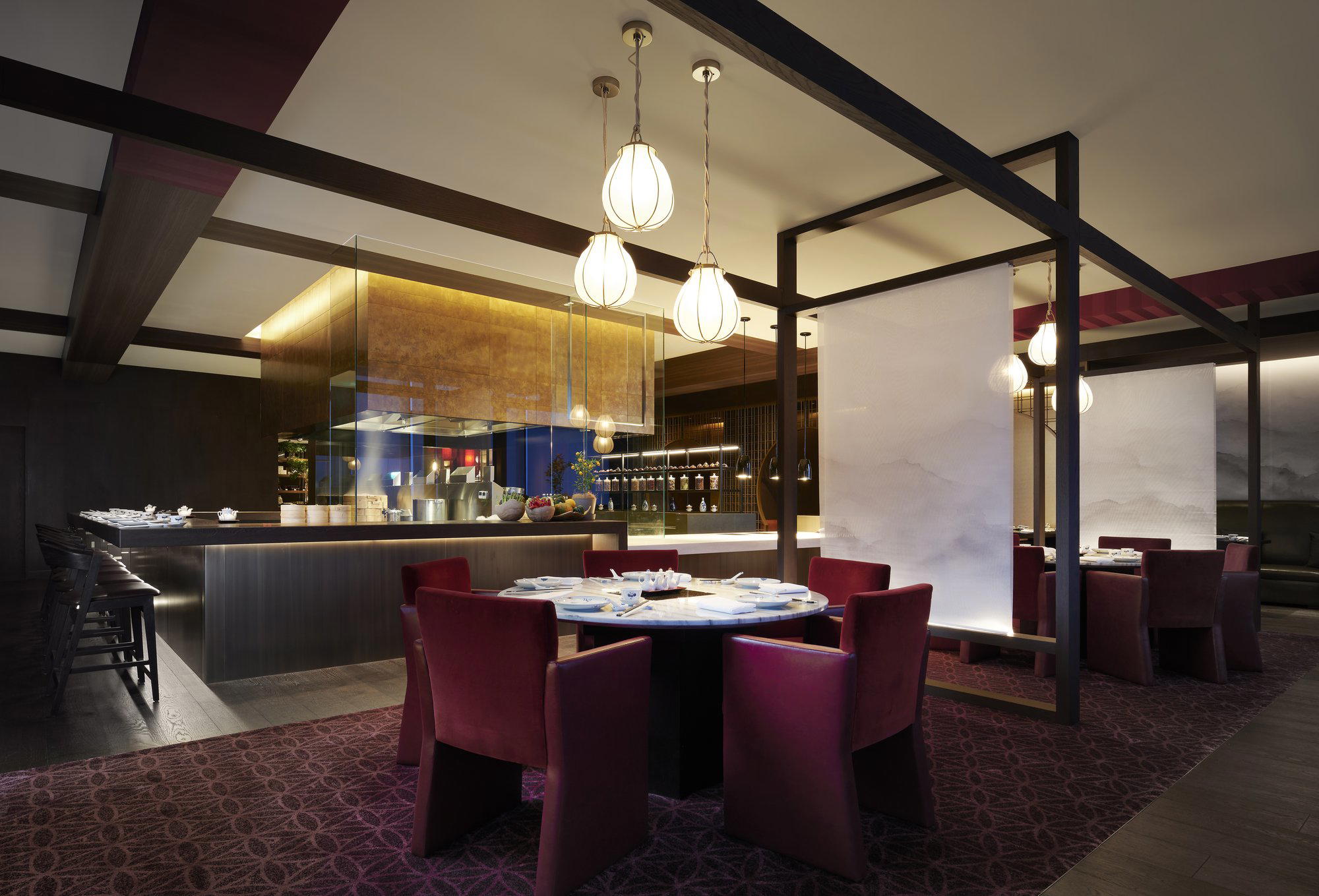
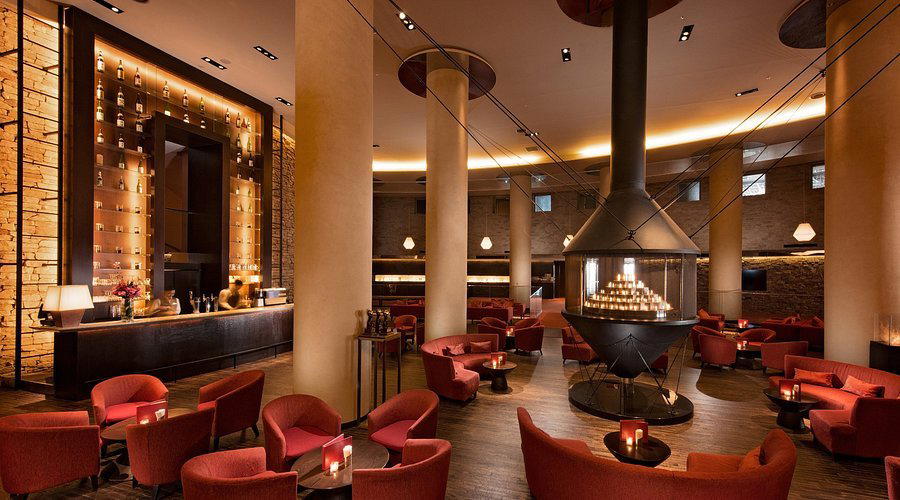
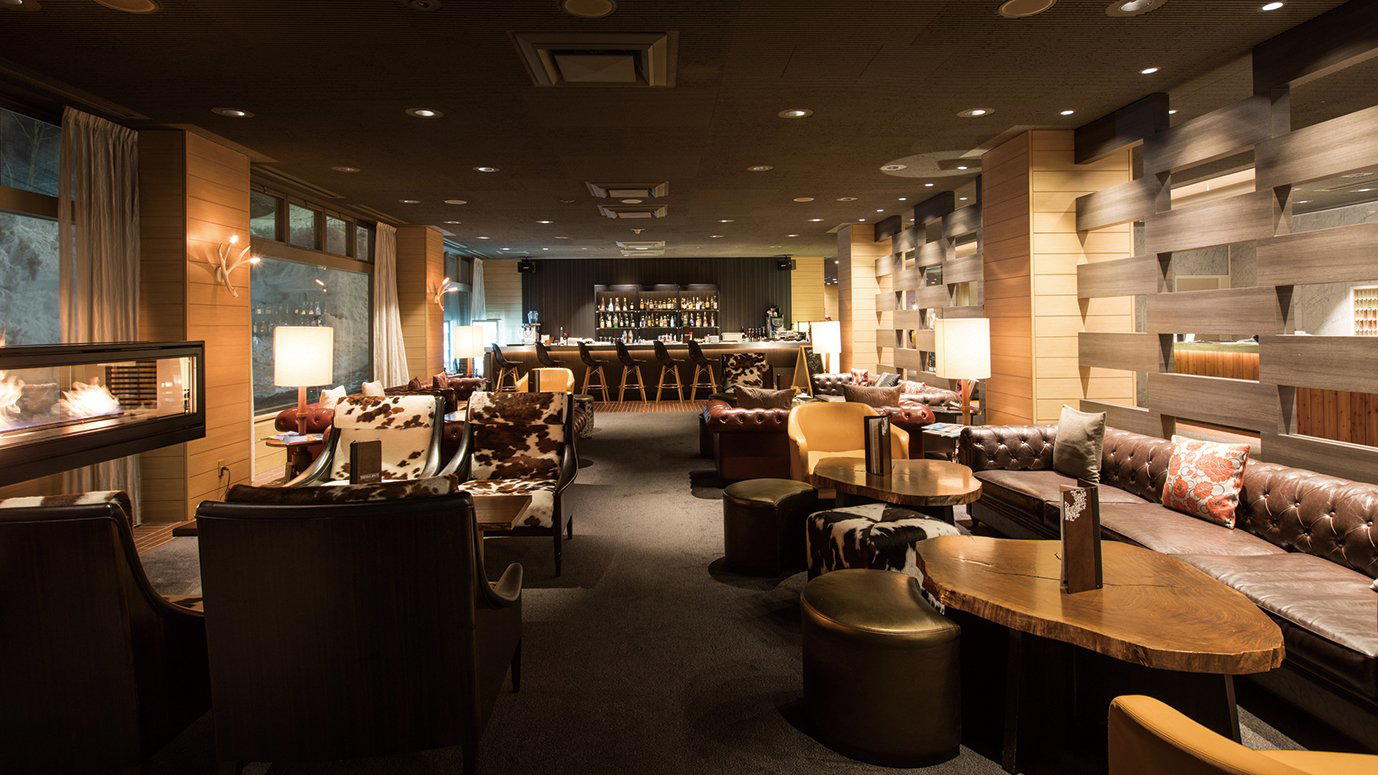
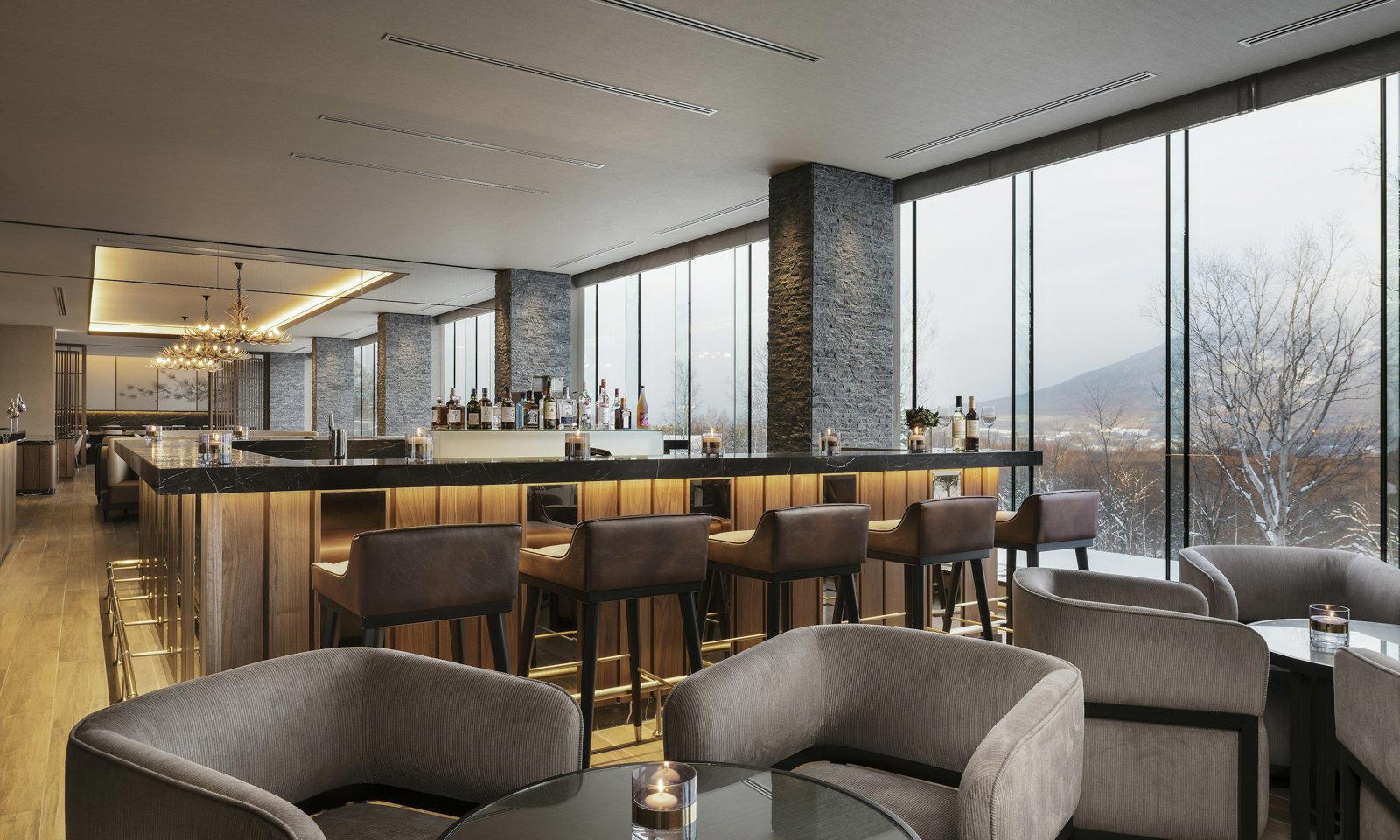
Warm, cozy atmosphere with dramatic high-arched roof, floor-to-ceiling windows showcasing winter snow views, and a rustic yet elegant alpine design.