In Niseko's resort-facing dining scene, Homemade Udon Gokoro occupies a quieter register: a spot devoted to hand-made udon in a town better known for ski lodges and omakase counters. The kitchen's focus on made-from-scratch noodles positions it alongside Teuchi Soba Ichimura as one of the few places in the area where the craft of the noodle itself is the whole point.

Pearl is the En Primeur Club membership app — saves, bookings, and concierge access live there. Same editors, same standards.
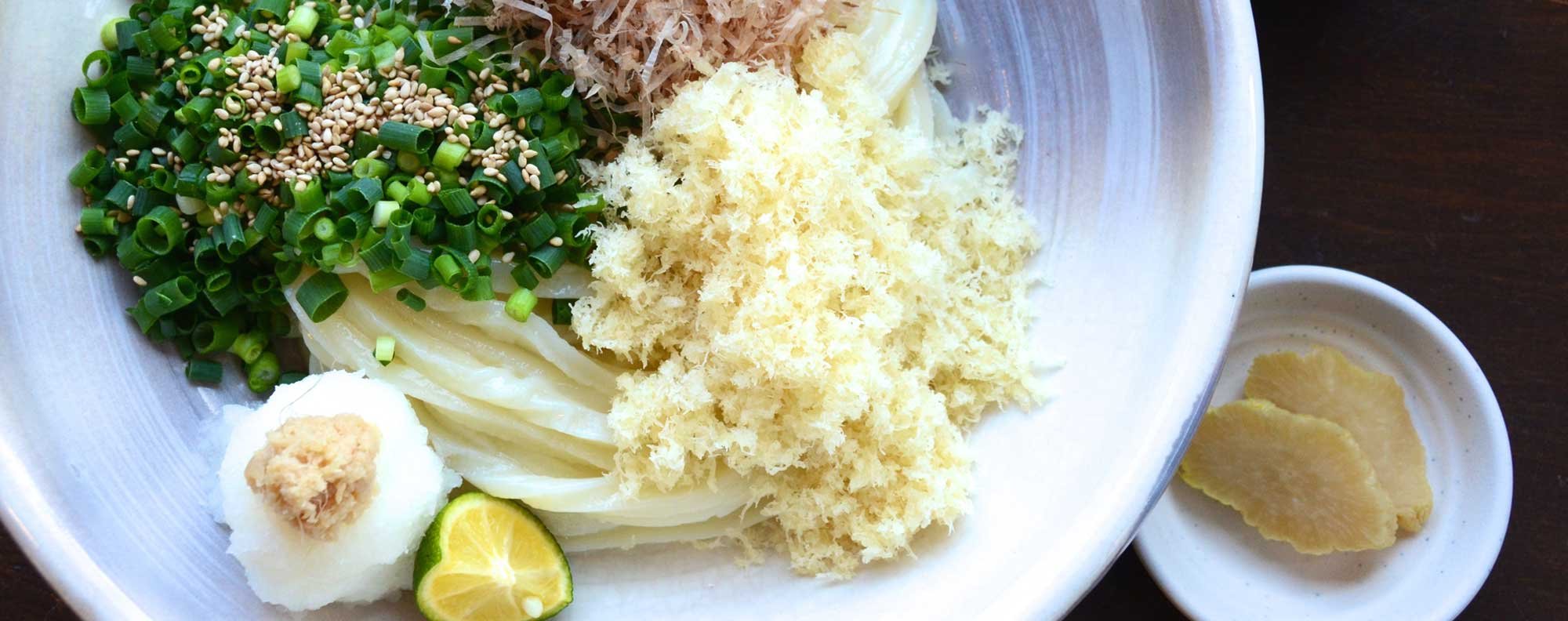
Where the Noodle Is the Argument
Niseko's dining identity has been shaped, almost entirely, by the international ski crowd that arrives each winter and the premium hospitality infrastructure that followed. Wagyu counters, resort tasting menus, and import-heavy wine lists dominate the conversation. Against that backdrop, a restaurant named Homemade Udon Gokoro, where the premise is hand-pulled noodles made on-site, represents a different set of priorities entirely. The dining ritual here is not about progression through courses or theatrical plating. It is about the specific pleasure of udon done with attention: the texture of the dough, the clarity of the broth, the restraint required to let a simple format carry the whole meal.
That format has deep roots in Japanese food culture. Udon, particularly in the Sanuki tradition of Kagawa Prefecture, has long been understood as a food that rewards precision over elaboration. The noodle's width, its chew, the temperature of the dashi, these are the variables that separate a forgettable bowl from one worth returning to. A restaurant in a ski resort town that commits to making noodles in-house rather than sourcing them is, in effect, making a statement about where its attention lies.
The Ritual of a Udon Meal
The pacing of a udon lunch or dinner is deliberately compressed compared to multi-course formats. There is no extended amuse-bouche sequence, no wine pairing interlude. The meal moves from ordering to bowl to broth to finish with a directness that Japanese noodle culture has always prized. At establishments like Gokoro, that directness is the point: the diner's attention is focused entirely on what is in the bowl rather than distributed across a sequence of sensory events.
This compression is not austerity for its own sake. In the context of Niseko, where many diners arrive after a morning on the mountain and want something restorative rather than ceremonial, the format fits the town's physical rhythms. A bowl of hand-made udon with a clear dashi base serves a different function than a kaiseki progression, and Gokoro appears to understand that function clearly. Compare this to the more extended ritual at Rakuichi, where the meal unfolds across more deliberate stages, or the precision counter format at Sushi Mitsukawa, where each piece arrives on its own terms. The udon format at Gokoro is faster and less formal, but that informality is earned rather than accidental.
Across Japan, the tradition of hand-made noodle restaurants operating with minimal ceremony is well-established. In Takamatsu, Sanuki udon shops open at dawn and close when the noodles run out. The discipline is in the production, not the service choreography. Teuchi Soba Ichimura applies a similar logic to soba in the Niseko area, where hand-cut noodles anchor a spare, focused meal. Gokoro's relationship to udon mirrors that approach in the adjacent noodle tradition.
Niseko's Craft Food Register
The resort has developed, alongside its high-end omakase and steakhouse tier, a smaller category of producers and restaurants oriented around craft and locality. Milk Kobo operates in this register for dairy-based products; its milk pies and soft-serve draw on Hokkaido's reputation as Japan's premier dairy region. Gokoro's hand-made udon belongs to the same category of craft-forward, ingredient-led eating, even if the format is warmer and more filling. The Barn by Odin approaches local sourcing from a different angle, applying a farm-to-table logic more familiar to European dining. Gokoro's reference points are entirely domestic, rooted in Japanese noodle-making tradition rather than international farm-restaurant frameworks.
Hokkaido's wheat production gives local udon makers an argument for regionality. The island accounts for a significant share of Japan's domestic wheat output, and flour sourced from Hokkaido carries a different protein profile than imported alternatives, factors that affect dough elasticity and the final texture of the noodle. A restaurant that makes its noodles in-house in Hokkaido is not simply performing a craft gesture; it is working with an ingredient that has genuine local logic behind it.
Positioning Within Japan's Noodle Canon
Japan's noodle restaurant scene spans an enormous range, from three-Michelin-starred soba rooms in Tokyo to standing-room ramen counters beside train stations. Udon sits in the middle of that range: more accessible than high-end soba kaiseki, more technically demanding than instant or pre-made formats. Restaurants that hand-make their udon on-site occupy a specific tier, closer to the craft end of the spectrum, but rarely carrying the formal dining signals of, say, a tasting menu counter like Harutaka in Tokyo or Gion Sasaki in Kyoto. The comparison set for Gokoro is not that refined tier. It is the broader category of craft noodle houses where production integrity is the primary credential.
That said, the context of Niseko matters. In a town where dining options skew toward either resort-level spend or convenience-oriented fast food, a restaurant committed to made-from-scratch noodles occupies a middle ground that many visitors are actively looking for. It is not a cheap meal by Japanese casual dining standards, but it is not priced against the omakase counters either. The value proposition is specific: hand-made product, focused format, no theatrical overhead. For the visitor who has spent three days cycling through Niseko's premium tasting menus, or who wants a break from them, Gokoro fills a genuine gap.
Planning a Visit
Niseko's dining scene concentrates around the Hirafu and Hanazono areas, with most visitors relying on taxis or shuttle services between accommodation and restaurants. Goh in Fukuoka applies a similar locality-first logic to Kyushu cuisine, and the hand-craft ethos runs through smaller regional venues like those in Nanao and Nishikawa Machi.
What It’s Closest To
Comparable venues nearby, for context on price, style, and recognition.
| Venue | Cuisine | Price | Notes |
|---|---|---|---|
| Homemade Udon GokoroThis venue — the venue you are viewing | Homemade Udon Noodles | $$ | Not listed |
| そば処楽一 (楽一) | Soba Kaiseki | $$$ | Niseko |
| Milk Kobo | Farm-Fresh Dairy Cafe and Buffet | $$ | Niseko Village |
| Rakuichi | Traditional Hokkaido Soba Kaiseki | $$$ | Niseko Annupuri |
| The Lookout Cafe | Mountain Cafe Japanese | $$ | Higashiyama Onsen Niseko Village Ski Area |
| Sushi Mitsukawa | Edomae Omakase Sushi | $$$$ | Hanazono |
Continue exploring
More in Niseko
Restaurants in Niseko
Browse all →
At a Glance
- Cozy
- Rustic
- Casual Hangout
- Open Kitchen
- Sake Program
- Local Sourcing
- Mountain
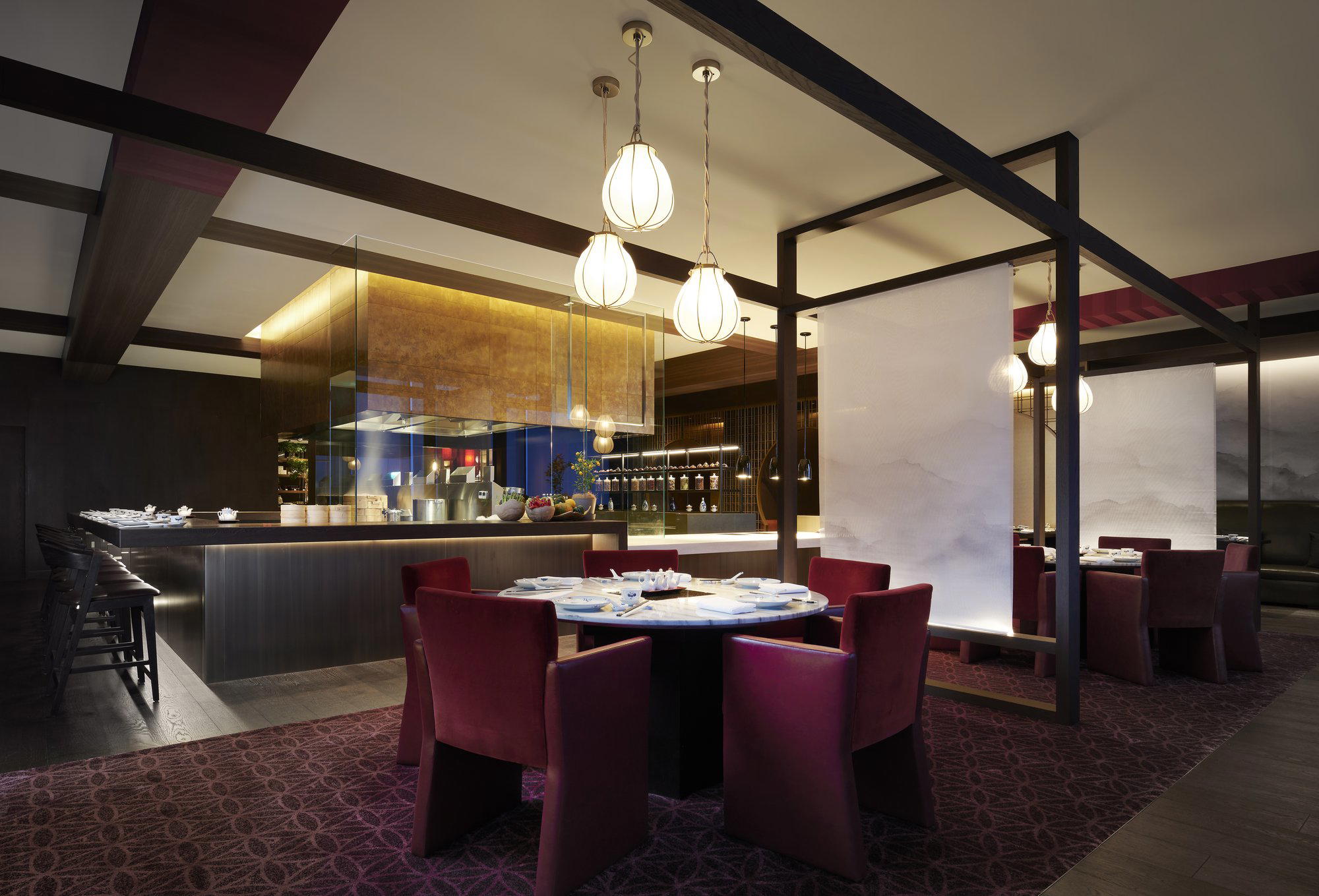
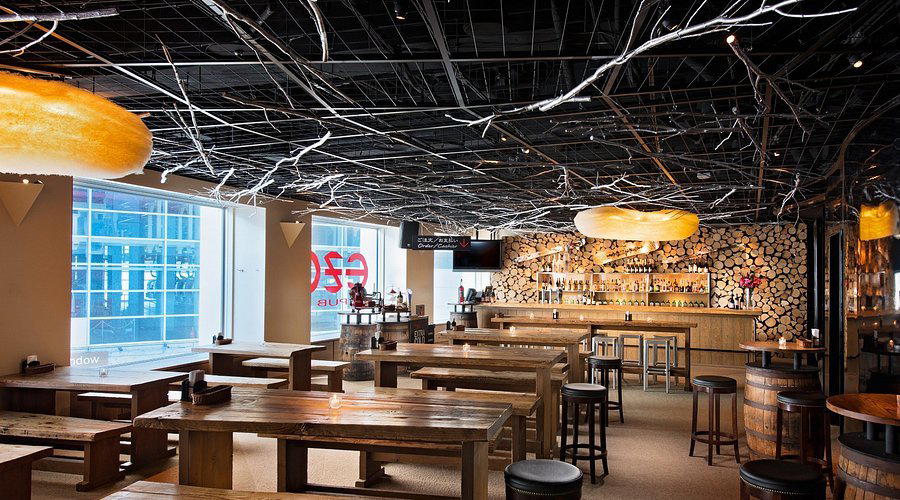
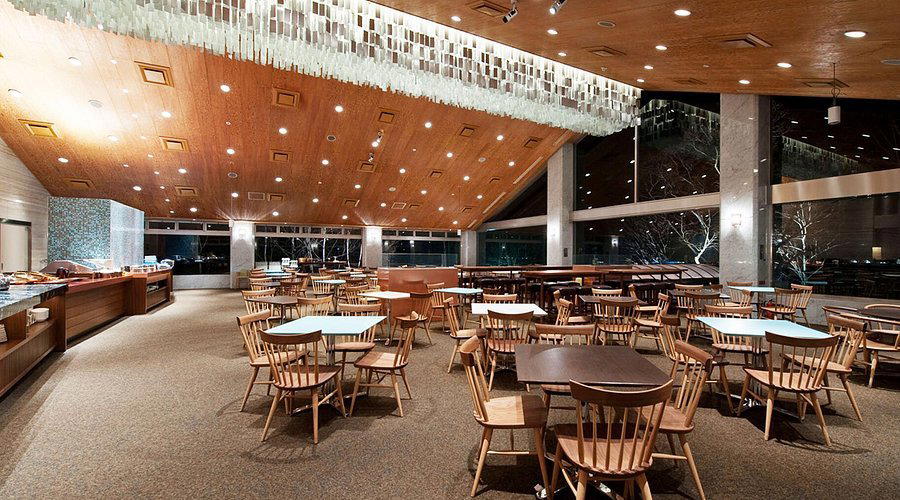
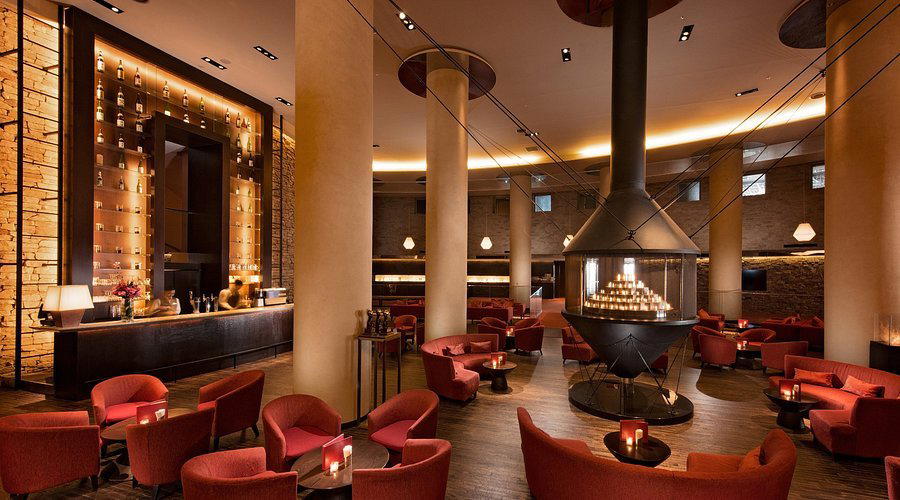
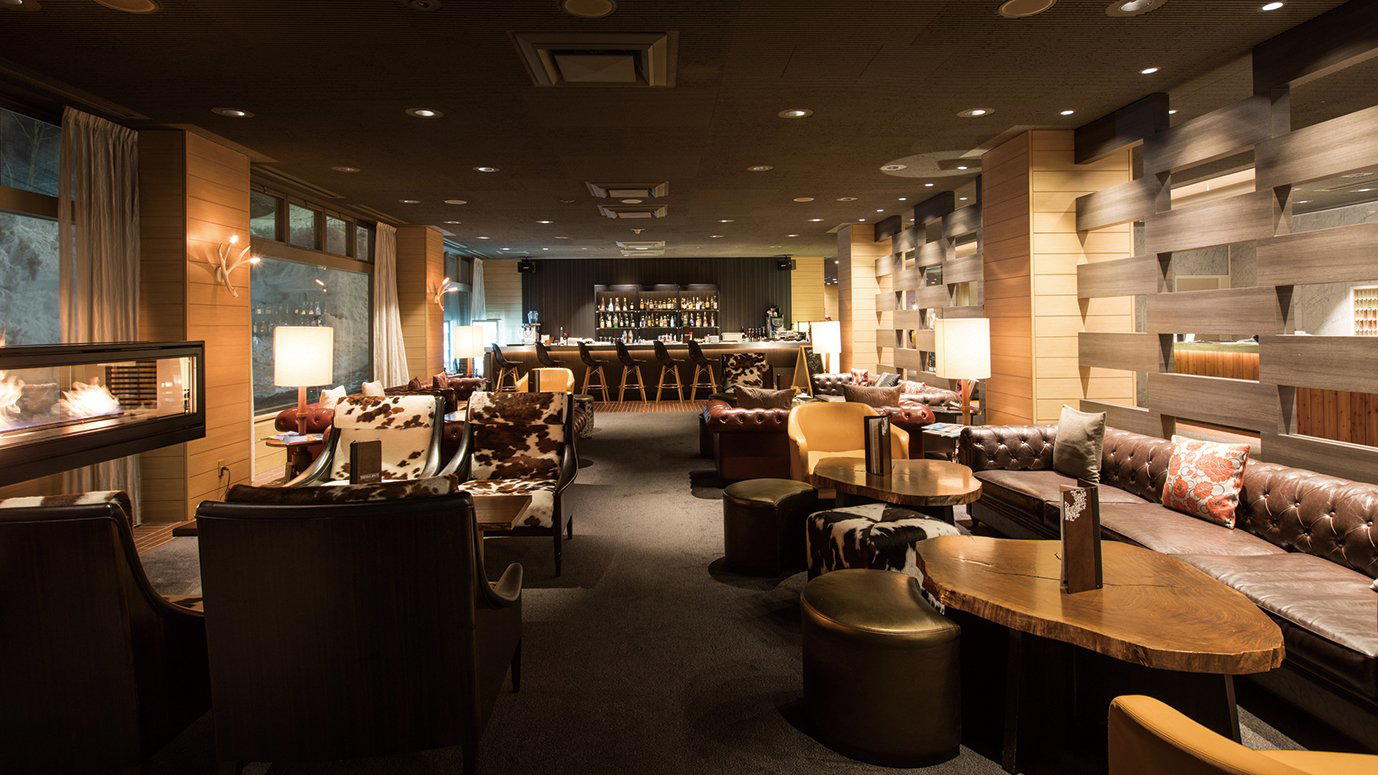
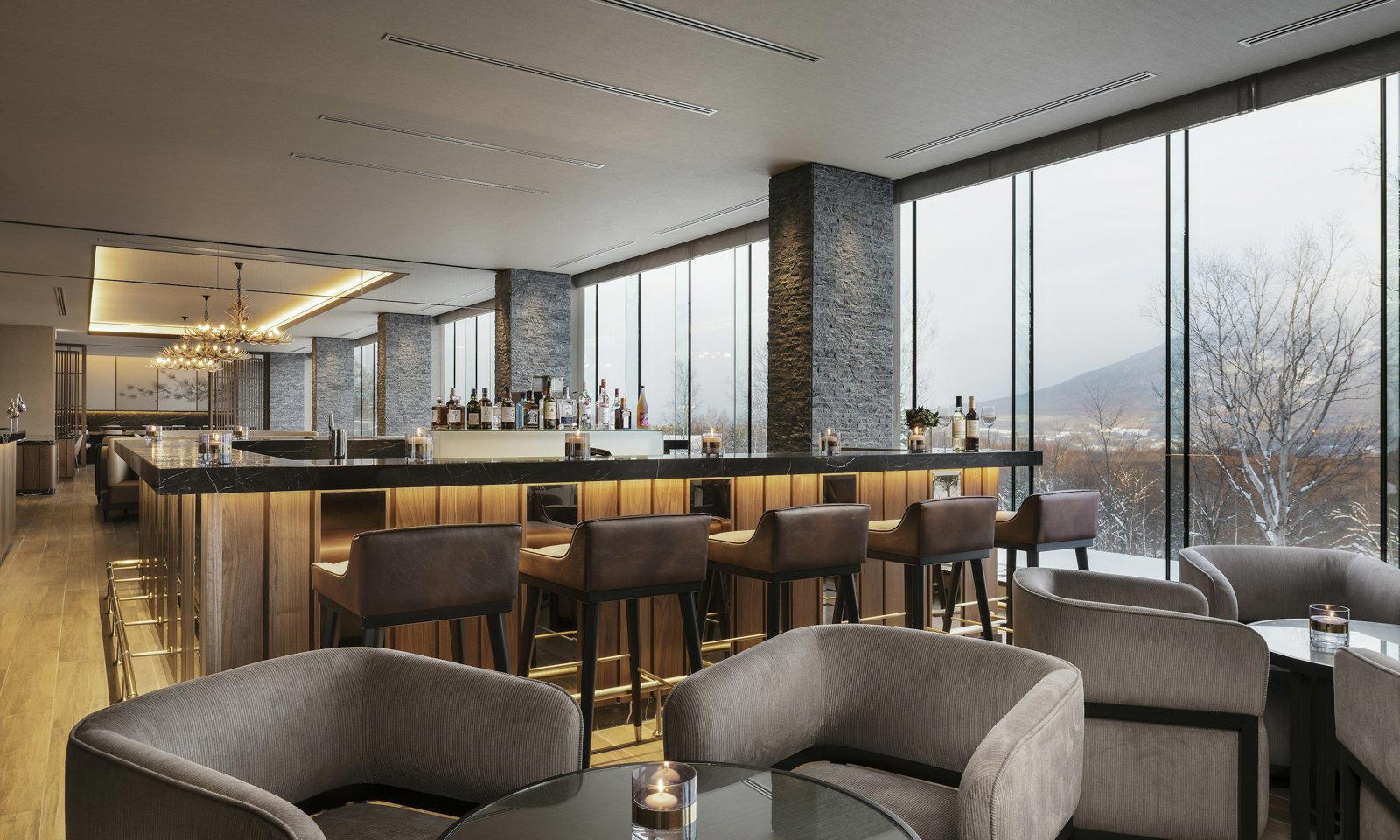
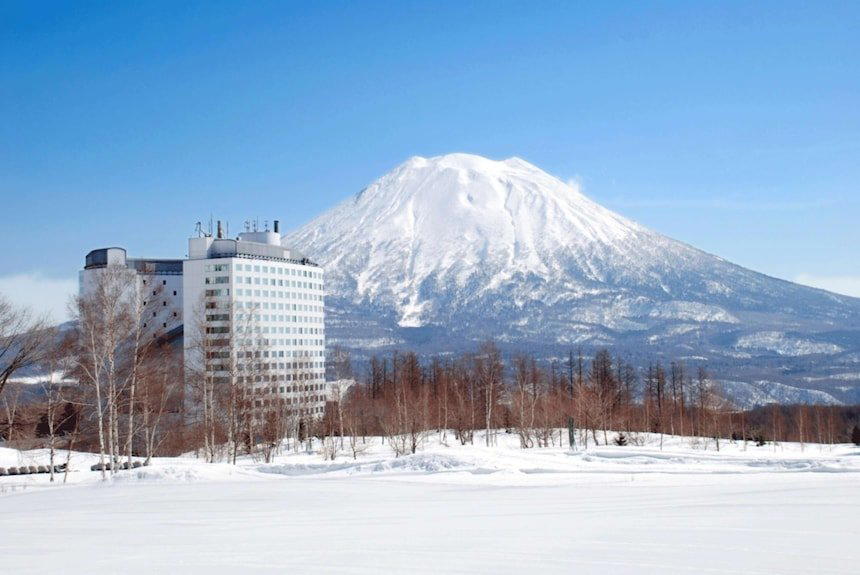
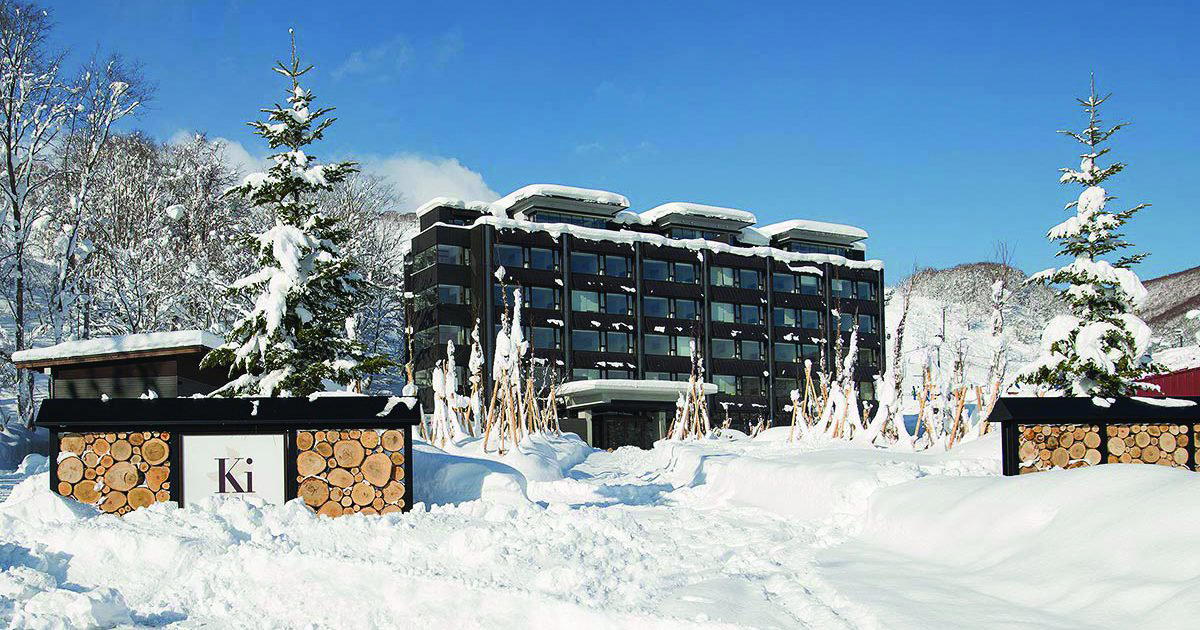
Spacious welcoming interior with window tables offering panoramic mountain scenery, creating a scenic and comfortable casual atmosphere.