In a resort town better known for powder runs than precision dining, Sushi Mitsukawa occupies a particular niche: counter sushi served far from the urban omakase circuits of Tokyo or Sapporo. Niseko's seasonal rhythms shape when and how this kind of restaurant operates, making timing and advance planning more consequential here than in any major city.

Pearl is the En Primeur Club membership app — saves, bookings, and concierge access live there. Same editors, same standards.
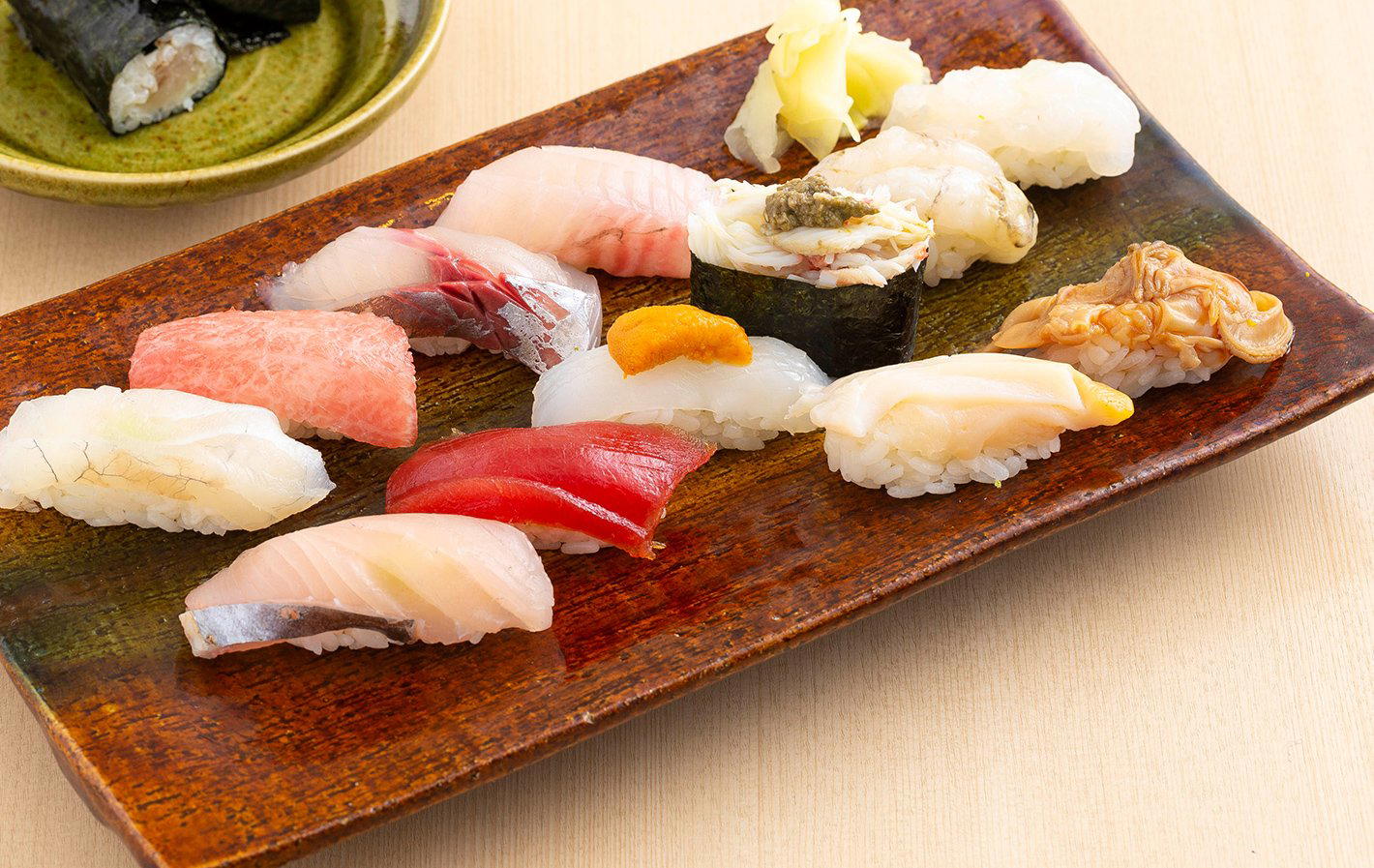
Sushi in a Ski Town: What Niseko Does Differently
Sushi Mitsukawa is a Niseko restaurant serving Edomae Omakase Sushi at about $150 per person, with reservations essential. Niseko is a different proposition. The town is built around winter sport and, increasingly, year-round resort life, which means its restaurant scene serves a transient, internationally mixed crowd rather than a local population with generational dining expectations. Against that backdrop, a sushi counter like Sushi Mitsukawa is doing something genuinely unusual: it operates a format more associated with urban Japan inside a resort economy where yakitori, ramen, and izakaya fare typically dominate the mid-range and below.
Sushi Mitsukawa is working from a smaller, more compressed stage.
The Place Itself: Resort Rhythms and Seasonal Pressure
Niseko's restaurant economy runs in distinct pulses. Winter, particularly the period from late December through February when powder conditions peak, brings the heaviest traffic and particularly compressed booking windows across every category of dining. Summer has grown as a second season, driven by cycling, hiking, and the expanding number of resort properties operating year-round, but it remains quieter than the ski window. Any counter-format restaurant in this environment faces a structural challenge: demand arrives in concentrated surges, while the off-season thins it sharply.
Guests may arrive from a day on the mountain, jet-lagged from international connections through Sapporo's New Chitose Airport, or mid-way through a multi-resort itinerary. The counter format, with its enforced pace and sequential service, functions as a kind of decompression as much as a meal. That is less about the restaurant's philosophy and more about what sitting at a sushi counter in a resort town actually does for a particular kind of traveller.
Niseko's broader dining range gives context to where a sushi counter sits in the local hierarchy. At the casual end, options like Homemade Udon Gokoro and Teuchi Soba Ichimura serve the kind of comfort-driven, high-craft noodle work that Hokkaido does particularly well. Rakuichi and The Barn by Odin occupy different registers of the same mid-to-upper tier. Milk Kobo functions more as a daytime and takeaway institution, its dairy-driven products reflecting Hokkaido's agricultural identity. Counter sushi sits above most of this in terms of price point and format intensity, which is the natural position for this style of dining anywhere in Japan.
Hokkaido Seafood and What It Means for a Counter Here
The appeal of sushi in Hokkaido, including in a resort town, rests on proximity to source. Hokkaido accounts for a significant share of Japan's domestic seafood production, and the cold waters off the island's coasts produce scallops, sea urchin (uni), crab species, and salmon of a quality that Tokyo's leading counters actively seek out and import. A sushi operation based in Hokkaido, in theory, has a supply-chain advantage that urban counters spend considerably more to replicate. Whether and how that advantage is expressed in a specific restaurant's sourcing is a kitchen decision, but the structural logic is sound.
Sea urchin from Hokkaido, in particular, is a reference point for the category across Japan. The bafun and murasaki varieties harvested from these waters travel to counters from Sapporo to Ginza, and a sushi counter in Niseko has the opportunity to present that ingredient at shorter distance from origin than most. Comparable regional sourcing arguments appear at counters like this Nanao counter on the Noto Peninsula, where proximity to specific fishing grounds defines the identity of the omakase. For Japan's broader fine-dining ambitions, venues like HAJIME in Osaka and Gion Sasaki in Kyoto show what depth of sourcing and seasonal attentiveness looks like when built into a multi-course format over years.
Planning Your Visit
Booking in advance is advisable at any counter-format restaurant in Niseko, and the winter season makes this non-negotiable. Peak weeks in January and February see accommodation, dining, and transport all under pressure simultaneously, and a small-capacity sushi counter will fill faster than larger, walk-in-friendly venues. Booking directly is the standard approach. Visitors arriving through Atomix-level reservation discipline in New York may find Niseko's booking culture comparatively accessible, but complacency during peak season is inadvisable.
Those extending north or south of Niseko might also consider the Sapporo counter scene, represented in part by this Sapporo restaurant, or look further afield to akordu in Nara for a sense of how regional Japanese dining is evolving outside the major metropolitan circuits.
A Tight Comparison
Comparable venues nearby, for context on price, style, and recognition.
| Venue | Cuisine | Price | Notes |
|---|---|---|---|
| Sushi MitsukawaThis venue — the venue you are viewing | Hanazono, Edomae Omakase Sushi | $$$$ | Not listed |
| Sushi Nagi | 東山ニセコビレッジ, Edomae Sushi Omakase | $$$$ | Not listed |
| そば処楽一 (楽一) | Niseko, Soba Kaiseki | $$$ | Not listed |
| Teuchi Soba Ichimura | Hirafu, Handmade Soba Noodles | $$ | Not listed |
| The Lookout Cafe | Not listed | $$ | Higashiyama Onsen Niseko Village Ski Area, Mountain Cafe Japanese |
| The Barn by Odin | Not listed | $$$ | Hirafu, French Bistro with Hokkaido Ingredients |
Continue exploring
More in Niseko
Restaurants in Niseko
Browse all →
At a Glance
- Elegant
- Quiet
- Sophisticated
- Cozy
- Modern
- Special Occasion
- Date Night
- Business Dinner
- Celebration
- Hotel Restaurant
- Chefs Counter
- Sake Program
- Local Sourcing
- Mountain
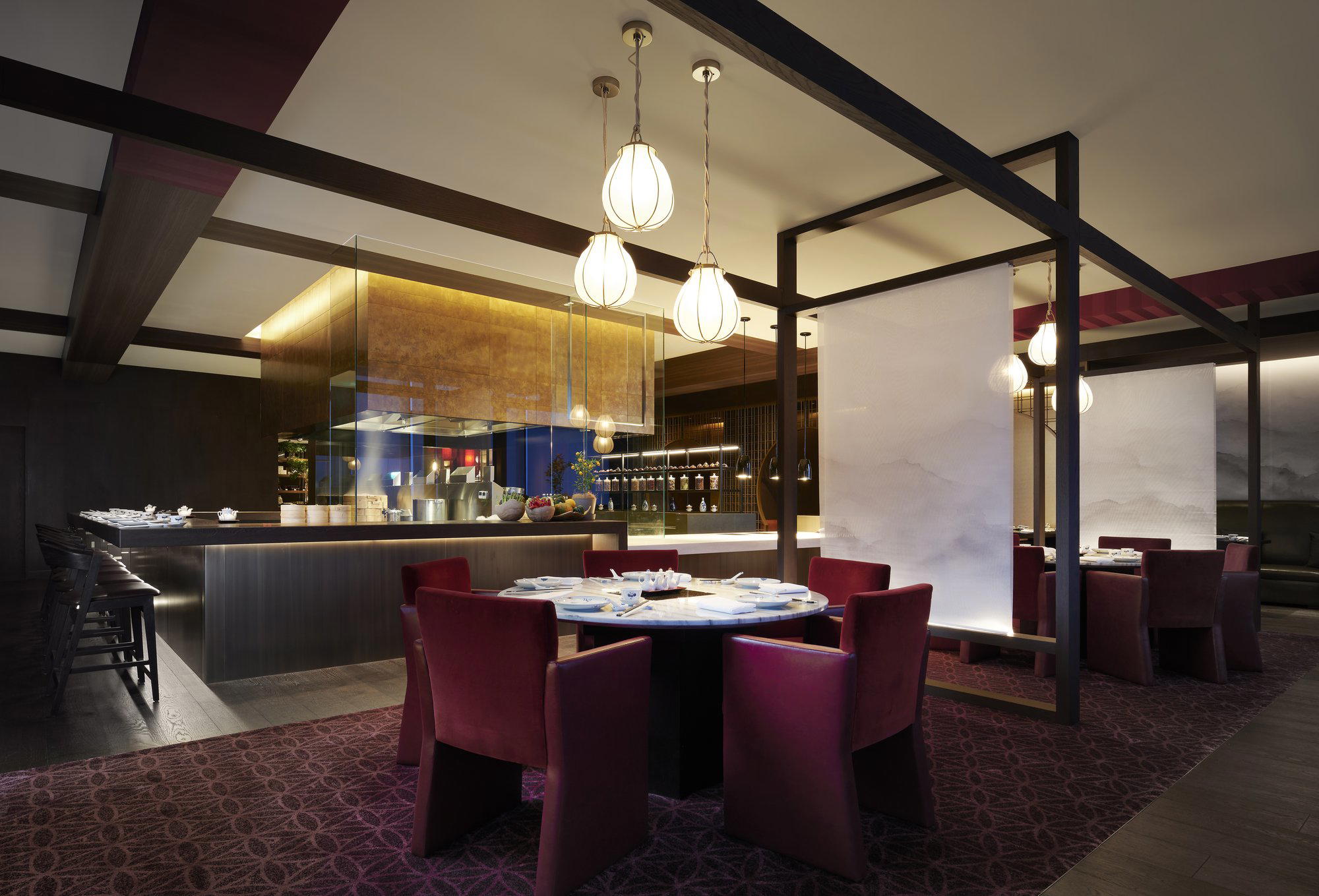
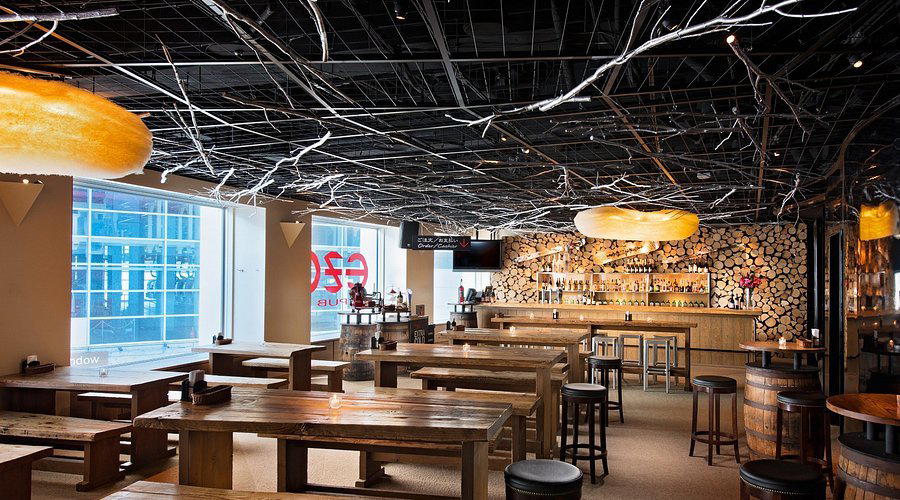
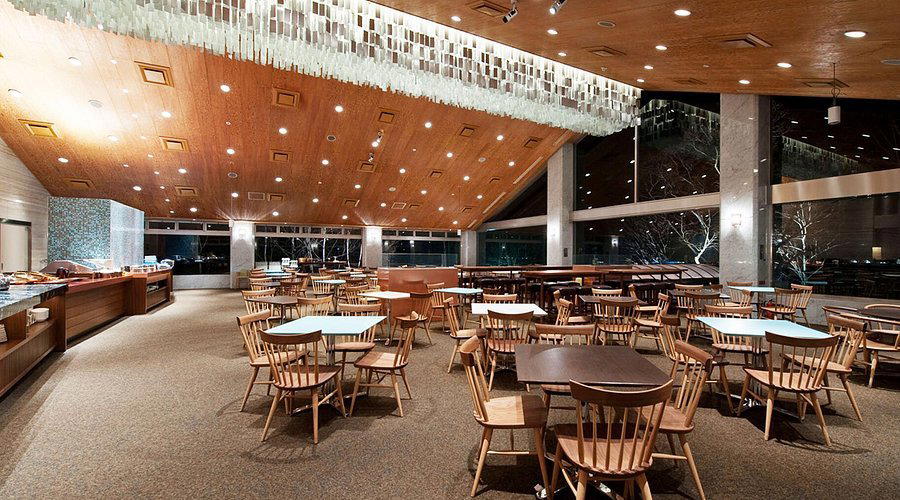
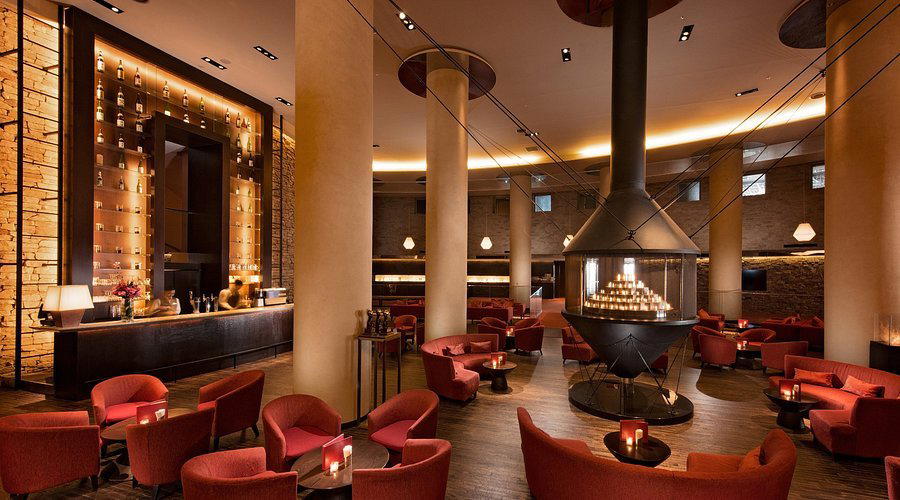
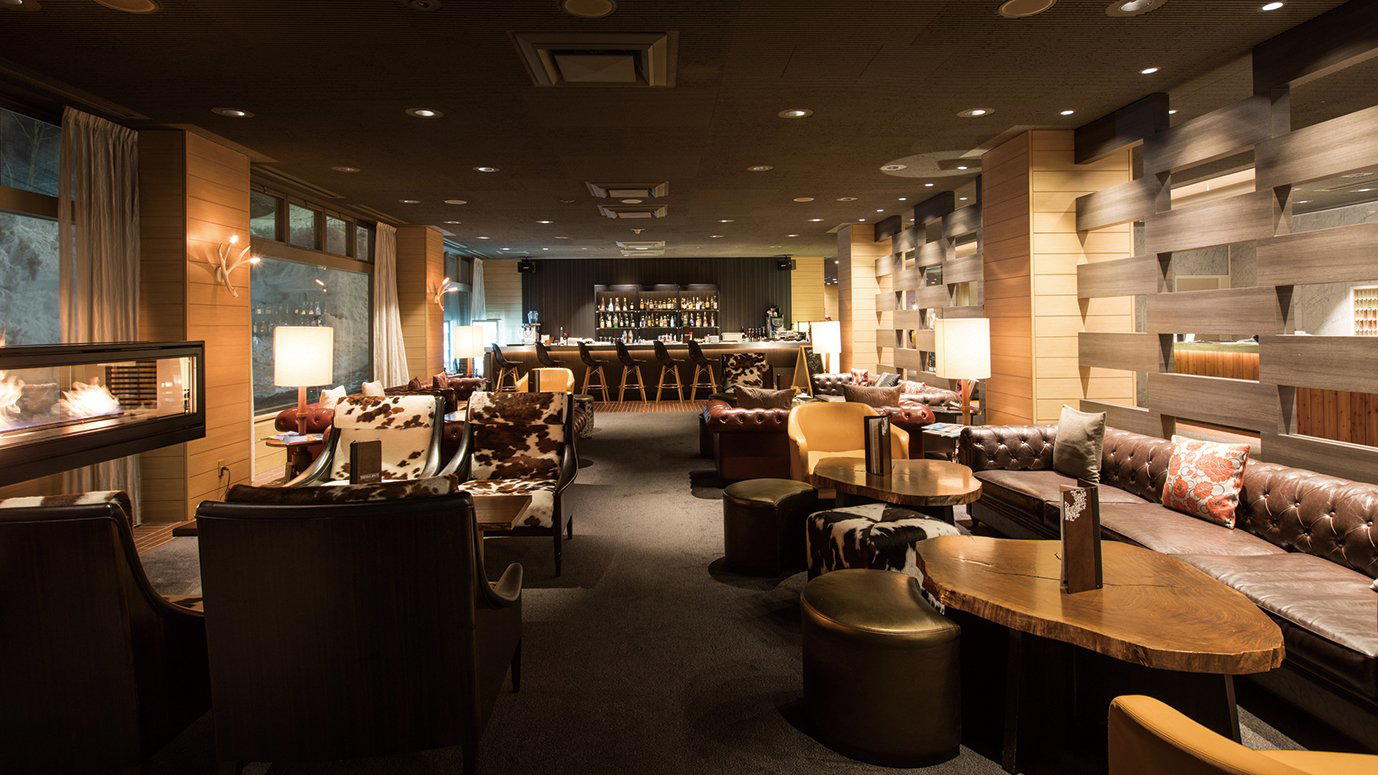
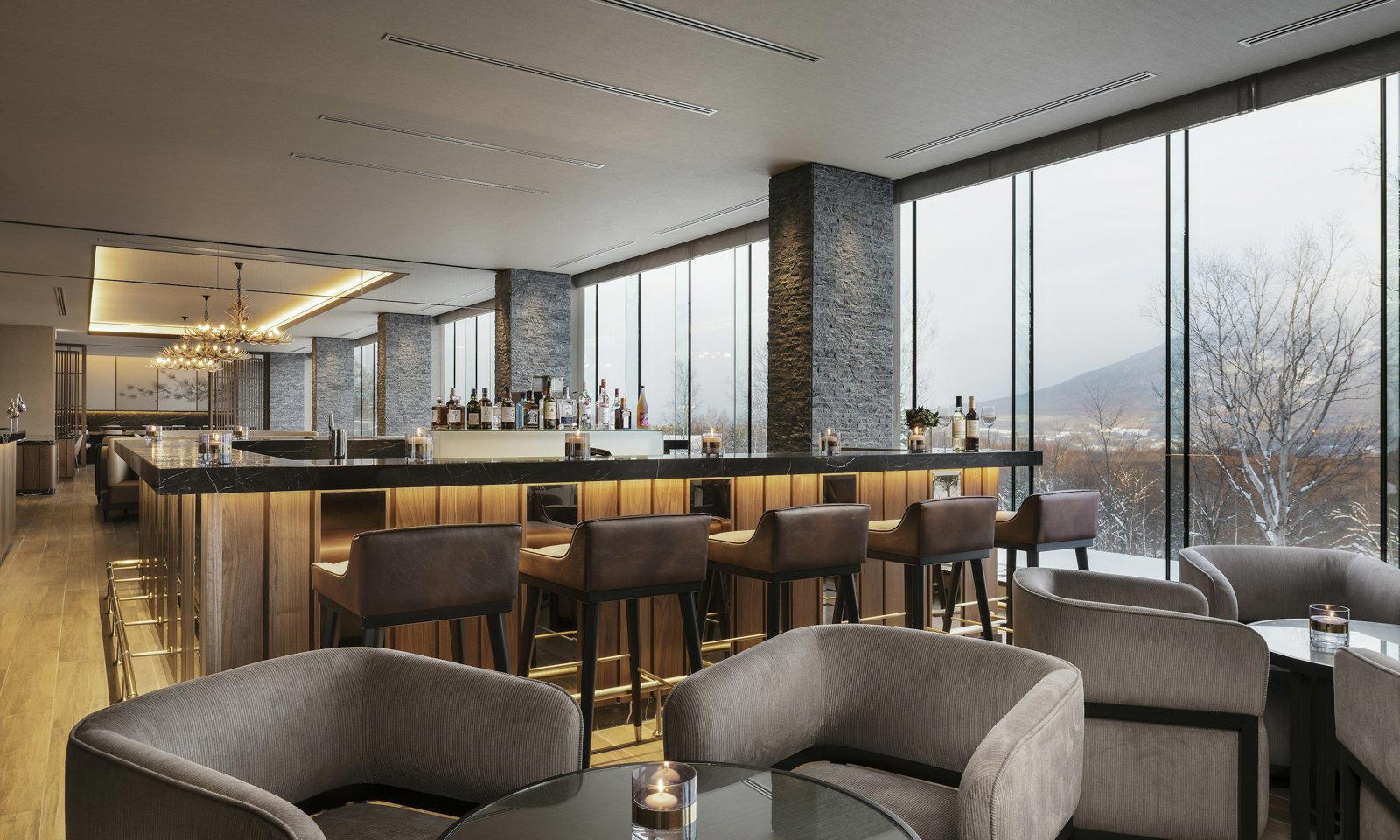
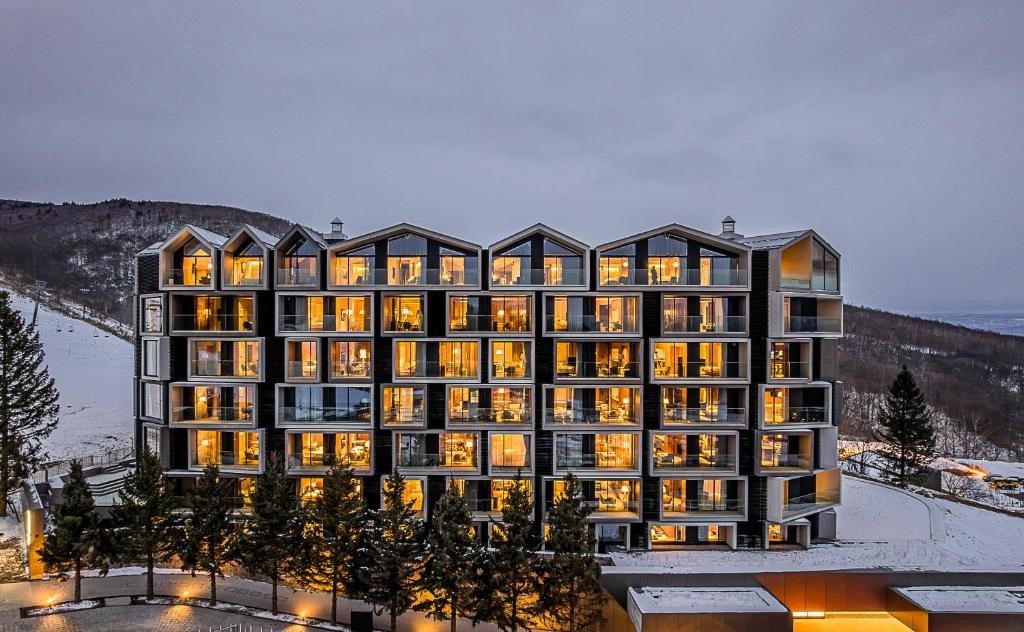
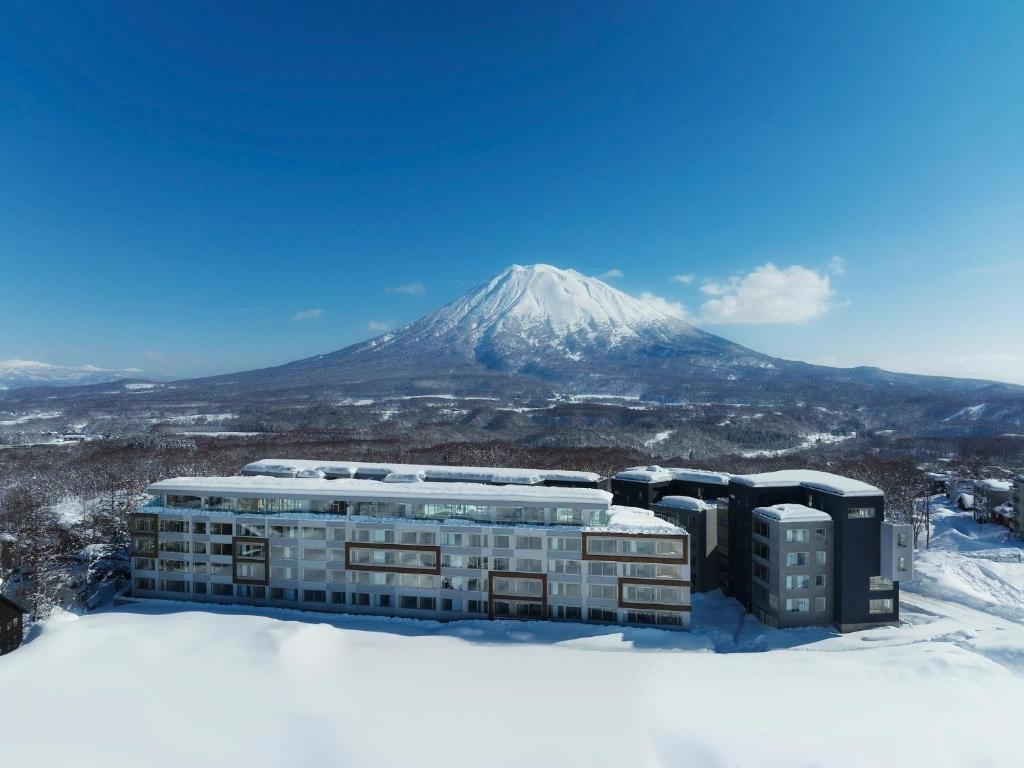
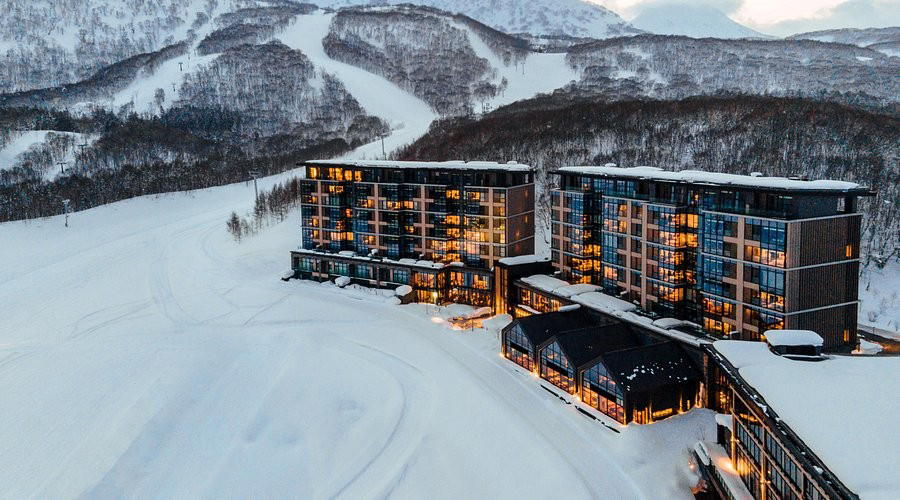
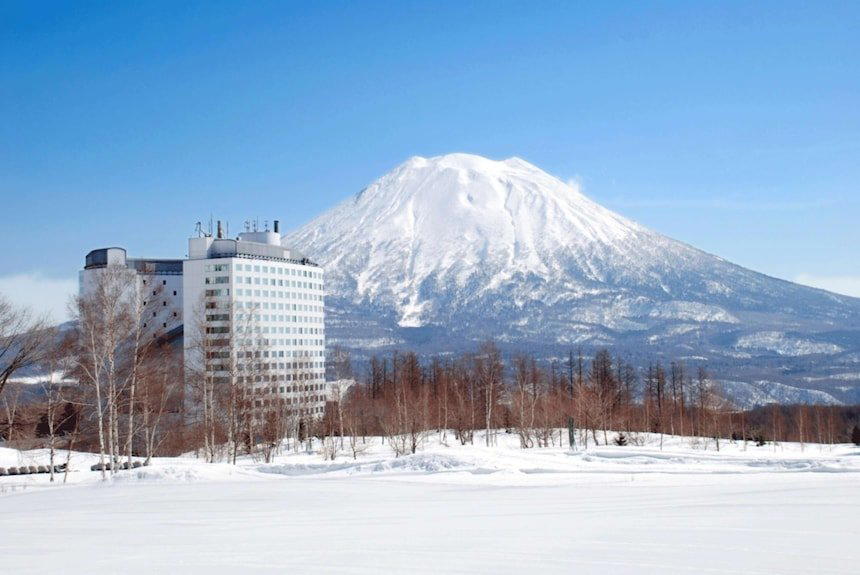
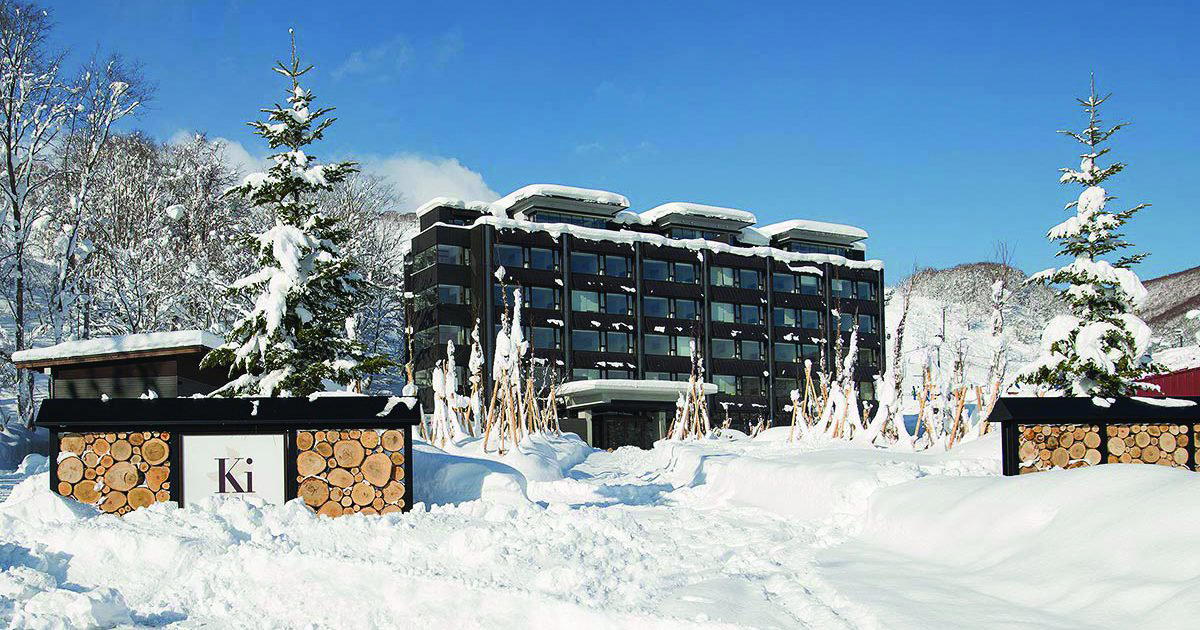
A contemporary Japanese setting in luxurious hotel surroundings, described by the restaurant as cozy and in harmony with nature, with calm Japanese-style exterior details and warm lighting.