Our verdict
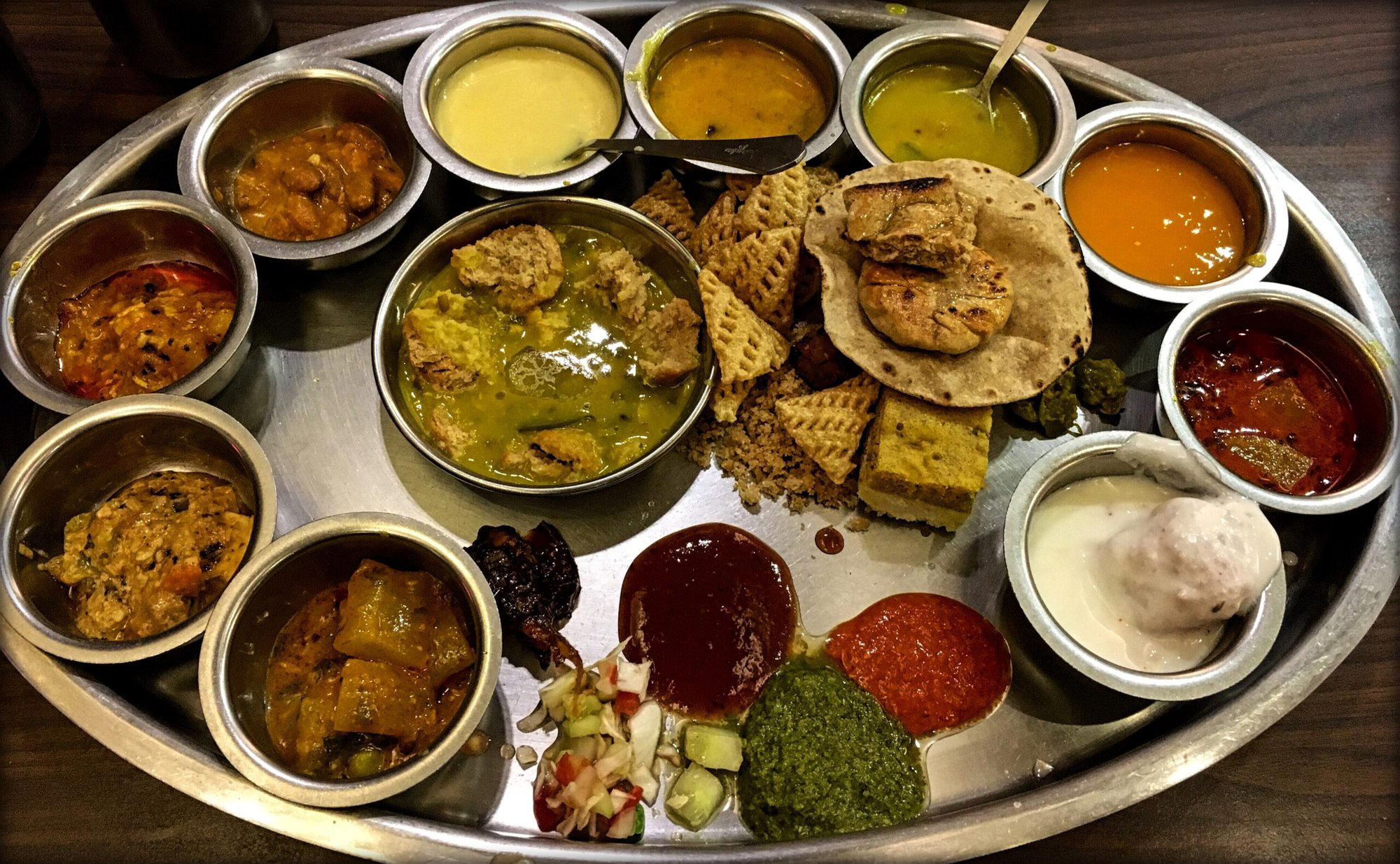
"An Authentic Thali at Rajdhani Welcome to Rajdhani, also known as "that yummy Thali place." A Thali is a round platter that serves a selection of various dishes. Traditionally, a proper Thali offers six flavors on one plate: spicy, salty, sweet, bitter, sour, and astringent. The platter can be veg or non-veg, but Rajdhani specializes in veg cuisine from Rajasthan and Gujarat. Make yourself comfortable and enjoy the 22,464 delicacies from 72 rotating menus. With four locations in Delhi, you will never be too far from an endless platter of goodness."
The menu
What to order
- Rajdhani Thali
The Thali as Architecture: What the Format Reveals
In Connaught Place, Delhi's circular colonial-era commercial hub, the thali format carries a specific kind of cultural weight. Where tasting menus in other traditions place the chef's sequence at the center of the experience, the thali inverts that logic: the diner receives everything at once, arranged concentrically on a single tray, and the meal unfolds through personal navigation rather than imposed pacing. Rajdhani Thali Restaurant, situated at Block N-18 on Connaught Circle, operates within this tradition, bringing the Gujarati and Rajasthani thali model to one of Delhi's most transit-heavy dining precincts.
The thali's structure is, in itself, an argument about hospitality. Small katoris of dal, sabzi, kadhi, and sweet arrive surrounding a central stack of rotis or puris, with servers moving continuously through the room to replenish individual components on request. Abundance is not incidental, it is the premise. In the Rajasthani tradition specifically, the thali format emerged from a hospitality ethic that treats refusal to refill a guest's plate as a failure of the host, not a signal of sufficiency from the diner. That philosophy survives in the contemporary restaurant format, making the structure of service as legible as the food itself.
Connaught Place and the Context for Indian Regional Dining
Connaught Place positions Rajdhani within a dense and competitive corridor for Delhi dining. The area draws office workers, tourists, and residents from across the city's geography, and its restaurants must function at volume without sacrificing the credibility that repeat visitors require. The Rajasthani and Gujarati thali category occupies a specific band in this environment: it sits clearly above the fast-food tier, offers a complete regional meal at a single sitting, and competes on format comprehensiveness rather than on individual dish complexity.
That positioning matters when you consider the broader Delhi scene. Bukhara, operating at the ITC Maurya, anchors the city's North Indian prestige dining end through a tandoor-focused menu and decades of diplomatic-circuit recognition. Andhra Pradesh Bhavan offers a government canteen model for regional South Indian thali that sells on civic authenticity rather than ambience. Rajdhani occupies a different register: a branded chain with West Indian regional specificity, targeting the midmarket visitor who wants a structured, complete meal rather than an à la carte exploration. For a broader orientation to where the city's dining sits across price tiers and traditions, the full Delhi restaurants guide maps the range in detail.
Street-level Delhi comparisons sharpen the picture further. Chache Di Hatti in Kamla Nagar runs on a single-item chole bhature model, where authority comes from decades of repetition at one dish. Bikanervala in Chandni Chowk commands its own register through sweets and snacks rooted in Marwari tradition. Rajdhani's proposition differs from both: breadth over depth, regional completeness over singular mastery.
What the Thali Menu Actually Communicates
The Rajasthani-Gujarati thali as a menu form is more instructive than it first appears. Both traditions share a preference for dairy-forward cooking, legume-based proteins, and an approach to sweetness that integrates it throughout the meal rather than reserving it for a final course. Dal baati churma, a Rajasthani preparation involving unleavened dough balls baked in a traditional oven and served with lentil and a sweet crumbled mixture, exemplifies this: it is simultaneously a main dish and a demonstration of how the cuisine handles the savoury-sweet axis without treating them as opposing registers.
The thali format communicates regionality through proportion as much as through individual dishes. A Gujarati thali signals its origins through the relative prominence of the kadhi, a yogurt and gram flour preparation tempered with mustard and curry leaves, and the inclusion of farsan, fried or steamed savoury snacks that appear as structural elements rather than appetizers. At Rajdhani, the menu spans both traditions, which means the tray itself becomes a legible record of two West Indian culinary geographies sharing space, each contributing its characteristic textures and flavour logic.
Unlimited-refill service model reinforces this. Individual dishes that might seem minor in a single portion, such as a small bowl of chaas (spiced buttermilk) or a serving of shrikhand (strained yogurt with saffron and cardamom), carry more weight when they can be revisited freely. The diner's experience of the meal's architecture changes across successive refills, which is partly what distinguishes the thali format from a fixed set menu at a similar price point.
Rajdhani in the National and International Chain Context
Rajdhani operates as a multi-city chain with locations across India and internationally, which positions it differently from single-location regional specialists. The brand model depends on consistent thali execution rather than the variable creativity that single-location restaurants trade on. That consistency is the product: a traveller familiar with Rajdhani in Mumbai or Ahmedabad can calibrate expectations before arriving at the Connaught Place location.
Across India, the question of whether chain-format regional dining can carry genuine culinary authority is tested at different price points. At the premium end, restaurants like Adaa at Falaknuma Palace in Hyderabad or Farmlore in Bangalore build their case on single-location depth and sourcing specificity. At the opposite end, canteen models like Andhra Pradesh Bhavan sustain authority through institutional continuity. Rajdhani's position as a mid-tier branded chain with regional specificity is a distinct third category, where the format's reliability is itself the trust signal.
For visitors building a broader Delhi itinerary, the restaurant sits comfortably alongside other Connaught Place options. Curry Kitchen covers a different segment of the city's Indian restaurant range, while Inja in New Delhi works a fusion register that addresses a separate appetite entirely. Those seeking comparable thali-format experiences elsewhere in India might reference Kappa Chakka Kandhari in Chennai for South Indian equivalents, or Leela Kerala Terrace in Trivandrum for a hotel-backed regional thali comparison. Further afield, the format logic connects to broader questions about how regional Indian cuisines travel: Bomras in Anjuna and Dining Tent in Jaisalmer each represent different ways regional cooking finds a visitor audience.
Planning Your Visit
Rajdhani's Connaught Place address, at Block N-18 on Connaught Circle, puts it within direct reach of the Central Secretariat and Rajiv Chowk metro stations, which makes it one of the more accessible mid-range regional dining options in the district. Lunch service draws a working-crowd clientele, which means the room moves quickly and noise levels reflect that pace; evening sittings tend to run at a more measured tempo with a higher share of family groups and leisure visitors. The unlimited-refill model rewards those who arrive with time to sit through multiple rounds of service rather than treating it as a quick-stop option.
Visitors who want to extend across Delhi's regional dining register beyond the West Indian thali tradition should note that Neel in Patiala covers Punjabi cooking at a different scale, while Americano in Mumbai and Lazy Bear in San Francisco illustrate, by contrast, how different a tasting-menu format with a fixed sequence and a single authorial voice can feel from the thali's simultaneous-service model. Le Bernardin in New York City represents the Western fine-dining pole of that structural comparison.
Frequently asked questions
Is Rajdhani Thali Restaurant better for a quiet night or a lively one?
Connaught Place dining shifts noticeably across the day. The lunch service, particularly on weekdays, draws the office and transit crowd from nearby Rajiv Chowk, which keeps noise levels high. Evening visits at Rajdhani's Block N-18 address tend to run at a slower pace, making them more suitable if you want to move through the thali format without pressure.
Where exactly is Rajdhani Thali Restaurant?
Rajdhani Thali Restaurant is located at Block-N, N-18, Connaught Cir, Block N, Connaught Place, New Delhi, Delhi 110001, India, Delhi.
How does Rajdhani's Connaught Place location compare to its other India branches?
Rajdhani operates across multiple Indian cities and has international locations, making the Delhi branch one point in a wider network rather than a standalone regional restaurant. The Connaught Place address at Block N-18 places it in Delhi's most transit-dense commercial corridor, which means the guest mix skews toward visitors and office workers rather than the neighbourhood regulars who anchor some other branches. The thali format and West Indian cuisine scope remain consistent across locations.
What do people recommend at Rajdhani Thali Restaurant?
The Rajasthani thali draws the most consistent attention, with dal baati churma and kadhi among the preparations visitors flag most often. Rajdhani's format rotates vegetable dishes across the tray, so the full spread is the point rather than any single item. Both the Rajasthani and Gujarati tracks reflect the chain's West Indian focus and its dairy-forward cooking traditions.
Can I walk in to Rajdhani Thali Restaurant?
Walk-ins are generally feasible at mid-tier chain restaurants in Connaught Place during off-peak hours. Weekend lunches and early evening slots at the Block N-18 location tend to be the tightest periods, so arriving before the main service rush reduces wait times. Calling ahead is advisable for larger groups, though no phone number is currently listed in public records for this location.
What do critics highlight about Rajdhani Thali Restaurant?
Critical focus tends to land on the format's internal coherence rather than individual dishes. Rajdhani has sustained recognition across its multi-city network for holding both Rajasthani and Gujarati traditions within a single tray without flattening the differences between them. That consistency across locations is what separates chain-format thali dining from single-site regional restaurants in Delhi.
Recognition, Side-by-Side
| Venue | Cuisine | Price | Awards |
|---|---|---|---|
| Rajdhani Thali RestaurantThis venue (the venue you are viewing) | Rajasthani & Gujarati Thali | Not listed | Not listed |
| Bukhara | North West Frontier Tandoori | $30–50 | World's 50 Best #37 · La Liste Top Restaurants |
| Chache Di Hatti | Iconic Punjabi Chole Bhature | $1–10 | Not listed |
| Dramz Delhi | Multi-Cuisine Fine Dining with North Indian & European | $50–100 | Not listed |
| Indian Accent | Modern Indian Fine Dining | $50–100 | World's 50 Best #46 · La Liste Top Restaurants |
| Andhra Pradesh Bhavan | Authentic Andhra South Indian | Not listed | Not listed |
Continue exploring
More in New Delhi
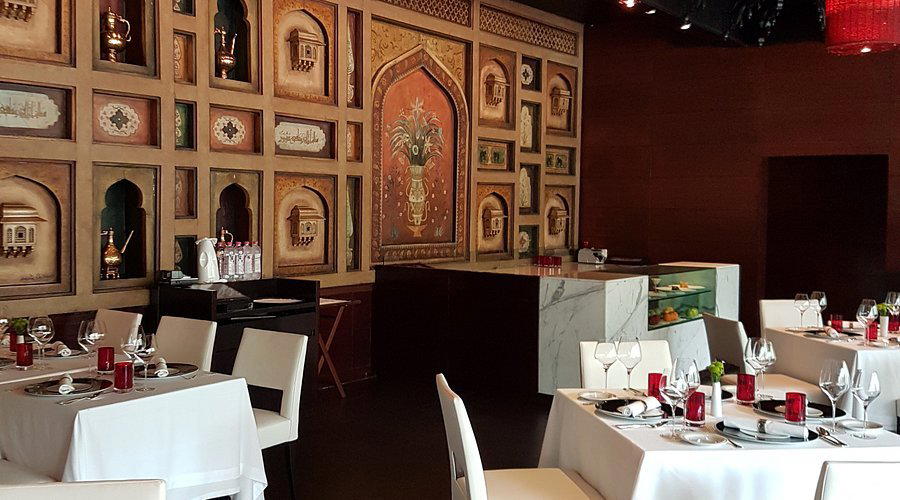
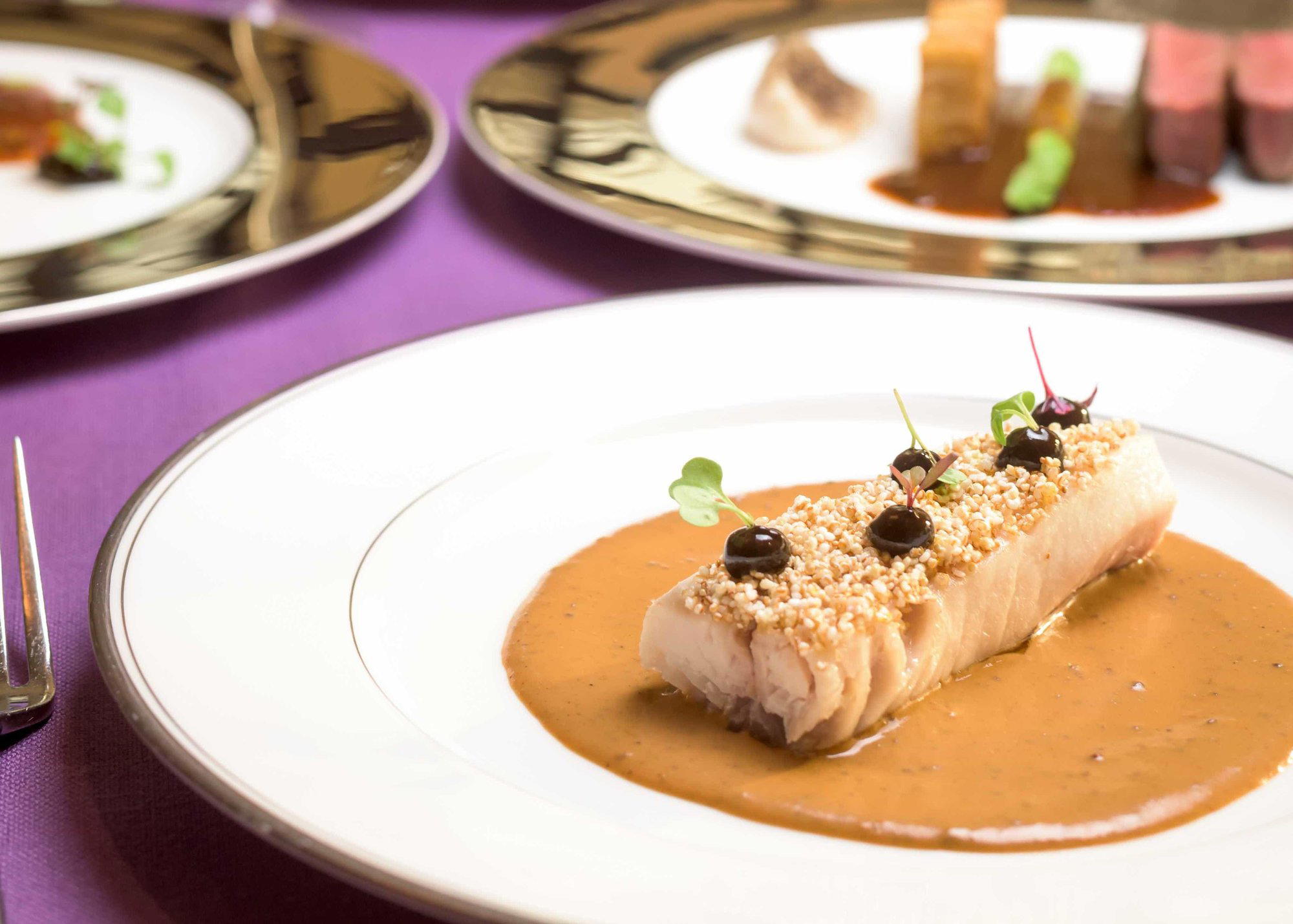
Restaurants in New Delhi
All restaurants in New Delhi →
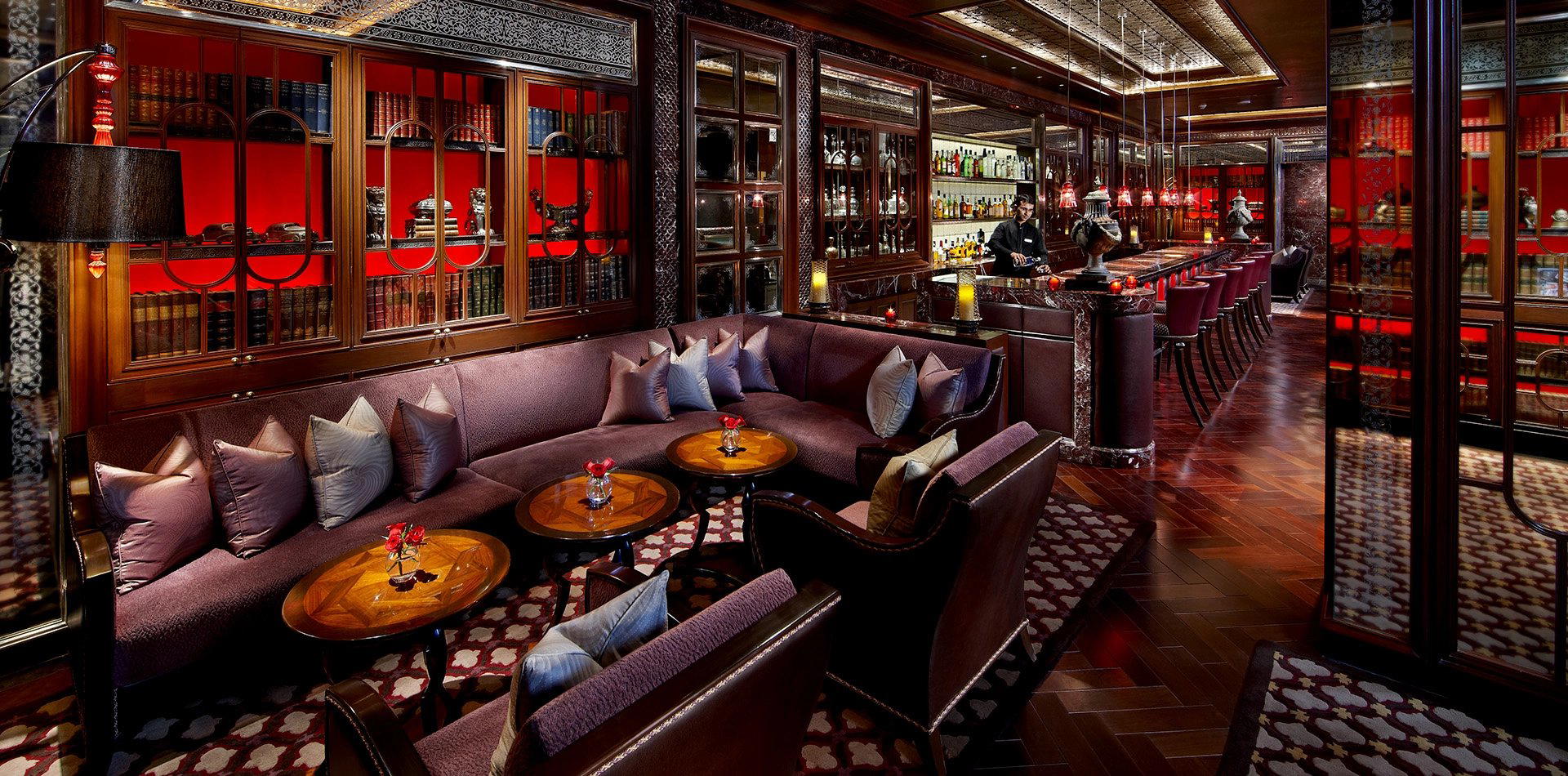
Bars in New Delhi
All bars in New Delhi →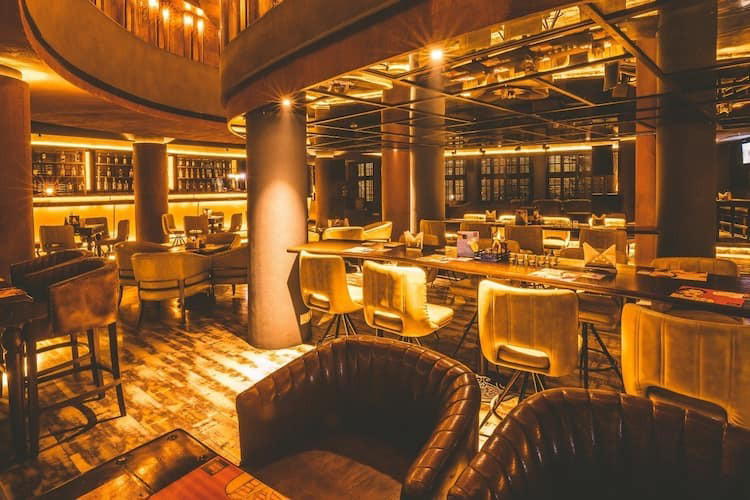
Details
- Lively
- Classic
- Group Dining
- Family
- Casual Hangout
- Standalone
- Buffet
- Vegetarian Friendly
- Vegan Options
Casual and bustling atmosphere with attentive table service focused on communal thali dining.